
DAP fertilizer is a vital nutrient source for crops, combining nitrogen and phosphorus to boost yields. This guide identifies the top 8 DAP fertilizers, compares their benefits, and offers expert advice on selection and application to maximize farm productivity.
Table of Contents
Understanding DAP Fertilizer: Composition, Benefits, and Uses
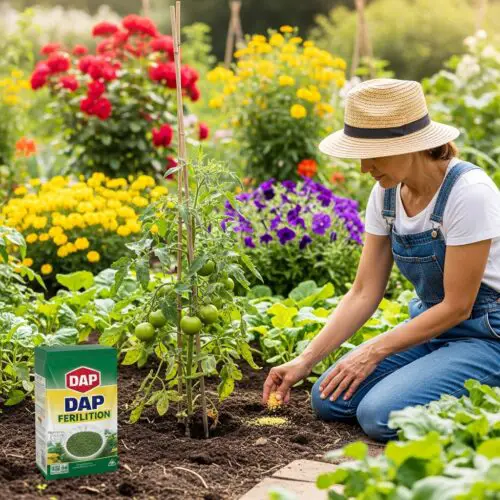
Diammonium phosphate (DAP) is a widely used fertilizer fundamental to modern agriculture. Its high nutrient content makes it essential for early crop development, flowering, and soil health. Knowing its composition and applications helps optimize its use for maximum crop yield.
What is DAP Fertilizer?
DAP, or diammonium phosphate, is a chemical compound with the formula (NH₄)₂HPO₄. It supplies two vital nutrients: nitrogen (N) and phosphorus (P). It is a granular fertilizer favored for its high solubility and quick nutrient release. Because it contains about 18% nitrogen and 46% phosphorus pentoxide (P₂O₅), DAP provides a balanced boost during key growth stages.
Nutrient Profile and Chemical Composition
| Nutrient | Percentage | Role in Plant Growth |
|---|---|---|
| Nitrogen (N) | 18% | Promotes leaf and vegetative growth |
| Phosphorus (P₂O₅) | 46% | Supports root development, flowering, and energy transfer |
DAP’s dual nutrient profile makes it a cornerstone in crop nutrition. Its high phosphorus content encourages vigorous root systems, essential for water and nutrient absorption. The nitrogen component sustains healthy foliage and overall vigor.
How DAP Benefits Crop Growth
- Supports Root Development: Phosphorus in DAP stimulates early root growth, enabling seedlings to establish quickly. For example, in wheat and maize, early root strength correlates with drought resistance and nutrient uptake capacity.
- Enhances Flowering and Seed Production: Providing phosphorus during pre-flowering stages improves pollination and seed set. Crops like tomatoes and groundnuts show increased yields with timely DAP application.
- Improves Soil Fertility: DAP adds essential nutrients directly to the soil, promoting long-term health. Its solubility ensures rapid nutrient availability while contributing to soil structure when used appropriately.
- Boosts Early Vegetative Growth: Applying DAP at planting supplies nutrients immediately, giving crops a strong start. This is particularly beneficial for crops like rice and vegetables that depend on early nutrient uptake for high yields.
- Supports Crop-Specific Needs: For high-demand crops such as legumes or fruit trees, DAP provides the phosphorus needed for optimal flowering and fruiting, especially in soils deficient in available P.
Practical Application Insight
Farmers should consider soil pH and crop stage when using DAP. For acidic soils, liming may be necessary to prevent phosphorus tie-up. Applying DAP during planting or early vegetative stages ensures crops benefit from rapid nutrient absorption, leading to healthier plants and higher yields.
Enhance your garden’s vitality with DAP Fertilizer — Shop on Amazon now!
Top 8 DAP Fertilizers for 2024: Product Comparisons and Features
Choosing the right DAP fertilizer depends on factors like purity, solubility, price, and suitability for your crop and farm size. Here is a detailed comparison of the leading products to help you make an informed decision.
Key Criteria for Selecting DAP Fertilizer
- Brand reputation: Established brands ensure quality and consistent nutrient content.
- Purity and nutrient concentration: Higher purity means fewer impurities, better for sensitive crops.
- Granule size and uniformity: Smaller, uniform granules dissolve more evenly.
- Solubility: Water-soluble DAP provides rapid nutrient availability.
- Price point: Cost-effectiveness varies by brand and formulation.
Comparative Overview of Leading DAP Fertilizer Products
| Product Name | Brand Reputation | Purity & Grade | Granule Size | Solubility | Price Range | Unique Selling Point |
|---|---|---|---|---|---|---|
| Mosaic DAP | Highly reputable | 46% P₂O₅, high purity | Medium | Highly soluble | Moderate | Consistent quality, ideal for large farms |
| Nutrien DAP | Industry leader | 46% P₂O₅, certified | Fine | Excellent | Competitive | Cost-effective, fast dissolving |
| IFFCO DAP | Renowned Indian brand | 46% P₂O₅, high purity | Coarse | Very soluble | Slightly higher | Suitable for varied soil types |
| Organic DAP (Bio formulations) | Organic-certified options | Variable, generally lower | Variable | Varies | Higher | Organic, eco-friendly, slow-release |
| Nano DAP | Innovative formulations | 46% P₂O₅, nano-enhanced | Fine | Rapid | Premium | Faster nutrient uptake, suitable for precision farming |
| S.J ORGANICS DAP | Organic and natural focus | 46% P₂O₅ | Fine | Good | Moderate | Organic, suitable for organic farms |
| Ugaoo DAP | Popular retail brand | 46% P₂O₅ | Medium | Good | Affordable | Widely available, reliable quality |
| Shiviproducts Bio DAP | Organic and bio-focused | 46% P₂O₅ | Coarse | Moderate | Slightly higher | Eco-friendly, suited for sustainable farming |
Mosaic DAP – Check Price on Amazon →
Nutrien DAP – Check Price on Amazon →
Decision-Making Scenario: Which DAP Fits Your Farm?
- Large-scale commercial farm: Mosaic DAP offers high purity and consistent quality, ensuring uniform crop response.
- Cost-sensitive small farm: Ugaoo DAP provides reliable solubility at an affordable price.
- Organic or eco-conscious farm: S.J ORGANICS or Bio DAP options support organic certification standards.
- Precision agriculture: Nano DAP accelerates nutrient absorption, ideal for crops needing quick response.
Practical Application Tips
- Match fertilizer selection to soil pH. For acidic soils, opt for high-purity DAP to prevent phosphorus tie-up.
- For crops requiring rapid phosphorus availability, choose highly soluble, fine-grade DAP.
- Use granular size as a guide: smaller, uniform granules for even dissolution; coarser for slow-release needs.
Additional Insights
- Quality standards: Always verify if the DAP product meets local fertilizer quality certifications.
- Price vs. performance: Higher-priced products often have better purity and solubility, but affordable options can suffice with proper application.
- Long-term soil health: Organic formulations may support sustainable farming practices, reducing chemical buildup.
This decision matrix helps you select DAP fertilizer tailored to your crop demands, soil conditions, and budget constraints.
How to Choose the Right DAP Fertilizer Based on Soil and Crop Needs
Selecting the appropriate DAP fertilizer requires understanding your soil’s characteristics, crop requirements, and growth stage. This targeted approach ensures optimal nutrient availability and maximizes yield while avoiding waste or environmental impact.
Assessing Soil pH and Phosphorus Levels
Start with a soil test to determine pH and existing nutrient content.
- Soil pH influences DAP solubility and nutrient availability.
- Phosphorus levels indicate whether additional phosphorus, like DAP, is necessary.
- Ideal pH range: 6.0 to 7.5 for DAP effectiveness.
- Below pH 6.0: Phosphorus may tie up, reducing availability.
- Above pH 7.5: Phosphorus solubility decreases; consider alternatives or soil amendments.
Example:
If your soil pH is 5.5, applying DAP alone may lead to phosphorus tie-up. Consider liming the soil to raise pH or choosing a slow-release phosphorus source.
Matching DAP to Crop Growth Stages
Different crop stages demand specific nutrient profiles.
- Early stage (seedling): Use highly soluble DAP to promote root development.
- Pre-flowering and flowering: Ensure sufficient phosphorus to support flowering and seed set.
- Grain filling: Continue with DAP if soil phosphorus is low; otherwise, consider other sources.
-
Decision rule:
- For crops like maize or wheat in early stages: Use granular, water-soluble DAP.
- During flowering: Apply DAP before flowering begins for optimal nutrient uptake.
Scenario:
A farmer growing tomatoes should apply DAP just before flowering to enhance fruit set, matching crop demand.
Considering Fertilizer Form and Brand Reputation
Choose the form of DAP based on application method and soil conditions.
- Granular DAP: Suitable for broadcast or band application.
- Fine or water-soluble DAP: Ideal for quick nutrient absorption, especially in high pH soils.
- Slow-release formulations: Best for maintaining steady nutrient supply in sensitive soils.
Verify fertilizer quality by checking certifications and brand reputation. High-purity products dissolve more efficiently, reducing the risk of nutrient tie-up and ensuring consistent crop performance.
Decision Framework for Selecting DAP Fertilizer
Use this simplified decision tree:
| Soil pH | Crop Stage | Nutrient Need | Recommended DAP Form | Additional Notes |
|---|---|---|---|---|
| <6.0 | Early growth | Root development | Slow-release or liming + DAP | Consider pH correction first. |
| 6.0–7.5 | Pre-flowering to flowering | Flowering & seed setting | Water-soluble, granular DAP | Ensure soil phosphorus is low. |
| >7.5 | Grain filling | Sustained phosphorus | Fine, water-soluble DAP | Monitor for phosphorus tie-up. |
Tip: Always tailor your DAP choice to specific crop needs and local soil conditions. Combining soil testing with this framework leads to precise, efficient fertilizer use.
Applying DAP Fertilizer Effectively: Timing, Methods, and Dosage
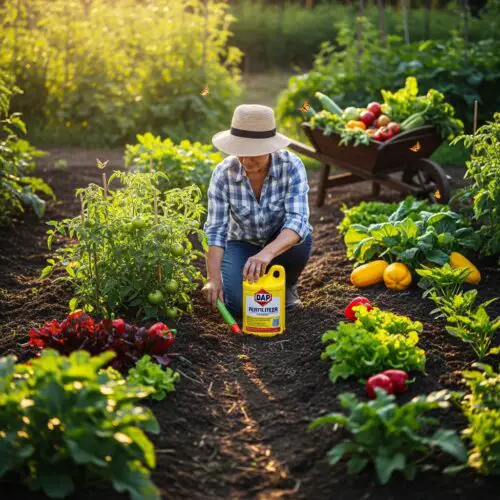
Proper application of DAP fertilizer maximizes crop yield and minimizes potential issues such as plant burn or pH imbalance. Follow best practices for timing, method, and dosage tailored to your crop type and soil conditions. Use a structured checklist to ensure precise and safe application.
When Is the Best Timing to Apply DAP?
- Pre-planting: Incorporate DAP into soil during initial land preparation. This ensures nutrients are available at planting, promoting early root development.
- Banding at Planting: Place DAP in bands close to seeds. This method improves nutrient uptake efficiency and reduces wastage.
- Broadcasting: Spread uniformly over the soil surface before or after planting. Ideal for large fields with uniform soil conditions.
- Post-emergence: Apply as a top dressing during early growth stages if deficiencies are identified via soil testing.
Scenario Example: For a wheat farm with neutral pH soil, pre-planting banding of DAP ensures immediate nutrient availability during germination. If soil tests indicate low phosphorus, supplement with additional P sources later.
Methods of Applying DAP for Different Crops
| Crop Type | Recommended Application Method | Notes |
|---|---|---|
| Cereals (wheat, maize) | Band placement at planting | Ensures roots access nutrients early in growth |
| Vegetables | Incorporate into soil or side-dress after planting | Avoid direct contact with roots to prevent burn |
| Fruits | Apply in bands or as a top dressing during flowering | Supports flowering and fruiting stages |
| Legumes | Use as a soil amendment before planting | Enhances early development; legumes fix nitrogen naturally |
Tip: Adjust application depth based on soil type. In sandy soils, place DAP closer to the seed; in clay soils, incorporate deeper to prevent tie-up.
Avoiding Common Application Mistakes
- Overapplication: Excess DAP can cause root burn or soil pH shifts toward acidity. Always follow recommended dosages.
- Improper Timing: Applying DAP too late in the crop cycle reduces effectiveness. Align application with crop growth stages.
- Ignoring Soil pH: DAP can lower soil pH over time, especially in acidic soils. Conduct regular pH tests and lime if necessary.
- Poor Mixing: Dissolve granular DAP thoroughly in water when applying as a liquid to ensure uniformity and reduce burn risk.
Step-by-Step Application Checklist
- Conduct Soil Testing: Determine pH and phosphorus levels.
- Decide Application Timing: Based on crop stage and soil conditions.
- Calculate Correct Dosage: Refer to crop-specific and soil test recommendations.
- Choose Application Method: Banding, broadcasting, or incorporation.
- Prepare DAP: Dissolve in water for liquid application or spread granules evenly.
- Apply Carefully: Avoid contact with crop foliage or roots directly.
- Monitor Soil pH: Adjust with lime if pH drops below optimal levels.
- Observe Crop Response: Watch for signs of deficiency or burn, adjusting future applications accordingly.
Practical Application Tips
- Soil pH Adjustment: If soil is acidic (pH < 6.0), lime application before DAP can buffer acidity and prevent phosphorus tie-up.
- Climate Consideration: In heavy rains, delay or modify DAP application to prevent leaching or runoff.
- Crop-Specific Needs: For high-demand crops like tomatoes or fruit trees, split DAP applications into multiple doses aligned with growth stages.
Example: On a clay soil farm with a pH of 5.8, apply lime a few weeks before planting. During planting, incorporate DAP in bands at a rate of 100 kg/ha, split into two applications if the crop is expected to grow for over 120 days.
Comparing DAP with Other Phosphorus Fertilizers and Organic Alternatives
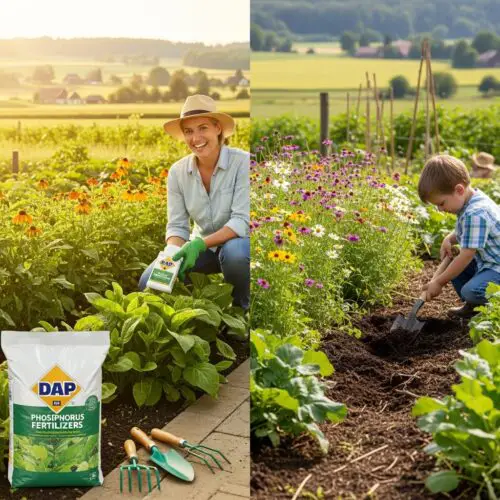
Farmers and gardeners often choose between DAP, other chemical fertilizers, and organic options based on solubility, cost, and soil health impacts. Understanding these differences helps optimize crop yields while maintaining sustainable soil conditions.
How does DAP compare to TSP and MAP in solubility and effectiveness?
| Fertilizer | Solubility | Nutrient Availability | Soil Interaction | Cost | Long-term Impact |
|---|---|---|---|---|---|
| DAP | Highly soluble | Immediate release of nitrogen and phosphorus | Slightly acidic effect; can lower soil pH over time | Moderate to high | May acidify soil, requiring pH management |
| TSP | Water-soluble | Similar phosphorus availability as DAP | Less impact on soil pH; more neutral | Slightly cheaper | Less risk of soil acidification; slower release |
| MAP | Highly soluble | Similar to DAP, with slightly different physical properties | Similar soil impact; slightly more hygroscopic | Comparable to DAP | Similar long-term effects |
Scenario: In acidic soils, DAP’s ammonium component can temporarily lower pH, necessitating liming to prevent phosphorus tie-up. TSP, being less basic, might be preferable here for long-term pH stability.
What about organic fertilizers like compost or bone meal?
-
Compost:
- Solubility: Low; nutrients release slowly through microbial decomposition.
- Availability: Nutrients are available over months, supporting long-term soil health.
- Soil interaction: Improves soil structure, increases microbial activity, and buffers pH.
- Cost: Generally cheaper per unit of nutrient but requires large quantities.
- Long-term impact: Enhances soil fertility sustainably; improves soil organic matter.
-
Bone Meal:
- Solubility: Low; phosphorus release is slow.
- Availability: Suitable for long-term phosphorus supply.
- Soil interaction: Increases soil P content gradually, with minimal pH impact.
- Cost: Usually more expensive than synthetic options.
- Long-term impact: Supports sustainable soil health but may not meet immediate crop needs.
How to decide between chemical and organic options?
- Use DAP for quick nutrient correction during planting or early growth stages, especially in high-demand crops requiring rapid phosphorus and nitrogen supply.
- Choose TSP if soil pH stability is a priority, or if avoiding acidification is necessary.
- Incorporate organic fertilizers like compost or bone meal for long-term soil health, gradual nutrient release, and sustainability.
- Consider farm size, budget, and crop needs. Combining synthetic DAP with organic amendments can optimize both immediate and long-term benefits.
Key decision rule:
- For immediate nutrient needs and high crop demand, opt for DAP or MAP.
- For long-term soil health and sustainable practices, prioritize organic options like compost or bone meal.
- Evaluate soil pH and nutrient deficiencies through testing before selecting fertilizer types to prevent adverse interactions or nutrient tie-up.
Enhance your garden’s growth and vitality with DAP Fertilizer — Shop on Amazon!
Addressing Common Issues and Troubleshooting DAP Use
Farmers often encounter challenges such as soil pH imbalance, fertilizer burn, or poor nutrient uptake when using DAP fertilizer. Recognizing and resolving these issues ensures optimal crop growth and prevents long-term soil degradation.
How to Identify and Correct Soil pH Imbalance
Soil pH significantly influences DAP effectiveness. DAP tends to acidify soil over time, which can hinder nutrient availability.
-
Signs of soil pH imbalance:
- Yellowing leaves despite proper fertilization
- Poor root development
- Reduced crop yields
-
Troubleshooting steps:
- Test soil pH regularly using a reliable pH meter or test kit.
- If pH falls below 6.0, incorporate lime or wood ash to raise pH toward neutral (6.5–7.0).
- For soils with pH above 7.0, consider alternative phosphorus sources like rock phosphate or organic amendments to avoid further acidity.
-
Long-term management:
- Regularly monitor pH and adjust fertilizer regimes accordingly.
- Use organic matter to buffer soil pH and improve overall health.
How to Prevent and Correct Fertilizer Burn
Overapplication or improper timing of DAP can cause fertilizer burn, damaging plant roots and foliage.
-
Symptoms:
- Browning or wilting leaf edges
- Stunted growth
- White or crusty residue on soil surface
-
Troubleshooting steps:
- Always apply DAP in recommended amounts based on soil tests.
- Avoid spreading DAP directly on plant stems or leaves.
- Incorporate DAP into the soil to prevent direct contact with roots.
- Water immediately after application to dilute concentrated nutrients.
-
Prevention tips:
- Use a fertilizer application chart specific to your crop and soil condition.
- Opt for split applications instead of a single heavy dose.
How to Optimize Nutrient Uptake and Address Poor Absorption
Poor nutrient uptake can result from improper application timing, soil conditions, or competition with other nutrients.
-
Signs of poor uptake:
- Slow or uneven crop growth
- Yellowing or chlorosis in leaves
- Excessive weed growth over crops
-
Troubleshooting steps:
- Conduct comprehensive soil testing to assess nutrient levels and pH.
- Adjust DAP application timing: early planting or during vegetative stages enhances uptake.
- Combine DAP with organic matter or other amendments to improve soil structure and microbial activity.
- Avoid over-application of potassium or other nutrients that may compete with phosphorus absorption.
-
Decision rule:
- If soil tests show low phosphorus but adequate nitrogen, prioritize DAP application during early growth.
- If pH is too acidic, apply lime before DAP to improve nutrient availability.
Practical Troubleshooting Checklist
| Symptom | Possible Cause | Action |
|---|---|---|
| Yellowing leaves | Soil pH too low or high | Test pH, adjust with lime or organic amendments |
| White crust on soil surface | Fertilizer burn or overapplication | Water thoroughly, reduce application rate |
| Slow growth, chlorosis | Nutrient tie-up or poor uptake | Test soil, adjust pH, and consider split applications |
| Root or seedling damage | Excessive DAP application | Incorporate DAP into soil, apply less, and water immediately |
Scenario-Based Decision Framework
- Scenario: You observe yellowing leaves and poor root development after applying DAP.
- Decision: Conduct a soil pH test. If pH is below 6.0, add lime to neutralize acidity. If pH is optimal, reduce DAP application rate or split doses. Incorporate organic matter to improve soil health and buffer pH fluctuations.
Long-term Soil Health and Environmental Considerations of DAP Use
Repeated application of DAP fertilizer can impact soil microbiomes, pH levels, and the environment. Implementing sustainable practices helps mitigate negative effects and promotes soil vitality over time.
How Does Repeated DAP Application Affect Soil pH?
DAP tends to lower soil pH over time due to the ammonium component releasing hydrogen ions during nitrification. This acidification can lead to soil salinity, reduce nutrient availability, and harm beneficial microorganisms. For example, continuous use without pH management can shift soil from neutral to moderately acidic, impairing crop growth.
Actionable tip: Regular soil testing detects pH changes early. Applying lime can neutralize acidity, maintaining optimal pH levels between 6.0 and 7.0 for most crops.
What Are the Environmental Risks of DAP Runoff?
If DAP is over-applied or poorly integrated, excess nutrients can leach into water bodies, causing eutrophication. This leads to algal blooms, oxygen depletion, and aquatic life die-offs. DAP runoff also contributes to greenhouse gas emissions, especially nitrous oxide, a potent climate pollutant.
Best practice: Use precise soil tests to determine crop needs. Employ buffer zones and controlled-release formulations to minimize runoff.
How Can Farmers Practice Sustainable DAP Use?
Adopting integrated nutrient management (INM) balances chemical fertilizers with organic amendments. Crop rotation and cover crops enhance soil microbial diversity and nutrient cycling. These practices reduce dependence on DAP, improve soil resilience, and protect the environment.
Example: A farm alternates DAP application with organic compost and legumes. This approach replenishes soil nitrogen naturally and stabilizes pH over multiple seasons.
Additional Recommendations
- Adjust application timing to match crop growth stages, reducing excess nutrient buildup.
- Employ soil testing at least annually to tailor fertilizer regimes.
- Incorporate organic matter like compost or manure to buffer soil pH and support beneficial microbes.
- Use slow-release or nano DAP formulations when available, to improve nutrient efficiency and reduce environmental impact.
By integrating these practices, farmers can sustain soil health, improve crop yields, and minimize ecological risks associated with long-term DAP use.
Final Recommendations and Choosing the Best DAP Fertilizer for Your Farm
Selecting and applying DAP fertilizer effectively requires understanding your soil, crop needs, and environmental conditions. Use this decision framework to optimize your DAP use and ensure maximum crop yield while maintaining soil health.
How to Choose the Right DAP Fertilizer
- Conduct soil testing at least once annually to determine pH, nutrient levels, and phosphorus availability.
- Match fertilizer grade to your crop’s growth stage. For early root development, choose high-solubility DAP with quick release; for long-term soil health, consider slow-release options.
- Evaluate brand quality and reputation. Prioritize products with consistent nutrient content and good reviews.
- Consider soil pH. DAP lowers soil pH temporarily; if your soil is already acidic, plan for lime application to balance pH.
- Compare costs and solubility. While cheaper options may seem attractive, ensure they dissolve efficiently to avoid nutrient lock-up.
When and How to Apply DAP for Best Results
- Apply at planting to promote early root growth and robust seedling establishment.
- Use banding or incorporation techniques for targeted nutrient delivery, especially in large fields.
- Adjust timing based on crop stage. For flowering crops, apply DAP before the reproductive phase to enhance flowering and fruiting.
- Combine with organic matter like compost to buffer pH changes and support beneficial soil microbes.
- Monitor crop response and soil conditions regularly. Reassess nutrient needs and adjust application rates accordingly.
Practical Decision-Making Checklist
| Step | Action | Key Consideration |
|---|---|---|
| 1 | Conduct soil test | Identify pH, P, N levels |
| 2 | Select DAP product | High solubility, reputable brand |
| 3 | Determine application timing | Early planting or pre-flowering |
| 4 | Decide application method | Banding, broadcasting, incorporation |
| 5 | Adjust for soil pH | Use lime if soil is too acidic |
| 6 | Combine with organic matter | Compost, manure for buffering |
| 7 | Apply based on crop needs | Consider crop type and growth stage |
| 8 | Monitor crop and soil | Adjust future applications |
Key Takeaways for Effective DAP Use
- Always base DAP application on soil test results and crop requirements.
- Prioritize high-quality, water-soluble DAP formulations for quick nutrient availability.
- Timing matters: apply during early growth, pre-flowering, or as needed for specific crops.
- Buffer soil pH with organic matter or lime when necessary.
- Avoid overapplication to prevent soil acidification and nutrient runoff.
- Incorporate slow-release or nano DAP options if available for sustained nutrient supply.
- Use a systematic checklist to ensure all critical steps are followed for optimal results.
Frequently Asked Questions
These quick answers cover the most common questions about this topic, including key details, practical tips, and common concerns.
Which DAP fertilizer is best?
The best DAP fertilizer depends on your specific needs, soil conditions, and crop type. High-purity brands like Mosaic DAP or Nutrien DAP are reliable choices for large-scale farming, offering consistent nutrient content and solubility. For organic or eco-friendly farms, consider certified bio-formulations. Always select a product that meets local quality standards and suits your application method.
What fertilizer is good for St. Augustine grass?
For St. Augustine grass, a balanced fertilizer with adequate nitrogen and phosphorus promotes healthy growth. DAP is effective when applied during active growth phases, especially in early spring or after overseeding. Applying DAP in moderation helps maintain lush, green turf without risking over-fertilization or soil pH imbalance.
What is poor man’s fertilizer?
Poor man’s fertilizer refers to affordable, readily available soil amendments like compost, manure, or bone meal. These organic options gradually improve soil fertility and structure. While they release nutrients slowly, they are sustainable and enhance long-term soil health, making them ideal for small farms or organic gardening.
What are the top 3 fertilizers?
The top three fertilizers generally include DAP for phosphorus and nitrogen, NPK compound fertilizers for balanced nutrition, and organic options like compost or manure for soil health. DAP is favored for quick phosphorus and nitrogen supply, while organic fertilizers support long-term soil vitality.
Which DAP fertilizer is best? What fertilizer is good for St. Augustine? What is poor man’s fertilizer? What are the top 3 fertilizers?
The best DAP depends on your crop and soil. For turf like St. Augustine, moderate application of DAP during active growth is effective. Organic fertilizers like compost are excellent as poor man’s options. The top fertilizers include high-quality DAP for phosphorus, NPK blends for balanced nutrition, and organic amendments for soil health.
Which is the best fertilizer for maize farming DAP or NPK?
Both DAP and NPK fertilizers can be effective for maize, but DAP is ideal during early stages for rapid phosphorus and nitrogen supply. NPK blends provide a balanced nutrient profile suitable for later growth stages. Using DAP at planting followed by NPK top dressing often yields the best results.
Which is the best fertilizer for planting maize, DAP or NPK?
For maize planting, DAP is preferred initially because of its high phosphorus content, which supports root development. NPK fertilizers are better suited for subsequent stages to supply additional nutrients like potassium and nitrogen. Combining both at different stages optimizes maize yields.
What fertilizer is good for St. Augustine grass?
A balanced fertilizer with nitrogen and phosphorus, applied during the growing season, promotes lush, green St. Augustine grass. DAP can be used during active growth, but avoid over-fertilizing to prevent excessive thatch buildup or soil acidity. Regular soil testing helps tailor application.
What is poor man’s fertilizer, and is DAP a good choice?
Poor man’s fertilizer includes inexpensive organic amendments like compost, manure, or bone meal. DAP is a chemical fertilizer that provides quick nutrient availability but can acidify soil over time. Combining organic amendments with DAP can improve soil health while meeting crop nutrient needs.
How do I select the right DAP fertilizer for my crop and soil?
Start with a soil test to determine pH and phosphorus levels. Choose high-purity, water-soluble DAP for quick response or slow-release formulations for sustained supply. Match your crop’s growth stage with the appropriate application timing. Always consider your soil pH and crop demands to optimize results.