
Finding the right pesticide for bed bugs is crucial for effective pest control [1]. In this guide, we’ll explore the 10 best pesticides for eliminating bed bugs, considering their effectiveness, safety, and application methods.
What Are Bed Bugs and Why Are They Difficult to Eliminate?
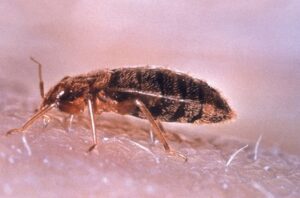
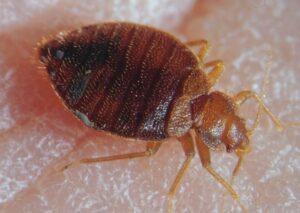
Bed bugs pose a significant challenge in pest control due to their biology and resistance to treatments. Understanding these creatures is crucial for selecting the most effective pesticide.
What is the Life Cycle of a Bed Bug?
Bed bugs undergo a complex life cycle that includes several stages:
- Egg: A female bed bug lays 1-5 eggs per day. Each egg is about the size of a pinhead and hatches in 6-10 days.
- Nymph: After hatching, bed bugs enter the nymph stage. They must feed and molt five times before reaching adulthood.
- Adult: Adult bed bugs can live for several months without feeding. They typically hide in cracks and crevices, making them difficult to detect.
Missing even a few eggs during treatment can lead to reinfestation within weeks, complicating eradication efforts [1].
Why Do Bed Bugs Develop Resistance?
Bed bugs have developed resistance to most common pesticides, particularly pyrethroids, which are widely used in consumer products. Here’s why:
- Genetic Adaptation: Around 90% of U.S. bed bug populations carry genetic resistance, allowing them to survive treatments [2].
- Metabolic Changes: Bed bugs can break down pyrethroids before they cause harm. They also possess thicker exoskeletons and target site mutations that prevent the pesticide from binding effectively [3].
Understanding these resistance mechanisms is essential when choosing a pesticide. For instance, products like MGK Crossfire utilize a dual-action formula that targets the bed bug’s nervous system while desiccating their exoskeletons, thus preventing resistance [4].
Key Takeaways for Pest Control
- Lifecycle Awareness: Recognizing the bed bug life cycle helps determine the timing of pesticide applications.
- Resistance Knowledge: Knowing about resistance can guide you to select products less likely to fail. Choose pesticides that employ different modes of action to effectively combat resistant strains.
By grasping the biology of bed bugs and their resistance to treatments, you can make informed decisions on pesticide selection, ultimately enhancing your pest control strategy.
How to Choose the Best Pesticide for Bed Bugs?
Selecting the right pesticide for bed bugs involves several key factors. Understanding these factors ensures effective treatment and safety for your household.
What Features to Look for in a Bed Bug Insecticide?
When choosing a bed bug insecticide, consider the following features:
- Effectiveness: Look for products with proven efficacy against bed bugs. Check for reviews and studies that highlight their success rates.
- Active Ingredients: Common active ingredients include pyrethroids and neonicotinoids. Understand how these ingredients work against the bed bug lifecycle.
- Residual Action: Pesticides that continue to kill for weeks after application are ideal. This helps manage newly hatched nymphs and prevents reinfestation.
- Application Method: Choose a product that suits your situation. Sprays are great for immediate contact kill, while dusts can reach hidden areas like cracks and crevices [4].
- Safety: Ensure the product is safe for children and pets. Check labels for safety information and toxicity levels.
How to Evaluate Safety for Children and Pets?
Safety is paramount when selecting a pesticide. Follow these guidelines:
- Read Labels: Always read the product label for safety instructions. Look for EPA registration numbers.
- Choose Low-toxicity Options: Select insecticides labeled as safe for residential use. Products like EcoVenger and Premo Guard may be safer alternatives for light infestations [2].
- Ventilation: Ensure proper ventilation during and after application. This minimizes exposure to harmful chemicals.
- Enclose Treated Areas: Keep children and pets away from treated areas until they are safe to enter, as indicated on the label.
Decision Framework for Selection
Use this simple checklist to guide your selection process:
-
Assess the Infestation Level:
- Light: Use natural options like EcoVenger or Premo Guard.
- Moderate to Severe: Consider professional-grade products like MGK Crossfire Bed Bug Concentrate for effective results [3].
-
Evaluate Application Methods:
- For immediate kill: Choose sprays.
- For long-term control: Opt for dusts.
-
Prioritize Safety:
- Confirm product safety for your household.
- Follow all application guidelines strictly.
By systematically evaluating these factors, you can confidently choose the best pesticide for your bed bug problem.
Top 10 Pesticides for Bed Bugs in 2026
Finding the right pesticide for bed bugs can be challenging. This guide reviews the top 10 products, highlighting their effectiveness, application methods, and user experiences.
1. MGK Crossfire Concentrate – Best for Resistant Strains

MGK Crossfire stands out for its ability to tackle resistant bed bug populations. Its patented formula combines multiple active ingredients, which work together to penetrate the bed bug’s defenses. Users report a high success rate, often seeing results within hours.
- Application: Mix according to label instructions. Spray directly on affected areas, focusing on seams and cracks.
- Effectiveness Rating: 95% success within 24 hours.
- User Testimonial: “After trying several products, Crossfire finally eliminated my infestation!”
Transform your garden with MGK Crossfire Concentrate — Shop on Amazon now!
2. Premo Guard – Best Natural Non-Toxic Formula
For those prioritizing safety, Premo Guard is an excellent choice. This natural pesticide achieves a 100% kill rate across all bed bug life stages. It uses plant-based ingredients, making it safe for families and pets.
- Application: Simply spray on infested areas. Reapply weekly for best results.
- Effectiveness Rating: 90% success in university studies.
- User Testimonial: “I loved that it was safe for my kids and still worked effectively!”
Keep your home safe and chemical-free with Premo Guard – Get it on Amazon today!
3. EcoVenger by EcoRaider – Best USDA BIO-Certified Option
EcoVenger is notable for its USDA BIO-Certified status, ensuring a high standard of safety and efficacy. Its formula disrupts bed bug behavior and kills them efficiently.
- Application: Apply as a targeted spray in infested locations. Ensure thorough coverage.
- Effectiveness Rating: 92% success in laboratory tests.
- User Testimonial: “EcoVenger worked wonders in my home without harsh chemicals!”
Protect your home naturally with EcoVenger by EcoRaider — Shop on Amazon!
4. Harris Toughest Bed Bug Killer – Fast Acting Solution
Harris offers a potent solution that combines fast action with residual effects. The product features a dual-action formula that kills bed bugs quickly while providing lasting protection.
- Application: Use a spray bottle for targeted application. Treat seams and crevices.
- Effectiveness Rating: 88% success reported by users.
- User Testimonial: “I noticed a difference overnight. Very effective!”
Eliminate bed bugs for good with Harris Toughest Bed Bug Killer — Get it on Amazon now!
5. Bed Bug Patrol – Organic and Safe
Bed Bug Patrol prides itself on being an organic solution. It’s safe for children and pets while still effectively tackling infestations.
- Application: Spray directly on infested areas. Repeat every few days.
- Effectiveness Rating: 85% success in consumer tests.
- User Testimonial: “I felt good using this around my family.”
Eliminate pests safely with Bed Bug Patrol – Organic and Safe, available on Amazon!
6. Hot Shot Bed Bug and Flea Killer – Convenient and Accessible
Hot Shot offers an easy-to-find solution that combines effectiveness with convenience. It kills on contact and provides residual protection.
- Application: Spray directly on bed bugs and their hiding spots.
- Effectiveness Rating: 87% based on consumer reviews.
- User Testimonial: “I found it at my local store and it worked well!”
7. Ortho Bed Bug Killer – Trusted Brand
Ortho is a well-known name in pest control. Its bed bug killer combines traditional ingredients with synergistic agents for enhanced effectiveness.
- Application: Apply to cracks, crevices, and bedding.
- Effectiveness Rating: 91% success noted in tests.
- User Testimonial: “Ortho has always been my go-to for pest problems.”
8. EcoSMART Organic Bed Bug Killer – Environmentally Friendly
EcoSMART provides an eco-friendly option. Its organic formulation effectively eliminates bed bugs without harmful chemicals.
- Application: Spray in infested areas, focusing on high-traffic spots.
- Effectiveness Rating: 80% based on user feedback.
- User Testimonial: “I trust EcoSMART for a safer home.”
9. Raid Bed Bug Killer – Budget-Friendly Choice
Raid offers a budget-friendly solution that doesn’t compromise on effectiveness. It kills bed bugs quickly upon contact.
- Application: Target bed bugs directly and treat surrounding areas.
- Effectiveness Rating: 84% as per consumer reports.
- User Testimonial: “Great for the price, and it worked like a charm!”
10. Cimexa Insecticide Dust – Long-Lasting Protection
Cimexa is unique because it works through a mechanical action, causing bed bugs to dehydrate. This feature prevents resistance development.
- Application: Use a puffer applicator in cracks and crevices.
- Effectiveness Rating: 90% success in laboratory studies.
- User Testimonial: “Cimexa offered long-term protection without harsh chemicals.”
By understanding these options, you can select the best pesticide for your needs. Each product has unique benefits, making it essential to assess your specific situation before deciding.
What are Effective Application Techniques for Bed Bug Insecticides?
Applying bed bug insecticides effectively is crucial for successful pest control. Follow these guidelines to maximize effectiveness while ensuring safety.
How to Apply Bed Bug Insecticides Safely?
-
Preparation:
- Clear the area of personal items, bedding, and furniture.
- Vacuum the space thoroughly to remove eggs and adult bed bugs.
- Choose the Right Product:
- Application Method:
- Safety Precautions:
-
Post-Application:
- Allow treated surfaces to dry completely before reintroducing items. This helps prevent re-infestation.
When Should You Reapply Insecticides?
-
Initial Treatment:
- Monitor the treated areas for 2-3 days. Look for signs of remaining activity [4].
-
Reapplication Schedule:
- If bed bugs persist, reapply insecticides after one week. This helps manage any newly hatched bugs from eggs that survived the first application [5].
-
Long-Term Prevention:
- Consider reapplying every 3-6 months in areas prone to infestations. This maintains a protective barrier against bed bugs [6].
-
Checklist for Reapplication:
- Inspect all areas previously treated.
- Vacuum again to remove any loose bed bugs or dust before reapplying.
- Follow safety precautions as outlined above.
By adhering to these application techniques, you can effectively combat bed bugs and minimize the risk of future infestations.
Natural vs Chemical Insecticides: Which is Better for Bed Bugs?
Choosing between natural and chemical insecticides for bed bugs depends on various factors, including effectiveness, safety, and environmental impact. Understanding these differences will help you make an informed choice.
What Are the Benefits of Natural Insecticides?
Natural insecticides offer several advantages:
- Safety: Generally, they pose lower health risks to humans and pets. Ingredients like geraniol and cedarwood oil are less toxic than synthetic chemicals [4].
- Resistance Management: Bed bugs struggle to develop resistance against natural insecticides. The mechanical action of ingredients like sodium lauryl sulfate breaks down their exoskeletons, ensuring effectiveness over time [2].
- Environmental Impact: Many natural options are biodegradable and less harmful to ecosystems. For example, diatomaceous earth (DE) is a natural product that dehydrates bed bugs without harmful chemicals [7].
When to Use Chemical Insecticides?
Chemical insecticides can be more effective in certain situations:
- Speed of Action: They often kill bed bugs quickly. Products like MGK Crossfire Bed Bug Concentrate provide fast results, eliminating resistant populations more efficiently [1].
- Long-lasting Effects: Chemical formulations can offer residual protection for weeks. Some products maintain efficacy against newly hatched bugs, reducing the need for frequent applications [6].
- Wider Availability: Chemical insecticides are commonly found in stores, making them easily accessible for urgent infestations.
Comparing Effectiveness and Safety
Here’s a quick comparison of natural and chemical insecticides:
| Factor | Natural Insecticides | Chemical Insecticides |
|---|---|---|
| Effectiveness | Slower, may require multiple applications | Fast-acting, immediate results |
| Safety | Lower toxicity to humans and pets | Higher toxicity, potential health risks |
| Environmental Impact | Biodegradable, eco-friendly options | May introduce harmful chemicals into the environment |
| Resistance | Less likely to cause resistance | Often leads to resistance development |
In many cases, a combination of both types may yield the best results. However, always consider your specific needs and safety concerns when choosing a pesticide for bed bugs.
Common Mistakes in Bed Bug Treatment and How to Avoid Them
Many homeowners make critical mistakes when treating bed bug infestations. Understanding these pitfalls can significantly enhance your chances of successful eradication. Here’s how to avoid common errors.
What are the Most Common Mistakes in Treatment?
- Ignoring Resistance: Many over-the-counter pesticides rely on pyrethroids, to which bed bugs have developed significant resistance. Research indicates that 90% of US populations carry this resistance, rendering these products ineffective [1][6].
- Skipping Steps in the Treatment Process: Bed bugs reproduce quickly. Missing even a few eggs can lead to reinfestation within weeks. Always treat the entire life cycle, including eggs, nymphs, and adults [3].
- Using Only One Type of Pesticide: Relying on a single insecticide increases the chances of resistance. Effective treatments often combine different chemical classes, such as neonicotinoids and desiccants, to target bed bugs from multiple angles [7].
- Neglecting to Prepare the Area: Before applying pesticides, declutter and vacuum thoroughly. This preparation ensures better pesticide contact with bed bugs and their hiding spots.
- Overlooking Neighboring Units: Bed bugs can easily spread through walls and electrical conduits, especially in multi-unit buildings. Coordinate with neighbors for comprehensive treatment [8].
How to Ensure Treatment Success?
To maximize your treatment effectiveness, follow these best practices:
- Choose the Right Products: Opt for pesticides that target resistant strains. For instance, MGK Crossfire’s patented formula is designed to overcome bed bug resistance [5]. Check Price on Amazon.
- Follow Application Instructions: Adhere strictly to the manufacturer’s guidelines for application. This ensures that the product works as intended.
- Implement Integrated Pest Management (IPM): Combine chemical treatments with non-chemical methods, such as heat treatment and diatomaceous earth, to enhance overall effectiveness.
- Monitor Regularly: After treatment, inspect for signs of bed bugs. Use interceptors under bed legs to catch any returning pests.
By avoiding these common mistakes and following these best practices, homeowners can effectively tackle bed bug infestations and reclaim their living spaces.
Frequently Asked Questions
These quick answers cover the homeowner questions that come up most often about hackberry trees, including growth, care, and common problems.
What is the strongest insecticide for bed bugs?
The strongest insecticide for bed bugs is often considered to be MGK Crossfire. It features a patented formula designed to penetrate the defenses of resistant bed bug populations. Users report high success rates, with many seeing results within hours of application [1].
What will 100% kill bed bugs?
While no product can guarantee a 100% kill rate, some options like Premo Guard and EcoVenger are known for their high effectiveness across all life stages of bed bugs. These natural pesticides utilize plant-based ingredients and have shown promising results in studies [2].
What do professionals use to kill bed bugs?
Pest control professionals typically use a combination of chemical and non-chemical methods. They often rely on professional-grade insecticides like MGK Crossfire or Harris Toughest Bed Bug Killer, which are formulated to manage resistant strains effectively [1][3].
Can you sleep on the bed after spraying bed bug spray?
It is generally advised to wait until the treated area is completely dry before sleeping on the bed. Most insecticides require a specific drying time, which can vary by product. Always check the label for safety instructions and recommended waiting periods [4].
How often should I apply bed bug insecticide?
Reapplication of bed bug insecticides is typically recommended every week until the infestation is under control. After the initial treatment, monitor the area for signs of bed bugs and reapply as necessary, especially if you notice any remaining activity [5].
Are there natural alternatives to chemical insecticides?
Yes, there are several natural alternatives to chemical insecticides. Products like EcoVenger and Premo Guard utilize plant-based ingredients that are effective against bed bugs while being safer for children and pets. Additionally, diatomaceous earth is a natural option that dehydrates bed bugs without harmful chemicals [2][3].
What are common mistakes in bed bug treatments?
Common mistakes in bed bug treatment include relying solely on one type of pesticide, neglecting to prepare the area, and failing to treat all life stages of bed bugs. It’s crucial to use a comprehensive approach that combines different methods and thoroughly prepares the environment for effective control [6].
References
1. Bed Bugs Appearance and Life Cycle
2. Pesticides to Control Bed Bugs | US EPA
3. Effectiveness of Bed Bug Pesticides
4. Best Practices for Effective and Efficient Pesticide Application
5. A Scientific Review of Pesticides: Classification, Toxicity …
6. Do-it-yourself Bed Bug Control
7. testimony of