
Montana boasts some of the most stunning national parks in the United States, including Glacier and Yellowstone. This guide highlights eleven of the best parks worth visiting in 2026, showcasing their unique features, visitor experiences, and tips for planning your adventure.
Overview of Montana’s National Parks
Montana’s national parks are a treasure trove of natural beauty and historical significance. They offer breathtaking landscapes and a peek into the rich tapestry of the state’s past.
What Makes Montana’s Parks Unique?
Montana’s national parks stand out for their diverse ecosystems and rich wildlife. Here are some highlights:
- Glacier National Park: Known for its stunning mountains, pristine lakes, and over 700 miles of hiking trails. It’s a hiker’s paradise!
- Yellowstone National Park: The northern tip lies in Montana. Famous for its geothermal features, like the mesmerizing Mammoth Hot Springs.
- Bighorn Canyon: This park showcases dramatic cliffs and a beautiful lake perfect for boating and fishing.
Historical Context and Significance
These parks aren’t just about nature. They also tell the story of the region’s history.
- Lewis and Clark: Their expedition paved the way for westward expansion. Many parks feature trails and sites related to their journey.
- Battlefields: Places like the Big Hole National Battlefield commemorate significant historical events, reminding us of the past.
Visitor Experiences and Activities
Each park offers unique activities for visitors. Here’s a quick look:
Table of Contents
- Hiking and Backpacking: Trails vary from easy strolls to challenging hikes.
- Wildlife Watching: Keep an eye out for bears, moose, and eagles!
- Photography: Capture stunning landscapes, especially during sunrise and sunset.
Whether you’re an adventurer or a history buff, Montana’s national parks have something for everyone.
1. Glacier National Park: The Crown Jewel
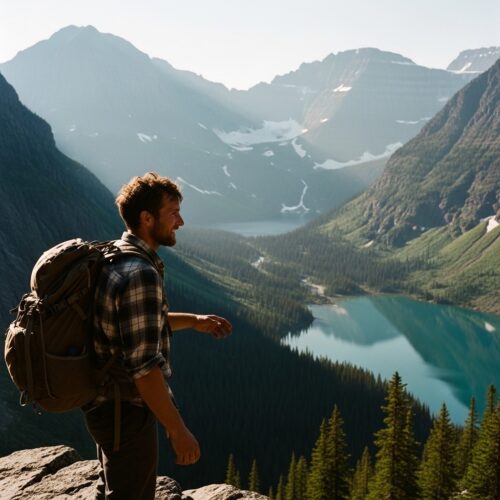
Glacier National Park is a breathtaking masterpiece of nature. With its stunning landscapes, diverse wildlife, and rich history, it’s a must-visit destination for any outdoor enthusiast. Let’s dive into what makes this park so special.
Highlights of Glacier National Park
- Going-to-the-Sun Road: This iconic 50-mile road offers jaw-dropping views as it winds through the park. It’s best experienced from late June to mid-October when it’s fully open.
- Lake McDonald: Known for its vibrant colors, this lake is perfect for kayaking or a peaceful picnic. The surrounding mountains make it an ideal spot for photography.
- Many Glacier Area: Here, you can witness some of the park’s most stunning scenery, including Grinnell Glacier. The historic Many Glacier Hotel adds a charming touch to your stay.
Best Hiking Trails
Glacier National Park boasts over 700 miles of trails. Whether you’re a casual walker or an experienced hiker, there’s a perfect trail for you. Here are some top picks:
| Trail Name | Difficulty Level | Scenic Viewpoints |
|---|---|---|
| Highline Trail | Challenging | Alpine meadows, Continental Divide |
| Grinnell Glacier Trail | Moderate | Grinnell Glacier, stunning vistas |
| Hidden Lake Overlook | Easy | Panoramic views, great for families |
| Avalanche Lake Trail | Moderate | Serene lake, surrounded by cliffs |
Each trail offers a unique experience. For beginners, the Hidden Lake Overlook is a fantastic choice, while seasoned hikers will love the challenge of the Highline Trail.
Wildlife Viewing Opportunities
Glacier is home to a variety of wildlife. You might spot bears, moose, or even mountain goats during your visit. Here are some tips for safe wildlife viewing:
- Keep Your Distance: Always maintain a safe distance from animals. Use binoculars for a closer look.
- Stay Calm: If you encounter wildlife, stay calm and back away slowly.
- Be Quiet: Loud noises can scare animals away. Keep conversations low and respect their space.
By following these tips, you can safely enjoy the incredible wildlife that calls Glacier National Park home.
With its majestic landscapes and outdoor adventures, Glacier National Park truly lives up to its title as the crown jewel of Montana’s national parks.
2. Yellowstone National Park: America’s First
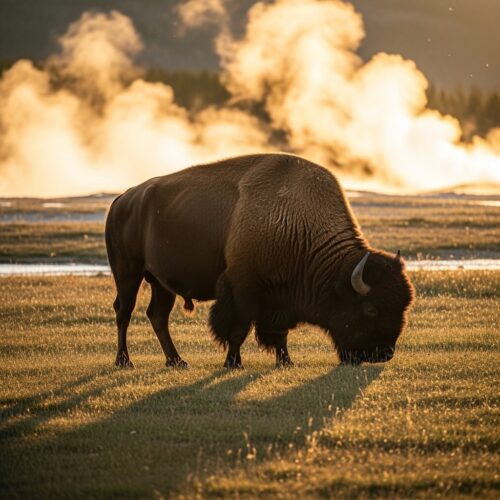
Yellowstone National Park is a must-see destination in Montana. It’s famous for its incredible geothermal features, diverse wildlife, and rich history. Let’s dive into what makes this park so special!
Iconic Geothermal Features
Yellowstone boasts some of the most unique geothermal features on the planet. Here are a few highlights:
- Old Faithful: This iconic geyser erupts about every 90 minutes, shooting water up to 185 feet in the air. It’s a sight you won’t want to miss!
- Mammoth Hot Springs: Known for its stunning terraces and hot springs, this area showcases how geothermal activity shapes the landscape.
- Grand Prismatic Spring: The largest hot spring in the U.S. is a vibrant blend of colors. It’s perfect for photography!
These features are not just beautiful; they play a crucial role in Yellowstone’s ecosystem.
Best Times to Visit
Timing your visit can enhance your experience. Here are the best times to explore Yellowstone:
- Spring (April to June): Perfect for wildlife viewing, especially baby animals. Just remember, some roads may still be closed due to snow.
- Summer (July to August): Ideal for all park activities, but expect larger crowds. Arrive early to snag parking at popular spots.
- Fall (September to October): Fewer crowds and stunning fall colors. Wildlife is active as animals prepare for winter.
- Winter (November to March): Experience a winter wonderland. Snowshoeing and cross-country skiing are popular, but be prepared for cold temperatures.
Visitor Safety Tips
Staying safe while enjoying Yellowstone is key. Here are some important tips:
- Stay on Trails: Protect yourself and the park by sticking to marked paths. This avoids dangerous geothermal areas.
- Wildlife Encounters: Keep a safe distance from animals. Use binoculars for a closer look.
- Weather Preparedness: Conditions can change quickly. Dress in layers and carry rain gear.
Local Dining and Lodging Recommendations
Planning your stay? Here are some options:
- Dining: Check out the Old Faithful Lodge for classic park dining. If you’re in West Yellowstone, the Wild West Pizzeria is a local favorite.
- Lodging: Consider staying at the historic Lake Yellowstone Hotel for a unique experience or camp under the stars at one of the park’s campgrounds.
Peak Wildlife Viewing Seasons
Yellowstone is home to diverse wildlife. Here’s when to catch the best views:
- Spring: Look for bison calves and elk calves.
- Summer: Spot bears and wolves more frequently.
- Fall: Elk are in rut, making for exciting viewing opportunities.
By planning your visit around these tips, you can truly maximize your Yellowstone experience!
3. Bighorn Canyon National Recreation Area: A Hidden Gem
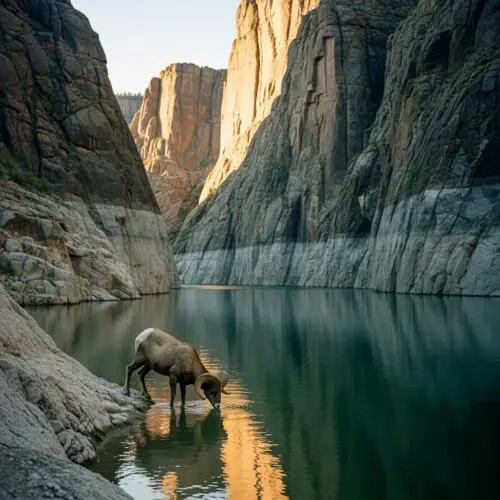
Bighorn Canyon National Recreation Area is one of Montana’s best-kept secrets. With stunning views and a wealth of outdoor activities, it’s a must-visit for nature lovers.
Activities in Bighorn Canyon
Bighorn Canyon offers a variety of activities for every adventurer. Here’s what you can do:
- Hiking: Explore the lesser-known trails like the Black Canyon Trail or Sandy Beach Trail. These paths lead to breathtaking overlooks and are less crowded than the main routes.
- Boating and Kayaking: Paddle on Bighorn Lake. The calm waters are perfect for a relaxing day on the lake. Don’t miss the chance to kayak through the canyon; the views from the water are spectacular.
- Fishing: Cast your line for bass and trout. The Bighorn River is known for its excellent fishing opportunities.
- Wildlife Watching: Keep an eye out for eagles, wild horses, and other wildlife. Early mornings or late afternoons are best for spotting these animals.
Best Photography Spots
For photography enthusiasts, Bighorn Canyon has some fantastic spots. Here are a few to check out:
- The Overlooks: The canyon overlooks provide dramatic views. Devils Canyon Overlook is a favorite for sunrise shots.
- Bighorn Lake: Capture reflections of the cliffs in the calm waters during golden hour.
- Wildlife: Bring your camera for those unexpected wildlife moments. The park’s diverse habitats make it a great place for candid animal shots.
Tips for Visitors
Planning your visit? Here are some helpful tips:
- Accessibility: Many trails are accessible, but check trail conditions beforehand. Some paths might be challenging for those with mobility issues.
- Seasonal Events: Visit in the summer for ranger-led programs and guided tours. Fall offers beautiful foliage and fewer crowds.
- Safety: Stay hydrated and wear sturdy shoes when hiking. Be aware of the weather; conditions can change quickly.
Bighorn Canyon National Recreation Area is a treasure trove of activities and stunning scenery. Whether you’re hiking, kayaking, or snapping photos, this hidden gem deserves a spot on your Montana itinerary.
4. Little Bighorn Battlefield National Monument: A Historical Insight
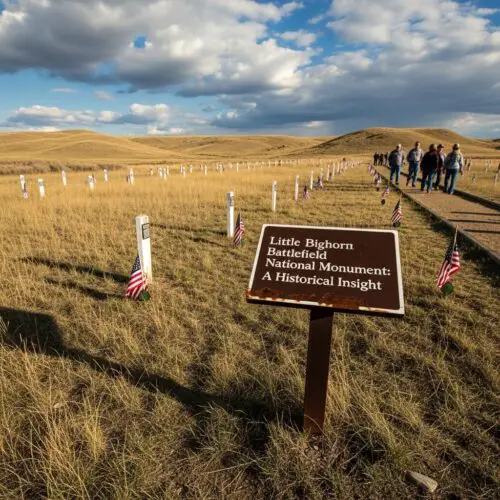
The Little Bighorn Battlefield National Monument is a powerful reminder of a pivotal moment in American history. This site commemorates the Battle of the Little Bighorn, which took place on June 25-26, 1876. Here, the forces of Lt. Col. George Armstrong Custer faced a coalition of Lakota, Northern Cheyenne, and Arapaho warriors.
Historical Background
The battle was part of the Great Sioux War. Custer and his men were outnumbered and ultimately defeated. This event marked a significant moment of resistance against U.S. expansion. The battlefield today serves as a place of reflection on this complex history and the impact on Native American communities.
Visitor Experience
When visiting, you can expect a moving experience. Walking the grounds, you’ll find numerous plaques that tell the story of the battle. The visitor center offers insightful exhibits and a film that details the events leading up to the confrontation. You can also join a ranger-led tour for a deeper understanding of the site’s significance.
Tips for Visitors:
- Hiking Trails: Explore the trails that wind through the battlefield. They provide a unique perspective on the terrain.
- Quiet Reflection: This is a place where many come to reflect. Respect the solemnity of the ground.
- Photography: Capture the stunning landscapes and historical markers. Early morning or late afternoon light is ideal for photos.
Guided Tour Options
Guided tours are a fantastic way to enhance your visit. Park rangers share stories and insights that bring the history to life. Here are some options:
- Ranger-led Tours: Available during peak seasons. These tours cover key sites and offer historical context.
- Self-guided Options: If you prefer to explore at your own pace, maps are available at the visitor center.
Visiting the Little Bighorn Battlefield isn’t just about seeing the site; it’s about understanding a crucial part of American history. Through the stories and experiences shared here, you gain insight into the struggles and resilience of Native American communities.
5. Grant-Kohrs Ranch National Historic Site: A Journey Back in Time
Grant-Kohrs Ranch takes you back to the days of the Wild West. This historic site showcases Montana’s rich cattle ranching legacy. Here’s what you need to know.
Ranch History
The Grant-Kohrs Ranch dates back to the 1850s. It was once the headquarters of a massive cattle empire covering 10 million acres. The ranch tells the story of the Grant and Kohrs families, who shaped the cattle industry in Montana. Visitors can explore the original buildings and learn about the tools and techniques used by ranchers of the time.
Activities at the Site
There’s plenty to do at Grant-Kohrs Ranch. Here are some highlights:
- Guided Tours: Join a park ranger for a deep dive into ranch life. These tours are especially popular during the summer months.
- Living History Events: Experience cowboy culture through demonstrations of cattle herding, blacksmithing, and other traditional skills. These events occur seasonally, so check the schedule before you visit.
- Self-Guided Exploration: Grab a map at the visitor center and wander the grounds at your own pace. Don’t miss the historic barn and the breathtaking views of the surrounding countryside.
Visitor Information
Planning your visit? Here are some helpful tips:
- Accessibility: The ranch is wheelchair accessible, making it easy for everyone to enjoy.
- Best Time to Visit: Summer offers the most activities and events. Fall can be quieter but still beautiful.
- What to Bring: Comfortable shoes are a must. Bring water and snacks, especially if you plan to explore the trails.
Unique events like the annual “Ranch Rodeo” provide a fun way to experience Montana’s ranching culture up close. So, whether you’re a history buff or just looking for a fun day out, Grant-Kohrs Ranch is well worth your time.
6. Fort Union Trading Post National Historic Site: A Cultural Experience
Fort Union Trading Post is a fascinating glimpse into Montana’s fur trading history. It played a vital role in the economy and culture of the region in the 19th century. Let’s explore its significance and what you can experience when you visit.
Cultural Significance
Fort Union was established in 1828 by the American Fur Company. It quickly became the largest fur trading post on the Upper Missouri River. Here, various Native American tribes engaged in trade, exchanging buffalo robes and furs for goods from around the world. This interaction shaped local cultures and economies.
The fort is not just a historical site. It represents a melting pot of cultures and commerce. Visitors can see how trade influenced relationships between tribes and European settlers. The reconstructed buildings and exhibits showcase this rich history.
Visitor Activities
When you visit Fort Union, there’s plenty to do. Here are some activities to consider:
- Guided Tours: Knowledgeable guides share stories about the fort’s history and its importance in the fur trade.
- Exhibits: Learn about the artifacts and daily life at the fort through engaging displays.
- Reenactments: Experience history firsthand with live reenactments of trading events. These special events often occur during the summer months.
- Workshops: Participate in hands-on workshops, such as traditional crafting or cooking demonstrations, to dive deeper into the cultural aspects of the time.
Best Time to Visit
The best time to visit Fort Union is during the summer. This is when special events and reenactments happen. The weather is also pleasant for outdoor exploration. However, fall offers a quieter experience with beautiful autumn foliage.
No matter when you go, Fort Union Trading Post is an essential stop for anyone exploring Montana’s national parks. Its blend of history and culture creates a unique experience you won’t want to miss.
7. Nez Perce National Historical Park: Indigenous Heritage
The Nez Perce National Historical Park offers a deep dive into the rich culture and history of the Nez Perce people. This park preserves significant sites related to their story and struggles, allowing visitors to connect with their heritage.
Cultural Insights
The Nez Perce people are known for their incredible resilience and vibrant culture. Their history is marked by profound connections to the land and significant events, particularly during the Nez Perce War of 1877. This conflict arose when the U.S. government sought to relocate them to a reservation. The Nez Perce fought bravely but ultimately faced defeat, leading to a tragic loss of their ancestral lands.
Visiting the park provides a chance to learn about their traditional practices, art, and storytelling. The Nez Perce view nature as sacred, and their cultural heritage is intricately tied to the landscapes of Montana.
Visitor Experience
When you visit the Nez Perce National Historical Park, you can explore several sites that tell their story. The visitor center features exhibits that explain the Nez Perce perspective, including artifacts and photographs. You can also find trails that lead to important historical sites, allowing for a reflective journey through their past.
- Visitor Center: Offers informative displays and films about Nez Perce history.
- Walking Trails: Connect you to significant locations, including battlefields and traditional campsites.
- Programs: Participate in ranger-led talks to gain deeper insights into Nez Perce culture.
Activities to Engage With History
Engaging with the history of the Nez Perce can be both educational and inspiring. Here are some activities you can participate in:
- Guided Tours: Join a ranger for a guided tour to learn more about key sites.
- Cultural Workshops: Experience traditional crafts and practices through hands-on workshops.
- Campsite Visits: Explore historical campsites and reflect on the land’s significance.
By immersing yourself in the stories and experiences of the Nez Perce, you gain a better understanding of their enduring legacy and the importance of preserving their culture.
8. Lewis and Clark National Historic Trail: Adventure Awaits
The Lewis and Clark National Historic Trail is more than just a path; it’s a journey through history. Following the footsteps of the famous explorers, this trail weaves through Montana’s stunning landscapes and rich cultural heritage.
Trail Overview
Spanning nearly 4,900 miles, the trail traces the routes taken by Lewis and Clark from 1803 to 1806. In Montana, you’ll find significant portions that offer breathtaking views and a glimpse into the past. Along the way, you can explore various historical sites and natural wonders.
Best Hiking and Biking Routes
The trail features numerous hiking and biking routes, each with its own charm. Here are some must-see stops along the trail:
| Stop Name | Distance (miles) | Difficulty Level |
|---|---|---|
| Pompey’s Pillar | 1.5 | Easy |
| Fort Benton | 3 | Easy |
| Bighorn Canyon | 2.5 | Moderate |
| Great Falls | 4 | Moderate |
| Bear Paw Battlefield | 1.2 | Easy |
These spots offer a mix of easy strolls and moderate hikes, perfect for families and seasoned adventurers alike. Be sure to bring your camera; the views are nothing short of spectacular!
Safety and Preparation Tips
Safety is key when exploring the trail. Here are some quick tips to keep in mind:
- Stay Hydrated: Always carry enough water, especially on warm days.
- Wildlife Awareness: Be cautious of wildlife. Familiarize yourself with safety guidelines.
- Dress Appropriately: Wear layered clothing for changing weather conditions.
- Plan Ahead: Check trail conditions and maps before heading out.
With these tips, you’ll be prepared for an unforgettable adventure along the Lewis and Clark National Historic Trail!
9. Ice Age Floods National Geologic Trail: Nature’s Power
The Ice Age Floods National Geologic Trail showcases the incredible power of nature. This trail tells the story of massive floods that shaped the landscape of Montana and beyond. It’s a fascinating journey through time.
Geological Overview
The Ice Age Floods were no ordinary floods. They occurred about 15,000 years ago when an ice dam in Idaho failed, releasing water that carved deep channels across the Columbia Plateau. The trail spans multiple states, but Montana has some of the most stunning views.
Key features include:
- Dry Falls: Once the largest waterfall in the world, it’s a breathtaking sight.
- Grand Coulee: A massive channel that highlights the flood’s impact.
These geological features help visitors understand the power of nature and the events that shaped the region.
Visitor Activities
Exploring the Ice Age Floods National Geologic Trail is about more than just looking at rocks. There are plenty of activities to keep you engaged:
- Hiking: Numerous trails offer varying levels of difficulty.
- Photography: Capture the dramatic landscapes and unique formations.
- Interpretive Programs: Join ranger-led programs to learn more about the floods and their history.
Don’t forget to bring your camera! The views are stunning, especially at sunrise and sunset.
Best Viewing Points
Here are some must-visit spots along the trail for the best views:
1. Dry Falls Overlook: Offers sweeping views of the falls and surrounding area.
2. Sun Lakes State Park: Great for hiking and scenic photography.
3. Lake Lenore Caves: Explore ancient caves formed by the floods.
For a complete experience, check out a map of the flood’s impact areas and recommended stops. This will help you plan your route and make the most of your visit!
10. Planning Your Visit to Montana’s National Parks
Planning a trip to Montana’s national parks is exciting! With stunning landscapes and outdoor adventures, you’ll want to make the most of your visit. Here are some essential tips to help you plan your journey.
Best Times to Visit
Timing can make a big difference in your experience. Here’s a quick breakdown:
- Summer (June to August): This is peak season. Expect warm weather and full access to trails and facilities. It’s also the busiest time, so plan ahead!
- Fall (September to October): Cooler temperatures and fewer crowds. It’s a great time for photography as the leaves change colors.
- Winter (November to March): If you love snow, this is your season! Just be prepared for limited access and closures. Ideal for winter sports but requires careful planning.
- Spring (April to May): A beautiful time to see wildflowers. However, some trails may still be snow-covered.
What to Pack
Packing right ensures you’re ready for anything. Here’s a handy checklist based on activities:
- Hiking:
- Sturdy hiking boots
- Water bottle or hydration pack
- Snacks (like trail mix)
- Bear spray (make sure you know how to use it!)
- Photography:
- Camera with extra batteries
- Tripod for stable shots
- Lens cloths for cleaning
- Wildlife Viewing:
- Binoculars for spotting animals from a distance
- Field guide to local wildlife
- General Essentials:
- Sunscreen and sunglasses
- First-aid kit
- Map or GPS device
Accessibility Considerations
Montana’s parks are committed to accessibility. Here are a few things to keep in mind:
- Trails: Many parks offer accessible trails. Check for paved paths and facilities.
- Restrooms: Most visitor centers have accessible restrooms.
- Transportation: Some parks provide shuttle services. It’s best to inquire ahead about accessibility options.
- Accommodations: Look for lodges or campsites that cater to accessibility needs.
With these tips, you’re set for an unforgettable adventure in Montana’s national parks!
11. Common Challenges and Solutions When Visiting
Visiting Montana’s national parks can be a breathtaking experience. However, it can also come with its own set of challenges. Here are some common issues you might face and practical solutions to make your adventure smoother.
Weather Challenges
Montana’s weather can be unpredictable. Here’s how to prepare:
- Check Weather Forecasts: Always check the forecast before your trip. Conditions can change rapidly, especially in the mountains.
- Layer Your Clothing: Wear layers to adapt to varying temperatures. Mornings can be chilly, while afternoons may be warm.
- Plan for Rain: Bring waterproof gear. A sudden rain can make trails slippery and uncomfortable.
Wildlife Encounters
Wildlife is one of the biggest draws to Montana’s parks. But, safety is key. Here are tips to stay safe:
- Keep Your Distance: Never approach wildlife. Use binoculars or a zoom lens for a closer look.
- Store Food Properly: Keep food in bear-proof containers or your vehicle. This helps prevent attracting unwanted visitors.
- Know the Signs: Familiarize yourself with animal behavior. Understand when to back away and how to react if you encounter animals like bears.
Park Regulations
Understanding park regulations is crucial for a smooth visit. Here’s what to know:
- Entrance Fees: Be aware of entrance fees, especially if you’re a foreign visitor. Check online for the latest info.
- Leave No Trace: Follow Leave No Trace principles. Pack out what you pack in to help preserve the parks.
- Stay on Designated Trails: Respect trail markers. This protects the ecosystem and ensures your safety.
Checklist for Common Challenges
Here’s a quick checklist to help you navigate these challenges:
- Weather Gear: Layered clothing, waterproof jacket.
- Wildlife Safety: Binoculars, bear spray, food storage containers.
- Park Regulations: Current fee information, trail maps, Leave No Trace guidelines.
By being prepared, you can enjoy all the beauty Montana’s national parks have to offer without unnecessary stress.
Frequently Asked Questions
These quick answers cover the most common questions about this topic, including key details, practical tips, and common concerns.
What is the prettiest national park in Montana?
Many consider Glacier National Park the prettiest due to its dramatic mountain scenery, pristine lakes, and glaciers. Its iconic Going-to-the-Sun Road and stunning vistas make it a top choice for visitors seeking breathtaking landscapes.
What’s the prettiest town in Montana?
Whitefish is often regarded as Montana’s prettiest town. Surrounded by mountains and close to Glacier National Park, it offers charming streets, outdoor activities, and scenic views, making it a favorite for travelers.
What is the number one tourist attraction in Montana?
Yellowstone National Park, partly in Montana, is the top tourist destination. Its geothermal features like Old Faithful and Grand Prismatic Spring draw millions annually, offering unique natural wonders and wildlife viewing.
What is the best national park for elderly people?
Yellowstone is suitable for elderly visitors due to its accessible facilities, scenic drives, and many paved or easy trails. Guided tours and visitor centers also make it easier to explore comfortably.
Are there guided tours available in Montana’s national parks?
Yes, most parks offer guided tours led by park rangers or authorized guides. These tours provide in-depth history, wildlife insights, and safe exploration options, enhancing your visit.
What wildlife can I expect to see in these parks?
Montana’s parks host bears, elk, moose, bison, eagles, mountain goats, and more. Wildlife varies by season and location, so early mornings and late afternoons are ideal for spotting animals.
Can I camp in Montana’s national parks?
Absolutely. All major parks have campgrounds, from developed sites with amenities to backcountry options for experienced campers. Reservations are recommended during peak seasons.
What are the park fees and passes required?
Most parks charge entrance fees, typically ranging from $10 to $35 per vehicle. An America the Beautiful pass offers unlimited access to federal lands for a year, saving money if visiting multiple parks.
What is the best time to visit Glacier National Park?
The best time is from late June to mid-October when Going-to-the-Sun Road is fully open. Summer offers the most activities, while early fall provides vibrant foliage and fewer crowds.
How do I prepare for hiking in Glacier National Park?
Wear sturdy shoes, carry plenty of water, and dress in layers. Know your trail difficulty, stay on marked paths, and carry safety gear like a map, compass, and bear spray if venturing into remote areas.