
Exploring the beauty of America’s national parks is best done on a road trip. In 2026, these 12 national park road trips promise breathtaking landscapes and unforgettable experiences, complete with must-see stops along the way.
1. Grand Circle National Park Road Trip

The Grand Circle National Park Road Trip is a must for nature lovers. It connects some of the most stunning national parks in the Southwest. You can explore vibrant landscapes, unique geological formations, and endless outdoor adventures.

Overview of the Grand Circle route
This iconic route starts at Zion National Park. From there, you’ll head to Bryce Canyon National Park, then travel to Capitol Reef National Park. Next, explore Canyonlands National Park, and wrap up at Arches National Park. Each park offers its own unique beauty and experiences.
Key attractions along the way
Here are some key stops you won’t want to miss:
- Zion National Park: Hike the famous Angels Landing or stroll the Riverside Walk.
- Bryce Canyon National Park: Don’t miss the breathtaking sunrises at Sunrise Point.
- Capitol Reef National Park: Try the local fruit pies at the historic Gifford House.
- Canyonlands National Park: Check out the Island in the Sky for stunning panoramic views.
- Arches National Park: The Delicate Arch hike is a must for iconic photos.
Travel tips for this road trip
Planning is key for a smooth road trip. Here are some tips:
Table of Contents
- Timing: Visit in spring or fall for cooler weather and fewer crowds.
- Stay hydrated: Carry plenty of water, especially in summer.
- Local eats: Stop at local diners for authentic meals, like the Bit and Spur Restaurant in Springdale near Zion.
- Photography: Sunrise and sunset are the best times for photos. Bring a good camera!
For a seamless journey, consider getting a highly relevant travel guidebook or road trip planner. It can enhance your experience and help you discover hidden gems along the way. Check Price on Amazon.
2. The Mighty 5 National Parks of Utah
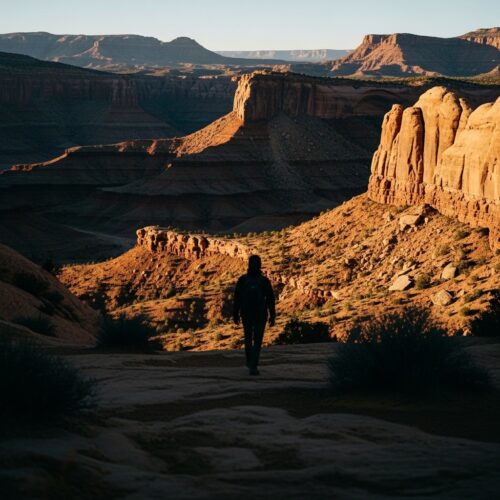
Utah is home to five stunning national parks, known collectively as the Mighty 5. This road trip offers breathtaking scenery, unique rock formations, and plenty of adventure. Let’s dive into the best route and must-see experiences.
Overview of the Mighty 5
The Mighty 5 consists of:
- Zion National Park: Famous for its towering cliffs and narrow canyons.
- Bryce Canyon National Park: Known for its unique hoodoo rock formations.
- Capitol Reef National Park: Offers stunning vistas and rich history.
- Canyonlands National Park: Features dramatic canyons and buttes.
- Arches National Park: Home to over 2,000 natural stone arches.
Each park showcases a different aspect of Utah’s remarkable landscape.
Must-see Parks and Attractions
Here’s a quick guide to what you shouldn’t miss at each park:
- Zion National Park:
- Hike the famous Angels Landing for stunning views.
- Explore the scenic drive and stop at the Court of the Patriarchs.
- Bryce Canyon National Park:
- Take the rim trail for spectacular overlooks.
- Don’t miss the sunrise or sunset at Bryce Point.
- Capitol Reef National Park:
- Visit the historic Fruita area and its orchards.
- Explore the Waterpocket Fold for a unique geological feature.
- Canyonlands National Park:
- Check out the Island in the Sky for breathtaking overlooks.
- Go for a hike in the Needles District for a more remote experience.
- Arches National Park:
- Walk to Delicate Arch for an iconic photo op.
- Drive the scenic loop and stop at Balanced Rock.
Best Time to Visit
Timing your visit can enhance your experience:
- Spring (March to May): Ideal for mild temperatures and blooming wildflowers.
- Fall (September to November): Offers cooler weather and stunning fall colors.
- Summer: Busy but great for long days and full access to all trails.
- Winter: Less crowded, but some trails may be closed due to snow.
Plan your trip wisely to make the most of your time in the Mighty 5! For a seamless journey, grab a highly relevant travel guidebook or road trip planner. It can help you discover hidden gems along the way. Check Price on Amazon.
3. California National Park Road Trip
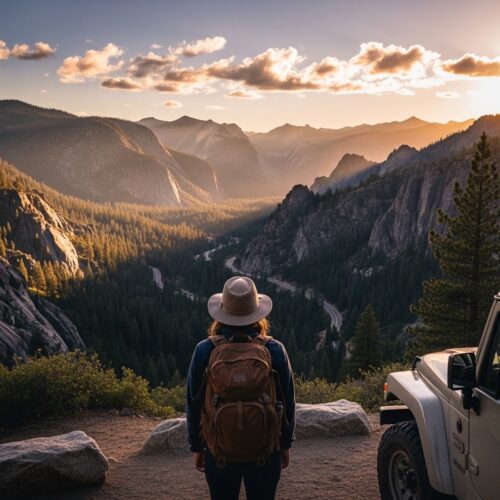
California is a treasure trove of natural beauty. This road trip takes you through some of the most iconic national parks in the United States. Get ready for stunning landscapes, towering trees, and unforgettable experiences.
Route overview and driving tips
Start your journey in Los Angeles and create a loop that showcases California’s diverse parks. Here’s a quick route breakdown:
- Los Angeles to Yosemite National Park (approx. 4 hours)
- Yosemite to Sequoia National Park (approx. 2 hours)
- Sequoia to Kings Canyon National Park (approx. 30 minutes)
- Kings Canyon to Lassen Volcanic National Park (approx. 5 hours)
- Lassen back to Los Angeles (approx. 6 hours)
Driving tips:
- Plan for traffic: Los Angeles can get busy. Leave early to avoid rush hour.
- Check park conditions: Some parks may have seasonal closures or roadwork.
- Fuel up: Fill your tank before entering remote areas. Gas stations can be sparse.
Highlights of key national parks
Each park offers unique features that make it a must-see. Here’s what you won’t want to miss:
- Yosemite National Park: Famous for its granite cliffs. Don’t miss El Capitan and Half Dome. The waterfalls are breathtaking, especially in spring.
- Sequoia National Park: Home to the largest trees on Earth. Check out General Sherman Tree, the biggest tree by volume.
- Kings Canyon National Park: Explore the stunning canyon views. Hike the Mist Falls Trail for a beautiful waterfall experience.
- Lassen Volcanic National Park: Discover geothermal features like Bumpass Hell. It’s lesser-known but offers incredible hiking and solitude.
Food and accommodation options
Eating well is part of the adventure. Here are some tasty options:
- In Yosemite: Try the historic Wawona Hotel for a unique dining experience.
- In Sequoia and Kings Canyon: Visit the Grant Grove Restaurant for hearty meals.
- In Lassen: The Loomis Museum offers snacks and a cozy spot to relax.
For lodging, consider booking ahead, especially in peak season. Options range from campgrounds to lodges.
Don’t forget to grab a highly relevant travel guidebook or road trip planner. It can help you discover hidden gems along the way. Check Price on Amazon.
4. Blue Ridge Parkway Road Trip

The Blue Ridge Parkway is a stunning drive that connects several national parks. With its breathtaking views and charming stops, it’s a must for any road trip lover in 2026.
Scenic highlights of Blue Ridge Parkway
The Parkway stretches 469 miles through the Appalachian Mountains. Along the way, you’ll find:
- Milepost 0: Start at the southern end in Great Smoky Mountains National Park. Explore lush forests and diverse wildlife.
- Linn Cove Viaduct: This engineering marvel offers panoramic views. It’s perfect for a scenic photo op.
- Craggy Gardens: Known for its vibrant rhododendron blooms in late spring. A colorful sight you won’t want to miss.
Best hiking trails and viewpoints
Hiking is one of the best ways to experience the Parkway. Here are a few trails to check out:
- Hawksbill Mountain: A challenging hike that rewards you with epic views from the summit.
- Craggy Pinnacle: A 1.4-mile round trip that’s great for families. The views are stunning year-round.
- Linville Gorge: Offers multiple trails for various skill levels. Perfect for both beginners and seasoned hikers.
Cultural stops along the route
The Blue Ridge Parkway is rich in culture. Don’t miss these local experiences:
- Mabry Mill: A historic gristmill and sawmill. Enjoy demonstrations and tasty pancakes.
- Blue Ridge Music Center: Dive into the history of Appalachian music. Catch live performances during the summer.
- The Folk Art Center: Showcases handmade crafts. A great place to pick up a unique souvenir.
Seasonal festivals and events
Plan your trip around these local festivals for an unforgettable experience:
- Blue Ridge Wine and Food Festival: Celebrate local flavors every September.
- Martha’s Vineyard Festival: Enjoy arts and crafts every June in nearby towns.
- Fall Foliage Festival: Experience the stunning colors of autumn during October.
With its mix of natural beauty, adventure, and culture, the Blue Ridge Parkway offers an unforgettable road trip. Make sure to pack your camera and your sense of adventure!
5. The Great Northern National Park Road Trip
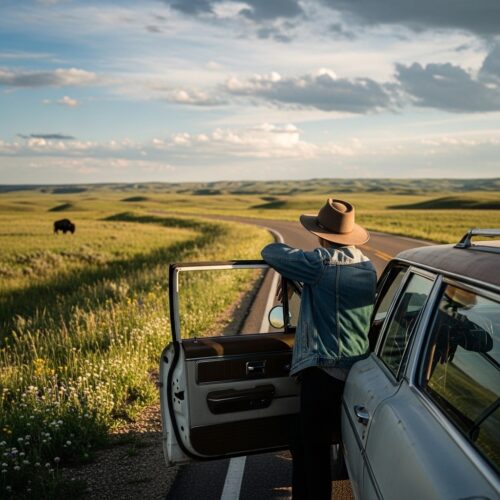
Get ready for a stunning journey through some of the northernmost national parks in the U.S. This road trip features breathtaking landscapes, diverse wildlife, and unforgettable experiences. You’ll visit iconic parks like Glacier National Park and Mount Rainier National Park.
Itinerary overview
1. Start at Glacier National Park, Montana
- Explore stunning vistas and hike the famous Going-to-the-Sun Road.
- Don’t miss Lake McDonald and the picturesque Many Glacier area.
2. Head to Flathead Lake, Montana
- Enjoy water activities or relax by the shore.
- Perfect for a picnic with scenic views.
3. Continue to Spokane, Washington
- Stop for a meal and explore Riverfront Park.
- Check out the local art scene.
4. Visit Mount Rainier National Park, Washington
- Experience the majestic Mount Rainier and its wildflower meadows.
- Hike the Wonderland Trail for breathtaking views.
5. Finish at Olympic National Park, Washington
- Explore diverse ecosystems from mountains to coastlines.
- Don’t forget to visit the Hoh Rain Forest and Rialto Beach.
Wildlife and natural features to look for
On this route, keep your eyes peeled for amazing wildlife! Here’s what you might see:
- Glacier National Park: Look for mountain goats and bighorn sheep.
- Mount Rainier National Park: Watch for black bears and elk, especially during dawn and dusk.
- Olympic National Park: Spot Roosevelt elk and bald eagles along the coast.
Best Times for Wildlife Viewing:
- Late spring and early summer are fantastic for viewing baby animals.
- Fall is great for elk mating calls in Mount Rainier.
Travel tips for northern parks
Planning your road trip? Here are some handy tips:
- Pack Layers: Weather can change quickly, especially in the mountains.
- Book Accommodations Early: Popular parks fill up fast in summer.
- Stay Hydrated: Keep fresh water handy, especially on hikes.
- Respect Wildlife: Keep a safe distance from all animals. Use binoculars for a better view!
This road trip promises excitement and adventure. Each stop offers unique experiences and stunning sights. Get ready to make unforgettable memories!
6. Southwest National Park Road Trip
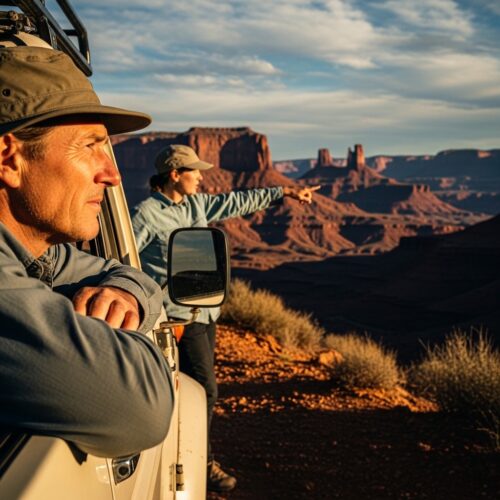
The Southwest is a treasure trove of stunning landscapes and unique geological features. This road trip showcases some of the most iconic national parks, blending adventure and breathtaking scenery.
Route highlights and stops
1. Zion National Park: Start your journey here. Hike the famous Angel’s Landing for jaw-dropping views.
2. Bryce Canyon National Park: Marvel at the unique hoodoos. Don’t miss the sunset at Sunset Point!
3. Capitol Reef National Park: Explore the Waterpocket Fold. Enjoy the scenic drive and stop for some fruit at the historic Gifford Homestead.
4. Canyonlands National Park: Visit Island in the Sky for panoramic views. Check out Mesa Arch, especially at sunrise.
5. Arches National Park: End your trip at Arches. The Delicate Arch hike is a must-do. Bring your camera for some incredible shots!
Best hiking trails and viewpoints
- Angels Landing (Zion): A challenging trail with stunning views. Perfect for adventure seekers.
- Navajo Loop Trail (Bryce): This shorter trail offers a fantastic look at the amphitheater.
- Chimney Rock (Capitol Reef): A less crowded trail with beautiful views of the surrounding landscape.
- Grand View Point (Canyonlands): A flat, easy walk with breathtaking vistas.
- Delicate Arch (Arches): An iconic hike that culminates at the stunning arch.
Travel tips for hot weather
- Start Early: Beat the heat by hiking in the early morning.
- Stay Hydrated: Drink plenty of water. A good rule is to drink a liter for every two hours of hiking.
- Wear Sunscreen: Protect your skin from the sun’s rays, even on cloudy days.
- Plan for Shade: Take breaks in shaded areas to cool down.
This road trip is all about exploring the great outdoors and experiencing nature at its finest. Each stop offers unique sights and unforgettable adventures. Get ready for the trip of a lifetime!
7. Florida National Park Road Trip

Explore the beauty of Florida’s national parks on this unforgettable road trip. From unique ecosystems to stunning wildlife, this journey is packed with adventure.
Overview of the Florida route
Start your trip at Everglades National Park. This UNESCO World Heritage Site is famous for its vast wetlands and diverse wildlife. Next, head east to Biscayne National Park. Here, you’ll find beautiful coral reefs and rich marine life. Finally, venture out to Dry Tortugas National Park. Accessible only by ferry or seaplane, it offers pristine beaches and historic forts.
Unique wildlife and ecosystems
Florida’s national parks showcase some of the most unique ecosystems in the U.S.
- Everglades: Home to alligators, manatees, and a variety of bird species.
- Biscayne: Explore the underwater world with snorkeling and diving among colorful reefs.
- Dry Tortugas: Spot nesting sea turtles and vibrant marine life in crystal-clear waters.
Each park offers eco-tourism opportunities. Consider guided tours or local wildlife experiences to enhance your adventure.
Best times to visit and what to pack
The best time to visit Florida’s national parks is during the dry season, from November to April. The weather is pleasant, and wildlife is more active.
What to pack:
- Lightweight clothing for warm days
- Sturdy walking shoes for trails
- Sunscreen and insect repellent
- Snacks and plenty of water
- A camera to capture unforgettable moments
Plan your stops carefully, and be sure to check local guides for eco-tours or unique experiences that could elevate your trip.
8. Acadia National Park Loop Road Trip
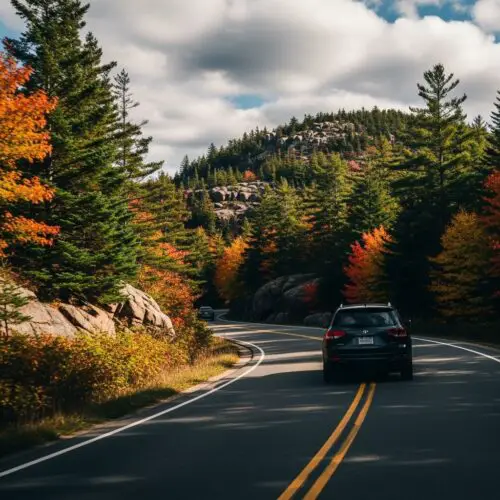
Explore the stunning Acadia National Park Loop Road in Maine. This scenic drive showcases breathtaking views and unique stops along the way. It’s the perfect road trip for nature lovers and adventure seekers alike.
Acadia Loop Overview and Highlights
The Acadia Loop Road is a must-see for anyone visiting Maine. It offers access to some of the park’s top attractions.
- Cadillac Mountain: Stand at the highest point on the East Coast. Enjoy panoramic views, especially at sunrise.
- Jordan Pond: Famous for its clear waters and the iconic Bubble Mountains backdrop. Don’t miss the popovers at the Jordan Pond House!
- Sand Beach: Relax on this beautiful sandy beach nestled between cliffs. It’s a great spot for a picnic or a swim in the chilly Atlantic.
Best Seaside Attractions
Maine’s coast is dotted with charming spots to explore. Here are some unmissable seaside attractions:
- Thunder Hole: Experience the dramatic crashing of waves against the rocks. It’s best to visit during high tide.
- Bass Harbor Head Light: Capture the iconic lighthouse. It’s an amazing photo op, especially at sunset.
- Otter Cliffs: Perfect for rock climbing and picnicking. The views of the ocean are simply stunning.
Travel Tips for Coastal Weather
Maine’s coastal weather can be unpredictable. Here are some tips to keep you comfortable:
- Dress in layers: Mornings and evenings can be chilly. A light jacket or sweater is a must.
- Check the weather forecast: Be prepared for sudden changes. Rain can happen, so pack a waterproof jacket.
- Stay hydrated: Bring plenty of water, especially if you hike. It’s easy to forget to drink when you’re having fun!
Local Cuisine and Culinary Stops
Maine is famous for its fresh seafood. Be sure to try:
- Lobster rolls: A classic must-have. Find them at local shacks for the freshest taste.
- Clam chowder: Warm and creamy, perfect after a day of exploring.
- Farm-to-table restaurants: Many spots feature local ingredients, offering a true taste of Maine.
Festivals like the Maine Lobster Festival in Rockland celebrate local cuisine. Mark your calendar if you’re visiting in early August!
9. The Pacific Northwest National Park Road Trip
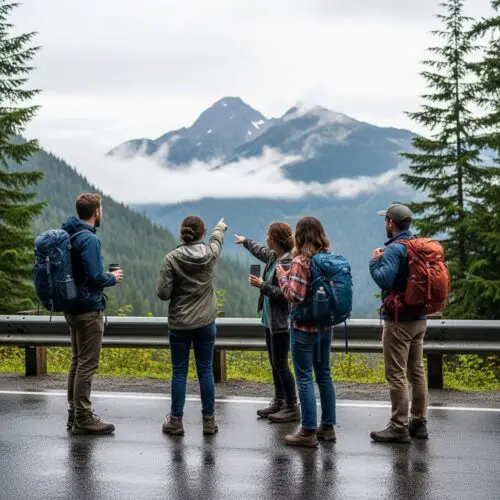
The Pacific Northwest is a treasure trove of stunning landscapes and vibrant ecosystems. This road trip takes you to two of the most iconic national parks: Olympic National Park and Crater Lake National Park.
Route and itinerary details
Start your adventure in Seattle, Washington. From there, head to Olympic National Park. This park is home to diverse terrain, from rugged coastlines to majestic mountains. Spend a couple of days exploring the Hoh Rain Forest and the breathtaking Hurricane Ridge.
Next, make your way to Crater Lake National Park in Oregon. It’s about a six-hour drive from Olympic. Crater Lake is famous for its deep blue water and stunning views. Don’t miss the Rim Drive, which offers panoramic vistas of the lake and surrounding mountains.
Suggested Itinerary:
- Day 1-2: Seattle to Olympic National Park
- Visit Hurricane Ridge for stunning views.
- Explore the Hoh Rain Forest, a UNESCO World Heritage site.
- Day 3-4: Olympic National Park to Crater Lake National Park
- Drive the scenic route along the coast.
- Spend time at Crater Lake, hike the trails, and take photographs at Wizard Island.
Must-see natural features
Both parks are filled with unmissable sights.
- Olympic National Park:
- Hoh Rain Forest: A lush, green paradise filled with towering trees.
- Ruby Beach: Unique rock formations and driftwood along the coast.
- Crater Lake National Park:
- Crater Lake: The deepest lake in the U.S., formed in a volcanic caldera.
- Wizard Island: A volcanic island offering hiking trails and incredible views.
Travel tips for rainy seasons
The Pacific Northwest is known for its rain, especially in the fall and winter. Here are some tips to stay dry and enjoy your trip:
- Pack waterproof gear: A good rain jacket and water-resistant shoes can make a big difference.
- Plan indoor activities: Research visitor centers and museums in case of heavy rain.
- Check weather forecasts: Conditions can change rapidly. Be prepared to adjust your plans.
This road trip offers a blend of adventure, stunning scenery, and unique experiences. Whether you’re hiking through rainforests or gazing at a crystal-clear lake, the Pacific Northwest will leave you in awe.
10. Historical National Park Road Trip

Ready to dive into America’s past? A road trip through historical national parks offers a unique glimpse into the stories that shaped the nation. From battles to significant cultural sites, these parks are packed with history and adventure.
Overview of historical parks
Historical national parks are dedicated to preserving important events and places in American history. They tell tales of wars, civil rights, and the Native American experience. Each park invites you to explore and learn. Here are a few highlights:
- Mesa Verde National Park: Home to ancient cliff dwellings, this park showcases the lives of the Ancestral Puebloans.
- Gettysburg National Military Park: Famous for its pivotal battle in the Civil War, this site is rich with stories of bravery and sacrifice.
Key historical sites and tours
While on your road trip, don’t miss these must-see historical sites:
- Gettysburg Battlefield: Walk the hallowed grounds and take guided tours to understand the battle’s impact.
- Mesa Verde Visitor Center: Start your visit here to get insights on the park’s archaeological significance.
- National Mall in D.C.: Though not a national park, it houses monuments and memorials that commemorate key events in U.S. history.
Travel tips for educational trips
Planning a historical national park road trip? Here are some tips to enhance your experience:
- Research Before You Go: Learn about the parks and their histories. Knowledge makes for a richer visit.
- Attend Ranger-led Programs: Many parks offer educational programs led by rangers. It’s a great way to dive deeper into the history.
- Pack a Journal: Document your thoughts and experiences. You never know what insights you might gain along the way!
By focusing on historical national parks, you’re not just sightseeing; you’re engaging with the past. This road trip is perfect for history buffs and curious travelers alike!
11. The Best Scenic Byways for National Park Road Trips

When planning your national park road trip, choosing the right scenic byways can make all the difference. These routes not only connect parks but also offer stunning views and unforgettable stops. Here’s a look at some of the best scenic byways to enhance your adventure.
Overview of Top Scenic Byways
1. Pacific Coast Highway (California)
- Connects: Channel Islands National Park to Redwood National and State Parks.
- Highlights: Breathtaking coastal views, charming beach towns, and opportunities for whale watching.
2. Blue Ridge Parkway (Virginia and North Carolina)
- Connects: Great Smoky Mountains National Park to Shenandoah National Park.
- Highlights: Lush forests, mountain vistas, and vibrant fall foliage.
3. Going-to-the-Sun Road (Montana)
- Connects: Glacier National Park.
- Highlights: Dramatic mountain scenery, wildlife sightings, and access to hiking trails.
4. Route 66 (Various States)
- Connects: Multiple national parks including Petrified Forest National Park.
- Highlights: Iconic roadside attractions and a taste of Americana.
5. Beartooth Highway (Montana and Wyoming)
- Connects: Yellowstone National Park.
- Highlights: Stunning alpine scenery and high-altitude lakes.
Must-Stop Attractions Along Byways
- Pacific Coast Highway:
- Stop at Hearst Castle for a taste of history.
- Visit Big Sur for hiking and photography.
- Blue Ridge Parkway:
- Explore Linville Falls for a scenic hike.
- Check out the Blue Ridge Music Center for cultural insights.
- Going-to-the-Sun Road:
- Drive to Logan Pass for panoramic views.
- Hike to Hidden Lake for breathtaking scenery.
- Route 66:
- Visit the Route 66 Museum in Victorville.
- Snap photos at the Cadillac Ranch in Amarillo.
- Beartooth Highway:
- Stop at the Beartooth Lake for a picnic.
- Visit the historic town of Cooke City for local charm.
Travel Tips for Scenic Driving
- Plan Your Stops: Research attractions ahead of time to maximize your experience. Make a checklist of must-see stops along your route.
- Check the Weather: Conditions can change rapidly in national parks. Be prepared for rain or snow, especially at higher elevations.
- Fuel Up: Some scenic byways have limited services. Fill up your tank before heading into remote areas.
- Take Your Time: Enjoy the journey! Allow for spontaneous stops to soak in the views and capture memories.
- Stay Safe: Watch for wildlife crossing the roads, especially at dawn and dusk. Keep a safe distance and drive cautiously.
These scenic byways not only connect national parks but also enhance your road trip experience with unforgettable views and attractions. Plan wisely, and let the adventure unfold!
12. Iconic National Park Road Trip

Get ready for a classic adventure! This road trip covers some of the most iconic national parks in the U.S. Buckle up and let’s hit the road!
Route Overview and Highlights
This route brings you through breathtaking landscapes and diverse ecosystems. Here are the must-stop parks:
- Yosemite National Park: Famous for its towering cliffs and stunning waterfalls. Don’t miss Yosemite Valley and Glacier Point.
- Yellowstone National Park: The first national park in the world, known for its geothermal features. Be sure to visit Old Faithful and the Grand Prismatic Spring.
- Grand Teton National Park: Just south of Yellowstone, it offers spectacular mountain views. Perfect for photography lovers!
- Zion National Park: Explore the iconic red rock formations and canyons. The Angels Landing hike is a thrilling experience.
- Grand Canyon National Park: A must-see! The vastness of the canyon will leave you speechless.
Cultural Experiences in National Parks
Each park is not just a natural wonder but also a cultural treasure. Here’s what you can explore:
- Yosemite: Learn about the Native American history and the park’s significance in conservation efforts.
- Yellowstone: Engage with park rangers for insights into the area’s geothermal activity and wildlife.
- Zion: Experience the rich cultural heritage through local art and storytelling workshops.
- Grand Canyon: Discover the history of the Indigenous peoples and their connection to the land.
Travel Tips for First-Time Visitors
Planning your first national park road trip? Here are some handy tips:
- Plan Your Stops: Map out key attractions in advance. This ensures you don’t miss out on any highlights.
- Pack Smart: Bring layers for varying weather. Even in summer, temperatures can drop at night.
- Stay Hydrated: Keep plenty of water and snacks handy. Some areas can be quite remote.
- Respect Nature: Follow Leave No Trace principles to protect these beautiful landscapes.
This iconic national park road trip promises adventure and unforgettable memories. Get ready for an epic journey through the wild heart of America!
13. Final Thoughts on Planning Your National Park Road Trip

Planning a national park road trip can be exhilarating yet daunting. With the right tips and a bit of preparation, your adventure in 2026 can be unforgettable!
Essential Packing List for National Park Trips
Packing smart is key. Here’s a quick checklist to ensure you’re ready for anything:
- Clothing Layers: Weather can change quickly. Pack light layers to stay comfortable.
- Hiking Gear: Good shoes, trekking poles, and a daypack are essentials.
- Navigation Tools: GPS or a good old-fashioned map can save you from getting lost.
- First Aid Kit: Always be prepared for minor injuries.
- Water and Snacks: Keep hydrated and fueled, especially in remote areas.
- Camping Gear (if applicable): Tent, sleeping bag, and cooking supplies if you plan to camp.
Travel Tips to Enhance Your Experience
Here are some handy travel tips to make the most of your road trip:
- Start Early: Beat the crowds by hitting the road at dawn. Plus, early mornings are often the best time for wildlife sightings.
- Take Breaks: Schedule regular stops. Stretch your legs and enjoy the scenery.
- Engage with Rangers: Park rangers are a treasure trove of information. Don’t hesitate to ask for tips or trails.
- Capture the Moments: Bring a good camera or use your smartphone. The views are Instagram gold!
Resources for Planning Your Road Trip
Use these resources to streamline your planning:
- National Park Service Website: A great starting point for park information and updates.
- Road Trip Apps: Consider apps like Roadtrippers to map out your journey and find attractions along the way.
- Travel Blogs and Forums: Read about others’ experiences for unique insights and tips.
Planning your national park road trip for 2026 can be a blast. With these tips and a solid plan, you’ll be set for an adventure full of stunning landscapes and lasting memories. Happy travels!
Frequently Asked Questions
These quick answers cover the most common questions about this topic, including key details, practical tips, and common concerns.
What is the most beautiful road trip in the US?
The Grand Circle route in the Southwest is often considered the most beautiful, connecting Zion, Bryce Canyon, Capitol Reef, Canyonlands, and Arches. It offers diverse landscapes like red rock formations, canyons, and unique geological features. The scenic views, outdoor activities, and iconic landmarks make it a top choice for travelers seeking stunning scenery.
What is considered the prettiest national park in the USA?
Many consider Yellowstone National Park the prettiest due to its geothermal wonders, waterfalls, and abundant wildlife. However, parks like Yosemite with its waterfalls and granite cliffs, or Glacier with its towering mountains and pristine lakes, are also highly regarded. The “prettiest” depends on personal preference, but Yellowstone is frequently highlighted for its diverse natural beauty.
What is the most beautiful road trip in the world?
The Ring Road in Iceland is often called the most beautiful road trip globally. It circles the island, showcasing waterfalls, glaciers, volcanoes, and black sand beaches. The combination of dramatic landscapes and remote wilderness makes it a popular choice for travelers seeking breathtaking scenery.
What is the best road trip to see national parks?
The route connecting the Southwest parks—Zion, Bryce Canyon, Capitol Reef, Canyonlands, and Arches—is widely regarded as the best for viewing multiple national parks in one trip. It offers a mix of iconic sights, outdoor adventures, and scenic drives, making it ideal for exploring diverse landscapes efficiently.
How do I plan a national park road trip?
Start by choosing your parks and mapping a logical route. Book accommodations early, especially in peak seasons. Pack essentials like water, layers, and hiking gear. Research park regulations and trail conditions. Use travel guides and apps to discover hidden gems and plan daily activities.
Why are national park road trips popular?
They offer accessible, scenic adventures that showcase the country’s natural beauty. Road trips allow flexibility, outdoor activities, and opportunities to visit multiple parks in one journey. They also provide a sense of freedom and connection with nature, making them a favorite for outdoor enthusiasts.
When is the best time to visit national parks in 2026?
Spring (March-May) and fall (September-November) typically offer the best weather with fewer crowds. Summer is popular but busy, especially at well-known parks. Winter can be magical but may have limited access due to snow or weather conditions, so check each park’s seasonal accessibility.
What are the common mistakes to avoid when planning a national park road trip?
Avoid overpacking or trying to see too many parks in a short time. Not booking accommodations in advance can lead to limited options. Ignoring park regulations or trail conditions can cause safety issues. Failing to plan for weather changes or remote areas may also disrupt your trip.