
Arches National Park is home to over 2,000 natural stone arches, making it a remarkable destination for nature lovers. In 2026, visitors can discover fascinating facts about its unique geological features, rich history, and breathtaking landscapes. Here are 13 amazing facts every visitor should know to enhance their experience in this iconic park.
1. Arches National Park is Home to Over 2,000 Natural Arches
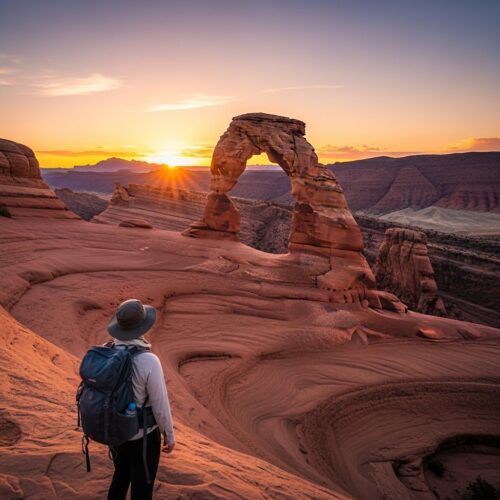
Arches National Park boasts over 2,000 natural stone arches. Each one is a unique marvel, sculpted by nature over millions of years. Let’s dive into what makes these arches so special.
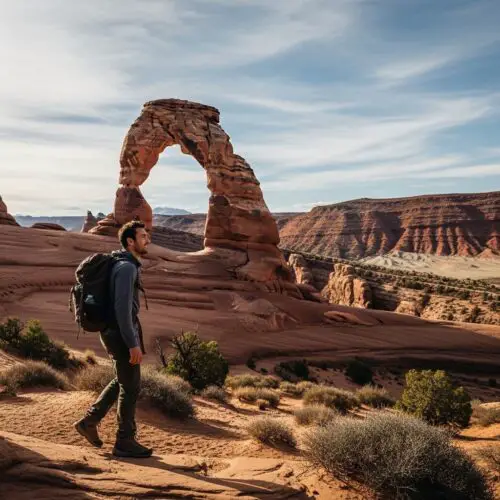
Understanding the Significance of Natural Arches
Natural arches are not just beautiful. They tell a story of geological processes. Most of these arches formed from Entrada Sandstone, a sedimentary rock created from the remains of ancient seas. Over time, wind and water eroded the rock, carving out these stunning formations.
- Delicate Arch: Perhaps the most famous, Delicate Arch stands 46 feet tall. It’s an iconic symbol of Utah and a must-see for visitors.
- Landscape Arch: This is the longest arch in the park, measuring 306 feet. It’s a breathtaking sight, especially from the nearby hiking trail.
Comparison of Arches to Other Parks
While many national parks have unique features, Arches stands out due to its sheer number of arches. For example, in contrast to Zion National Park, known for its canyons, Arches offers a different kind of geological wonder.
- Unique Features of Arches:
- Over 2,000 natural arches.
- The highest concentration of arches in the world.
- Unique rock formations that change with light and weather.
Visitor Statistics
In recent years, Arches has seen a surge in visitors. In 2022, over 1.5 million people explored this stunning landscape. This popularity underscores the park’s appeal and the importance of protecting its natural wonders.
Table of Contents
Here are a few quick visitor tips:
- Best Time to Visit: Spring and fall offer mild temperatures for hiking.
- Popular Trails: Don’t miss the Delicate Arch Trail for an unforgettable view.
- Keep It Clean: Follow Leave No Trace principles to help preserve this beautiful park.
With so much to see, Arches National Park invites exploration and appreciation of its incredible natural arches. Each visit can reveal something new, making it a timeless destination.
2. Delicate Arch is the Most Iconic Landmark
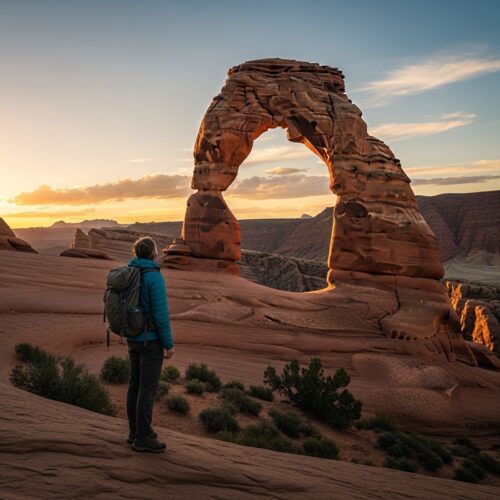
Delicate Arch stands as the star of Arches National Park. It’s not just a pretty face; this arch has history, significance, and stunning views.
Height and Structure of Delicate Arch
Delicate Arch reaches a height of 46 feet and spans 32 feet wide. It’s made of Entrada Sandstone, shaped over millions of years by erosion and weathering. This freestanding arch is a perfect example of nature’s artistry.
- Formation: The arch formed from a massive layer of sandstone left behind by an ancient sea.
- Erosion: Wind, water, and temperature changes sculpted it into what we see today.
Seeing this arch up close is unforgettable. The hike to reach it is about 3 miles round trip. It’s challenging but rewarding, especially when you catch that first glimpse.
Cultural Significance of Delicate Arch
Delicate Arch isn’t just a natural wonder; it’s a cultural icon. In the 1990s, it became famous after appearing on Utah’s license plates. This moment turned it into a symbol of the American Southwest.
- Historical Significance: The area surrounding Delicate Arch has ties to the Indigenous peoples of the region. They viewed and revered this landscape long before it became a tourist attraction.
- Cultural Events: The arch was even chosen as a backdrop for the Olympic Torch during the 2002 Winter Olympics.
Popular Photography Spots
Photographers flock to Delicate Arch for good reason. The views are spectacular, especially during sunrise and sunset. Here are some prime spots:
- The Arch Itself: Capture the arch against the backdrop of a colorful sky.
- From the Trail: Along the hike, there are several vantage points to snap photos of the arch from a distance.
- Night Sky: For stargazers, the area around Delicate Arch offers a stunning view of the Milky Way.
A visitor named Sarah shared her experience. She hiked to Delicate Arch for sunrise. The early morning light made the sandstone glow, creating a magical moment she’ll never forget. It’s these kinds of experiences that make visiting Delicate Arch so special.
3. Landscape Arch is the Longest Arch in North America
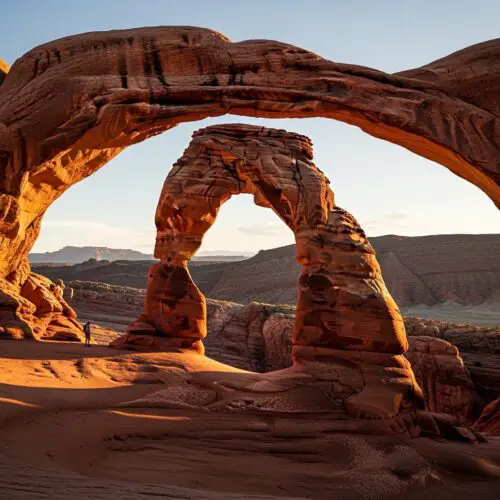
Landscape Arch is a true marvel of nature. Spanning an impressive 306 feet, it’s not just the longest arch in North America but also one of the most delicate. This stunning geological formation is a must-see for every visitor to Arches National Park.
Dimensions of Landscape Arch
- Length: 306 feet (93 meters)
- Height: Approximately 11 feet at its highest point
- Width: The arch’s thinness is remarkable—some sections are only a few inches thick!
To put it in perspective, that’s longer than a football field! Its sheer size makes it a standout feature in the park.
Erosion Processes Affecting Landscape Arch
Landscape Arch is constantly shaped by nature. Erosion from wind, rain, and temperature changes plays a big role in its formation. Over the years, large pieces of rock have fallen away, particularly in the 1990s. This reminds us that even stone is not permanent.
- Recent Changes: In 1991, a significant chunk of the arch collapsed. This ongoing process highlights how dynamic the landscape is.
- Visitor Impact: Because of its fragility, park rangers have closed certain trails beneath the arch for safety.
Safety Measures for Visitors
When visiting Landscape Arch, keep safety in mind. Here are a few tips:
- Stay on Designated Trails: This helps protect the delicate terrain.
- Observe from a Distance: Get your photos but keep a safe distance from the arch.
- Check for Updates: Always check with park rangers for any trail closures or safety advisories.
By following these guidelines, you can enjoy the beauty of Landscape Arch while ensuring its preservation for future visitors.
4. The Park Was Once Underwater

Believe it or not, Arches National Park has a fascinating past. Long before it became a stunning landscape of arches and rock formations, this area was submerged under a massive inland sea. Let’s dive into the geological history that shaped this incredible park.
Formation of Entrada Sandstone
The rock formations you see today, especially the Entrada Sandstone, have a unique story. Over 300 million years ago, this region was beneath the waves. As the sea gradually receded, layers of salt and sediment built up. These layers eventually hardened into the sandstone we admire today.
- Entrada Sandstone: A sedimentary rock that forms the basis of many arches.
- Layers of History: Each layer represents a different time in Earth’s history, telling a tale of shifting environments.
Impact of Ancient Seas on the Landscape
The ancient seas had a profound impact on the park’s current landscape. As the water evaporated, it left behind unique geological features. The erosion process sculpted the stunning arches we see today, including famous landmarks like Delicate Arch and Landscape Arch.
- Erosion Process: Wind and water wear away softer rock, leaving behind the harder sandstone.
- Unique Features: Arches and pinnacles are direct results of this natural sculpting.
Visitor Insights on Geological Tours
Visitors often rave about geological tours in Arches National Park. These tours provide a deeper understanding of how the park’s features came to be. Knowledgeable guides share stories about the geological processes and the significance of the Entrada Sandstone.
- Tour Highlights: Learn about how specific formations like Delicate Arch were formed.
- Personal Anecdotes: Many visitors describe their awe when realizing the ancient seas shaped the park’s landscape.
Exploring the geological history of Arches National Park adds an enriching layer to any visit. It helps you appreciate the beauty around you even more!
5. Arches National Park is a Dark Sky Park

Arches National Park is officially designated as a Dark Sky Park. This means it offers some of the best stargazing opportunities in the country. With minimal light pollution, visitors can enjoy breathtaking views of the night sky.
Best stargazing spots in the park
1. Delicate Arch Viewpoint: This iconic spot not only showcases the famous arch but also provides an unobstructed view of the stars.
2. Balanced Rock: A great location to relax and soak in the celestial wonders while surrounded by unique rock formations.
3. Fiery Furnace: Known for its maze-like canyons, it also offers stunning views of the Milky Way.
What to expect while stargazing
When you look up at the sky, you’ll see countless stars, planets, and possibly even shooting stars. The park’s high elevation and dry air make for clear views. Expect to spot:
- The Milky Way: A bright band of stars stretching across the sky.
- Constellations: Familiar shapes like Orion and Ursa Major become easy to identify.
- Meteor Showers: Depending on the time of year, you might catch a glimpse of a meteor shower.
Tips for preparing for a stargazing night
- Check the moon phase: A new moon night is ideal for stargazing. Less moonlight means more stars!
- Dress warmly: Nights can get chilly, even in summer. Layer up for comfort.
- Bring a blanket or chair: Laying back makes for a more enjoyable experience.
- Use red light: If you need to use a flashlight, opt for a red light to preserve your night vision.
Many visitors have shared their awe at seeing the night sky in Arches. One hiker recalled lying on the ground, feeling like they were floating in space. Experiences like this make a night under the stars unforgettable!
6. The Park’s Ecosystem is More Diverse Than You Think

Arches National Park is more than just stunning rock formations. It’s a vibrant ecosystem filled with unique plants and animals. Let’s dive into the diversity that makes this place so special.
Common wildlife seen in the park
Visitors to Arches can spot a variety of wildlife. Keep your eyes peeled! Here’s a quick checklist of animals you might encounter:
- Desert bighorn sheep: These majestic animals are often seen on rocky slopes.
- Coyotes: A common sight, especially during dawn and dusk.
- Mule deer: Look for them wandering through the park.
- Various birds: Species like the golden eagle and peregrine falcon soar above.
- Reptiles: Lizards and snakes bask in the sun on warm rocks.
These creatures add life to the rugged landscape. Each encounter is a reminder of nature’s resilience.
Plant species thriving in the desert
Arches’ plant life is equally fascinating. The park hosts a range of desert flora that has adapted to its environment. Some notable species include:
- Juniper trees: These hardy trees provide shelter and food for wildlife.
- Sagebrush: A common sight, known for its aromatic leaves.
- Yuccas: Their striking flowers bloom during spring, adding beauty to the landscape.
- Wildflowers: Various species bloom seasonally, creating colorful patches.
These plants play a crucial role. They support wildlife and help prevent soil erosion.
Conservation efforts for local species
Conservation is vital in Arches. The park works hard to protect its unique ecosystem. Here are some key efforts:
- Monitoring wildlife: Park rangers keep track of animal populations to ensure their health.
- Restoration projects: They restore damaged areas to promote biodiversity.
- Education programs: Visitors learn about the park’s ecosystem and how to protect it.
By visiting, you’re part of these efforts. Following park guidelines helps preserve this natural wonder for future generations.
7. Arches National Park Has a Rich Cultural History
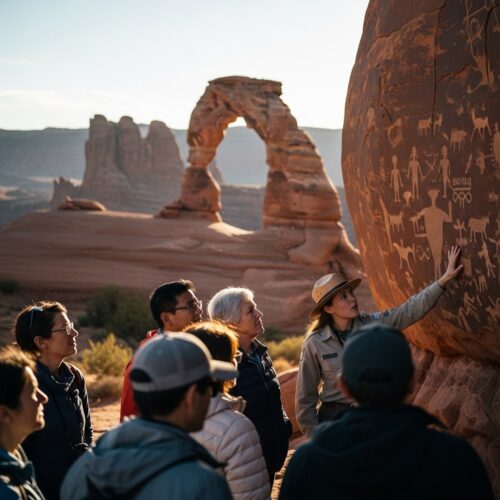
The land of Arches National Park holds deep significance for Indigenous tribes. Their stories, traditions, and connections to the landscape shape the park’s cultural history.
Impact of Indigenous cultures on the landscape
Indigenous tribes, like the Ute and Paiute, have lived in this region for thousands of years. They thrived on the land, utilizing its resources. Their knowledge of the area is profound.
- Cultural practices: These tribes used plants and animals for food, medicine, and materials.
- Spiritual connections: The landscape is woven into their stories and traditions. Each rock and arch has meaning.
Significant archaeological sites
Arches is rich in archaeological treasures. Sites throughout the park offer glimpses into the lives of early inhabitants.
- Rock art: Petroglyphs can be found on canyon walls, telling stories of hunts and ceremonies.
- Artifacts: Tools and pottery fragments reveal how Native peoples lived and thrived here.
Visitor interactions with cultural heritage
Visitors can engage with this cultural history through guided tours. Indigenous guides share their knowledge and stories, providing a unique perspective.
- Anecdote: One visitor recounted how a guide explained the significance of Delicate Arch in their culture. It wasn’t just a stunning view; it was a symbol of resilience and connection to the land.
- Cultural events: Seasonal events often highlight Indigenous music, dance, and storytelling, enriching the visitor experience.
Exploring these aspects helps visitors appreciate Arches National Park beyond its natural beauty. Understanding the cultural history creates a deeper connection to this incredible landscape.
8. The Park Offers Stunning Hiking Trails
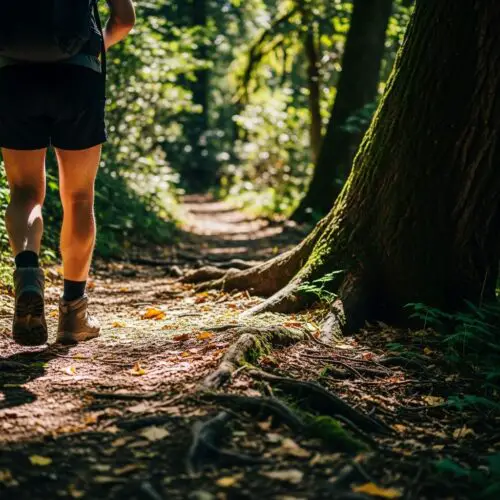
Arches National Park is a hiker’s paradise. With over 2,000 natural arches and breathtaking landscapes, there’s a trail for everyone. Whether you’re a beginner or an experienced hiker, you’ll find a path that suits your style.
Top-rated trails for all skill levels
Here are some of the best trails you shouldn’t miss:
- Delicate Arch Trail: This is the park’s most famous trail. It’s a 3-mile round trip and moderately challenging. Expect stunning views and a chance to see the iconic Delicate Arch up close.
- Landscape Arch Trail: At 1.6 miles round trip, this trail is easier and takes you to the longest natural arch in North America. It’s a must-see!
- Devils Garden Loop: For the adventurous, this 7.2-mile loop includes several impressive arches. It can be challenging, but the sights are worth the effort.
- Park Avenue Trail: A 2-mile round trip that feels like a walk through a canyon. It’s relatively flat and perfect for families.
- Fiery Furnace: This is a more challenging area that requires a permit. The twisting canyons and narrow passages make it a unique hiking experience.
Safety tips for hiking
Staying safe while hiking is essential. Here are some quick tips:
- Stay hydrated: Bring plenty of water, especially during warmer months.
- Wear good shoes: Proper hiking boots can help you navigate rocky terrain.
- Know your limits: Choose trails that match your fitness level and experience.
- Check the weather: Desert conditions can change rapidly. Be prepared for heat and sudden storms.
- Leave no trace: Respect the park by sticking to trails and packing out what you bring in.
Best times to hike each trail
Timing can make a huge difference in your hiking experience. Here’s a handy table to help you plan:
| Trail Name | Difficulty | Length (miles) | Best Season |
|---|---|---|---|
| Delicate Arch Trail | Moderate | 3 | Spring/Fall |
| Landscape Arch Trail | Easy | 1.6 | Spring/Summer |
| Devils Garden Loop | Challenging | 7.2 | Spring/Fall |
| Park Avenue Trail | Easy | 2 | Year-round |
| Fiery Furnace | Challenging | Varies | Spring/Fall |
With these trails, you’ll have a fantastic time exploring the unique beauty of Arches National Park. Each path offers its own story, waiting for you to discover it!
9. The Park is Home to Unique Geological Features Beyond Arches
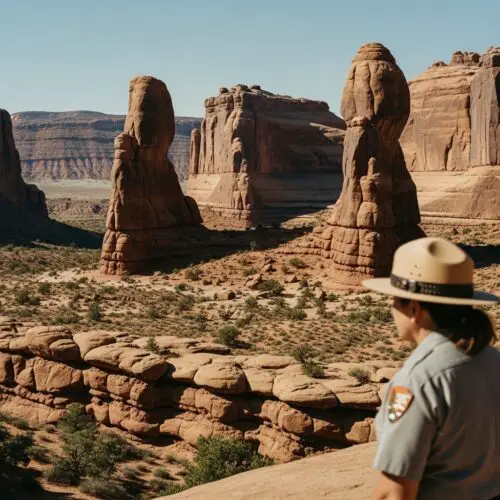
Arches National Park is famous for its stunning arches, but it also boasts other incredible geological features. Let’s dive into some of these unique formations that make the park a true natural wonder.
Balanced Rock and its unique structure
Balanced Rock is one of the park’s most iconic features. Standing at 128 feet tall, it’s a massive boulder perched precariously on a narrow base. This formation is a perfect example of nature’s artistry. Over time, erosion has shaped it into its current form. Visitors often marvel at how it seems to defy gravity. It’s a popular photo spot and is easily accessible from the road.
Fins and spires in the park
The park is also home to fascinating fins and spires. These formations are elongated ridges of rock that rise dramatically from the desert floor. Fins are formed when water seeps into cracks, freezing and expanding, which eventually causes the rock to fracture. Spires are the result of this process continuing over time, carving pointed peaks. The famous Fiery Furnace area features these unique structures, making it a must-see for geology enthusiasts.
Visitor recommendations for viewing
To fully appreciate these geological wonders, here are some tips for your visit:
- Bring your camera: Capture the stunning contrasts of red rock against the blue sky.
- Take a guided tour: Learn more about how these formations were created.
- Visit at sunrise or sunset: The lighting during these times enhances the beauty of the rock formations.
- Use an interactive map: Download a map highlighting the locations of Balanced Rock, fins, and spires to plan your exploration.
These geological features, alongside the park’s famous arches, create a landscape that feels otherworldly. Exploring them offers a deeper understanding of the natural forces at play in Arches National Park.
10. Erosion Continues to Shape the Landscape
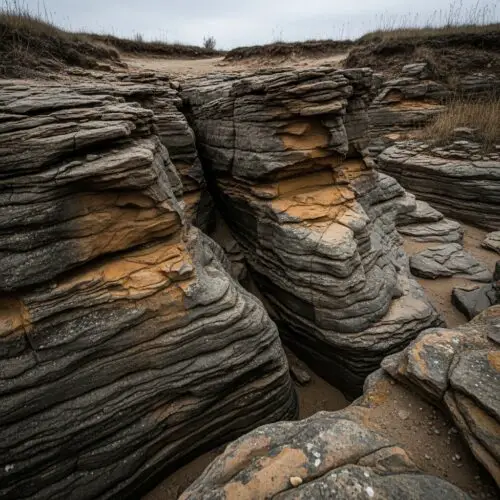
Erosion is a powerful force at Arches National Park. It continuously reshapes the stunning geological features that draw so many visitors. Let’s explore how this process works and what it means for the park.
Current Examples of Erosion in Action
Erosion at Arches comes from wind, rain, and temperature changes. These elements work together to wear down rocks over time. Here are some notable examples:
- Landscape Arch: This arch is the longest in North America. It’s incredibly thin, and pieces have fallen off recently. This has led park rangers to close the trail underneath for safety.
- Wall Arch: This arch collapsed overnight in 2008, surprising everyone. Such events remind us that the landscape is always changing.
- Double Arch: Even this iconic formation has lost chunks over the years. It shows how erosion doesn’t just create but also destroys.
Implications for Park Visitors
For visitors, understanding erosion is essential. It helps you appreciate the beauty of the arches even more. Here’s what to keep in mind:
- Stay on Trails: Walking off the paths can accelerate erosion. Protecting the landscape helps preserve its beauty.
- Watch for Changes: Erosion can alter views and access to certain areas. Some arches may close for safety, so stay updated.
- Capture Moments: Since the landscape is dynamic, every visit offers a unique experience. Take photos to cherish the park’s beauty as it evolves.
Future Predictions for the Landscape
What will Arches National Park look like in a decade? Here are some predictions:
- New Formations: As existing arches erode, new ones will emerge. This ongoing cycle keeps the landscape exciting.
- Changing Accessibility: Some trails may be altered or closed due to safety concerns. Be prepared for changes in your hiking plans.
- Increased Awareness: As visitors learn about erosion, they may become more involved in conservation efforts, ensuring the park remains a wonder for future generations.
Erosion is a natural part of Arches National Park’s story. It shapes the iconic features and provides visitors with an ever-changing landscape to explore.
11. The Park Hosts Numerous Events and Programs

Arches National Park isn’t just about stunning rock formations. It’s a hub of activity with various events and educational programs that enhance the visitor experience. Here’s what you can look forward to.
Seasonal Events That Draw Visitors
Every season brings something special to the park. Here are a few highlights:
- Spring Wildflower Walks: In spring, guided walks showcase the blooming wildflowers. Experts share insights about local flora and fauna.
- Summer Stargazing Nights: As an International Dark Sky Park, summer nights are perfect for stargazing. Join rangers for talks and telescopic views of the Milky Way.
- Fall Photography Workshops: Capture the beauty of the arches in autumn. Local photographers lead workshops to help you snap picture-perfect moments.
- Winter Snowshoe Hikes: Experience the park in a new light. Snowshoe hikes in winter offer a unique perspective of the red rocks dusted with snow.
Educational Programs for All Ages
The park offers programs for everyone, from kids to adults. Here’s a snapshot:
- Junior Ranger Program: Kids can earn badges by completing fun activities. It’s a great way to learn about the park’s ecology and geology.
- Ranger-Led Tours: Join a ranger for an in-depth look at the park’s features. These tours often include stories about the cultural significance of the area.
- Workshops and Lectures: Throughout the year, the park hosts various workshops and lectures. Topics range from geology to wildlife conservation.
Tips for Participating in Events
Want to make the most of these programs? Here are some quick tips:
- Check the Schedule: Events can fill up quickly. Always check the park’s calendar ahead of your visit.
- Arrive Early: Arriving early ensures you secure a spot, especially for popular stargazing events.
- Bring Water and Snacks: Some events, like hikes and workshops, can last several hours. Stay hydrated and energized!
Many visitors rave about their experiences. One family shared how the Junior Ranger Program made their trip memorable. Their kids were excited to learn and engage with the park in a hands-on way. Another visitor highlighted the beauty of the night sky during the stargazing event—an experience they’ll cherish forever.
With these events and programs, Arches National Park offers more than just breathtaking views. It provides unforgettable experiences that connect visitors to the land and its history.
12. The Park’s Scenic Drives Are Breathtaking
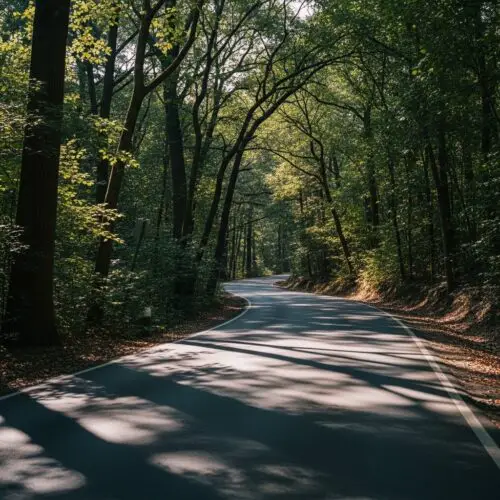
Arches National Park is not just about hiking and exploring. The scenic drives here are a treat for the eyes. You can soak in stunning views without breaking a sweat. Let’s dive into some of the best routes to take!
Top Scenic Routes to Take
1. Arches Scenic Drive: This is the main road in the park. It’s a 18-mile stretch filled with jaw-dropping views. You’ll pass by famous landmarks like Delicate Arch and Landscape Arch. There are plenty of pullouts for quick photo ops.
2. Devils Garden Road: This 4-mile road leads you to some of the park’s most famous arches. It ends at the trailhead for the Devils Garden hike. Perfect for those who want to see multiple arches in one go.
3. Fiery Furnace Viewpoint: A short drive leads to this viewpoint. It offers a unique perspective of the Fiery Furnace’s maze-like formations. A must-see for photographers.
Best Times for Photography
- Golden Hour: Early morning and late afternoon are best. The soft light makes the red rocks glow. It’s perfect for capturing the beauty of the arches.
- Spring and Fall: These seasons offer mild temperatures and clear skies. Fewer crowds make it easier to enjoy the scenery and snap photos.
Visitor Recommendations for Scenic Overlooks
- Park Avenue Viewpoint: This is a great spot for panoramic views of towering rock formations. Perfect for a quick stop before heading further into the park.
- La Sal Mountains Viewpoint: This overlook gives you a beautiful contrast of the mountains against the red rock landscape. It’s a great place to enjoy the scenery and take a breather.
- Balanced Rock: A quick stop here offers a unique view of this iconic feature. Don’t forget to take a photo!
For a fantastic scenic drive experience, plan your stops ahead. Use a map to mark your favorite viewpoints. This way, you won’t miss any of the breathtaking sights Arches National Park has to offer!
13. Environmental Conservation is Key to Park Management

Arches National Park is not just about stunning views and unique rock formations; it’s also about preserving this incredible landscape for future generations. Conservation efforts play a vital role in protecting the park’s natural beauty and ecological health.
Current Conservation Initiatives
Several initiatives are actively in place to safeguard the park’s unique environment:
- Invasive Species Control: The park works to manage and reduce invasive plants that threaten native species.
- Wildlife Monitoring: Rangers track animal populations to ensure they thrive in their habitat.
- Visitor Education: Informational programs help visitors understand the importance of conservation.
How Visitors Can Contribute
Every visitor can make a difference. Here are some simple ways to help:
- Stay on Trails: Protect fragile ecosystems by sticking to designated paths.
- Leave No Trace: Pack out everything you bring in. This keeps the park clean and safe for wildlife.
- Participate in Programs: Join volunteer days or educational tours that focus on conservation efforts.
Case Studies of Successful Conservation
Arches has seen notable successes in conservation. For instance, the restoration of certain areas after wildfires has helped native plants return. This rejuvenation creates a healthier ecosystem and supports local wildlife.
Additionally, educational programs that engage visitors have increased awareness of the park’s ecological significance. When people understand the impact of their actions, they’re more likely to help protect these natural wonders.
By embracing these conservation practices, visitors can enhance their experience while ensuring Arches National Park remains a breathtaking destination for years to come.
14. Visiting in 2026 Offers Unique Opportunities

2026 is shaping up to be an exciting year for visitors to Arches National Park. With special events and improvements on the horizon, it’s the perfect time to explore this natural wonder.
Upcoming Events Scheduled for 2026
Arches National Park will host several unique events in 2026. Here are a few highlights:
- Centennial Celebrations: Expect special programs celebrating the park’s rich history. This will include guided tours and educational talks.
- Night Sky Festival: Join fellow stargazers for a weekend dedicated to astronomy. Experts will lead activities and share insights about the night sky.
- Cultural Heritage Days: Celebrate the Indigenous cultures connected to the park. Experience traditional music, storytelling, and art demonstrations.
Expected Changes in Park Services
In 2026, visitors can look forward to improved services. The park is investing in infrastructure to enhance the visitor experience:
- New Visitor Center: A state-of-the-art center will offer more resources and exhibits about the park’s geology and history.
- Expanded Trail Systems: New trails are being added, providing access to lesser-known arches and stunning viewpoints.
- Enhanced Accessibility: The park is focusing on making more areas accessible to everyone, ensuring that all visitors can enjoy its beauty.
Visitor Testimonials on Planning for 2026
Many travelers are excited about visiting in 2026. Here are some insights from past visitors:
- “Make Reservations Early”: Many recommend booking accommodations and tours well in advance. The popularity of 2026 events means spots will fill up quickly.
- “Plan for Different Weather”: Visitors advise checking the forecast and being prepared for sudden changes in weather. Layering is key!
- “Don’t Miss Sunrise at Delicate Arch”: This iconic moment is a must-see. Arriving early not only avoids crowds but also offers a breathtaking view.
By planning ahead, you’ll make the most of your Arches adventure in 2026!
Frequently Asked Questions
These quick answers cover the most common questions about this topic, including key details, practical tips, and common concerns.
What are some cool facts about Arches National Park?
Arches National Park has over 2,000 natural stone arches, the highest concentration in the world. The park’s landscape was once underwater, with Entrada Sandstone formed from ancient seas. It’s also a designated Dark Sky Park, offering exceptional stargazing opportunities. Additionally, the park’s formations, like Balanced Rock and the Fiery Furnace, showcase unique geological processes.
Which 5 states have no national parks?
The five U.S. states without any national parks are Delaware, Rhode Island, Connecticut, Iowa, and Kansas. Despite lacking designated national parks, some of these states have national monuments, historic sites, or state parks worth exploring.
What is the #1 most visited National Park?
As of 2026, Great Smoky Mountains National Park remains the most visited national park in the United States. Its accessibility, diverse ecosystems, and scenic beauty attract over 14 million visitors annually.
What are the top 5 things to do in Arches National Park?
1. Hike to Delicate Arch for iconic views and photography.
2. Walk the Landscape Arch Trail to see the longest arch in North America.
3. Explore the Devils Garden area with its various arches and rock formations.
4. Attend ranger-led programs about geology and Native American history.
5. Enjoy stargazing in the park’s designated Dark Sky zones during clear nights.
How to plan a visit to Arches National Park?
Start by choosing the best time—spring or fall—for mild weather and fewer crowds. Book accommodations early, especially for peak seasons. Use the park’s interactive map to plan your routes and trails. Pack plenty of water, wear suitable footwear, and check for trail updates or closures before heading out.
Why is Arches National Park significant?
Arches showcases some of the most impressive natural geological formations, formed over millions of years through erosion and sedimentation. It also holds cultural importance for Indigenous tribes and offers insights into Earth’s natural history. Its unique landscape attracts millions, promoting conservation and appreciation of natural wonders.
When is the best time to visit Arches National Park?
The ideal times are spring (March–May) and fall (September–November). During these seasons, temperatures are comfortable, and the park is less crowded. Summer can be hot, with temperatures exceeding 100°F, while winter offers fewer visitors but colder weather and possible snow.
What are common mistakes visitors make, and what should they avoid while hiking?
Many visitors underestimate the park’s challenging terrain or fail to carry enough water. Avoid hiking off designated trails, as it damages fragile formations and can be unsafe. Also, don’t forget to check weather conditions and trail closures. Planning ahead ensures safety and helps preserve the park’s natural beauty.