
Squirrels can wreak havoc on your tomato plants, but there are effective strategies to protect your harvest. Here are 12 easy ways to keep squirrels from eating your tomatoes without resorting to harmful methods.
Table of Contents
1. Use Spicy Solutions to Deter Squirrels
Squirrels are not fans of heat. Using spicy solutions can make your tomatoes an unappetizing choice for these pesky critters. Here’s how to harness the power of spice to protect your garden.
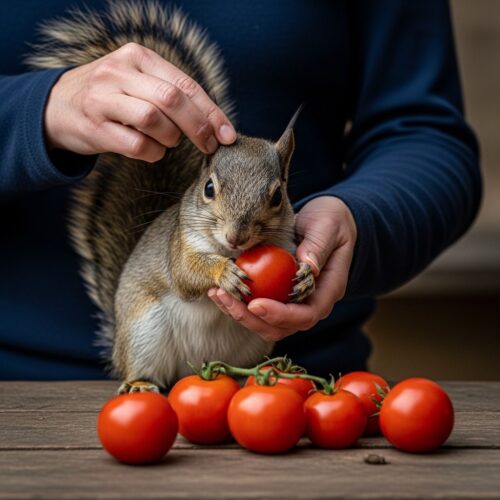
Cayenne Pepper: Nature’s Deterrent
Cayenne pepper is a popular choice among gardeners. Its strong scent and flavor can irritate squirrels’ noses and mouths. Here’s how to use it effectively:
- Sprinkle cayenne pepper around the base of your tomato plants.
- Combine with other spices like paprika or red pepper flakes for an extra kick.
- Check for food-safe options if you apply directly on your plants.
Homemade Hot Pepper Spray Recipe
Creating your own hot pepper spray is simple and effective. Here’s a quick recipe to keep those squirrels at bay:
1. Ingredients:
- 1 tablespoon of hot sauce
- 1 quart of water
- A few drops of dish soap (to help it stick)
2. Instructions:
- Mix the ingredients in a spray bottle.
- Shake well to combine.
- Spray generously on and around your tomato plants.
This spicy concoction can be a game changer. Many gardeners attest to its effectiveness in keeping squirrels away.
Cautions When Using Spicy Solutions
While spicy solutions are great, there are a few things to keep in mind:
- Reapply after rain or watering to maintain effectiveness.
- Test on a small area of your plant first to ensure it doesn’t cause any damage.
- Be mindful of pets. Some animals may also react to pepper sprays, so keep them away from treated areas.
Spicy deterrents can be a fantastic way to protect your tomatoes. If you prefer a ready-made option, consider using a Garden Squirrel Repellent Spray to save time and effort.
2. Set Up Scare Tactics Around Your Garden
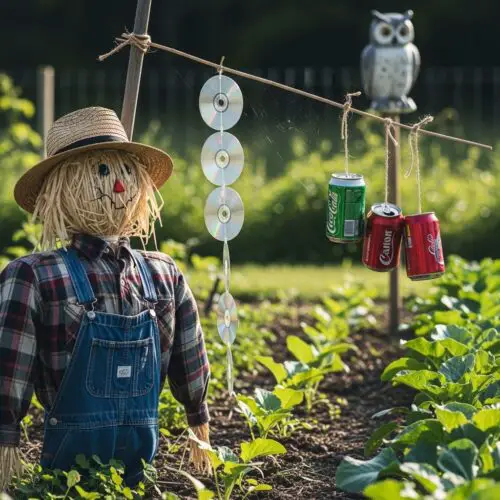
Squirrels can be sneaky little critters. But with some clever scare tactics, you can keep them away from your precious tomatoes. Let’s dive into some effective methods to intimidate those furry thieves!
Owl Decoys: Nature’s Predator
Owl decoys can be a game-changer. Squirrels are naturally wary of owls, their predators. Placing a realistic owl decoy in your garden can create a sense of danger for the squirrels.
- Best Placement: Position the decoy where you notice squirrel activity.
- Movement: For added effectiveness, look for decoys that move with the wind or have blinking eyes.
Using Reflective Objects
Squirrels dislike shiny surfaces. Reflective objects can create a startling visual effect that keeps them at bay.
- Simple Ideas: Hang old CDs, aluminum foil strips, or reflective tape around your garden.
- Strategic Placement: Focus on areas where squirrels tend to enter your garden.
Motion Sensor Devices
Motion sensor devices can send squirrels running. These gadgets detect movement and often emit a noise or spray water.
- Types: Look for motion-activated sprinklers or sound devices designed for pest control.
- Effectiveness: Place these near your tomato plants for maximum impact.
Quick Tips for Effective Scare Tactics
- Regularly change the position of your decoys and reflective objects. Squirrels adapt quickly!
- Combine several tactics for the best results. A mix of decoys, reflective objects, and motion sensors can create a powerful deterrent.
- Monitor your garden for signs of squirrel activity to adjust your tactics as needed.
By implementing these scare tactics, you’ll make your garden a less inviting place for squirrels. Protect your tomatoes and enjoy a fruitful harvest!
3. Create Physical Barriers with Fencing
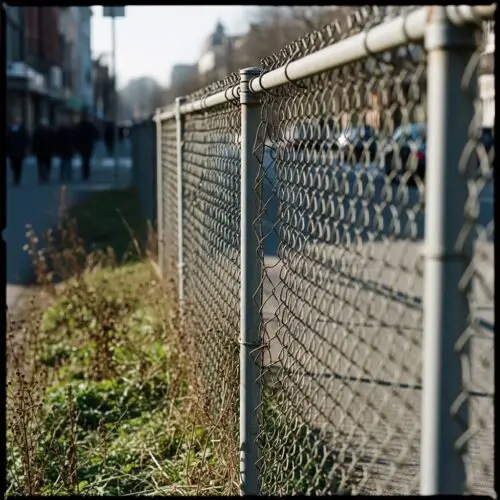
Fencing is a solid way to keep those pesky squirrels away from your precious tomatoes. It creates a physical barrier that can deter them effectively. Let’s dive into how to choose the right fencing materials and set up your garden.
Choosing the Right Fencing Material
When it comes to fencing, not all materials are created equal. Here’s a quick comparison of some popular options:
| Fencing Material | Effectiveness | Pros | Cons |
|---|---|---|---|
| Chicken Wire | Moderate | Affordable, easy to install | Can be chewed through |
| Welded Wire Fencing | High | Sturdy, long-lasting | More expensive |
| Hardware Cloth | High | Effective against small critters | Requires careful installation |
| Wooden Fencing | Moderate | Aesthetic appeal | Can rot or decay over time |
For best results, consider welded wire fencing or hardware cloth. They are strong enough to keep squirrels at bay, and they last longer than chicken wire.
Designing Your Squirrel-Proof Garden
Think about your garden layout when installing fencing. Here are some design tips:
- Height Matters: Make your fence at least 4-6 feet tall. Squirrels can climb, so taller fences are more effective.
- Buried Base: Bury the bottom of the fence at least 6 inches underground. This prevents squirrels from digging underneath.
- Angle the Top: If you can, angle the top of the fence outward. This makes it harder for squirrels to jump over.
Tips for Effective Installation
Proper installation is key to a successful fence. Here are some handy tips:
- Secure the Corners: Make sure the corners of your fence are tightly secured. Use extra posts if needed.
- Regular Checks: Inspect your fence regularly for any signs of wear or damage. Repair any holes immediately.
- Combine with Other Methods: Consider pairing fencing with other deterrents, like homemade repellents or scare tactics, for extra protection. You could even try a Garden Squirrel Repellent Spray for added peace of mind. Check Price on Amazon.
By using the right fencing materials and following these tips, you can create a safe space for your tomatoes while keeping those hungry squirrels away!
4. Provide Alternative Food Sources for Squirrels
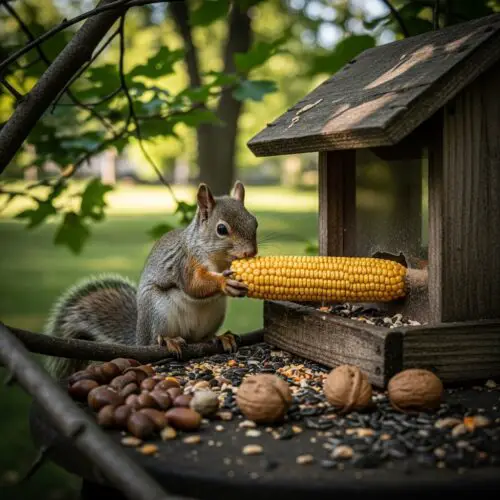
If you want to keep squirrels from munching on your tomatoes, consider giving them something else to snack on! By providing alternative food sources, you can divert their attention. Let’s dive into some practical ways to do this.
Creating a Squirrel Feeding Station
Setting up a feeding station is simple. Choose a spot away from your tomatoes. Use a platform or a bird feeder designed for squirrels. Fill it with squirrel-friendly treats. This keeps them busy and away from your precious tomatoes.
Best Foods to Attract Squirrels
Squirrels love a variety of snacks. Here’s a quick list of foods they enjoy:
- Nuts: Peanuts, walnuts, and almonds are favorites.
- Fruits: Apples, bananas, and berries can entice them.
- Vegetables: Carrots, corn, and leafy greens work well too.
By offering these goodies, you can keep squirrels satisfied without raiding your garden.
Timing Your Feeding to Distract Squirrels
Timing matters! Feed the squirrels in the early morning or late afternoon. This way, they’ll be busy snacking when you’re tending to your tomatoes. Monitor their feeding habits. Adjust as needed. If they still venture into your garden, try changing the food or its location.
Setting up alternative food sources can make a big difference. With a little effort, you can keep those furry bandits from feasting on your tomatoes!
5. Utilize Natural Squirrel Repellents
Squirrels have a strong sense of smell. This makes them sensitive to certain scents. By using natural repellents, you can create an unwelcoming environment for these pesky critters. Here are some effective options to try.
Essential Oils That Repel Squirrels
Essential oils are a great way to deter squirrels. They hate strong smells! Here are a few oils that work well:
- Peppermint oil: Squirrels dislike the strong minty scent. Mix a few drops with water and spray around your tomatoes.
- Cinnamon oil: Another scent they can’t stand. It not only keeps squirrels away but also smells great to us!
- Tea tree oil: Known for its strong aroma, tea tree oil can be an effective deterrent.
Citrus and Garlic as Deterrents
Citrus peels and garlic are natural repellents too! Squirrels tend to avoid these scents. Here’s how to use them:
- Citrus peels: Scatter orange or lemon peels around your plants. The smell will keep squirrels at bay.
- Garlic cloves: Placing crushed garlic around your garden can help. You can also soak garlic in water and spray it on your plants.
Homemade Repellent Recipes
Making your own squirrel repellent is easy. Here are a couple of recipes to try:
1. Pepper Spray:
- Mix 1 tablespoon of cayenne pepper with 1 quart of water.
- Add a few drops of dish soap.
- Spray around your tomatoes.
2. Garlic and Pepper Mix:
- Blend 2 cloves of garlic, 1 tablespoon of cayenne pepper, and 1 quart of water.
- Let it sit overnight, then strain and spray.
These homemade solutions are not only effective but also safe for your plants. Test them out and see which works best for your garden!
6. Employ Companion Planting Techniques
Companion planting is a fantastic way to keep squirrels away from your tomatoes. By choosing the right plants, you can create a natural barrier and enhance your garden’s health.
Plants That Naturally Deter Squirrels
Some plants are known to repel squirrels. Here are a few you might want to include in your garden:
- Marigolds: These bright flowers have a strong smell that squirrels dislike. Plus, they attract beneficial insects.
- Basil: The scent of basil can deter squirrels and also enhances the flavor of your tomatoes.
- Nasturtiums: These vibrant flowers can confuse squirrels and attract aphids away from your tomato plants.
Creating a Companion Planting Strategy
Now that you know some great plants, here’s how to strategically place them:
1. Border Planting: Plant marigolds around the perimeter of your tomato patch. This creates a fragrant barrier that squirrels are less likely to cross.
2. Interplanting: Mix basil and nasturtiums among your tomato plants. This not only confuses squirrels but also promotes better growth for your tomatoes.
3. Layered Planting: Use taller plants like sunflowers to create a canopy. This can make your garden feel less accessible to squirrels.
Planting Layout Tips
Designing your garden layout can maximize the benefits of companion planting. Here’s a simple checklist:
- Group Similar Plants: Keep your companion plants close to tomatoes to boost their effectiveness.
- Diverse Heights: Mix plant heights to create visual barriers and deter squirrels.
- Avoid Overcrowding: Give each plant enough space to thrive. Healthy plants are better at warding off pests!
By using companion planting techniques, you can deter squirrels naturally while boosting the health of your tomatoes. It’s a win-win for your garden!
7. Use Motion-Activated Sprinklers
Motion-activated sprinklers are a fantastic way to startle squirrels and keep them away from your precious tomatoes. These devices use sensors to detect movement, triggering a sudden burst of water. It’s a surprise that squirrels definitely don’t enjoy!
How Motion-Activated Sprinklers Work
These sprinklers work by using infrared sensors. When a squirrel wanders into their range, the sprinkler springs into action. A quick spray of water sends the furry intruder running for cover. It’s a simple but effective scare tactic that helps protect your garden.
Placement Strategies for Maximum Effect
To get the most out of your motion-activated sprinkler, placement is key. Here are some tips:
- Position Strategically: Place the sprinkler facing the areas where squirrels usually enter your garden.
- Avoid Obstructions: Ensure nothing blocks the sensor’s view; surrounding plants and decorations can interfere.
- Adjust Sensitivity: Some models allow you to change how sensitive they are to movement. Set it to a level that catches squirrels but not your pets.
Reviewing Popular Models
When it comes to choosing a motion-activated sprinkler, look for models that have good reviews for reliability and coverage. Here are a few features to consider:
- Coverage Area: Ensure the sprinkler covers a broad area. You want to protect as much of your garden as possible.
- Water Pressure: Check if it works well with your garden’s water pressure. Some models might need higher pressure for optimal performance.
- Durability: Look for a sturdy model that can withstand different weather conditions.
Many gardeners find success with brands like Orbit or Havahart, known for their effective and durable motion-activated sprinklers. Investing in one could be the game-changer you need to keep those pesky squirrels away from your tomatoes!
8. Remove Squirrel Attractions from Your Garden
Squirrels are clever little critters. If they find tempting attractions in your garden, they’re likely to keep coming back for more. Let’s dive into what might be luring them in.
Common Squirrel Attractions to Eliminate
1. Bird Feeders: If you have bird feeders nearby, squirrels may be heading there instead of your tomatoes. Consider moving them away or using squirrel-proof feeders.
2. Unharvested Fruits and Vegetables: Leaving ripe fruits or veggies in your garden can attract squirrels. Make sure to harvest your produce promptly.
3. Nuts and Seeds: If you’re feeding birds or other wildlife, it might be time to rethink your feeding strategy. Squirrels love nuts and seeds, so keep them away from your garden.
4. Exposed Compost: Compost piles can attract squirrels looking for food scraps. Keep your compost covered and well-managed.
5. Dense Shrubs or Bushes: Squirrels seek shelter in dense vegetation. Trim back overgrown bushes to reduce hiding spots.
Creating a Clean Garden Environment
Maintaining cleanliness in your garden is crucial. A tidy space discourages squirrels from making themselves at home.
- Regularly Clear Debris: Remove fallen fruit, nuts, and plant debris. This makes your garden less appealing.
- Protect Your Beds: Use row covers or netting to shield your tomato plants from curious squirrels.
- Seal Garbage: Ensure trash cans are sealed tight. Squirrels are opportunistic and will scavenge if they can.
Regular Maintenance Tips
Set a routine to keep your garden squirrel-free:
- Daily Checks: Look for signs of squirrel activity, like gnawed tomatoes or disturbed soil.
- Weekly Clean-Up: Dedicate time each week to clear any attractions and debris.
- Seasonal Surveys: Before planting, inspect your garden for potential squirrel magnets.
Squirrel-Free Garden Checklist
- [ ] Remove bird feeders or use squirrel-proof ones.
- [ ] Harvest ripe produce regularly.
- [ ] Keep compost covered and tidy.
- [ ] Trim dense shrubbery.
- [ ] Seal trash cans tightly.
- [ ] Conduct daily checks for squirrel activity.
- [ ] Perform weekly clean-ups to eliminate debris.
By following these steps, you’ll create a garden environment that squirrels will think twice about visiting!
9. Make Your Garden Less Accessible
Creating a garden that’s tough for squirrels to navigate can help protect your precious tomatoes. Here are some design strategies to keep those pesky critters at bay.
Designing a Squirrel-Proof Garden Layout
Start with your garden layout. A well-planned design can act as a barrier.
- Raised Beds: Build raised garden beds. Squirrels have a harder time jumping up to reach your tomatoes. Aim for a height of at least 2 feet.
- Fencing: Install fencing around your garden. Use a mesh or wire that’s at least 3 feet high. Bury the bottom 6 inches underground to prevent burrowing.
- Pathways: Create narrow pathways between your plants. This limits squirrel movement and makes it harder for them to dart in and out.
Raising Your Garden Beds
Elevating your garden beds is a simple yet effective strategy.
- Height Matters: A raised bed should be at least 2 feet high. This height is enough to deter most squirrels.
- Accessibility: Make sure you can still reach your plants. You can use a bench or step stool for easy access.
Using Vertical Space Effectively
Don’t forget about vertical gardening!
- Trellises and Cages: Use trellises for your tomatoes. This lifts them off the ground, making it tougher for squirrels to reach them.
- Hanging Planters: Consider hanging planters. Squirrels can’t climb as easily when your tomatoes are suspended in the air.
Quick Checklist for Squirrel-Proofing Your Garden
- [ ] Build raised beds at least 2 feet high.
- [ ] Install fencing at least 3 feet tall with underground barriers.
- [ ] Use trellises or hanging planters for tomatoes.
- [ ] Design narrow pathways to limit squirrel movement.
These design choices will make your garden much less inviting for squirrels. Happy gardening!
10. Incorporate Strong Scents to Deter Squirrels
Squirrels have a strong sense of smell, which you can use to your advantage. Certain scents can send them packing, keeping your tomatoes safe and sound. Let’s dive into some effective scents and how to use them!
Using Vinegar and Other Strong Scents
Vinegar is a powerhouse when it comes to keeping squirrels away. Its strong odor is unpleasant for them. You can soak cotton balls in vinegar and place them around your tomato plants. Other scents that work include:
- Citrus Peels: Oranges, lemons, and grapefruits are a no-go for squirrels.
- Peppermint Oil: Mix a few drops with water and spray it around your garden.
- Garlic: Create a garlic water solution and spray it on your plants.
Creating a Scent Barrier
Creating a scent barrier is simple. Just follow these steps:
1. Choose Your Scents: Pick a few strong-smelling options like citrus or vinegar.
2. Prepare Your Repellent: Mix your chosen scent with water in a spray bottle.
3. Apply Regularly: Spray around your tomato plants every few days or after rain.
This barrier will make your garden less inviting for those pesky squirrels.
Testing Scents for Effectiveness
Not all scents work the same for every garden. Here’s how to find out what works best for you:
- Experiment: Try different scents and note which ones deter squirrels.
- Observe: Watch your garden for squirrel activity. If you notice fewer visits, you’ve found a winner!
- Adjust: If one scent isn’t working, don’t hesitate to switch it up.
Keep track of your findings. You might discover a combo of scents that works wonders!
11. Educate Yourself on Squirrel Behavior
Understanding squirrel behavior can help you anticipate their actions and prevent damage to your precious tomatoes. By learning their habits, you can take effective measures to keep them at bay.
What Attracts Squirrels to Your Tomatoes
Squirrels are drawn to tomatoes for several reasons:
- Taste: They love the sweetness of ripe tomatoes.
- Nutrients: Tomatoes provide water and vitamins.
- Accessibility: If your garden is easy to access, they’ll come running.
Knowing what attracts them can help you make your garden less appealing. Consider using barriers or repellents to disrupt their feast.
Understanding Their Eating Patterns
Squirrels tend to nibble rather than devour whole tomatoes. Here are some signs of their activity:
- Nibbled Edges: Look for small bites around the edges.
- Holes in the Fruit: Big holes indicate they’ve been at it.
- Multiple Damaged Fruits: They often damage several tomatoes at once.
By recognizing these patterns, you can act quickly. For example, if you see signs of nibbling, it’s time to implement your deterrent strategies.
When Are Squirrels Most Active
Squirrels are generally more active during certain times of the day:
- Early Morning: They start their day looking for breakfast.
- Late Afternoon: They often return to forage before sunset.
By knowing their peak activity times, you can strategize your garden defense. Consider setting up deterrents during these hours to catch them off-guard.
Checklist for Monitoring Squirrel Activity
- Observe your garden: Note when squirrels visit.
- Check for damage: Look for nibbled tomatoes daily.
- Adjust your tactics: Try new deterrents if you notice increased activity.
This awareness can help you stay one step ahead of those crafty critters!
12. Test Different Methods and Adjust
Finding the right way to keep squirrels from munching on your tomatoes can be a bit of a journey. Each garden is unique, and what works for one might not work for another. So, it’s all about trying different methods and tweaking them as you go.
Tracking Effectiveness of Each Method
Start by keeping a close eye on what you try. Note the following:
- Outcome: Did the squirrels stay away?
- Timeframe: How long did it take for you to see results?
- Weather Conditions: Was it rainy or sunny?
- Tomato Health: Are your tomatoes thriving or still getting nibbled?
This tracking helps you spot patterns. For example, if a particular repellent seems to work better after rain, you’ll know when to apply it next.
Making Adjustments Based on Results
Don’t be afraid to mix it up! If one method isn’t cutting it, try another. Here are a few tips for adjustments:
- Combine Techniques: If citrus peels aren’t enough, add some reflective tape or plant companion flowers like marigolds.
- Change Locations: Move your deterrents around. Squirrels can get used to the same smells or sights.
- Modify Frequency: Increase how often you apply repellents or reset traps if you notice squirrel activity rising.
Sharing Your Findings with Other Gardeners
Join the gardening community! Share what worked and what didn’t. You can:
- Join Online Forums: Discuss your experiences and get feedback.
- Host a Local Garden Meet-Up: Swap tips with fellow gardeners in your area.
- Social Media Groups: Post updates and learn from others’ successes and failures.
By sharing, you not only help yourself but others too. Plus, you might discover even more innovative methods to protect your precious tomatoes!
Frequently Asked Questions
These quick answers cover the most common questions about this topic, including key details, practical tips, and common concerns.
How do I deter squirrels from eating my tomatoes?
You can deter squirrels using a combination of methods. Spicy solutions like cayenne pepper or homemade hot pepper spray make your plants unappealing. Installing physical barriers such as tall, sturdy fencing with buried edges prevents access. Scare tactics like owl decoys, reflective objects, and motion-activated sprinklers can startle squirrels away. Removing attractants like fallen fruit or accessible food sources also reduces their interest.
What smell do squirrels hate the most?
Squirrels dislike strong, pungent scents such as peppermint, cinnamon, garlic, and citrus. Essential oils like peppermint or tea tree can be diluted in water and sprayed around your garden. Citrus peels or soaked cotton balls with vinegar are also effective. These natural smells create an environment squirrels find unpleasant, encouraging them to stay away from your plants.
Why should you sprinkle baking soda around your tomato plants?
Sprinkling baking soda around tomato plants is believed to repel pests, including squirrels, by altering the soil’s pH or creating an uninviting environment. While some gardeners find it helps reduce pests, scientific evidence is limited. It’s a natural, chemical-free option that can be combined with other deterrents for better protection. Be cautious not to overapply, as excessive baking soda may affect plant health.
What is the best homemade squirrel repellent?
The most effective homemade repellents typically involve strong-smelling ingredients like hot pepper spray, garlic, or citrus peels. For example, mixing cayenne pepper with water and dish soap creates a spray that irritates squirrels’ noses. Combining essential oils such as peppermint or cinnamon with water also works well. Regular reapplication, especially after rain, helps maintain their effectiveness.
Can planting certain flowers help keep squirrels away?
Yes, planting certain flowers can help repel squirrels. Marigolds, for instance, emit a scent that squirrels dislike. Other options include herbs like basil and nasturtiums, which can confuse or deter them. Incorporating these plants around your tomato garden creates a natural barrier and enhances garden aesthetics while reducing squirrel visits.
How can I tell if squirrels are eating my tomatoes?
Signs include small bites or holes on the fruit’s surface, often around the edges. You might notice chewed stems or leaves, or find partially eaten tomatoes on the ground. Squirrels tend to nibble rather than devour entire fruits, so close inspection of your plants and fallen produce helps identify their activity early.
Are there humane ways to deter squirrels?
Yes, humane methods include using scare tactics like owl decoys, reflective objects, or motion-activated sprinklers. Providing alternative food sources away from your garden can divert their attention. Regularly removing attractants and creating physical barriers also discourages squirrels without causing harm.
Are there any plants that repel squirrels?
Certain plants naturally repel squirrels, such as marigolds, basil, and nasturtiums. These plants emit scents that squirrels dislike and can be strategically planted around your garden’s perimeter or among your tomatoes. Using a combination of repellent plants and other deterrents enhances protection in a natural, eco-friendly way.