
Great Sand Dunes National Park is home to the tallest sand dunes in North America, reaching heights of up to 750 feet. This article presents 13 fascinating facts about this unique national park, including its geological wonders, diverse ecosystems, and rich history.
1. The Tallest Sand Dunes in North America
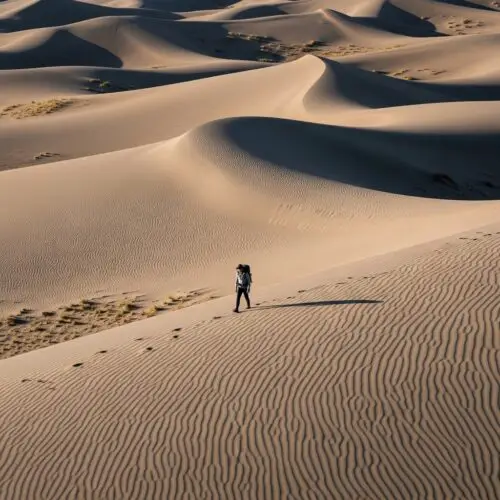
The Great Sand Dunes National Park is famous for its towering sand dunes, with the tallest being the renowned Star Dune. Standing at an impressive 755 feet, it’s not just the highest in North America but also a unique geological wonder.
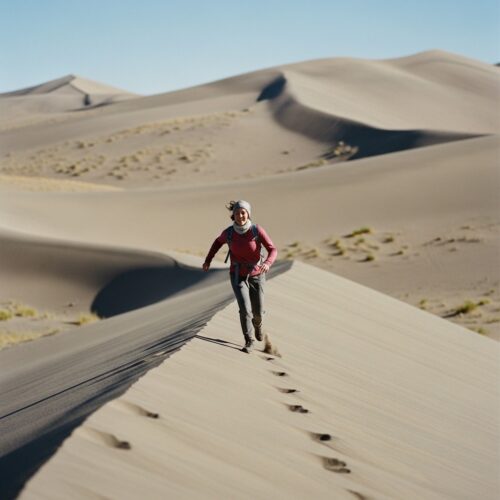
The Height of Star Dune
Star Dune takes the crown as the tallest dune, reaching about 755 feet from its base. This height is measured from the valley floor, making it a sight to behold. For perspective, that’s taller than many 60-story buildings!
Comparison with Other Dunes
When it comes to height, Star Dune is a heavyweight champion. Here’s how it stacks up against some other famous dunes around the world:
- Dune 7, Namibia: 1,256 feet
- Mount Taranaki, New Zealand: 1,000 feet (not a sand dune but often compared)
- Sossusvlei Dunes, Namibia: up to 1,067 feet
While some dunes around the globe are taller, the combination of size and accessibility at Great Sand Dunes makes Star Dune a must-visit.
Formation Process of the Dunes
The formation of these majestic dunes is a fascinating story. After lakes receded, strong southwest winds blew sand into a natural pocket between the Sangre de Cristo Mountains. The wind direction changes often, allowing the dunes to grow vertically. Plus, two mountain streams, Medano Creek and Sand Creek, help recycle sand. They pick up sand from the mountains, carry it back down, and allow wind to blow it back into the dune field. This constant movement keeps the dunes dynamic and ever-changing.
In summary, Star Dune is not just a landmark; it’s a testament to nature’s power and beauty. The interplay of wind and water creates a stunning landscape that continues to evolve, making every visit unique.
Table of Contents
2. A Unique Ecosystem of Biodiversity
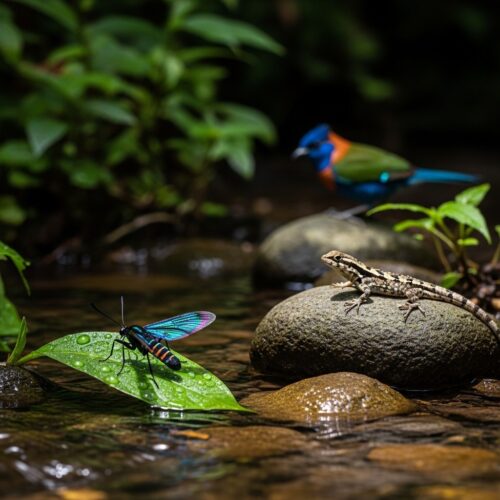
Great Sand Dunes National Park is more than just stunning sand dunes. It’s a vibrant tapestry of ecosystems, each teeming with life. From alpine lakes to lush wetlands, the park’s diversity is simply fascinating.
Types of ecosystems
1. Alpine Ecosystems
These high-altitude areas are characterized by cool temperatures and rocky terrain. The alpine lakes here are not just picturesque; they’re home to unique flora and fauna. You’ll find wildflowers blooming in summer, attracting various pollinators.
2. Wetlands
The park’s wetlands are crucial for wildlife. They provide habitat for birds and other animals. Medano Creek flows through these wetlands, creating a rich environment where life thrives. These areas are particularly important for migratory birds.
3. Grasslands
Vast stretches of grasslands surround the dunes. These open spaces are essential for species like pronghorn and mule deer. They offer great spots for hiking and wildlife watching.
Wildlife species found
Great Sand Dunes National Park boasts a variety of wildlife. Here are some notable species:
- Mule Deer: Commonly seen grazing in the grasslands.
- Elk: Larger and majestic, often found in the forested areas.
- Birds: Over 200 species, including hawks and songbirds, call this park home.
- Black Bears and Coyotes: These mammals roam the more rugged terrains.
These species adapt to the diverse environments, showcasing the park’s ecological richness.
Importance of biodiversity
Biodiversity is vital for several reasons:
- Ecosystem Stability: A mix of species ensures that ecosystems can function effectively. They help in pollination, seed dispersal, and nutrient cycling.
- Climate Resilience: Diverse ecosystems are better at adapting to climate changes. They can withstand extreme weather events and support various life forms.
- Conservation Challenges: Unfortunately, these ecosystems face threats. Climate change, invasive species, and human activity impact their health. Conservation efforts are crucial to protect this biodiversity.
Visitors should appreciate the delicate balance of life here. It’s a reminder that every creature plays a role in this vibrant ecosystem.
3. Historical Significance and Human Habitation
The Great Sand Dunes National Park is rich in human history. Evidence shows that people have lived in this area for nearly 11,000 years. Let’s explore some fascinating aspects of this long history.
Evidence of Ancient Habitation
- Archaeological findings indicate that nomadic hunter-gatherers roamed the San Luis Valley. They relied on local wildlife, including mammoths and prehistoric bison, for sustenance.
- Tools from this era, like large stone spears, have been discovered. These artifacts point to the skills and adaptability of these early inhabitants.
- Seasonal migrations were common. People moved in and out based on food availability and environmental conditions.
Role of Native American Tribes
- The Southern Ute Tribe is one of the first documented groups to inhabit this area. Their connection to the land is deep and lasting.
- Other tribes, such as the Apaches and Navajo, also have historical ties to the region. Their stories enrich the cultural tapestry of the park.
- Local historians often share personal stories about how these tribes viewed the landscape. They saw it not just as a resource but as a sacred space. This spiritual connection emphasizes the cultural significance of the dunes.
Historical Exploration and Significance
- European exploration began in the late 17th century. Notable explorers like Diego de Vargas and Juan Bautista de Anza traversed the area, recording their experiences.
- In the late 19th century, settlers began farming and mining, which drastically changed the landscape. This influx of settlers marked a new chapter in the area’s history.
- The park was established as a national monument in 1932. It was created to protect these unique dunes from threats like gold mining. The preservation efforts highlight the importance of safeguarding this natural wonder for future generations.
Understanding the rich history of Great Sand Dunes National Park adds depth to your visit. Each grain of sand tells a story, connecting us to those who came before.
4. The Formation of the Dunes

The Great Sand Dunes are a stunning natural wonder shaped by powerful geological processes. Over thousands of years, wind and water have played key roles in forming these majestic dunes.
Geological history
The story of the dunes begins with ancient lakes. When Lake Alamosa receded around 440,000 years ago, it left behind vast amounts of sand. This sand was later blown by dominant southwest winds into a natural pocket formed by the Sangre de Cristo Mountains. Here, it accumulated over tens of thousands of years, resulting in the massive dune field we see today.
Wind and water’s role in formation
Wind is the primary architect of the dunes. It continuously shifts the sand, creating various dune shapes:
- Barchan Dunes: Crescent-shaped and formed by steady winds.
- Transverse Dunes: Formed perpendicular to the wind and can grow significantly in size.
- Star Dunes: Multi-directional dunes, often the tallest types.
Water also plays a vital part. Medano Creek and Sand Creek transport sand from the mountains, recycling it back into the dune field. This dynamic interaction between wind and water keeps the dunes stable and ever-changing. The moist sand below the surface helps bind the dunes together, allowing them to stand tall despite the shifting sands above.
Current geological studies
Scientists are actively studying the dunes to understand their age and formation better. They use a technique called optically stimulated luminescence (OSL) to date sand grains buried deep within the dunes. Early findings suggest that some sand deposits could be tens of thousands of years old. This ongoing research not only reveals the history of the dunes but also helps us appreciate the intricate processes that have shaped this unique landscape.
Understanding the geological processes behind the Great Sand Dunes enriches our experience. Each visit becomes a journey through time, connecting us to the forces that formed this incredible natural attraction.
5. Medano Creek: A Seasonal Phenomenon
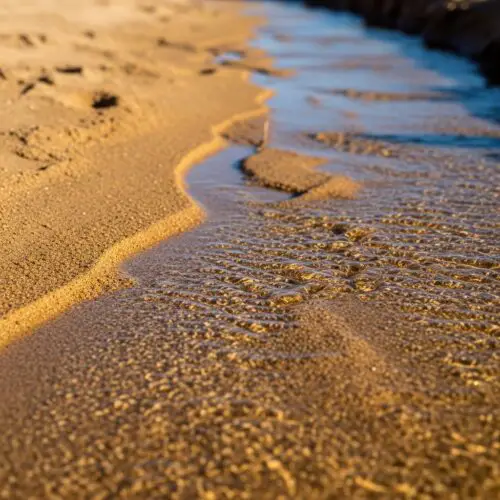
Medano Creek is a star attraction at Great Sand Dunes National Park. Its seasonal flow brings life and excitement to the area, offering unique recreational opportunities for visitors.
Seasonal Flow Patterns
Medano Creek changes dramatically throughout the year. In spring and early summer, it flows vigorously, peaking from late May to early June. This is when the creek is widest and deepest, creating a perfect spot for families to splash around and cool off.
- Spring/Summer: Ideal for wading and playing. Water levels can be several feet deep.
- Fall/Winter: The creek often dries up, reducing to only a few inches deep, making it less accessible.
Activities at Medano Creek
When the creek is flowing, it opens up a world of fun activities. Here are some popular options:
- Wading: Families love to wade into the shallow waters during peak flow.
- Picnicking: The banks of the creek provide perfect picnic spots with stunning views of the dunes.
- Photography: Capture the stunning contrast between the golden sand and sparkling water.
Visitors often share stories of their day spent playing in the creek. Kids giggle as they splash, while adults relax under the sun.
Ecological Importance
Medano Creek isn’t just fun and games; it plays a vital role in the local ecosystem.
- Habitat: The creek supports a variety of wildlife, including birds and small mammals that rely on its waters.
- Erosion Control: Its flow helps shape the landscape, affecting how the sand dunes evolve over time.
The creek’s seasonal changes remind us of nature’s rhythms. Each visit to Medano Creek offers a new experience, depending on the time of year. So, plan your trip for late spring to fully enjoy what this captivating creek has to offer!
6. Recreational Opportunities Galore

Great Sand Dunes National Park is a playground for outdoor enthusiasts. Whether you’re a thrill-seeker or a nature lover, there’s something here for everyone. Let’s dive into the fun activities you can enjoy!
Popular Activities
- Sandboarding and Sand Sledding: Feel the rush as you glide down the tallest sand dunes in North America. Rentals are available right outside the park.
- Hiking: Explore over 30 miles of trails. From easy walks to challenging hikes, the park caters to all skill levels. Don’t miss the hike to the top of the dunes for stunning views!
- Stargazing: As an International Dark Sky Park, the night sky here is breathtaking. Bring a blanket and enjoy a cosmic show.
- Birdwatching: With over 200 species of birds, grab your binoculars and see how many you can spot. The wetlands are a hotspot for feathered friends!
- Fishing: Cast a line in Medano Creek or nearby lakes. It’s a relaxing way to enjoy the park’s natural beauty.
Safety Tips for Outdoor Activities
- Hydration: Always carry water, especially during hikes. The dry climate can be deceiving.
- Footwear: Wear sturdy shoes. Loose sand can be tough on your feet.
- Temperature Awareness: Sand can get extremely hot in summer. Check the surface temperature before heading out.
- Wildlife Caution: Keep a safe distance from wildlife. It’s their home, after all!
Equipment Rentals Available
- Sandboarding Gear: You can rent boards and sleds easily near the park entrance.
- Camping Supplies: If you stay overnight, local shops offer camping gear rentals.
- Biking Gear: Some places also provide bikes for exploring on wheels.
Visiting Great Sand Dunes National Park is all about adventure. Don’t forget to snap some photos and share your favorites! Many visitors rave about the sandboarding experience, calling it a highlight of their trip. So, gear up and enjoy the wonders of this unique park!
7. The Dark Sky Designation
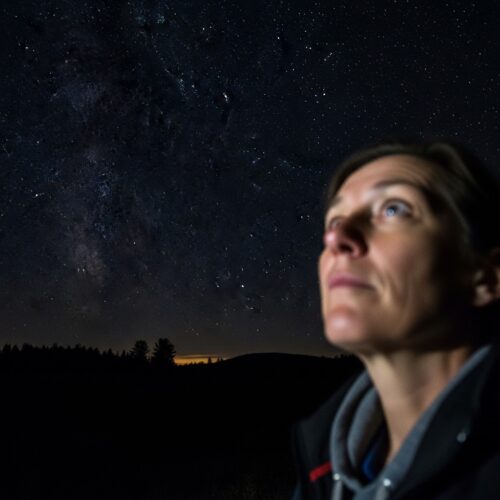
Great Sand Dunes National Park shines bright as an International Dark Sky Park. This status highlights its exceptional nighttime views, free from light pollution. Let’s dive into what makes this designation so special.
Criteria for dark sky designation
To earn the International Dark Sky Park title, a location must meet strict criteria. These include:
- Low light pollution: The park has minimal artificial light.
- Public access: Visitors can enjoy the night sky safely.
- Educational programs: The park offers stargazing events and resources to educate visitors about the night sky.
This combination makes Great Sand Dunes a prime spot for stargazers and nature lovers alike.
Best stargazing spots in the park
Several areas within the park provide stunning views of the night sky. Here are some favorites:
- Medano Pass Road: A remote area that’s perfect for a peaceful night under the stars.
- Dune Field: Climb to the top of the dunes for an incredible perspective of the Milky Way.
- Visitor Center: Join organized stargazing nights for expert guidance.
Make sure to bring a blanket, some snacks, and your sense of wonder!
Impact on wildlife and ecology
The Dark Sky designation does more than just beautify the night. It helps protect local wildlife. Many animals, like the Great Sand Dunes tiger beetle, rely on natural light patterns for their life cycles.
Light pollution can disrupt these patterns, affecting reproduction and feeding. By reducing artificial light, the park supports its delicate ecosystems and enhances the visitor experience. It’s a win-win for both nature and stargazers!
By embracing its dark skies, Great Sand Dunes National Park invites everyone to connect with the cosmos. So, pack your telescope, and enjoy the celestial wonders!
8. Visitor Safety and Preparation Tips
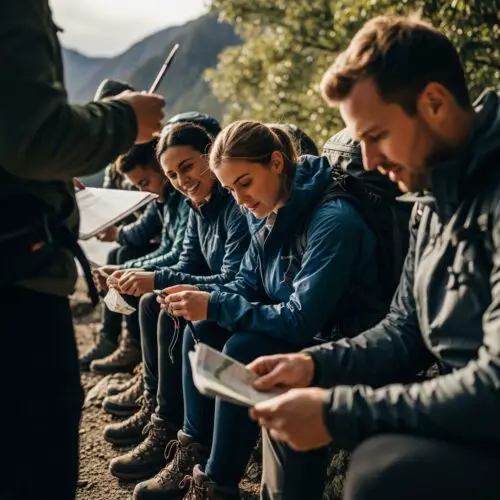
Planning your trip to Great Sand Dunes National Park? Safety comes first! Here are some essential tips to ensure your visit is fun and secure.
Extreme Weather Considerations
The weather can be unpredictable. Summers can be scorching, with sand temperatures reaching up to 150°F (66°C). Always check the forecast before heading out. In contrast, winters can be very cold, especially at night. Dress in layers to adjust to changing temperatures.
What to Bring for a Safe Visit
Here’s a handy checklist to prepare for your adventure:
- Water: Stay hydrated, especially during hot days.
- Sunscreen: Protect your skin from intense sun exposure.
- Hat and Sunglasses: Shield your eyes and face from UV rays.
- Comfortable Footwear: Hiking boots or sturdy sandals are ideal for navigating the dunes.
- First Aid Kit: Pack essentials for minor injuries.
- Map or Compass: Cell service is spotty; be prepared to navigate without it.
- Snacks: Keep your energy up with quick bites.
Emergency Contact Information
In case of emergencies, know where to find help. The visitor center can provide assistance. It’s also wise to familiarize yourself with the nearest hospital in Alamosa, about a 30-minute drive from the park. If you’re hiking or exploring remote areas, let someone know your plans and estimated return time.
By keeping these tips in mind, you’ll be well-prepared for a safe and enjoyable experience at Great Sand Dunes National Park!
Frequently Asked Questions
These quick answers cover the most common questions about this topic, including key details, practical tips, and common concerns.
What are some interesting facts about the Great Sand Dunes National Park?
Great Sand Dunes is home to North America’s tallest dunes, with Star Dune reaching about 755 feet. The dunes formed over thousands of years as wind and water transported sand from receding lakes. The park hosts diverse ecosystems, including alpine lakes, wetlands, and grasslands, supporting a wide range of wildlife. Its rich human history dates back nearly 11,000 years, with Native American tribes and early explorers shaping its story.
What is the #1 most visited national park?
The most visited national park in the United States is Great Smoky Mountains National Park. It attracts millions annually due to its lush forests, scenic drives, and diverse wildlife. While Great Sand Dunes is less crowded, it offers a unique landscape of towering dunes, making it a must-see for those seeking geological marvels.
How old is the oldest sand dune?
Some of the sand deposits in Great Sand Dunes are estimated to be tens of thousands of years old. Scientific dating techniques suggest that the dunes began forming around 440,000 years ago, with ongoing processes shaping their current structure. This ancient origin adds to the dunes’ geological significance.
Is Dune 7 the highest dune in the world?
No, Dune 7 in Namibia is the highest dune in the world, standing at approximately 1,256 feet. In comparison, Star Dune at Great Sand Dunes reaches about 755 feet. While Dune 7 surpasses the dunes in North America in height, the Great Sand Dunes are notable for their accessibility and unique ecosystem.
What activities can you do at Great Sand Dunes?
Visitors can enjoy sandboarding, sledding, hiking, and wildlife watching. The park is also perfect for stargazing, especially since it’s designated as an International Dark Sky Park. Medano Creek offers seasonal fun with wading and splashing, while camping and picnicking add to the outdoor experience.
When is the best time to visit Great Sand Dunes National Park?
The best time to visit is late spring through early summer, from May to June, when Medano Creek flows strongly. Summer offers warm weather for sandboarding and hiking, but temperatures can be extreme. Fall and early winter are quieter, with cooler weather and less crowded dunes.
What wildlife can be found in the park?
The park hosts over 200 bird species, including hawks and songbirds. Mammals like mule deer, elk, black bears, and coyotes are common. Wetlands support amphibians and small mammals, making the park a biodiversity hotspot that reflects its varied ecosystems.
How can I prepare for extreme temperatures at the park?
Bring layered clothing to adapt to hot days and cold nights. Protect yourself from sun exposure with sunscreen, hats, and sunglasses. Stay hydrated, especially during summer hikes, and avoid strenuous activity during peak heat hours. Always check weather forecasts before heading into remote or exposed areas.