
Redwood National Park is home to some of the tallest trees on Earth, with coast redwoods reaching heights of over 379 feet. Here are 14 fascinating facts to enrich your visit and deepen your appreciation for this unique natural wonder.
1. Redwood National Park Is Home to the Tallest Trees on Earth

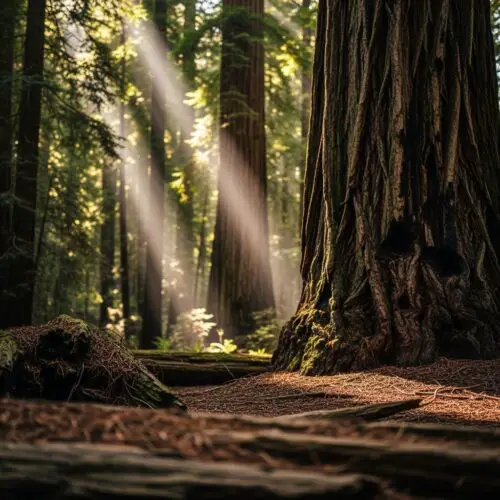
Redwood National Park is famous for its towering coast redwoods. These magnificent trees can reach incredible heights, making them some of the tallest living things on the planet. Among them, Hyperion stands out as the tallest known tree, soaring to an astonishing height of over 379 feet.
The Discovery of Hyperion
Hyperion was discovered in 2006 by naturalists Chris Atkins and Michael Taylor. This remarkable tree is hidden deep in the forest, and its exact location is kept secret to protect it. Hyperion is not just a giant; it represents the majesty of the old-growth redwoods that have thrived for thousands of years.
Comparing Heights with Iconic Structures
To put Hyperion’s height into perspective, consider these comparisons:
- Statue of Liberty: 305 feet (including the pedestal)
- Big Ben: 316 feet
- Pyramid of Giza: 481 feet
Hyperion dwarfs these famous landmarks, highlighting its impressive stature in the natural world.
Significance of Tree Height in Ecology
The height of coast redwoods plays a crucial role in their ecosystem. Tall trees capture more sunlight, fueling photosynthesis and supporting the growth of the forest. This height also allows them to compete for resources, ensuring their survival in a dense forest environment. Additionally, the towering canopies provide habitat for various wildlife, creating a rich biodiversity within Redwood National Park.
In summary, the coast redwoods are not just tall; they are essential to the health of their ecosystem. Knowing about Hyperion and the incredible heights of these trees enhances your appreciation of Redwood National Park.
Table of Contents
2. Some Redwoods Are Over 2,000 Years Old
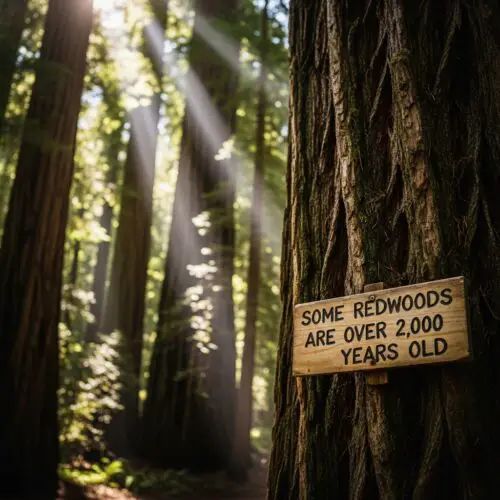
The coast redwoods are not just impressive for their height; they also boast incredible longevity. Some of these ancient trees have been alive for over 2,000 years! This remarkable age gives them a unique historical significance.
The Lifespan of Redwoods
Coast redwoods can live for hundreds, even thousands, of years. The average lifespan is around 500 to 700 years, but some trees have surpassed the 2,000-year mark. Imagine the events they’ve witnessed over their long lives!
- Oldest Trees: Some redwoods, like the famous “Hyperion,” are estimated to be around 2,200 years old.
- Tree Rings: Researchers can determine a tree’s age by counting its rings. Each ring represents a year of growth.
Historical Events During Their Lifetime
These ancient trees have stood through significant historical events. Here’s a quick timeline of some key moments:
- 0 AD: The earliest coast redwoods are alive and thriving.
- 1776: The Declaration of Independence is signed while these trees are already ancient.
- 1800s: Logging begins in California, threatening the redwoods.
- 1968: Redwood National Park is established to protect these ancient giants.
Ecological Impact of Ancient Trees
The age of these trees is not just a number; it has real ecological significance. Old-growth redwoods create habitats for numerous species. They contribute to the ecosystem in various ways:
- Biodiversity: Their towering canopies provide homes for birds, insects, and mammals.
- Carbon Storage: Older trees store more carbon, helping mitigate climate change.
- Soil Health: Decaying redwood trees enrich the forest floor, promoting the growth of new plants.
Understanding the age and history of coast redwoods enhances your appreciation of Redwood National Park. These trees are not just living organisms; they are witnesses to history and vital players in their ecosystem.
3. The Park Was Established to Protect Old-Growth Forests
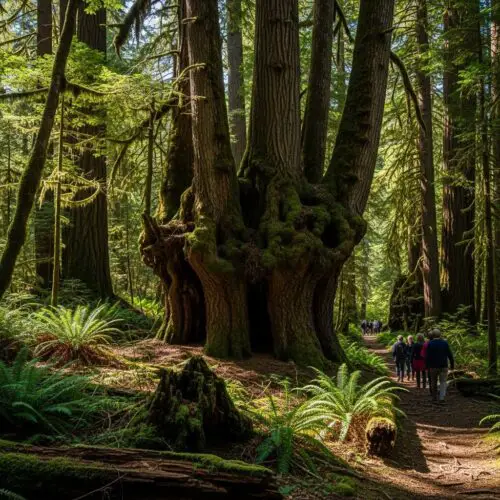
The history of logging in the region played a significant role in the creation of Redwood National Park. As lumber companies moved in, they began to cut down vast swaths of these majestic trees. The urgency to protect what remained led to the park’s establishment.
The Impact of Logging on Old-Growth Forests
Logging began in the mid-1800s. By the late 1960s, it was estimated that only about 5% of the original old-growth redwoods were still standing. This led to a considerable ecological crisis. The remaining forests were not just a collection of trees; they were vital ecosystems. Old-growth redwoods provide habitats for countless species, including the Roosevelt elk and various birds.
- Habitat Loss: Many species faced extinction as their homes were destroyed.
- Ecosystem Disruption: The delicate balance of the forest was thrown off, affecting everything from soil health to carbon storage.
Key Legislation for Park Establishment
In response to the alarming rate of logging, significant legislation was passed. One pivotal moment came in 1968 when President Johnson signed a bill establishing Redwood National Park. This legislation was influenced by conservationists, notably Lady Bird Johnson, who advocated fiercely for these ancient trees.
- 1968 Act: Established the park to protect old-growth redwoods.
- Federal Protection: Helped ensure that the remaining trees would be preserved for future generations.
Current Conservation Efforts
Today, Redwood National Park is a sanctuary for old-growth forests. Conservation efforts continue to thrive, aiming to restore previously logged areas and protect the remaining trees. The partnership between the National Park Service and California State Parks plays a crucial role in these efforts.
- Restoration Projects: Efforts are underway to rehabilitate logged areas.
- Educational Programs: The park offers programs to educate visitors on the importance of redwoods and ongoing conservation.
When you visit, keep an eye out for signs of these efforts. They show how far we’ve come in preserving these natural wonders. You’ll leave with a deeper appreciation for not just the trees, but the entire ecosystem they support.
4. Redwood National Park Is a UNESCO World Heritage Site

Redwood National Park isn’t just beautiful; it’s also a UNESCO World Heritage Site. This status highlights its global importance and the need for conservation.
Criteria for UNESCO designation
To be designated a UNESCO World Heritage Site, a location must meet specific criteria. Redwood National Park qualifies under:
- Outstanding Universal Value: The park showcases unique natural phenomena, like its towering coast redwoods.
- Ecological Significance: It preserves diverse ecosystems, including old-growth forests and rich wildlife habitats.
Benefits of being a UNESCO site
Being a UNESCO site brings several benefits:
- Increased Awareness: The designation raises awareness about the park’s significance.
- Funding Opportunities: It opens doors for grants and conservation funding.
- Visitor Education: It enhances educational programs for visitors, helping them understand the importance of preservation.
Conservation responsibilities
As a UNESCO World Heritage Site, Redwood National Park carries significant conservation responsibilities. These include:
- Protection of Biodiversity: Efforts are made to protect the unique species that call the park home, like the Roosevelt elk.
- Restoration Initiatives: Projects focus on restoring areas affected by past logging practices.
- Ongoing Research: The park supports research to monitor ecosystem health and inform conservation strategies.
When you visit, remember that your presence supports these vital conservation efforts. Enjoy the park’s beauty, and appreciate its status as a UNESCO World Heritage Site!
5. Home to Diverse Wildlife, Including Roosevelt Elk
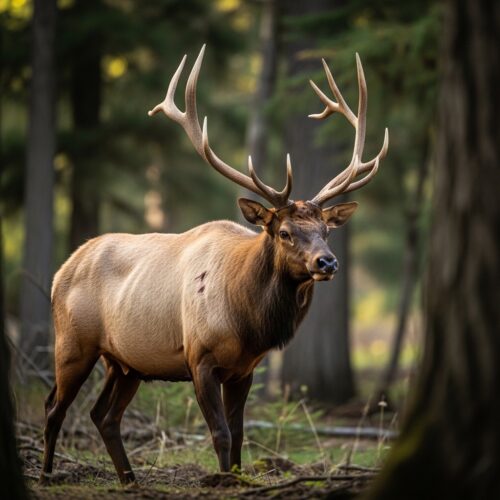
Redwood National Park is a wildlife wonderland. It’s not just about the towering trees; it’s also home to a rich variety of animals. One of the stars of the show is the Roosevelt elk, but there’s so much more to discover!
Key Species in the Park
Here are some of the key wildlife species you might encounter:
- Roosevelt Elk: The largest subspecies of elk in North America. They can often be seen grazing in meadows and wandering through the forests.
- Black Bears: Although they are elusive, black bears roam the park, especially in remote areas.
- Bald Eagles: These majestic birds can often be spotted soaring overhead or nesting in the trees.
- California Condors: Once nearly extinct, these massive birds have made a comeback. Keep an eye out for them in the skies.
- River Otters: Playful and social, these creatures can often be seen near rivers and creeks.
Best Spots for Wildlife Viewing
If you want to increase your chances of spotting wildlife, check out these locations within the park:
- Elk Meadow: This is a prime spot for viewing Roosevelt elk, especially in the early evening.
- Fern Canyon: A stunning area that attracts various bird species and other wildlife.
- Bald Hills Road: Perfect for elk sightings and breathtaking views of the coast.
- Prairie Creek Visitor Center: The area around the center often has wildlife sightings and is a great starting point for your adventure.
Role of Wildlife in the Ecosystem
Wildlife plays a crucial role in maintaining the park’s ecosystem. Here’s why they matter:
- Biodiversity: Each species contributes to the ecological balance. For example, elk help manage vegetation, which in turn supports other wildlife.
- Seed Dispersal: Animals like bears and birds help spread seeds, promoting plant growth and diversity.
- Indicators of Health: The presence and health of wildlife indicate the overall health of the ecosystem. Healthy populations mean a thriving environment.
When you visit, take a moment to appreciate these incredible creatures and their roles in this unique ecosystem. Keep your eyes peeled and your camera ready—you never know what you might see!
6. The Park Features Over 200 Miles of Hiking Trails
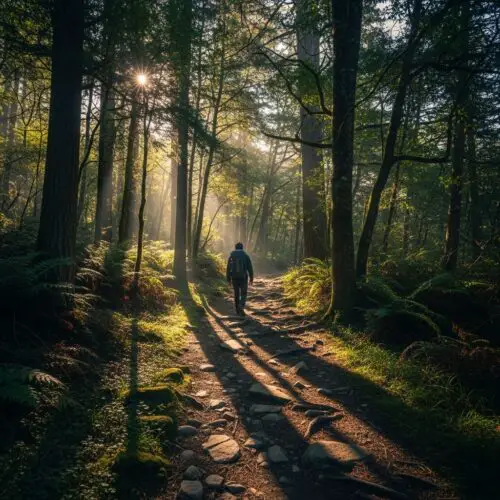
Redwood National Park is a hiker’s paradise. With over 200 miles of trails, there’s something for everyone. Whether you’re a beginner or a seasoned trekker, you’ll find a trail that suits your style.
Best hiking trails for different skill levels
- Easy Trails:
- Lady Bird Johnson Grove: A 1.5-mile loop that’s perfect for families. It’s flat and showcases stunning old-growth redwoods.
- Fern Canyon: A short, 1-mile hike through a lush canyon. You’ll walk alongside a creek and see walls covered in ferns.
- Moderate Trails:
- Trillium Falls Trail: A 2.6-mile loop that takes you through beautiful forests and leads to a picturesque waterfall.
- Stout Grove: This 2-mile trail is a serene walk among some of the tallest trees in the park.
- Challenging Trails:
- James Irvine Trail: A 10-mile trek that offers breathtaking views and diverse ecosystems. Be ready for some elevation changes!
- Lost Man Creek: A 6-mile hike featuring stunning vistas and a rugged terrain that will challenge experienced hikers.
Tips for planning your hike
- Check the Weather: Conditions can change quickly. Dress in layers and be prepared for varying temperatures.
- Start Early: To avoid crowds and enjoy the tranquility, hit the trails early in the morning.
- Bring Supplies: Carry enough water and snacks. A small first aid kit can also be a lifesaver.
Safety considerations while hiking
- Stay on Trails: This helps protect the delicate ecosystem and keeps you safe from potential hazards.
- Wildlife Encounters: Keep a safe distance from animals. Always respect their space.
- Trail Conditions: Some trails may be wet or muddy. Always check for updates at visitor centers.
Trail Difficulty Chart
| Trail Name | Distance | Difficulty Level |
|---|---|---|
| Lady Bird Johnson Grove | 1.5 miles | Easy |
| Fern Canyon | 1 mile | Easy |
| Trillium Falls Trail | 2.6 miles | Moderate |
| Stout Grove | 2 miles | Moderate |
| James Irvine Trail | 10 miles | Challenging |
| Lost Man Creek | 6 miles | Challenging |
With these tips and trail recommendations, you’re all set to explore the stunning landscapes of Redwood National Park!
7. Coastal Views and Dramatic Cliffs Await Visitors

Redwood National Park isn’t just about towering trees. The coastal scenery is equally breathtaking. Here, the land meets the sea in the most dramatic ways, creating stunning vistas that you won’t want to miss.
Popular Coastal Viewpoints
There are several spots in the park where you can soak in the coastal beauty. Here are some must-visit viewpoints:
- Gold Bluff Beach: This spot offers a sandy shore where you can watch seals and sea lions. It’s also a great place for beachcombing.
- Trinidad Head: A fantastic viewpoint for whale watching during migration seasons. You might see gray whales breaching the surface!
- High Bluff Overlook: A short hike leads you to panoramic views of the coastline. Perfect for those Instagram shots!
Activities Along the Coast
The coastal area of Redwood National Park is packed with activities. Whether you’re into adventure or relaxation, there’s something for everyone:
- Hiking: Trails like the Fern Canyon Trail take you through lush, green landscapes right to the water’s edge.
- Beachcombing: Enjoy a stroll on the beach. Look for unique shells, driftwood, and marine life.
- Wildlife Watching: Keep an eye out for migrating whales, playful sea otters, and local birds like the endangered marbled murrelet.
Impact of Coastal Ecosystems
The coastal ecosystems are vital to the health of the region. They support diverse wildlife and help maintain the balance of marine and terrestrial environments. Here are a few key points:
- Biodiversity: The area is home to various species, from seals to unique plant life. This diversity is crucial for ecological balance.
- Conservation Efforts: The park works hard to protect these delicate ecosystems. By visiting, you contribute to ongoing conservation efforts.
- Erosion Control: Coastal vegetation helps prevent erosion, protecting both the land and the shoreline.
Make sure to add these coastal experiences to your itinerary. The stunning views and rich ecosystems will enhance your visit to Redwood National Park.
8. Fern Canyon Is a Must-See Attraction
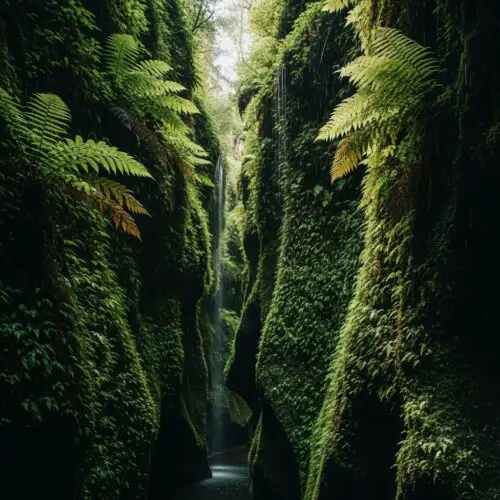
Fern Canyon is a stunning jewel within Redwood National Park. With its lush greenery and towering walls, it feels like stepping into another world. Plus, it has a fascinating cinematic history that adds to its allure.
Visiting tips for Fern Canyon
- Permits Needed: If you plan to visit between May 15th and September 15th, make sure to reserve a permit in advance. This helps manage the number of visitors and keeps the area pristine.
- Best Time to Visit: Early morning or late afternoon offers the best light for photography. Plus, you’ll avoid the crowds.
- Trail Information: The hike through Fern Canyon is about 1 mile round trip. It’s relatively easy, making it perfect for families and casual hikers.
- Pack Smart: Bring water, snacks, and a camera! You’ll want to capture the beauty around you.
Unique flora and fauna
Fern Canyon is not just pretty; it’s a biodiversity hotspot. Here, you’ll find:
- Ferns: Over 100 species of ferns flourish along the canyon walls.
- Mosses: The canyon is draped in vibrant green moss, creating a fairytale vibe.
- Wildlife: Look out for Roosevelt elk grazing nearby. They’re a common sight in the park.
Fern Canyon in popular media
Fern Canyon gained fame as a filming location for Jurassic Park: The Lost World. Its otherworldly landscape provided the perfect backdrop for a prehistoric adventure. Visiting this location feels a bit like stepping onto a movie set.
- Film History: The movie increased awareness of the park’s beauty, drawing in visitors eager to see the iconic canyon for themselves.
- Cinematic Experience: Imagine walking through the same paths where actors once stood, surrounded by towering trees and vibrant ferns. It’s a unique way to connect with both nature and film history.
So, whether you’re a movie buff, a nature lover, or just looking for a memorable hike, Fern Canyon is a must-see spot on your Redwood National Park adventure!
9. The Unique Ecosystem Supports Rare Species
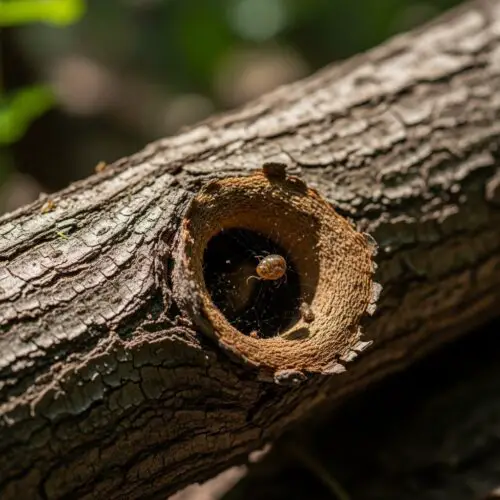
The ecosystem of Redwood National Park is not just stunning; it’s also vital for many rare species. This rich environment provides habitats for unique wildlife, making conservation efforts crucial.
Overview of the Ecosystem
Redwood National Park is a temperate rainforest. This means it has a mild climate, plenty of rainfall, and lush vegetation. The towering coast redwoods create a unique habitat where various species thrive. This ecosystem supports an impressive variety of plant and animal life.
It’s Crucial to Protect It
Protecting this ecosystem is essential for preserving biodiversity. Many species rely on the intricate relationships within it. The old-growth redwoods, for example, provide homes and food for numerous organisms. Without these trees, many species would struggle to survive.
Examples of Rare Species
Here are some rare species that call this park home:
- Marbled Murrelet: A small seabird that nests in old-growth forests. Its population has declined due to habitat loss.
- Roosevelt Elk: This majestic animal roams the park, thriving in its diverse habitats. Conservation efforts have helped their numbers rebound.
- California Condor: This critically endangered bird is making a comeback thanks to dedicated conservation programs.
- Northern Spotted Owl: A species that depends on old-growth forests for nesting. Its survival is tied closely to the health of the forest ecosystem.
Understanding these species and their habitats enhances your appreciation for the park. When you visit, look out for signs of these animals and the incredible life surrounding the towering redwoods.
10. Redwood Bark Is Fire-Resistant
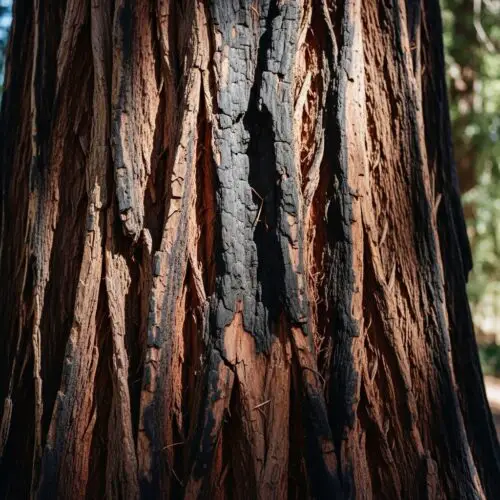
The redwoods have a remarkable way of surviving wildfires. Their bark is not just thick; it’s also packed with tannins that make it incredibly fire-resistant. This unique feature allows them to thrive even in areas prone to wildfires.
How redwoods survive wildfires
- Thick bark: The bark can be up to a foot thick in some places. This thickness acts as armor against flames.
- Tannin-rich composition: Tannins are natural chemicals that provide resistance to decay and fire.
- Regenerative abilities: Even if the outer bark gets scorched, redwoods can often continue to grow from their base.
The ecological role of fire
Fire plays a crucial part in the health of redwood ecosystems. Here’s how:
- Clearing underbrush: Low-intensity fires clear out competing vegetation, making space for young saplings to grow.
- Promoting seed release: The heat from fires can open redwood cones, allowing seeds to scatter in nutrient-rich soil.
- Restoring habitats: Fire can rejuvenate the forest, bringing back nutrients and creating habitats for various wildlife.
Impact of fire on redwood regeneration
Fire isn’t just destructive; it can be a catalyst for new life:
- Natural cycle: After a fire, redwoods often sprout new growth from their base. This ability allows them to recover from damage.
- Biodiversity boost: The clearing of old plants creates a rich environment for diverse species to flourish. Animals and plants benefit from these renewed habitats.
- Old-growth forests: These ancient trees have survived many fires over the centuries, showcasing their resilience and the importance of fire in their life cycle.
Understanding the fire-resistant properties of redwoods deepens your appreciation for these giants. They are not just survivors; they play a vital role in their ecosystem. Make sure to look for fire scars on the trees during your visit—they tell a story of resilience and regeneration.
11. Logging Has Devastated the Region

The history of logging in the Redwood National Park area is both fascinating and tragic. Once a thriving forest filled with majestic trees, much of the landscape was altered due to logging activities. Understanding this history helps visitors appreciate the importance of conservation today.
Extent of Historical Logging
Logging began in the mid-1800s, driven by a demand for timber. This resulted in the loss of vast areas of old-growth redwoods. In fact, it’s estimated that only about 5% of the original forests remain today. These ancient giants were prized for their height and strength, making them a target for lumber companies.
- Impact on Ecosystem: The removal of trees disrupted entire ecosystems. Wildlife lost their habitats, and the delicate balance of the forest was thrown off.
- Logging Techniques: Early logging methods were destructive. Trees were cut down with little thought to the surrounding environment.
Current Conservation Initiatives
Fortunately, efforts have been made to protect what remains. The establishment of Redwood National Park and its surrounding state parks has been crucial in safeguarding these ancient trees. These areas work together to restore damaged ecosystems and protect wildlife.
- Conservation Partnerships: The park collaborates with state parks to create a larger protected area. This partnership enhances conservation efforts.
- Restoration Projects: Various initiatives focus on reforestation and habitat recovery. These projects aim to bring back native species and restore the forest’s health.
Support Reforestation Efforts
Visitors can play a role in conservation during their trip. Supporting local initiatives helps protect the park for future generations. Here are a few ways to contribute:
- Participate in Volunteer Programs: Join programs that focus on planting trees or cleaning up trails.
- Educate Yourself and Others: Share what you learn about the park’s history and its importance.
- Choose Eco-friendly Products: When shopping for gear, look for brands that support sustainable practices.
Understanding the logging history of Redwood National Park allows visitors to appreciate the park’s beauty and the ongoing efforts to protect it. This knowledge enhances your experience and helps preserve this natural wonder for years to come.
12. The Park Is a Sanctuary for Endangered Species

Redwood National Park is not just about towering trees; it’s also home to some incredible endangered species. Protecting these animals is crucial for maintaining the park’s rich ecosystem.
List of Endangered Species in the Park
- California Condor: Once on the brink of extinction, these majestic birds have made a comeback thanks to conservation efforts.
- Marbled Murrelet: A small seabird that nests in old-growth forests. Its survival depends on the preservation of these habitats.
- Northern Spotted Owl: Known for its distinctive call, this owl thrives in mature forests, making Redwood National Park a vital sanctuary.
Conservation Efforts in Place
The park implements several initiatives to protect these endangered species. Here are some key efforts:
- Habitat Restoration: Restoration projects focus on replanting native vegetation and removing invasive species.
- Monitoring Programs: Park rangers regularly monitor wildlife populations to track the health of endangered species.
- Public Education: The park conducts programs to inform visitors about the importance of these animals and how to help.
How Visitors Can Contribute
You can make a difference during your visit! Here are some simple ways to help:
- Stay on Designated Trails: This protects sensitive habitats for wildlife.
- Report Sightings: If you see an endangered species, let a park ranger know. Your observations can aid conservation efforts.
- Support Local Conservation Groups: Consider donating to organizations working to protect the park’s wildlife.
By being aware and taking action, visitors can contribute to the ongoing preservation of these remarkable species and their habitats.
13. The Climate Is Ideal for Redwoods
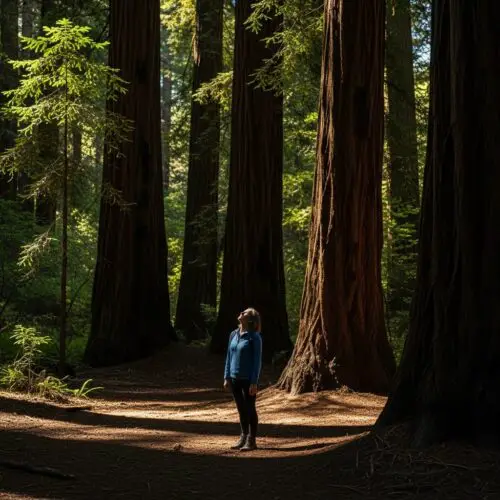
The climate in Redwood National Park creates the perfect environment for these majestic trees. With a mix of cool, moist air and mild temperatures, redwoods thrive here like nowhere else.
Elements of the Ideal Redwood Climate
- Cool Summers: Temperatures rarely exceed 80°F (27°C). This helps maintain moisture levels in the soil.
- Rainy Winters: The park receives about 40 to 100 inches of rain annually. This abundance of water supports the lush vegetation.
- Fog: Coastal fog, especially in summer, provides additional moisture. It’s a natural irrigation system for the trees.
Seasonal Variations in Weather
| Season | Temperature Range | Average Rainfall |
|---|---|---|
| Spring | 45°F to 65°F | 10-15 inches |
| Summer | 50°F to 80°F | 5-10 inches |
| Fall | 45°F to 70°F | 5-15 inches |
| Winter | 40°F to 60°F | 15-30 inches |
Impact of Climate on Forest Health
The unique climate supports a rich ecosystem. Redwoods can live for over 2,000 years. Their tall canopies create a habitat for many species, from the tiny banana slug to the majestic Roosevelt elk.
Additionally, the climate helps protect against pests and diseases. The cool, moist air keeps harmful insects at bay while allowing trees to grow strong and healthy.
When visiting, be prepared for variable weather. Layers are your best friend! A light jacket can make a day of hiking much more enjoyable.
14. Visitors Can Participate in Conservation Efforts
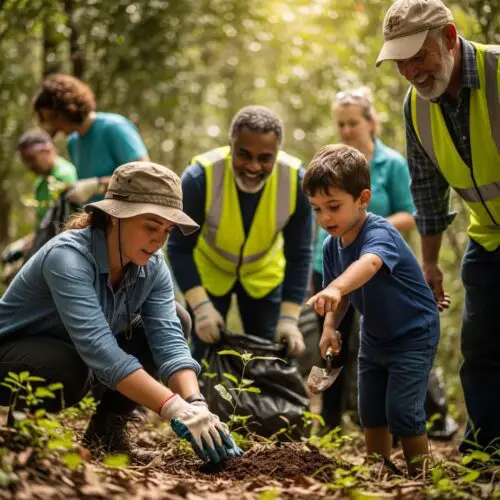
Redwood National Park isn’t just a place to explore; it’s a living ecosystem that thrives on the support of its visitors. Here are some great ways you can pitch in and help conserve this majestic environment while enjoying your visit.
Volunteer Opportunities in the Park
Joining conservation efforts can be a rewarding experience. Here’s how you can get involved:
- Join a Cleanup Day: Participate in organized cleanups to help keep the park pristine.
- Trail Maintenance: Help maintain trails, making them safe and enjoyable for everyone.
- Wildlife Monitoring: Assist park staff in tracking wildlife, such as the Roosevelt elk, to help with conservation efforts.
You can often find volunteer events listed on the official park website or at visitor centers.
Eco-Friendly Practices for Visitors
Being a responsible visitor is key to preserving the park. Here are some easy actions you can take:
- Stay on Designated Trails: This helps protect delicate ecosystems and prevents soil erosion.
- Leave No Trace: Pack out what you pack in. This includes food wrappers and personal items.
- Respect Wildlife: Observe animals from a distance. Feeding wildlife can harm their natural foraging habits.
These small steps can make a big difference in keeping Redwood National Park beautiful.
Report Issues
If you notice anything that needs attention, don’t hesitate to report it. Here’s what to do:
- Report Trail Hazards: If you see fallen trees or damaged paths, let park staff know.
- Wildlife Concerns: If you spot injured animals or unusual behaviors, report it to park rangers.
- Litter: If you see trash, pick it up if you can, and inform park staff about larger debris.
Taking these steps not only helps the park but enhances your experience as a visitor. Your actions contribute to the ongoing preservation of this natural wonder.
Frequently Asked Questions
These quick answers cover the most common questions about this topic, including key details, practical tips, and common concerns.
What are three fun facts about Redwood National Park?
Redwood National Park is home to the tallest trees on Earth, including Hyperion, which stands over 379 feet tall. Some coast redwoods in the park are over 2,000 years old, having witnessed centuries of history. Additionally, the park was established to protect the remaining old-growth forests after extensive logging in the region.
What not to miss in Redwood National Park?
Don’t miss visiting Fern Canyon, famous for its lush ferns and moss-covered walls, and the scenic Trillium Falls Trail. Watching Roosevelt elk grazing in the meadows and exploring the towering coast redwoods are also highlights. Coastal viewpoints like Trinidad Head offer stunning ocean vistas and wildlife viewing opportunities.
How to plan a visit to Redwood National Park?
Start by choosing the best time to visit—spring and fall typically offer mild weather and fewer crowds. Use interactive maps and trail guides available at visitor centers to plan hikes suitable for your fitness level. Remember to pack layers, water, and essentials, and check current park regulations and safety tips before your trip.
Why are redwoods important to the ecosystem?
Redwoods are crucial because they store large amounts of carbon, helping mitigate climate change. Their tall canopies provide habitats for numerous species, from birds to insects. The old-growth forests also support biodiversity and maintain soil health, making them vital for ecological balance.
When is the best time to visit Redwood National Park?
The ideal time is during late spring (April to June) and early fall (September to October) when the weather is mild and the park is less crowded. Summer offers warmer weather but can be busy, while winter is wetter but less visited. Early mornings and weekdays tend to be quieter.
What should I avoid doing in Redwood National Park?
Avoid straying from designated trails to protect fragile ecosystems. Don’t feed or approach wildlife, as this can be harmful. Refrain from littering and damaging trees or plants. Also, be cautious of changing weather conditions and respect park regulations to ensure safety and preservation.
How does Redwood National Park compare to other national parks?
Redwood National Park is unique for its ancient, towering coast redwoods and lush coastal ecosystem. Unlike parks that focus mainly on mountainous landscapes, Redwood emphasizes old-growth forests and biodiversity. It is smaller than parks like Yellowstone but offers a more intimate experience with some of the tallest trees on Earth.
What are some nearby attractions or parks similar to Redwood National Park?
Consider visiting Prairie Creek Redwoods State Park or Jedediah Smith Redwoods State Park, which are adjacent and share similar forest landscapes. The nearby Trinity Alps Wilderness offers rugged mountain scenery. Coastal towns like Trinidad and Crescent City provide additional scenic and cultural experiences close to the park.