
Magnolia trees and shrubs are celebrated for their stunning flowers and rich fragrance. This guide explores 14 distinct types of magnolias, detailing their characteristics, care requirements, and landscape uses to help you choose the perfect one for your garden.1
Table of Contents
Overview of Magnolia Trees and Shrubs
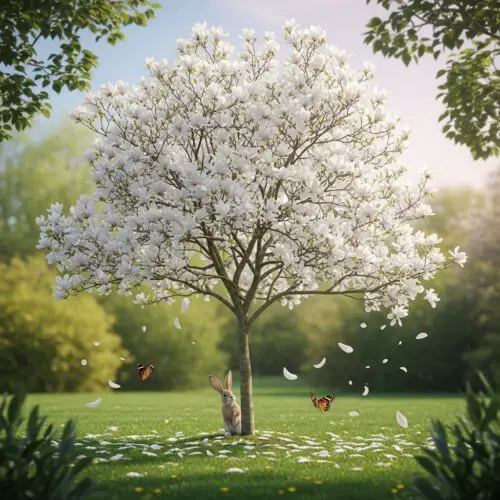
Magnolia trees and shrubs represent a remarkable diversity within the plant kingdom. Known for their beautiful blooms and aromatic fragrance, they are both culturally significant and ecologically beneficial. This section delves into the various types of magnolias, their characteristics, and their appeal in landscaping.
Key Characteristics of Magnolia Trees
Magnolias vary significantly in size, shape, and flowering habits. Understanding these characteristics helps in selecting the right type for your landscape.
- Size and Growth Habits: Magnolias can be large, majestic trees or smaller shrubs. For instance, the Southern Magnolia (Magnolia grandiflora) can reach towering heights, while the Lily Magnolia (Magnolia liliiflora) typically grows to about 12 feet tall. This range allows for flexibility in garden design, accommodating various spaces and aesthetic preferences.
- Flowering Times: Different species bloom at different times of the year. The Saucer Magnolia (Magnolia x soulangiana) often flowers early in spring, while the Bigleaf Magnolia (Magnolia macrophylla) blooms later in the season, sometimes not until the tree is 12 to 15 years old. Understanding these timings can enhance your garden’s visual appeal throughout the growing season.
Ecological Benefits of Magnolias
Planting magnolias offers numerous ecological advantages:
- Wildlife Habitat: Many magnolia species attract pollinators like bees and butterflies, fostering biodiversity in your garden. The fragrant flowers serve as a reliable nectar source.
- Soil Health: Magnolias thrive in slightly acidic, well-drained soils rich in organic matter. Their root systems can help improve soil structure and prevent erosion, making them beneficial for environmental health.
Care and Growing Conditions
Successful cultivation of magnolias requires attention to specific care needs:
- Light Requirements: Most magnolias prefer full sun to partial shade, ideally receiving at least six hours of direct sunlight daily. However, certain species, such as the Sweet Bay Magnolia (Magnolia virginiana), can tolerate more shade.
- Watering and Soil Needs: Regular watering is crucial, especially during dry spells. Ensure the soil remains consistently moist but not waterlogged. Amendments like compost can enhance soil quality and support healthy growth.
By understanding these aspects of magnolia trees and shrubs, gardeners can make informed choices that align with their landscape goals and ecological values.
1. Southern Magnolia (Magnolia grandiflora)
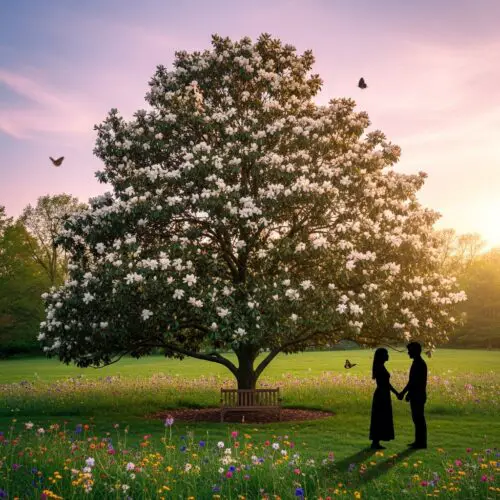
The Southern Magnolia is a quintessential symbol of the Southern landscape. Renowned for its grandeur, this evergreen tree captivates with its striking foliage and magnificent blooms.
Size and Growth Habit
Southern Magnolias can reach impressive heights of 60 to 80 feet, making them a dominant feature in any garden. Their spread can extend up to 40 feet, requiring ample space. The tree’s growth habit is pyramidal when young, maturing to a rounded canopy. Its large, leathery leaves measure up to 10 inches long and exhibit a glossy dark green surface with a rust-colored underside.
Blooming Season
The Southern Magnolia produces iconic, fragrant white flowers that can measure 10 to 12 inches in diameter. These stunning blooms typically grace the tree mid-summer to early autumn, attracting pollinators with their alluring scent. This extended blooming period enhances the tree’s aesthetic appeal in any landscape.
Care Requirements
To thrive, Southern Magnolias prefer well-drained, slightly acidic soil rich in organic matter. Regular watering is essential, particularly during dry spells, to maintain healthy foliage and flower production. Here’s a quick care checklist:
- Sunlight: Full sun to partial shade, ideally 6 hours of direct sunlight.
- Watering: Consistently moist soil; avoid waterlogging.
- Fertilization: A balanced fertilizer in early spring can boost growth.
- Pruning: Minimal pruning is needed, but remove dead or damaged branches for health.
This tree is also notable for its historical significance in Southern culture, often featured in literature and art. Its majestic presence and sweet fragrance make it not just a tree, but a beloved landmark in many gardens across the Southeast.
2. Saucer Magnolia (Magnolia x soulangiana)
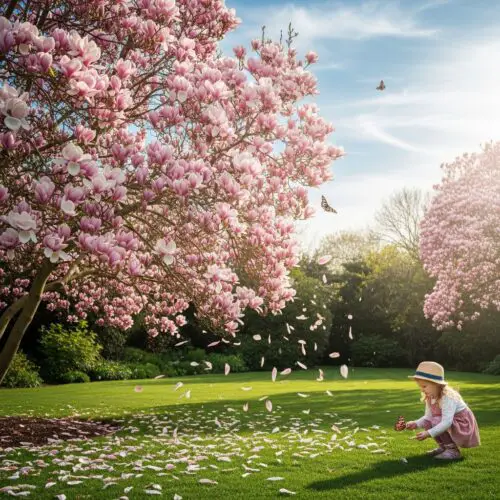
The Saucer Magnolia, a remarkable hybrid, combines the beauty of its parent species, the lily magnolia and Yulan magnolia. This deciduous tree or large shrub is a favorite for its stunning blooms and versatility in landscape design.
Flower Characteristics
The Saucer Magnolia is renowned for its large, goblet-shaped flowers that bloom in early spring. These blooms can showcase a delightful bicolor effect, featuring white petals with soft pink interiors. The flowers can reach up to 12 inches across, making them a breathtaking spectacle when they emerge before the leaves. Many cultivars are available, offering variations in flower color, particularly in the purple range, enhancing its appeal for gardeners seeking unique options.
Suitable Growing Conditions
To thrive, the Saucer Magnolia prefers full sun to partial shade, requiring at least 6 hours of direct sunlight daily. It flourishes in consistently moist, well-drained soil, benefiting from a balanced fertilizer application in early spring. This tree is adaptable but does best in USDA hardiness zones 4 through 9. Be cautious of waterlogged conditions, as they can harm root systems.
Pruning Tips
Pruning is essential for maintaining the health and aesthetics of the Saucer Magnolia. Minimal intervention is necessary; however, removing dead or damaged branches is crucial. Prune during late winter or early spring, just before the blooming season, to promote vigorous growth and flowering. Avoid heavy pruning, as this can reduce the tree’s natural shape and flowering potential.
- Key Care Checklist:
- Sunlight: 6+ hours of direct sunlight.
- Watering: Maintain consistently moist soil.
- Fertilization: Use balanced fertilizer in early spring.
- Pruning: Remove dead branches in late winter.
Utilizing these care tips will ensure your Saucer Magnolia remains a stunning focal point in your garden for years to come.
3. Star Magnolia (Magnolia stellata)
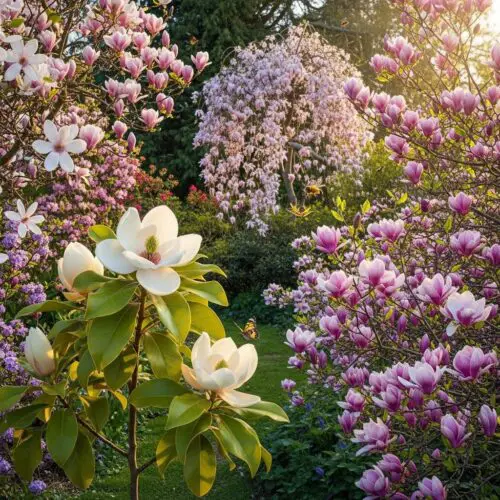
Star Magnolia is a compact, deciduous shrub or small tree, celebrated for its stunning early spring blooms. Its star-shaped flowers unfurl before any leaves appear, marking the arrival of spring in gardens.
Early Blooming
Star Magnolia is one of the first magnolias to bloom, offering delicate white or pink flowers as early as late winter. This characteristic makes it an ideal choice for gardeners eager to witness the season’s transition. The flowers emit a subtle fragrance, enhancing its appeal in any landscape. To maximize flowering potential, plant in a sheltered location to protect buds from frost damage.
Growth Requirements
1. Sunlight: Requires full sun to partial shade, ideally 6+ hours of direct sunlight.
2. Soil: Prefers well-draining, acidic to neutral soil. Amend clay-heavy soils with organic matter to improve drainage.
3. Watering: Maintain consistently moist soil, especially during dry spells. Avoid overwatering, as this can lead to root rot.
4. Fertilization: Use a balanced fertilizer in early spring to support robust growth.
5. Pruning: Lightly prune to maintain shape and remove dead or damaged branches. Prune just before the blooming season to encourage vigorous flowering.
Landscape Uses
Star Magnolia is perfect for small gardens, mixed shrub borders, or as a stunning focal point near patios. Its manageable size makes it versatile for urban landscapes. Choose cultivars like ‘Royal Star’ for double, snow-white blooms, creating a striking visual contrast against green foliage.
Incorporating Star Magnolia into your garden not only enhances aesthetic appeal but also serves as an early harbinger of spring, delighting gardeners and passersby alike.
4. Sweet Bay Magnolia (Magnolia virginiana)
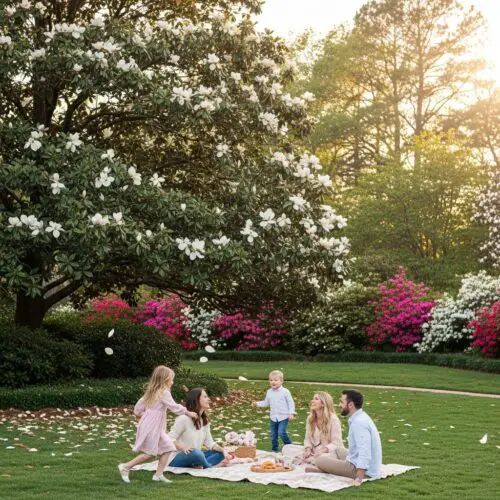
The Sweet Bay Magnolia is a unique member of the magnolia family, celebrated for its adaptability to wet environments. This tree’s fragrant blooms and lush foliage make it a desirable choice for gardeners seeking to enhance their landscapes.
Size and Shape
Sweet Bay Magnolia typically grows between 10 to 30 feet tall, making it a versatile option for various garden sizes. In warmer climates, it takes on a tree-like form, while in cooler areas, it can develop into a multi-stemmed shrub. The tree’s growth habit contributes to its appeal, allowing it to fit seamlessly into both small and expansive landscapes.
Soil Preferences
This magnolia thrives in consistently moist to wet soils, which sets it apart from many other species that prefer well-drained conditions. Sweet Bay Magnolia is particularly suited for boggy areas or clay soils, where it can flourish without the risk of drought stress. Its ability to thrive in wet conditions makes it an ideal choice for low-lying areas in gardens.
Care Tips
To ensure optimal growth, consider the following care tips:
- Sun Exposure: Plant in full sun to part shade. Sweet Bay Magnolia prefers at least six hours of sunlight daily.
- Watering: Keep the soil consistently moist, especially during dry spells. This tree is intolerant of drought.
- Fertilization: Use a balanced fertilizer in early spring to promote healthy growth and flowering.
- Pruning: Lightly prune to maintain shape and remove any dead or damaged branches, ideally just before the blooming season.
Sweet Bay Magnolia’s adaptability to wet environments not only enhances its aesthetic appeal but also contributes positively to local ecosystems. Its fragrant white flowers, which bloom in midsummer, attract pollinators and add a delightful scent to the landscape. Consider incorporating this magnolia into your garden for its beauty and unique growing requirements.
5. Bigleaf Magnolia (Magnolia macrophylla)
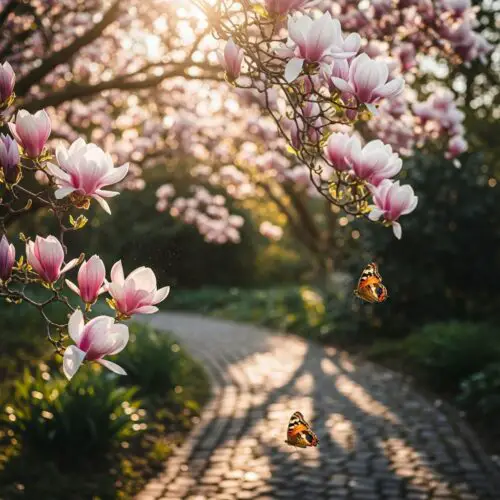
The Bigleaf Magnolia is a stunning specimen known for its massive leaves and impressive flowers. This native North American tree adds dramatic flair to any landscape.
Leaf Characteristics
Bigleaf Magnolia boasts leaves that can reach an astonishing length of 32 inches and a width of up to 12 inches. This makes it one of the largest leafed magnolia species. The foliage presents a lush, tropical appearance, contributing significantly to the garden’s visual appeal. The size and texture of these leaves create a striking backdrop for other plants, making them ideal for layered landscapes.
Growth Conditions
This species thrives in USDA Hardiness Zones 5 to 9. It prefers moist, well-drained soil and partial to full sunlight. Bigleaf Magnolia is not drought-tolerant; thus, consistent moisture is crucial, particularly during dry periods. Additionally, it performs best in acidic to neutral pH soils, ensuring optimal nutrient uptake and growth.
Maintenance Needs
Caring for the Bigleaf Magnolia involves several essential practices:
- Watering: Maintain consistently moist soil, especially in dry spells.
- Fertilization: Apply a balanced fertilizer in early spring to encourage robust growth and flowering.
- Pruning: Minimal pruning is required. Remove any dead or damaged branches just before blooming to promote a healthy structure.
These maintenance practices ensure that the Bigleaf Magnolia not only survives but thrives, enhancing its aesthetic value in your garden. The aromatic flowers, which can measure between 8 to 12 inches across, bloom sporadically from May to June, adding further allure to this magnificent tree.
6. Cucumber Magnolia (Magnolia acuminata)
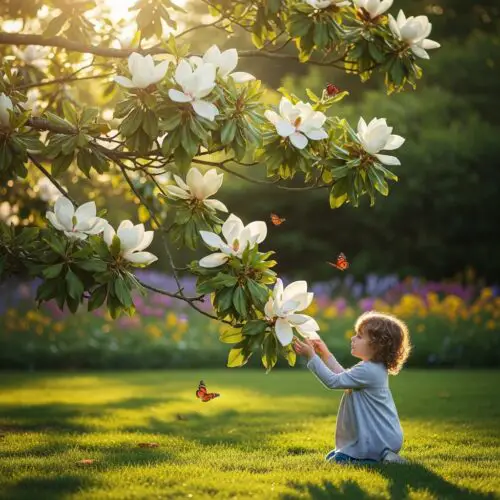
The Cucumber Magnolia is distinguished by its unique foliage and modestly attractive flowers. This native species exhibits a blend of aesthetic appeal and practicality, making it a desirable choice for various landscapes.
Unique Features
Cucumber Magnolia showcases greenish, tulip-shaped flowers that bloom in spring. While these flowers are less showy compared to other magnolia species, they exude charm with their subtle beauty. The tree’s most distinctive feature is its fruit, which resembles cucumbers as they mature. This fruit transitions from green to red, attracting wildlife such as birds and squirrels, eager to feast on its seeds. The tree can grow between 50 to 70 feet in height, with a pyramidal shape and large, glossy leaves that can reach up to 10 inches long.
Care and Maintenance
Caring for Cucumber Magnolia requires attention to a few key factors:
- Soil: Thrive in well-drained, slightly acidic soils rich in organic matter.
- Watering: Maintain consistent moisture, especially during dry periods.
- Pruning: Minimal pruning is needed. Focus on removing dead or damaged branches to promote healthy growth.
This species is the most cold-hardy magnolia, making it suitable for northern climates. It rarely requires significant maintenance, making it a good choice for homeowners seeking a low-maintenance specimen tree.
Landscape Applications
Cucumber Magnolia serves multiple roles in landscape design. Its pyramid shape makes it an excellent choice for providing shade. Additionally, it can be planted as a standalone specimen tree to add visual interest to your yard. The tree’s modest flowering and unique fruit contribute not only to its aesthetic appeal but also enhance biodiversity by attracting various pollinators and wildlife.
Overall, the Cucumber Magnolia is a versatile addition to any garden, offering beauty and ecological benefits with minimal upkeep.
7. Kobus Magnolia (Magnolia kobus)
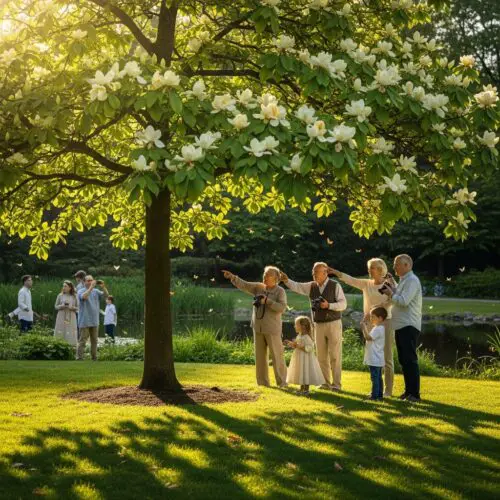
The Kobus Magnolia is a stunning tree known for its elegant spring blooms and impressive cold hardiness. This species thrives in colder climates, making it an ideal choice for gardeners in USDA Hardiness Zones 4 to 8.
Hardiness Zones
Kobus Magnolia is exceptionally resilient. It can withstand temperatures as low as -30°F (-34°C). This adaptability makes it a popular choice for northern gardens. When selecting a planting location, ensure the soil is well-drained to prevent root rot.
Flowering Times
This magnolia bursts into bloom in early spring. Its white to pink flowers appear before the leaves unfurl, creating a striking visual display. Each flower measures approximately 4 inches wide and emits a light fragrance, enhancing the garden’s sensory experience. Notably, the ‘Wada’s Memory’ cultivar is celebrated for its large blossoms and glossy black-green leaves, adding to its aesthetic appeal.
Care Requirements
Caring for Kobus Magnolia involves the following key practices:
- Soil: Prefers well-drained, slightly acidic soil. Amend with organic matter to improve drainage.
- Watering: Regular watering during dry spells is crucial, especially in its first few years.
- Pruning: Minimal pruning is needed. However, removing dead or crossing branches promotes better air circulation and overall health.
- Fertilization: Use a balanced fertilizer in early spring to encourage healthy growth.
In colder regions, providing winter protection, such as mulching around the base, can enhance survival rates. This species is relatively pest-resistant, but it’s wise to monitor for common issues like scale insects and leaf spot.
By following these care guidelines, gardeners can enjoy the beauty and resilience of the Kobus Magnolia for years to come.
8. Anise Magnolia (Magnolia salicifolia)

The Anise Magnolia, renowned for its aromatic leaves and striking flowers, is a unique addition to any landscape. Its fragrance and visual appeal make it an excellent choice for gardens and yards.
Fragrance and Aesthetics
Anise Magnolia stands out with its delightful scent. The leaves emit a fragrant mix of lemon and anise, especially when crushed. In early spring, this deciduous tree showcases profuse white flowers with strappy petals, often obscuring its branches. These flowers can reach sizes of 3 to 6 inches across, adding a stunning visual element to the landscape.
- Flower Color: White with a hint of pink.
- Leaf Shape: Willow-like, wider than typical magnolia leaves.
- Fall Color: Golden yellow, enhancing seasonal beauty.
Growth Conditions
Anise Magnolia thrives in various conditions, making it versatile for different landscapes. Here are the key growth requirements:
- Sunlight: Prefers full sun to partial shade.
- Soil: Well-drained, rich in organic matter.
- Watering: Moderate; ensure consistent moisture, particularly during dry spells.
This species can adapt to a range of soil types, but it flourishes best in loamy conditions. To achieve optimal growth, consider planting in a location that offers protection from harsh winds.
Maintenance Tips
Caring for Anise Magnolia is straightforward. Follow these essential maintenance practices:
- Pruning: Minimal pruning is required. Focus on removing dead or crossing branches to maintain air circulation.
- Fertilization: Use a balanced fertilizer in early spring to support vigorous growth.
- Pest Management: Generally pest-resistant, but remain vigilant for scale insects and leaf spots.
By adhering to these guidelines, you can ensure the Anise Magnolia remains healthy and vibrant throughout the seasons.
Anise Magnolia offers a captivating combination of fragrance, beauty, and ease of care, making it a prime candidate for enhancing any garden space.
9. Lily Magnolia (Magnolia liliiflora)

Lily Magnolia is a stunning choice for smaller gardens. Its compact size and fragrant flowers make it a favorite among urban gardeners.
Size and Growth
Lily Magnolia typically grows up to 12 feet tall. It flourishes as either a small tree or a large shrub. This versatility allows it to fit perfectly in limited spaces. Its growth habit is multi-stemmed, creating a bushy appearance that is visually appealing. For optimal aesthetics, plant it in a location where it can showcase its flowers prominently.
Flowering Time
This species blooms in early spring, before its leaves emerge. The flowers are striking, shaped like lilies, with a white interior and a purple-pink exterior. Notable cultivars include ‘Nigra’, known for its deep-colored flowers. The blooms are not only beautiful but also lightly fragrant, adding an aromatic quality to garden spaces.
Care Instructions
Caring for Lily Magnolia involves straightforward practices:
- Soil: Prefers well-drained, slightly acidic soil.
- Watering: Water regularly, especially during dry spells. Ensure the soil remains evenly moist but not soggy.
- Pruning: Minimal pruning is needed. Focus on removing any dead or crossing branches to maintain healthy growth.
- Pests: Generally pest-resistant, but watch for scale insects.
This magnolia thrives in urban environments, making it an excellent choice for smaller spaces where larger trees might be impractical. With its manageable size and eye-catching blooms, Lily Magnolia enhances any garden landscape with ease.
10. Yulan Magnolia (Magnolia denudata)
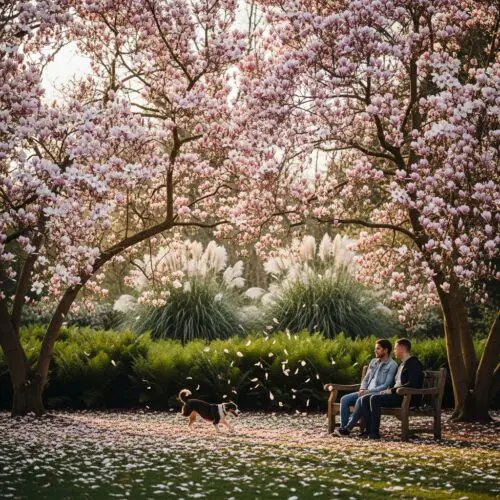
The Yulan Magnolia, also known as the “white magnolia,” is revered for its stunning flowers and rich historical significance, particularly in Asian gardens. This deciduous tree is celebrated for its elegant form and fragrant blooms, making it a favorite among landscape designers and gardening enthusiasts.
Historical Context
Originating in China, the Yulan Magnolia has deep cultural roots. It is often associated with purity and nobility, symbolizing beauty in traditional Asian art and poetry. In ancient times, it was planted in temple gardens, representing a connection to tranquility and spiritual growth.
Growing Conditions
Yulan Magnolia thrives in well-drained, fertile soil with a slightly acidic pH. Here are key growing conditions:
- Sunlight: Prefers full sun to partial shade.
- Water: Requires regular watering, especially during dry spells. Keep the soil consistently moist but not waterlogged.
- Climate: Best suited for USDA Zones 5-9, tolerating cold winters and warm summers.
Maintenance Needs
Caring for Yulan Magnolia involves straightforward practices:
- Pruning: Minimal pruning is needed. Focus on removing any dead or crossing branches to maintain a healthy structure.
- Fertilization: Apply a balanced fertilizer in early spring to promote robust growth and flowering.
- Pests: Generally pest-resistant, but watch for common issues like scale insects.
By understanding these care requirements, you can enjoy the Yulan Magnolia’s breathtaking blooms and contribute to its cultural legacy in your garden.
11. Loebner Magnolia (Magnolia x loebneri)

The Loebner Magnolia is a remarkable hybrid, celebrated for its stunning, fragrant blooms. This attractive tree combines the best features of its parent species, the Kobus and star magnolias, making it a popular choice for gardens.
Hybrid Features
The Loebner Magnolia showcases multiple stems, often forming a small tree or large shrub. Its star-shaped flowers emerge in early to mid-spring, boasting a delightful mix of pink and white petals. These blooms can reach four to six inches wide, creating a striking visual impact before the leaves unfurl. Unlike some other magnolias, this hybrid flowers later, extending the blooming season in your landscape.
- Flowers: Fragrant, star-shaped blooms in pink and white.
- Growth Habit: Typically multi-stemmed but can be pruned for a central leader.
- Size: A medium-sized tree, perfect for smaller landscapes.
Care Requirements
Caring for the Loebner Magnolia is straightforward, but attention to specific needs will enhance its growth and flowering.
- Soil: Prefers well-drained, slightly acidic soil.
- Watering: Keep the soil consistently moist but avoid waterlogging.
- Pruning: Minimal pruning is necessary; focus on removing dead or crossing branches.
- Fertilization: Use a balanced fertilizer in early spring to support vigorous growth.
This hybrid’s adaptability makes it more resistant to diseases compared to some pure species, enhancing its suitability for a variety of climates and conditions.
Landscape Uses
The Loebner Magnolia is ideal for various landscape applications. Its compact size makes it perfect for urban gardens, mixed shrub borders, and even near patios for added fragrance.
- Design: Works well as a focal point or part of a mixed planting scheme.
- Fragrance: Adds a delightful scent to the garden during spring.
- Visual Appeal: The combination of flowers and glossy green leaves offers year-round interest.
In summary, the Loebner Magnolia not only enhances your garden’s aesthetic but also provides versatility and resilience, making it a prime choice for any magnolia enthusiast.
12. Umbrella Magnolia (Magnolia tripetala)

The Umbrella Magnolia is a striking deciduous tree known for its large, unique leaves that resemble an open umbrella. This distinctive feature not only enhances its aesthetic appeal but also plays a crucial role in its overall health and growth.
Distinctive Features
The Umbrella Magnolia boasts impressive leaves that can grow up to 24 inches long and 10 inches wide. These glossy green leaves droop elegantly from the ends of branches, creating a visually stunning effect. In late spring to early summer, the tree produces creamy white flowers measuring six to ten inches across, which add to its charm. Although fragrant, the flowers are not overly sweet, making them a subtle addition to your landscape. This tree’s broad canopy and lush foliage provide excellent shade, making it an ideal choice for smaller lawns or gardens.
Growing Conditions
Umbrella Magnolias thrive in a variety of conditions but prefer regularly moist soil and part shade. They can tolerate full sun, although they may benefit from some protection during hot afternoons. Here are key growing conditions:
- Soil: Well-drained, rich in organic matter.
- Light: Prefers partial shade to full sun.
- Water: Regular moisture is essential; avoid drought conditions.
This adaptability makes the Umbrella Magnolia suitable for various regions, particularly in the eastern United States.
Maintenance Tips
Caring for an Umbrella Magnolia is straightforward. Here are essential maintenance tips:
- Pruning: Conduct minimal pruning to maintain shape; focus on removing dead or damaged branches.
- Fertilization: Apply a balanced, slow-release fertilizer in early spring to promote healthy growth.
- Pest Management: Watch for common pests like aphids and scale. Treat infestations promptly to prevent damage.
By following these guidelines, you can ensure that your Umbrella Magnolia remains a stunning focal point in your landscape for years to come.
13. Oyama Magnolia (Magnolia sieboldii)
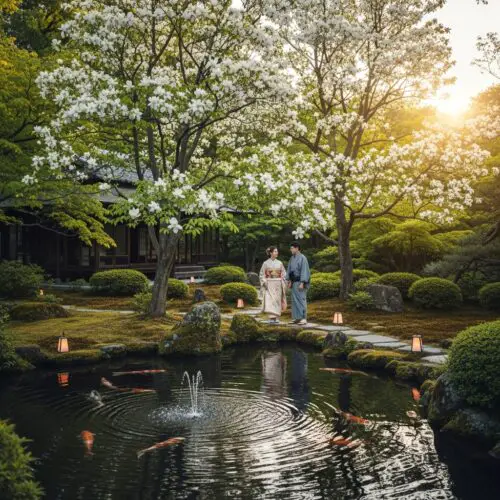
The Oyama Magnolia is a stunning deciduous shrub or small tree, renowned for its delicate, cup-shaped flowers and vibrant foliage. This charming plant not only enhances garden aesthetics but also plays a significant role in attracting pollinators, enriching garden biodiversity.
Flower Characteristics
The Oyama Magnolia produces fragrant, white flowers adorned with crimson stamens. These blooms typically appear in late spring and can continue sporadically throughout summer. The striking contrast between the white flowers and the green leaves creates an eye-catching display. Additionally, its flowers develop into showy pink fruits, revealing orange to red seeds in the fall, further extending its ornamental appeal.
Growth Requirements
- Sunlight: Prefers partial shade to full sun. Aim for at least four hours of direct sunlight daily.
- Soil: Thrives in well-drained, moist, and slightly acidic soil. Ensure good drainage to prevent root rot.
- Watering: Regular watering is essential, especially during dry spells. Aim for consistent moisture without waterlogging.
Care Instructions
To maintain a healthy Oyama Magnolia, follow these guidelines:
- Pruning: Minimal pruning is required. Focus on removing any dead or weak branches to encourage healthy growth.
- Fertilization: Use a balanced, slow-release fertilizer in early spring to promote vigorous flowering.
- Pest Management: While generally pest-resistant, keep an eye out for common issues like aphids. Early intervention is key to preventing damage.
By adhering to these care instructions, you can ensure that your Oyama Magnolia flourishes, enhancing your garden with its beauty and attracting beneficial pollinators along the way.
14. Choosing the Right Magnolia for Your Garden
Selecting the ideal magnolia for your garden hinges on multiple factors, including size, climate, and aesthetic appeal. Each type of magnolia offers unique characteristics that cater to specific landscape needs.
Factors to Consider
1. Garden Size:
- For small gardens, opt for compact varieties like the Star Magnolia (Magnolia stellata) or Sweet Bay Magnolia (Magnolia virginiana) that thrive in limited spaces.
- Larger properties can accommodate majestic Southern Magnolia (Magnolia grandiflora) or Bigleaf Magnolia (Magnolia macrophylla), which require more room to grow.
2. Climate:
- Ensure the selected magnolia species is compatible with your local climate. For instance, the Sweet Bay Magnolia is ideal for moist, boggy conditions, while the Southern Magnolia prefers drier areas with well-drained soil.
- Take note of hardiness zones. Some magnolias are evergreen in warmer zones but might be deciduous in colder climates.
3. Aesthetic Preferences:
- Consider the flower color and leaf texture. The Loebner Magnolia (Magnolia x loebneri) offers a blend of fragrant flowers and a robust structure, making it a visually appealing choice.
- If fragrance is a priority, the Southern Magnolia’s large white blooms will fill your garden with delightful scent during summer.
Common Mistakes to Avoid
- Ignoring Soil Conditions: Magnolias thrive in slightly acidic, well-drained soils rich in organic matter. Failing to assess soil pH can lead to poor growth.
- Overwatering: Many magnolia types require consistent moisture but are vulnerable to waterlogging. Ensure proper drainage to avoid root rot.
- Neglecting Space Requirements: Planting a large magnolia too close to structures or other plants can lead to overcrowding. Always check the mature size of the species before planting.
Planting Tips
- Timing: Plant magnolias in early spring or fall to ensure optimal root establishment.
- Location: Choose a spot with full sun to partial shade, aiming for at least six hours of sunlight per day.
- Spacing: Space trees adequately to allow for their mature size. For example, Southern Magnolias need at least 20 feet of space around them to flourish.
By considering these factors, you can confidently choose the best magnolia to enhance your garden’s beauty and meet your specific needs.
Frequently Asked Questions
These quick answers cover the most common questions about this topic, including key details, practical tips, and common concerns.
How do I care for magnolia trees?
Magnolias generally prefer well-drained, slightly acidic soil rich in organic matter. They thrive in full sun to partial shade. Regular watering during dry periods is essential, especially for young trees. Mulching helps retain soil moisture and regulate temperature. Minimal pruning is needed; remove dead or crossing branches to maintain shape and health.
Why do magnolias have fragrant flowers?
Magnolias produce fragrant flowers to attract pollinators such as bees and beetles. Their scent is an evolutionary adaptation to ensure successful pollination. The fragrance varies among species, with some like the Southern Magnolia being especially aromatic, filling gardens with a sweet, lemony scent during bloom.
When do magnolias bloom?
Most magnolias bloom in early spring, often before their leaves appear. The exact timing varies by species. For example, Star Magnolias bloom as early as late winter, while Southern Magnolias typically flower in summer. Blooming periods can last several weeks, providing visual interest throughout the season.
When is the best time to plant magnolias?
The best time to plant magnolias is in early spring or fall. These seasons allow roots to establish before extreme weather conditions. Avoid planting during the heat of summer or freezing winter, as young trees are more vulnerable to stress. Proper timing ensures healthier growth and better flowering.
What are common problems with magnolia trees?
Magnolias can face issues like scale insects, aphids, and leaf spot diseases. Overwatering or poor drainage can lead to root rot. Frost damage may affect early blooms, especially in colder zones. Regular inspection and proper cultural practices help prevent and manage these problems.
What are the differences between deciduous and evergreen magnolias?
Deciduous magnolias lose their leaves in winter, such as the Star Magnolia and Cucumber Magnolia. They often bloom early before leaf-out. Evergreen magnolias, like the Southern Magnolia, retain their leaves year-round and usually bloom in summer. The choice depends on your climate and landscape preference.
What is the best magnolia for small gardens?
Lily Magnolia and Star Magnolia are ideal for small gardens due to their compact size. Lily Magnolia grows up to 12 feet tall, while Star Magnolia stays smaller and blooms early. Both provide stunning flowers without overwhelming limited space.
Are magnolias deer-resistant?
Many magnolia species are relatively deer-resistant due to their leathery leaves and strong fragrance. However, in times of scarcity, deer may browse on young or tender shoots. Using deer deterrents and choosing less palatable species can help protect your magnolia.