
Sycamore trees are large, deciduous trees known for their distinctive bark and rapid growth. These trees play a vital role in their ecosystems and have characteristics that make them unique among tree species. Here are 16 fascinating facts about sycamore trees that highlight their importance and features.
Table of Contents
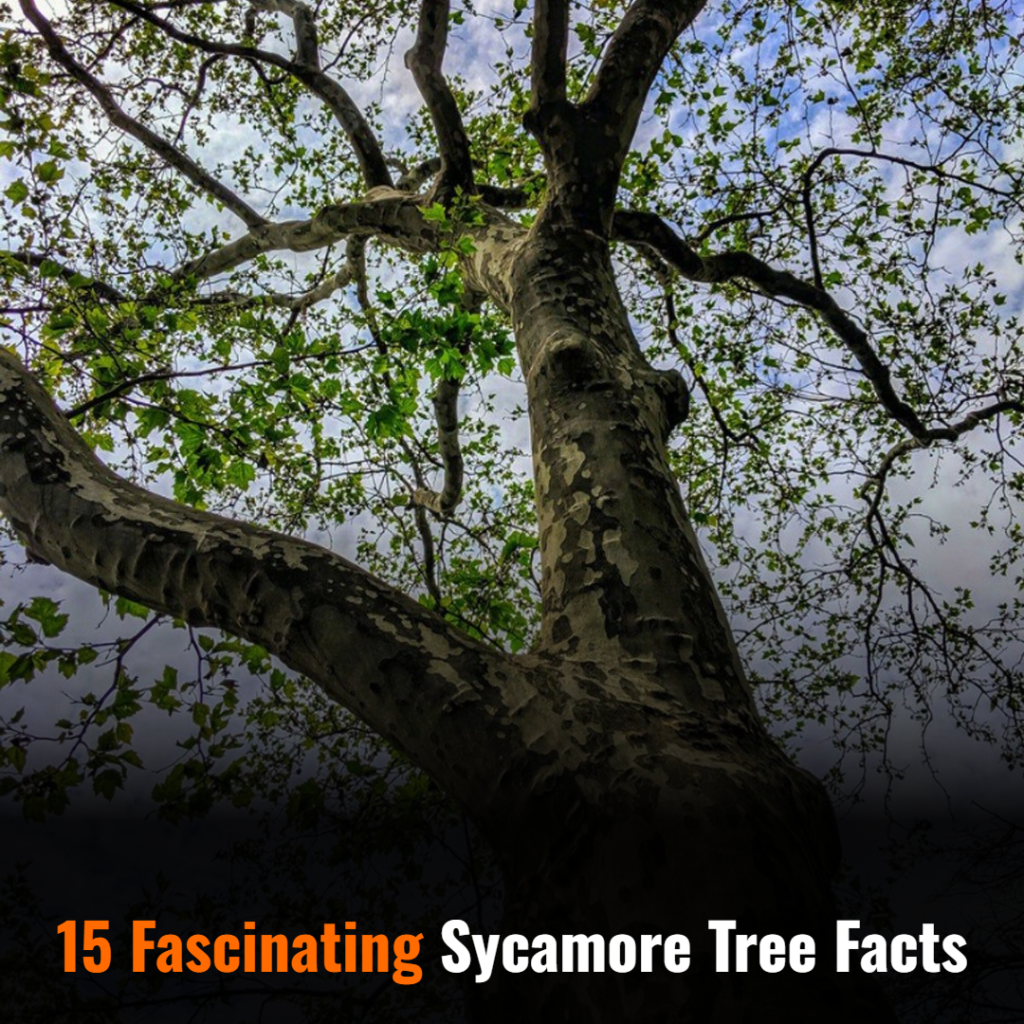
1. Sycamore Trees Are Ancient Species
Sycamore trees, particularly the American sycamore (Platanus occidentalis), have a rich history that stretches back millions of years. These trees are among the oldest species on Earth, with origins tracing back to prehistoric times. Fossils indicate that sycamores have thrived for over 100 million years, adapting to various environmental changes throughout history.
- Longevity: Sycamore trees can live for centuries, often reaching ages between 200 and 400 years in the wild. In some cases, they have been known to live even longer, especially when cultivated in ideal conditions. Their durability is a testament to their evolutionary success, enabling them to withstand diverse climates and soil types.
- Cultural Significance: Throughout history, sycamores have held symbolic meanings in various cultures. Ancient Egyptians revered the sycamore fig (Ficus sycamorus) for its shade and fruit, often associating it with life and fertility. In folklore, these trees often symbolize strength and resilience, reflecting their majestic stature and long lifespan.
- Adaptation: The sycamore tree’s ability to thrive in various environments has been crucial for its survival over the millennia. From riverbanks to upland forests, the sycamore’s adaptability to different soil types and moisture levels highlights its ancient lineage. Their broad leaves and distinctive bark not only make them visually striking but also contribute to their ecological role, supporting diverse wildlife.
- Ecological Importance: As ancient giants, sycamores play an essential role in their ecosystems. Their expansive canopies provide habitat and shelter for numerous bird species, while their seeds, encased in unique spherical pods, offer food for various animals. This ecological significance has been recognized for generations, reinforcing their status as a vital part of the natural world.
The remarkable history and longevity of sycamore trees make them a fascinating subject of study, revealing insights into the resilience and adaptability of one of nature’s oldest species. For more in-depth information, visit Britannica.
2. Distinctive Bark of Sycamore Trees
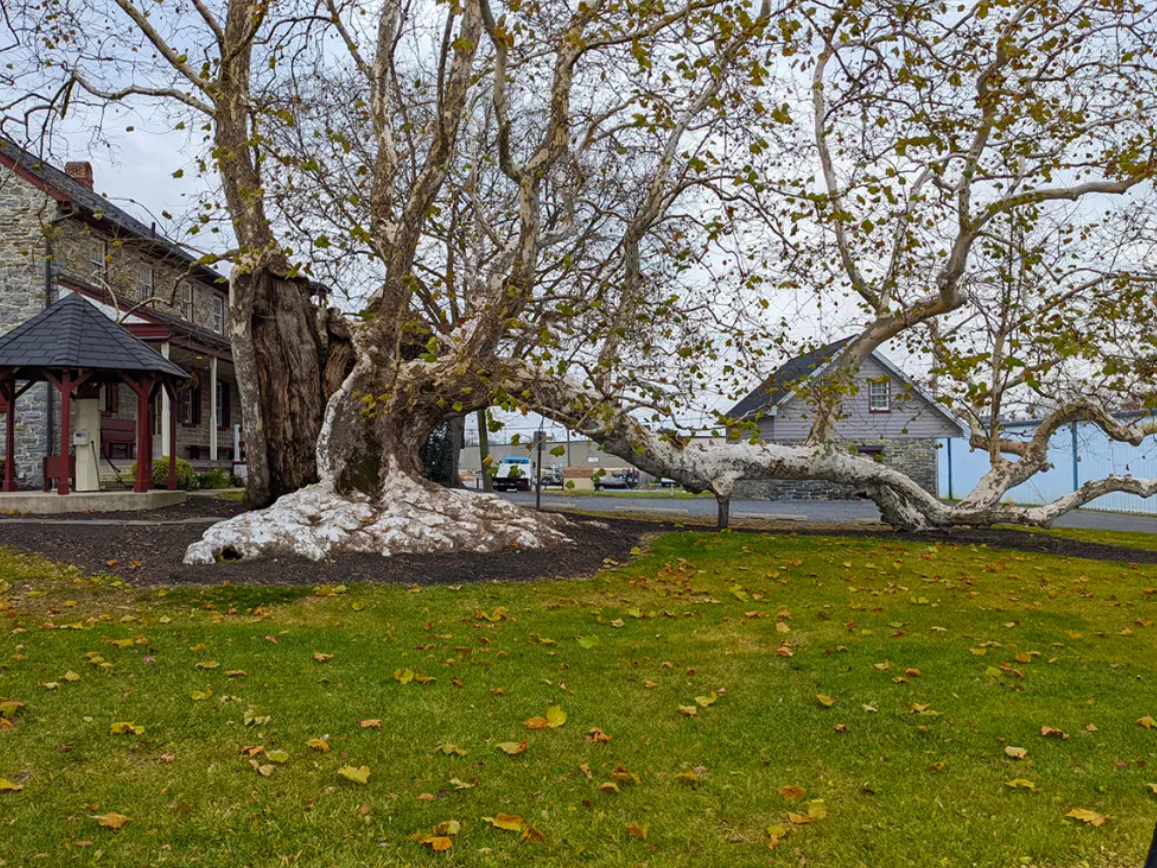
The bark of the sycamore tree, known scientifically as Platanus occidentalis, is one of its most striking features. This tree exhibits a unique exfoliating bark that sets it apart from many other species. As the sycamore matures, its bark begins to peel away in large, irregular patches, creating a captivating mosaic of colors.
- Color Variations: The outer layers of bark are typically a reddish-brown, but as they flake off, they reveal a smooth, lighter inner bark that can range from creamy white to pale green. This beautiful contrast not only enhances the tree’s aesthetic appeal but also helps in its identification.
- Texture and Appearance: The bark’s flaky nature gives the sycamore a rugged yet elegant look. The peeling reveals the tree’s age and vitality, making it a favorite among nature enthusiasts and photographers alike.
- Ecological Benefits: The exfoliating bark is not just for show. It can provide habitat for various insects and birds, contributing to the tree’s role in its ecosystem. As the bark sheds, it creates a rich layer of organic material on the forest floor, promoting soil health and supporting the growth of nearby plants.
- Identifying Features: When trying to identify a sycamore tree, the distinctively patterned bark is a key characteristic. The combination of its large size, broad, lobed leaves, and unique bark makes the sycamore easily recognizable in any landscape.
3. Impressive Size and Growth Rate
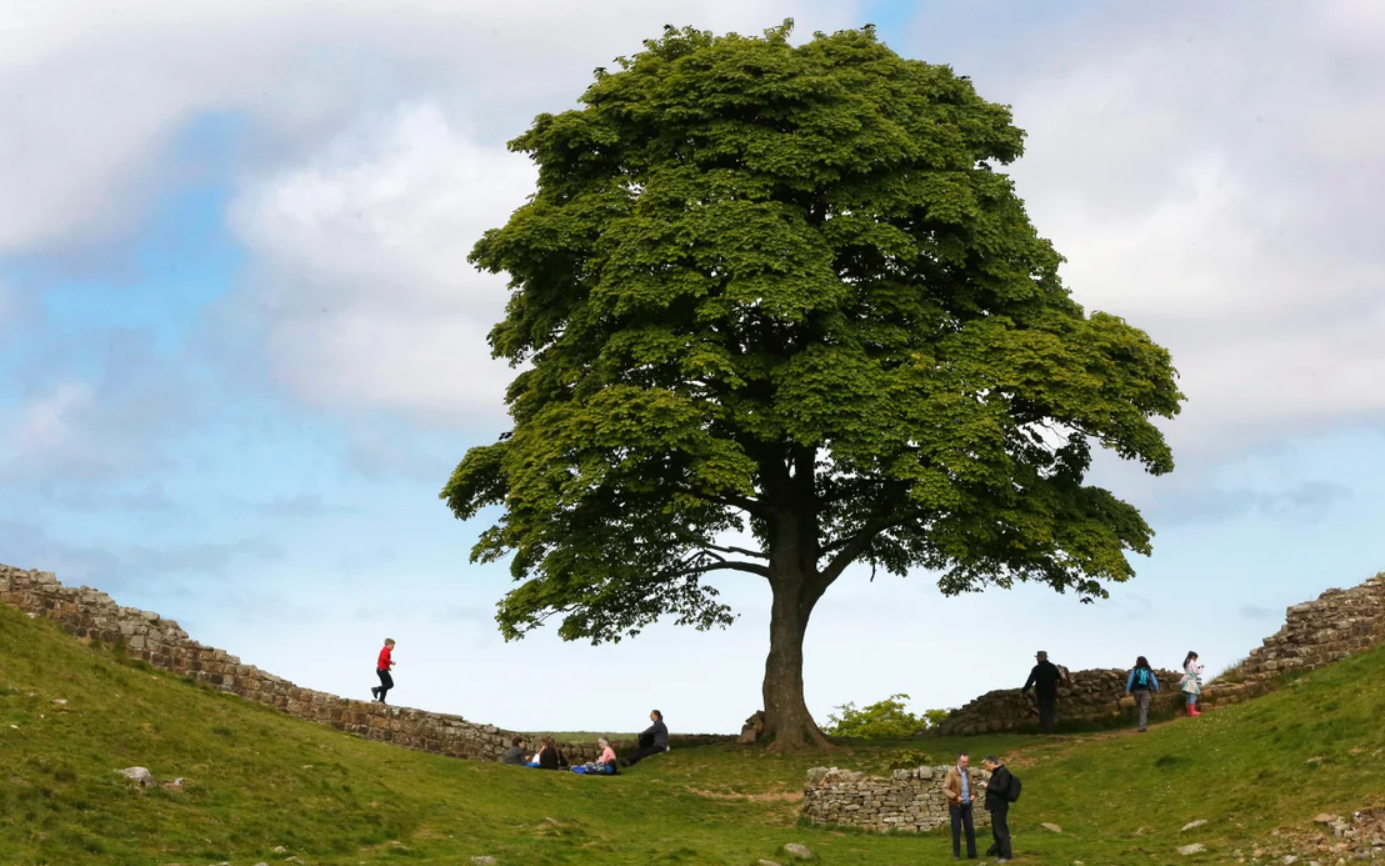
Sycamore trees, specifically the American sycamore (Platanus occidentalis), are known for their remarkable size and impressive growth rate. These giants can reach heights of 100 to 130 feet (30 to 40 meters), making them some of the tallest deciduous trees in North America. Their broad, rounded canopies can spread up to 75 feet (23 meters) wide, providing ample shade and a stunning visual presence in any landscape.
- Trunk Diameter: Mature sycamore trees can have trunk diameters exceeding 3 feet (1 meter). This robust trunk supports their towering height and contributes to their impressive stature.
- Rapid Growth: One of the most fascinating sycamore tree facts is their rapid growth rate. Under optimal conditions, these trees can grow as much as 2 to 3 feet (0.6 to 0.9 meters) per year. This quick growth allows them to establish themselves quickly in various environments, from riverbanks to parks.
- Adaptability: Sycamores thrive in diverse soil types and moisture levels, further enhancing their growth potential. Their ability to flourish in both wet and dry conditions makes them a resilient choice for urban and rural settings alike.
- Lifespan: While they grow quickly, sycamore trees can also live for several decades, with some individuals reaching ages of 200 to 400 years in the wild. This longevity allows them to play a vital role in their ecosystems, providing habitat for various wildlife.
The sycamore tree’s impressive size and fast growth make it not only an eye-catching feature of the landscape but also an important ecological player. Its large leaves provide shade and habitat, while the bark, which peels away in patches, reveals a striking appearance that captures attention. The seeds, housed in distinctive round balls, contribute to the biodiversity of the areas where these trees thrive. For more detailed information on the sycamore tree, visit Britannica.
4. Deciduous Nature of Sycamore Trees
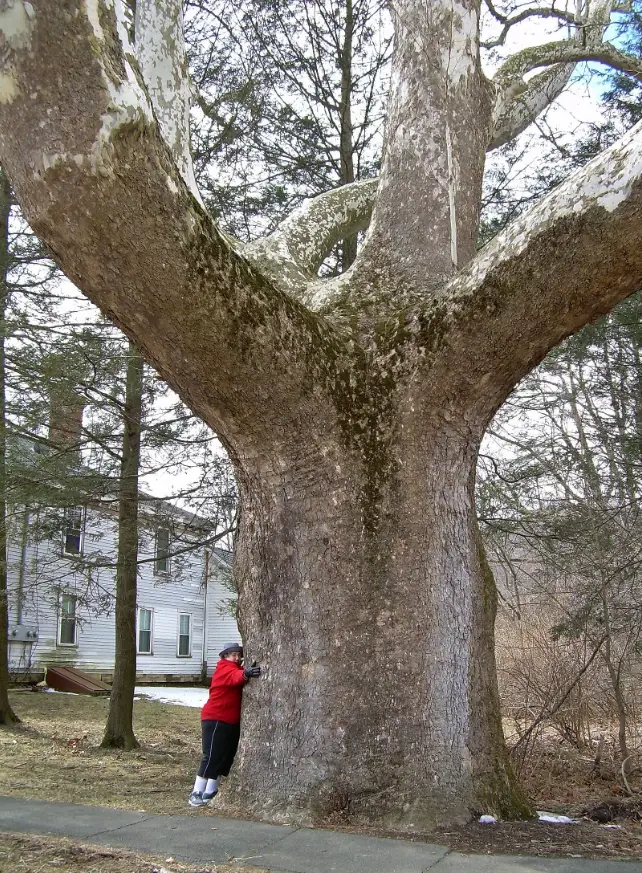
Sycamore trees, scientifically known as Platanus occidentalis, are deciduous, meaning they shed their leaves annually. This seasonal transformation is a remarkable feature that affects their appearance throughout the year.
- Spring Awakening: As temperatures rise in spring, sycamore trees begin to sprout fresh, vibrant green leaves. The new foliage is often broad and lobed, providing a lush canopy that offers shade and habitat for various wildlife. This is when the sycamore truly comes alive, showcasing its beauty.
- Summer Abundance: During the summer months, the sycamore tree’s broad leaves create a dense cover, making it a favorable spot for birds and other animals. The rich green leaves are not only stunning but also play a crucial role in photosynthesis, helping the tree thrive.
- Autumn Elegance: As fall approaches, sycamore trees undergo a spectacular transformation. The leaves shift from green to hues of yellow and brown, creating a stunning visual display. This colorful change is a signal that the tree is preparing for the winter months ahead.
- Winter Dormancy: By late autumn, sycamore trees begin to lose their leaves. The shedding process is essential for their survival, as it reduces water loss and helps the tree conserve energy during the cold winter months. Once bare, the striking gray bark of the sycamore becomes even more prominent, showcasing its unique texture and character.
- Seed Production: In addition to leaf changes, sycamore trees produce distinctive round seed balls, often referred to as “buttonballs.” These seed pods can be seen hanging from the branches, adding another layer of interest to the tree’s appearance, especially in winter when the foliage is gone.
5. Unique Seed Structures
Sycamore trees, specifically the Platanus occidentalis, produce unique spherical seed pods commonly known as “buttonballs” or “monkey balls.” These fascinating structures are about 1 to 1.5 inches in diameter and have a distinctive spiky appearance. Each pod is made up of multiple tiny seeds encased in a hard outer shell, and they often hang in clusters from the branches.
- Appearance: The buttonballs start off green and gradually turn brown as they mature. Their rough texture and spiky exterior make them easily recognizable. When you see these seed pods, they add a peculiar charm to the sycamore tree, especially during the winter months when the leaves are absent.
- Ecological Role: These seed structures play a crucial role in the sycamore tree’s reproduction. When they mature and fall from the tree, the seeds are dispersed by the wind, allowing new sycamore trees to grow in different locations. This natural method of seed dispersal helps maintain the health and diversity of ecosystems where sycamores thrive.
The seeds within the buttonballs are also a food source for various wildlife. Birds and small mammals often consume these seeds, contributing to the tree’s role in supporting local habitats. By providing nourishment, the sycamore tree enhances the biodiversity in its surroundings.
6. Ecological Importance and Habitat Provision
Sycamore trees, particularly the American sycamore (Platanus occidentalis), play a crucial role in providing habitats for various wildlife. Their expansive canopies and distinctive bark create essential shelter for many creatures.
- Birds: The broad leaves of sycamore trees offer nesting sites for birds, which appreciate the tree’s height and sturdy branches. Species like woodpeckers, blue jays, and sparrows often find refuge in these trees, benefiting from their protective cover.
- Insects: The foliage of sycamores attracts a variety of insects. Bees and butterflies are drawn to the flowers, which serve as a food source during blooming seasons. This interaction not only nourishes the pollinators but also supports the broader food web in the ecosystem.
- Mammals: Small mammals, including squirrels and chipmunks, utilize sycamore trees for both shelter and food. The seeds, encased in their unique buttonballs, are a tasty treat, while the tree’s bark provides a safe space for nesting and hiding from predators.
The ecological significance of sycamore trees extends further, as they contribute to maintaining biodiversity. Their ability to thrive in various soil types and moisture levels allows them to flourish in diverse environments, enhancing habitat variety. The fallen leaves during autumn decompose and enrich the soil, promoting healthy growth for surrounding plants.
Additionally, sycamore trees often grow near waterways, where their roots stabilize riverbanks and prevent erosion. This not only protects the ecosystem but also serves as a habitat for aquatic life in the nearby water bodies.
7. Adaptability to Different Environments
The sycamore tree, scientifically known as Platanus occidentalis, showcases remarkable adaptability to various soil types and moisture conditions. This resilience allows it to thrive in a wide range of environments, making it a popular choice for both urban landscapes and natural habitats.
- Soil Types: Sycamore trees can flourish in sandy, loamy, and clay soils. Their roots penetrate deep into the ground, allowing them to draw nutrients and water from different soil layers. This adaptability ensures that they remain vigorous even in less-than-ideal soil conditions.
- Moisture Levels: These trees are not picky when it comes to moisture. They can grow in both wet and dry areas. Sycamores often thrive near rivers and streams, where their roots help stabilize the banks and reduce erosion. This ability to tolerate fluctuating moisture levels is crucial, especially in regions with variable rainfall.
- Urban Environments: Sycamores have proven themselves in urban settings, where they can withstand pollution and compacted soil. Their thick bark, which peels away in patches, helps protect them from harsh environmental conditions. This means they can maintain their health and continue to provide benefits like shade, beauty, and habitat even in bustling city parks.
- Ecological Benefits: The adaptability of sycamore trees contributes significantly to local ecosystems. Their broad leaves provide shade and reduce ground temperatures, benefiting other plants and wildlife. The seeds, encased in distinctive round pods, offer food for birds and small mammals, showcasing their role in promoting biodiversity.
8. Common Pests and Diseases
Sycamore trees (Platanus occidentalis) are generally hardy, but they can be susceptible to certain pests and diseases that may affect their health and growth. Understanding these threats is essential for maintaining the vitality of these majestic trees.
Common Pests:
- Sycamore Lace Bug: This small insect feeds on the leaves of sycamore trees, causing yellow speckling and eventually leaf drop. Regularly inspecting the undersides of leaves can help catch an infestation early. In severe cases, insecticidal soap may be necessary to control the population.
- Scale Insects: These pests attach themselves to the bark and leaves, sucking sap from the tree. This can weaken the sycamore tree and lead to branches dying off. Removing them manually or applying horticultural oil can help manage their presence.
- Spider Mites: These tiny arachnids thrive in dry conditions and can cause stippling on leaves. Keeping the tree adequately watered and using a strong spray of water to dislodge them can be effective in limiting their spread.
Common Diseases:
- Sycamore Anthracnose: This fungal disease primarily affects young leaves and shoots, leading to dark spots and premature leaf drop. To manage this condition, ensure good air circulation around the tree by pruning crowded branches and removing fallen leaves.
- Powdery Mildew: This fungal infection appears as a white powdery substance on leaves and can stunt growth. Maintaining proper spacing and pruning can help reduce humidity around the foliage, which is crucial for disease prevention. Fungicides can also be used if necessary.
- Canker Diseases: These are caused by various fungi that infect the bark, leading to sunken areas that can eventually kill branches. Regular monitoring and pruning away affected areas can help minimize damage.
Management Strategies:
- Regular Inspections: Keeping a close eye on your sycamore’s bark and leaves for any signs of pests or disease is crucial. Early detection can often lead to easier treatment.
- Proper Watering and Nutrition: Ensuring that your sycamore tree is healthy with adequate water and nutrients can improve its resilience against pests and diseases.
- Integrative Pest Management (IPM): This approach combines biological control, habitat manipulation, and resistant varieties for a holistic strategy against pests and diseases.
By understanding the common pests and diseases that affect sycamore trees, you can take proactive steps to ensure their health and enhance their ecological role. For further in-depth information on sycamore tree care, visit Morton Arboretum.
9. The Role of Sycamores in Urban Settings
Sycamore trees, particularly the American sycamore (Platanus occidentalis), are well-known for their adaptability to urban environments. Their robust nature allows them to thrive in diverse conditions, making them a popular choice for city landscapes. Here are some fascinating facts about how sycamores contribute to urban ecology:
- Air Quality Improvement: Sycamore trees are effective at filtering pollutants from the air. Their broad leaves capture dust and particulate matter, contributing to cleaner urban air. This is especially important in cities where air quality can be compromised.
- Shade and Cooling: The expansive canopies of sycamore trees provide substantial shade, which helps reduce the urban heat island effect. This cooling effect is beneficial for both residents and local wildlife, supporting a more balanced ecosystem in densely populated areas.
- Stormwater Management: The deep root systems of sycamores help absorb rainwater, reducing runoff and decreasing the risk of flooding. This natural water management is crucial in urban settings where impervious surfaces dominate.
- Biodiversity Support: Sycamore trees serve as a habitat for various species, from birds to insects. Their seeds, often found in distinctive round “buttonballs,” provide food for wildlife. By supporting diverse life forms, sycamores enhance the ecological richness of urban areas.
- Aesthetic Appeal: With their striking bark that peels away to reveal a smooth, white surface and their large, lobed leaves, sycamores add visual interest to city parks and streetscapes. Their majestic presence can elevate the overall beauty of urban environments.
- Cultural Significance: Sycamores have been revered in many cultures for their strength and longevity. In urban landscaping, they symbolize resilience and connection to nature, reminding city dwellers of the importance of green spaces.
10. Cultural Significance of Sycamore Trees
Sycamore trees hold a rich tapestry of cultural meanings across various societies. Known scientifically as Platanus occidentalis, the sycamore tree is not just recognized for its impressive size and distinctive bark, but also for its deep-rooted symbolism.
- Ancient Civilizations: In ancient Egypt, the sycamore tree was revered and often associated with the goddess Hathor. Its wood was even used to create mummy cases, highlighting its significance in afterlife beliefs. The tree’s sturdy nature and lush foliage symbolized protection and sanctuary.
- Biblical References: The sycamore tree is mentioned several times in the Bible, particularly in the story of Zacchaeus, who climbed a sycamore to see Jesus. This connection underscores the tree’s symbolic representation of faith and new beginnings. The biblical sycamore is often linked to the sycamore fig (Ficus sycamorus), showcasing how different trees can carry similar names yet possess unique cultural meanings.
- Native American Traditions: Many Native American tribes regard sycamore trees as sacred due to their strength and longevity. They often use the bark and leaves in traditional ceremonies and crafts, emphasizing the tree’s role in their cultural heritage. The tree’s ability to thrive in diverse environments is a testament to resilience, mirroring the values held by these communities.
- Modern Symbolism: Today, sycamore trees are frequently planted in urban areas, symbolizing resilience and growth amidst concrete landscapes. Their expansive canopies not only provide shade but also represent a connection to nature, reminding city dwellers of the importance of preserving green spaces.
- Art and Literature: Sycamores have inspired countless artists and writers throughout history. Their majestic presence often serves as a backdrop for stories, poems, and paintings, encapsulating themes of strength, life, and continuity. The unique seed balls, which dangle from their branches, have also found a place in crafts and art, further enhancing their cultural significance.
11. Sycamore Trees and Climate Change
Climate change poses significant challenges for sycamore trees, particularly the American sycamore (Platanus occidentalis). Rising temperatures and shifting precipitation patterns can directly impact the growth patterns and overall health of these majestic trees.
- Growth Rates: As temperatures increase, sycamore trees may experience accelerated growth initially. However, prolonged heat and drought conditions can stress the trees, leading to reduced growth rates over time. The health of their bark, which is essential for protection against pests and diseases, can also be compromised in such environments.
- Water Availability: Sycamores thrive in moist, well-drained soil. Changes in rainfall patterns can affect water availability, making it difficult for these trees to sustain their impressive size. Insufficient water can weaken their leaves, making them more susceptible to diseases and pests.
- Pest and Disease Pressure: With shifting climate conditions, sycamore trees might encounter new pests and diseases that thrive in warmer climates. For instance, the bark can be more prone to fungal infections, which can lead to decay. Healthy bark is crucial for the tree’s vitality, and any disruption can hinder its ability to photosynthesize effectively.
- Ecological Balance: As sycamores play a vital role in their ecosystems by providing habitat and sustenance for various wildlife, changes in their health can ripple through the food web. The seeds of sycamore trees are important food sources for birds and small mammals, and any decline in seed production can affect these species.
- Carbon Sequestration: Healthy sycamore trees contribute to carbon sequestration, helping to mitigate climate change effects. If these trees struggle to survive, their ability to absorb carbon dioxide diminishes, exacerbating the very climate issues that threaten them.
12. Practical Tips for Planting Sycamore Trees
Planting sycamore trees (Platanus occidentalis) can be a rewarding endeavor, bringing beauty and ecological benefits to your landscape. Here are some practical tips to ensure your sycamore thrives:
- Choose the Right Location: Sycamore trees prefer areas with full sun and can grow quite large, so pick a spot with ample space. They can reach heights of 100 feet, making them unsuitable for small yards or spaces near buildings.
- Soil Requirements: These trees adapt well to various soil types but thrive in moist, well-drained soils. A pH level of 6.0 to 7.0 is ideal. If your soil is heavy clay, consider amending it with organic matter to improve drainage.
- Planting Depth: When planting a sycamore tree, ensure that the root ball is level with the surrounding soil. Avoid planting too deeply, as this can lead to issues with the bark and roots that may compromise the tree’s health.
- Watering: Newly planted sycamores need regular watering, especially in the first two years. Keep the soil consistently moist but not soggy. Once established, they are relatively drought-tolerant, thanks to their deep root systems.
- Mulching: Apply a layer of mulch around the base of the sycamore tree, about 2 to 4 inches thick. This helps retain soil moisture, suppress weeds, and maintain a stable soil temperature. Be sure to keep the mulch away from the trunk to prevent bark decay.
- Pruning: Sycamore trees benefit from careful pruning to promote strong growth and remove any dead or diseased branches. This is best done in late winter or early spring before new growth begins.
- Fertilization: While sycamores typically do not require much fertilization, a balanced fertilizer in early spring can help promote healthy growth, especially in nutrient-poor soils. Look for fertilizers that support tree growth without excessive nitrogen, which can encourage weak growth.
- Monitoring for Pests and Diseases: Keep an eye out for pests such as sycamore scale and powdery mildew, which can affect the leaves. Early detection is key to managing these issues effectively. Healthy sycamores are more resilient, so maintaining good care practices is vital.
- Seed Considerations: Sycamore trees produce distinctive round seed balls that can be messy. If your area has limited space or you prefer a tidier landscape, consider this when deciding on planting. Their seeds can also attract wildlife, adding to the ecological value of your garden.
13. Identification Features of Sycamore Trees
Identifying sycamore trees, particularly the American sycamore (Platanus occidentalis), is relatively straightforward due to their unique characteristics. Here are some key features to help you recognize these majestic trees in the wild:
- Bark: One of the most distinctive features of sycamore trees is their bark. The bark is thin and tends to peel away in large, irregular patches, exposing a smooth, whitish inner layer. This patchy appearance creates a striking contrast with the outer layers, giving the tree a unique, mottled look.
- Leaves: Sycamore leaves are broad, lobed, and serrated, resembling those of maple trees. They typically have three to five lobes and can grow up to 8 inches (20 cm) wide. The leaves start as a vibrant green in spring and summer, turning yellow and falling in autumn, making them easy to spot during seasonal changes.
- Seeds: The sycamore tree produces round, spiky seed balls, often referred to as “buttonballs.” These seed pods are about 1 inch (2.5 cm) in diameter and contain numerous small seeds covered in fine, fluffy hair. The seed balls hang from long stems and can be quite noticeable, especially in late fall and winter when they drop to the ground.
- Size and Shape: Mature sycamore trees can reach heights of 100 to 130 feet (30 to 40 meters) and have a wide, rounded crown. Their impressive stature and broad canopy provide ample shade, making them a popular choice for parks and large gardens.
- Growth Habit: Sycamore trees are fast growers, often reaching their full height in just a few decades. Their robust growth pattern contributes to their adaptability in various environments, from riverbanks to urban settings.
- Habitat: These trees thrive in moist, rich soils but can also grow in drier conditions. They are commonly found along waterways, where they play a significant role in stabilizing soil and providing habitat for wildlife.
14. Uses of Sycamore Wood
Sycamore wood, derived from the sycamore tree (Platanus occidentalis), is known for its unique properties and various applications. This hardwood is particularly valued for its fine, even texture, which makes it an excellent choice for a range of crafting and construction purposes.
- Furniture: The smooth surface of sycamore wood makes it ideal for crafting beautiful furniture. Its light color, often resembling that of maple, allows for a clean, attractive finish. You can find sycamore used in everything from kitchen cabinets to dining tables, providing durability along with aesthetic appeal.
- Musical Instruments: Due to its excellent acoustic properties, sycamore wood is often used in the construction of musical instruments. The wood’s ability to produce a warm tone makes it a popular choice for making parts of wind instruments and even some string instruments.
- Butcher Blocks: Sycamore’s density and durability make it suitable for butcher blocks and cutting boards. The wood is resistant to knife marks and is easy on blades, which is essential for kitchen tools. Its natural resistance to bacteria adds to its appeal in food preparation applications.
- Crafting and Turnery: Craft enthusiasts appreciate sycamore wood for its workability. Whether carving, turning, or shaping, the wood responds well to tools, allowing for intricate designs. It’s often used in making bowls, decorative items, and other crafts.
- Bark and Leaves: Interestingly, beyond wood, the bark of the sycamore tree has historical uses in crafts and natural dyes. The leaves can also contribute to composting, enriching soil, and supporting local ecosystems.
- Sustainability: Sycamore trees grow quickly and adapt well to various environments, making them a renewable resource. Using sycamore wood supports sustainable practices, as these trees can be harvested responsibly while maintaining healthy forests.
15. Fun Facts About Sycamore Trees
- Distinctive Bark: The bark of the sycamore tree, or Platanus occidentalis, is one of its most striking features. It sheds in large flakes, revealing a smooth, creamy-white inner bark. This patchy appearance can be quite beautiful, especially in the winter months when the tree stands out against a snowy backdrop.
- Giant Size: Sycamore trees are among the largest deciduous trees in North America. They can grow up to 100 feet tall, making them a popular choice for parks and large landscapes. Their impressive height provides ample shade, making them ideal for picnics and outdoor gatherings.
- Unique Seeds: The seeds of the sycamore tree are housed in round, spiky balls called “buttonballs.” These seed pods are not just for reproduction; they often become a fun craft material for kids, as they can be used in various art projects.
- Fast Growth Rate: Sycamore trees are known for their rapid growth. They can grow up to 2 feet per year under the right conditions, which is why they are often planted for quick shade in urban areas. Their ability to thrive in different soil types makes them adaptable to various environments.
- Habitat for Wildlife: Sycamore trees play a crucial role in their ecosystems. Their broad canopies provide nesting sites for birds, while their leaves and seeds serve as food for various animals. This makes them an essential part of the habitat for many species.
- Deciduous Nature: As deciduous trees, sycamores shed their leaves each autumn. This seasonal change offers a beautiful display of colors, transitioning from lush green in summer to vibrant yellow and brown in fall. This transformation not only enhances the landscape but also contributes to the nutrient cycle of the soil.
- Cultural Significance: Throughout history, sycamore trees have held cultural significance in various societies. They are often associated with strength and longevity and have been mentioned in literature and folklore for centuries. Their majestic presence has inspired many stories and traditions.
- Adaptability: Sycamore trees are incredibly adaptable. They thrive in both wet and dry conditions, making them suitable for riverbanks, urban parks, and even drier areas. Their resilience allows them to withstand pollution and harsh environmental conditions better than many other tree species.
- Longevity: While sycamore trees typically live for 200 to 400 years, some can live much longer, especially when cultivated in ideal conditions. This longevity highlights their ability to endure through various environmental changes over the centuries.
- Leaf Similarity: The leaves of the sycamore tree resemble those of the maple tree, featuring three to five lobes and serrated edges. This similarity often leads to confusion, but sycamore leaves are generally larger and have a distinct texture that sets them apart.
- Historical Uses: The wood of the sycamore tree has been used for various purposes throughout history, including furniture making and crafting musical instruments. Its fine grain and durability make it a valuable resource in woodworking.
- Ecological Impact: Sycamores play a vital role in stabilizing soil and preventing erosion along riverbanks. Their extensive root systems help to hold the soil together, making them essential for maintaining healthy ecosystems.
- Urban Landscaping: Due to their impressive size and adaptability, sycamore trees are often used in urban landscaping. They provide shade and beauty to city streets, parks, and public spaces, contributing positively to urban ecology.
16. Historical Symbolism
In various cultures, sycamore trees have been symbols of protection and shelter. In ancient Egypt, the sycamore was revered as a sacred tree, often associated with the goddess Hathor.