
Easter flowers symbolize rebirth and renewal, making them perfect for the holiday. Here are 17 stunning Easter flowers that not only add beauty to your celebrations but also carry significant meanings that resonate with the spirit of the season.
Table of Contents
1. Easter Lily Flowers
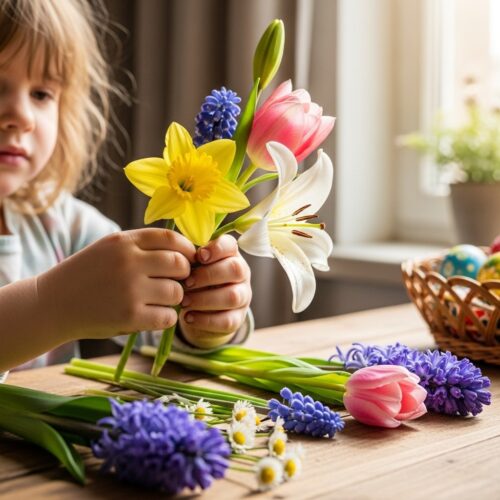
The Easter Lily is perhaps the most iconic flower associated with the Easter holiday. Its stunning beauty and rich symbolism make it essential for Easter celebrations.
Symbolism of the Easter Lily
The Easter Lily symbolizes purity, virtue, and resurrection. Its pure white petals represent the innocence of Jesus, linking back to early Christian traditions. According to legend, these flowers grew from the tears shed by Mary during Jesus’ crucifixion. Their trumpet shape symbolizes the announcement of Christ’s resurrection, making them a powerful symbol of hope and renewal.
Care Tips for Easter Lilies
To keep your Easter Lily looking its best, follow these simple care tips:
- Watering: Keep the soil moist but not soggy. Water when the top inch feels dry.
- Light: Place in bright, indirect sunlight. Avoid direct sunlight to prevent wilting.
- Temperature: Ideal temperatures are between 60°F and 70°F (15°C to 21°C).
- Fertilizing: Use a balanced fertilizer every 4-6 weeks during growth.
Popular Uses in Easter Decorations
Easter Lilies are popular for various decorations. Here are some ideas:
- Centerpieces: Create a stunning centerpiece for your dining table with a cluster of Easter Lilies.
- Religious Services: Often used in churches, they symbolize the resurrection during Easter services.
- Gift Giving: They make thoughtful gifts for friends and family during the holiday.
Using Easter Lilies can enhance the beauty of your celebrations while reminding everyone of the holiday’s deeper meanings.
Easter Lily Flowers
2. Daffodil Flowers
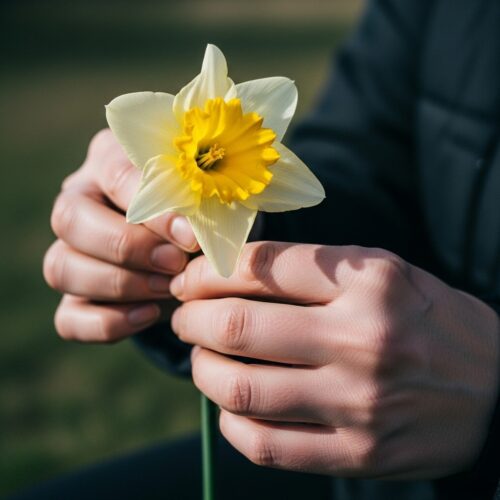
Daffodils are the vibrant heralds of spring. Their bright yellow blooms bring joy and warmth, making them a popular choice for Easter celebrations. They symbolize new beginnings, perfectly aligning with the themes of hope and renewal during this festive season.
Daffodil Meanings in Different Cultures
Daffodils hold various meanings across cultures. In many Western traditions, they represent rebirth and the arrival of spring. In Wales, they are a national symbol, often associated with St. David’s Day, celebrating new life and prosperity. In China, the daffodil signifies good fortune, often given as gifts during the New Year.
Care Tips for Daffodils
Keeping daffodils healthy is simple. Here are some essential care tips:
- Watering: Keep the soil moist but not soggy. Water them at least once a week.
- Sunlight: They thrive in full sun or partial shade, so choose a spot that gets plenty of light.
- Fertilizing: Use a balanced fertilizer every 4-6 weeks during the growing season.
- Post-Bloom Care: Allow the foliage to die back naturally. This helps the bulb store energy for next year’s blooms.
Daffodil Arrangements for Easter
Daffodils make stunning arrangements. They can be used in various ways:
- Simple Bouquets: Combine them with other spring flowers like tulips and hyacinths for a colorful display.
- Table Centerpieces: Place a cluster of daffodils in a clear vase for a fresh, cheerful centerpiece.
- Garden Displays: Plant them in clusters in your garden for a natural, vibrant look.
With their bright colors and symbolic meanings, daffodils are a fantastic choice for any Easter celebration!
Daffodil Flowers
3. Tulip Flowers
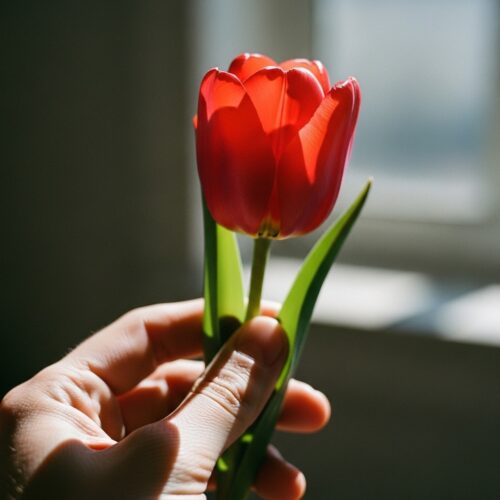
Tulips are a beloved symbol of Easter. Their vibrant colors and graceful shapes make them a popular choice for spring celebrations. Let’s dive into the symbolism of tulips and how to care for them.
Symbolism of Tulips During Easter
Tulips represent love, renewal, and the joy of spring. They are often associated with new beginnings, making them perfect for Easter. Here are some key meanings of tulip colors:
- Red Tulips: Symbolize true love.
- Yellow Tulips: Represent cheerfulness and brightness.
- Purple Tulips: Signify royalty and elegance.
- White Tulips: Indicate purity and forgiveness.
These meanings make tulips an excellent addition to any Easter bouquet or arrangement.
Care Tips for Tulips
To keep your tulips looking fresh throughout the Easter season, follow these care tips:
- Watering: Place tulips in clean water. Change the water every two days to keep them hydrated.
- Trimming: Cut stems at a 45-degree angle. This helps them absorb water better.
- Temperature: Keep tulips in a cool spot, away from direct sunlight. They do best in cooler conditions.
Creative Ways to Use Tulips in Arrangements
Tulips can enhance any Easter decor. Here are some fun ideas for incorporating them:
- Mixed Bouquets: Combine tulips with daffodils and hyacinths for a colorful spring display.
- Single Varieties: Use a single color of tulips in a clear vase for a simple, elegant look.
- Table Centerpieces: Group various colors together for a vibrant centerpiece that captures the essence of Easter.
With their stunning appearance and deep meanings, tulips are a must-have for your Easter celebrations.
Tulip Flowers
4. Hyacinth Flowers
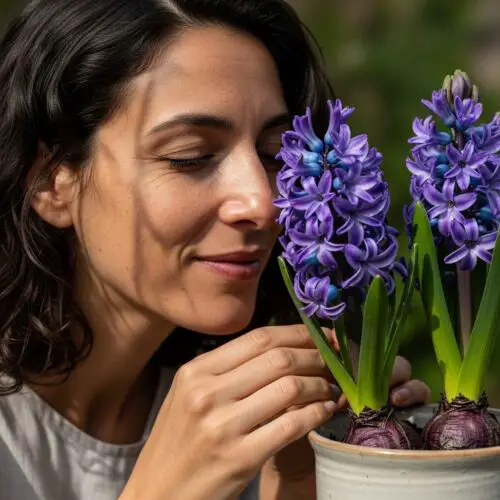
Hyacinths are a delightful choice for Easter. Their sweet fragrance and vibrant colors make them stand out in any arrangement. Plus, they symbolize sincerity and constancy, adding a heartfelt touch to your celebrations.
Hyacinth Symbolism and Significance
Hyacinths carry a rich symbolism. They represent sincerity, which makes them perfect for gifting. Their beauty also signifies constancy and loyalty. In various cultures, hyacinths are associated with spring renewal, emphasizing their relevance during the Easter season.
Care Guidelines for Hyacinths
To keep your hyacinths blooming beautifully, follow these care tips:
- Watering: Keep the soil consistently moist but not soggy. Overwatering can lead to bulb rot.
- Light: Place them in a bright spot, but avoid direct sunlight, which can scorch the petals.
- Temperature: Ideal conditions are cooler, between 60°F and 65°F. This helps prolong their blooms.
- Fertilization: Use a balanced, water-soluble fertilizer every two weeks during the growing season.
Using Hyacinths in Easter Decorations
Hyacinths are versatile in floral arrangements. Here are some creative ways to use them:
- Centerpieces: Combine them with tulips and daffodils for a vibrant spring display.
- Single Blooms: Use individual stems in small vases for a simple yet elegant look.
- Mixed Arrangements: Pair hyacinths with greenery like ferns for a lush appearance.
Tips for Prolonging Hyacinth Life in Arrangements
- Change Water Regularly: Refresh the water every couple of days to keep them hydrated.
- Trim Stems: Cut the stems at a 45-degree angle before placing them in water to enhance water absorption.
- Use Flower Food: Adding flower food can help maintain freshness and extend the life of your hyacinths.
With their stunning fragrance and vibrant hues, hyacinths will undoubtedly enhance your Easter decor!
Hyacinth Flowers
5. Iris Embodies Faith and Wisdom

Irises are striking flowers that can elevate any Easter celebration. With their rich hues and deep symbolism, they bring a touch of elegance and meaning to your decor.
The significance of Irises in Easter
Irises represent faith, wisdom, and hope. Their name is derived from the Greek goddess of the rainbow, symbolizing a connection between heaven and earth. During Easter, they remind us of renewal and spiritual awakening.
- Color Variations:
- Purple: Symbolizes royalty and wisdom.
- Blue: Represents faith and hope.
- White: Signifies purity and innocence.
These vibrant colors can convey different messages, making irises a versatile choice for arrangements.
Care instructions for Irises
To keep your irises looking their best, follow these simple care tips:
- Watering: Ensure the soil is well-drained but moist. Too much water can cause root rot.
- Sunlight: Place them in a sunny spot, as irises thrive in full sun.
- Pruning: After blooming, cut back the foliage to about 6 inches to encourage new growth.
Best practices for arranging Irises
When arranging irises, consider these tips for a stunning display:
- Mixing Colors: Pair purple and white irises for a striking contrast.
- Height Variation: Use shorter flowers around taller irises to create depth.
- Greenery: Add lush greens like ferns or eucalyptus to enhance the arrangement.
These practices will help you create beautiful, eye-catching displays that embody the spirit of Easter.
Iris Flowers
6. Crocus Flowers
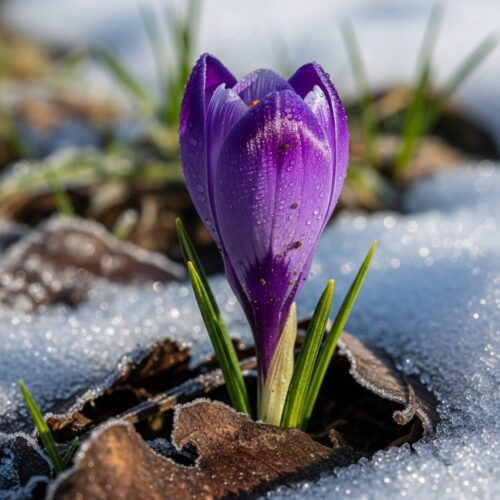
The crocus is one of the first flowers to bloom each spring. Its cheerful colors and delicate petals symbolize youth and happiness, making it a perfect choice for Easter celebrations.
Crocus Significance in Different Cultures
Crocuses have a rich history and are celebrated in various cultures. In ancient Greece, crocuses were linked to the goddess of love, Aphrodite. They symbolized joy and beauty. In some European traditions, crocuses are seen as a sign of spring’s return, marking the end of winter’s gloom. Their vibrant colors bring hope and renewal, echoing the themes of Easter.
Care Tips for Crocuses
Caring for crocuses is easy. Here are some essential tips:
- Planting: Choose a sunny spot with well-drained soil. Plant bulbs in the fall for spring blooms.
- Watering: Water sparingly. Crocuses prefer dry soil after blooming to prevent rot.
- Fertilizing: Use a balanced fertilizer during the growing season for healthy blooms.
Using Crocuses in Easter Arrangements
Crocuses can brighten any Easter arrangement. Here are some ideas for incorporating them:
- Mix with Daffodils: Pair crocuses with cheerful daffodils for a vibrant display.
- Create a Meadow Look: Group different colors of crocuses together to mimic a spring meadow.
- Add Greenery: Use fresh greens like ferns to complement the delicate blooms.
By using crocuses in your Easter decorations, you can capture the beauty of spring and the joy of new beginnings.
Crocus Flowers
7. Hellebore Flowers
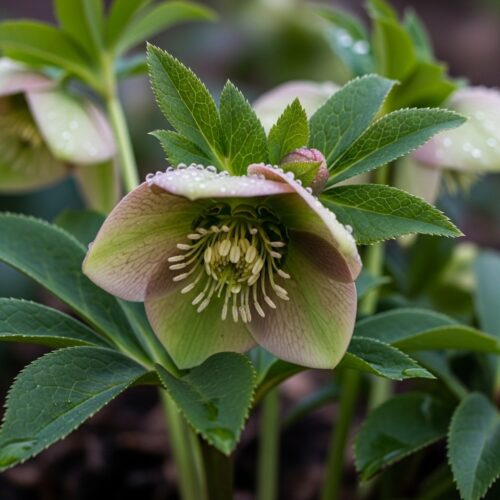
Hellebore, often called the Winter Rose, is a stunning flower that blooms early in the Easter season. Its unique characteristics and rich symbolism make it a fantastic choice for Easter arrangements.
Symbolism of Hellebore in Easter
Hellebores symbolize rebirth and new beginnings. They are among the first flowers to bloom in spring, often pushing through the last remnants of winter snow. In many cultures, they are associated with hope and resilience. This makes them a fitting flower for Easter, celebrating the arrival of spring and the promise of renewal.
Care tips for Hellebores
Hellebores are relatively low-maintenance but require some attention to flourish. Here are key care tips:
- Soil: Plant in well-drained soil enriched with organic matter.
- Light: They thrive in partial to full shade, making them perfect for woodland gardens.
- Watering: Keep the soil moist but not soggy. Water during dry spells.
- Fertilizing: Use a balanced fertilizer in early spring to encourage growth.
Creating arrangements with Hellebore
Hellebores add an elegant touch to any Easter arrangement. Here are some creative ways to use them:
- Mix with Daffodils: Pairing hellebores with bright daffodils creates a beautiful contrast of colors.
- Add Greenery: Use fresh foliage like ferns or ivy to complement the delicate blooms.
- Group Planting: Plant hellebores in clusters for a dramatic effect in your garden or floral display.
For best results, plant hellebores in early fall or late winter. This allows them to establish roots, ensuring they bloom beautifully come Easter. By incorporating hellebores into your celebrations, you can highlight the beauty of spring and the joy of renewal.
Hellebore Flowers
8. Azalea Flowers

Azaleas are stunning, colorful blooms that bring a touch of elegance to Easter celebrations. Their vibrant petals symbolize abundance and beauty, making them a perfect addition to any floral arrangement.
Azalea Significance During Easter
Azaleas are often associated with spring and renewal. Their bright colors and lush foliage represent prosperity and abundance, aligning perfectly with the themes of Easter. Traditionally, they are used in decorations and gifts, symbolizing the joy and beauty of the season.
Care Tips for Azaleas
To keep your azaleas looking their best, follow these care tips:
- Watering: Ensure the soil is consistently moist but not soggy. Water regularly, especially during dry spells.
- Sunlight: Place azaleas in partial shade to avoid scorching their leaves. They thrive in bright, indirect sunlight.
- Soil: Use well-draining, acidic soil for optimal growth. Consider adding mulch to retain moisture.
- Fertilizing: Feed with a slow-release fertilizer specifically designed for acid-loving plants in early spring.
Using Azaleas in Floral Arrangements
Azaleas can elevate your Easter decor with their stunning blooms. Here are some creative ideas:
- Standalone Arrangements: Use azaleas as the focal point in a simple vase for a chic look.
- Mixed Bouquets: Combine azaleas with tulips and daffodils for a vibrant spring bouquet.
- Table Centerpieces: Create an eye-catching centerpiece by grouping azaleas in varying heights alongside candles.
Incorporating azaleas into your Easter decor not only enhances the beauty of your space but also embodies the spirit of the season.
Azalea Flowers
9. Hydrangea Flowers

Hydrangeas are a stunning addition to any Easter celebration. Their lush blooms come in a variety of colors, making them versatile for spring decorations. Let’s explore their meanings and how to care for them.
Hydrangea Meanings in the Context of Easter
Hydrangeas symbolize gratitude and grace. They are often associated with heartfelt emotions, making them a thoughtful choice for Easter gatherings. The big, fluffy blooms can convey a sense of elegance and warmth, perfect for sharing with loved ones during this festive time.
Caring for Hydrangeas
To keep your hydrangeas looking their best, follow these simple care tips:
- Watering: Hydrangeas love moisture. Keep the soil consistently damp but not soggy.
- Sunlight: They thrive in partial shade. Too much direct sunlight can scorch their leaves.
- Pruning: Trim back dead blooms in early spring to encourage new growth and vibrant flowers.
- Fertilizing: Use a balanced fertilizer in early spring to promote healthy blooms.
Creative Uses of Hydrangeas in Easter Decor
Hydrangeas can enhance your Easter decor in many ways. Here are a few ideas:
- Centerpieces: Create a stunning table centerpiece by grouping hydrangeas in a decorative vase. Choose colors that match your Easter theme.
- Floral Wreaths: Make a beautiful wreath using dried or fresh hydrangeas for your front door.
- Bouquets: Combine hydrangeas with other spring flowers like tulips and daffodils for a vibrant bouquet.
Hydrangeas not only add beauty to your Easter festivities but also carry deep meanings that resonate with the spirit of gratitude and grace.
Hydrangea Flowers
10. Gerbera Daisy Flowers
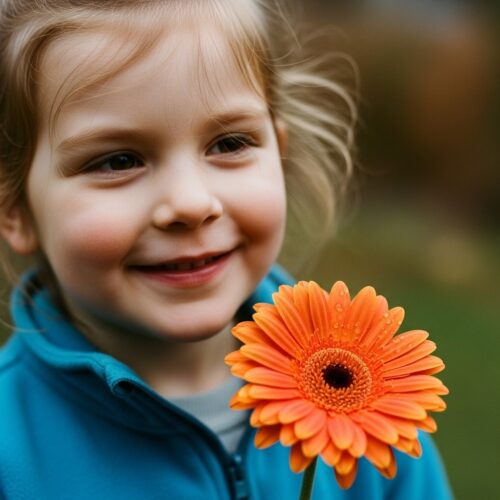
Gerbera daisies are a burst of color and cheer, making them a fantastic addition to any Easter arrangement. Their vibrant hues symbolize joy and innocence, perfect for celebrating the spirit of the holiday.
Meaning of Gerbera Daisies in Easter
Gerbera daisies are often associated with happiness and celebration. In the context of Easter, they embody the joy of new beginnings and the innocence of childhood. Their bright colors, ranging from pinks to yellows and reds, can uplift any setting, creating a festive atmosphere.
Care Instructions for Gerbera Daisies
To keep your gerbera daisies looking fresh throughout the Easter season, follow these care tips:
- Watering: Keep the soil moist but not soggy. Water them when the top inch of soil feels dry.
- Light: Place them in bright, indirect sunlight. Too much direct sunlight can wilt the petals.
- Temperature: Gerbera daisies prefer cooler temperatures, ideally between 60-70°F (15-21°C).
- Pruning: Remove any wilted or dead blooms regularly to promote new growth.
Incorporating Gerbera Daisies in Easter Arrangements
Here are some creative ways to use gerbera daisies in your Easter decor:
- Bouquets: Mix them with other spring flowers like tulips and daffodils for a vibrant centerpiece.
- Table Decor: Use them in small vases along the dining table to add pops of color.
- Wreaths: Create a colorful wreath using fresh or dried gerbera daisies, perfect for your front door.
By incorporating gerbera daisies into your Easter celebrations, you can spread joy and innocence throughout your home. Their cheerful presence will surely enhance any springtime gathering.
Gerbera Daisy Flowers
11. Common Issues in Caring for Easter Flowers
Caring for Easter flowers can be a joy, but it’s not without its challenges. Here’s a look at common problems and how to prevent them.
Identifying Pests and Diseases
Pests like aphids, spider mites, and mealybugs can plague your Easter flowers. Keep an eye out for:
- Sticky residue on leaves.
- Webbing between flowers.
- Discolored leaves or wilting.
To combat these pests, consider using insecticidal soap or neem oil. Regularly inspect your plants and remove any infested leaves.
General Care Tips to Avoid Issues
Proper care goes a long way in keeping your flowers healthy. Here’s a quick checklist:
- Watering: Ensure your flowers are well-watered but not waterlogged. Overwatering can lead to root rot.
- Location: Place flowers in a spot with indirect sunlight. Too much sun can scorch delicate petals.
- Fertilizing: Use a balanced fertilizer every few weeks to promote growth without overwhelming the plants.
Seasonal Adjustments for Care
As the seasons change, so should your care routine. Here are some adjustments to consider:
- Temperature: Keep your flowers in a stable environment. Avoid drafts and sudden temperature changes.
- Humidity: Many Easter flowers thrive in humidity. Mist them regularly or use a humidity tray.
- Pruning: Remove dead or yellowing leaves to encourage new growth and prevent diseases.
12. Arranging Easter Flowers for Maximum Impact
Creating stunning arrangements with Easter flowers can elevate your spring decor. With a few simple techniques, you can bring color and joy into your home.
Tips for Creating Beautiful Floral Arrangements
1. Choose a Focal Flower: Start with a standout flower, like the Easter Lily or Tulip, as the centerpiece. This will draw attention and set the tone for your arrangement.
2. Mix Heights: Use flowers of varying heights to add dimension. Taller flowers like Lilies can be placed in the back, while shorter blooms like Daffodils work well in the front.
3. Layer Wisely: Create layers by grouping flowers in clusters. For instance, place a cluster of Hyacinths beside a cluster of Irises for a vibrant look.
Color Combinations That Work Well
- Pastel Palette: Combine light pink Tulips, soft yellow Daffodils, and white Lilies for a delicate touch.
- Vibrant Mix: Pair bright orange and red Tulips with deep purple Irises for a bold statement.
- Monochromatic Scheme: Stick to one color, like all-white Lilies and white Hydrangeas, for an elegant and timeless arrangement.
Using Foliage and Accents in Arrangements
- Greenery: Incorporate greenery like eucalyptus or ferns to add texture and fill gaps. This keeps arrangements looking lush.
- Accents: Add small accents like baby’s breath or delicate branches. These can enhance the overall look without overpowering your main flowers.
Example Arrangement Checklist
- Focal flower (e.g., Easter Lily)
- Supporting flowers (e.g., Daffodils, Tulips)
- Greenery (e.g., eucalyptus)
- Accent flowers (e.g., baby’s breath)
13. Seasonal Planting Guide for Easter Flowers
Planning ahead is key to enjoying beautiful Easter flowers just in time for the holiday. Here’s a handy guide to help you plant your favorites, ensuring they bloom perfectly for your Easter celebrations.
Ideal planting times for each flower
- Easter Lily: Plant bulbs in late winter or early spring, about 4-6 weeks before Easter.
- Daffodil: These can be planted in the fall, but if you’re starting from bulbs in early spring, aim to plant them at least 2-3 weeks before Easter.
- Tulips: For spring blooms, plant tulips in early spring, about 4 weeks before Easter.
- Hyacinth: Plant hyacinth bulbs in early spring to enjoy their fragrance by Easter, ideally 4-6 weeks prior.
- Iris: Plant iris bulbs in early spring, around 4-5 weeks before the holiday.
- Crocus: These hardy flowers can be planted in late winter or very early spring, ensuring they bloom right around Easter.
- Azalea: Best planted in the spring, about 4-6 weeks before Easter for vibrant blooms.
- Hydrangea: Plant these in early spring, 6-8 weeks before Easter, for full blooms.
- Hellebore: These can be planted in late winter or early spring, ideally 4-6 weeks before Easter for the best display.
Soil and location recommendations
- Well-drained soil: Most Easter flowers thrive in rich, well-drained soil.
- Sunlight: Ensure your flowers get at least 6 hours of sunlight daily.
- Spacing: Space bulbs adequately to allow for growth. Typically, 6-8 inches apart works well.
Companion planting suggestions
- Easter Lily: Pair with tulips for a stunning display.
- Daffodil: Looks great alongside hyacinths for added color.
- Tulips: Combine with daffodils or irises for a vibrant bouquet.
- Hyacinth: Try them with other spring bulbs to create layers of texture and color.
- Iris: Best suited with low-growing plants like pansies for contrast.
14. Alternatives to Traditional Easter Flowers
Easter is a time for renewal, and while traditional flowers like lilies and daffodils are beautiful, there are plenty of unique alternatives that can brighten up your celebrations. These non-traditional blooms can add a fresh twist to your Easter floral displays.
Unique Flowers That Still Symbolize Easter
1. Easter Cactus: This colorful cactus blooms just in time for Easter. Its vibrant flowers symbolize rebirth and joy. Plus, it’s a low-maintenance option for those who might forget to water regularly.
2. Crocus: These cheerful little flowers often poke through the last remnants of snow. They represent youth and happiness, making them a delightful choice for spring.
3. Hellebore: Known as the “Lenten rose,” hellebores bloom early in the season. They symbolize renewal and are perfect for adding depth to your Easter arrangements.
4. Ranunculus: With their layered petals, ranunculus flowers are stunning and symbolize charm. They come in a variety of colors, adding vibrancy to any arrangement.
Incorporate Non-Traditional Flowers
- Sweet Alyssum: This low-growing flower produces tiny blooms that create a carpet of color. They symbolize purity and look lovely in garden borders or as fillers in bouquets.
- Anemones: Their bold colors and unique shapes make them a standout choice. Anemones represent protection and are perfect for adding a pop of color to your Easter table.
- Peonies: Though typically associated with summer, peonies can be found in early spring. They symbolize prosperity and love, making them a heartfelt addition to your Easter festivities.
Pros and Cons of Using Alternatives
| Flower | Pros | Cons |
|---|---|---|
| Easter Cactus | Low maintenance | Limited color options |
| Crocus | Early bloomers | Short lifespan in arrangements |
| Hellebore | Unique look | Can be harder to find |
| Ranunculus | Beautiful layered petals | More delicate, needs careful handling |
| Anemones | Bold colors | Short vase life |
Exploring these alternatives can enhance your Easter floral display and provide a fresh take on the traditional. Consider mixing and matching these unique blooms to create a personalized and striking arrangement. Happy decorating!
15. Comparison of Popular Easter Flowers
Easter flowers are not just beautiful; they each carry unique meanings and care requirements. Here’s a handy comparison of some of the most popular Easter blooms.
Key Differences Among Popular Easter Flowers
| Flower | Symbolism | Color Varieties | Care Requirements |
|---|---|---|---|
| Easter Lily | Purity, Resurrection | White | Keep in bright light, water regularly. |
| Daffodil | New Beginnings | Yellow, White | Thrives in well-drained soil, full sun. |
| Tulip | Love, Renewal | Multiple colors | Needs well-drained soil, water sparingly. |
| Hyacinth | Sincerity, Constancy | Purple, Pink, White | Prefers cool conditions, high humidity. |
| Iris | Faith, Wisdom | Blue, Purple, Yellow | Requires direct sunlight, regular watering. |
| Crocus | Youth, Happiness | Purple, Yellow | Plant in well-draining soil, full sun. |
| Hellebore | Rebirth | White, Purple, Pink | Likes shade, keeps soil moist. |
| Azalea | Abundance, Elegance | Pink, Red, White | Needs partial shade, regular watering. |
| Hydrangea | Gratitude | Blue, Pink, White | Prefers rich, well-drained soil. |
| Easter Cactus | Rebirth | Pink, Red, White | Likes bright indirect light, moderate watering. |
Best Uses for Each Type
- Easter Lily: Perfect for religious services and elegant centerpieces.
- Daffodil: Ideal for cheerful spring bouquets and garden displays.
- Tulip: Great for bright table arrangements and spring-themed decor.
- Hyacinth: Excellent for fragrant arrangements and gift-giving.
- Iris: A stunning addition to mixed bouquets, adding color and height.
- Crocus: Perfect for borders or as ground cover in gardens.
- Hellebore: Adds unique beauty to shaded gardens and early spring displays.
- Azalea: Wonderful for outdoor gardens and colorful accents.
- Hydrangea: Great for large arrangements and garden variety.
- Easter Cactus: A lovely indoor plant that blooms beautifully for Easter.
Care Requirements Comparison
Here’s a quick guide on how to care for these beautiful Easter flowers:
- Easter Lily: Keep in bright light. Water when the top inch of soil is dry.
- Daffodil: Ensure well-drained soil and full sun. Water regularly but avoid soggy soil.
- Tulip: Plant in well-drained conditions. Water sparingly after blooming.
- Hyacinth: Prefers cool conditions. Keep humidity high and water regularly.
- Iris: Requires sunlight and regular watering. Trim spent blooms.
- Crocus: Plant in well-draining soil with full sun exposure. Water lightly.
- Hellebore: Likes shade and moist soil. Prune after flowering.
- Azalea: Needs partial shade and consistent moisture. Fertilize during growing season.
- Hydrangea: Thrives in rich, well-drained soil. Water regularly, especially in summer.
- Easter Cactus: Likes indirect light. Water when the topsoil is dry but avoid overwatering.
16. Cultural Variations in Easter Flower Usage
Flowers play a vital role in Easter celebrations across different cultures. They symbolize renewal and hope, making them perfect for this joyous occasion. Let’s explore how various traditions incorporate these beautiful blooms into their festivities.
Cultural significance of flowers in various regions
1. Western Traditions: In many Western countries, the Easter Lily is the star of the show. Its white blooms symbolize purity and resurrection. People often decorate churches and homes with these flowers to celebrate the holiday.
2. Eastern European Customs: In countries like Poland and Ukraine, Easter flowers include the colorful spring blooms like tulips and daffodils. These flowers are often used in elaborate floral arrangements for Easter baskets, symbolizing new life and joy.
3. Latin America: In places like Mexico, vibrant flowers such as marigolds and cempasúchil are popular during Easter. These flowers are more than decorative; they are believed to honor the spirits of loved ones and bring good fortune.
Unique Easter flower traditions globally
- Greece: The tradition of decorating homes with red-dyed eggs is often complemented by the use of wildflowers. These blossoms symbolize the beauty of spring and the joy of resurrection.
- Philippines: Filipinos celebrate Easter with colorful parades and floral displays featuring local flowers like the gumamela and orchids. These blooms represent celebration and the richness of life.
- Italy: Italians incorporate flowers like azaleas and hydrangeas into their Easter festivities. These flowers are used not only for decoration but also in traditional Easter meals, enhancing the festive spirit.
Incorporate cultural traditions into your celebrations
- Choose Local Blooms: Consider using flowers that are significant in your heritage. This can help personalize your Easter arrangements.
- Create a Mixed Bouquet: Combine traditional Easter flowers with local varieties. This not only adds beauty but also reflects cultural diversity.
- Use Symbolic Colors: Incorporate flowers that represent themes of renewal and rebirth. For example, yellow daffodils symbolize new beginnings, while white lilies represent purity.
17. Final Thoughts on Choosing Easter Flowers
Choosing the right Easter flowers can enhance your celebrations and bring joy to your space. With so many beautiful options, it’s essential to understand their meanings and care tips.
Summary of the significance of Easter flowers
Easter flowers symbolize renewal, hope, and purity. Each flower brings its unique message:
- Easter Lily: Represents purity and resurrection.
- Daffodil: Symbolizes new beginnings and joy.
- Tulip: Signifies love and renewal.
- Hyacinth: Embodies sincerity and beauty.
- Iris: Represents faith and wisdom.
- Crocus: Symbolizes youth and happiness.
- Azalea: Expresses abundance and elegance.
- Hydrangea: Symbolizes gratitude and understanding.
- Hellebore: Represents rebirth and resilience.
Final care tips
Proper care ensures your Easter flowers thrive throughout the season. Here are some quick tips:
- Cut Stems: Always cut stems at a 45-degree angle to promote water absorption.
- Change Water: Refresh the water every two days to keep flowers vibrant.
- Avoid Direct Sunlight: Keep flowers in a cool, shaded area to prolong their life.
- Use Flower Food: If available, mix flower food into the water for added nutrients.
Encouragement to explore and enjoy Easter flowers
Don’t hesitate to mix traditional blooms with local varieties. This personal touch can create stunning arrangements. Consider using a variety of colors and shapes for a vibrant display. Experimenting with different combinations will make your Easter celebrations more festive and meaningful. Embrace the beauty of Easter flowers and let them add warmth and joy to your home!
Frequently Asked Questions
These quick answers cover the most common questions about this topic, including key details, practical tips, and common concerns.
What is the most popular flower for Easter?
The Easter Lily is the most iconic and popular flower associated with Easter. Its white, trumpet-shaped blooms symbolize purity and resurrection, making it a staple in religious and festive decorations.
What’s a good Easter flower?
A good Easter flower is one that embodies themes of renewal, hope, and purity. The Easter Lily, daffodils, tulips, and hyacinths are excellent choices because of their symbolic meanings and vibrant spring colors.
What are popular Easter flowers?
Popular Easter flowers include Easter Lily, daffodils, tulips, hyacinths, irises, crocuses, azaleas, hydrangeas, and hellebores. Each offers unique symbolism and visual appeal suitable for spring celebrations.
What flower is known for blooming around Easter?
Crocuses are known for blooming early in spring, often around Easter. They are among the first flowers to emerge after winter, symbolizing awakening and new beginnings.
How do I care for Easter lilies?
Keep Easter lilies in bright, indirect sunlight. Water when the top inch of soil feels dry, and avoid overwatering. Maintain temperatures between 60-70°F and fertilize every 4-6 weeks during growth.
Can I use non-traditional flowers for Easter?
Yes, you can use non-traditional flowers like hellebores, ranunculus, or Easter cactus. These blooms offer unique textures and colors, adding a fresh twist to your holiday arrangements.
When should I buy or plant Easter flowers?
Plant bulbs like daffodils, tulips, and hyacinths in early spring, about 4-6 weeks before Easter. For potted flowers, buy them a week or two before the holiday to ensure freshness.
How do I arrange flowers for an Easter table setting?
Start with a focal flower like lilies or tulips. Mix heights and colors for visual interest. Add greenery and small accents like baby’s breath. Keep arrangements balanced and proportioned to your table size.