
Yosemite National Park is home to breathtaking landscapes and incredible biodiversity. In this article, we present 18 astonishing facts about this iconic park that will surprise even the most seasoned visitor in 2026.
1. Yosemite Is a UNESCO World Heritage Site
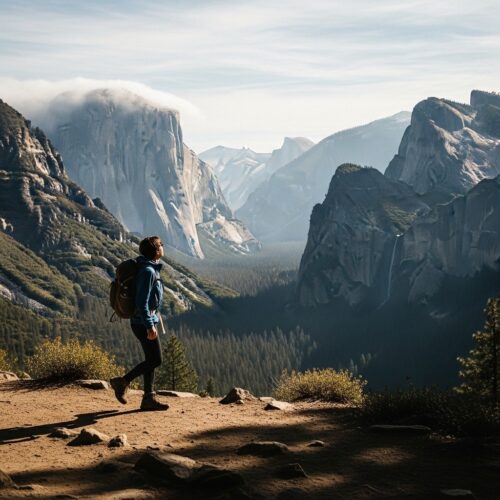
Yosemite’s designation as a UNESCO World Heritage Site is a big deal. It highlights the park’s stunning beauty and its importance to the planet. This recognition plays a key role in conservation efforts.
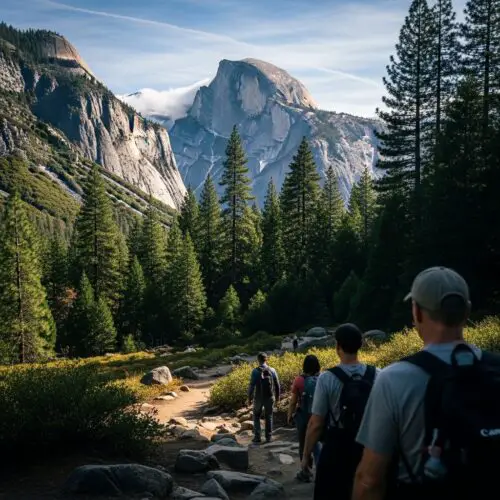
Yosemite’s global recognition
In 1984, Yosemite was honored with UNESCO status. This means it’s recognized as a site of outstanding universal value. The park’s dramatic landscapes, unique geological features, and rich biodiversity contribute to this status.
- Key features:
- Massive granite cliffs like El Capitan and Half Dome
- Waterfalls, including the tallest in North America, Yosemite Falls
- Diverse ecosystems and a variety of plant and animal species
Impact on conservation policies
Being a UNESCO World Heritage Site helps protect Yosemite from threats. The designation enforces stricter conservation policies. It encourages sustainable tourism and habitat preservation.
- Some impacts include:
- Increased funding for park management
- More research on preserving ecosystems
- Enhanced visitor education programs
This recognition also means that global attention is on Yosemite. It inspires conservation efforts not just locally, but worldwide.
Table of Contents
Significance for biodiversity
Yosemite is home to more than 20% of California’s plant species. This includes iconic Giant Sequoias, which can live for thousands of years. The park’s diverse habitats provide a safe haven for countless wildlife.
- Biodiversity highlights:
- Over 400 vertebrate species
- Unique flora and fauna that thrive in various ecosystems
- Ongoing conservation initiatives aimed at protecting these species
Yosemite’s UNESCO status emphasizes the importance of preserving its natural treasures for future generations. It’s a reminder of our responsibility to protect such incredible places.
El Capitan Is the Largest Granite Monolith in the World
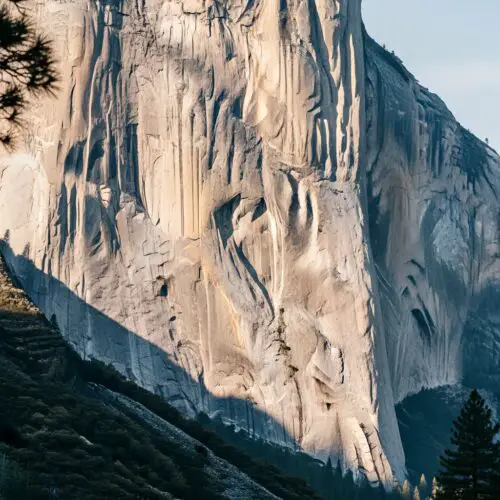
El Capitan is a true giant. Rising about 3,000 feet from the valley floor, it’s the largest exposed granite monolith on Earth. This iconic rock formation is a must-see for anyone visiting Yosemite National Park.
Climbing history and challenges
Climbing El Capitan is no small feat. This massive wall attracts climbers from all over the globe. It offers various routes, with the famous “Nose” being the most popular.
- The first successful ascent of the Nose took a monumental 47 days in 1958.
- Today, elite climbers can scale it in under two hours. Alex Honnold made headlines in 2017 when he free-soloed it in just 3 hours and 56 minutes.
El Capitan presents unique challenges. Climbers face steep grades, changing weather, and the need for strong technical skills. The climbing culture surrounding El Capitan is vibrant, with climbers sharing tips, stories, and experiences.
Significance in rock climbing culture
El Capitan holds a special place in rock climbing history. It’s not just a challenging climb; it symbolizes the spirit of adventure.
- Climbers often refer to it as a rite of passage.
- Many famous climbers have made their mark here, including legends like Warren Harding and Lynn Hill.
The routes on El Capitan have colorful names, like “Never Never Land” and “Wet Denim Daydream.” Each name tells a story, adding to the allure of this rock face.
Geological formation process
El Capitan’s beauty comes from its unique geological history. Formed around 100 million years ago, it started as molten magma deep underground.
- Over time, this magma cooled and crystallized into granite.
- Glacial activity during the ice ages shaped the rock into its current form.
This geological wonder is a prime example of nature’s power. It showcases the incredible processes that create our planet’s landscape. Visitors can witness the result of millions of years of natural history right in Yosemite Valley.
3. Half Dome’s Unique Shape Is a Geological Mystery
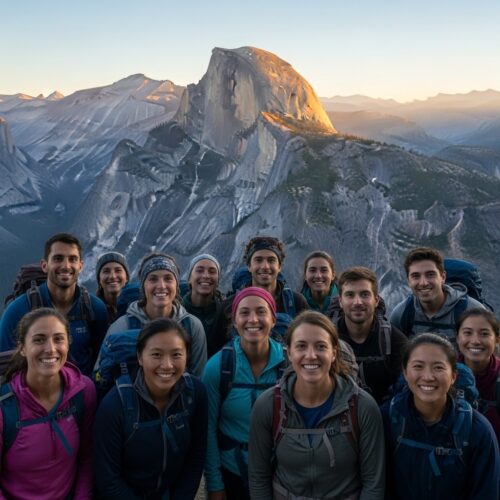
Half Dome is one of Yosemite’s most iconic features. Its unique shape tells a story of natural forces at work over millions of years.
Formation through glacial activity
Half Dome’s striking appearance comes from a combination of geological processes. Here’s how it happened:
- Original Formation: It started as molten magma that cooled into granite beneath the Earth’s surface.
- Erosion: Over time, rivers shaped the rock into a V-shape canyon.
- Glacial Shaping: During the ice ages, glaciers moved through the valley. They carved out the iconic dome shape we see today. The glaciers widened and deepened the valley, leaving behind the sheer cliffs of Half Dome.
This incredible transformation showcases nature’s power and artistry.
Comparison to other geological formations
Half Dome isn’t just unique; it’s part of a fascinating geological family. Here’s how it compares:
- El Capitan: Another famous formation, El Capitan is a granite monolith. While it towers high, Half Dome’s curved shape sets it apart.
- Yosemite Falls: The tallest waterfall in North America, it flows from the same granite rock, showcasing the interconnectedness of these features.
Both Half Dome and El Capitan are prime examples of how glaciers shaped Yosemite’s landscape.
Tourist attraction significance
Half Dome draws visitors from around the world. Here’s why it’s a must-see:
- Hiking: The Half Dome hike is a challenge but rewarding. Hikers experience breathtaking views.
- Photography: The dome is a popular spot for photographers. Its shape and the surrounding scenery make for stunning photos.
- Cultural Importance: It holds significance for the Ahwahneechee people, who have lived in the area for thousands of years.
Half Dome isn’t just a rock; it’s a symbol of Yosemite’s beauty and history.
4. Yosemite Falls Is North America’s Tallest Waterfall
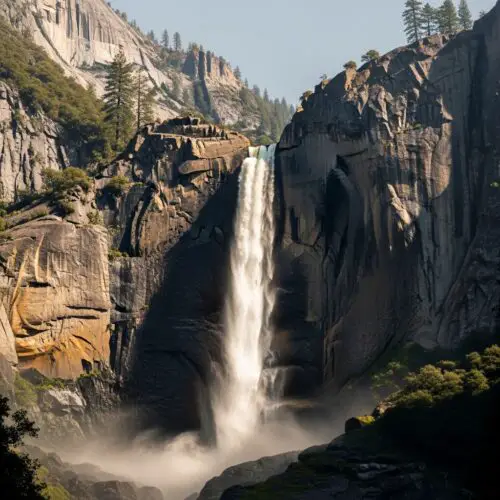
Yosemite Falls is a true wonder of nature. At a staggering height of 2,425 feet, it captures the hearts of visitors every year. Let’s break down its impressive features.
Height breakdown of the three sections
Yosemite Falls isn’t just one waterfall; it’s a dramatic trio. Here’s how it breaks down:
- Upper Yosemite Fall: Drops 1,430 feet. This is the tallest section, plunging straight down in a breathtaking free-fall.
- Middle Cascades: Measures 675 feet. This section features beautiful cascades that flow through a narrow gorge.
- Lower Yosemite Fall: Falls 320 feet. The finale of the trio, this section offers a stunning view and a great spot for photos.
Best seasons to view the falls
The best time to witness Yosemite Falls in all its glory is during the spring. Here’s why:
- Peak Snowmelt: In late spring, usually around May, the snow from the Sierra Nevada melts, feeding the falls.
- Powerful Flow: During this time, the falls roar with enough water to supply about 154,000 average American households daily.
- Visitor Experience: The sound of thundering water and the sight of cascading torrents create an unforgettable experience.
Sound and impact on the valley
The roar of Yosemite Falls is not just a sound; it’s an experience. Here’s what happens:
- Ecosystem Impact: The waterfall’s flow contributes significantly to the valley’s ecosystem. It supports various plants and animals that thrive in the moist environment.
- Acoustic Landscape: The sound of the falls can be heard throughout the valley, adding to the park’s natural symphony of wildlife and wind.
- Visitor Connection: Many visitors describe feeling a deep connection to nature when they hear the falls, making it a highlight of their trip.
Yosemite Falls is not just about height; it’s about the beauty and power that nature offers. Whether you’re hiking nearby or simply soaking in the views, it’s an experience that amazes all who visit.
5. Giant Sequoias Are Among the Largest Living Organisms
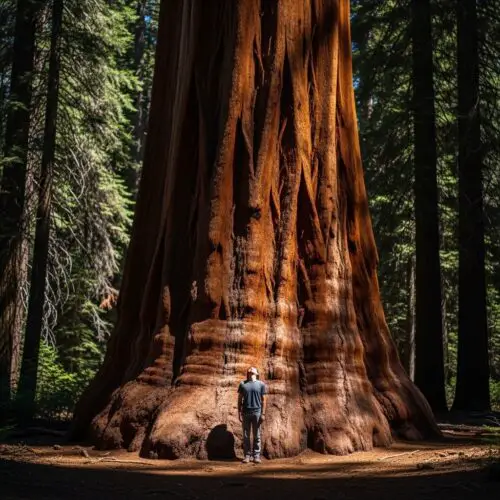
Yosemite National Park is home to some of the largest living things on Earth: the giant sequoias. These magnificent trees are not just impressive in size, but they also play a vital role in the park’s ecosystem.
Age and Size of the Largest Specimens
Giant sequoias can live for over 3,000 years. They are among the oldest and largest trees, with some reaching heights of over 250 feet and diameters of more than 30 feet. The Grizzly Giant, a famous giant sequoia in the Mariposa Grove, is estimated to be between 1,900 and 2,400 years old. This tree alone serves as a living testament to the history of the Earth.
Role in the Ecosystem
These towering giants do more than just awe visitors. They provide shelter and food for countless species, from birds to small mammals. Their thick bark protects them from fire, allowing them to thrive in the park’s natural landscape. Here’s a quick look at their ecological contributions:
- Habitat: Home to various wildlife, including birds, squirrels, and insects.
- Soil Enrichment: Fallen leaves and branches decompose, enriching the soil.
- Climate Regulation: They help in carbon storage, contributing to climate health.
Conservation Efforts for Sequoias
Conserving giant sequoias has been an ongoing effort. In the early 1900s, people recognized their importance and began protective measures. The Yosemite Grant, signed by Abraham Lincoln in 1864, was a landmark step in preserving these natural wonders. Since then, various conservation programs have focused on:
- Fire Management: Controlled burns to mimic natural fire cycles.
- Invasive Species Control: Removing non-native plants that threaten sequoia growth.
- Visitor Education: Programs to teach visitors about the importance of these trees.
By understanding their significance and supporting conservation efforts, we can help ensure that these magnificent giants continue to thrive for generations to come.
6. The Ahwahneechee Were the Original Inhabitants
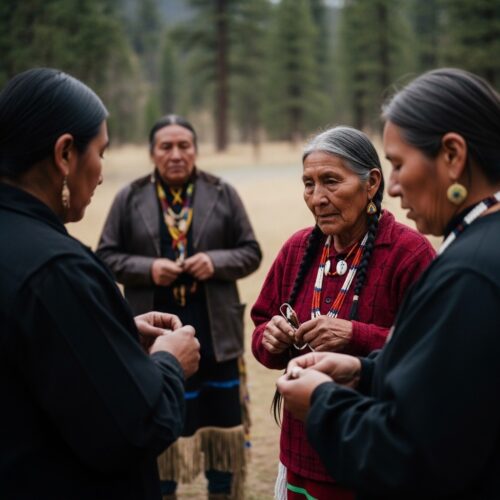
The Ahwahneechee people were the first to call Yosemite Valley home. Their rich cultural heritage and deep connection to the land make them an essential part of Yosemite’s story.
Cultural practices and lifestyle
The Ahwahneechee lived in harmony with nature for thousands of years. They practiced sustainable living, relying on the valley’s resources. Here are some key aspects of their lifestyle:
- Controlled Burns: They used fire to manage the land, promoting biodiversity.
- Hunting and Gathering: Their diet included fish, game, and seasonal plants.
- Basket Weaving: They created intricate baskets from local materials, showcasing their craftsmanship.
The Ahwahneechee’s ways of life illustrate a deep respect for the environment. Their practices helped shape the valley’s ecosystem.
Impact of European contact
European settlers arrived in the mid-19th century, drastically changing the lives of the Ahwahneechee. Here’s how their world transformed:
- Displacement: Many Ahwahneechee were forced from their ancestral lands.
- Cultural Erosion: European influence led to the decline of traditional practices.
- Resistance and Adaptation: Some members of the tribe adapted to new ways while trying to preserve their identity.
Despite these challenges, the Ahwahneechee’s legacy endures. Their struggles and resilience are a testament to their strength.
Legacy and preservation of culture
Today, the Ahwahneechee’s culture is celebrated and preserved in many ways:
- Oral Histories: Stories passed down through generations keep their history alive.
- Cultural Events: Local gatherings celebrate their traditions and educate others about their heritage.
- Education and Awareness: Programs in Yosemite aim to teach visitors about the Ahwahneechee and their contributions.
By recognizing the Ahwahneechee’s history, we honor their connection to Yosemite National Park. Their story is a vital part of the park’s narrative, reminding us of the importance of cultural preservation.
7. John Muir’s Advocacy Was Crucial to Yosemite’s Preservation
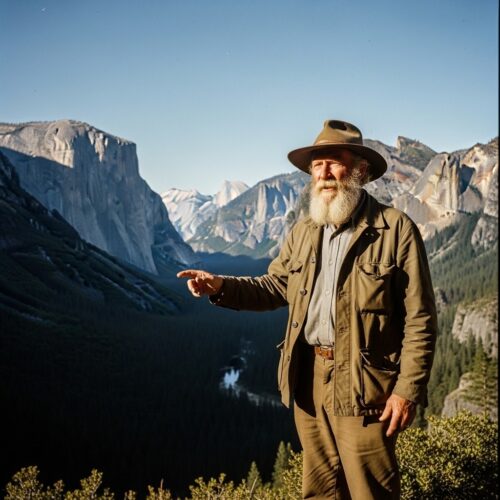
John Muir played a key role in bringing Yosemite’s beauty to the forefront of conservation efforts. His passion for nature and powerful writing inspired many to appreciate and protect this stunning landscape.
Muir’s writings and their impact
Muir’s writings were more than just words; they were a call to action. He captured the essence of Yosemite through vivid descriptions. His essays and books painted a picture of the park’s majestic wonders, from the towering El Capitan to the rushing Yosemite Falls. These works reached thousands, sparking an interest in the natural world.
- Muir’s book, The Yosemite, published in 1912, is a celebrated piece that showcases his love for the park.
- His vivid imagery helped people understand the importance of preserving these wild spaces.
Connection to the national parks movement
Muir’s advocacy directly influenced the establishment of the National Park System. He believed that nature should be protected for future generations. His efforts led to the creation of Yosemite National Park in 1890, a landmark moment in conservation history.
- Muir invited President Theodore Roosevelt to Yosemite in 1903. This trip was pivotal, as it solidified Roosevelt’s commitment to conservation.
- Muir’s relationship with Roosevelt helped promote the idea that national parks were essential for preserving America’s natural heritage.
Personal anecdotes from Muir’s life
Muir’s life was filled with adventures in nature. He often hiked for days, immersing himself in the wilderness. These experiences fueled his writings and activism.
- After arriving in California in 1868, Muir fell in love with Yosemite. He famously asked a local how to find the wildest places.
- His passion for nature was contagious. Muir’s stories and experiences encouraged many to explore and protect the great outdoors.
Through his writings, personal experiences, and connections, John Muir became a cornerstone of Yosemite’s preservation. His legacy lives on, reminding us of the importance of protecting our natural wonders.
8. Abraham Lincoln Signed the Yosemite Grant in 1864

The Yosemite Grant was a groundbreaking moment in U.S. conservation history. Signed by President Abraham Lincoln in 1864, it laid the foundation for the National Park System we cherish today.
Historical context of the signing
In the midst of the Civil War, President Lincoln recognized the need to protect the stunning beauty of Yosemite Valley and the Mariposa Grove of giant sequoias. This act was the first time the U.S. government set aside land specifically for preservation and public enjoyment. Before this, nature was often seen as something to exploit, rather than preserve.
First steps toward national park system
The Yosemite Grant served as a model for future conservation efforts. It inspired the creation of more national parks across the country. In 1872, Yellowstone became the first official national park, following the precedent set by Yosemite. This chain reaction highlighted the importance of protecting natural wonders for future generations.
Long-term implications for conservation
The Yosemite Grant not only preserved a magnificent landscape but also sparked a cultural shift. People began to appreciate the value of nature. John Muir, a passionate advocate for conservation, used the Yosemite Grant as a rallying point in his campaigns. His work helped elevate the conversation around the importance of preserving wild spaces.
- Impact on legislation: The Yosemite Grant paved the way for the National Park Service, established in 1916. It underscored the need for a dedicated body to manage and protect these natural treasures.
- Cultural significance: This act symbolized a new attitude towards nature. It encouraged future generations to explore, cherish, and advocate for the environment.
The Yosemite Grant marked the start of a legacy that continues to influence conservation efforts and our relationship with nature today.
9. Yosemite Is Home to Over 400 Species of Vertebrate Animals

Yosemite is a biodiversity hotspot. It’s home to over 400 species of vertebrate animals. From majestic mammals to colorful birds, the park’s wildlife is truly amazing.
Notable species found in the park
Yosemite’s wildlife includes some fascinating species. Here are a few highlights:
- Black Bears: These iconic creatures roam the park. They’re often seen foraging for food in the spring and summer.
- Sierra Nevada Bighorn Sheep: This rare herd is found in the higher reaches of the park. There are only about 30 individuals left.
- Yosemite Toad: This unique amphibian is on the endangered list. It thrives in the park’s meadows.
- Great Gray Owl: This elusive bird can be spotted in the park’s dense forests. It’s known for its striking appearance.
- Peregrine Falcon: The fastest bird on the planet. They nest on the cliffs, making for a thrilling sight.
Conservation efforts for endangered species
Yosemite is dedicated to protecting its wildlife. Conservation efforts focus on several endangered species. The park works hard to restore habitats and monitor populations.
For example, the Sierra Nevada Bighorn Sheep have seen a slight recovery due to these efforts. Park rangers conduct regular checks to ensure their safety.
Seasonal wildlife viewing opportunities
Yosemite offers unique wildlife viewing experiences throughout the year. Here’s a seasonal checklist for wildlife spotting:
- Spring: Look for black bears emerging from hibernation and baby deer learning to walk.
- Summer: Spot bighorn sheep high on the cliffs and migratory birds nesting.
- Autumn: Watch as animals gather food for winter; you might even see the vibrant colors of aspen trees.
- Winter: Look for tracks in the snow and watch for wildlife like coyotes and mountain lions.
By planning your visit around these seasons, you can make the most of your wildlife viewing adventures in Yosemite!
10. Yosemite’s Fire-Dependent Ecosystem Supports Biodiversity
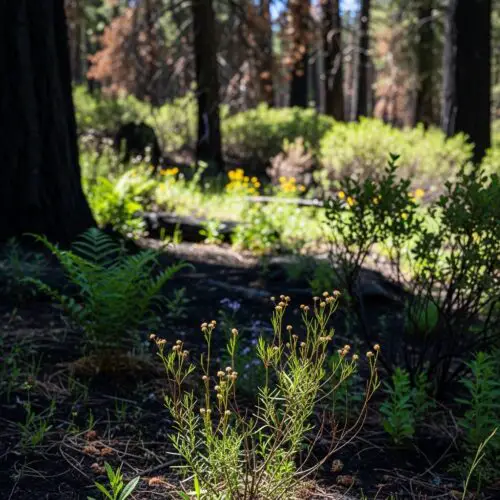
Fire is a natural part of Yosemite’s ecosystem. It plays a crucial role in keeping the park’s landscapes healthy and vibrant.
Benefits of Controlled Burns
Controlled burns are used to manage wildfires and promote ecosystem health. Here’s how they help:
- Promote New Growth: Fire clears out old vegetation, making way for new plants.
- Increase Biodiversity: Many species thrive in post-fire environments. This includes wildflowers and various grasses.
- Reduce Hazardous Fuels: By burning off excess brush, controlled burns lower the risk of larger, uncontrolled wildfires.
Impact on Flora and Fauna
Yosemite’s unique plants and animals depend on fire. Here’s a closer look:
- Giant Sequoias: These iconic trees rely on fire for regeneration. Their thick bark protects them from flames, allowing them to grow new seedlings after a fire.
- Wildlife Habitats: Many animals, like deer and bears, benefit from the new food sources that emerge after a fire.
- Insects and Pollinators: Fires create open spaces that attract various insects, which are vital for pollination.
Historical Fire Management Practices
Yosemite has a rich history of fire management. Here’s how it has evolved:
- Traditional Practices: Native American tribes, like the Ahwahneechee, used fire to manage the land. They created open areas for hunting and gathering.
- Modern Strategies: The National Park Service now integrates fire into its management plans. They balance ecological needs with visitor safety.
Fire is more than just a destructive force in Yosemite. It’s essential for maintaining the health and beauty of this stunning national park.
11. The Park Receives Over 4 Million Visitors Annually

Yosemite National Park is a popular destination, attracting over 4 million visitors each year. This incredible number highlights not just the park’s beauty but also its importance in the American landscape.
Peak Visitation Months
Most visitors flock to Yosemite between May and October. Here’s how the numbers break down:
- May: 450,000 visitors
- June: 800,000 visitors
- July: 1 million visitors
- August: 1 million visitors
- September: 700,000 visitors
- October: 400,000 visitors
Summer sees the highest numbers, especially in July and August, when families and outdoor enthusiasts enjoy the warm weather.
Visitor Demographics
Yosemite attracts a diverse crowd. Here’s who’s visiting:
- Families: Many come for camping and hiking.
- Adventure Seekers: Rock climbers and backpackers are drawn to the challenging terrains.
- Nature Lovers: Bird watchers and photographers enjoy the park’s rich biodiversity.
This mix creates a vibrant atmosphere. Everyone shares the same awe for Yosemite’s stunning landscapes.
Impacts of Tourism on the Park
While the influx of visitors is great for local economies, it can strain the park’s resources. Here are some impacts:
- Trail Erosion: Heavy foot traffic can wear down paths, making them less accessible.
- Wildlife Disruption: Animals may change their behaviors due to human presence, affecting ecosystems.
- Waste Management: More visitors mean more litter, challenging park services to keep areas clean.
To mitigate these effects, the park offers education programs. They encourage visitors to practice Leave No Trace principles and respect wildlife.
Yosemite’s beauty continues to captivate millions, but it’s up to all of us to help protect it for future generations.
12. Most Visitors Explore Only a Small Part of the Park
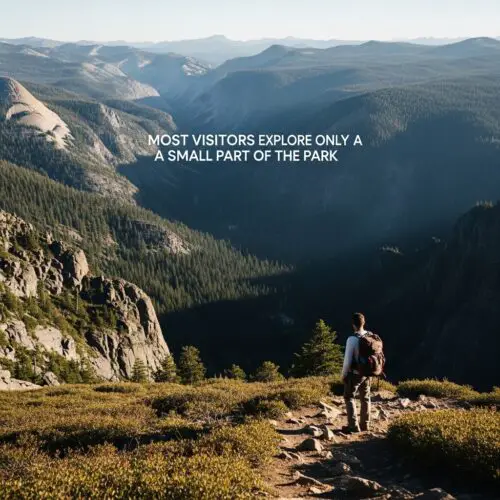
Yosemite Valley is the star of the show, but it’s just a tiny fraction of Yosemite National Park. Most visitors stick to this small area, leaving the vast wilderness largely untouched. Let’s dive into what that means for your visit.
Comparative area of the park to the valley
Yosemite National Park covers over 1,187 square miles. That’s about the size of Rhode Island! Yet, Yosemite Valley is only 7 miles long. With so much more to explore, here are some key areas you might miss:
- Hetch Hetchy Valley: Less crowded and equally beautiful.
- Tuolumne Meadows: A high-altitude area with stunning views and wildflowers.
- Glacier Point: Offers breathtaking panoramas of the valley below.
Encouraging off-the-beaten-path exploration
While Yosemite Valley features iconic spots like El Capitan and Half Dome, exploring beyond the valley reveals hidden gems. For example, visit Mariposa Grove to see giant sequoias or hike to Yosemite Falls for a quieter experience.
Here are a few trails to consider:
- Mist Trail: A popular route, but venture to Nevada Fall for fewer crowds.
- Four-Mile Trail: Connects to Glacier Point and provides a different perspective on the valley.
- Cathedral Lakes: A serene, picturesque spot perfect for a picnic.
Benefits of visiting lesser-known areas
Exploring less-trafficked parts of the park offers unique benefits:
- Wildlife Viewing: Fewer people mean animals are more likely to be seen.
- Peaceful Hiking: Enjoy nature without the hustle and bustle.
- Stunning Views: Discover fresh perspectives on Yosemite’s beauty.
By stepping outside of Yosemite Valley, you’ll find a whole new side to this stunning national park. So grab your gear and venture off the beaten path!
13. Winter Transforms Yosemite Into a Snowy Wonderland
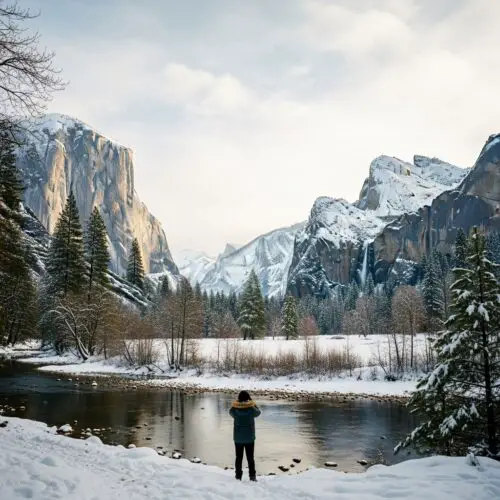
Yosemite in winter is like stepping into a snow globe. The park’s iconic features shine under a blanket of snow, creating a magical atmosphere. Here’s what makes winter in Yosemite so special.
Winter sports available
Yosemite offers a variety of winter sports that cater to all skill levels. Whether you’re a seasoned pro or a newbie, there’s something for everyone.
- Skiing and Snowboarding: Head to Badger Pass Ski Area, California’s first alpine resort. It’s perfect for families, with gentle slopes and lessons for beginners.
- Snowshoeing: Explore the tranquil landscapes on snowshoes. Ranger-led tours are available, offering insights into the park’s ecosystem.
- Cross-Country Skiing: Glide through the serene trails. The peaceful surroundings make it a delightful experience.
Photography opportunities
Winter offers unique photography chances that you won’t want to miss. The snow-covered landscapes provide stunning backdrops.
- Yosemite Falls: Capture the majestic falls, often surrounded by icy formations.
- El Capitan and Half Dome: These iconic rock formations look breathtaking when dusted with snow.
- Starry Nights: Winter skies are clear, making for fantastic night photography. Bring your camera for some unforgettable shots.
Wildlife behavior in winter
Winter is a fascinating time to observe wildlife in Yosemite. Many animals adapt to the cold, and some can be spotted more easily.
- Deer: Mule deer are often seen foraging for food in the snow.
- Birds: Look for species like the Stellar’s jay and the mountain chickadee, which are more active during this season.
- Tracks in the Snow: Follow animal tracks to learn about their movements. This can be a fun activity for families.
Seasonal packing list for winter visitors
Planning a winter trip? Here’s a quick packing list to ensure you have everything you need:
- Warm Clothing: Layer up! Bring thermal wear, gloves, hats, and waterproof jackets.
- Footwear: Insulated, waterproof boots are a must for snowy trails.
- Ski Gear: If you plan to ski, don’t forget your gear or consider renting on-site.
- Camera: Capture those picture-perfect moments.
- Hydration and Snacks: Keep energy up while you explore.
Yosemite in winter is a hidden gem. Embrace the chill and enjoy the beauty that this season brings!
14. The Park’s Ecosystem Supports Unique Flora and Fauna
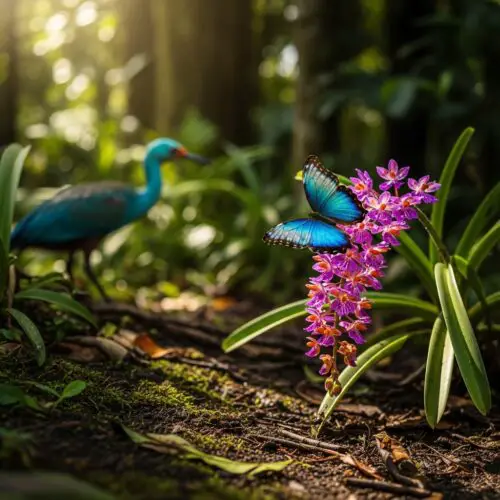
Yosemite National Park is a treasure trove of biodiversity. Its diverse ecosystems host a variety of unique plant species, each adapted to thrive in this stunning environment. Let’s dive into some of the incredible flora that makes Yosemite special.
Native Plant Species
Yosemite is home to over 1,450 species of flowering plants. Among these are the rare Yosemite woolly sunflower and Tompkins’ sedge. These plants are perfectly adapted to their habitats, showcasing nature’s resilience.
- Yosemite Woolly Sunflower: This bright yellow flower thrives in rocky soils and is a symbol of the park’s unique ecology.
- Tompkins’ Sedge: Found in wet meadows, this plant plays a crucial role in stabilizing soil and providing habitat for wildlife.
Adaptations to the Environment
Plants in Yosemite have developed fascinating adaptations to survive in their specific environments. Here are a few examples:
- Giant Sequoias: These majestic trees are fire-resistant and can live for thousands of years. Their thick bark protects them from wildfires, allowing them to thrive in a fire-prone landscape.
- Alpine Plants: Species like the Sierra Nevada Bighorn Sheep’s forage are specially adapted to harsh, high-altitude conditions. They have short growing seasons and can withstand extreme temperatures.
Conservation Efforts for Rare Plants
With so many unique species, conservation is vital. Yosemite has implemented several efforts to protect its rare flora:
- Habitat Restoration: The park actively restores habitats that have been damaged by human activity or climate change.
- Monitoring Programs: Scientists monitor rare plants to track their health and population trends, ensuring that they receive the necessary protection.
Here’s a quick guide to some native plants and their uses:
| Plant Name | Use |
|---|---|
| Yosemite Woolly Sunflower | Attracts pollinators and supports local wildlife. |
| Tompkins’ Sedge | Stabilizes soil in wet areas, preventing erosion. |
| Giant Sequoia | Provides habitat for numerous species and is a key part of the ecosystem. |
Yosemite’s flora is not just beautiful; it’s essential for the health of the park’s ecosystem. Each plant plays a role in supporting wildlife and maintaining the natural balance.
15. The Park Houses Historic Structures and Landmarks

Yosemite National Park is home to a treasure trove of historic buildings and landmarks. Each one tells a story about the park’s rich history and its commitment to preservation.
Notable Historic Sites
- Yosemite Valley Chapel: Built in 1879, this charming chapel is one of the oldest structures in the park. It showcases stunning Gothic architecture and offers breathtaking views of the surrounding landscape.
- The Ahwahnee Hotel: Opened in 1927, this luxurious hotel features a blend of Native American and Arts and Crafts design. It’s a great spot to soak in the park’s scenic beauty while enjoying a meal or afternoon tea.
- Wawona Hotel: This rustic hotel has roots dating back to the 1870s. It captures the spirit of the early park visitors, providing a glimpse into Yosemite’s past.
Architectural Styles and Influences
Yosemite’s historic structures reflect various architectural styles:
- Gothic Revival: Seen in the Yosemite Valley Chapel, this style emphasizes pointed arches and intricate details.
- Arts and Crafts Movement: The Ahwahnee Hotel embodies this style with its emphasis on craftsmanship and natural materials.
- Rustic Architecture: Many park buildings, including Wawona Hotel, embrace local materials, blending seamlessly into the natural landscape.
Role in Park History
Historic structures play a crucial role in Yosemite’s heritage:
- Cultural Significance: They honor the Ahwahneechee people, the park’s original inhabitants, and celebrate their connection to the land.
- Preservation Efforts: The park has invested in maintaining these structures. This ensures future generations can appreciate their beauty and history.
- Visitor Experience: These landmarks enhance the park experience, offering visitors a chance to connect with Yosemite’s past while enjoying its stunning natural beauty.
Yosemite’s historic buildings aren’t just pretty—they’re a vital part of the park’s identity. They remind us of the importance of conservation and the rich stories waiting to be uncovered.
16. Yosemite’s Landscape Has Been Shaped by Glacial Activity
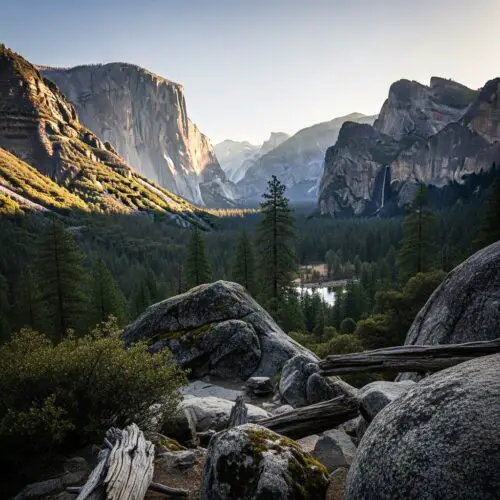
Yosemite’s stunning landscapes owe much of their beauty to powerful glaciers. These icy giants carved out valleys, shaped mountains, and created breathtaking features we see today.
Types of Glaciers in the Park
Yosemite is home to several types of glaciers that have played a vital role in its formation:
- Valley Glaciers: These glaciers flow down from the high peaks, carving U-shaped valleys.
- Piedmont Glaciers: They spread out onto flatter terrain from the valley glaciers.
- Cirque Glaciers: Found in bowl-shaped depressions, these smaller glaciers also contribute to the landscape.
Impact on Current Landscape
Glaciers have left their mark on Yosemite in many ways:
- U-Shaped Valleys: Glacial activity transformed V-shaped river valleys into wide U-shaped valleys.
- Rock Formations: Iconic formations like El Capitan and Half Dome were shaped by glacial erosion.
- Waterfalls: Yosemite Falls, the tallest waterfall in North America, was formed as glaciers melted and carved pathways.
Geological Evidence of Glacial Activity
The evidence of glacial activity is everywhere in Yosemite:
- Scratches and Grooves: Look closely at the rocks. You’ll see scratches left by moving glaciers.
- Moraines: These are piles of debris that glaciers pushed along. They show where glaciers once flowed.
- Before-and-After Images: Historical photos reveal how dramatically the landscape has changed due to glacial action.
Yosemite’s glaciers are more than just ice; they are the architects of the park’s stunning vistas. Each feature tells a story of nature’s power and the passage of time.
17. The Park Faces Conservation Challenges Due to Climate Change
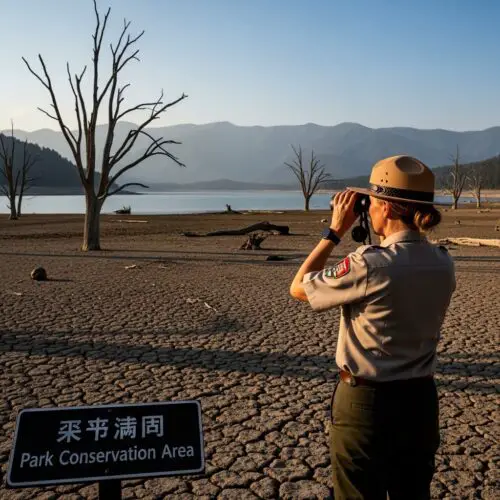
Yosemite National Park isn’t just a pretty face; it’s facing big challenges due to climate change. These issues threaten its stunning landscapes and diverse wildlife.
Impact on Flora and Fauna
Climate change is altering the habitats that many plants and animals depend on. Some key impacts include:
- Changing Seasons: Warmer temperatures lead to earlier springs. This affects blooming periods and food availability for wildlife.
- Water Availability: Drought conditions can reduce water supplies in streams and lakes, impacting species like fish and amphibians.
- Species Migration: Animals may move to higher elevations in search of cooler temperatures, disrupting existing ecosystems.
For example, the iconic Giant Sequoias are vulnerable. These ancient trees rely on specific climate conditions to thrive. A shift in these conditions could lead to decreased regeneration and increased susceptibility to pests.
Conservation Strategies
Yosemite is actively working to combat these challenges. Here are some strategies being implemented:
- Restoration Projects: Efforts are underway to restore native habitats that have been impacted by climate change. This includes replanting trees and removing invasive species.
- Wildlife Monitoring: Researchers are tracking animal populations to understand how they are adapting to climate changes. This data helps park managers make informed decisions.
- Water Management: Strategies are in place to manage water resources more effectively, ensuring that both wildlife and visitors have access to this vital resource.
Future Outlook for the Park
The future of Yosemite depends on effective conservation. As climate change continues to evolve, the park faces ongoing challenges.
- Increased Research: Ongoing studies will help park officials better understand climate impacts and how to mitigate them.
- Visitor Education: Educating park visitors about the importance of conservation and responsible behavior can play a role in protecting Yosemite’s ecosystems.
- Sustainable Practices: Implementing eco-friendly practices in park operations can reduce the park’s carbon footprint and promote sustainability.
By staying proactive, Yosemite National Park aims to preserve its natural wonders for future generations. The challenges are real, but so are the efforts to keep this iconic destination thriving.
18. The Park Hosts Numerous Events and Educational Programs
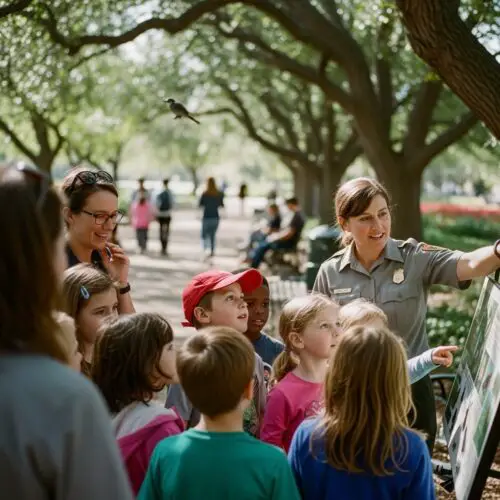
Yosemite National Park is not just about breathtaking views and towering cliffs. It’s also a hub for learning and community events. Visitors can dive into educational programs that highlight the park’s rich history and diverse ecosystems.
Types of Events Hosted
Throughout the year, Yosemite offers various events that cater to all ages. Here are some popular ones:
- Ranger-led Programs: Join park rangers for guided hikes, talks, and evening programs. These sessions cover everything from geology to wildlife.
- Wildflower Walks: In spring, explore the stunning blooms with knowledgeable guides. Learn about the local flora and its role in the ecosystem.
- Cultural Events: Celebrate the heritage of the Ahwahneechee people through storytelling and traditional crafts.
Educational Benefits for Visitors
Participating in these events enhances your understanding of Yosemite. Here’s what you gain:
- In-depth Knowledge: Learn about the park’s geological features, like El Capitan and Half Dome, from experts.
- Conservation Awareness: Discover ongoing conservation efforts and how you can help protect this natural wonder.
- Wildlife Insights: Understand the diverse species that call Yosemite home and their ecological significance.
Participate in Programs
Joining an educational program is easy. Here’s how you can get involved:
1. Check the Calendar: Visit the park’s official website for a list of events.
2. Registration: Some programs require advance registration. Make sure to sign up early.
3. Plan Your Visit: Consider visiting during special events like the Yosemite Music Festival or Earth Day celebrations for a unique experience.
With so many educational opportunities, Yosemite National Park makes learning fun and engaging for everyone!
19. Yosemite Is a Model for Future National Parks
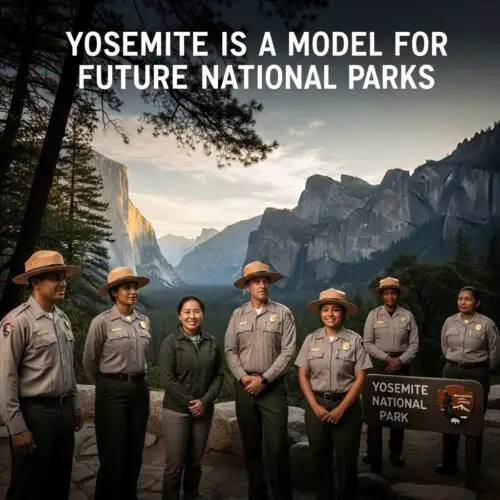
Yosemite National Park isn’t just a beautiful escape; it has set the stage for how we manage and protect our natural treasures. Its influence extends far beyond its borders, shaping national park legislation and conservation efforts worldwide.
Influence on National Park Legislation
Yosemite was a pioneer in conservation. When President Lincoln signed the Yosemite Grant in 1864, it was a groundbreaking move. It marked the first time land was set aside for public enjoyment and preservation. This action inspired the creation of the National Park Service in 1916.
- First Protected Area: The Yosemite Grant was the first of its kind in the United States.
- Inspiration for Others: The principles established here influenced other parks. They adopted similar management strategies to preserve natural landscapes.
Best Practices in Park Management
Yosemite’s management strategies provide a framework for national parks around the globe. Here are some key practices:
- Visitor Education: Programs educate visitors about the park’s ecology and history.
- Sustainable Tourism: Efforts to manage visitor numbers help protect fragile ecosystems.
- Conservation Initiatives: Ongoing projects focus on preserving biodiversity and restoring habitats.
For example, the park has implemented a shuttle system to reduce traffic congestion. This model has been adopted by other parks, showcasing effective crowd management.
Global Impact on Conservation Efforts
Yosemite’s influence reaches far beyond the U.S. It’s a case study for international conservation strategies. Countries look to Yosemite for examples of how to balance tourism and preservation.
- Biodiversity Conservation: The park’s efforts to protect native species serve as a model for biodiversity initiatives elsewhere.
- Cultural Heritage Preservation: The recognition of the Ahwahneechee people’s history has prompted other parks to acknowledge and integrate indigenous perspectives.
Yosemite stands as a beacon for future national parks. Its legacy teaches us that protecting nature is vital for future generations.
Frequently Asked Questions
These quick answers cover the most common questions about this topic, including key details, practical tips, and common concerns.
What are 5 fun facts about Yosemite National Park?
Yosemite is home to the tallest waterfall in North America, Yosemite Falls, which drops over 2,400 feet. El Capitan is the largest granite monolith in the world, standing about 3,000 feet tall. The park contains over 20% of California’s plant species, including ancient Giant Sequoias that can live for thousands of years. Yosemite was the first natural area to be protected by the U.S. government, thanks to the Yosemite Grant signed by Abraham Lincoln. Additionally, John Muir’s advocacy helped establish Yosemite as a national treasure.
Why is Yosemite important?
Yosemite is vital for its unique geological features, biodiversity, and cultural history. It showcases some of the most dramatic landscapes shaped by glaciers and tectonic activity. The park also supports hundreds of species of plants and animals, many of which are rare or endangered. Moreover, Yosemite played a pioneering role in conservation, inspiring the national park movement and environmental protection efforts worldwide.
When is the best time to visit Yosemite?
The best time to visit depends on your interests. Spring (April to June) offers the most spectacular waterfalls due to snowmelt. Summer (July to September) is ideal for hiking and climbing, but it’s also the busiest season. Fall (October) provides fewer crowds and beautiful foliage. Winter (December to February) transforms Yosemite into a snowy wonderland perfect for skiing, snowshoeing, and enjoying a quieter experience.
What are some common challenges when visiting Yosemite?
Visitors often face issues like crowded trails, limited parking, and unpredictable weather. Many make the mistake of visiting only Yosemite Valley and missing the park’s vast wilderness. Wildlife encounters can be dangerous if visitors don’t follow safety guidelines. Additionally, overuse can lead to trail erosion and habitat disturbance. Planning ahead and following Leave No Trace principles can help mitigate these challenges.
How does Yosemite compare to other national parks?
Yosemite is renowned for its iconic granite cliffs, waterfalls, and giant sequoias. Unlike Yellowstone, which features geothermal features and a broader array of ecosystems, Yosemite emphasizes dramatic mountain landscapes. It’s more accessible for rock climbing and hiking. Both parks are UNESCO World Heritage Sites, but Yosemite’s geological formations and cultural history give it a unique character.
What are some alternative destinations to visit in California?
If you love Yosemite, consider visiting Sequoia and Kings Canyon National Parks for more giant sequoias. Lassen Volcanic National Park offers volcanic landscapes similar to Yellowstone. Death Valley is perfect if you want desert scenery. For coastal beauty, Big Sur and Channel Islands National Park provide stunning ocean views. These parks offer diverse experiences within California’s rich natural landscape.
What wildlife viewing opportunities are seasonal in Yosemite?
Spring and early summer are great for spotting baby animals like deer and bears emerging from hibernation. Fall is ideal for observing animals gathering food for winter, such as squirrels and birds. Winter tracks in the snow can reveal the presence of coyotes, mountain lions, and bobcats. Early mornings and dusk are the best times for wildlife sightings, especially in less crowded areas.
What visitor safety tips should I know before going to Yosemite?
Always stay on designated trails and carry plenty of water. Be prepared for sudden weather changes, especially at high elevations. Use bear-proof containers for food and avoid leaving trash behind. Wear appropriate footwear and clothing for the terrain. Check park alerts for trail closures or fire restrictions. Keep a safe distance from wildlife and never feed animals.