
Hawaii Volcanoes National Park is a geological marvel offering unique experiences for visitors. This article presents 20 fascinating facts that every 2026 visitor should know to enhance their adventure in this UNESCO World Heritage site.
1. Hawaii Volcanoes National Park is a UNESCO World Heritage Site
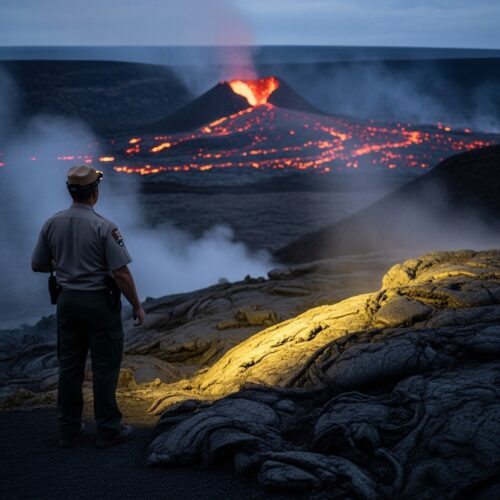
Hawaii Volcanoes National Park is not just a beautiful place; it’s a UNESCO World Heritage Site. This designation highlights its global significance in terms of geology, biodiversity, and cultural heritage. Let’s dive into what this means for visitors.
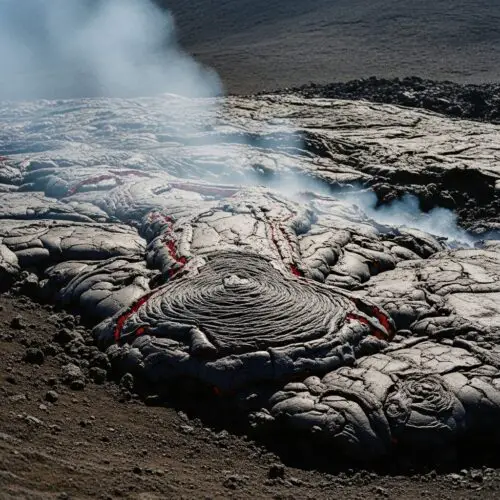
UNESCO designation reflects global importance
Being a UNESCO World Heritage Site means the park is recognized for its unique geological features and ecological diversity. This status protects the park and ensures that its wonders are preserved for future generations.
- Geological Features: The park is home to Kīlauea and Mauna Loa, two of the world’s most active volcanoes. Their ongoing eruptions offer a rare chance to witness volcanic activity up close.
- Biodiversity: The park hosts a variety of ecosystems, from lush rainforests to volcanic deserts. This diversity supports many unique species found nowhere else on Earth.
Cultural heritage intertwined with the land
The park holds deep cultural significance, especially to Native Hawaiians. It’s considered sacred, with connections to Pele, the goddess of fire and volcanoes. As you explore, you may encounter offerings and sites that reflect this rich heritage.
- Cultural Sites: Many areas within the park are important to Hawaiian traditions and stories. Respect these spots as you enjoy the stunning landscapes.
- Visitor Experience: Understanding the cultural significance can deepen your connection to the land. Consider taking a guided tour to learn more about its history and significance.
Visitor tips for engaging with the park’s significance
To fully appreciate the UNESCO designation and cultural heritage, here are some tips:
Table of Contents
- Participate in ranger-led programs: These sessions often cover the park’s history and cultural importance.
- Respect the land: Stay on marked trails to protect fragile ecosystems and cultural sites.
- Ask questions: Don’t hesitate to engage with park staff. They’re a wealth of knowledge about both geological and cultural aspects.
By embracing the park’s UNESCO status and its cultural connections, you’ll have a richer experience during your visit in 2026. Enjoy the wonders that this extraordinary place has to offer!
2. Kilauea is one of the most active volcanoes in the world
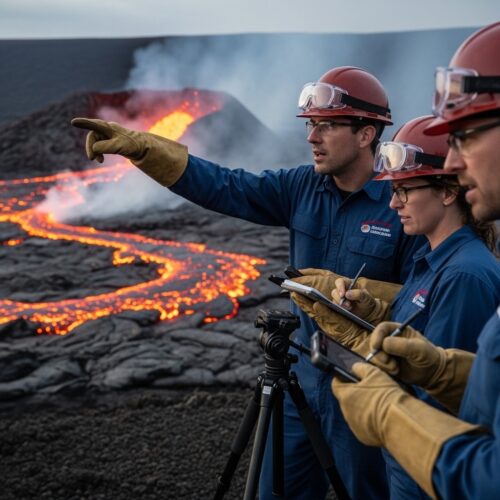
Kilauea is a must-see for anyone visiting Hawaii Volcanoes National Park. Its incredible eruptions and stunning landscape draw thousands of visitors each year. Let’s dive into what makes Kilauea so fascinating.
Kilauea’s continuous eruptions since 1983
Kilauea has been erupting almost non-stop since 1983. This makes it the most active volcano on the planet. It has reshaped the landscape, creating new land and altering ecosystems. The lava flows have formed stunning sights, including craters and vast lava fields.
In 2026, Kilauea is still active. Visitors can expect to witness ongoing volcanic activity. The park often provides updates on current conditions. Check these before your visit to plan accordingly.
Impact on the landscape and biodiversity
Kilauea’s eruptions have a massive impact on the surrounding environment. The lava creates new habitats, but it also challenges existing ecosystems. Here’s how:
- New land formation: Each eruption adds to the Big Island, changing its shape. This process is essential for creating new ecosystems.
- Biodiversity: The park is home to unique species that thrive in volcanic soil. Many plants and animals are adapted to this dynamic landscape.
- Cultural significance: Kilauea is sacred to native Hawaiians. The goddess Pele is believed to reside here. Visitors may find offerings and shrines, reflecting the deep cultural ties to this volcano.
When visiting, be mindful of safety guidelines. Always stay on designated trails. This helps protect both the land and its cultural heritage. Enjoy the awe-inspiring sights that Kilauea offers!
3. Mauna Loa is the largest volcano on Earth
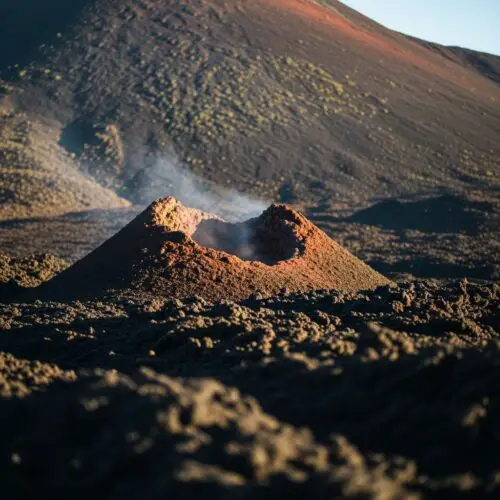
Mauna Loa is a giant among giants. It’s the largest volcano on Earth by volume and area. If you’re visiting Hawaii Volcanoes National Park in 2026, you’ll want to know about this colossal landform.
Size and scale of Mauna Loa
Mauna Loa covers more than half of the Big Island. It rises 13,681 feet above sea level, but that’s just part of the story. Most of this volcano is hidden underwater. When you measure from the ocean floor, Mauna Loa towers over 30,000 feet tall!
Here are some quick facts about its size:
- Volume: About 75,000 cubic kilometers.
- Area: Spans approximately 2,035 square miles.
- Eruptions: Has erupted 33 times since its first well-documented eruption in 1843.
Recent activity and historical eruptions
Mauna Loa is not just a pretty face; it’s an active volcano. Its last eruption was in November 2022, and it lasted for several weeks. This eruption was a reminder of its power and potential.
In comparison to other volcanoes worldwide, Mauna Loa’s eruptions are typically less explosive than those of stratovolcanoes like Mount St. Helens or Mount Fuji. Instead, it tends to produce gentle lava flows, which can cover large areas quickly.
Here’s a comparison of Mauna Loa with Kīlauea, another active volcano in the same park:
| Feature | Mauna Loa | Kīlauea |
|---|---|---|
| Type of Volcano | Shield Volcano | Shield Volcano |
| Last Eruption | November 2022 | Ongoing since 1983 |
| Eruption Style | Gentle lava flows | Explosive and effusive |
| Elevation | 13,681 feet | 4,091 feet |
Understanding these features can help you appreciate the scale of Mauna Loa. It’s not just a mountain; it’s a force of nature. Exploring its trails offers a unique glimpse into the earth’s geological history and the power of volcanic activity.
4. The park features diverse ecological zones
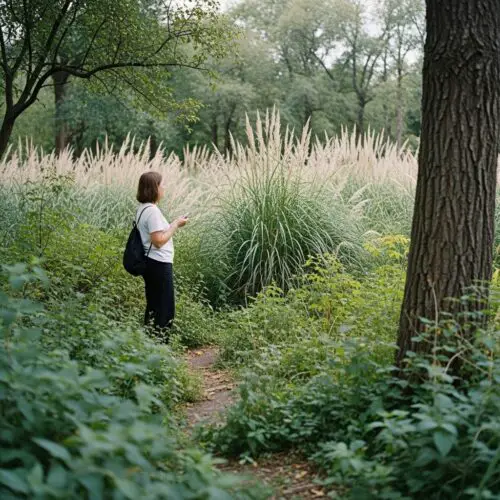
Hawaii Volcanoes National Park is a treasure trove of biodiversity. It hosts seven unique ecological zones, each with its own distinct characteristics. Exploring these zones is like stepping into different worlds, showcasing the beauty and complexity of nature.
Ecological diversity from sea level to summit
1. Coastal Zone: This is where the land meets the ocean. Expect to find sandy beaches and rocky shorelines. It’s a hotspot for marine life, including sea turtles and tropical fish.
2. Lowland Rainforest: As you venture inland, you’ll enter lush rainforests. These areas are rich in biodiversity, featuring vibrant ferns, towering trees, and unique birds like the Hawaiian ‘i‘iwi.
3. Montane Rainforest: Climbing higher, the landscape shifts to a montane rainforest. Here, the air is cooler, and the vegetation changes. You’ll see ohia trees and a variety of native plants that thrive in the moist environment.
4. Subalpine Zone: This zone is characterized by cooler temperatures and strong winds. It’s less dense than the rainforest, but you can spot unique shrubs and hardy plants that have adapted to the harsh conditions.
5. Alpine Desert: At higher elevations, the environment becomes arid. The alpine desert features barren land with scattered vegetation. This zone is home to resilient life forms that can withstand extreme conditions.
6. Lava Fields: The stark beauty of the lava fields is unforgettable. These areas may seem barren, but they are vital for understanding volcanic activity. You’ll find unique plant species that have adapted to grow in this challenging terrain.
7. Cinder Cones: These volcanic formations rise dramatically from the landscape. They are a testament to the park’s volcanic activity. The cinder cones are often surrounded by unique ecosystems that thrive in their shadow.
Unique flora and fauna adaptations
Each ecological zone is home to species that have developed amazing adaptations. For instance, plants in the coastal zone have salt-resistant qualities. In the rainforests, birds have evolved to feed on nectar from native flowers.
Visitors can appreciate these adaptations by exploring the marked trails. Guided tours often highlight the unique features of each zone. Remember to bring your camera; the diversity is stunning!
This unique ecological diversity makes Hawaii Volcanoes National Park a must-visit. Each zone offers a different experience, ensuring every hike is a new adventure.
5. The park is an International Biosphere Reserve

Hawaii Volcanoes National Park is recognized as an International Biosphere Reserve. This status is more than just a title; it plays a crucial role in conservation and education.
Role in global biodiversity conservation
Being part of the International Biosphere Reserve network means the park is dedicated to protecting its unique ecosystems. This designation helps in several ways:
- Conservation efforts: The park promotes sustainable practices and protects native species.
- Research opportunities: Scientists can study the park’s diverse habitats and volcanic activity.
- Environmental education: Visitors learn about conservation efforts and biodiversity.
Research opportunities for visitors
Visitors to Hawaii Volcanoes National Park can engage in research activities. Whether you’re a student or just curious, there’s something for everyone. Here are some ways you can participate:
- Join guided tours: These often include insights into ongoing research.
- Volunteer programs: Opportunities may arise for hands-on conservation work.
- Citizen science projects: You can contribute to data collection, helping scientists monitor the health of ecosystems.
This unique combination of conservation and education not only enhances visitor experience but also fosters a deeper appreciation for this extraordinary park. So, next time you visit, remember you’re part of a global effort to protect biodiversity!
6. Crater Rim Drive offers breathtaking views
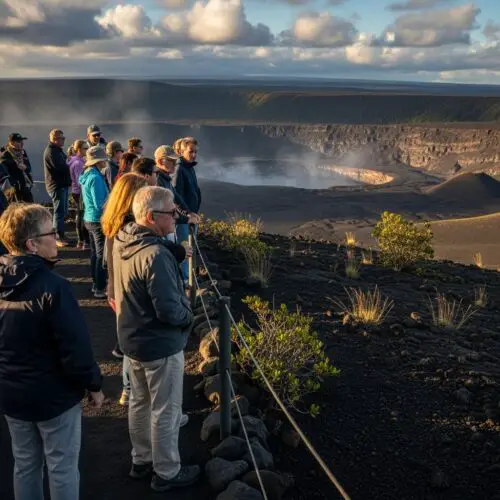
Crater Rim Drive is a must-do for any visitor to Hawaii Volcanoes National Park. This scenic route offers stunning views of Kilauea Caldera and unique geological features. Get ready to soak in the beauty of this incredible landscape!
Key stops and viewpoints along the drive
1. Kīlauea Overlook: This is your first big stop. Here, you can gaze into the Halema’uma’u Crater. When Kīlauea is active, you might even see glowing lava!
2. Steam Vents: Feel the earth’s heat at these natural steam vents. They’re a fascinating reminder of the volcanic activity below.
3. Thomas A. Jaggar Museum: Though currently closed for renovations, this spot has been a favorite for educational exhibits about volcanoes. Check for updates on reopening!
4. Crater Rim Trail: This easy trail provides excellent views of the caldera. It’s also wheelchair and stroller accessible in parts, making it a great option for families.
5. Chain of Craters Road: This road descends 3,700 feet to the coast, showcasing diverse volcanic landscapes. Be sure to stop at the Puʻuloa Petroglyphs for a glimpse into Native Hawaiian culture.
Best times for photography and viewing
- Early Morning: The soft light makes for incredible photos. Plus, you’ll avoid the crowds.
- Sunset: Capture the vibrant colors as the sun dips below the horizon. The caldera is particularly stunning at this time.
- Post-Eruption: If Kīlauea is erupting, you’ll want to check for real-time updates. Viewing active lava flows can be a once-in-a-lifetime experience!
Checklist for maximizing your scenic drive experience
- Bring Water and Snacks: There are no facilities along the drive. Stay hydrated and energized!
- Wear Comfortable Shoes: You’ll likely want to hop out and explore. Make sure your footwear is up for it.
- Check Condition Updates: Volcanic activity can change rapidly. Keep an eye on park alerts for safety and viewing opportunities.
- Camera Ready: Don’t forget your camera or phone! You’ll want to capture the stunning scenery.
- Plan Your Stops: Decide ahead of time which viewpoints you don’t want to miss. It’ll make your trip more enjoyable!
By following this guide, you’ll make the most of your drive along Crater Rim Drive.
7. Chain of Craters Road leads to stunning lava formations
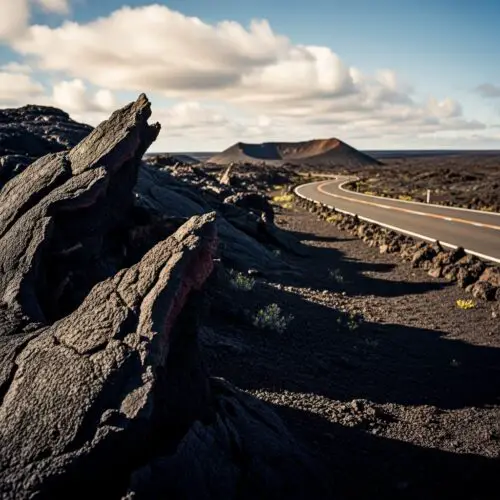
Chain of Craters Road is a must-see for anyone visiting Hawaii Volcanoes National Park. This scenic route takes you through incredible geological features shaped by volcanic activity. Get ready to be amazed!
Unique geological formations along the road
As you drive down Chain of Craters Road, you’ll encounter unique formations created by lava flows. Here are some highlights:
- Puʻu Loa Petroglyphs: This area features thousands of ancient petroglyphs carved into the lava. These symbols tell stories of Hawaiian culture and history. It’s a short hike from the road, but well worth it!
- Hōlei Sea Arch: This stunning natural archway formed from eroded lava is a fantastic photo opportunity. The view of the Pacific Ocean through the arch is breathtaking.
- Kīlauea Overlook: Stop here for a panoramic view of the Kīlauea volcano. The site showcases the powerful force of nature and provides a perfect spot to snap some photos.
Historical significance of lava flows
Understanding the history of lava flows enriches your visit. Here are key points to consider:
- Chain of Craters Road: Opened in 1928, this road has been reshaped by numerous eruptions over the decades. Each eruption has left its mark, creating a living history of volcanic activity.
- Mauna Loa’s Impact: This massive volcano has contributed to the geological landscape. It’s the largest volcano on Earth and plays a significant role in the region’s ecology.
- Current Activity: Volcanic activity can change quickly. Check with park alerts for the latest information on eruptions and lava flows. This ensures a safe and rewarding visit.
Tips for exploring the geological features
When exploring Chain of Craters Road, keep these tips in mind:
- Stay on marked trails: This helps protect the delicate ecosystem and keeps you safe.
- Bring water and snacks: Facilities are limited, so pack enough supplies for your adventure.
- Timing is key: Plan your visit during daylight hours to fully appreciate the views and take photos safely.
By following these insights, you’ll make the most of your journey along Chain of Craters Road while soaking in the incredible geological wonders of Hawaii Volcanoes National Park.
8. The Volcano Art Center showcases local culture
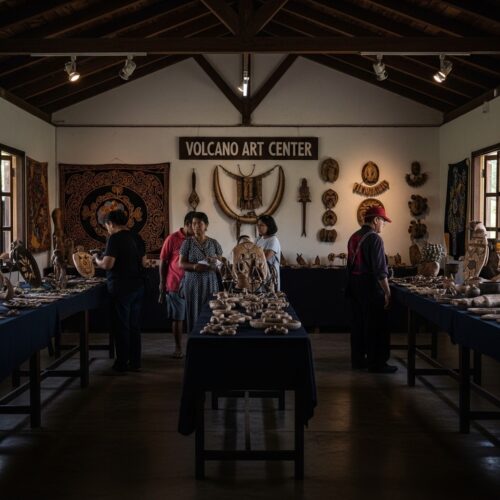
The Volcano Art Center is a vibrant hub for Hawaiian culture. It plays a crucial role in preserving and promoting local art inspired by the breathtaking volcanic landscape of Hawaii Volcanoes National Park.
Art inspired by the volcanic landscape
The art center features works from local Hawaiian artists. Many pieces reflect the natural beauty and cultural significance of the park. Visitors can find paintings, sculptures, and crafts that embody the spirit of the land.
For example, you might see:
- Lava-inspired pottery: These unique pieces capture the essence of volcanic rock.
- Photography: Stunning images of Kīlauea and Mauna Loa showcase the dramatic scenery.
- Traditional Hawaiian crafts: Items made from native materials highlight the skills passed down through generations.
Programs and events for visitors
The Volcano Art Center also hosts various programs and events throughout the year. These activities allow visitors to engage with local culture and art.
Here are some highlights:
- Workshops: Learn to create your own art inspired by the volcanoes, led by local artists.
- Art shows: Attend exhibitions featuring new works, often related to the changing landscape.
- Cultural events: Experience hula performances, music, and storytelling that connect you to Hawaiian traditions.
Visiting the Volcano Art Center is a must for anyone looking to deepen their understanding of Hawaii’s rich cultural heritage. It’s a perfect blend of nature and creativity, making it a fascinating stop during your 2026 adventure!
9. The park is open year-round, 24/7

Hawaii Volcanoes National Park is always ready for visitors. It’s open 24 hours a day, year-round. This flexibility makes it easy for everyone to explore its wonders at their own pace.
Access to different park areas at all times
While the park is open all day, some areas may have restrictions. Here’s what you need to know:
- Visitor Center Hours: The Kīlauea Visitor Center has specific hours. It’s your go-to spot for maps and tips.
- Trail Accessibility: Most trails are open, but some may close due to volcanic activity. Always check for updates.
- Special Areas: Mauna Loa, the world’s largest volcano, can have limited access during eruptions. Make sure to stay informed.
Impact of volcanic activity on access
Volcanic activity can change quickly. The park has protocols to keep visitors safe. Here’s how they manage access during eruptions:
- Real-Time Updates: The park provides current information on closures. Sign up for alerts at the visitor center.
- Safety Protocols: Rangers monitor volcanic activity closely. They can restrict access to certain areas if needed.
- Alternative Activities: If a trail is closed, rangers can suggest nearby options. This ensures you still have a great experience.
When visiting in 2026, stay alert and informed. The park’s dynamic nature makes every visit unique and exciting!
10. Safety precautions are essential for visitors

Exploring Hawaii Volcanoes National Park is thrilling, but safety should always come first. Knowing what to do and what to bring can make your visit enjoyable and safe. Here are some key precautions to keep in mind.
Understanding volcanic hazards
Volcanoes are unpredictable. Here are some hazards to watch for:
- Lava Flows: Stay on marked trails. Lava can flow quickly and without warning.
- Gas Emissions: Volcanic gases can be harmful. If you feel dizzy or have trouble breathing, move to a safer area.
- Rockfalls: Be cautious near cliffs and steep areas. Rocks can fall, especially after eruptions.
Essential gear and preparations
Packing the right gear is crucial. Here’s a checklist to keep you safe:
- Sturdy Footwear: Wear hiking boots with good traction. Trails can be uneven and rocky.
- Water: Stay hydrated. Bring enough water for your hike.
- First Aid Kit: Have a basic kit for minor injuries. Include band-aids, antiseptic wipes, and pain relievers.
- Sun Protection: Use sunscreen and wear a hat. The sun can be intense, especially at higher elevations.
- Maps and Navigation: Keep a physical map handy. Cell service can be spotty in the park.
Additional safety tips
- Check Conditions: Before you go, check the park’s website for alerts and updates on volcanic activity.
- Follow Ranger Instructions: Rangers are your best source of information. Listen to their advice and follow any restrictions.
- Inform Someone: Tell a friend or family member your hiking plans and estimated return time.
By being prepared and aware, you’ll have a safe adventure in this stunning national park. Enjoy the beauty of Hawaii Volcanoes while respecting its power!
11. The park is home to unique wildlife species

Hawaii Volcanoes National Park is a haven for wildlife enthusiasts. The park’s diverse ecosystems host many unique species you won’t find anywhere else. Here are some highlights about the wildlife and tips for spotting them.
Endemic species found in the park
The park boasts several endemic species, meaning they exist only in Hawaii. These include:
- Hawaiian Nene (Branta sandvicensis): This endangered goose is the state bird of Hawaii. Look for them waddling around the park, especially near Kīlauea.
- Hawaiian Honeycreepers: These colorful birds have adapted to various habitats in the park. Keep an eye out for the ‘I’iwi with its bright red feathers.
- Hawaiian Hoary Bat (Lasiurus cinereus semotus): As the only native land mammal, this bat is often seen at dusk. They play a crucial role in pollination.
Best spots for wildlife observation
To increase your chances of spotting wildlife, visit these prime locations:
- Kīlauea Visitor Center: Start here for information and tips. The surrounding areas are great for birdwatching.
- Chain of Craters Road: This scenic drive offers various habitats, making it perfect for spotting nene and other birds.
- Kahuku Unit: Less crowded than the main park, this area is rich in wildlife. The eight trails provide excellent opportunities to see native species.
Wildlife spotting tips
- Optimal Times: Early morning and late afternoon are the best times for spotting wildlife. Animals are more active during these cooler parts of the day.
- Use Binoculars: Bring a pair to get a closer look at distant birds and other wildlife without disturbing them.
- Be Patient: Wildlife watching requires a bit of patience. Stay quiet and still to increase your chances of seeing animals.
By keeping these tips in mind and knowing where to look, you’ll enhance your visit to Hawaii Volcanoes National Park and appreciate its unique wildlife.
12. The weather can vary dramatically within the park
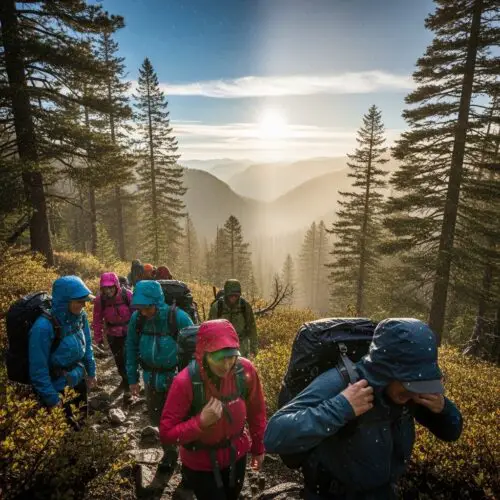
Hawaii Volcanoes National Park is home to diverse climates. This variety can change your experience, so it’s good to be prepared!
Microclimates within the park
The park features several distinct microclimates. From the warm, dry coastal areas to the chilly, snowy summits, each zone offers something unique. Here are a few examples:
- Kilauea: Expect warm temperatures and lots of sunshine. Perfect for exploring lava fields.
- Mauna Loa: This massive volcano can be much cooler, especially at higher elevations. Bring layers!
- Rainforests: Areas like the Thurston Lava Tube are lush and humid. Be ready for a wet adventure.
These varying conditions can shift quickly. Always check the forecast before heading out.
What to pack for different weather conditions
Packing right is key for a great visit. Here’s a handy checklist based on what you might encounter:
- Warm coastal areas:
- Lightweight clothing
- Sunscreen
- Sunglasses
- Cooler summit areas:
- Warm layers (jackets, hats)
- Closed-toe shoes for hiking
- Gloves if you’re visiting in winter
- Rainy rainforest sections:
- Waterproof jacket
- Quick-dry clothing
- Sturdy, waterproof shoes
Being prepared for these weather variations will enhance your experience. You’ll enjoy every moment in this breathtaking park!
13. The park features historical petroglyphs
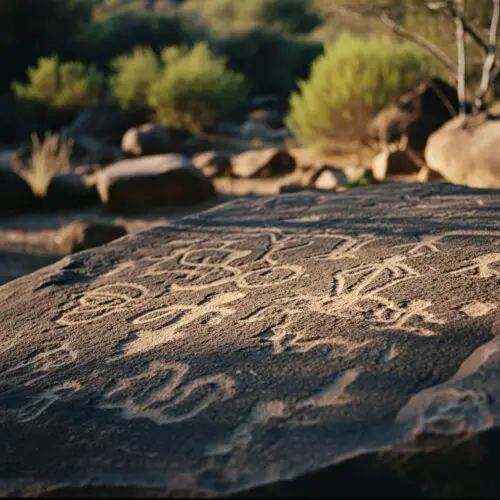
Hawaiʻi Volcanoes National Park is home to fascinating petroglyphs that tell the story of Native Hawaiian culture. These ancient carvings are not just art; they are a glimpse into the past, representing spiritual beliefs and daily life.
Historical context of petroglyphs
Petroglyphs are rock carvings created by Native Hawaiians centuries ago. They depict everything from gods and goddesses to daily activities like fishing and farming. These images hold deep cultural significance. They connect modern visitors to the rich heritage of Hawaiʻi.
Key locations to view petroglyphs
Visitors can find petroglyphs in several key areas of the park:
- Puʻuloa Petroglyphs: This site boasts the largest collection of petroglyphs in the state. It features over 23,000 images, showcasing a variety of designs. The hike to reach them is about 1.5 miles, making it accessible for most visitors.
- Chain of Craters Road: Along this scenic drive, you can spot several petroglyphs. Look for the pull-offs marked for viewing; they offer a chance to appreciate these ancient artworks without a long hike.
When visiting, consider these tips:
- Stay on marked paths: Protect the petroglyphs by not walking on or touching them. These artworks are delicate and irreplaceable.
- Visit at dawn or dusk: The lighting enhances the petroglyphs’ visibility and adds a magical touch to your experience.
- Bring a camera: Capture the beauty, but remember to respect the site. Photographs are a great way to remember your visit without disturbing the petroglyphs.
Exploring these petroglyphs offers a unique window into the cultural narrative of Hawaiʻi, making your visit to the park even more enriching.
14. The best time to visit for lava viewing is unpredictable
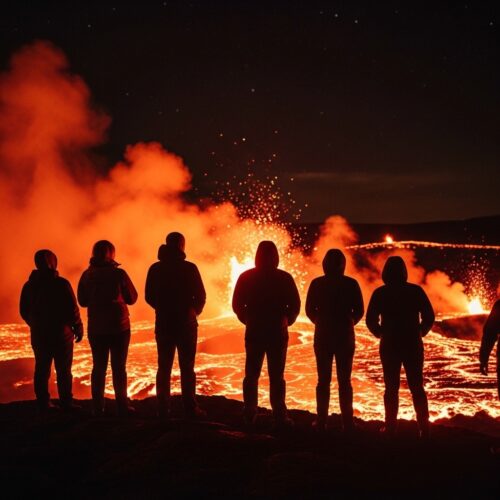
Lava viewing at Hawaii Volcanoes National Park is exciting, but it can be tricky to predict when the best conditions will occur. Here’s what you need to know to maximize your chance of witnessing the mesmerizing flow.
Understanding lava flow patterns
Lava flow patterns can change rapidly. Kilauea, one of the most active volcanoes in the world, is known for its unpredictable eruptions. Here are key points to consider:
- Eruption phases vary: Sometimes Kilauea is erupting, and other times it’s quiet. This can shift quickly, so stay alert.
- Lava viewing locations: Popular spots may change depending on where the lava is flowing. Always check current conditions.
- Geological activity updates: The park provides real-time updates on lava flows and viewing areas. Use these resources before your trip.
When to check for updates
Timing is everything when it comes to viewing lava. Here’s how to stay informed:
- Park website: The official park website offers daily updates on volcanic activity. Bookmark it!
- Social media: Follow the park’s social media accounts for the latest news and stunning photos from visitors.
- Local news: Stay tuned to local Hawaiian news stations for coverage on volcanic activity.
Tips for your visit:
- Visit frequently: If you can, plan multiple visits. The lava can be active one day and quiet the next.
- Be flexible: Have a backup plan for activities if lava viewing is not possible during your visit.
- Join guided tours: Local guides often have the best insights into current lava conditions.
By keeping these tips in mind, you can enhance your chances of experiencing the awe-inspiring sights of flowing lava during your 2026 visit to Hawaii Volcanoes National Park.
15. The park hosts educational programs and ranger-led tours
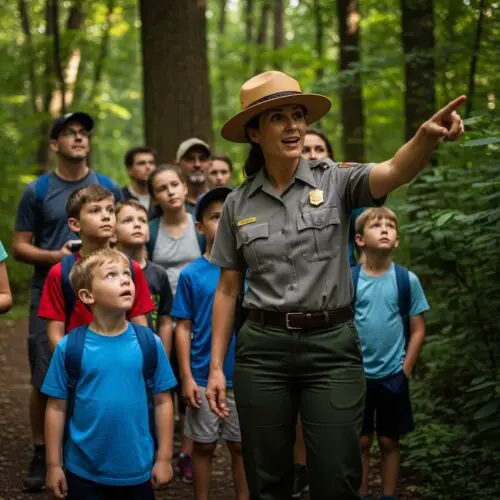
Hawaii Volcanoes National Park offers a variety of educational programs and ranger-led tours for 2026 visitors. These experiences are perfect for those wanting to dive deeper into the park’s history, geology, and cultural significance.
Types of programs offered
1. Ranger-led hikes: Explore the trails with a knowledgeable ranger. They’ll share insights about volcanic activity, native plants, and the park’s unique ecosystem.
2. Cultural talks: Learn about the spiritual connection of the land to the native Hawaiian culture. These talks often include stories about Pele, the goddess of fire.
3. Volcano watch programs: Stay updated on current volcanic activity. Rangers guide you to the best viewing spots for observing lava flows when conditions permit.
4. Junior Ranger Program: Designed for kids, this interactive program encourages young explorers to learn about the park while completing fun activities.
Benefits of ranger-led experiences
- Expert knowledge: Rangers are trained professionals. Their insights enhance your understanding of the park’s geology and ecology.
- Safety: With a ranger, you’ll navigate the park safely, especially in potentially hazardous areas.
- Cultural connection: Engaging with the cultural programs fosters a deeper appreciation for the native Hawaiian heritage.
- Real-time updates: Rangers provide the latest information on volcanic activity, helping you plan your day effectively.
When visiting in 2026, take advantage of these programs. They not only enrich your experience but also help you connect with the land in a meaningful way. Whether you’re hiking, listening to stories, or simply soaking in the views, educational opportunities abound at Hawaii Volcanoes National Park.
16. The park features a visitor center with valuable resources
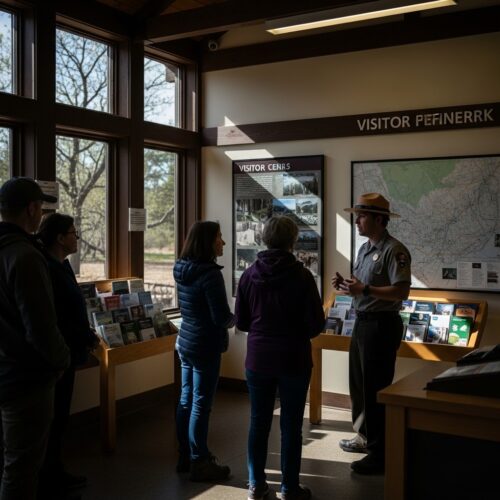
The visitor center at Hawaii Volcanoes National Park is a treasure trove of information and resources. It’s your starting point for an unforgettable adventure in 2026. Here’s what you can expect when you stop by.
What resources are available
- Informative exhibits: Learn about the park’s unique geology, ecosystems, and cultural significance through engaging displays.
- Friendly rangers: Park rangers are on hand to answer questions and provide insights. They can suggest trails, share safety tips, and tell you about current volcanic activity.
- Maps and brochures: Grab up-to-date maps and brochures that highlight key attractions and suggested itineraries.
- Restrooms: Clean facilities are available, ensuring you’re comfortable during your visit.
- Souvenirs: Pick up unique gifts like lava jewelry or books about the park’s history.
How the visitor center enhances the experience
The visitor center is more than just a stop; it’s a launchpad for exploration. Here’s how it enhances your visit:
- Planning tools: Use the resources to map out your day. Decide which trails to hike based on your interests and fitness level.
- Cultural programs: Engage in ranger-led talks or demonstrations to deepen your understanding of Hawaiian culture and traditions.
- Real-time updates: Stay informed about volcanic activity and weather conditions. This is crucial for safety and planning your activities.
- Family-friendly: Kids can enjoy interactive exhibits, making it a great spot for families.
When you visit, take a moment to chat with the rangers. Their passion for the park can inspire your adventure. Plus, they can help you make the most of your time based on what’s currently happening in the park.
17. The park’s trails showcase its geological features
Hiking in Hawaii Volcanoes National Park is an adventure like no other. The trails offer a unique glimpse into the park’s geological wonders, from active volcanoes to lush rainforests. Here are some trails that showcase these fascinating features.
Top trails for different skill levels
- Crater Rim Trail: This relatively easy trail is perfect for beginners. It runs alongside the Kīlauea caldera, offering stunning views of steam vents and craters. It’s about 11 miles long, but you can choose shorter sections.
- Kīlauea Iki Trail: This moderate trail is about 4 miles round trip. Hikers descend through a rainforest to a solidified lava lake. You’ll see unique geological formations and vibrant plant life.
- Mauna Loa Trail: For the adventurous, this challenging 13-mile hike leads to the summit of Mauna Loa, the largest volcano on Earth. Expect diverse ecosystems and breathtaking views, but be prepared for steep and rocky terrain.
What to expect on each trail
- Crater Rim Trail: Look for steam vents and unique geological formations. The sights are awe-inspiring, and you might even spot some wildlife.
- Kīlauea Iki Trail: Experience the thrill of walking on a volcanic crater. The trail features an incredible array of plant life, showcasing the park’s ecological diversity.
- Mauna Loa Trail: This trail offers a true expedition. Hikers will encounter changing landscapes, from lush forests at lower elevations to stark volcanic rock at the summit. Weather can change rapidly, so prepare accordingly.
Tips for a safe hiking experience
- Stay updated: Before heading out, check for any volcanic activity. Conditions can change quickly.
- Bring plenty of water and snacks: The trails can be strenuous, especially on Mauna Loa.
- Wear appropriate footwear: Good hiking boots are essential, especially on rocky trails.
With these trails, you’ll not only enjoy a great workout but also witness the stunning geological features of Hawaii Volcanoes National Park. Happy hiking!
18. The park is a living laboratory for scientific research
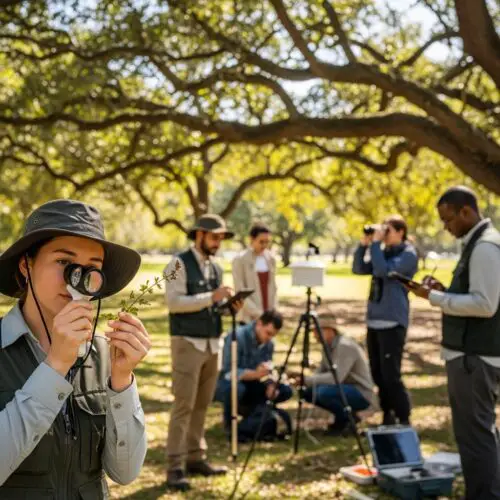
Hawaii Volcanoes National Park is not just a beautiful destination; it’s a hotspot for scientific research. Ongoing studies here help us understand volcanic activity and its impact on the environment.
Key research projects in the park
Several key projects are currently underway:
- Kilauea Monitoring: Scientists closely watch Kilauea, one of the world’s most active volcanoes. They analyze eruptions and gas emissions to predict future activity.
- Biodiversity Studies: Researchers study the unique plant and animal life in the park. They examine how ecosystems adapt to volcanic soil and changing conditions.
- Climate Change Research: The park serves as a natural laboratory for studying climate change effects. Scientists investigate how rising temperatures and altered weather patterns influence volcanic activity and ecosystems.
How visitors can engage with research efforts
Visitors have opportunities to get involved in research at the park:
- Volunteer Programs: Join conservation efforts by participating in restoration projects. This hands-on work helps scientists while enhancing the park’s natural beauty.
- Visitor Center Exhibits: Stop by the visitor center to learn about ongoing research. Engaging displays highlight current studies and their significance.
- Attend Workshops: Look for workshops and talks by park rangers and scientists. These events provide insights into the science behind the park’s incredible features.
Hawaii Volcanoes National Park is a treasure trove of scientific knowledge. By exploring and participating, visitors can witness firsthand how research shapes our understanding of this dynamic landscape.
19. The park’s cultural significance is deeply rooted in Hawaiian history

Hawaii Volcanoes National Park is more than just a stunning landscape. It holds deep cultural significance for the Hawaiian people and their traditions. This connection enriches every visitor’s experience.
Connection between land and culture
The park is sacred to Pele, the Hawaiian goddess of fire and volcanoes. Many believe she resides in Kilauea, one of the world’s most active volcanoes. As you wander through the park, you may encounter offerings left for her. These include stones, flowers, and other items. They symbolize respect and reverence for the land.
Native Hawaiians view the volcanoes as living entities. The land tells stories of creation, destruction, and renewal. This bond between the people and the land is central to Hawaiian identity.
Modern interpretations of Hawaiian traditions
Today, many cultural practices thrive in the park. Visitors can witness hula performances and chant sessions that celebrate Hawaiian heritage. These activities connect the past to the present.
Local artisans sell crafts inspired by the natural surroundings. Lava jewelry and art reflect the island’s volcanic history. These creations serve as both souvenirs and symbols of cultural pride.
The park also offers programs to educate visitors about Hawaiian culture. Engaging in these experiences fosters a deeper appreciation for the traditions that shape the islands.
Visitor Tips for Cultural Engagement
- Attend Cultural Events: Check the park’s schedule for workshops and celebrations.
- Respect Sacred Sites: Stay on marked paths and avoid disturbing offerings.
- Learn from Locals: Engage with park rangers and local guides for authentic insights.
By embracing these cultural aspects, you’ll leave with more than just memories. You’ll carry a piece of Hawaiian history in your heart.
20. Visiting the park supports local conservation efforts
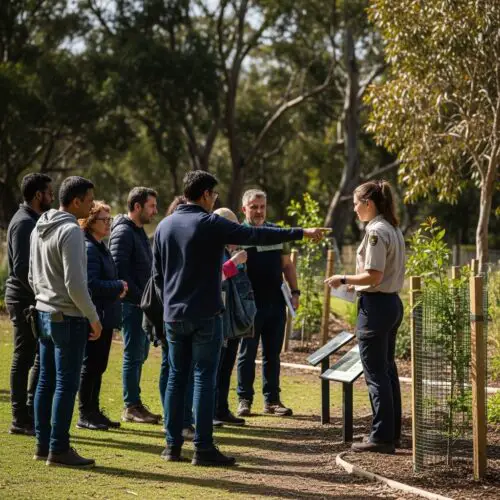
When you visit Hawaii Volcanoes National Park, your entrance fee does more than just get you through the gate. It plays a vital role in preserving this breathtaking landscape. Here’s how your contributions make a difference.
How fees are utilized
Your entrance fees directly support various park initiatives. Here’s a quick breakdown:
- Conservation Efforts: Funds help protect native species and restore habitats.
- Trail Maintenance: Fees go toward keeping trails safe and accessible for everyone.
- Ranger Programs: These funds support educational programs, enhancing visitor experiences.
- Scientific Research: Money helps scientists study volcanic activity and ecosystems.
Every dollar you spend goes toward maintaining the park’s beauty and integrity.
Importance of visitor contributions to conservation
Your visit helps sustain Hawaii Volcanoes National Park. Here’s why this matters:
- Biodiversity Protection: The park is home to unique flora and fauna. Your fees aid in their conservation.
- Cultural Preservation: Contributions support programs that educate visitors about native Hawaiian culture.
- Visitor Experience: Enhanced facilities and educational programs improve your overall experience.
Every ticket sold plays a part in keeping this UNESCO World Heritage Site thriving. So, next time you step into the park, remember: your visit is a piece of a bigger puzzle in conservation.
Frequently Asked Questions
These quick answers cover the most common questions about this topic, including key details, practical tips, and common concerns.
What are 5 facts about Hawaii Volcanoes National Park?
1. It is a UNESCO World Heritage Site recognized for its geological and cultural significance.
2. The park is home to Kilauea and Mauna Loa, two of the world’s most active volcanoes.
3. Kilauea has been erupting almost continuously since 1983.
4. Mauna Loa is the largest volcano on Earth by volume and area.
5. The park features diverse ecological zones, from rainforests to volcanic deserts.
What are 20 interesting facts about volcanoes?
1. Volcanoes are openings in Earth’s crust where magma erupts.
2. Mauna Loa is over 13,680 feet above sea level but extends over 30,000 feet from the ocean floor.
3. Kilauea is one of the most active volcanoes globally, erupting nearly nonstop since 1983.
4. Volcanoes can produce different eruption styles, including explosive and effusive lava flows.
5. Lava can travel several miles per hour during eruptions.
6. Volcanic soils are rich and support lush vegetation.
7. Some volcanoes have calderas, large craters formed after major eruptions.
8. Volcanic gases include sulfur dioxide, which can be harmful in high concentrations.
9. Volcanic activity influences climate by releasing ash and gases into the atmosphere.
10. Volcanoes are found mainly along tectonic plate boundaries.
11. The Hawaiian Islands are formed from volcanic activity over a hotspot.
12. Volcanic eruptions can create new land and reshape coastlines.
13. Some volcanoes have erupted multiple times over thousands of years.
14. Volcanic eruptions can cause tsunamis if they occur underwater.
15. The Yellowstone Caldera is a supervolcano capable of massive eruptions.
16. Volcanic lightning occurs during some eruptions due to static electricity.
17. Volcanic ash can travel thousands of miles and disrupt air travel.
18. Many volcanoes are sacred sites in indigenous cultures.
19. Volcano monitoring uses seismographs, gas sensors, and satellite data.
20. Eruptions can last days, months, or even years, depending on the volcano.
What is the deadliest volcano in Hawaii?
Mauna Loa is considered the deadliest volcano in Hawaii due to its size and past eruptions. Its massive lava flows can reach populated areas quickly, posing significant risks. Historically, eruptions have caused destruction and loss of life, especially before modern monitoring and evacuation plans.
What are the top 3 most famous volcanoes?
1. Mauna Loa – the largest volcano on Earth, known for its massive eruptions.
2. Kilauea – one of the world’s most active volcanoes, continuously erupting since 1983.
3. Mauna Kea – not as active, but famous for its astronomical observatories and cultural significance.
How do I safely view volcanic activity in the park?
Always check current conditions and park alerts before visiting active areas. Stay on designated trails and viewing platforms. Follow ranger instructions and respect restricted zones. If lava flows are visible, keep a safe distance—often at least several hundred yards—and use binoculars or cameras for a closer view. Be prepared for changing weather and volcanic gases, which can affect health.
Why is Hawaii Volcanoes National Park important?
It is a UNESCO World Heritage Site that protects unique geological features, ecosystems, and native Hawaiian cultural sites. The park offers insights into Earth’s volcanic processes and the island’s formation. It also supports ongoing scientific research and conservation efforts, making it vital for understanding natural and cultural history.
When is the best time to visit Hawaii Volcanoes National Park?
The park is open year-round, 24/7. The best time to visit depends on your interests. For lava viewing, check current volcanic activity and plan trips during times when eruptions are active. Early mornings and evenings often provide better lighting and fewer crowds. Weather varies with elevation, so pack layers and be flexible.
What should I pack for a visit to Hawaii Volcanoes National Park?
Bring sturdy hiking shoes, water, sunscreen, hats, and layered clothing suitable for different climates. Pack a flashlight, camera, and binoculars for exploring craters and viewing wildlife. Include a mask or scarf if you’re sensitive to volcanic gases. Always carry snacks and a basic first aid kit, especially if hiking in remote areas.