
Cherry blossom trees are a stunning addition to any garden, offering breathtaking blooms each spring. In this guide, we explore 21 of the best cherry blossom trees, their unique characteristics, care requirements, and ideal planting conditions, ensuring you can choose the perfect tree for your landscape.
Table of Contents
Overview of Cherry Blossom Trees
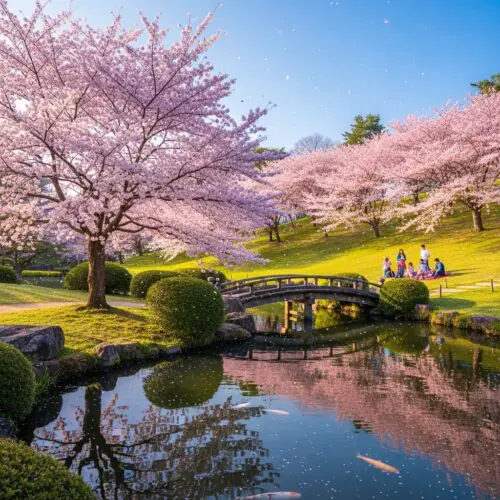
Cherry blossom trees, belonging to the Prunus genus, are renowned for their breathtaking spring blooms. Their origins trace back to East Asia, particularly Japan, where they hold deep cultural significance and are celebrated annually during Hanami, or cherry blossom viewing festivals.
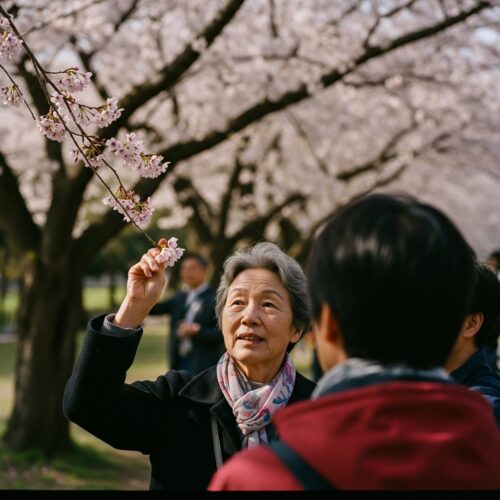
Types of Cherry Blossom Trees
Several species of cherry blossom trees enhance ornamental gardening. Here are a few notable ones:
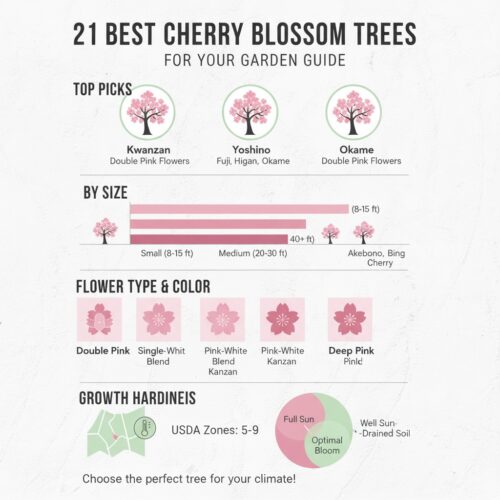
- Prunus serrulata (Yoshino Cherry): This tree produces stunning white to pale pink flowers and is celebrated for its vibrant spring display.
- Prunus serrulata ‘Kwanzan’: Known for its double pink blossoms, this variety has a fuller appearance and is popular in parks and gardens.
- Prunus incisa (Okame Cherry): This early bloomer features single pink flowers and has a compact growth habit, making it suitable for smaller gardens.
Cultural Significance
Cherry blossoms symbolize renewal and the transient nature of life in Japanese culture. Their fleeting beauty inspires art, poetry, and festivals, reflecting a deep appreciation for nature. Globally, cherry blossoms have become emblematic of spring, celebrated in various cultures with festivals and community gatherings.
Care and Maintenance
To ensure the best growth and blooms, consider these care practices:
- Planting: Choose well-drained soil and a location with full sun. Early spring or fall is ideal for planting.
- Watering: Regular watering is crucial, especially during dry spells. Deep watering promotes healthy root development.
- Pest Management: Monitor for common pests like aphids and scale. Early intervention with organic or chemical treatments is recommended.
By understanding the types, cultural importance, and care requirements of cherry blossom trees, gardeners can make informed decisions to enrich their landscapes with these stunning trees.
1. Yoshino Cherry (Prunus x yedoensis)
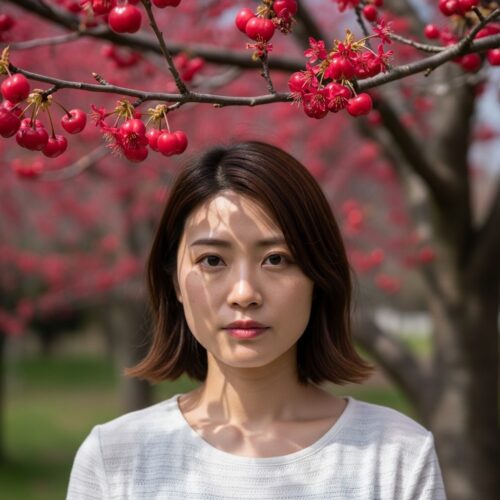
The Yoshino cherry is one of the most celebrated cherry blossom trees, renowned for its stunning spring blooms. This variety is especially iconic, often associated with major cherry blossom festivals.
Characteristics and Growth Habits
- Height: Typically grows 30 to 40 feet tall.
- Spread: Can reach a width of 25 to 35 feet.
- Flowers: Produces clusters of soft pink to white flowers that bloom in early spring.
- Foliage: Dark green leaves that turn yellow in autumn.
The Yoshino cherry thrives in various environments, making it versatile for gardens. Its flowers appear before the leaves, creating a breathtaking display. This tree prefers well-drained soil and full sunlight for optimal growth.
Care Requirements
Caring for a Yoshino cherry involves several key practices:
- Watering: Ensure consistent moisture, especially during dry spells.
- Fertilization: Use a balanced fertilizer in early spring to promote healthy growth.
- Pruning: Prune after flowering to maintain shape and remove dead or diseased branches.
- Pest Management: Watch for pests such as aphids and cherry fruit flies. Early intervention is crucial.
Best Planting Practices
Follow these guidelines when planting a Yoshino cherry:
- Timing: Plant in early spring or fall.
- Location: Select a site with full sun exposure and good air circulation.
- Soil: Opt for well-drained, loamy soil. Avoid heavy clay that retains water.
Case Study: A successful planting of a Yoshino cherry in a suburban landscape involved selecting a sunny corner of the yard. The tree was planted in early April and received consistent watering. Within three years, the tree reached 25 feet in height and produced a stunning display of blooms each spring. The homeowner reported increased visits from pollinators, enhancing the garden’s biodiversity.
Transform your garden with the stunning Yoshino Cherry — Shop on Amazon today!
2. Kwanzan Cherry (Prunus serrulata ‘Kwanzan’)
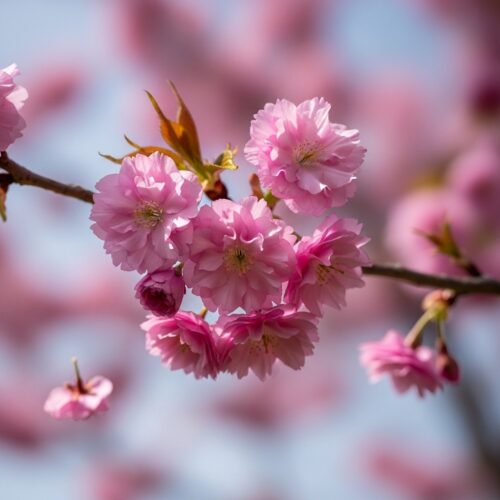
The Kwanzan cherry is renowned for its spectacular double-pink blooms. These flowers create a breathtaking display that captivates gardeners and visitors alike in mid to late spring.
Blooming Features
The Kwanzan cherry stands out for its:
- Showy Blooms: The tree produces large, double-pink flowers that are both vibrant and fragrant.
- Bloom Time: Typically blooms in mid to late spring, extending the cherry blossom viewing season.
- Growth Habit: It can reach heights of 25-30 feet, with a broad, vase-like shape that adds elegance to any landscape.
Care and Maintenance Tips
To ensure healthy growth and abundant blooms, follow these care guidelines:
- Watering: Provide consistent moisture, especially during dry spells.
- Fertilization: Use a balanced fertilizer in early spring to support new growth.
- Pruning: Prune in late winter to shape the tree and remove any dead or diseased branches.
Ideal Climate Conditions
The Kwanzan cherry thrives in specific conditions:
- Sunlight: Prefers full sun (6-8 hours daily) for optimal blooming.
- Soil Type: Requires well-drained, loamy soil to prevent root rot.
- Hardiness Zones: Best suited for USDA zones 5-8, accommodating a range of climates.
Comparison of Bloom Times
The following table compares the Kwanzan cherry’s bloom time with other popular cherry varieties:
| Cherry Variety | Bloom Time |
|---|---|
| Kwanzan Cherry | Mid to Late Spring |
| Yoshino Cherry | Early Spring |
| Okame Cherry | Late Winter |
| Shirofugen Cherry | Late Spring |
| Shogetsu Cherry | Late Spring |
| Ukon Cherry | Mid Spring |
Kwanzan Cherry tree
3. Okame Cherry (Prunus ‘Okame’)
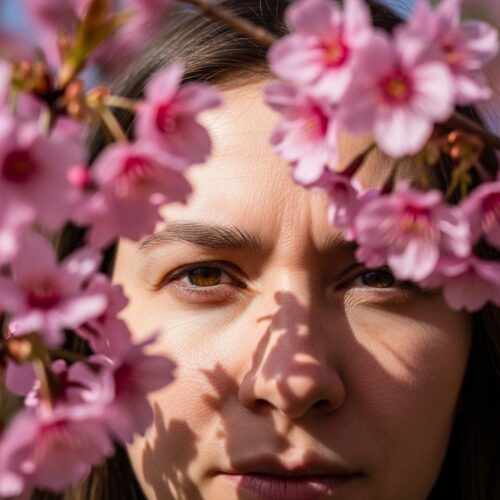
The Okame cherry is celebrated for its early bloom, providing vibrant color as winter fades. This variety is ideal for various garden settings, bringing beauty and joy even before spring officially begins.
Unique Features of Okame Cherry
- Early Blooming: The Okame cherry typically blossoms in late winter, around March. This makes it one of the first cherry trees to flower, often heralding the arrival of spring.
- Striking Color: Its vivid pink flowers are a standout feature, creating a charming spectacle against a backdrop of still-bare branches.
- Compact Size: The tree usually reaches a height of 15 to 25 feet, making it suitable for smaller gardens and urban landscapes.
Growing Conditions
- Sunlight: Okame cherries thrive in full sun. Aim for at least six hours of direct sunlight daily for optimal flowering.
- Soil Type: Well-drained soil is crucial. Loamy or sandy soils work best, but ensure they retain some moisture.
- Watering: Regular watering is necessary, especially in dry spells. However, avoid overwatering to prevent root rot.
Maintenance Tips
- Pruning: Prune in late winter or early spring to maintain shape and remove any dead or crossing branches. This encourages healthy growth and good air circulation.
- Fertilization: Use a balanced fertilizer in early spring to support vigorous growth and blooming. Follow package instructions for application rates.
- Pest Management: Monitor for common pests like aphids and caterpillars. Implement organic pest control methods when necessary, such as neem oil or insecticidal soap.
Gardener Testimonials
Gardeners who cultivate Okame cherries often describe them as a delightful addition to their landscapes. One gardener noted, “The Okame is a true harbinger of spring. Its blooms are a welcome sight after the long winter months.” Another shared, “This tree not only adds color but also attracts pollinators early in the season, enhancing the garden’s biodiversity.”
Transform your garden with the stunning Okame Cherry — Shop on Amazon now!
4. Tai-Haku Cherry (Prunus ‘Tai-Haku’)

The Tai-Haku cherry, also known as the Great White Cherry, is a stunning ornamental tree recognized for its large, pure white blossoms. This variety is a standout in any garden, offering a dramatic display during its blooming season.
Bloom Size and Appearance
The Tai-Haku cherry features some of the largest flowers among cherry blossom trees. These blooms can measure up to 2.5 inches across, creating a breathtaking sight in the spring. The tree’s open crown allows for abundant sunlight, enhancing the vibrancy of its flowers. The contrast between the snowy blooms and the warm bronze leaves adds depth to your landscape.
Care and Maintenance
To ensure a thriving Tai-Haku cherry, follow these care guidelines:
- Sunlight: Plant in a location that receives full sun, ideally at least 6 hours daily.
- Soil: Well-drained, loamy soil is ideal. Amend heavy clay soils with organic matter.
- Watering: Water regularly, especially during dry spells, but avoid waterlogging.
- Fertilization: Use a balanced fertilizer in early spring to support growth.
Pest management is crucial. Monitor for aphids and cherry fruit flies. Employ organic methods like neem oil when necessary.
Planting Guidelines
When planting Tai-Haku cherries, consider the following:
- Timing: Plant in early spring or fall when the tree is dormant.
- Spacing: Allow at least 20-30 feet between each tree to promote air circulation and growth.
- Depth: Ensure the root ball is level with the surrounding soil for optimal growth.
By adhering to these guidelines, you can cultivate a healthy Tai-Haku cherry that will enhance your garden’s aesthetic appeal each spring.
Visual Comparison of Tai-Haku Blooms
| Bloom Size | Tai-Haku | Kwanzan | Yoshino |
|---|---|---|---|
| Diameter | Up to 2.5 in | Up to 2 in | Up to 1.5 in |
| Color | Pure white | Double pink | Pale pink |
| Bloom Time | Early spring | Mid to late spring | Early spring |
Transform your garden with the stunning Tai-Haku Cherry — Shop on Amazon now!
5. Sargent Cherry (Prunus sargentii)

The Sargent cherry is a robust and visually striking tree, well-suited for ornamental gardening. Its hardiness and beauty make it a popular choice for garden enthusiasts.
Characteristics of Sargent Cherry
The Sargent cherry (Prunus sargentii) typically grows between 30 to 40 feet tall. It features a broad, rounded form that provides ample shade. In early spring, it showcases delicate pink flowers that captivate onlookers. These blossoms are not only beautiful but also attract pollinators, enhancing the garden’s ecosystem.
Key Features:
- Height: 30-40 feet
- Flower Color: Soft pink
- Bark: Smooth and dark brown
- Foliage: Glossy green leaves that turn vibrant shades of red and orange in autumn
Care Requirements
Caring for the Sargent cherry is straightforward. It thrives in well-drained soil and requires full sun exposure for optimal growth. Regular watering during dry spells ensures healthy development.
Care Checklist:
- Watering: Deep watering every 1-2 weeks
- Fertilization: Apply balanced fertilizer in early spring
- Pruning: Light pruning in late winter to maintain shape
Ideal Planting Conditions
When planting Sargent cherry trees, consider the following conditions for best results:
- Soil Type: Well-drained, loamy soil
- Sunlight: Full sun (at least 6 hours daily)
- Spacing: Space at least 20 feet apart from other trees for optimal air circulation
Case Study: Sargent Cherry in Various Climates
The Sargent cherry adapts well to different climates, from temperate regions to cooler areas. In USDA zones 4a to 7b, it exhibits impressive resilience. For instance, in a cooler climate, this tree can still produce vibrant blooms, albeit slightly later in the season.
Comparison of Growth in Different Climates:
- Temperate: Robust growth, early blooming
- Cooler Regions: Slightly delayed blooming, but strong foliage development
Enhance your garden with the stunning Sargent Cherry — Shop on Amazon now!
6. Autumnalis Cherry (Prunus subhirtella ‘Autumnalis’)
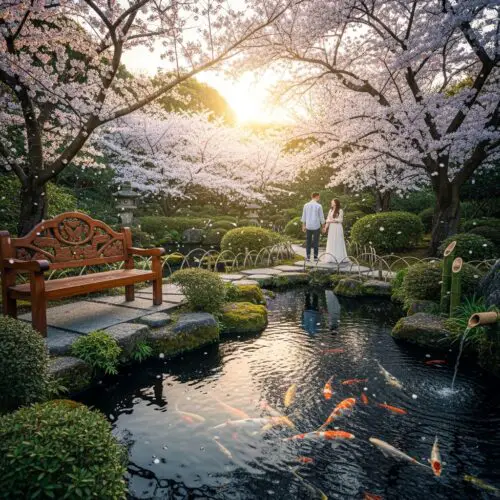
The Autumnalis cherry is renowned for its unique dual-blooming feature, providing beauty in both spring and fall. This tree adds extended color to any garden with its stunning pink blooms.
Unique Features of Autumnalis
The Autumnalis cherry stands out for several reasons:
- Dual Blooming: It flowers in early spring and again in fall, creating a vibrant display during two seasons.
- Flower Characteristics: The semi-double flowers are delicate and fragrant, appearing in shades of soft pink to white.
- Growth Habit: Typically grows to about 20 feet tall, forming a broad, spreading canopy that provides ample shade.
These features make the Autumnalis cherry a desirable choice for gardeners looking to maximize their landscape’s visual appeal across multiple seasons.
Care Tips
To ensure optimal growth and bloom, follow these care guidelines:
- Sunlight: Plant in full sun for at least 6 hours daily to encourage blooming.
- Soil: Opt for well-draining soil rich in organic matter.
- Watering: Maintain consistent moisture, especially during dry spells, but avoid overwatering to prevent root rot.
- Fertilization: Apply a balanced fertilizer in early spring to support growth and flowering.
Best Planting Practices
When planting your Autumnalis cherry, consider these best practices:
- Timing: Early spring or fall is ideal for planting.
- Spacing: Space trees at least 15-20 feet apart to allow for their mature spread.
- Mulching: Use mulch to retain moisture and suppress weeds around the base.
Choosing the Autumnalis cherry enriches your garden with not just beauty but also versatility, making it an exceptional addition for garden enthusiasts.
7. Shirofugen Cherry (Prunus serrulata ‘Shirofugen’)
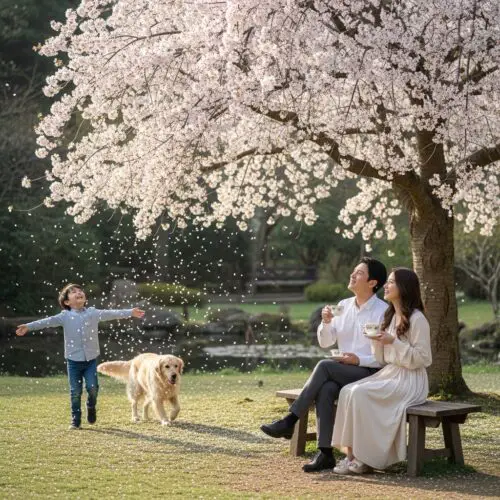
The Shirofugen cherry is renowned for its stunning white flowers that bloom later in the season, extending the cherry blossom experience. This tree not only adds beauty but also serves as a focal point in any garden.
Bloom Characteristics
- Flower Color: The Shirofugen cherry features exquisite white flowers that can develop a hint of pink as they mature.
- Bloom Time: This variety blooms in late spring, typically a few weeks after other cherry trees, providing a prolonged display.
- Size: The tree can reach heights of 20-30 feet, making it a substantial presence in your landscape.
Care and Maintenance
To maintain the health and beauty of your Shirofugen cherry, follow these care guidelines:
- Watering: Ensure consistent moisture, especially during dry spells. Avoid waterlogging, as this can cause root rot.
- Fertilization: Apply a balanced fertilizer in early spring to support robust growth and abundant flowering.
- Pruning: Conduct light pruning after blooming to maintain shape and encourage air circulation.
Suitable Planting Locations
The Shirofugen cherry thrives in specific conditions. Consider the following when selecting a location:
- Sunlight: Choose a spot that receives full sun for at least six hours a day to promote optimal flowering.
- Soil Type: Well-drained, loamy soil is ideal. Amend heavy clay soils with organic matter to improve drainage.
- Space: Plant at least 15-20 feet from other trees to allow for its mature spread and to prevent competition for nutrients.
Integration with Other Garden Plants
To create a visually appealing landscape, integrate Shirofugen cherries with complementary plants. Consider the following combinations:
- Understory Planting: Pair with low-growing perennials like hostas or ferns to create a diverse garden layer.
- Color Contrast: Use shrubs with contrasting foliage colors, such as dark-leaved barberries, to highlight the white blossoms.
- Seasonal Interest: Incorporate spring bulbs like daffodils or tulips that bloom before the cherry blossoms, enhancing the seasonal display.
8. Snow Fountains Cherry (Prunus ‘Snow Fountains’)

The Snow Fountains cherry is an exquisite weeping variety known for its stunning aesthetic appeal and graceful form. This tree can serve as a captivating focal point in any garden setting.
Aesthetic Features
The Snow Fountains cherry features cascading branches that create a waterfall-like effect. Its delicate, white flowers bloom in mid-spring, providing a striking contrast against the lush green foliage. The tree typically reaches a height of 10-15 feet and spreads 12-15 feet wide, making it suitable for both large and small gardens.
- Weeping Form: The branches arch elegantly to the ground, creating a unique visual display.
- Seasonal Interest: The flowers bloom in early spring, attracting pollinators and enhancing the garden’s seasonal transitions.
Care Requirements
Snow Fountains cherries thrive in well-drained soil and full sun. They require regular watering, especially during dry spells. Here are key care tips:
- Watering: Ensure consistent moisture during the growing season.
- Fertilization: Apply a balanced fertilizer in early spring to promote healthy growth.
- Pruning: Prune in late winter or early spring to maintain shape and remove any dead or crossing branches.
Best Practices for Planting
When planting a Snow Fountains cherry, consider the following guidelines to maximize its growth potential:
1. Location: Choose a spot with full sun for at least six hours a day.
2. Spacing: Space the tree at least 15 feet from other plants to allow for proper air circulation.
3. Mulching: Apply a 2-3 inch layer of mulch around the base to retain moisture and suppress weeds.
Using the Snow Fountains cherry as a focal point can enhance your landscape design. Position it near pathways or patios where visitors can appreciate its beauty. Pair it with spring-flowering bulbs or low-growing perennials to create a vibrant display throughout the seasons.
9. Accolade Cherry (Prunus ‘Accolade’)
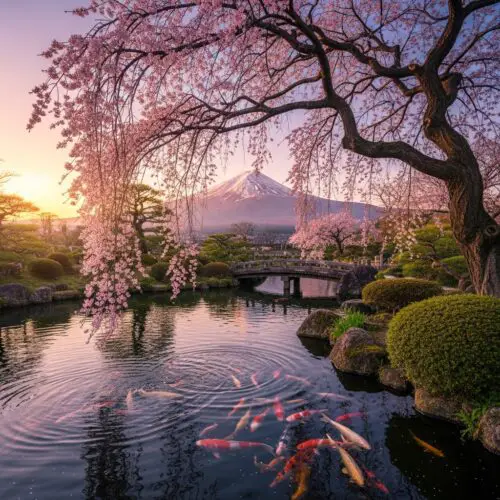
The Accolade cherry is a stunning hybrid tree, celebrated for its profuse blooms and adaptability to urban environments. Its charming deep-pink flowers create a vibrant spectacle in early spring, making it a popular choice for ornamental gardens.
Growth Characteristics
- Height and Width: This tree typically grows 20 to 25 feet tall and wide, forming a rounded, spreading shape.
- Flowering Habit: The Accolade cherry produces semi-double blossoms in large clusters, creating a cloud of soft pink against the sky.
- Urban Suitability: Its compact size makes it suitable for smaller gardens or urban settings where space is limited.
Care Tips
- Watering: Ensure consistent moisture, especially during dry spells. Water deeply to encourage strong root development.
- Fertilization: Apply a balanced fertilizer in early spring to promote healthy growth and flowering.
- Pruning: Prune after flowering to maintain shape and remove any dead or overcrowded branches.
Ideal Planting Conditions
- Sunlight: Choose a location with full sun, ideally receiving at least six hours of direct sunlight daily.
- Soil: Well-drained, loamy soil is ideal. Avoid heavy clay or overly sandy soils.
- Spacing: Plant at least 15 feet away from other trees or structures to allow for air circulation and sunlight penetration.
Urban vs. Rural Planting Considerations
- Urban Areas: The Accolade cherry thrives in urban gardens due to its manageable size and hardiness against pollution. Its beautiful blooms can enhance the aesthetic of city landscapes.
- Rural Settings: In rural settings, this tree provides a stunning focal point in larger gardens. It can be planted alongside other flowering trees or shrubs for a diverse display.
By selecting the Accolade cherry, gardeners can enjoy a striking ornamental tree that blooms profusely and adapts well to various planting conditions.
10. Mount Fuji Cherry (Prunus serrulata ‘Shidare’)
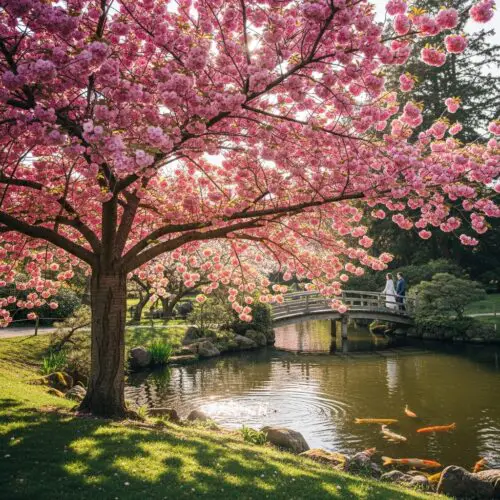
The Mount Fuji cherry is renowned for its stunning cascading branches and delicate blooms. This tree offers an eye-catching display, making it a popular choice for ornamental gardens.
Characteristics of Mount Fuji Cherry
- Growth Habit: The Mount Fuji cherry features an elegant, weeping form. Initially, it grows vertically before spreading out horizontally at maturity. This unique growth pattern results in denser foliage.
- Height and Spread: It typically reaches heights of 15 to 25 feet, making it suitable for smaller gardens. Its wide horizontal spread creates a perfect canopy for shade.
- Blooms: In spring, the tree showcases clusters of pale pink flowers that create a breathtaking effect. The blooms are often fragrant, attracting pollinators to your garden.
Care and Maintenance
Proper care is essential for the Mount Fuji cherry to thrive. Here are key maintenance tips:
- Watering: Ensure consistent moisture, especially during dry spells. Water deeply at least once a week.
- Fertilization: Use a balanced fertilizer in early spring to promote healthy growth and blooming.
- Pruning: Prune after flowering to maintain shape and remove any dead or crossing branches. This enhances air circulation and sunlight penetration.
Planting Recommendations
When planting the Mount Fuji cherry, consider the following:
- Location: Choose a spot with full sun. This tree flourishes with at least six hours of sunlight daily.
- Soil Type: Well-drained, loamy soil is ideal. Amend heavy clay soils with organic matter to improve drainage.
- Spacing: Allow ample space between trees and other structures for proper growth. Aim for at least 10 to 15 feet of clearance on all sides.
Landscaping Ideas Featuring Mount Fuji Cherry
The Mount Fuji cherry can serve as a focal point in your landscape. Here are some creative ideas:
- Cascading Border: Plant several Mount Fuji cherries along a pathway or garden border to create a stunning visual effect.
- Shade Feature: Position the tree near seating areas to provide cooling shade during warm months.
- Seasonal Interest: Pair with spring bulbs and summer perennials for year-round appeal. The contrast of colors and textures will enhance your garden’s beauty.
11. Akebono Cherry (Prunus x yedoensis ‘Akebono’)
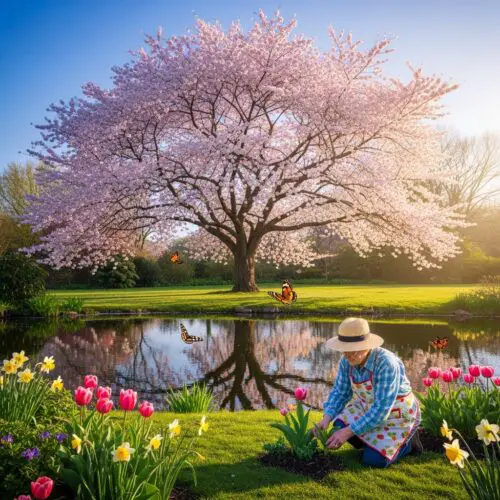
The Akebono cherry is a stunning variety known for its delicate, soft pink blooms. This tree not only enhances gardens with its beauty but also brings a lovely fragrance in spring.
Aesthetic Features
The Akebono cherry typically grows up to 25 feet tall and wide, featuring a rounded, spreading form. Its flowers emerge in early spring, creating a captivating display. The blooms are light pink and have a gentle fragrance, making them a favorite among gardeners.
- Flower Color: Soft pink
- Bloom Time: Early spring
- Growth Habit: Rounded and spreading
Care Requirements
To thrive, the Akebono cherry needs specific care. It prefers full sun and well-drained soil. Proper watering is crucial, especially in dry periods. Regular pruning helps maintain its shape and encourages healthy growth.
- Sunlight: Full sun (at least 6 hours daily)
- Soil: Well-drained, loamy soil
- Watering: Weekly during dry spells
- Pruning: Annually in late winter
Best Planting Practices
When planting an Akebono cherry, timing and location are key. Early spring or fall is the best time for planting. Choose a location with ample sunlight and space for the tree to spread.
- Planting Time: Early spring or fall
- Spacing: At least 10-15 feet from other trees
- Site Selection: Full sun with good air circulation
Visual Comparison of Blooms
The blooms of the Akebono cherry can be compared to other popular varieties. For instance, the Yoshino cherry offers slightly lighter blooms, while the Kwanzan cherry features darker, fuller flowers. Understanding these differences can aid in selecting the right tree for your garden.
| Variety | Bloom Color | Bloom Size | Fragrance |
|---|---|---|---|
| Akebono | Soft Pink | Medium | Light |
| Yoshino | Pale Pink | Small to Medium | Subtle |
| Kwanzan | Dark Pink | Large | Moderate |
Choosing the right cherry blossom tree enhances your garden’s beauty and provides a stunning seasonal display. The Akebono cherry stands out for its unique characteristics and care needs, making it an excellent choice for ornamental gardening.
12. Kanzan Cherry (Prunus serrulata ‘Kanzan’)

The Kanzan cherry is celebrated for its striking, double-pink blooms and robust structure. This tree makes a stunning addition to any garden, offering an impressive display of flowers in spring.
Bloom Characteristics
The Kanzan cherry tree can grow up to 30 feet tall and features a vase-like form. Its abundant, double-pink flowers bloom in clusters, presenting a rich visual spectacle. Each blossom can measure up to 2.5 inches across, creating a lush canopy of color.
- Flower Color: Double-pink
- Bloom Size: Large (up to 2.5 inches)
- Bloom Time: Late April to Early May
Care and Maintenance
Caring for the Kanzan cherry is straightforward. It thrives with proper attention to watering, fertilizing, and pruning.
- Watering: Keep the soil evenly moist, especially during dry periods.
- Fertilizing: Use a balanced fertilizer in early spring to promote healthy growth.
- Pruning: Prune in late winter to remove dead or crowded branches, enhancing airflow and sunlight penetration.
Ideal Planting Conditions
Kanzan cherries prefer well-drained soil and full sun. Consider these guidelines for optimal growth:
- Soil Type: Loamy, well-draining soil
- Sunlight: Full sun (at least 6 hours a day)
- Spacing: Plant at least 15-20 feet away from buildings and other trees
Landscape Design Ideas
Incorporating the Kanzan cherry into your landscape can create stunning focal points. Consider planting it near walkways or patios to enhance outdoor spaces with its vibrant colors. Pair it with lower flowering plants for a layered effect or use it as a backdrop for seasonal blooms.
For a balanced garden design, combine the Kanzan cherry with:
- Spring Bulbs: Daffodils or tulips for early color.
- Perennials: Hostas or ferns for lush greenery.
- Accent Plants: Japanese maples for contrast in foliage color and texture.
By following these care tips and design ideas, the Kanzan cherry can flourish, becoming a centerpiece in your garden.
13. Autumnalis Rosea Cherry (Prunus subhirtella ‘Autumnalis Rosea’)
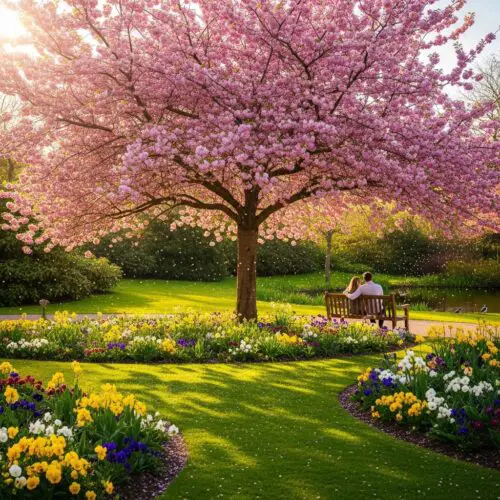
The Autumnalis Rosea cherry is renowned for its unique pink blooms that grace gardens in both spring and fall. This variety offers a dual display of beauty, making it a favored choice among gardeners seeking extended flowering seasons.
Unique Features of Autumnalis Rosea
- Blooming Periods: This cherry tree is distinct for its semi-double rose-pink flowers, which appear in both early spring and late fall.
- Growth Habit: It typically reaches heights of 20 to 30 feet, with a broad, spreading form that provides ample shade.
- Foliage: The leaves emerge bronze in spring, transitioning to dark green throughout summer, and then turning to yellow and orange in fall.
Care Requirements
To thrive, the Autumnalis Rosea cherry requires specific care:
- Sunlight: Full sunlight exposure (at least 6 hours daily) is essential for optimal blooming.
- Soil: Prefers well-drained, loamy soil with a slightly acidic to neutral pH.
- Watering: Regular watering is crucial, particularly during dry spells. The soil should remain moist but not waterlogged.
Best Planting Practices
When planting the Autumnalis Rosea cherry, consider the following:
- Timing: Early spring or fall is ideal for planting to ensure establishment before extreme temperatures.
- Spacing: Provide ample space of at least 15 to 20 feet from other trees to allow for its broad spread.
- Mulching: Apply a layer of mulch around the base to retain moisture and suppress weeds.
Seasonal Changes
The Autumnalis Rosea cherry offers a dynamic visual transition throughout the year. In spring, its blossoms create a stunning display, followed by a rich green canopy in summer. In fall, expect vibrant foliage to complement the tree’s unique seasonal charm. This tree not only enhances your garden’s aesthetic but also provides a habitat for local wildlife.
14. Snow Goose Cherry (Prunus ‘Snow Goose’)
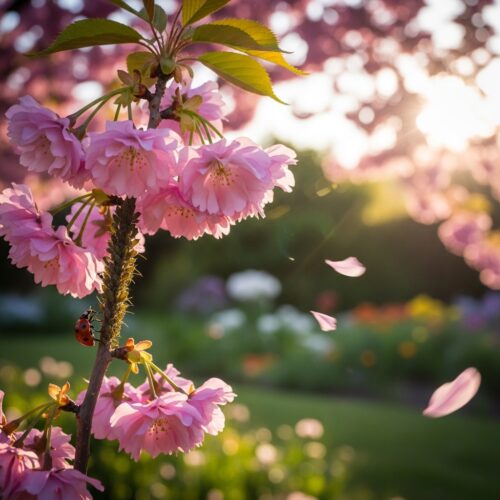
The Snow Goose cherry is a compact and elegant variety, perfect for gardens with limited space. This tree stands out with its stunning white blossoms that bloom in mid-spring, offering a delightful contrast to its dark-green foliage.
Aesthetic Features
- Height: Grows up to 20 feet tall.
- Form: Upright and narrow, making it ideal for smaller gardens.
- Flowers: Pure white, single blossoms that create a striking visual display.
Care Requirements
Caring for the Snow Goose cherry involves several key practices:
- Watering: Ensure consistent moisture, especially during dry spells.
- Pruning: Trim in late winter or early spring to maintain shape and promote healthy growth.
- Fertilization: Use a balanced fertilizer in early spring to support blooming.
Ideal Planting Conditions
To thrive, the Snow Goose cherry needs specific conditions:
- Sunlight: Full sun for optimal flowering.
- Soil: Well-draining soil enriched with organic matter.
- Spacing: Plant at least 15 feet away from other trees to accommodate its growth.
Companion Planting Tips
Consider the following companions for your Snow Goose cherry:
- Perennials: Plant with low-growing perennials like hostas or ferns for an attractive underlayer.
- Shrubs: Surround with flowering shrubs such as hydrangeas to enhance seasonal interest.
- Ground Cover: Use ground cover plants like creeping thyme to suppress weeds and retain moisture.
By following these guidelines, the Snow Goose cherry can become a focal point in your garden, providing beauty and seasonal interest.
15. Cherry Blossom Tree Care Essentials

Caring for cherry blossom trees requires attention to detail throughout the seasons. Understanding their specific needs will ensure vibrant blooms and healthy growth.
Watering and Fertilizing
Cherry blossom trees thrive with proper watering and fertilization. Follow these guidelines:
- Watering:
- Water deeply but infrequently.
- Aim for 1-2 inches of water per week, adjusting for rainfall.
- Water at the base to encourage deep root growth.
- Fertilizing:
- Apply a balanced fertilizer in early spring before blooming.
- Consider a slow-release fertilizer for sustained nutrition.
- Avoid excessive nitrogen, which can lead to lush foliage but fewer blooms.
Pruning Techniques
Pruning is essential for maintaining the shape and health of cherry blossom trees. Follow these techniques:
- Timing:
- Prune in late summer or early fall after flowering.
- Methods:
- Remove dead or crossing branches to improve air circulation.
- Thin out crowded areas to allow light to penetrate.
- Avoid heavy pruning, which can stress the tree and reduce flowering.
Pest and Disease Management
Cherry blossom trees can be susceptible to pests and diseases. Implement these management strategies:
- Common Pests:
- Monitor for aphids, spider mites, and scale insects. Use insecticidal soap if infestations occur.
- Diseases:
- Watch for fungal infections like powdery mildew. Ensure proper spacing and airflow to reduce humidity around the foliage.
- Preventive Measures:
- Keep the area around the tree clean and free of debris.
- Regularly inspect leaves and bark for signs of distress.
Seasonal Care Calendar
| Season | Care Tasks |
|---|---|
| Spring | Water deeply and fertilize; prune after blooming. |
| Summer | Monitor for pests; maintain consistent watering. |
| Fall | Prune to shape; clear fallen leaves to prevent disease. |
| Winter | Protect young trees with mulch; assess for winter damage. |
By following these care essentials, your cherry blossom trees will flourish, showcasing their stunning blooms each spring.
16. Common Pests Affecting Cherry Blossom Trees
Cherry blossom trees, while beautiful, are susceptible to various pests and diseases. Identifying and managing these threats is essential for maintaining their health and vibrant blooms.
Common Pests
1. Aphids: These small insects suck sap from leaves, causing curling and yellowing.
2. Japanese Beetles: They eat leaves and flowers, leading to significant defoliation.
3. Spider Mites: These tiny pests create webbing and can cause leaf discoloration.
4. Scale Insects: They attach to branches and stems, weakening the tree by feeding on sap.
5. Cherry Fruit Flies: These pests can damage the fruit, making it unappealing.
Symptoms to Watch For
- Wilting Leaves: Indicates sap-sucking pests like aphids.
- Discoloration: Yellowing or browning leaves may signify infestation.
- Webbing: Look for fine webs, a sign of spider mites.
- Defoliation: Significant leaf loss points to beetle or caterpillar activity.
Preventive Measures
- Regular Inspections: Check for pests weekly, especially in spring.
- Natural Predators: Introduce ladybugs or lacewings to control aphid populations.
- Neem Oil: Use this organic solution to repel various pests.
- Insecticidal Soap: Effective against soft-bodied insects like aphids and mites.
- Cultural Practices: Maintain proper spacing and airflow to reduce disease risk.
Organic vs. Chemical Pest Control
Organic methods focus on natural solutions, such as introducing beneficial insects and using organic sprays. These methods are safer for the environment and beneficial organisms but may require more frequent applications.
Chemical controls offer immediate results but can harm non-target species and lead to resistance. Use them sparingly and as a last resort.
When managing pests, consider the long-term health of your cherry blossom trees. Implement a balanced approach, combining both organic and chemical strategies when necessary.
17. Planting Tips for Cherry Blossom Trees
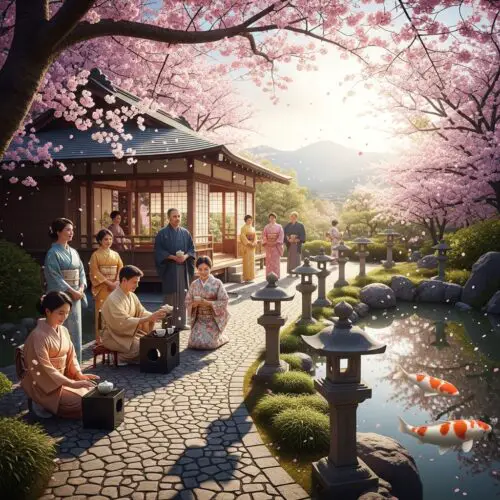
Planting cherry blossom trees requires careful consideration of soil, sunlight, spacing, and timing. These factors significantly influence the tree’s growth and flowering potential.
Ideal Soil and Sunlight Conditions
Cherry blossom trees thrive in well-drained soil rich in organic matter. They prefer slightly acidic to neutral pH levels, ideally between 6.0 and 7.0. Here are specific requirements:
- Soil Type: Loamy or sandy soils are best. Avoid heavy clay.
- Drainage: Ensure the planting area has good drainage to prevent root rot.
- Sunlight: Select a location that receives full sun for at least six hours each day.
Spacing and Placement
Proper spacing is crucial for cherry blossom trees to develop their full potential. Consider the following guidelines:
- Spacing: Plant trees 15 to 30 feet apart, depending on their mature size.
- Placement: Position trees away from tall structures and competing plants to maximize sunlight exposure.
- Growth Habit: Choose your location based on the tree’s eventual height and spread. For instance, wide-spreading varieties like the Kwanzan require more room compared to upright types like the Yoshino.
Timing for Planting
The timing of planting cherry blossom trees can impact their establishment. Follow these recommendations:
- Best Seasons: Plant in early spring or fall. These seasons provide optimal soil conditions, allowing roots to establish before extreme weather.
- Bare Root vs. Container-Grown: Bare root trees should be planted during dormancy (November to March), while container-grown trees can be planted year-round.
Decision Framework for Planting Locations
When selecting a planting site, evaluate the following:
1. Tree Size: Consider the mature height and width of the variety you choose.
2. Sun Exposure: Ensure at least six hours of sunlight.
3. Soil Quality: Test soil for drainage and pH.
4. Wind Protection: Look for natural barriers if your area experiences strong winds.
By carefully selecting the right soil, sunlight, and spacing, you can ensure your cherry blossom trees flourish in your garden.
18. Cultural Significance of Cherry Blossoms

Cherry blossoms hold profound cultural significance across various countries. They symbolize beauty, transience, and renewal, resonating deeply with cultural identities and traditions.
Cherry Blossoms in Japan
In Japan, cherry blossoms, or sakura, are celebrated as a national symbol. The blooming season typically occurs in early spring, marking the end of winter. Hanami, the tradition of viewing cherry blossoms, is an annual event where families and friends gather under blooming trees to appreciate their beauty. This practice dates back over a thousand years and signifies the fleeting nature of life.
Key points of Japanese cherry blossom culture include:
- Symbolism: Represents the transient nature of life and beauty.
- Festivals: Numerous festivals are held throughout Japan, with the most famous being the Tokyo Hanami.
- Artistic Influence: Cherry blossoms inspire countless works of art, poetry, and literature.
Global Celebrations
Cherry blossoms are not limited to Japan; they are cherished worldwide. Various countries hold festivals to honor these stunning trees.
- United States: The National Cherry Blossom Festival in Washington, D.C., celebrates the gift of cherry trees from Japan in 1912. This event features parades, art exhibits, and cultural performances.
- South Korea: The Jinhae Cherry Blossom Festival attracts millions each spring. Visitors enjoy scenic walks among over 300,000 cherry trees, with historical reenactments and local food stalls.
- Taiwan: The Alishan Cherry Blossom Festival showcases cherry trees blooming against the backdrop of stunning mountain scenery, attracting tourists and locals alike.
Artistic Representations
Cherry blossoms have inspired artists and writers throughout history. Their delicate beauty is captured in various forms:
- Visual Arts: Artists depict cherry blossoms in paintings and photographs, emphasizing their ephemeral nature.
- Literature: Poets often use cherry blossoms as metaphors for beauty and the passage of time. The imagery evokes deep emotional connections.
- Cultural Events: Cherry blossoms feature prominently in traditional performances, including dance and music, highlighting their role in cultural heritage.
Understanding the cultural significance of cherry blossoms enriches the experience of planting and nurturing these trees in your garden. Their beauty transcends borders, connecting people through shared appreciation and celebration.
19. Comparison of Cherry Blossom Varieties

Cherry blossom trees come in various types, each offering unique characteristics, growth habits, and care needs. Understanding these differences helps gardeners choose the best varieties for their landscapes.
Bloom Times
The bloom time of cherry blossom trees varies significantly among species. Here’s a quick comparison:
| Variety | Bloom Time |
|---|---|
| Yoshino | Early to mid-April |
| Kwanzan | Mid to late April |
| Okame | Late March to early April |
| Shirotae | Mid-April |
Size and Shape Comparison
Cherry blossom trees also differ in size and shape, affecting placement in the garden:
| Variety | Height | Shape | Notable Feature |
|---|---|---|---|
| Yoshino | 20-30 feet | Spreading | Abundant white blooms |
| Kwanzan | 15-25 feet | Upright | Large, double pink flowers |
| Okame | 15-20 feet | Wide-spreading | Clusters of small pink flowers |
| Shirotae | 20-30 feet | Rounded | Elegant white flowers against dark foliage |
Care Requirements
Each cherry blossom variety has distinct care requirements. Here are some key considerations:
- Sunlight: Most varieties thrive in full sun, requiring at least 6 hours of direct sunlight daily.
- Soil Type: Well-draining soil is essential. Sandy loam works best for optimal growth.
- Watering: Regular watering is crucial during the first few years. Once established, they are relatively drought tolerant.
- Pruning: Minimal pruning is needed. Remove dead or crossing branches in late spring.
Decision-Making Insights
When selecting a cherry blossom tree, consider the following:
- Space: Ensure you have enough room for the tree’s mature size.
- Local Climate: Choose varieties suited for your USDA hardiness zone.
- Aesthetic Goals: Decide based on flower color and tree shape that complements your garden design.
By evaluating these aspects, you can make an informed decision on which cherry blossom tree best suits your garden’s needs.
20. Alternatives to Cherry Blossom Trees
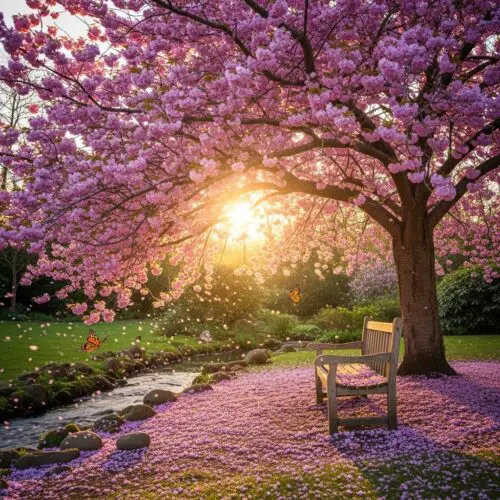
If you’re seeking flowering trees that offer similar beauty and seasonal charm as cherry blossoms, several alternatives thrive in various climates. These trees not only provide stunning blooms but also enhance the aesthetic of your garden.
Other Spring-Blooming Trees
Consider these flowering trees that bloom around the same time as cherry blossoms:
| Tree Variety | Bloom Color | Height (ft) | Best USDA Zones | Unique Features |
|---|---|---|---|---|
| Yoshino Cherry | White | 25-40 | 5-8 | Iconic for its fragrant, abundant blooms. |
| Kwanzan Cherry | Pink | 30-40 | 5-8 | Double blossoms with a rich pink hue. |
| Okame Cherry | Light Pink | 20-30 | 5-8 | Early bloomer with vibrant flowers. |
| Redbud | Pink/Purple | 20-30 | 4-9 | Heart-shaped leaves and stunning early blossoms. |
| Flowering Dogwood | White/Pink | 15-30 | 5-9 | Showy bracts resemble flowers, adding interest year-round. |
Pros and Cons of Alternatives
When considering alternatives to cherry blossom trees, weigh the following pros and cons:
Pros
- Diverse Aesthetics: These alternatives may offer unique flower colors and tree shapes.
- Adaptability: Many of these trees thrive in a variety of climates, making them versatile choices.
- Extended Bloom Period: Some alternatives may have a longer flowering season.
Cons
- Care Requirements: Certain species may require more maintenance than cherry blossoms.
- Space Needs: Some alternatives can grow significantly larger, requiring ample garden space.
- Pest Vulnerability: Other flowering trees may attract different pests, necessitating additional management.
By evaluating these alternatives, you can enhance your garden’s beauty while ensuring a suitable match for your climate and care preferences.
21. Final Thoughts on Choosing the Best Cherry Blossom Tree
Selecting the ideal cherry blossom tree for your garden involves understanding your preferences and garden conditions. With various species available, each offering unique characteristics, the decision can be daunting.
Identify Key Factors
Before making your choice, consider these essential factors:
- Space: Assess your garden’s size. Some varieties, like the Kwanzan, can grow quite large, while others, like the Okame, are more compact.
- Climate: Ensure the chosen species is suitable for your climate zone. Most cherry blossom trees thrive in USDA zones 6a to 9b.
- Bloom Time: Different varieties bloom at various times. For instance, the Yoshino typically flowers earlier than the Kwanzan.
Care and Maintenance Checklist
Proper care is crucial for your cherry blossom tree’s health. Follow this checklist:
- Watering: Ensure consistent moisture, especially during dry spells.
- Pruning: Conduct light pruning after flowering to maintain shape and health.
- Fertilizing: Use a balanced fertilizer in early spring.
Create a Seasonal Care Calendar
To optimize growth and flowering, follow this seasonal care calendar:
| Season | Task |
|---|---|
| Spring | Water, fertilize, prune |
| Summer | Monitor for pests, maintain moisture |
| Autumn | Prepare for winter, mulch |
| Winter | Inspect for damage, plan for spring planting |
By considering these factors and adhering to the care checklist, you can select a cherry blossom tree that enhances your garden’s beauty and fits your lifestyle. Each variety offers something unique, so choose one that resonates with your personal aesthetic and gardening capabilities.
Frequently Asked Questions
These quick answers cover the most common questions about this topic, including key details, practical tips, and common concerns.
What is the longest lasting cherry blossom tree?
The Yoshino cherry (Prunus x yedoensis) is known for its relatively long lifespan, often living 30 to 40 years with proper care. Its durability makes it a popular choice for parks and large gardens. Regular pruning and pest management can extend its health and beauty over the years.
What is the best month to plant a cherry blossom tree?
The ideal time to plant cherry blossom trees is in early spring or fall. Spring planting allows roots to establish before summer heat, while fall planting gives trees time to settle before winter. Avoid planting during extreme cold or heat for best results.
Which cherry blossom is best?
The best cherry blossom depends on your climate and garden size. The Yoshino is prized for its abundant white blooms and adaptability. Kwanzan offers large, double pink flowers, and Okame blooms early with vibrant pinks. Choose based on your aesthetic preference and space.
Where is the best cherry blossom in the USA?
The National Cherry Blossom Festival in Washington, D.C., is one of the most famous displays. The trees were a gift from Japan and bloom spectacularly each spring. Other notable spots include Jinhae in South Korea and Alishan in Taiwan.
Which cherry blossom is best for small gardens?
The Okame cherry (Prunus ‘Okame’) is ideal for small gardens. It reaches about 15-20 feet tall, blooms early, and has a compact, spreading habit. Its vibrant pink flowers add spring color without overwhelming limited space.
How do I prevent pests on my cherry blossom trees?
Regular inspection is key. Use organic treatments like neem oil or insecticidal soap against aphids and mites. Maintain good airflow through pruning and keep the area clean. Introducing natural predators, like ladybugs, can also help control pests.
When do cherry blossoms typically bloom?
Most cherry blossom varieties bloom between late March and early May, depending on the climate and specific type. Early bloomers like Okame start in late winter or early spring, while others like Kwanzan bloom mid to late spring.
Are cherry blossom trees suitable for all climates?
Cherry blossom trees thrive in temperate climates with distinct seasons. They generally prefer USDA zones 5-8. In colder zones, some varieties may need extra winter protection, while very hot or humid climates can limit their flowering and health.