
Starting your gardening journey can be exciting yet overwhelming. This article presents the 33 best plants for beginners, ideal for those with limited experience [1]. Each plant is low-maintenance, forgiving, and perfect for enhancing your indoor or outdoor space.
1. Snake Plant (Sansevieria)

The snake plant is a resilient choice for beginners. Its striking sword-like leaves thrive in low-light conditions and require minimal watering.
Ideal for low-light environments
Snake plants excel in low-light settings. They adapt easily to various indoor environments. Whether placed in a dim corner or near a window, they maintain their vibrant appearance. This versatility makes them an excellent option for any room in your home.
Watering needs and frequency
Watering a snake plant is straightforward. It prefers to dry out between waterings. Typically, watering every two weeks is sufficient. During winter, you can reduce frequency even more. Overwatering can lead to root rot, so it’s best to err on the side of caution.
Propagation methods
Propagating snake plants is simple and rewarding. Follow these steps for successful propagation:
- Leaf Cuttings: Cut a healthy leaf into sections about 4-6 inches long.
- Planting: Place the cuttings in well-draining soil, ensuring they are upright.
- Watering: Lightly water the soil, then allow it to dry out.
- Light: Keep the cuttings in indirect light until new growth appears.
This method allows you to expand your plant collection without much effort. You can easily share or gift these new plants to friends.
Snake plants are not only easy to care for but also contribute to better indoor air quality by filtering toxins. Their low-maintenance nature makes them a perfect addition to any beginner’s plant collection. Remember to keep them away from pets, as the leaves can be mildly toxic if ingested.
Snake Plant (Sansevieria)
2. Pothos (Epipremnum aureum)
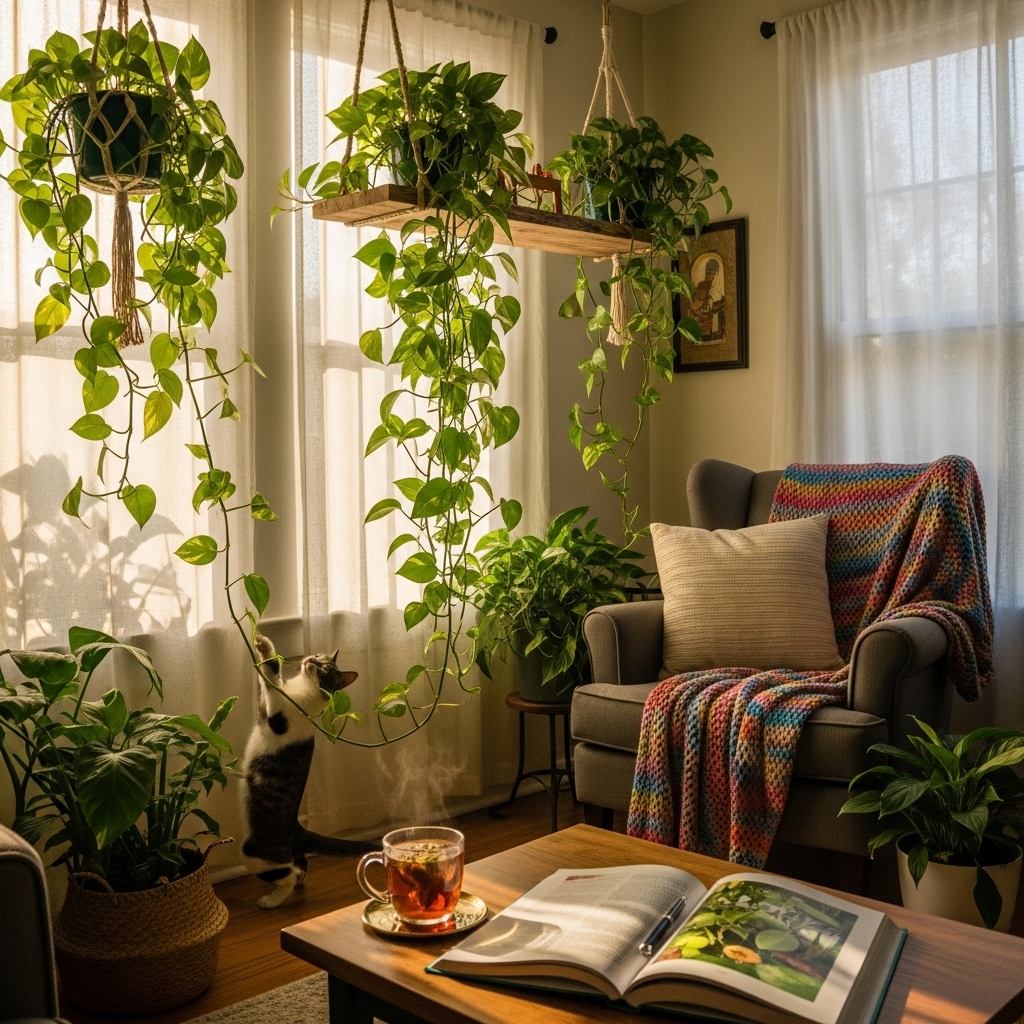
Pothos is a fast-growing, trailing plant that is perfect for beginners. It features heart-shaped leaves and thrives in various conditions, making it an ideal choice for any indoor space.
Growing conditions and light preferences
Pothos is highly adaptable. It grows well in low to bright indirect light. However, it prefers bright, indirect light for optimal growth. Avoid direct sunlight, as it can scorch the leaves.
- Light: Low to bright indirect light
- Soil: Well-draining potting mix
- Temperature: 60°F to 85°F (15°C to 29°C)
Watering schedule
Pothos is forgiving when it comes to watering. Allow the top inch of soil to dry out between waterings. Overwatering can lead to root rot, so be cautious.
- Watering frequency: Every 1-2 weeks
- Signs of overwatering: Yellowing leaves and mushy stems
Common problems and solutions
While Pothos is low-maintenance, issues can arise. Here are some common problems and their solutions:
- Yellowing leaves: This can indicate overwatering. Check the soil moisture.
- Brown tips: This often points to underwatering or low humidity. Increase watering or mist the leaves.
- Pests: Watch for spider mites and mealybugs. Wipe leaves with a damp cloth or use insecticidal soap as needed.
Pothos offers several attractive varieties, including:
- Golden Pothos: Features green leaves with golden variegation, adding a vibrant touch.
- Neon Pothos: Characterized by bright green leaves, perfect for brightening up a space.
- Silver Pothos: Known for its silvery leaves, this variant stands out beautifully in any room.
With its easy care requirements and stunning appearance, Pothos remains one of the best plants for beginners [2][3].
Pothos (Epipremnum aureum)
3. ZZ Plant (Zamioculcas zamiifolia)
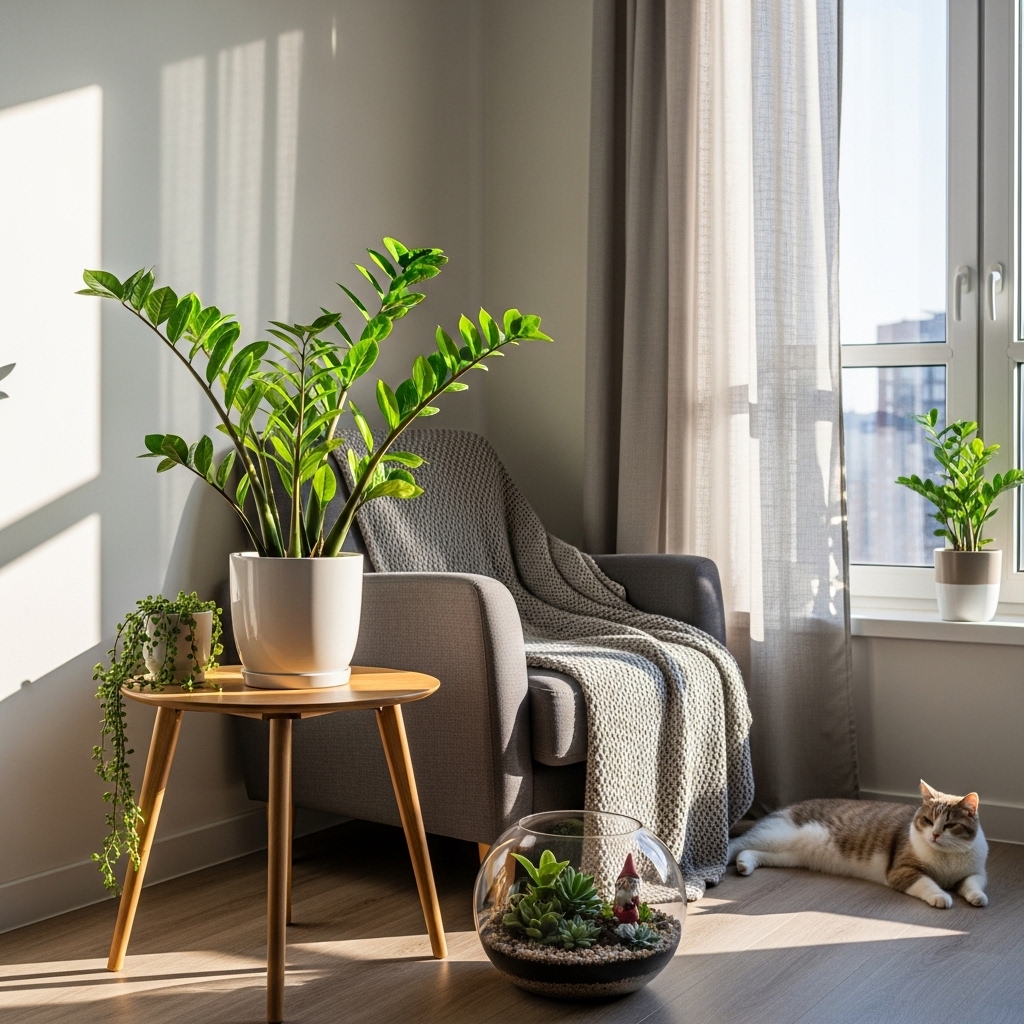
The ZZ Plant is a virtually indestructible choice for beginners. It thrives on neglect, making it perfect for busy individuals or those new to gardening.
Resilience to low light
The ZZ Plant excels in low-light conditions. It can adapt to various lighting environments but prefers indirect light. This versatility makes it suitable for darker corners of your home. In fact, it can survive even in rooms with minimal natural light.
Watering and soil requirements
This plant requires minimal watering. Allow the soil to dry out completely between waterings. Overwatering can lead to root rot, so it’s best to err on the side of caution. Use a well-draining soil mix to help manage moisture levels effectively.
Signs of overwatering and how to fix it
Recognize the signs of overwatering early. Yellowing leaves often indicate too much water. If you notice this, check the soil moisture. Adjust your watering schedule accordingly. For best results, water when the top inch of soil feels dry.
Expert tips for pest management
The ZZ Plant is generally pest-resistant. However, watch for common pests like spider mites and mealybugs. If you spot these, wipe the leaves with a damp cloth or use insecticidal soap. Regularly cleaning the leaves also helps prevent infestations.
This plant is a true gem for beginners, combining beauty with ease of care. Its glossy leaves enhance any room, and its low maintenance requirements ensure it thrives even with minimal attention.
ZZ Plant (Zamioculcas zamiifolia)
4. Spider Plant (Chlorophytum comosum)
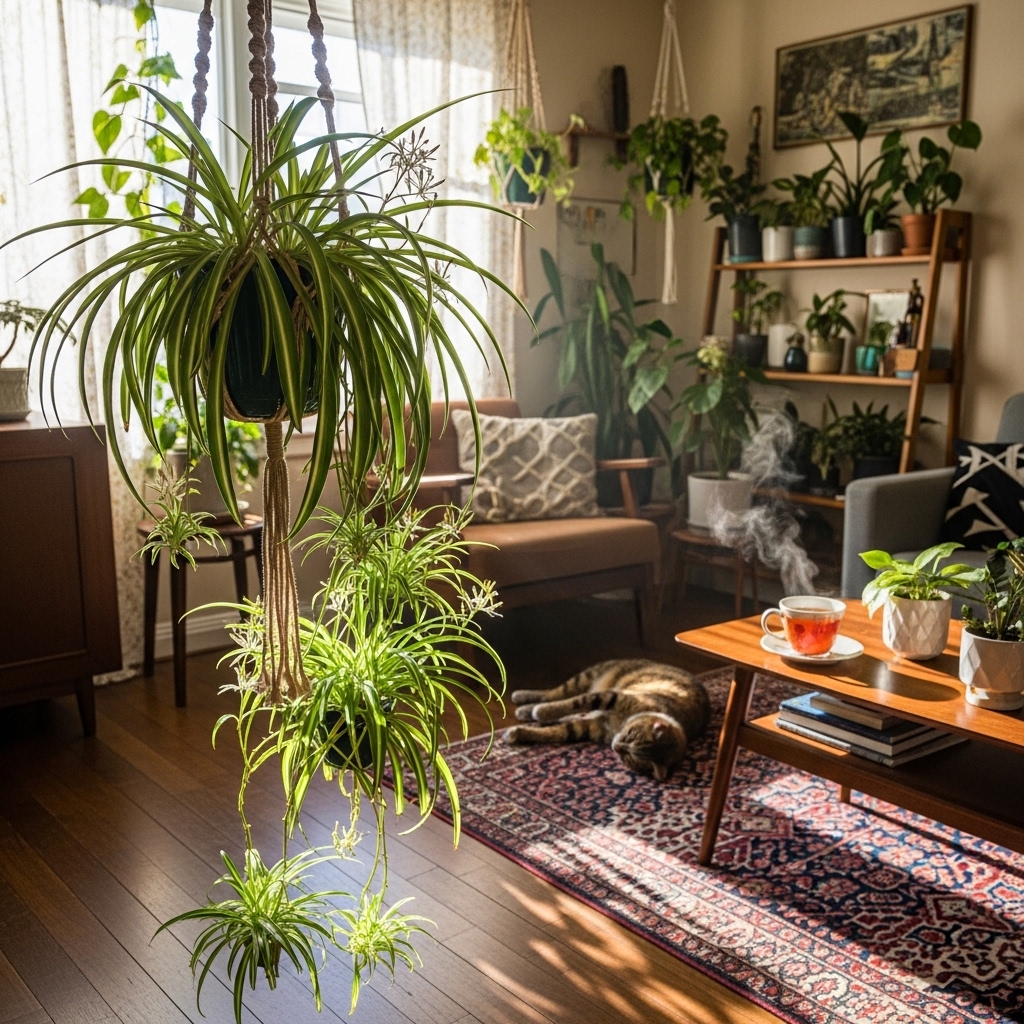
The spider plant is a favorite among beginner gardeners. Its unique arching leaves and easy-care nature make it a perfect choice for any home.
Light and watering needs
Spider plants thrive in various light conditions. They prefer moderate to bright, indirect light. Avoid direct sunlight, as it can scorch the leaves. Water them once a week, allowing the soil to dry slightly between waterings. Aim to keep the soil slightly moist for optimal growth [6].
Propagate spiderettes
Propagation is simple with spider plants. They produce small offsets, known as “spiderettes,” that can be easily rooted in soil. Here’s how to propagate:
- Identify a healthy spiderette with roots.
- Cut it from the mother plant.
- Plant it in a small pot with well-draining soil.
- Water it lightly and place it in indirect light.
- Keep the soil moist until new growth appears.
Common care mistakes to avoid
New plant parents often make a few common mistakes with spider plants. Here are some to watch for:
- Overwatering: This can lead to root rot. Ensure the pot has drainage holes.
- Low light: While they tolerate low light, they thrive in brighter conditions.
- Neglecting dust: Regularly wipe the leaves to keep them clean. This helps the plant breathe and absorb light effectively.
By understanding these care tips, you’ll ensure your spider plant remains lush and vibrant.
Spider Plant (Chlorophytum comosum)
5. Aloe Vera (Aloe barbadensis miller)
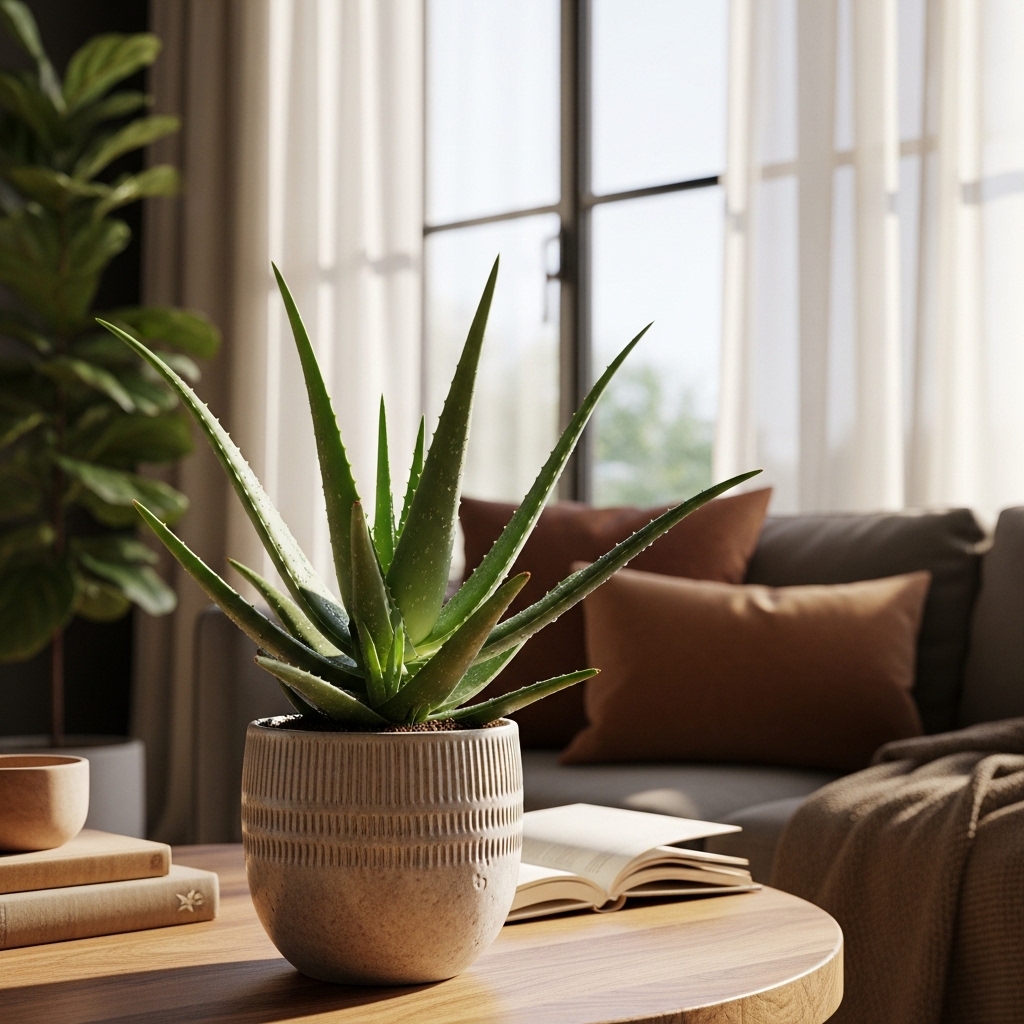
Aloe vera is a popular succulent, cherished for its beauty and medicinal properties. This hardy plant thrives with minimal care, making it perfect for beginners.
Ideal Growing Conditions
Aloe vera prefers bright, indirect sunlight. It flourishes in well-draining soil, such as a mix of potting soil and sand or perlite. Ensure the container has drainage holes. This plant enjoys warm temperatures, ideally between 60°F to 75°F (15°C to 24°C).
Watering Frequency and Tips
Aloe vera is drought-tolerant, requiring infrequent watering. Water only when the top inch of soil is completely dry. Typically, this means watering every two to three weeks. Overwatering can lead to root rot, so it’s crucial to be cautious.
Uses of Aloe Vera Beyond Decoration
Aloe vera is not just an attractive houseplant; it also offers numerous benefits:
| Use | Benefit |
|---|---|
| Skin Care | The gel from its leaves can soothe sunburns and minor burns. [7] |
| Digestive Health | Aloe vera juice may aid digestion and reduce inflammation. [7] |
| Air Purification | It helps improve indoor air quality by removing toxins. |
The versatility of aloe vera makes it a valuable addition to any home. As you care for your aloe, enjoy both its aesthetic and practical benefits.
Aloe Vera (Aloe barbadensis miller)
6. Peace Lily (Spathiphyllum)
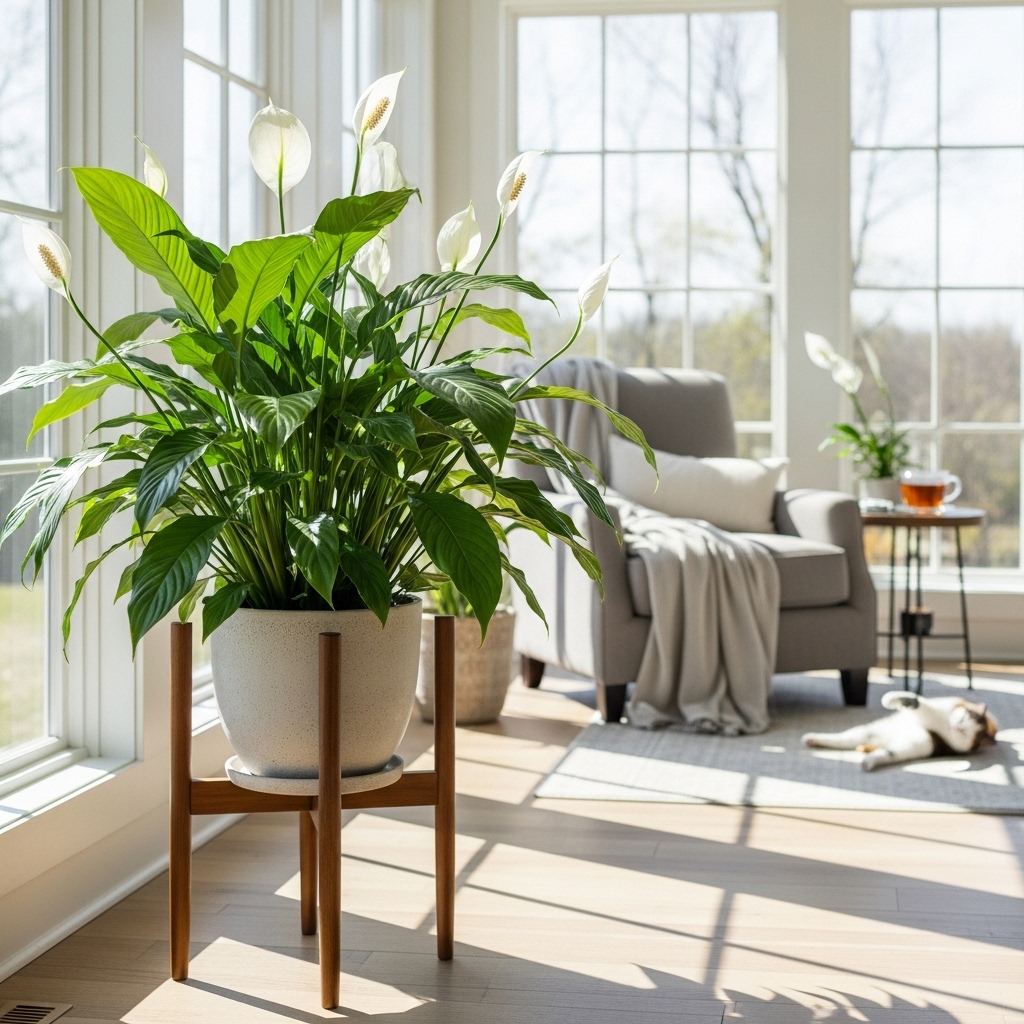
The peace lily is an elegant indoor plant known for its striking white flowers and air-purifying qualities. It’s perfect for beginners due to its easy care requirements.
Light and humidity preferences
Peace lilies thrive in bright, indirect light. They can tolerate low light but may bloom less frequently. Aim for humidity levels around 50-60% for optimal growth. If your home is dry, consider placing a humidifier nearby or misting the leaves occasionally.
Watering requirements
Water your peace lily when the top inch of soil feels dry. Overwatering can lead to root rot, while underwatering causes drooping leaves. A good rule of thumb is to water every 1-2 weeks, adjusting frequency based on humidity and temperature.
Toxicity concerns for pets
It’s important to note that peace lilies are toxic to pets if ingested. They contain calcium oxalate crystals, which can cause irritation in the mouth and throat. If you have pets, consider alternatives like spider plants or Boston ferns, which are safe and also easy to care for.
Peace Lily (Spathiphyllum)
7. Cast Iron Plant (Aspidistra elatior)
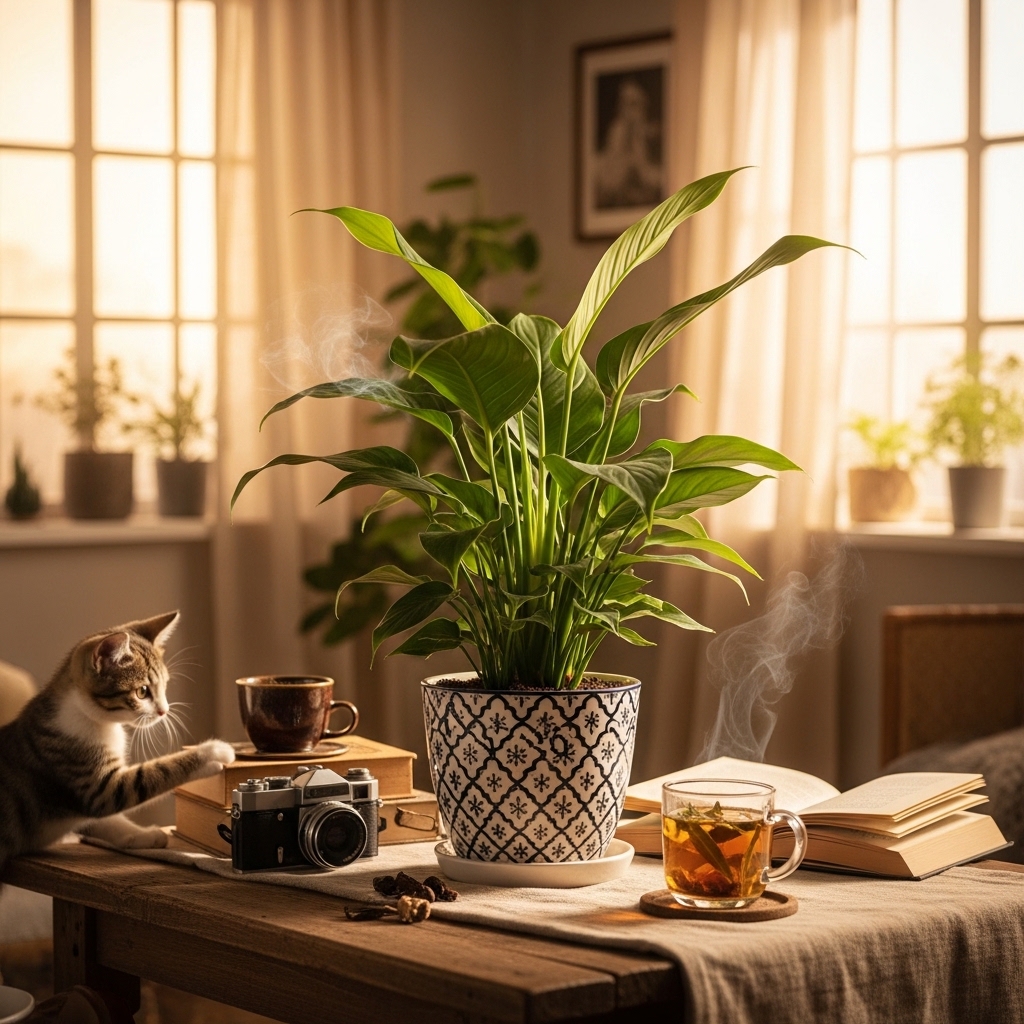
The cast iron plant is a resilient choice for beginners. It thrives on neglect and adapts well to low light conditions, making it an excellent option for any space.
It’s called the cast iron plant
This hardy plant, native to China and Japan, features long, stiff, dark green leaves. It can grow up to three feet tall. The cast iron plant is perfect for those who may forget to water regularly. It can handle a variety of conditions, including low humidity and fluctuating temperatures.
Watering and soil needs
Water the cast iron plant only when the top inch of soil feels dry. During the active growth period, keep the soil evenly moist. In fall and winter, allow it to dry out more between waterings. This plant is relatively drought-tolerant once established. For best results, use well-draining potting soil to prevent waterlogging.
Common pests to watch for
While generally pest-resistant, the cast iron plant can still attract mealybugs and spider mites. Regularly inspect the leaves for these pests. If you spot them, wipe the leaves with a damp cloth or use insecticidal soap as a treatment. Maintaining cleanliness around the plant helps prevent infestations.
Quick Care Checklist for Cast Iron Plant
- Light: Low to medium indirect light.
- Water: Allow soil to dry between waterings.
- Soil: Well-draining potting mix.
- Pests: Watch for mealybugs and spider mites.
Cast Iron Plant (Aspidistra elatior)
8. Lavender (Lavandula spp.)
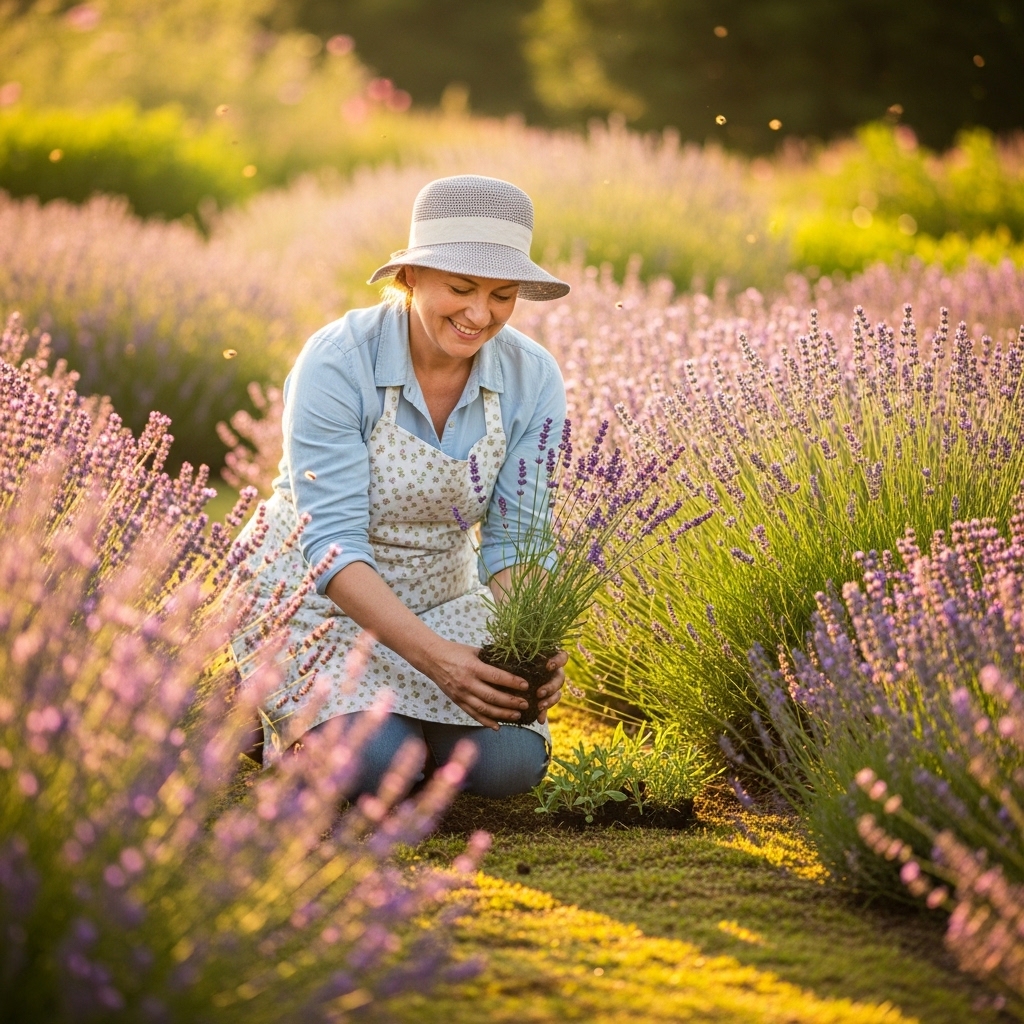
Lavender is a fragrant herb that not only beautifies spaces but also offers calming properties. Its delightful aroma and vibrant purple flowers make it a favorite among beginner gardeners.
Optimal light and soil conditions
Lavender thrives in full sun. Aim for at least six hours of direct sunlight daily. For soil, choose a well-draining mix. Sandy or rocky soil works best, as lavender dislikes wet roots. This plant can tolerate poor soil, making it perfect for beginners who may not have gardening experience.
Watering schedule
Lavender requires minimal watering. Allow the soil to dry out completely between waterings. Overwatering can lead to root rot. In general, water your lavender once a week during dry spells. Adjust based on rainfall; this plant prefers drier conditions.
Uses of lavender in cooking and aromatherapy
Lavender is versatile in the kitchen. Use its flowers to enhance baked goods, salads, or teas. The herb can also flavor savory dishes, providing a unique aromatic profile. In aromatherapy, lavender is known to reduce anxiety and improve sleep quality. Its calming properties have been well-documented in studies, making it an excellent choice for relaxation spaces [14].
Quick Care Checklist for Lavender
- Light: Full sun (6+ hours daily)
- Water: Allow soil to dry between waterings
- Soil: Well-draining, sandy or rocky mix
- Uses: Flavoring in cooking, aromatherapy for relaxation
Lavender is an easy-to-grow plant that offers beauty and practical uses. With minimal care, it can thrive in both indoor and outdoor environments.
Lavender (Lavandula spp.)
9. Marigold (Tagetes spp.)
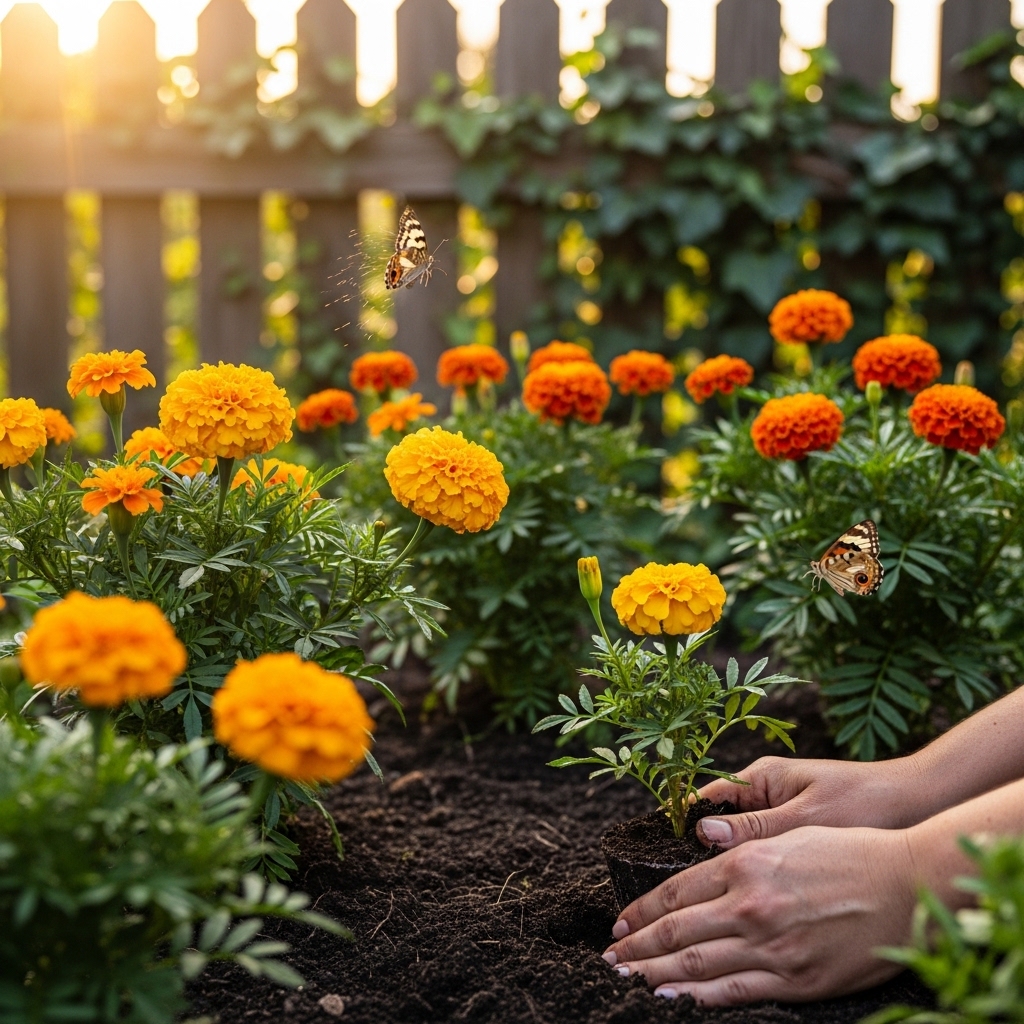
Marigolds are vibrant, easy-to-grow flowers that thrive in outdoor gardens. They offer both beauty and pest control, making them ideal for beginner gardeners.
Ideal outdoor conditions
Marigolds flourish in full sun, needing at least six hours of direct sunlight daily. They adapt well to a variety of soil types but prefer well-draining soil. Ensure that the planting area has good airflow to prevent disease and promote healthy growth.
Watering and care tips
Water marigolds consistently, allowing the top inch of soil to dry out between waterings. Overwatering can lead to root rot, while underwatering can stunt growth.
- Light: Full sun
- Water: Allow soil to dry out slightly
- Soil: Well-draining mix
- Fertilization: Monthly feeding with a balanced fertilizer can enhance blooming
Benefits of marigolds in the garden
Marigolds are not just pretty; they provide substantial benefits. They deter pests such as nematodes and aphids, making them excellent companions for vegetables. Additionally, their vibrant colors attract beneficial pollinators like bees and butterflies.
- Companion Planting: Plant marigolds next to tomatoes or peppers to reduce pest damage.
- Easy to Grow: These flowers are resilient and adapt to various garden conditions, making them perfect for beginners [16].
By choosing marigolds, novice gardeners can enjoy a flourishing garden with minimal effort.
Marigold (Tagetes spp.)
10. Succulents (Various Species)
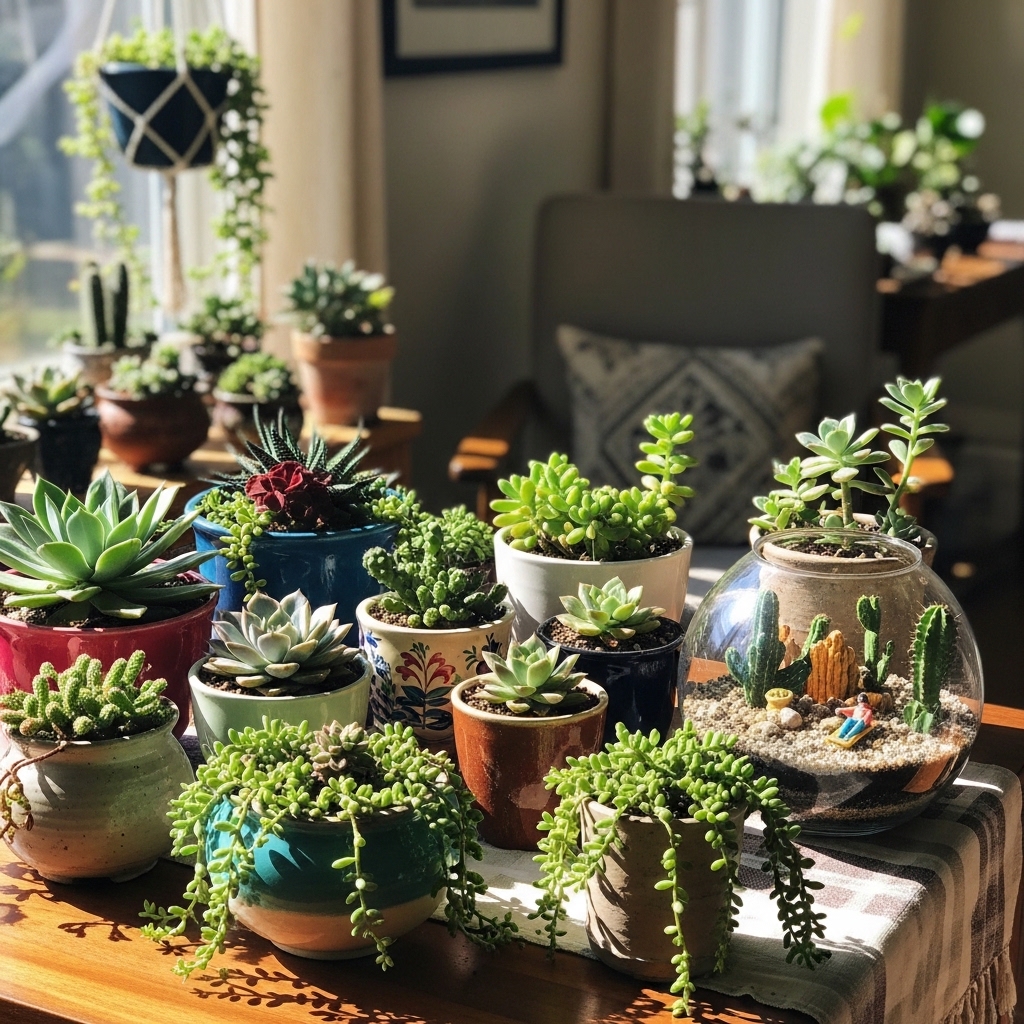
Succulents are low-maintenance plants that store water in their leaves, stems, or roots. This unique trait makes them ideal for beginners who may forget to water regularly. Their diverse shapes and colors add visual interest to any space.
Common Types of Succulents
Here are some popular succulent varieties that thrive in various conditions:
- Aloe Vera: Known for its medicinal properties and easy care.
- Echeveria: Features rosette shapes and vibrant colors, perfect for indoor displays.
- Jade Plant: A symbol of good luck, it requires minimal attention.
- Sedum: Versatile and hardy, great for outdoor gardens and containers.
Watering and Light Needs
Succulents thrive in bright, indirect sunlight. They prefer well-draining soil. As a rule, water them when the top inch of soil feels dry. Most succulents need watering every 2-3 weeks. Overwatering can lead to root rot, so it’s better to err on the side of less water.
Propagation Techniques for Succulents
Propagating succulents is simple and rewarding. Here’s how:
- Leaf Cuttings: Gently twist a leaf from the plant, let it dry for a few days, then place it on soil. Water sparingly.
- Offsets: Many succulents produce offsets or “pups” that can be removed and replanted.
- Stem Cuttings: Cut a healthy stem, let it callous, then plant it in soil.
These methods ensure your succulent collection grows with minimal effort. Succulents’ forgiving nature makes them perfect for new gardeners [17][19].
Succulents (Various Species)
11. Cacti (Various Species)
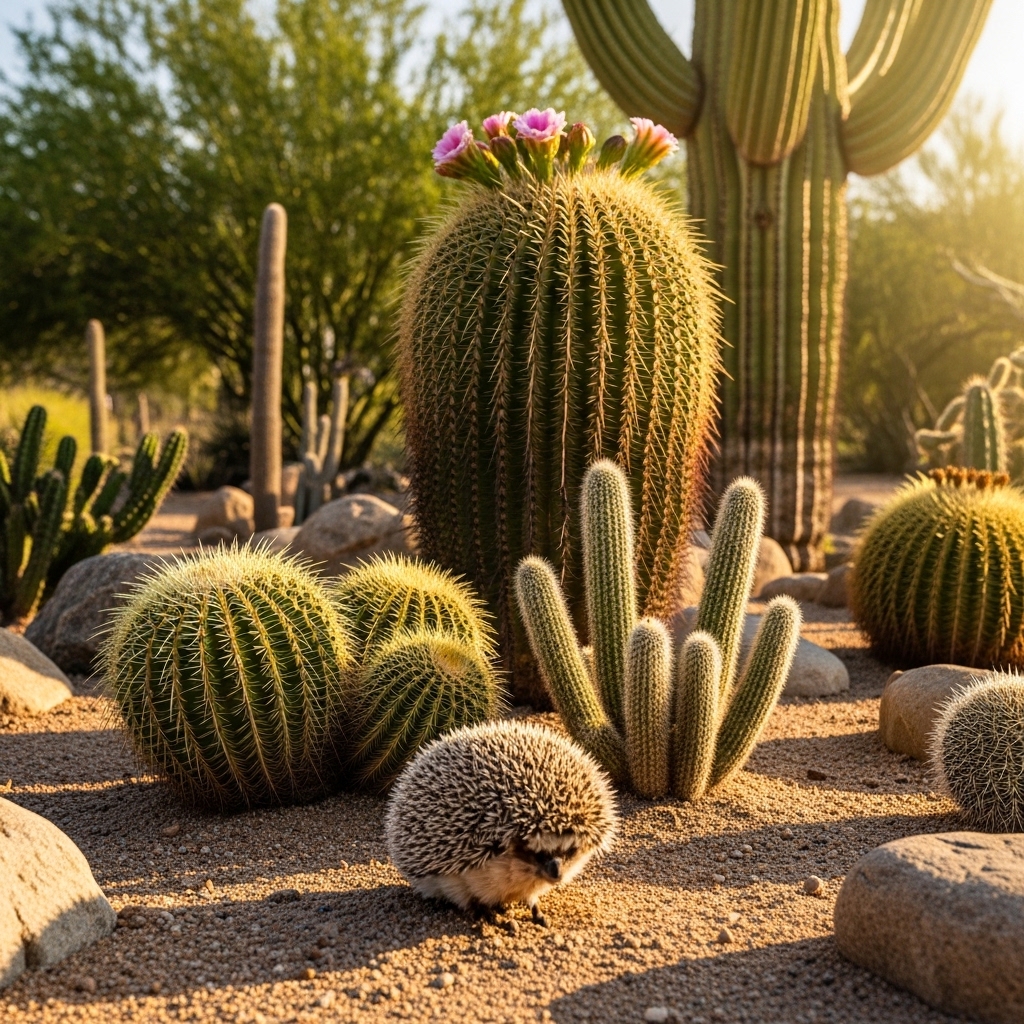
Cacti are hardy plants that thrive in dry conditions. They require minimal care and are perfect for beginner gardeners. Their unique appearance and resilience make them a popular choice.
Best Conditions for Growing Cacti
Cacti prefer bright, indirect sunlight. They enjoy warm temperatures and low humidity. A well-draining soil mix is essential. This allows excess water to escape, preventing root rot. Aim for a pot with drainage holes to enhance soil drainage.
Watering Frequency and Tips
Water cacti sparingly. Typically, every 2-3 weeks is sufficient. Allow the soil to dry completely between waterings. Overwatering is a common mistake among beginners. If the soil feels dry, it’s time to water. During the winter months, reduce watering frequency even further.
Common Types of Cacti for Beginners
- Saguaro Cactus: Iconic and easy to care for.
- Barrel Cactus: Round and vibrant, perfect for outdoor gardens.
- Echinopsis (Easter Cactus): Gorgeous blooms, ideal for indoor settings.
- Zebra Cactus: Striped appearance and minimal care needs.
These cacti are forgiving and thrive in various environments. They tolerate neglect, making them excellent for busy individuals [18]. Begin with one or two varieties to build your confidence as a gardener.
Cacti (Various Species)
12. Spider Plant (Chlorophytum comosum)
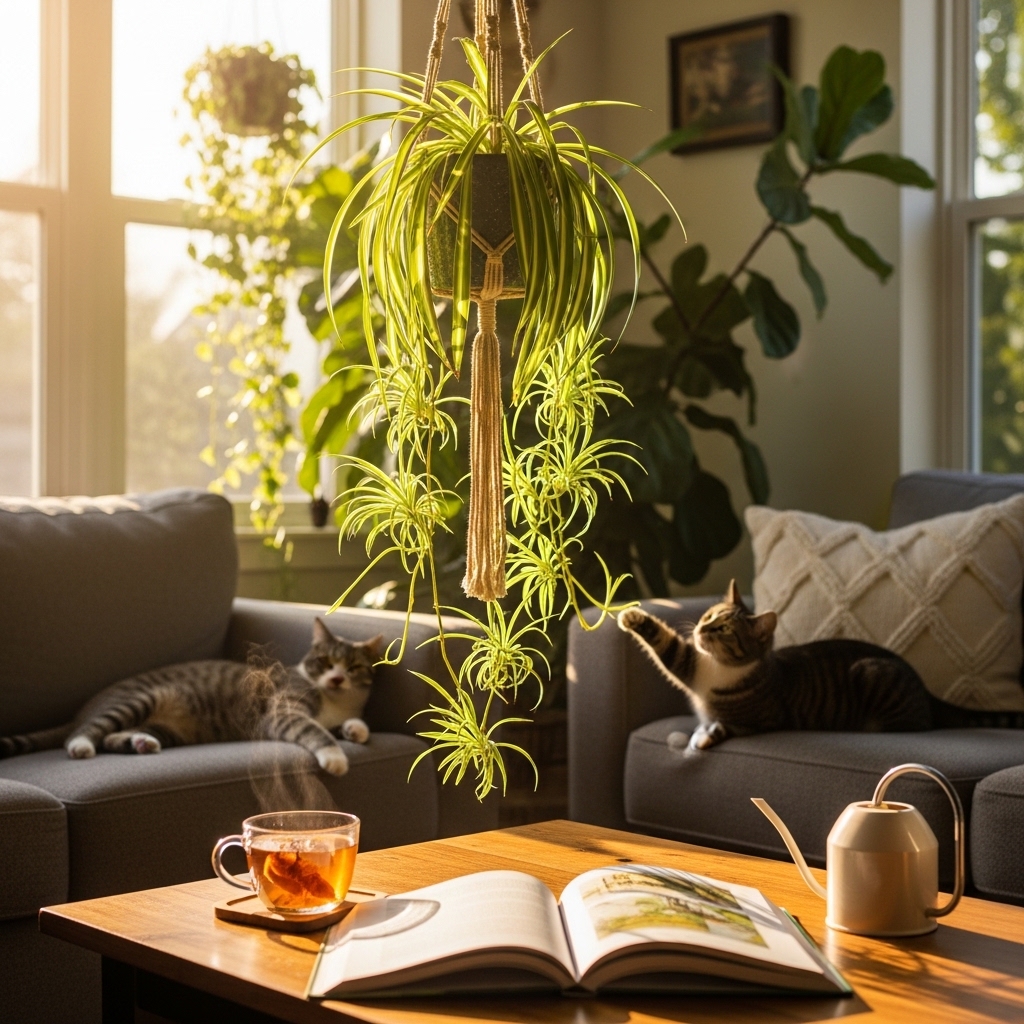
The spider plant is an iconic choice for beginner gardeners. Its striking arching leaves and easy care make it a favorite among plant enthusiasts.
Light and watering needs
Spider plants thrive in bright, indirect light but can tolerate lower light conditions. Water them once a week, allowing the soil to dry out slightly between waterings. During winter, reduce watering to prevent root rot.
Propagate spiderettes
One of the most appealing features of the spider plant is its ability to produce “spiderettes.” These small plantlets grow on long stems and can be easily propagated. To propagate:
- Wait until the spiderettes develop roots.
- Cut the spiderette from the main plant.
- Place it in a pot with well-draining soil.
- Water lightly and keep in indirect light.
- In a few weeks, the new plant will establish.
Common care mistakes to avoid
Many beginners struggle with overwatering. This can lead to yellowing leaves or root rot. Always check the soil moisture before watering. Additionally, avoid placing the spider plant in direct sunlight, as this can scorch its leaves.
By understanding these care basics, you’ll enjoy the lush greenery the spider plant brings to your home while building your confidence as a gardener.
Spider Plant (Chlorophytum comosum)
13. Golden Pothos (Epipremnum aureum)
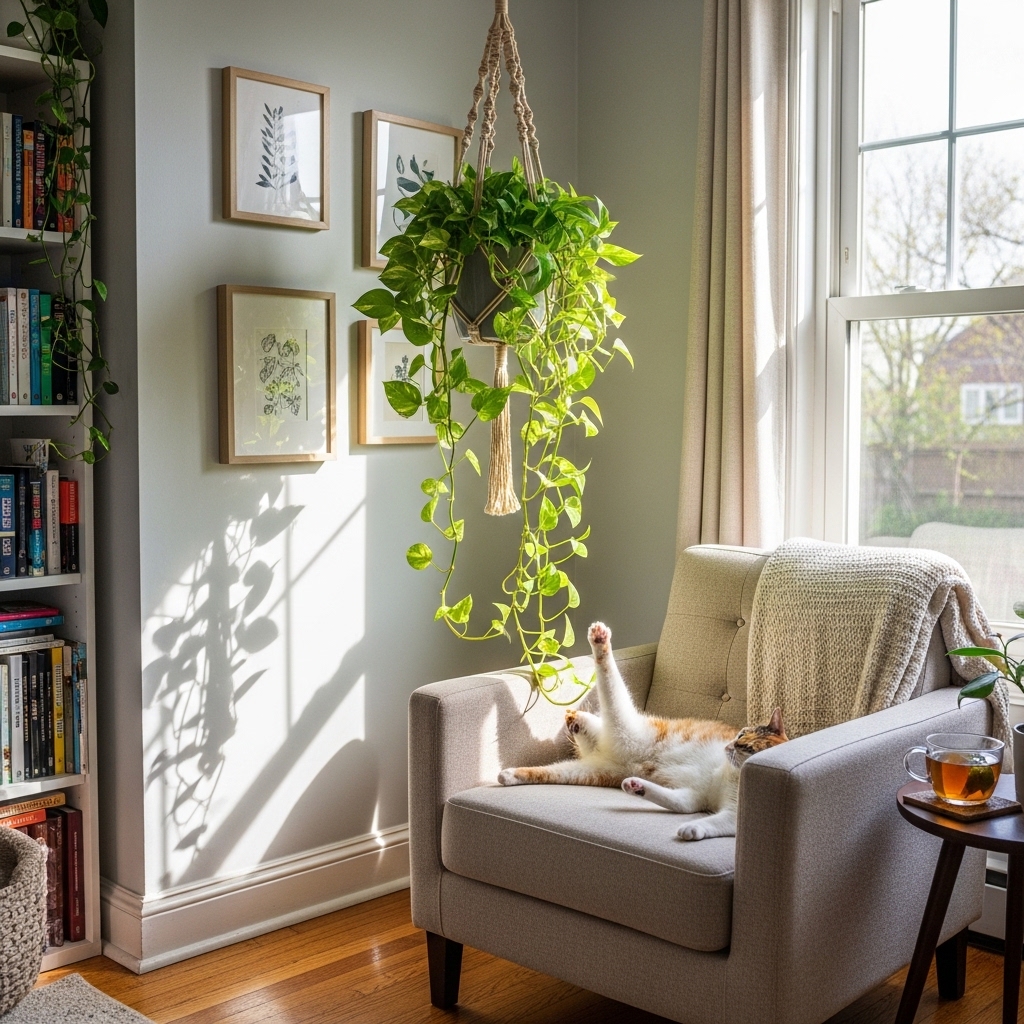
Golden pothos is a favorite among beginners for its low-maintenance nature and vibrant appearance. This hardy plant not only thrives in various indoor environments but also purifies the air.
Optimal light conditions
Golden pothos adapts to different lighting. It prefers bright, indirect light but can survive in low light. Avoid direct sunlight, which can scorch its leaves. This flexibility makes it perfect for any room in your home.
Watering habits
Water your golden pothos when the top inch of soil feels dry. Depending on your environment, this could be every 1-2 weeks. Overwatering can lead to root rot, so ensure proper drainage. A simple rule is to check moisture levels before each watering.
Pest management strategies
While golden pothos is generally pest-resistant, it can still attract common houseplant pests like spider mites and mealybugs. Here’s a quick pest prevention checklist:
- Regularly inspect leaves for signs of pests.
- Wipe leaves with a damp cloth to remove dust and potential pests.
- If pests are spotted, treat with insecticidal soap or neem oil.
- Keep the plant healthy with proper care to reduce pest risk.
By following these simple guidelines, you can enjoy the lush beauty of golden pothos while minimizing issues.
Golden Pothos (Epipremnum aureum)
14. Chinese Evergreen (Aglaonema)
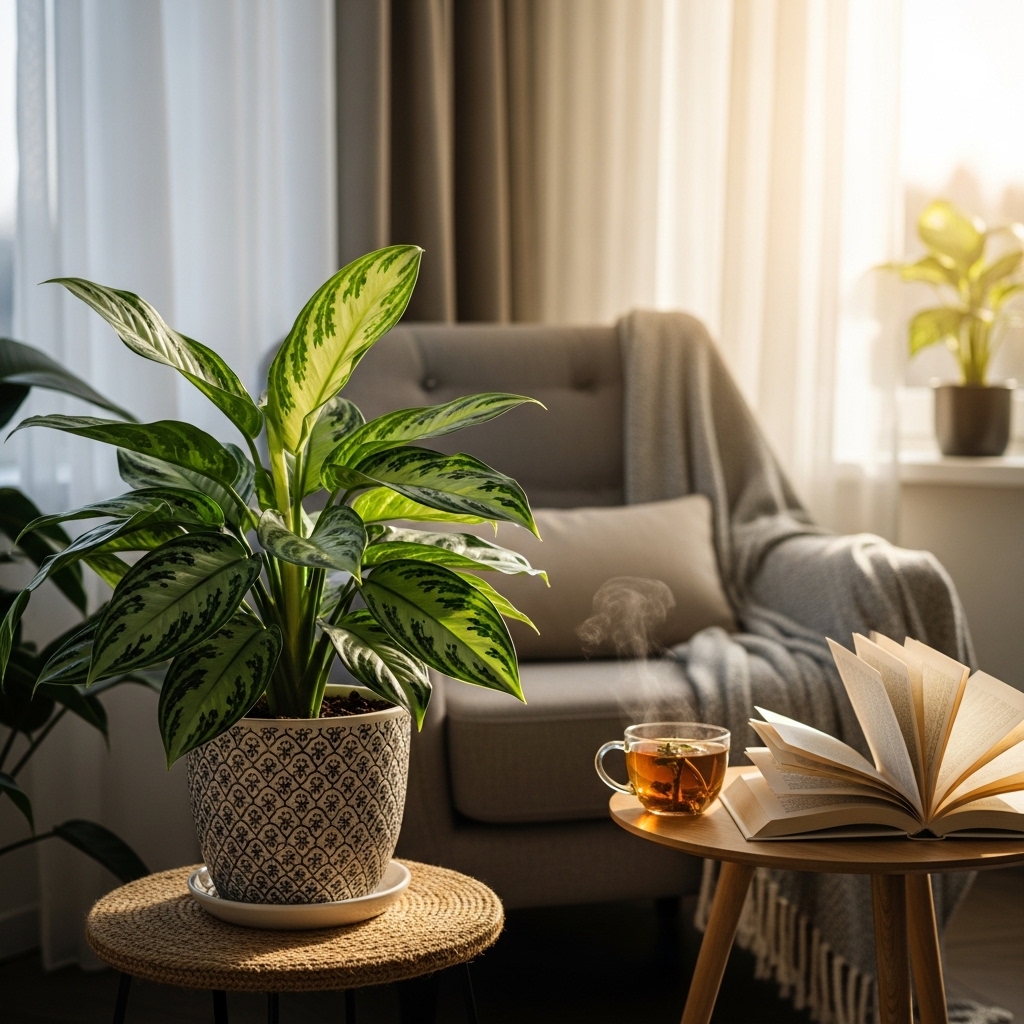
The Chinese Evergreen is a hardy plant that thrives in low light, making it an ideal choice for beginners. Its striking foliage and easy care requirements make it a popular indoor plant.
Best light conditions
Chinese Evergreens prefer indirect light. They can tolerate low light but will flourish in brighter areas. Avoid direct sunlight, as it can scorch the leaves. Here’s a quick guide for optimal light conditions:
- Low light: Dark green varieties do well.
- Bright indirect light: Variegated types thrive best.
Watering schedule
Water your Chinese Evergreen when the top two inches of soil feel dry. This plant is forgiving if you forget to water occasionally. Here’s a simple watering checklist:
- Every 1-2 weeks: During growing season (spring and summer).
- Every 2-4 weeks: In fall and winter.
Common issues and solutions
Despite its hardiness, the Chinese Evergreen can face a few troubles. Here are common issues and their solutions:
- Yellowing leaves: Often a sign of overwatering. Allow the soil to dry out more between waterings.
- Brown tips: This can indicate low humidity. Increase humidity with a pebble tray or humidifier.
- Pests: Watch for spider mites and mealybugs. Wipe leaves with a damp cloth or use insecticidal soap if needed.
By following these care tips, your Chinese Evergreen can thrive, adding beauty to your home while being low-maintenance and beginner-friendly.
Chinese Evergreen (Aglaonema)
15. Rubber Plant (Ficus elastica)

The rubber plant is a robust indoor plant known for its adaptability to various light conditions. It’s an excellent choice for beginners looking for low-maintenance greenery.
Light and humidity needs
Rubber plants thrive in bright, indirect light but can tolerate low light. They prefer humidity levels of 40-60%. Keep them away from drafts and direct sunlight to avoid leaf burn.
Watering frequency
Water your rubber plant when the top inch of soil feels dry. Depending on the environment, this may be every 1-2 weeks. Overwatering can lead to root rot, so ensure proper drainage.
Signs of distress in rubber plants
Look for the following signs to identify distress in your rubber plant:
- Yellowing leaves: Often indicates overwatering or insufficient light.
- Dropping leaves: May signal drastic changes in environment or watering issues.
- Brown leaf tips: Can be a sign of low humidity.
To revive a stressed rubber plant, adjust its care routine. If overwatered, allow the soil to dry out completely before resuming watering. If light conditions are not ideal, move the plant to a brighter location gradually.
By understanding the needs of your rubber plant, you can enjoy a thriving, attractive indoor companion.
Rubber Plant (Ficus elastica)
16. Norfolk Island Pine (Araucaria heterophylla)
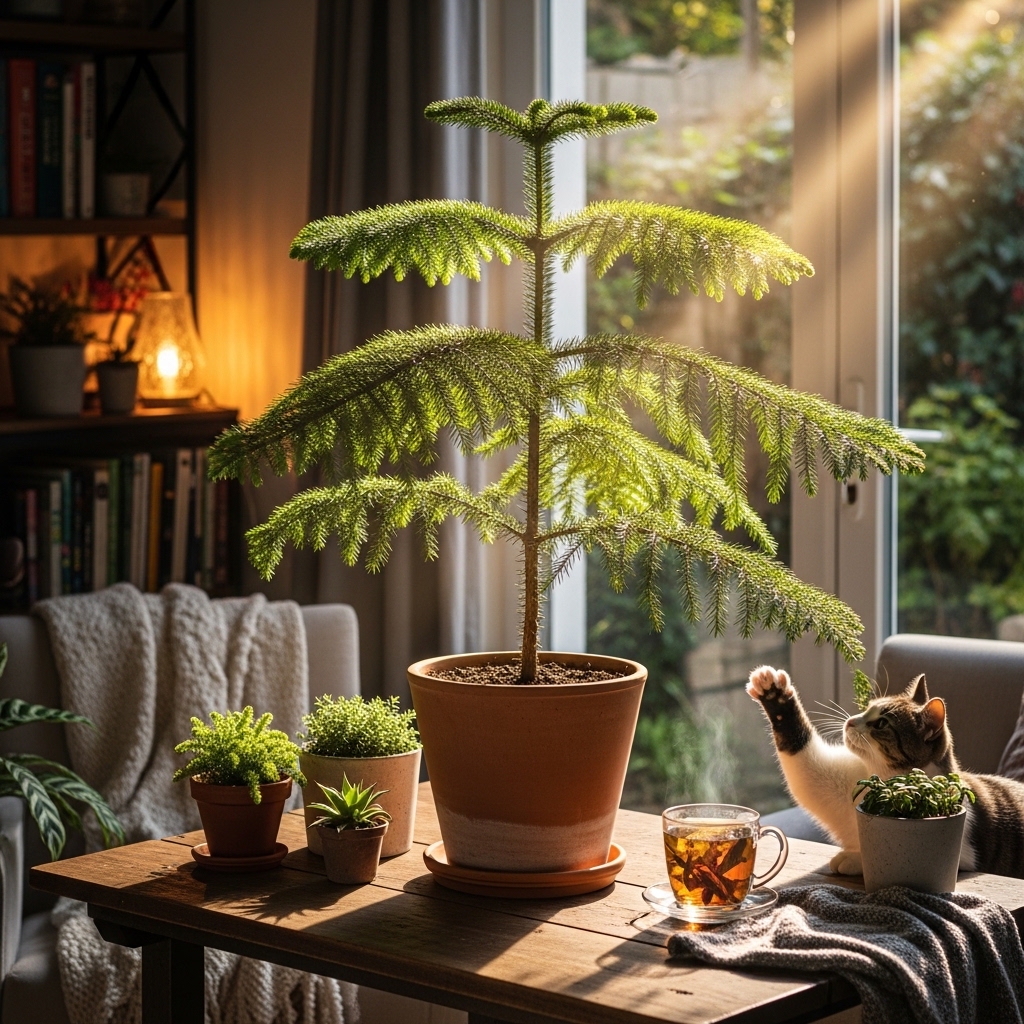
The Norfolk Island Pine is a stunning indoor tree perfect for beginners. It thrives in bright, indirect light and requires minimal watering, making it an ideal choice for new plant owners.
Best growing conditions
- Light: Bright, indirect sunlight is crucial. Too little light will cause lower branches to turn brown and drop off.
- Temperature: Keep the room temperature between 60-75°F for optimal growth.
- Soil: Use a well-draining potting mix to prevent waterlogging.
Watering and nutrients
- Watering frequency: Allow the top inch of soil to dry out between waterings. Overwatering can lead to root rot.
- Nutrients: Feed with a balanced liquid fertilizer every 4-6 weeks during the growing season (spring and summer).
Common issues and how to address them
- Browning needles: Often caused by low light or overwatering. Adjust light exposure and watering schedule accordingly.
- Pests: Watch for spider mites or scale. Treat with insecticidal soap if necessary.
Seasonal care tips: During winter, reduce watering frequency as the plant’s growth slows down. Ensure it still receives adequate light, especially in shorter days.
The Norfolk Island Pine is not only easy to care for but also adds a cozy, woodsy feel to your living space. Its soft texture and charming appearance make it a favorite among indoor gardeners.
Norfolk Island Pine (Araucaria heterophylla)
17. Peperomia (Various Species)
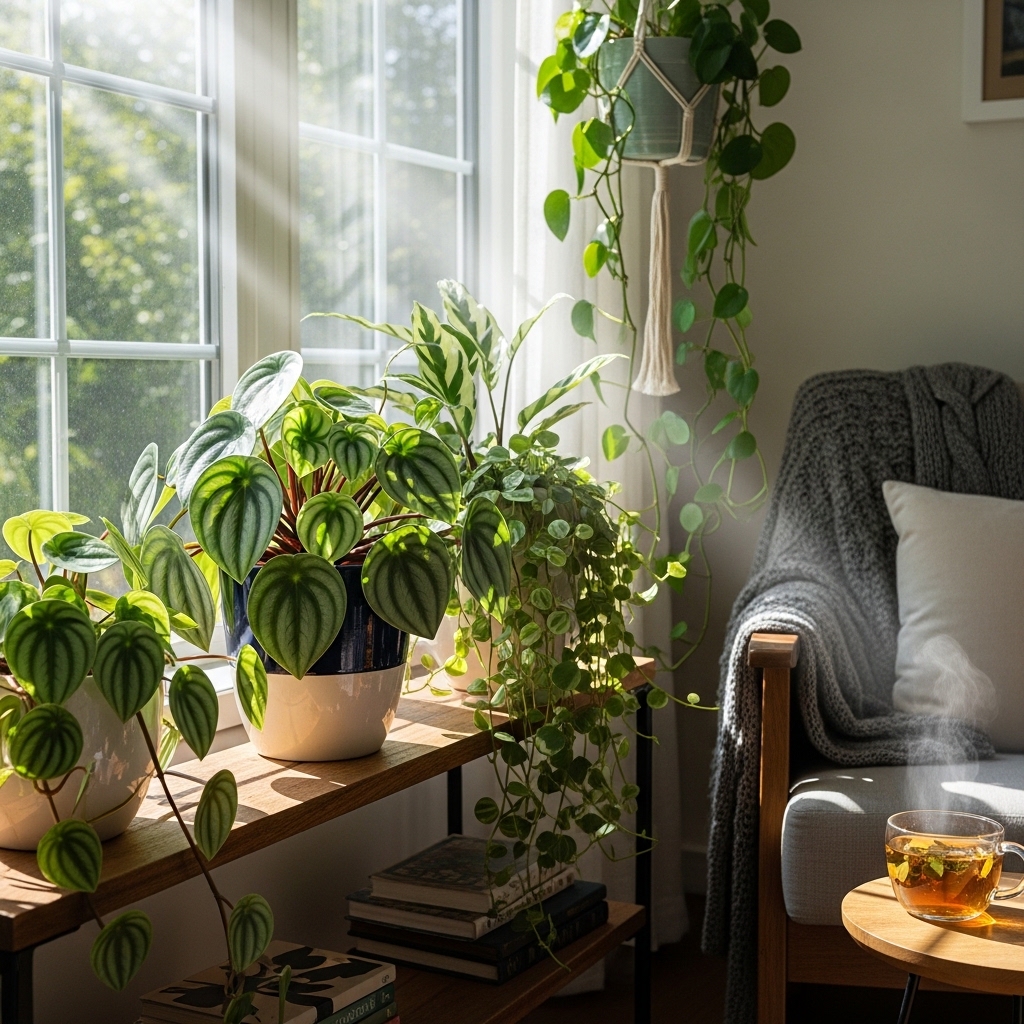
Peperomias are a diverse group of small, easy-care plants perfect for beginners. They thrive in indirect light and require minimal watering, making them an excellent choice for anyone new to gardening.
Light and watering preferences
Peperomias prefer bright, indirect light but can tolerate lower light conditions. Avoid direct sunlight, as it can scorch their leaves. Water these plants every 1-3 weeks, allowing the soil to dry out between waterings. This approach helps prevent root rot, which is a common issue with overwatering [27].
Popular varieties and their care
- Ripple Peperomia: Features textured, wavy leaves. It thrives in moderate light and needs watering only when the top inch of soil feels dry.
- Watermelon Peperomia: Known for its striking leaf patterns. It prefers bright, indirect light and benefits from a slightly drier environment.
- Baby Rubber Plant: A compact variant with thick, glossy leaves. It enjoys medium light and requires infrequent watering.
- Silverleaf Peperomia: This variety showcases silver-speckled leaves. It thrives in low to medium light and needs watering only when dry.
Common diseases
While generally low-maintenance, Peperomias can encounter a few issues:
- Root rot: Caused by overwatering. Ensure the pot has drainage holes and avoid waterlogged soil.
- Leaf drop: This may indicate too much direct sunlight or inconsistent watering. Adjust the light exposure and watering schedule accordingly.
By selecting the right variety and following proper care tips, you can enjoy the beauty of Peperomias in your home with ease.
Peperomia (Various Species)
18. Bromeliads (Bromeliaceae spp.)
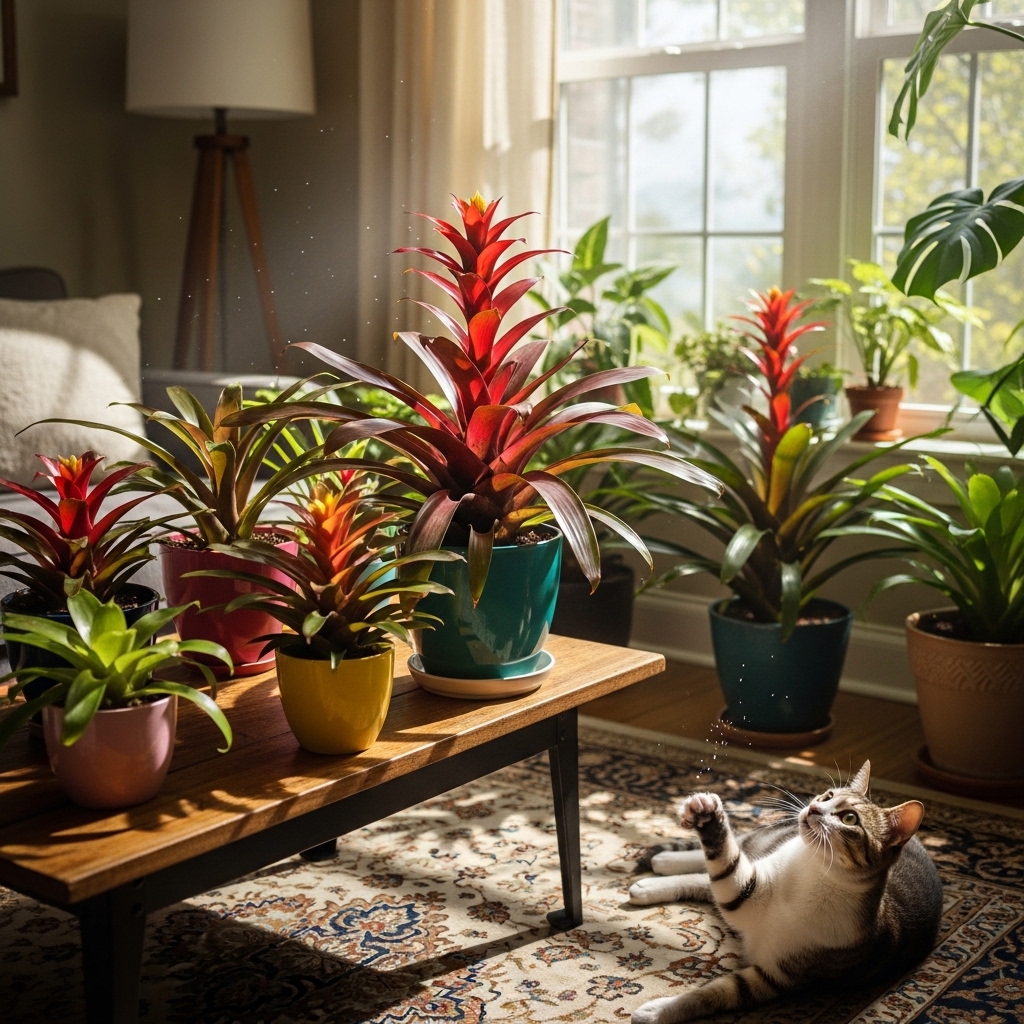
Bromeliads are vibrant plants that bring a splash of color to any indoor space. They thrive in moderate light and require specific humidity levels, making them perfect for beginners ready to explore indoor gardening.
Best conditions for bromeliads
Bromeliads flourish in environments that mimic their tropical origins. They prefer:
- Light: Moderate, indirect sunlight. Too much direct light can scorch their leaves.
- Temperature: Warm temperatures between 60°F to 80°F (15°C to 27°C).
- Humidity: High humidity levels, ideally above 50%. This can be achieved by misting the leaves or placing a humidifier nearby.
Watering and humidity tips
Proper watering is crucial for bromeliads. They have a unique structure that collects water in their central cup. Here’s how to care for them effectively:
- Watering: Fill the central cup with water every week. Change the water every few days to prevent stagnation.
- Soil: Use a well-draining potting mix. This helps avoid root rot.
- Humidity: Increase humidity through regular misting or by placing the plant on a pebble tray filled with water.
Common care mistakes
New plant parents often make a few common mistakes with bromeliads. Avoid these pitfalls to keep your plants healthy:
- Overwatering: This can lead to root rot. Always allow the soil to dry out slightly between waterings.
- Insufficient light: While they can adapt, too little light can stunt growth and dull colors.
- Ignoring humidity: Failing to maintain humidity can cause leaf tips to brown. Regular misting or a humidity tray can help mitigate this.
By understanding these key aspects of bromeliad care, you can enjoy their beauty without stress.
Bromeliads (Bromeliaceae spp.)
19. Fishbone Cactus (Epiphyllum anguliger)
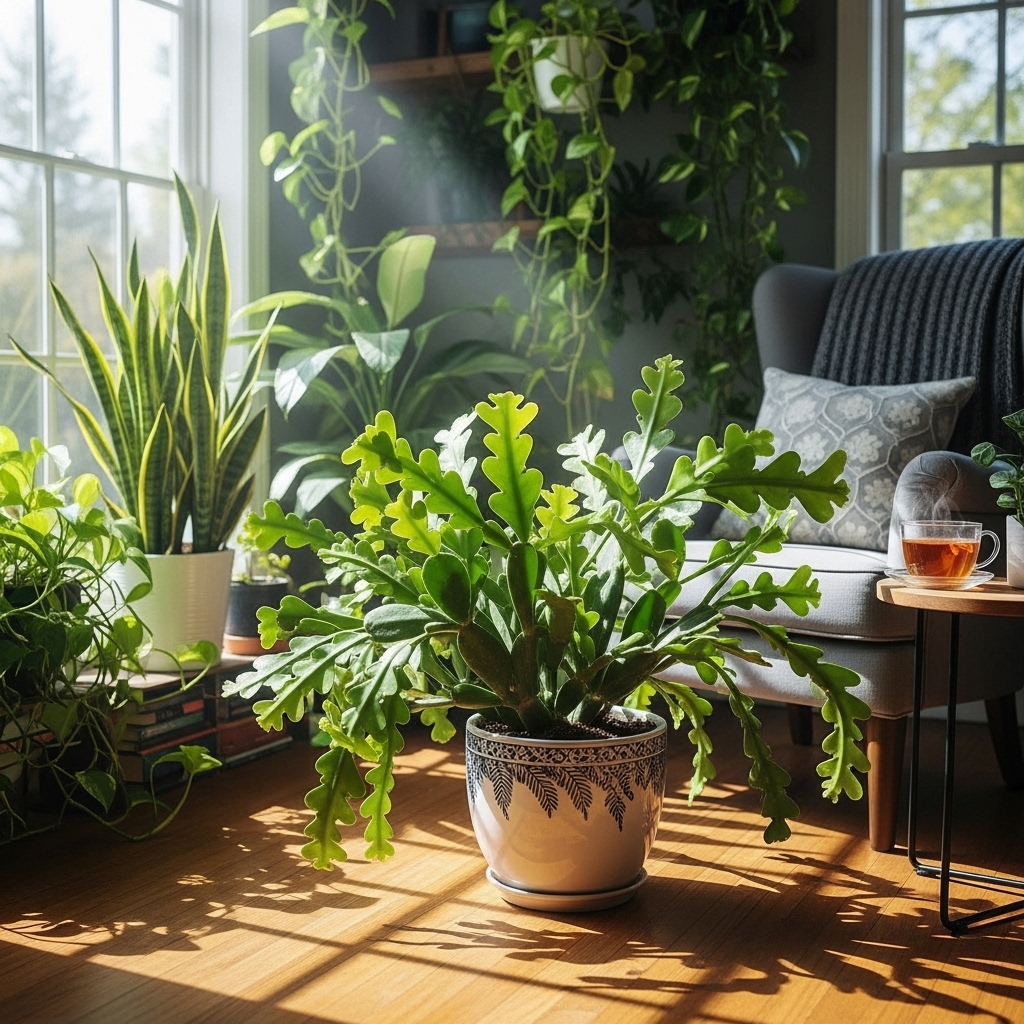
The fishbone cactus is a unique plant ideal for beginners. Its distinct zig-zag shape adds character to any space, and it thrives in easy-care conditions.
Optimal Growing Conditions
Fishbone cactus prefers bright, indirect light. Too much direct sunlight can scorch its leaves. This plant tolerates humidity better than many traditional desert cacti. It enjoys a warm environment, making it perfect for indoor settings.
Watering Requirements
Water the fishbone cactus when the top two inches of soil feel dry. Overwatering can lead to root rot, so it’s crucial to check the soil moisture regularly. This plant prefers a well-draining potting mix to prevent water accumulation.
Propagate Fishbone Cactus
Propagation is straightforward. Follow these steps:
- Choose a healthy stem: Select a segment of the cactus.
- Cut the stem: Use a sterilized knife to take a cutting.
- Let it callous: Allow the cut end to dry for a few hours or overnight.
- Plant it: Place the cutting in a well-draining potting mix.
- Water sparingly: Mist lightly until roots develop.
This method allows you to grow new plants easily. Plus, sharing your fishbone cactus with friends can be a rewarding experience.
With its low-maintenance care and striking appearance, the fishbone cactus is a fantastic choice for beginner gardeners.
Fishbone Cactus (Epiphyllum anguliger)
20. Lucky Bamboo (Dracaena sanderiana)
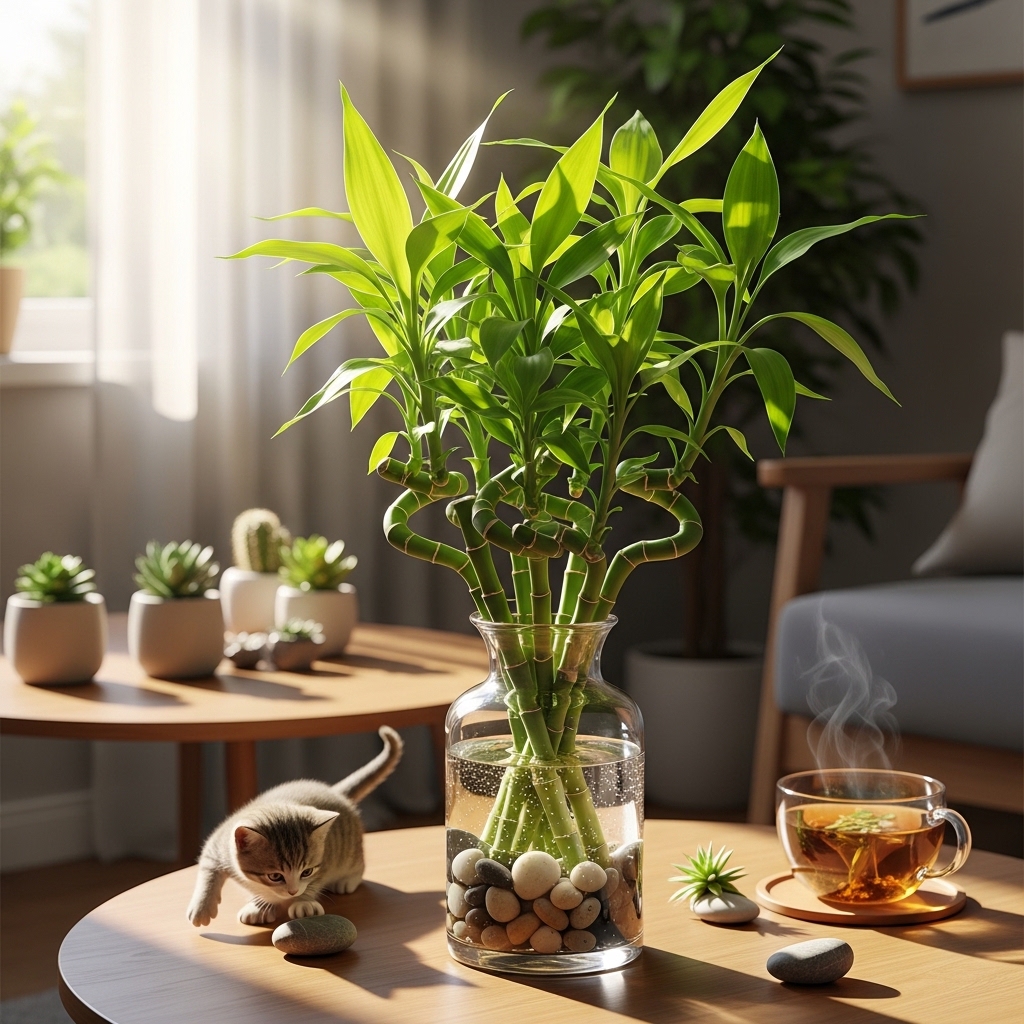
Lucky bamboo is an ideal plant for beginners. It thrives in various conditions and symbolizes good fortune. This plant can grow in both water and soil, making it versatile for any space.
Best conditions for growth
Lucky bamboo prefers bright, indirect light. Avoid direct sunlight, which can scorch the leaves. The ideal temperature range is 60°F to 80°F (15°C to 27°C). Ensure good air circulation for optimal growth.
Watering habits
Water your lucky bamboo regularly. If growing in water, change the water every two weeks. Use distilled or filtered water to avoid chemicals that can harm the plant. When planted in soil, water when the top inch feels dry. Overwatering can lead to root rot, so monitor the moisture level closely.
Common problems to watch for
Watch for yellowing leaves, which indicate overwatering or poor light conditions. If the leaves droop, it’s a sign of underwatering. Pests like spider mites can also affect lucky bamboo, so check the leaves regularly. Address any issues immediately to maintain plant health.
-
Care Tips for Longevity:
- Keep the plant clean by wiping dust off the leaves.
- Fertilize sparingly, using a diluted liquid fertilizer every few months.
By following these care tips, your lucky bamboo can thrive, adding beauty and good fortune to your space.
Lucky Bamboo (Dracaena sanderiana)
21. Moon Cactus (Gymnocalycium mihanovichii)
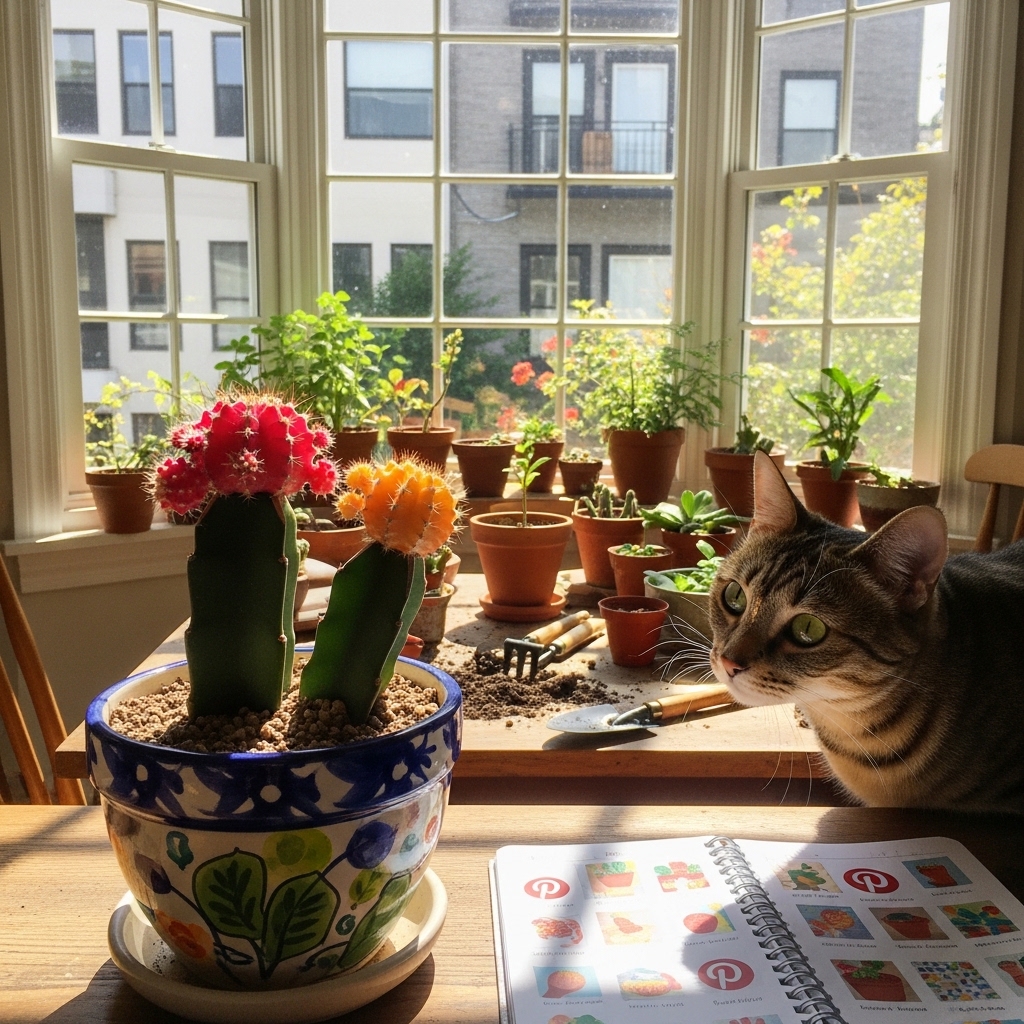
The moon cactus is a vibrant, low-maintenance plant perfect for beginners. It requires minimal care and thrives in bright light, making it an excellent choice for any indoor space.
Optimal light and temperature
Moon cacti prefer bright, indirect sunlight. Direct sunlight can scorch their colorful tops. They enjoy warm temperatures, ideally between 70°F and 85°F (21°C to 29°C). Avoid exposing them to cold drafts.
Watering needs
Water the moon cactus sparingly. Let the soil dry out completely between waterings. Overwatering can lead to root rot, a common issue for this plant. A good rule is to water once every two to three weeks in spring and summer, and reduce frequency in fall and winter.
Common issues and solutions
- Rot: Ensure the pot has drainage holes. Use fast-draining soil. If the soil retains too much moisture, consider repotting.
- Yellowing leaves: This can indicate too much water or insufficient light. Adjust your care routine accordingly.
- Pests: Watch for mealybugs and spider mites. Regularly inspect the plant and treat any infestations promptly.
By following these care tips, the moon cactus can thrive, adding a splash of color to your collection while requiring minimal effort.
Moon Cactus (Gymnocalycium mihanovichii)
22. Dragon Tree (Dracaena marginata)
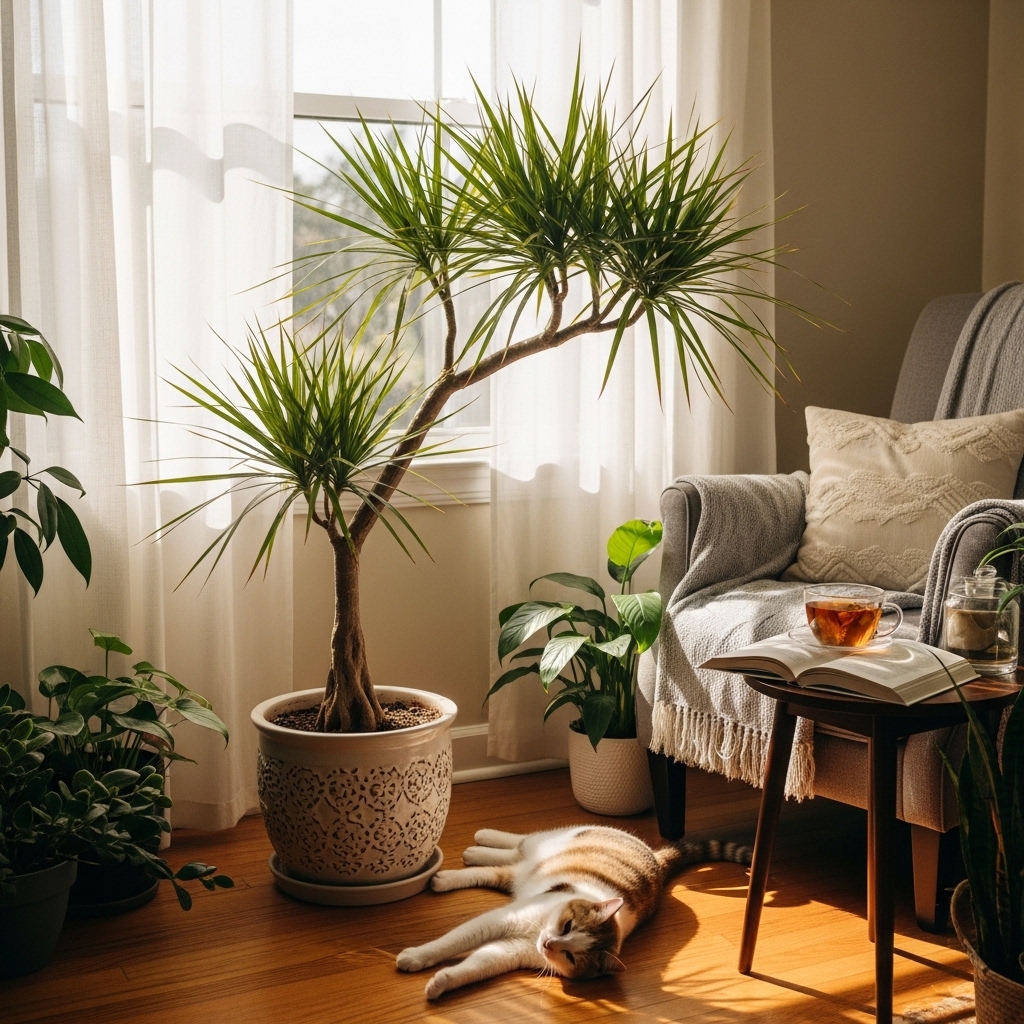
The dragon tree is an attractive indoor plant known for its sword-like leaves and ease of care. It thrives in various light conditions, making it a perfect choice for beginners.
Best light conditions
Dragon trees do well in both low and bright, indirect light. While they can tolerate low light, they show better growth and vibrant color in medium to bright conditions. Position your dragon tree near a window with filtered sunlight for optimal results.
Watering schedule
Water the dragon tree when the top few inches of soil feel dry. In general, this plant prefers to dry out between watering. During the growing season (spring and summer), you may need to water every 1-2 weeks. In fall and winter, reduce the frequency to every 2-3 weeks.
Common issues and how to fix them
- Leaf yellowing: This often signals overwatering or inadequate light. Adjust your watering schedule and move the plant to a brighter area if needed.
- Brown tips on leaves: This can result from low humidity or underwatering. Ensure you maintain a consistent watering routine and consider misting the plant occasionally.
- Pests: Watch for common pests like spider mites and mealybugs. Regularly inspect the plant and treat any infestations with insecticidal soap.
With simple care guidelines, the dragon tree can thrive in your home, adding a touch of elegance while being low-maintenance.
Dragon Tree (Dracaena marginata)
23. Calathea (Calathea spp.)
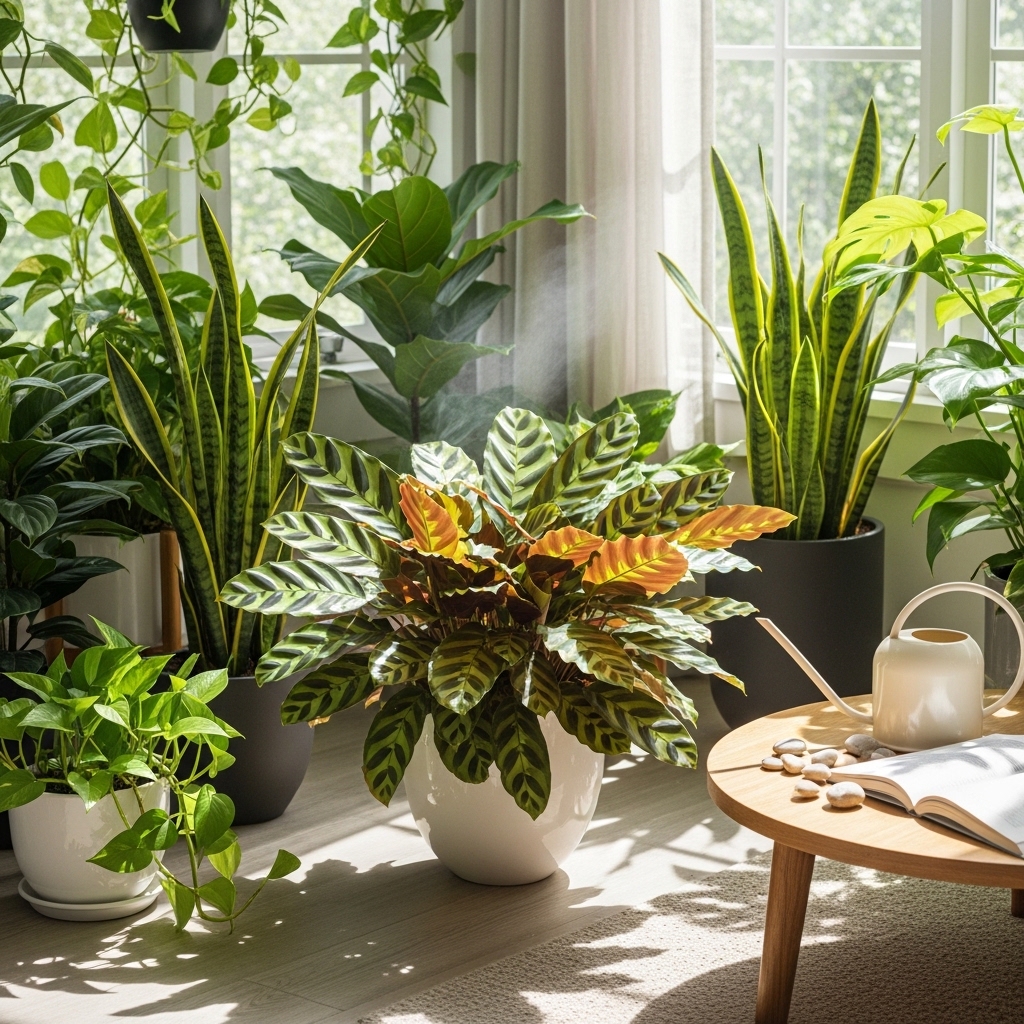
Calathea plants are a stunning choice for beginners. Their unique leaf patterns and vibrant colors make them visually appealing. They thrive in indirect light and high humidity, making them perfect for indoor spaces.
Optimal light and humidity needs
Calathea prefers bright, indirect light. Direct sunlight can scorch its leaves. Aim for a spot with filtered light or near a window with sheer curtains.
Humidity is essential for Calathea. It thrives in a humid environment, ideally between 50-60% humidity. If your home is dry, consider using a humidifier or misting the leaves regularly.
Watering schedule
Calathea requires consistent watering. Water when the top inch of soil feels dry. In warmer months, this may be once a week. Reduce watering in winter when the plant’s growth slows.
Common diseases and care tips
Calathea is prone to a few issues:
- Leaf yellowing: Often caused by overwatering or inadequate light. Adjust care as needed.
- Brown tips on leaves: This indicates low humidity or underwatering. Maintain humidity and a regular watering schedule.
- Pests: Watch for spider mites and mealybugs. Regularly check the plant and treat infestations promptly.
Care Checklist for Calathea
- Light: Bright, indirect light
- Humidity: 50-60% preferred
- Watering: Weekly in warmer months; less in winter
- Common Issues: Leaf yellowing, brown tips, pests
Calathea is an excellent choice for beginners. Its striking appearance and straightforward care needs make it easy to enjoy this beautiful plant in your home.
Calathea (Calathea spp.)
24. Fiddle Leaf Fig (Ficus lyrata)
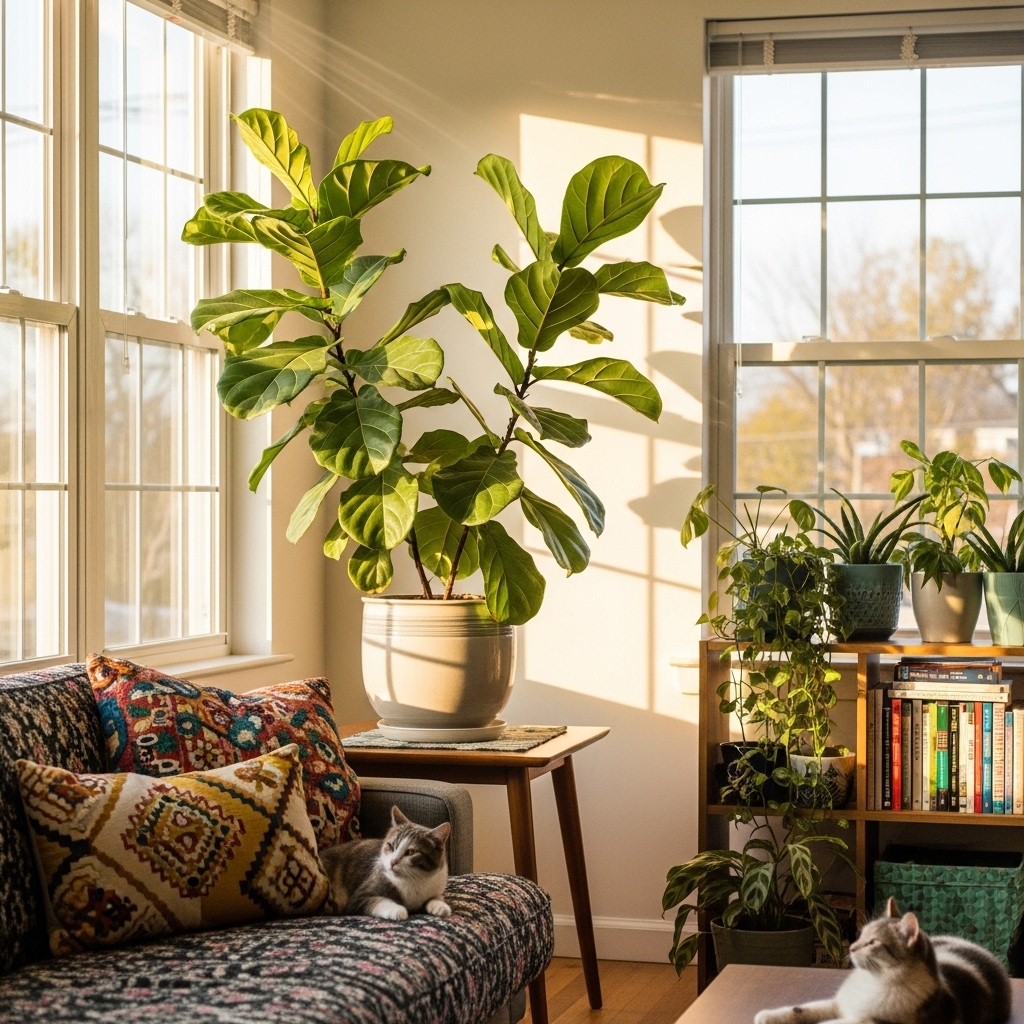
The fiddle leaf fig is a striking indoor tree, perfect for beginners who want a low-maintenance yet stylish addition to their home. With its large, glossy leaves, this plant can transform any space.
Best light and water conditions
Fiddle leaf figs thrive in bright, indirect light. Direct sunlight can scorch their leaves, so it’s best to place them near a window with filtered light. Water the plant when the top inch of soil feels dry. Typically, this means watering every 1-2 weeks, depending on humidity and temperature. They prefer consistent moisture but avoid overwatering, which can lead to root rot.
Common issues and how to fix them
- Leaf browning: This often indicates insufficient light or underwatering. Adjust the light or increase the watering frequency.
- Falling leaves: This can happen due to sudden changes in temperature or humidity. Maintain stability in their environment.
- Pests: Look out for spider mites or mealybugs. Regularly inspect the plant and treat infestations with insecticidal soap or neem oil.
Seasonal care tips
During winter, fiddle leaf figs may need less frequent watering due to lower light levels. Adjust the watering schedule to every 2-3 weeks. Ensure they still receive adequate light by moving them closer to windows as needed. In spring and summer, they benefit from frequent watering and occasional fertilization to support new growth.
Fiddle Leaf Fig (Ficus lyrata)
25. Elephant Ear (Colocasia esculenta)
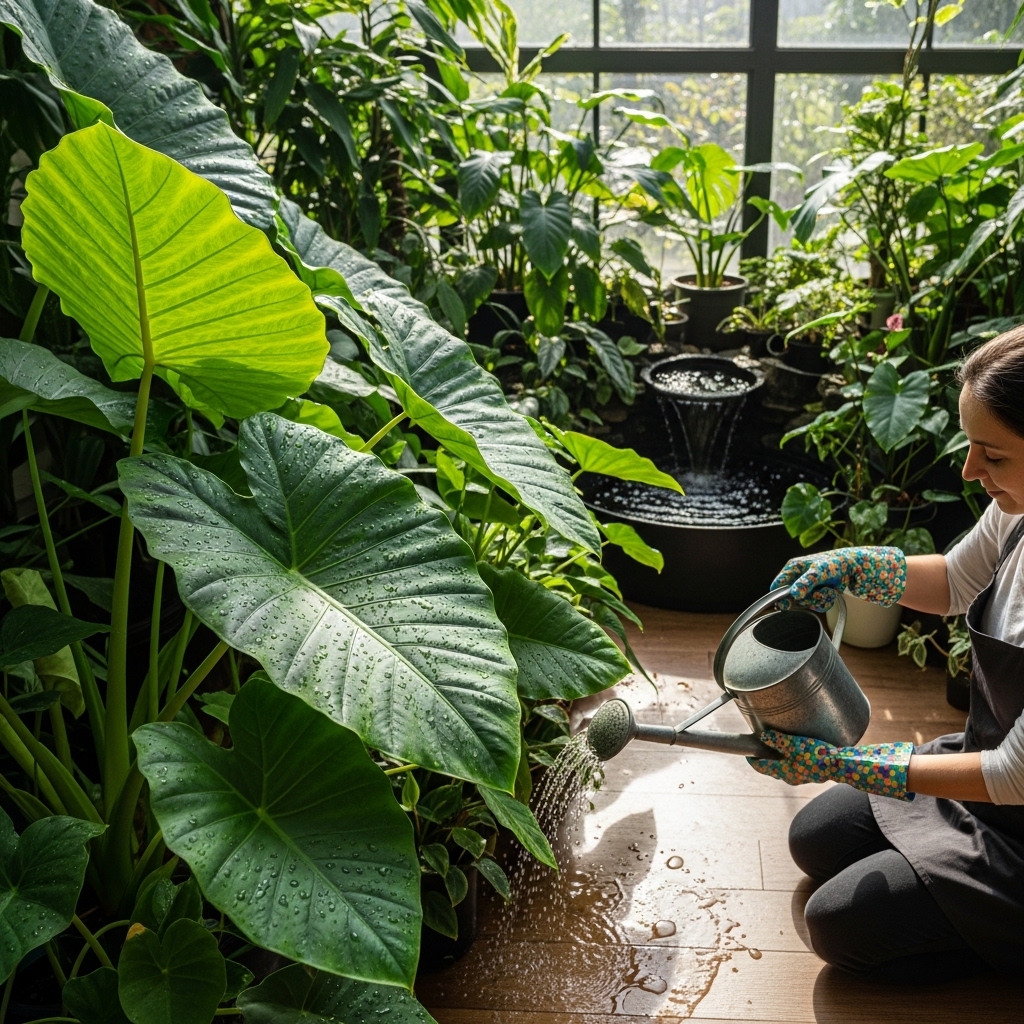
The Elephant Ear is a striking plant that adds a tropical touch to any space. With its large, lush leaves, it thrives in warm and humid conditions. This makes it a perfect choice for beginner gardeners wanting to make a statement indoors or outdoors.
Best Growing Conditions
Elephant Ears flourish in bright, indirect light. They prefer a warm atmosphere, ideally above 60°F. Ideally, place them in a location with high humidity. Mist the leaves regularly or use a humidity tray to maintain moisture.
Watering Needs
Water Elephant Ears consistently. Keep the soil moist but not soggy. During hotter months, they may need watering every few days. In cooler months, reduce frequency to avoid waterlogging. Ensure proper drainage to prevent root rot.
Common Issues to Watch For
- Yellowing Leaves: This often indicates overwatering. Check soil moisture before watering.
- Wilting: A sign of underwatering. Increase watering frequency when leaves begin to droop.
- Pests: Watch for aphids and spider mites. Treat infestations promptly with insecticidal soap or neem oil.
By understanding its specific needs, you can create the ideal environment for your Elephant Ear. This beginner-friendly plant not only enhances your space but also teaches essential gardening skills.
Elephant Ear (Colocasia esculenta)
26. Green Beans (Phaseolus vulgaris)

Green beans are an excellent choice for beginners. They grow quickly and require minimal care, making them ideal for starting a vegetable garden.
Optimal Light and Soil Conditions
Green beans thrive in full sun. Aim for at least 6-8 hours of direct sunlight daily. Use well-draining soil rich in organic matter. A soil pH between 6.0 and 7.0 is optimal.
Watering Schedule and Care
Water green beans consistently. Keep the soil moist but not soggy. Typically, watering every 2-3 days works well, especially during dry spells. In cooler months, reduce watering to prevent waterlogging.
Harvesting Tips
Harvest green beans when they are young and tender. This usually occurs about 50 to 60 days after planting. Picking beans regularly encourages more growth. Fresh green beans taste significantly better than store-bought options, making your efforts rewarding [41][42].
Following these care tips ensures a successful harvest, giving you fresh produce right from your garden.
Green Beans (Phaseolus vulgaris)
27. Sweet Basil (Ocimum basilicum)
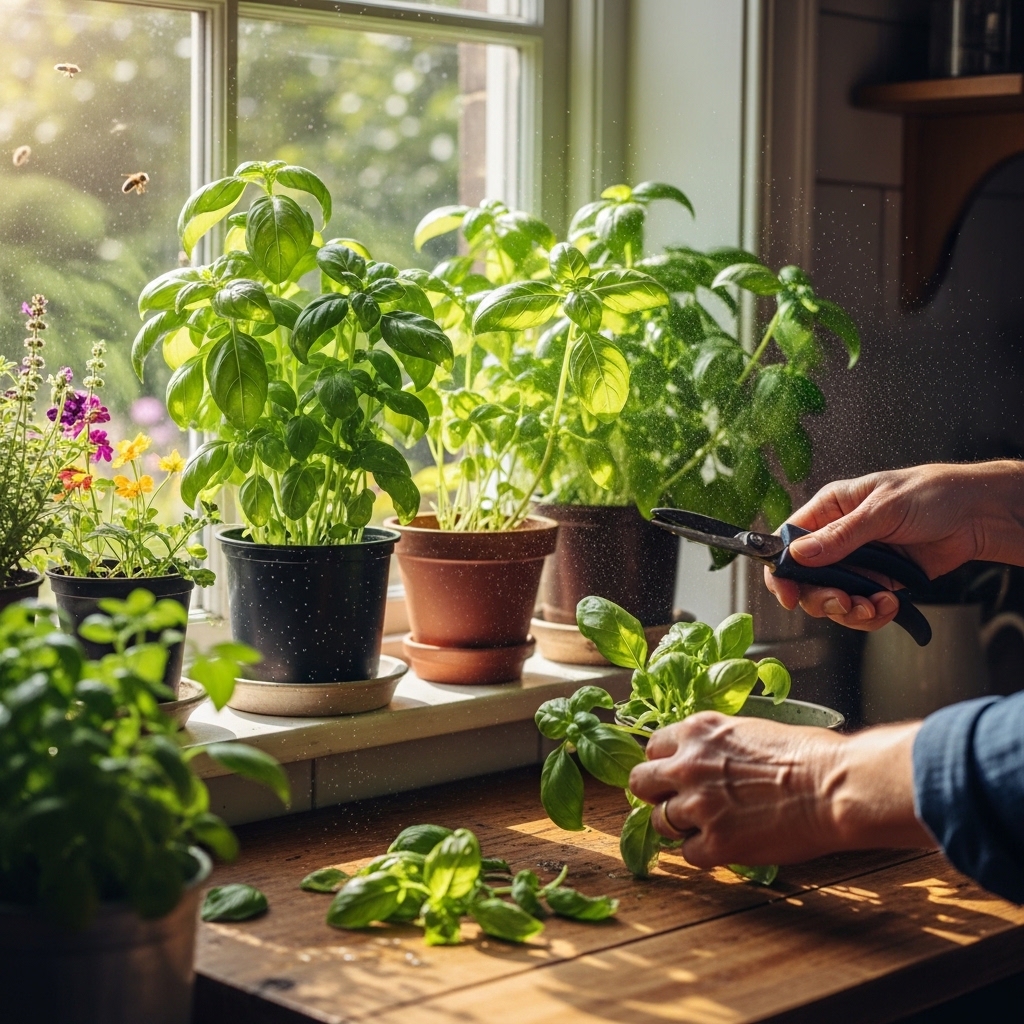
Sweet basil is an aromatic herb that thrives in various conditions. It’s easy to grow, making it an excellent choice for beginner gardeners. Whether you plant it indoors or outdoors, basil adds flavor to your meals and beauty to your space.
Best Growing Conditions
Sweet basil prefers warm temperatures, ideally between 70°F and 90°F. It needs well-draining soil rich in organic matter. Sunlight is crucial; provide at least six hours of direct light daily.
Watering and Harvesting Tips
Keep the soil consistently moist but not soggy. Water basil when the top inch of soil feels dry. During hot spells, check daily. For harvesting, pinch off leaves regularly to encourage bushy growth. Use fresh basil in salads, pasta, or as a seasoning for meats. Fresh leaves offer more flavor than dried options.
Common Pests to Watch For
Basil is generally pest-resistant but may attract aphids or whiteflies. Regularly inspect the leaves. If you spot pests, rinse them off with water or use insecticidal soap. Healthy plants are less likely to suffer from infestations.
Sweet basil not only enhances your culinary skills but also enriches your gardening experience. Its low-maintenance nature and versatility make it a must-have for any beginner gardener.
Sweet Basil (Ocimum basilicum)
28. Cherry Tomatoes (Solanum lycopersicum)
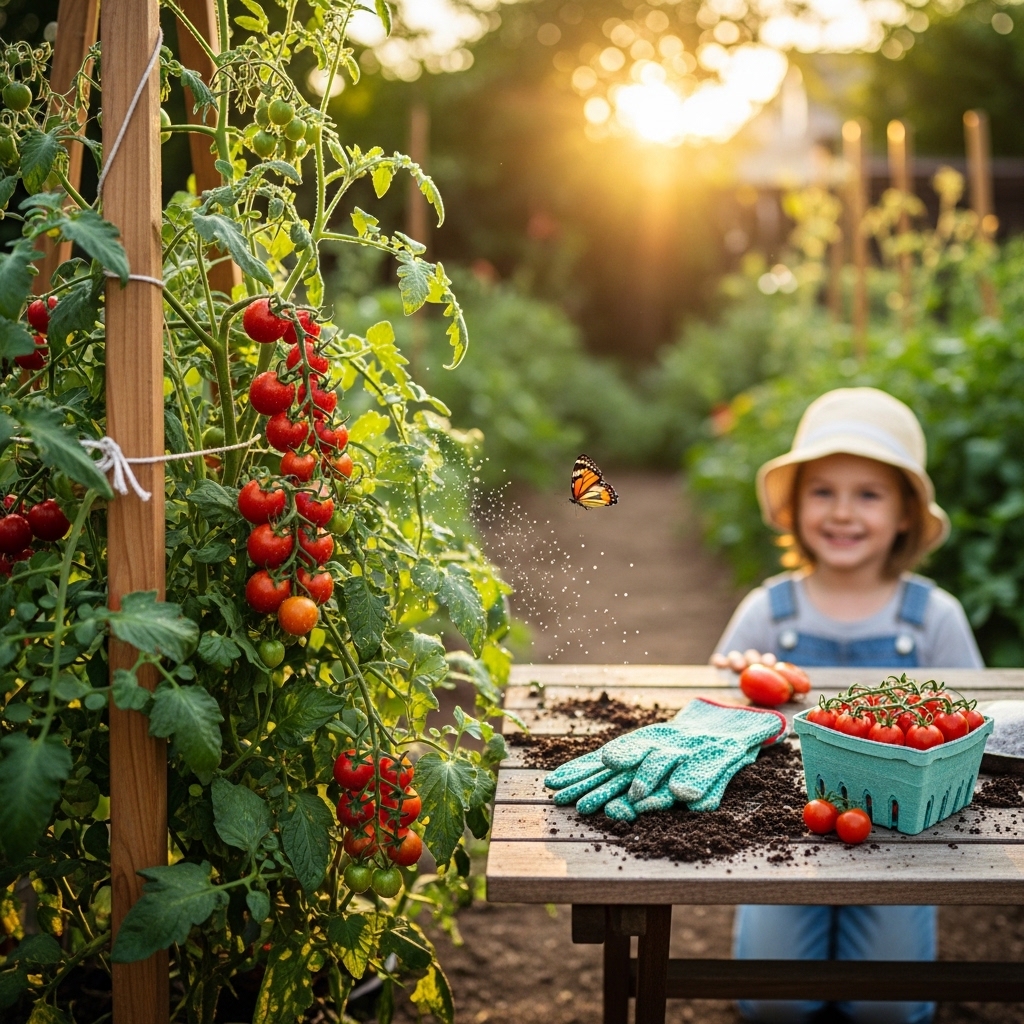
Cherry tomatoes are a versatile and rewarding choice for beginner gardeners. Their small size and sweet flavor make them perfect for salads, snacking, and cooking. Plus, they thrive in containers, making them ideal for limited spaces.
Best Growing Conditions
Cherry tomatoes prefer warm, sunny spots. Aim for at least six hours of sunlight each day. They grow well in rich, well-drained soil. If you’re using containers, select a pot that is at least 5 gallons in size. This allows enough room for roots to expand and access nutrients.
Watering and Fertilizing Tips
Maintain consistent moisture in the soil. Water when the top inch feels dry. Avoid overwatering, as this can lead to root rot. Use a balanced fertilizer every 4-6 weeks during the growing season to promote healthy growth and fruit production.
Harvesting Advice
Harvest cherry tomatoes when they are fully colored and slightly firm to the touch. Gently twist or cut them from the vine to avoid damaging the plant. Regular harvesting encourages more fruit to develop. Enjoy the fruits of your labor in fresh salads or as a healthy snack.
- Tip: Start with disease-resistant varieties. They are easier to grow and require less maintenance. Choose from colors like red, yellow, or even purple. Black Cherry is a popular dark variety known for its rich flavor [45][46][47].
Cherry Tomatoes (Solanum lycopersicum)
29. Zucchini (Cucurbita pepo)
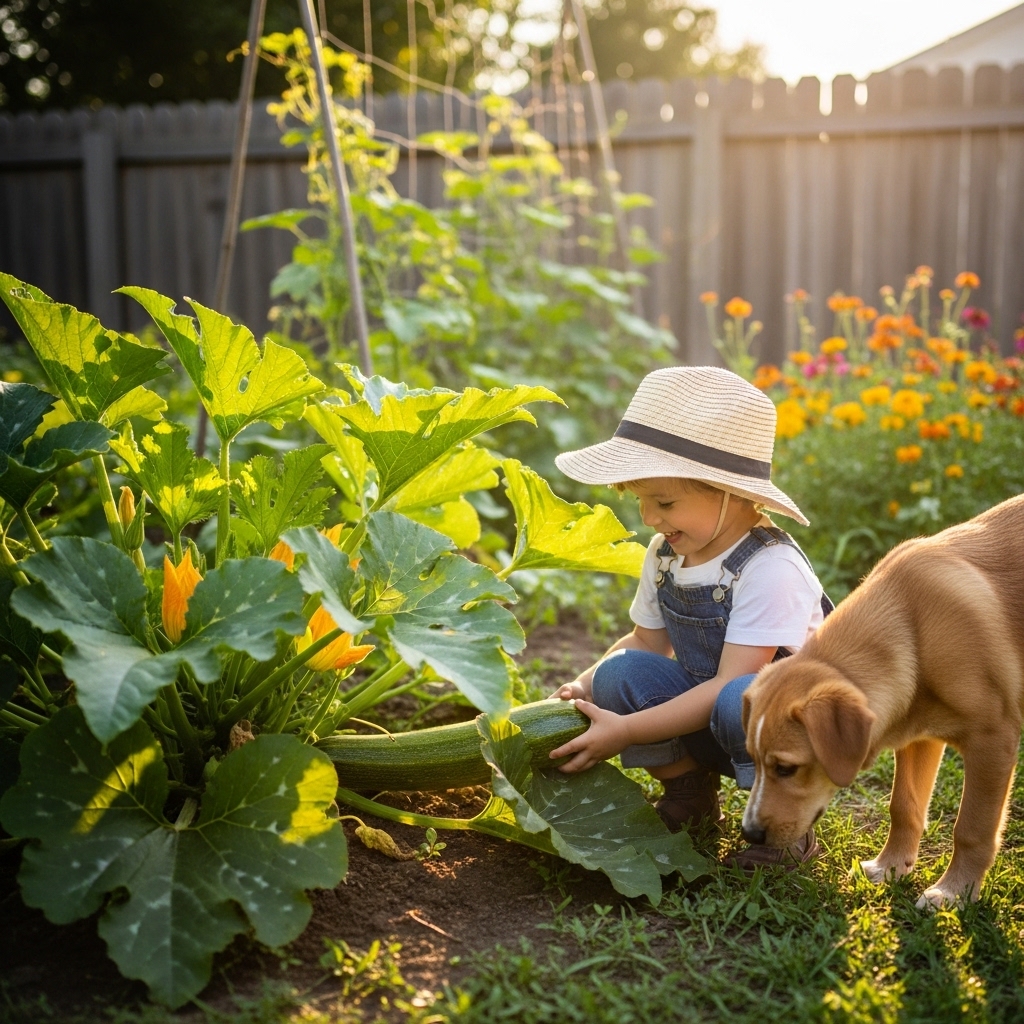
Zucchini is an easy-to-grow vegetable, perfect for beginners eager to start a vegetable patch. This versatile plant thrives in various conditions and produces a bountiful harvest.
Optimal light and soil conditions
Zucchini flourishes in full sun, requiring at least 6-8 hours of direct sunlight daily. The soil should be well-drained and rich in organic matter. A loamy soil mix enhances growth and ensures nutrient availability.
- Soil pH: Aim for a pH between 6.0 and 7.5.
- Soil quality: Incorporate compost to improve drainage and fertility.
Watering and pest management
Consistent watering is crucial for zucchini. Water deeply once a week, allowing the soil to dry slightly between sessions. Overwatering can lead to root rot, a common issue for beginners.
- Pest prevention: Monitor for common pests like squash bugs and aphids. Use organic insecticidal soap as a preventive measure.
- Companion planting: Plant zucchini alongside marigolds to deter pests naturally. This combination enhances growth and protects your crop.
Harvesting guidelines
Harvest zucchini when fruits are 6-8 inches long for the best flavor. Use a sharp knife to cut them from the plant, ensuring you do not damage the stem. Regular harvesting encourages more fruit production, maximizing your yield.
- Tip: Zucchini can be stored in the refrigerator for up to a week, maintaining freshness for your meals.
Zucchini (Cucurbita pepo)
30. Sunflowers (Helianthus annuus)

Sunflowers bring vibrant color and joy to any outdoor garden. They are easy to grow, making them a favorite among beginners.
Best Growing Conditions
Sunflowers thrive in full sun. They prefer well-drained soil that is rich in organic matter. Aim for a pH between 6.0 and 7.5 for optimal growth. Plant them after the last frost in spring for the best results.
Watering Requirements
Water sunflowers deeply but infrequently. Aim for about 1 inch of water per week. Be cautious; overwatering can lead to root rot. Adjust watering based on rainfall and soil moisture.
Common Pests and How to Prevent Them
Sunflowers can attract pests like aphids and beetles. To prevent infestations, maintain good air circulation by spacing plants adequately. Use organic insecticidal soap as a preventive measure, especially in crowded gardens, to keep these pests at bay [1][4].
Troubleshooting Guide for Sunflower Growth
- Poor Growth: Ensure they receive enough sunlight and have well-drained soil.
- Yellow Leaves: This could indicate overwatering or nutrient deficiencies. Adjust your watering schedule and consider a balanced fertilizer.
- Pest Infestation: Check for signs of aphids or other pests. Treat promptly with insecticidal soap.
By following these care tips, you can enjoy a flourishing sunflower garden that brightens your space and adds beauty.
Sunflowers (Helianthus annuus)
31. Radishes (Raphanus sativus)
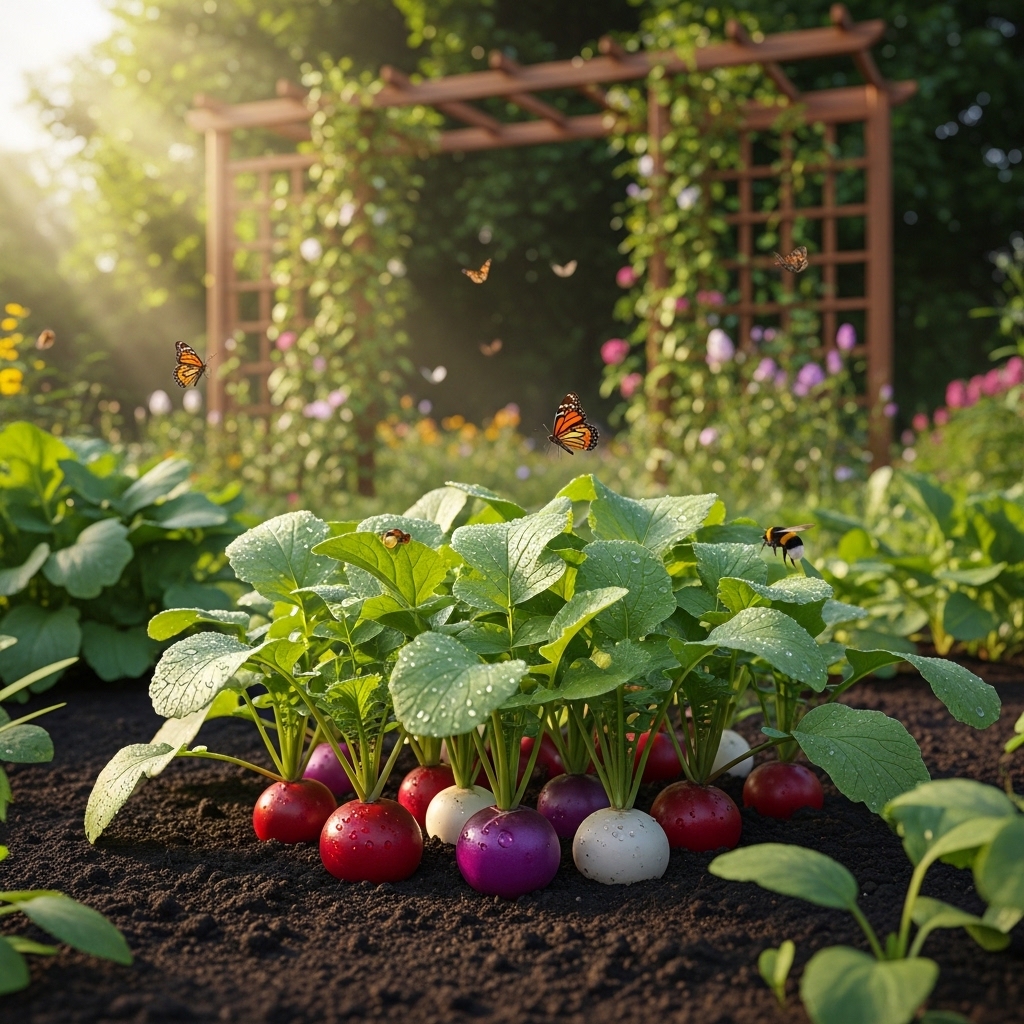
Radishes are fast-growing vegetables, ideal for beginner gardeners. They thrive in both containers and garden beds, making them versatile and easy to grow.
Optimal Conditions for Growth
Radishes prefer well-drained soil rich in organic matter. They grow best in full sun but can tolerate partial shade. Here are some key conditions to ensure healthy radish growth:
- Soil pH: Aim for a neutral pH between 6.0 and 7.0.
- Spacing: Plant seeds about 1 inch apart to allow for growth.
- Temperature: Radishes thrive in cooler weather, ideally between 50°F and 70°F.
Watering and Harvesting Tips
Water radishes consistently to keep the soil moist, especially during dry spells. Here are some essential tips:
- Watering Frequency: Water at least once a week, more during hot weather.
- Harvest Time: Radishes are ready to harvest in just 3 to 4 weeks. Look for a firm, round shape.
- Harvest Method: Gently pull them from the soil, avoiding damage to the remaining plants.
Common Issues and How to Address Them
Beginner gardeners may encounter a few challenges with radishes. Here’s how to tackle them:
- Pest Problems: Watch for aphids and root maggots. Use organic insecticidal soap for prevention.
- Growth Issues: If radishes grow too slowly, check for compacted soil or inadequate watering.
- Bitter Taste: This often results from stress. Ensure consistent watering and avoid overcrowding.
In summary, radishes are an excellent choice for those starting their gardening journey. They offer quick rewards and minimal care, making them a favorite among beginners.
Radishes (Raphanus sativus)
32. Green Onions (Allium fistulosum)
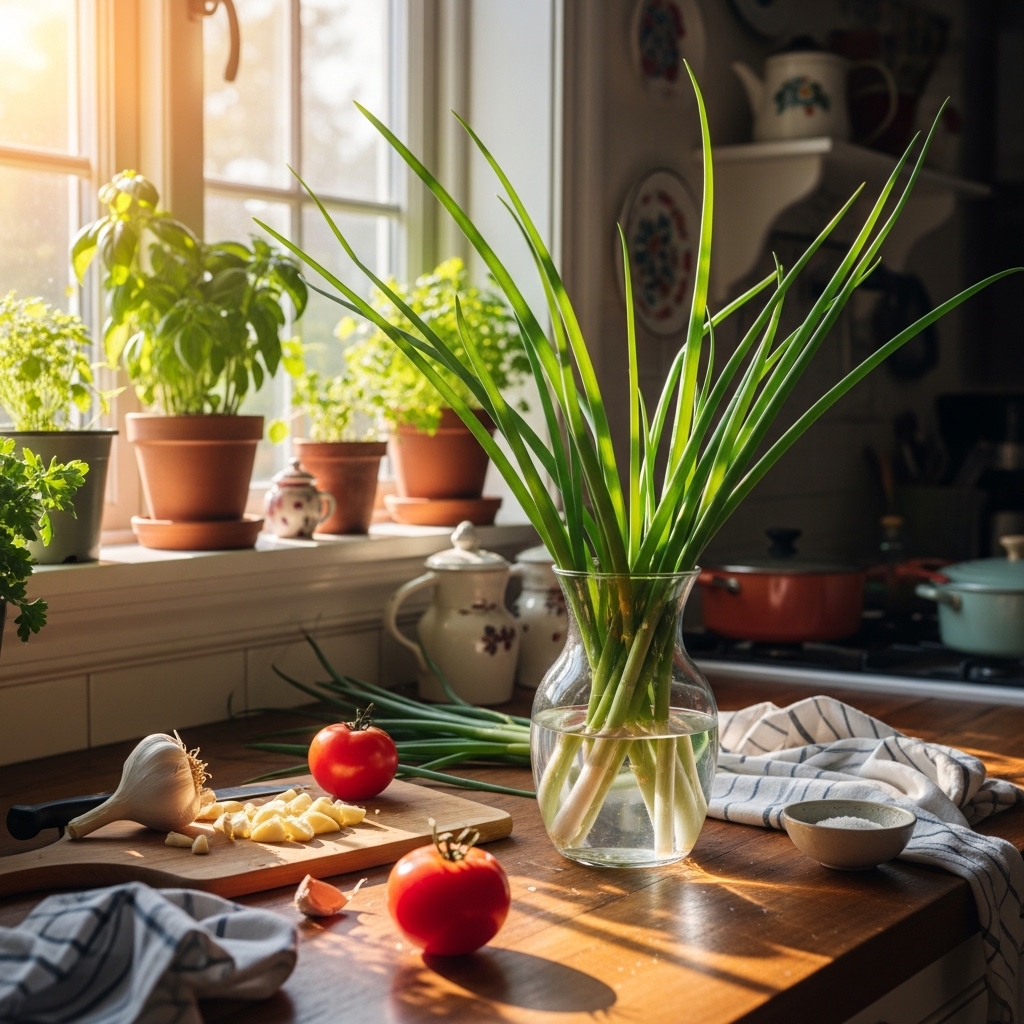
Green onions are a fantastic choice for beginner gardeners. They are easy to grow and can thrive indoors or outdoors. Plus, they add a fresh flavor to many dishes.
Best growing conditions
Green onions prefer well-drained soil rich in organic matter. They thrive in full sun but can tolerate partial shade. Here are some ideal conditions:
- Soil: Loose and fertile.
- Temperature: 60°F to 75°F (15°C to 24°C).
- Light: 6-8 hours of sunlight daily.
Watering and harvesting tips
Water your green onions regularly but avoid waterlogging. Allow the soil to dry slightly between waterings. Here’s how to care for them:
- Watering: Keep the soil consistently moist.
- Harvesting: Start harvesting when the green tops reach about 6 inches tall. You can snip them off, allowing new growth to emerge.
Common pests to watch out for
While green onions are generally pest-resistant, some issues may arise. Keep an eye out for:
- Aphids: These tiny insects can cluster on the leaves. Use insecticidal soap if necessary.
- Onion maggots: They can damage the roots. Rotate planting locations each season to prevent infestations.
Green onions not only enhance your meals but also grow quickly. Their versatility makes them perfect for beginner gardeners eager to dive into home cooking.
Green Onions (Allium fistulosum)
33. Nasturtium (Tropaeolum majus)

Nasturtiums are vibrant, edible flowers that thrive in various conditions. They are perfect for beginner gardeners looking to add color and flavor to their gardens.
Best Growing Conditions
Nasturtiums prefer full sun and well-drained soil. They can grow in poor soil but flourish in rich, loamy conditions. Space them about 10 inches apart to ensure good airflow. This spacing helps prevent pest issues and promotes healthy growth.
Watering and Harvesting Tips
Water nasturtiums when the soil feels dry at a depth of one inch. Overwatering can lead to root rot, so ensure pots have drainage holes. Harvest the leaves and flowers regularly to encourage new growth. Snip off the flowers when they are in full bloom for the best flavor.
Culinary Uses and Benefits
Nasturtiums add a peppery taste to salads and dishes. Their vibrant colors make them an attractive garnish. Both leaves and flowers are edible and rich in vitamin C. Incorporating them into meals can enhance both nutrition and presentation. They also attract beneficial insects to your garden, promoting a healthy ecosystem [52][53].
By choosing nasturtiums, beginner gardeners can enjoy an easy-care plant that enhances both their garden’s beauty and their culinary creations.
Nasturtium (Tropaeolum majus)
Frequently Asked Questions
These quick answers cover the homeowner questions that come up most often about hackberry trees, including growth, care, and common problems.
What are the best indoor plants for beginners?
Some of the best indoor plants for beginners include the Snake Plant, Pothos, ZZ Plant, Spider Plant, and Peace Lily. These plants are known for their low maintenance and ability to thrive in various light conditions. They are forgiving if you forget to water them occasionally, making them ideal for new gardeners.
How often should I water my beginner plants?
Watering frequency varies by plant type and environmental conditions. Generally, most beginner plants like Snake Plants and ZZ Plants prefer to dry out between waterings, typically every 1-2 weeks. It’s essential to check the top inch of soil; if it’s dry, it’s time to water. Overwatering is a common mistake, so always ensure pots have drainage holes to prevent root rot.
Are there any plants safe for pets?
Yes, several beginner-friendly plants are safe for pets. Spider Plants and Boston Ferns are non-toxic options that can add greenery to your home without risking your pet’s health. However, the Peace Lily and ZZ Plant are toxic to pets, so it’s crucial to choose wisely if you have animals at home.
What should I do if my plant is not growing?
If your plant isn’t growing, check for signs of stress like yellowing leaves or wilting. Ensure it’s receiving adequate light and water. Overwatering or underwatering can also hinder growth, so adjust your watering schedule accordingly. If pests are present, treat them promptly. Sometimes, repotting in fresh soil can rejuvenate a struggling plant.
How do I know if my plant needs more light?
Signs that your plant may need more light include leggy growth, yellowing leaves, or leaves falling off. If the plant is stretching toward the light source, it likely needs brighter conditions. Moving it closer to a window or providing supplemental grow lights can help improve its health and growth.
Can I grow herbs indoors?
Yes, many herbs thrive indoors, making them a great option for beginner gardeners. Herbs like basil, mint, and parsley can grow well in pots on a sunny windowsill. Ensure they receive at least 6 hours of sunlight daily, and keep the soil consistently moist but not soggy for optimal growth.
What are the easiest plants to propagate?
Succulents, Spider Plants, and Pothos are among the easiest plants to propagate. For succulents, you can take leaf cuttings and let them callous before planting. Spider Plants produce “spiderettes” that can be potted directly in soil. Pothos can be propagated by cutting stems and placing them in water until roots develop.
References
1. Snake Plant: A Forgiving, Low-maintenance Houseplant
3. Pothos, Epipremmum aureum – Wisconsin Horticulture
4. Foliage Houseplants, Fertilizing, Cleaning Leaves, Aphids …
5. ZZ Plant is a Tropical that Thrives Indoors – Illinois Extension
6. Spider plant, Chlorophytum comosum – Wisconsin Horticulture
7. Aloe Vera: Usefulness and Safety | NCCIH
8. Aloe Vera: Houseplant How-To – SDSU Extension
9. Spathiphyllum (Peace Lily, Spathe Flower, White Sails)
10. Houseplants That Clean the Air – UF/IFAS Gardening Solutions
11. Cast Iron Plant – UF/IFAS Gardening Solutions
12. If you have shade, you need the cast iron plant – UF/IFAS Blogs
13. My Favorite Houseplant for Beginners
14. Lavender and the Nervous System – PMC
15. Lavender, the Useful Plant – UT Gardens
17. How To Care For Succulents – Texas A&M Stories
19. Succulents 101 – WVU Extension – West Virginia University
20. How do cacti survive in such hot and dry environments?
21. Houseplants for Healthier Indoor Air
22. Chinese Evergreen (Aglaonema) Care, Cultivation & Growing …
23. Rubber Plant – HGIC@clemson.edu
24. Popular Houseplants for Beginners
25. Araucaria heterophylla Norfolk-Island-Pine
26. Norfolk Island Pine: Indoor Evergreen for Year-round Beauty
27. Peperomia (Peperomia spp.) Indoor Plant Care and Growing …
28. Bromeliads – Wisconsin Horticulture
29. Bromeliads | Home & Garden Information Center
30. Light and Moisture Requirements For Selected Indoor Plants
31. How To Grow and Care for Lucky Bamboo (Dracaena …
32. Dracaena sanderiana (Chinese Water Bamboo, Friendship …
33. Lucky Bamboo – Arkansas Cooperative Extension Service
34. Gymnocalycium mihanovichii (Chin Cactus, Moon cactus …
35. Dracaena Marginata – UF/IFAS Gardening Solutions
36. Cultural Guidelines for Commercial Production of … – Ask IFAS
37. Goeppertia insignis (Prayer Plant, Rattlesnake Calathea …
38. Ficus lyrata (Banjo fig, Fiddle-leaf Fig)
39. Fiddle Leaf Fig Houseplant – Proper Care
40. Elephant Ears (Colocasia, Alocasia, and Xanthosoma)
41. Green Beans – Easy Gardening – Texas A&M University
42. Home Garden Green Beans | CAES Field Report – UGA
43. Growing basil in home gardens
44. Spice Up Your Life: A Beginners Guide to Growing Basil
45. Terrific Tomatoes: Flavor, Nutrition, and Versatility
46. Cherry Tomatoes Produce Guide
47. Cherry Tomatoes | UC Master Gardener Program of …
48. Growing Summer Squash (Zucchini) in a Home Garden
49. Radishes: Planting, Growing, and Harvesting Radishes
50. Growing radishes in home gardens
51. Growing scallions in home gardens
52. Nasturtium, Tropaeolum majus – Wisconsin Horticulture
53. Nasturtiums: Jewels in the Garden | Garden News & Views