
Death Valley National Park, the hottest, driest, and lowest national park in the U.S., offers a stunning array of activities. In 2026, discover 27 amazing things to do in this breathtaking desert landscape, from hiking to stargazing, alongside essential expert tips to enhance your visit.
1. Experience the Lowest Point: Badwater Basin
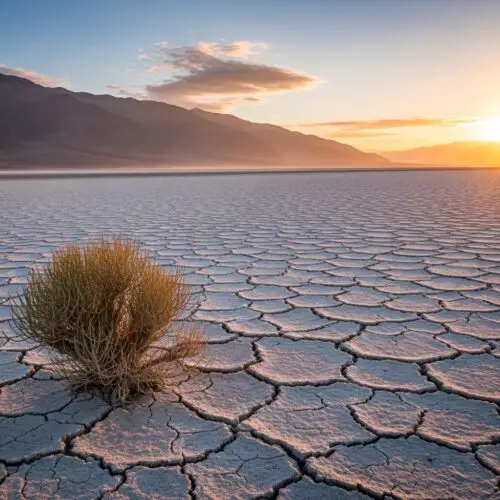
Badwater Basin is the crown jewel of Death Valley National Park. At 282 feet below sea level, it’s the lowest point in North America. The vast salt flats are mesmerizing, making it a must-see for any visitor.
Unique Features of Badwater Basin
The landscape at Badwater Basin is truly otherworldly. Here are some cool facts about this unique spot:
- Salt Flats: The hexagonal salt patterns stretch for miles. It’s a natural wonder formed from ancient lakes and evaporation.
- Diverse Wildlife: Look out for unique creatures like the desert pupfish, which thrive in the salty waters.
- Scenic Views: The surrounding mountains contrast with the white salt flats, creating stunning visuals, especially during sunrise or sunset.
Best Times to Visit for Photography
Timing your visit can make all the difference for photography. Here are the best times to capture the beauty of Badwater Basin:
- Golden Hour: Early morning or late afternoon offers the best light. The soft glow enhances the salt flats and mountains.
- Seasonal Changes: Spring can bring wildflower blooms, adding color to your shots. Fall and winter offer milder temperatures, perfect for exploration.
- Night Photography: If you love stargazing, Badwater Basin is an excellent spot. The clear desert skies offer incredible views of the Milky Way.
Before you head out, don’t forget to pack essentials. A portable solar charger is handy for keeping your devices powered during long days in the park. Check Price on Amazon.
2. Capture Sunrise at Zabriskie Point
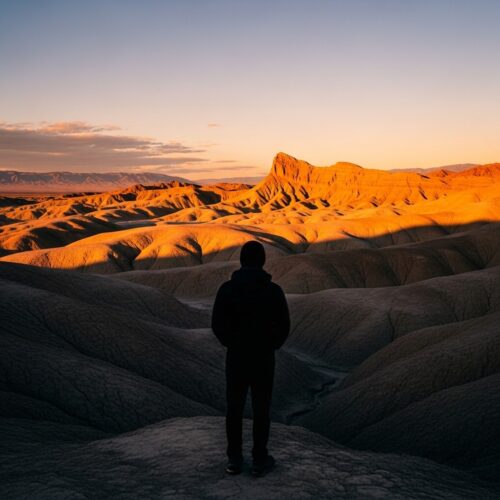
Zabriskie Point is a photographer’s paradise, especially at sunrise. The stunning views of the colorful badlands make it a must-visit spot in Death Valley National Park.
Photography Tips for Zabriskie Point
- Arrive Early: Get there at least 30 minutes before sunrise. This gives you time to set up and find the perfect spot.
- Bring a Tripod: For the best shots, a tripod will help you capture those stunning early morning colors without blur.
- Use a Wide-Angle Lens: This allows you to capture the vastness of the landscape, showcasing the rolling hills and vibrant colors.
- Explore Different Angles: Don’t just shoot from the viewpoint. Wander around to find unique perspectives and compositions.
- Check the Weather: Clear skies often yield the best results, but some clouds can add drama to your shots.
Historical Significance of the Area
Zabriskie Point isn’t just pretty; it has a rich history. The area is named after Christian Zabriskie, a former vice president of the Pacific Coast Borax Company. In the early 1900s, borax was mined from the surrounding landscape. The unique geological formations you see today were shaped over millions of years by volcanic activity and erosion.
Table of Contents
The landscape is not just a feast for the eyes; it also holds cultural significance. The Timbisha Shoshone Tribe has lived in this region for thousands of years, and their connection to the land is profound. They traditionally used the area’s natural resources for survival and have a deep respect for its beauty.
Whether you’re there for the photography or to soak up the history, Zabriskie Point is an unforgettable stop in Death Valley. Remember to pack your essentials, including a portable solar charger for those long days in the park. Check Price on Amazon.
3. Drive the Scenic Artist’s Drive

Artist’s Drive is a must-see when you visit Death Valley National Park. This 9-mile scenic loop takes you through stunning hills painted with vibrant colors. The unique geology here is truly a sight to behold!
Highlight Stops Along Artist’s Drive
As you cruise along Artist’s Drive, don’t miss these key stops:
- Artist’s Palette: The star of the show! Here, hills shimmer in shades of pink, green, and purple. The colors come from different minerals in the rocks, and they’re especially vibrant at sunset.
- Overlooks: There are several pull-off points where you can stop to take pictures. Each offers a different view of the colorful hills.
- Walking Trails: Want to get up close? Some areas allow you to walk down into the hills. It’s like exploring a colorful maze!
Best Times for Scenic Views
Timing is everything for the best views along Artist’s Drive. Here are some tips:
- Sunrise and Sunset: These are the prime times for photography. The light makes the colors pop!
- Avoid Midday: The harsh sun can wash out the colors. Plus, it gets super hot!
- Seasonal Considerations: Spring often brings wildflowers, which add another layer of beauty. Fall is also a great time to visit for cooler weather.
Driving through Artist’s Drive is like stepping into a painter’s palette. Bring your camera, take your time, and soak it all in! Don’t forget to charge your devices; a portable solar charger for camping trips can be a lifesaver in this remote area. Check Price on Amazon.
4. Discover the Mesquite Flat Sand Dunes
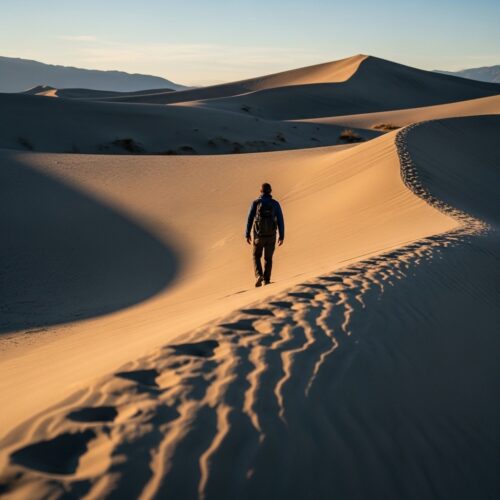
The Mesquite Flat Sand Dunes are a must-see in Death Valley National Park. With their stunning views and endless possibilities for adventure, they’re perfect for hiking, photography, and even stargazing.
Activities to Enjoy at the Dunes
There’s so much to do at the Mesquite Flat Sand Dunes. Here are some highlights:
- Hiking: Explore the dunes on foot. There are no official trails, so feel free to make your own path. The tallest dune is about two miles round trip from the parking lot. It’s a bit of a workout, but the views are worth it!
- Photography: Sunrise and sunset are magical times here. The soft light makes the sand glow and creates beautiful shadows. Bring your camera and capture the stunning landscapes.
- Sliding Down Dunes: If you’re feeling playful, find a steep dune and slide down! It’s a fun way to enjoy the sandy slopes.
- Stargazing: At night, the dunes transform. Death Valley is a Gold Tier Dark Sky Park, meaning the stars shine bright. Bring a blanket and enjoy the celestial show.
Safety Tips for Dune Hiking
Hiking in the dunes can be a blast, but safety is key. Keep these tips in mind:
- Timing: Visit early in the morning or late in the afternoon to avoid the heat. The sand can get scorching, so plan your hikes accordingly.
- Stay Hydrated: Always bring water. The dry desert air can dehydrate you quickly.
- Dress Appropriately: Wear lightweight, breathable clothing and good hiking shoes. The sand can be tough on bare feet.
- Know Your Limits: Don’t push yourself too hard. The dunes can be deceivingly challenging, especially with sand that shifts underfoot.
- Wildlife Awareness: Keep an eye out for local wildlife, including snakes and lizards. They’re part of the desert experience, but it’s best to admire from a distance.
By following these tips and embracing the beauty of the Mesquite Flat Sand Dunes, you’re sure to have an unforgettable experience in Death Valley National Park!
5. Hike to Dante’s View for Panoramic Views
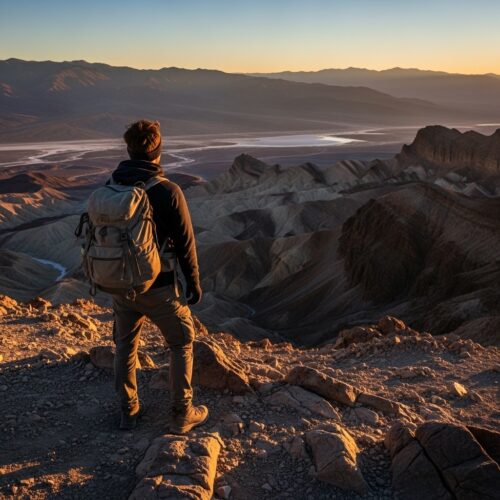
Dante’s View is a must-see in Death Valley National Park. This viewpoint offers stunning panoramic vistas of the valley below. It’s a great spot for both sunrise and sunset, making it perfect for photography enthusiasts.
Hiking Route and Difficulty
The hike to Dante’s View is accessible and worth every step. Here’s what you need to know:
- Starting Point: The parking lot at Dante’s View.
- Trail Length: Just a short walk from the parking area to the viewpoint—about 0.5 miles.
- Difficulty: Easy. The path is well-maintained and suitable for most visitors.
- Elevation Gain: Roughly 300 feet. The views are rewarding!
While the walk is short, be mindful of the elevation. At 5,475 feet, it can feel cooler and may take a little extra effort to catch your breath.
Best Times for Sunrise/Sunset Views
Timing is everything! For the best light conditions, consider these tips:
- Sunrise: Arrive at least 30 minutes before dawn to capture the changing colors.
- Sunset: Get there early to snag a good spot, especially during peak seasons.
- Photography Tip: The soft light during the golden hour makes for breathtaking shots of the valley.
Don’t forget to bring a jacket! It can get chilly up there, especially after the sun goes down.
When you take in the view from Dante’s View, you’ll see Badwater Basin, the lowest point in North America, and the majestic Panamint Range across the valley. It’s a sight that truly captures the grandeur of Death Valley.
6. Explore Cultural History with the Timbisha Shoshone Tribe
Death Valley isn’t just about stunning landscapes; it’s also rich in cultural history. The Timbisha Shoshone Tribe has deep roots in this land, and learning about their heritage adds a unique layer to your visit.
Timbisha Shoshone Traditions and History
The Timbisha Shoshone people have lived in and around Death Valley for thousands of years. Their connection to this harsh environment is impressive. They’ve adapted to the extreme conditions, utilizing local resources for food, shelter, and medicine.
- Traditional Practices: The tribe has a wealth of knowledge about the plants and animals native to the area. They gather wild foods and use natural materials for crafting.
- Cultural Significance: Many sites in Death Valley, like the Mesquite Flat Sand Dunes, hold spiritual importance. The tribe views these places as sacred.
Current Cultural Practices
Today, the Timbisha Shoshone continue to honor their traditions while also engaging with modern life. They actively participate in preserving their culture and educating others.
- Community Events: The tribe hosts events to share their culture, including storytelling, traditional games, and food tasting.
- Cultural Education: They offer guided tours that highlight their history and connection to the land. This provides visitors with a deeper understanding of Death Valley beyond its natural beauty.
Exploring the cultural history of the Timbisha Shoshone enhances your experience. It’s not just a visit to a national park; it’s an opportunity to connect with a living culture that has thrived in this rugged landscape for generations.
7. Best Times to Visit and Plan Your Trip
Planning your trip to Death Valley National Park? Timing is everything! You want to dodge the extreme heat and enjoy all the park has to offer. Here’s a breakdown to help you.
Seasonal Weather Insights
Winter (December to February)
- Temperatures: Daytime highs in the 60s to 70s, chilly nights in the 30s to 40s.
- Best for: Hiking, stargazing, and photography. The skies are clear, and the crowds are smaller.
- Tip: February is ideal for warm weather with fewer visitors. Just be ready for a chance of rain.
Spring (March to May)
- Temperatures: Gradually warming, with highs reaching the 80s by May.
- Best for: Wildflower blooms, especially if there’s been good winter rain.
- Tip: Late March is perfect for blooming flowers and cooler hiking conditions.
Summer (June to August)
- Temperatures: Expect highs over 110°F. It’s hot, really hot!
- Best for: Early morning hikes or stargazing at night.
- Tip: If you must visit, plan your activities for sunrise or sunset. Stay hydrated and avoid mid-day heat.
Fall (September to November)
- Temperatures: Cooling down, with highs in the 70s and 80s.
- Best for: Wildlife spotting and enjoying cooler hikes.
- Tip: November is a fantastic month to visit. The weather is pleasant, and the crowds thin out.
Events and Festivals in 2026
- Death Valley Trail Marathon (December): Join this annual marathon that takes you through stunning landscapes.
- Wildflower Season (Late February to early March): If you visit after a wet winter, expect a spectacular display of wildflowers. Check local reports for bloom updates.
- Cultural Events: Keep an eye out for events hosted by the Timbisha Shoshone Tribe. These offer a great way to learn about the local culture.
Quick Planning Checklist
- Best months to visit: October, November, February, and March.
- Avoid: June to September unless you’re prepared for extreme heat.
- Bring: Plenty of water, snacks, sunscreen, and hiking gear.
- Check: Local wildflower reports if you’re visiting in spring.
Timing your visit right can make your trip to Death Valley unforgettable!
8. Essential Safety Tips for Your Adventure
Exploring Death Valley is thrilling, but safety should be your top priority. The extreme conditions can be unforgiving, so it’s crucial to be prepared. Here are some essential tips to ensure you have a safe and enjoyable visit.
Dealing with Extreme Temperatures
Death Valley is known for its sweltering heat, especially in summer. Here’s how to handle the heat:
- Stay Hydrated: Drink plenty of water, at least a gallon a day. Dehydration can sneak up on you.
- Plan Your Activities: Schedule hikes for early morning or late afternoon when it’s cooler.
- Know the Signs: Be aware of heat-related illnesses like heat exhaustion and heat stroke. Symptoms include dizziness, nausea, and confusion.
- Wear Proper Gear: Lightweight, light-colored clothing and a wide-brimmed hat can help protect you from the sun.
Wildlife Encounters and Safety
Death Valley is home to unique wildlife. Here’s how to enjoy these encounters safely:
- Keep Your Distance: Never approach or try to feed wild animals. This is not only for your safety but also for theirs.
- Stay on Trails: Stick to marked paths to minimize your impact on the environment and reduce the risk of encounters with snakes or other wildlife.
- Know What to Do: If you see a rattlesnake, back away slowly. They usually won’t chase you unless provoked.
Quick Safety Checklist
Before heading out, make sure you have:
- Water: At least 1 gallon per person per day.
- Snacks: High-energy foods like nuts or granola bars.
- First Aid Kit: Include items for cuts, scrapes, and heat-related issues.
- Navigation Tools: Maps or GPS, as cell service can be spotty.
- Emergency Supplies: A flashlight, extra batteries, and a whistle.
Being prepared is key to enjoying your adventure in Death Valley. The stunning landscapes and unique experiences await, so stay safe and have fun!
Frequently Asked Questions
These quick answers cover the most common questions about this topic, including key details, practical tips, and common concerns.
What not to miss in Death Valley National Park?
You shouldn’t miss Badwater Basin, the lowest point in North America, with its vast salt flats. Zabriskie Point offers breathtaking sunrise views of colorful badlands, and Artist’s Drive showcases vibrant mineral-hued hills. The Mesquite Flat Sand Dunes provide scenic landscapes for hiking and photography, especially at dawn and dusk. Dante’s View offers panoramic vistas of the valley below, perfect for capturing expansive photos.
When is the best time to visit Death Valley?
The ideal time to visit is during the cooler months from October to March. Spring (March to May) is great for wildflower blooms if the winter has been wet. Winter offers milder daytime temperatures, ideal for outdoor activities and stargazing. Avoid summer (June to September), when temperatures often exceed 110°F, making outdoor exploration dangerous.
What to watch out for in Death Valley?
Be cautious of extreme heat, dehydration, and sun exposure. Always carry plenty of water, wear sun protection, and plan outdoor activities for early morning or late afternoon. Watch out for wildlife like snakes and lizards; keep your distance and stay on designated trails. Be aware of the remote nature of the park, and ensure your vehicle is in good condition before venturing into less accessible areas.
How many days are enough for Death Valley?
A minimum of 2 to 3 days allows you to see the main highlights like Badwater Basin, Zabriskie Point, Dante’s View, and the sand dunes. For a more relaxed experience, including hiking and cultural sites, 4 to 5 days is preferable. This gives you time to explore different areas without rushing and enjoy activities like stargazing and guided tours.
What wildlife can I expect to see in Death Valley?
Wildlife is adapted to the desert environment. Common sightings include desert bighorn sheep, coyote, kit foxes, and various lizards. Birdwatchers might see hawks, falcons, and roadrunners. During spring, you may spot blooming wildflowers and pollinators like bees. Wildlife is most active during early morning and evening hours.
Can I camp in Death Valley National Park?
Yes, there are several campgrounds within the park, including Furnace Creek Campground and Mahogany Flat. Camping requires a reservation for some sites, especially during peak seasons. Be prepared for extreme temperatures, especially in summer, and always follow park regulations to protect the environment and stay safe.
What should I pack for a trip to Death Valley?
Pack plenty of water, sunscreen, wide-brimmed hats, and lightweight, breathable clothing. Bring sturdy hiking shoes, a camera, and a flashlight for night activities. A portable solar charger can keep your devices powered. Include a basic first aid kit, maps or GPS, and extra food and water, especially if venturing into remote areas.
How can I prepare for extreme temperatures in Death Valley?
Start your activities early in the morning or late in the afternoon to avoid peak heat. Drink water regularly and wear sun protection. Dress in lightweight, light-colored clothing and use a wide-brimmed hat. Know the signs of heat exhaustion and heat stroke, and carry emergency supplies like a first aid kit. Always check weather forecasts before your trip.