
Carlsbad Caverns National Park is home to stunning geological formations and rich biodiversity. This article presents 33 incredible facts that showcase the park’s unique features, including its caves, bat populations, and historical significance, making it a must-visit destination for nature lovers.
1. Carlsbad Caverns National Park is a UNESCO World Heritage Site
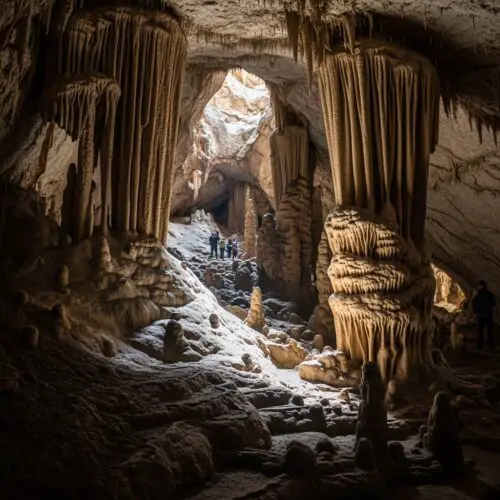
In 1995, Carlsbad Caverns National Park earned the prestigious designation of a UNESCO World Heritage Site. This recognition highlights the park’s exceptional geological features and its significance in preserving our planet’s natural heritage.
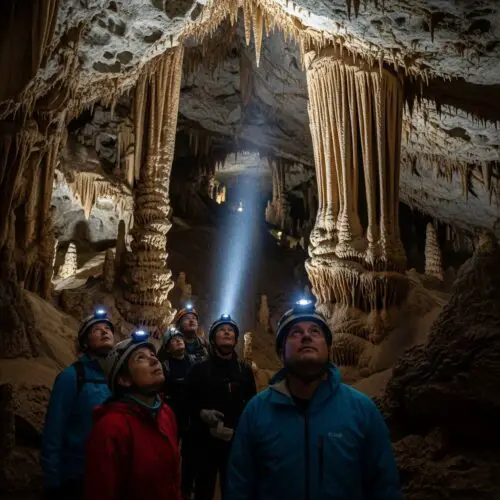
Importance of UNESCO designation
Being designated a UNESCO World Heritage Site means Carlsbad Caverns is recognized worldwide for its unique natural beauty and geological importance. Here’s why this matters:
- Global Recognition: The park is celebrated for its stunning limestone formations and diverse ecosystems.
- Conservation Efforts: The designation helps protect the park from environmental threats, ensuring its preservation for future generations.
- Increased Awareness: It attracts more visitors and researchers, fostering a deeper appreciation for geological science and conservation.
Global recognition of geological features
Carlsbad Caverns boasts some of the most remarkable geological formations in the world. Here are a few highlights:
- The Big Room: This is the largest cave chamber in North America, measuring 4,000 feet long and 1,200 feet wide. It’s like a natural cathedral!
- Lechuguilla Cave: Known for its intricate formations, this cave is a hotspot for scientific research and exploration, showcasing the park’s geological diversity.
- Biodiversity: The park is home to a variety of species, including 67 mammal species and 357 bird species, enriching its ecological significance.
The UNESCO designation not only elevates the park’s status but also emphasizes the importance of preserving such natural wonders. When visiting, you’re experiencing a globally recognized treasure that highlights our planet’s extraordinary geological story.
Table of Contents
2. The Big Room is the largest cave chamber in North America
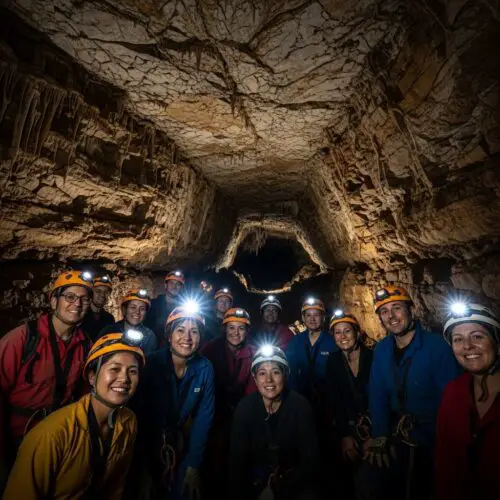
The Big Room is a true marvel of nature. It’s not just big; it’s massive and filled with stunning formations that will leave you in awe.
Dimensions of the Big Room
- Length: 4,000 feet
- Width: 1,200 feet
- Height: 255 feet at its tallest point
- Area: Approximately 8.2 acres
These dimensions make the Big Room the largest accessible cave chamber in North America. To put that into perspective, it’s like a football field turned upside down!
Unique formations within the chamber
Inside the Big Room, you’ll find some incredible geological features.
- Stalactites: These hang from the ceiling, formed by mineral-rich water dripping over thousands of years.
- Stalagmites: Rising from the floor, these formations are created as the minerals accumulate from the drips above.
- The Totem Pole: A striking formation that stands tall and draws many visitors’ eyes.
- The Giant Dome: A massive dome that showcases the grandeur of the cave.
Each of these formations tells a story of geological history, shaped by time and nature. Visitors often describe them as nature’s artwork, and they are a must-see when exploring the Big Room.
Remember, as you walk through this extraordinary space, take a moment to appreciate the natural beauty and history surrounding you.
3. Over 119 caves are located within the park
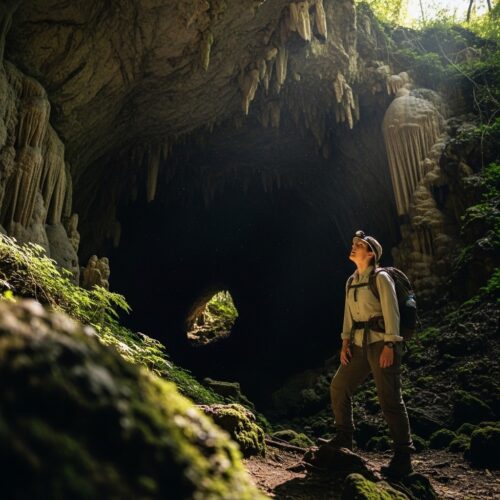
Carlsbad Caverns National Park is home to a fascinating variety of caves. With over 119 caves, the park showcases a stunning range of geological features. Each cave has its own unique charm and ecological significance.
Variety of caves
The diversity of caves in Carlsbad Caverns adds to its allure. Here are a few notable ones:
- Carlsbad Cavern: The most famous cave, featuring well-lit paths and impressive formations. It’s a must-see for every visitor.
- Lechuguilla Cave: This cave isn’t open to the public. It’s known for its stunning formations and is primarily used for scientific research.
- Slaughter Canyon Cave: Offers guided tours for those looking to explore a less commercialized cave experience.
Significance of cave diversity
Having multiple caves within the park is crucial for biodiversity. Each cave supports different ecosystems and wildlife. Here’s why this diversity matters:
- Habitat Variety: Different caves provide habitats for various species. For example, bats thrive in Carlsbad Cavern, while other caves may host unique plant life.
- Research Opportunities: Scientists study the caves to learn about geology, ecology, and climate history. This research is vital for conservation efforts.
- Visitor Experience: With diverse options, visitors can choose their adventure. Whether you prefer a guided tour or a more rugged exploration, there’s something for everyone.
Exploring these caves is not just about seeing beautiful formations. It’s about understanding the intricate relationships between geology and life. So when you visit, take the time to appreciate the unique ecosystems thriving within these underground wonders.
4. Carlsbad Caverns is home to over 400,000 bats
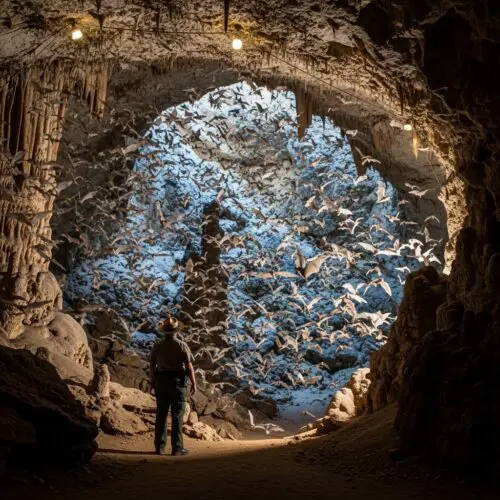
Carlsbad Caverns National Park is famous for its incredible bat population. The Brazilian free-tailed bats are the stars of the show, and their nightly emergence is a sight to behold.
Bat flight phenomenon
Every evening from late May to October, thousands of bats take to the skies. Visitors gather at the Bat Flight Amphitheater to witness this spectacular event. As the sun sets, the bats swirl out of the cave in a mesmerizing corkscrew pattern. It’s an unforgettable experience that showcases nature’s wonders.
- Timing: The best time to see the bats is just after sunset.
- Duration: The flight usually lasts about three hours.
- Location: Head to the Bat Flight Amphitheater for prime viewing.
Ecological importance of bats
Bats play a crucial role in the ecosystem. They help control insect populations, making them great for farmers and gardeners alike. One Brazilian free-tailed bat can eat thousands of insects in a single night. This natural pest control is vital for maintaining ecological balance.
- Pollination: Some bats also pollinate plants, contributing to biodiversity.
- Seed dispersal: They help spread seeds, promoting forest growth.
By visiting Carlsbad Caverns, you’re not just enjoying the view. You’re witnessing the vital role bats play in our environment. Their nightly flights remind us of the intricate connections within nature.
5. The park was established in 1930
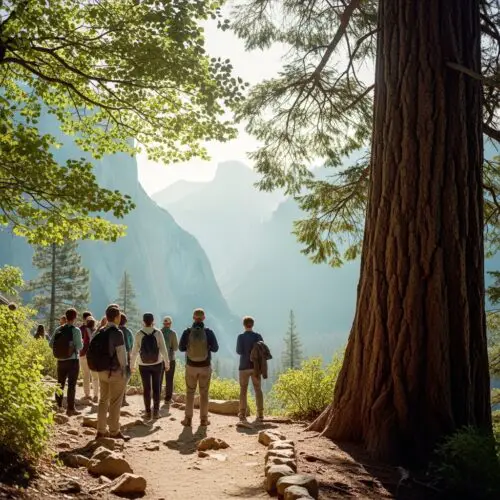
Carlsbad Caverns National Park has a rich history that dates back over a century. Its establishment was a significant milestone in protecting its unique geological features and ecosystems.
Historical milestones
- 1903: Guano mining began in what was then called “Big Cave” or “Bat Cave.” This marked the start of human interest in the caverns.
- 1923: President Calvin Coolidge designated Carlsbad Cave as a national monument. This was to protect the cave’s extraordinary beauty and geological formations.
- 1930: The area was officially designated as Carlsbad Caverns National Park by Congress, expanding protections for the cave system.
- 1985: Carlsbad Caverns was designated a UNESCO World Heritage Site. This recognition highlighted its global significance.
These milestones reflect a growing appreciation for the park’s natural wonders. Each step in its history helped shape the visitor experience today.
Evolution of park management
Management of Carlsbad Caverns has evolved to enhance both conservation and visitor engagement. Initially, the focus was on mining and tourism. Over time, the park developed infrastructure to improve access and education.
- Guided Tours: The first public guided tours started in 1993. This allowed visitors to explore sensitive areas that were previously off-limits.
- Visitor Facilities: The construction of visitor centers and amenities improved the experience for families and individuals with special needs.
- Environmental Conservation: Ongoing efforts focus on preserving the delicate ecosystems within the caves. This includes protecting the bat populations and their habitats.
Understanding the park’s history adds depth to your visit. You’re stepping into a place that has been treasured and protected for generations.
6. The caves were formed over millions of years
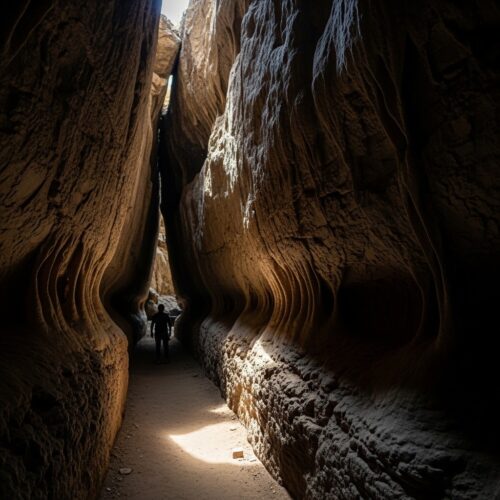
The stunning caves of Carlsbad Caverns are a result of a fascinating geological process. Over millions of years, sulfuric acid dissolved limestone, creating these incredible structures.
Process of cave formation
The formation of Carlsbad Caverns is a captivating story. Here’s how it all began:
- Sulfuric Acid Formation: Deep underground, hydrogen sulfide from petroleum seeped into groundwater. This mix reacted with oxygen, creating sulfuric acid.
- Dissolution of Limestone: As the sulfuric acid rose, it aggressively dissolved the limestone, carving out massive chambers.
- Cave Structures: Over time, this process formed stunning stalactites and stalagmites, which we see today.
This natural process took millions of years. The result? A breathtaking network of caves that attract visitors from all over the world.
Impact of geological history
The geological history of Carlsbad Caverns is significant. It tells us much about the Earth’s evolution. Here are some key points:
- Limestone Origin: The limestone that forms the caverns was deposited about 265 million years ago. It originated from an ancient inland sea.
- Cave Ecosystem: This unique geology creates a specific environment for diverse plants and animals. The park is home to a variety of species, including the famous bats.
- Visitor Experience: Understanding this geological history enhances your visit. It connects you to the ancient processes that shaped these magnificent caves.
These elements highlight not just the beauty of the caverns, but also their importance in understanding our planet’s history.
7. Carlsbad Caverns features unique speleothems
Carlsbad Caverns is home to some truly stunning geological formations known as speleothems. These natural wonders are created by mineral deposits and come in various shapes and sizes.
Types of speleothems
Here are the main types of speleothems you’ll find in the caverns:
- Stalactites: These hang from the cave ceiling. They form as mineral-rich water drips down, leaving behind deposits of calcite. You can recognize them by their icicle-like shapes.
- Stalagmites: Unlike stalactites, stalagmites grow upward from the cave floor. They form from the same mineral deposits but accumulate in the opposite direction.
- Columns: When stalactites and stalagmites meet, they can fuse together to form columns. These massive structures are a breathtaking sight.
- Soda Straws: These are thin, hollow tubes that are often the first stage in stalactite formation. They can look like tiny straws hanging from the ceiling.
- Draperies: These formations appear like curtains hanging down. They form when water flows over the cave walls, leaving behind mineral deposits.
- Helictites: These unique formations grow in twisted or curved shapes. They defy gravity, making them one of the more mysterious speleothems found in caves.
Formation processes
The formation of speleothems is an intricate process. It starts with rainwater or snowmelt that seeps into the ground. As it moves through soil and rock, it absorbs carbon dioxide, turning into a weak acid. This acidic water then enters the cave and reacts with limestone, leading to mineral deposition.
- Stalactites and stalagmites: These grow over thousands of years. The rate of growth is influenced by temperature and humidity levels inside the cave. Warmer temperatures typically speed up the process.
- Environmental factors: Changes in rainfall and air quality can also affect their development. For example, increased rainfall can lead to faster growth due to more water flowing through the cave.
Understanding these speleothems not only adds to the beauty of Carlsbad Caverns but also provides insight into the geological history of our planet. So, when you visit, take a moment to appreciate these incredible formations!
8. The park covers an area of 46,766 acres
Carlsbad Caverns National Park is massive! Spanning 46,766 acres, it’s a treasure trove of geological marvels and diverse ecosystems.
Geographical features
The park is nestled in the southeastern corner of New Mexico. It’s part of the Chihuahuan Desert, surrounded by the stunning Guadalupe Mountains. This region boasts:
- Unique Terrain: The park features limestone caves and gypsum formations. You’ll find deep canyons, rolling hills, and rugged terrain.
- Elevation Range: Ranging from 3,596 feet to 6,368 feet above sea level, the park offers breathtaking views and varying ecosystems.
- Diverse Flora and Fauna: Home to over 750 plant species and 67 mammal species, including 17 types of bats. It’s a biodiversity hotspot!
Size comparison with other parks
When you think about its size, Carlsbad Caverns is quite impressive compared to other national parks. Here’s how it stacks up:
- Size: At 46,766 acres, it’s larger than several well-known parks like Yellowstone (3,472 square miles) and Yosemite (1,187 square miles), but smaller than Death Valley (5,270 square miles).
- Visitor Experience: Despite its size, many areas are accessible, making it a great destination for families and casual hikers.
The sheer scale of Carlsbad Caverns National Park makes it a must-visit for anyone interested in geology, wildlife, or simply enjoying the great outdoors!
9. The park is located in the Chihuahuan Desert
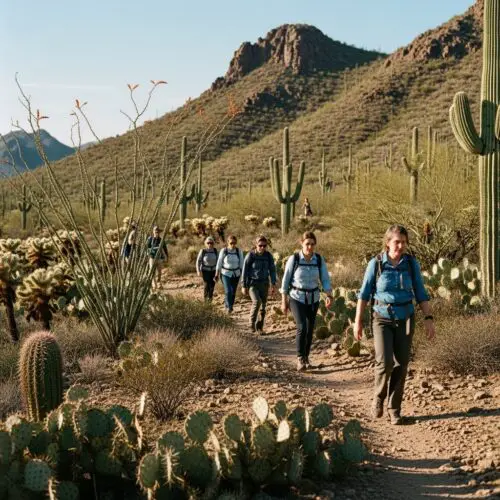
Carlsbad Caverns National Park is nestled in the stunning Chihuahuan Desert. This unique ecosystem plays a crucial role in the park’s biodiversity, making it a fascinating destination for nature lovers.
Characteristics of the Chihuahuan Desert
The Chihuahuan Desert is one of the largest deserts in North America. It boasts a variety of landscapes, from rocky mountains to sprawling valleys. Here are some key features:
- Climate: Hot summers and mild winters with low rainfall.
- Elevation: Varies from around 3,500 to 7,000 feet, creating diverse habitats.
- Soil: Mostly sandy and rocky, supporting unique plant life.
Flora and fauna diversity
The desert surrounding Carlsbad Caverns is teeming with life. It’s home to over 750 plant species and a rich variety of animals. Here’s a snapshot of its biodiversity:
- Plants: Cacti, yucca, and various shrubs thrive here.
- Mammals: 67 species, including the elusive desert cottontail and the agile black-tailed jackrabbit.
- Bats: The park is famous for its bats. The Brazilian free-tailed bat colony is one of the largest in the world, with about 400,000 bats roosting in the caves.
- Birds: Over 357 species, including the Cave Swallow, are found in the park.
This rich biodiversity adds to the allure of Carlsbad Caverns. Each visit offers a chance to see something new and learn about the delicate balance of this desert ecosystem. Plus, understanding the surrounding environment enhances your overall experience in the park!
10. Significant Native American history is tied to the caverns
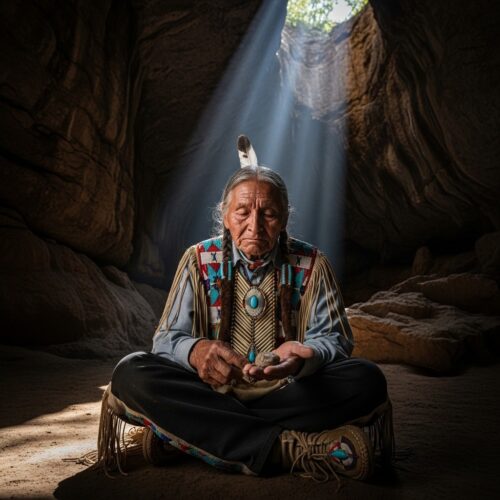
Carlsbad Caverns is more than just stunning geology; it holds deep cultural significance for Native American tribes. These ancient peoples recognized the caverns long before they became a national monument.
Cultural practices
Native American tribes, like the Mescalero Apache and Zuni Pueblo, have a rich history connected to these caves. They used the area around the cave entrance for various cultural practices. Here are some highlights:
- Cooking Sites: Evidence of cooking pits can be found near the cave entrance. These sites showcase how Native Americans prepared food using local resources.
- Artistic Expressions: Pictographs have been discovered within the park, illustrating the artistic expressions of these tribes. They tell stories of their connection to the land and its features.
- Spiritual Significance: The caves were thought to be sacred, with many tribes regarding them as places of spiritual importance. This connection adds a layer of reverence for visitors today.
Historical significance
The historical ties of Native Americans to Carlsbad Caverns are profound. The caves have been known for thousands of years. Here are some key points:
- Longstanding Awareness: Native Americans were aware of the caves’ existence long before modern exploration. They referred to the caves with names like Jadnut? udebiga (Home of the Bat) and Asho:sti an alaluckwa (Bat Cave).
- Tribal Interactions: Various tribes inhabited the surrounding areas, using the caves for shelter and cultural gatherings. Their presence contributed to the rich tapestry of life in the Chihuahuan Desert.
- Modern Recognition: Today, the park emphasizes the importance of this history. Visitors can learn about the cultural significance through interpretive programs and exhibits.
Understanding these connections enriches the visitor experience. It’s a chance to appreciate not just the beauty of the caverns, but also the stories and traditions that have shaped this incredible site for centuries.
11. The park offers various guided tours
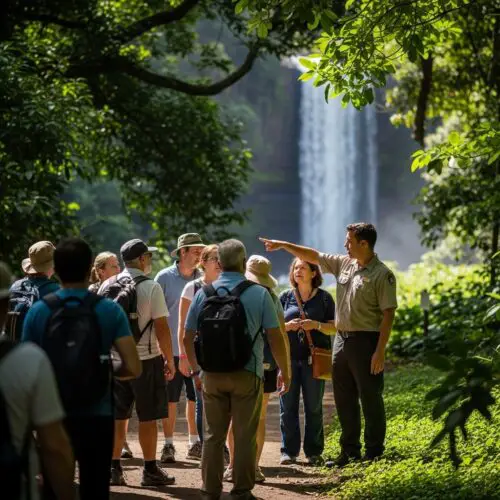
Exploring Carlsbad Caverns through guided tours is a fantastic way to enhance your visit. These tours provide expert insights and access to areas that you might miss on your own. Here’s a breakdown of what’s available.
Types of tours
1. Big Room Self-Guided Tour
This is the most popular option. You can explore at your own pace. The Big Room is massive, featuring stunning formations like stalactites and stalagmites. It’s an easy walk and offers informational signs throughout.
2. Guided Ranger Tours
These tours dive deeper into the science and history of the caves. Rangers share fascinating stories and facts. Popular tours include:
- King’s Palace Tour: A guided journey through beautiful chambers. Space is limited, so book ahead!
- Lower Cave Tour: For those seeking adventure, this tour requires climbing and crawling through tight spaces.
3. Specialized Tours
For the more adventurous, there are unique tours that explore lesser-known areas like:
- Left Hand Tunnel Tour: Known for its beautiful formations and fewer crowds.
- Spider Cave: A wild cave experience that involves more physical activity.
What to expect during tours
- Preparation: Wear sturdy shoes and bring a sweater. The cave can be chilly.
- Duration: Tours range from a quick 1-hour visit to several hours for more in-depth explorations.
- Safety: Guides ensure a safe experience, offering tips and assistance throughout the tour.
- Accessibility: Some tours are more physically demanding. Check beforehand if you have mobility concerns.
Visiting Carlsbad Caverns is not just about seeing stunning sights; it’s about experiencing the magic beneath the surface. Guided tours elevate that experience, making it memorable and educational.
12. The caves maintain a cool temperature year-round
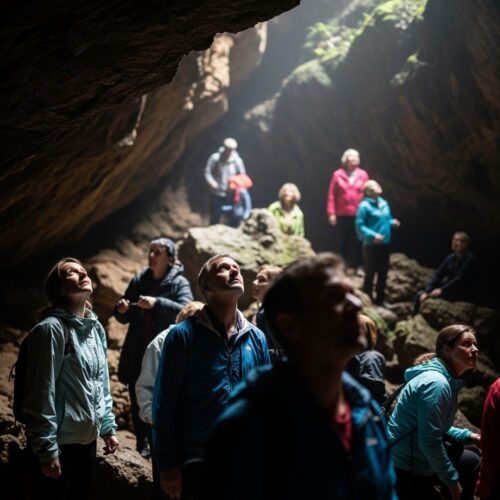
Carlsbad Caverns National Park is a natural wonder, and one of its coolest features (pun intended!) is the constant temperature inside the caves. This makes for a unique visitor experience, but it also requires some planning.
Temperature details
Inside the caverns, the temperature stays around 56°F (13°C) year-round. This consistent coolness is due to the cave’s natural insulation from the outside environment. Even in the heat of summer, you can count on a refreshing escape from the sun.
What to wear during visits
To enjoy your visit to the caves comfortably, consider these tips for dressing appropriately:
- Layer Up: Wear layers. A t-shirt with a long-sleeve shirt or sweater works well.
- Comfortable Shoes: Sturdy walking shoes are essential. The terrain can be uneven.
- Light Jacket: A light jacket or hoodie can be perfect for those who get chilly easily.
- Avoid Heavy Clothing: Skip bulky coats or heavy fabrics. You want to stay comfortable while walking and exploring.
By preparing for the cave’s cool temperatures, you’ll enhance your experience and enjoy the beauty of this underground marvel.
13. The park has significant biodiversity

Carlsbad Caverns National Park is a treasure trove of biodiversity. The park is home to a variety of species, each playing a crucial role in the ecosystem. Let’s dive into the fascinating flora and fauna that call this park home.
Flora and fauna overview
The park boasts a rich tapestry of life, with over 750 plant species and an impressive array of wildlife. Here are some highlights:
- Mammals: 67 species, including cougars, coyotes, and bats. The Brazilian free-tailed bat population alone is estimated at about 400,000.
- Birds: 357 species, with Cave Swallows nesting at the cave entrance since 1966.
- Reptiles and Amphibians: 54 species, including unique adaptations that help them thrive in a cave environment.
- Fish: 5 species, like the Pecos pupfish, which has evolved to survive in underground pools.
Conservation efforts
Protecting this biodiversity is vital. The park has implemented various conservation initiatives. These include:
- Habitat preservation: Efforts to maintain the delicate cave ecosystems.
- Research programs: Ongoing studies to monitor species populations and health.
- Visitor education: Programs to inform guests about the importance of biodiversity and conservation.
By visiting Carlsbad Caverns National Park, you support these efforts. Your presence helps promote awareness and appreciation for these incredible ecosystems.
14. The park is accessible year-round

Carlsbad Caverns National Park welcomes visitors all year long. Each season offers a unique experience, so here’s what to expect.
Seasonal activities
- Spring (March – May): Mild temperatures make this a great time for hiking. Wildflowers bloom, adding a splash of color to the landscape. The bat population begins to return, making evening flights a must-see.
- Summer (June – August): This is peak season. The temperature inside the caves remains a cool 56°F, perfect for escaping the summer heat. Be prepared for larger crowds, especially during bat flight programs in the evenings.
- Fall (September – November): The weather cools down, making it a wonderful time for exploring. Fewer visitors mean a more peaceful experience. The bats start migrating away, so evening flights are less frequent.
- Winter (December – February): While it’s the least busy time, the park is still open. Expect cooler temperatures outside, but the caves are always a comfortable escape. Special winter events may occur, so check ahead for any ranger-led programs.
Visitor center hours
The visitor center is your first stop for information. Here’s a quick look at its hours:
- Spring and Summer: Open daily from 8 AM to 7 PM.
- Fall: Open daily from 8 AM to 5 PM.
- Winter: Open from 9 AM to 5 PM, closed on certain holidays.
Tips for your visit
- Arrive early, especially during peak seasons. Parking can fill up fast.
- Wear comfortable, nonslip shoes. The cave paths can be uneven.
- Bring a light jacket. Even in summer, the cave can feel chilly.
These insights can help you plan the perfect trip to Carlsbad Caverns National Park, no matter when you decide to visit!
15. The park’s visitor center offers educational programs
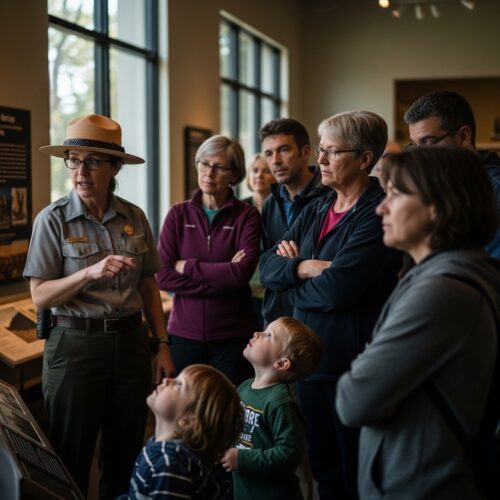
The visitor center at Carlsbad Caverns National Park is a hub of learning. It hosts a variety of educational programs that enhance your experience and deepen your understanding of this stunning park.
Educational offerings
- Guided Tours: These tours dive into the geology and ecology of the caverns. Knowledgeable rangers guide you through fascinating formations and ecosystems.
- Interactive Exhibits: The visitor center features engaging displays that explain the unique geology of the area. You can learn about stalactites, stalagmites, and the delicate cave ecosystem.
- Junior Ranger Program: Perfect for kids, this program encourages young explorers to learn about the park’s features through fun activities. Completing the program earns them a badge!
- Bat Flight Programs: In summer, witness the breathtaking exodus of bats from the caverns. Rangers provide insights about the bat species and their role in the ecosystem.
Visitor engagement
The visitor center also fosters engagement through various activities:
- Workshops and Presentations: Attend seasonal workshops on topics like cave conservation and local wildlife. These are often led by experts in the field.
- Ranger Talks: Daily talks cover diverse subjects, from the history of the park to its current conservation efforts. These sessions are informative and interactive.
- Nature Walks: Join a ranger-led nature walk to explore the surface trails. Discover the plants and animals native to the Chihuahuan Desert.
These programs not only enrich your visit but also promote awareness of environmental conservation. Whether you’re an avid nature lover or a curious first-timer, the educational offerings at the visitor center make your experience unforgettable.
16. Rattlesnake Springs is a hidden oasis
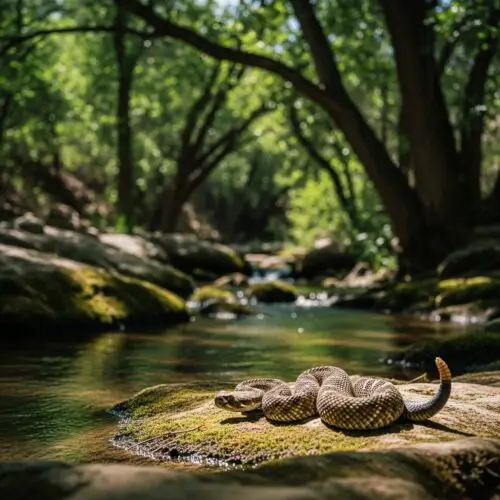
Rattlesnake Springs is a beautiful contrast to the rugged landscape of Carlsbad Caverns National Park. This lush oasis offers a unique experience for visitors, showcasing the biodiversity of the area.
Description of Rattlesnake Springs
Rattlesnake Springs is a grassy haven filled with trees and water. It sits in the Chihuahuan Desert, making it a rare sight. The springs are surrounded by picnic tables, inviting families to relax and enjoy nature.
- Wildlife: Over 300 bird species have been spotted here, making it a birdwatcher’s paradise. You might see colorful songbirds or even the elusive Cave Swallows that nest in the park.
- Historic Significance: This area is on the National Register of Historic Places, highlighting its cultural and historical importance.
Importance of the oasis
Rattlesnake Springs serves as more than just a pretty spot. It plays a crucial role in the ecosystem of Carlsbad Caverns National Park.
- Biodiversity: The oasis supports a variety of wildlife. It’s a vital habitat for many animals, providing food and shelter.
- Visitor Experience: It offers a refreshing break from cave exploration. Visitors can enjoy a picnic, take photos, or just soak in the scenery.
Rattlesnake Springs is a must-visit for anyone exploring Carlsbad Caverns. It offers a unique glimpse into the park’s ecological diversity while providing a serene escape from the underground wonders.
17. The park hosts seasonal bat flight programs

Carlsbad Caverns National Park is famous for its incredible bat flight programs. These events draw visitors eager to witness a natural spectacle like no other.
Overview of bat flight programs
The bat flight programs run from late May to October. During this time, the park becomes home to about 400,000 Brazilian free-tailed bats. Each evening, visitors gather at the Bat Flight Amphitheater. Here, they enjoy a ranger-led talk before the bats emerge at dusk.
This sight is breathtaking. Watching thousands of bats swirl out of the cave to hunt is a must-see. It’s not just thrilling; it’s a unique opportunity to connect with nature.
Best times to experience
- Peak Season: July and August are the best months. This is when the bat pups first join the evening flights.
- Optimal Viewing: Arrive early to secure a good spot. The amphitheater fills up quickly, especially during the peak season.
- Morning Programs: For early risers, morning programs let you witness the bats returning to the cave. This occurs from 4 a.m. to 6 a.m.
Here’s a quick checklist for your visit:
- What to Wear: A light jacket is recommended. Cave temperatures stay around 56°F year-round.
- Footwear: Comfortable, nonslip shoes are essential.
- Essentials to Bring: Water, a camera, and a sense of wonder!
Experiencing the bat flight is not just about the spectacle; it’s also about understanding the biodiversity of the park. The bat population plays a significant role in the local ecosystem, making this event both fascinating and educational.
18. Visitors can hike above ground trails
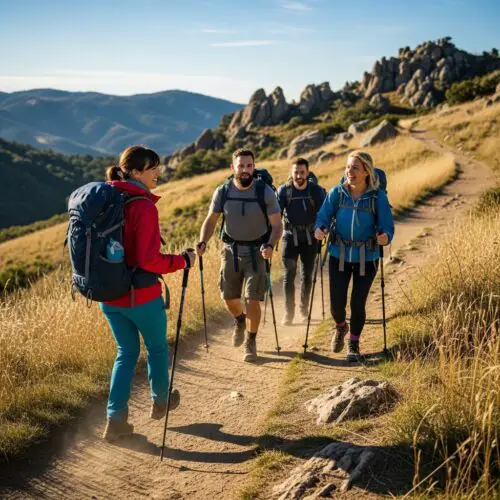
Carlsbad Caverns National Park is more than just the stunning caves below. The park offers several hiking trails that let visitors enjoy the breathtaking landscapes above ground. Here’s what you can explore.
List of trails
1. Natural Entrance Trail: This 1.25-mile trail leads you into the cave through switchbacks. Enjoy a mix of desert views and a cool descent into the cave’s entrance.
2. Big Room Trail: A 1.5-mile paved loop that takes you through the Big Room, one of the largest cave chambers in North America. It’s an easy hike, perfect for families.
3. Guadalupe Ridge Trail: For the adventurous, this 100-mile backcountry trail connects to the Guadalupe Mountains. It offers incredible vistas and a true wilderness experience.
4. Avenue of the Giants: A shorter, family-friendly trail where you can spot unique rock formations and local flora. This is a great option for a quick hike without venturing too far.
Scenic highlights
- Desert Flora: The Chihuahuan Desert is home to over 750 plant species. Hiking gives you a chance to appreciate the diverse ecosystem.
- Wildlife Viewing: Keep your eyes peeled for local wildlife. You might spot deer, birds, and even the park’s famous bats.
- Stunning Vistas: Many trails offer sweeping views of the surrounding Guadalupe Mountains. The sunsets here are particularly breathtaking.
Before you hit the trails, remember to check the weather and bring enough water. It’s essential to stay hydrated while exploring this beautiful park!
19. The park offers family-friendly activities

Carlsbad Caverns National Park is a fantastic place for families. There are plenty of activities that everyone can enjoy, no matter their age. Here are some great options to make your family visit memorable.
Family-friendly options
- Guided Tours: Take a family-friendly guided tour through the caverns. The park offers various tours that cater to different age groups and fitness levels. Kids will love exploring the Big Room, which is the largest cave chamber in North America!
- Visitor Center Activities: The visitor center has exhibits that engage kids and adults alike. There are interactive displays about geology and wildlife that will spark curiosity in young minds.
- Junior Ranger Program: Encourage kids to become Junior Rangers! This program includes fun activities that teach about the park’s natural and cultural history. Completing the activities earns them a badge, a great souvenir!
Educational fun for kids
- Nature Walks: Join a ranger for a nature walk. These walks are educational and provide insights into the park’s unique ecosystem. Kids can learn about the Chihuahuan Desert and its wildlife while enjoying the fresh air.
- Bat Flight Programs: Don’t miss the evening bat flight programs. Watching the bats emerge from the cave at sunset is a spectacular sight. It’s both thrilling and educational, perfect for kids who love animals!
- Stargazing: Carlsbad Caverns has dark skies, making it ideal for stargazing. Grab a blanket and look up at the stars. It’s a wonderful way to end a day of adventure and can spark discussions about constellations and astronomy.
When planning your visit, remember to pack snacks, water, and sunscreen. Comfortable shoes are a must for exploring the park. With these activities, your family is sure to create lasting memories at Carlsbad Caverns!
20. Special events are hosted throughout the year

Carlsbad Caverns National Park offers a variety of special events throughout the year. These events enhance the visitor experience and allow everyone to engage with the park in unique ways.
Types of events
- Bat Flight Programs: From late May to mid-October, visitors can watch thousands of bats exit the cave at sunset. It’s a breathtaking sight, especially in July and August when the pups join their parents for the first time. Early morning programs also let you see bats return to the cave, adding a different perspective to their fascinating behavior.
- Star Parties: These events occur during clear nights and feature informative talks by park rangers. Visitors can use telescopes to explore the night sky and learn about celestial events. It’s a fantastic way to connect with nature after a day of adventure.
- Educational Programs: Throughout the year, the park hosts various programs focusing on geology, ecology, and history. These sessions are designed to enrich your understanding of the park’s unique landscapes and biodiversity.
Visitor participation
Participating in these special events can make your visit even more memorable. Here are some tips for getting involved:
- Check the Schedule: Events vary by season. Always check the park’s calendar before your visit to plan your itinerary around these special activities.
- Arrive Early: For popular events like the bat flight, arriving early gives you a good spot and lets you soak in the atmosphere.
- Bring the Family: Many events are family-friendly. They provide a great opportunity for kids to learn and engage with nature in a fun way.
- Stay Informed: Keep an eye out for any ranger-led hikes or workshops. These guided experiences often offer insights you won’t find on your own.
With these special events, Carlsbad Caverns National Park ensures every visit is packed with excitement and learning!
21. The park promotes environmental conservation
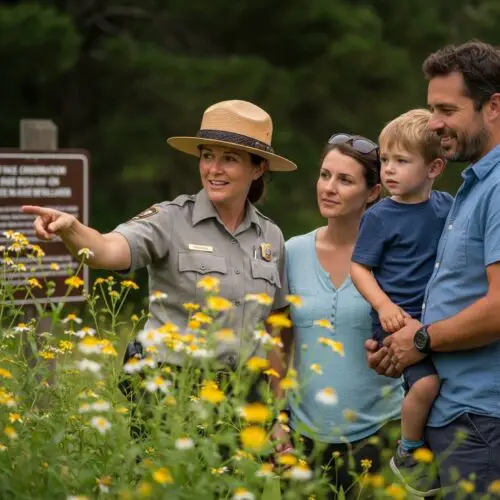
Carlsbad Caverns National Park is not just a stunning place to explore; it’s also committed to protecting its unique ecosystems. The park engages in various conservation initiatives to preserve its natural beauty and biodiversity.
Conservation initiatives
The park focuses on several key conservation efforts:
- Biodiversity Monitoring: Carlsbad Caverns is home to 67 species of mammals and 357 species of birds. The park regularly monitors wildlife populations, especially bats, to ensure their health and safety.
- Ecosystem Restoration: Restoration projects help maintain the delicate balance of the Chihuahuan Desert’s ecosystems. This includes removing invasive plant species that threaten native flora.
- Education Programs: The park offers educational programs to teach visitors about its ecological significance. These programs help raise awareness and encourage responsible behavior among guests.
Visitor involvement
Visitors play a crucial role in conservation efforts at Carlsbad Caverns. Here’s how you can contribute:
- Participate in Volunteer Programs: Join park clean-up days or citizen science projects. These activities help maintain the park and enrich your experience.
- Follow Leave No Trace Principles: Be mindful of your impact. Stick to trails, pack out what you bring in, and observe wildlife from a distance.
- Support Local Conservation: Consider donating to park programs or purchasing local conservation merchandise. Your support helps fund ongoing initiatives to protect the park’s resources.
By participating in these efforts, you not only enhance your visit but also contribute to the preservation of this incredible natural wonder.
22. The park features stunning geological formations
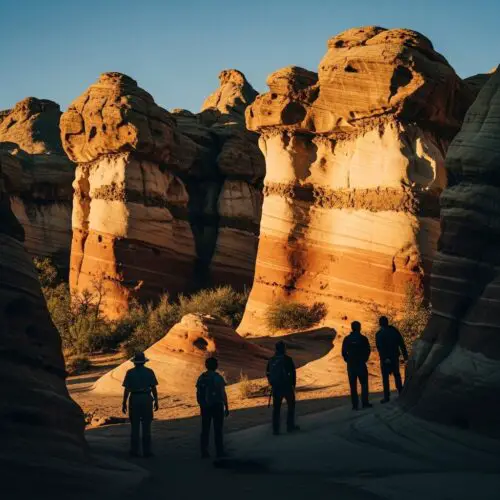
Carlsbad Caverns National Park is a treasure trove of geological wonders. The formations here are not just beautiful; they tell a story of millions of years of natural history. Let’s dive into some of the most impressive geological features you can find in the park.
Types of formations
1. Stalactites: These icicle-shaped formations hang from the cave ceilings. They form as mineral-rich water drips down and deposits calcium carbonate.
2. Stalagmites: Rising from the ground, these formations grow upwards. They are created from the same dripping water that forms stalactites.
3. Columns: When stalactites and stalagmites meet, they create columns. These massive structures are stunning and showcase the power of nature over time.
4. Draperies: These thin, curtain-like formations hang down like beautiful fabrics. They add a unique aesthetic to the caverns.
5. Helictites: Unlike stalactites and stalagmites, helictites grow in bizarre, twisted shapes. They can defy gravity, adding an element of mystery to the caves.
Visual appeal
The visual impact of these formations is breathtaking.
- The Big Room: This is the largest chamber in North America. It boasts a stunning array of stalagmites and a vast ceiling that makes you feel tiny in the face of nature’s grandeur.
- The King’s Palace: This area features dazzling formations and vibrant colors. It’s a highlight for many visitors, showcasing the park’s beauty.
- Lechuguilla Cave: Known for its rare formations, this cave is a scientific wonder. It remains mostly unexplored, emphasizing the park’s endless mysteries.
Visitors often come away amazed by these geological features. They inspire awe and curiosity, making Carlsbad Caverns a must-visit destination for nature lovers and adventure seekers.
23. The park has a rich geological history
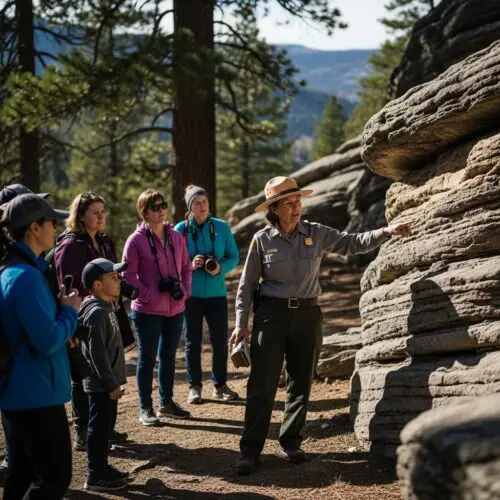
Carlsbad Caverns National Park is a treasure trove of geological wonders. Its formations tell a story that spans millions of years. Let’s dive into the fascinating geological history that shapes this incredible landscape.
Historical geological events
1. Formation of limestone: The story begins over 250 million years ago. Ancient seas covered the area, depositing layers of marine organisms. Over time, these layers compressed into limestone.
2. Cave formation: Around 10 million years ago, sulfuric acid began to erode the limestone. This process created the intricate cave systems we see today. Water seeping through the rock formed stunning stalactites and stalagmites.
3. Guano mining: In the early 1900s, guano mining revealed the caverns to the world. The removal of bat droppings helped expose these remarkable formations. What was once a hidden wonder became a popular attraction.
Impact on current landscape
1. Diverse ecosystems: The unique geology supports a variety of life. The park is home to over 750 plant species and 67 mammal species, including 17 species of bats. These ecosystems thrive due to the park’s varied geology.
2. Visitor experiences: The geological features enhance the visitor experience. The vast chambers and intricate formations create a breathtaking environment. Each formation has a story, inviting exploration and curiosity.
3. Cultural significance: The park’s geology has cultural importance. Indigenous peoples have long revered the caves. Today, visitors can appreciate both the natural and cultural history tied to this landscape.
Exploring Carlsbad Caverns is not just about seeing stunning formations. It’s about understanding the geological events that created this magnificent park. Each step into the caverns is a journey through time, revealing the Earth’s incredible history.
24. Lechuguilla Cave is only accessible for research
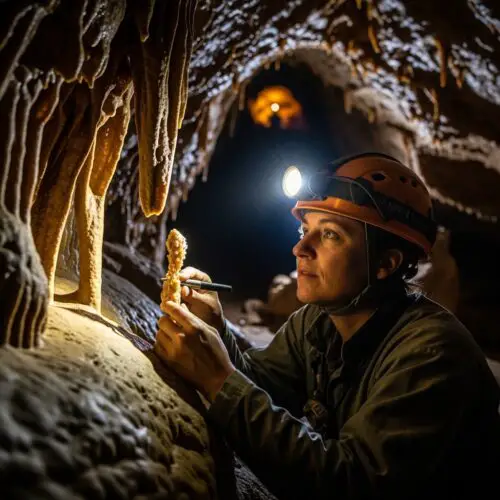
Lechuguilla Cave is a hidden gem within Carlsbad Caverns National Park. However, it’s not open to the public. Access is strictly limited to protect its delicate environment.
Access limitations
The cave is known for its unique beauty and scientific importance. To preserve its fragile ecosystem, only specially permitted researchers can enter. This ensures that the cave’s unique speleothems and delicate formations remain intact.
- Research-only access: Only scientists conducting approved studies can enter Lechuguilla Cave.
- Environmental protection: Limiting access helps prevent damage and preserves the cave’s pristine conditions.
- Scientific studies: Ongoing research focuses on geology, biology, and ecology.
Research findings
The studies conducted in Lechuguilla Cave have led to significant discoveries. Researchers have found unique microorganisms that thrive in the cave’s extreme conditions. These findings are crucial for understanding life in extreme environments and have implications for fields like astrobiology.
- Unique ecosystems: The cave hosts rare life forms that aren’t found anywhere else.
- Geological insights: Research has revealed details about the cave’s formation and the geological history of the region.
- Conservation efforts: Findings help shape conservation strategies for both the cave and similar environments.
By limiting access, Carlsbad Caverns National Park ensures that Lechuguilla Cave continues to be a site of scientific wonder, revealing secrets of our planet’s past while protecting its future.
25. The park hosts various wildlife species

Carlsbad Caverns National Park is a haven for wildlife enthusiasts. With a rich variety of species, it showcases the beauty of biodiversity in a unique cave ecosystem.
Overview of wildlife
The park is home to an impressive array of animals. Here’s a quick snapshot:
- Mammals: 67 species, including cougars, coyotes, and bats.
- Birds: 357 species, such as the Cave Swallow, which has been nesting here since 1966.
- Reptiles and Amphibians: 55 species, including some that thrive in the unique cave environment.
- Fish: 5 species, notably the Pecos pupfish, which has adapted to the cave’s underground pools.
This diversity makes the park a vibrant ecosystem, essential for countless life forms.
Ecological roles
Every species in Carlsbad Caverns plays a critical role in maintaining the ecosystem. For instance, bats are not just fascinating creatures; they help control insect populations. The Brazilian free-tailed bats, one of the largest colonies here, consume tons of insects each night, reducing the need for pesticides in the surrounding areas.
Additionally, the plants and animals in the park have adapted in remarkable ways. The cave-adapted fish, like the Pecos pupfish, have evolved to survive without sight, showcasing nature’s ingenuity.
Understanding these roles highlights the importance of conservation efforts. Protecting these species ensures the health of the entire ecosystem in Carlsbad Caverns.
26. The park has specific entrance fees and regulations
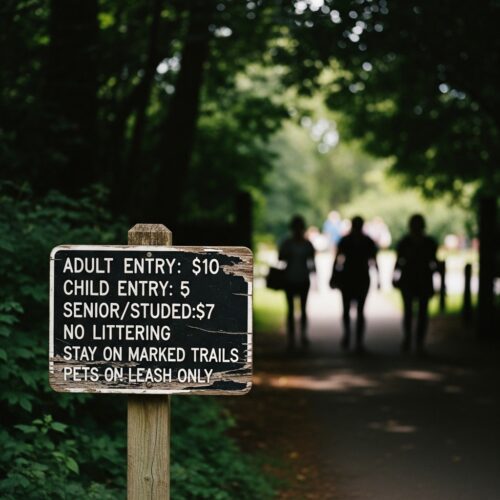
Before you dive into the wonders of Carlsbad Caverns, it’s good to know the entrance fees and some regulations. This way, you can focus on enjoying your visit without any surprises.
Entrance fee details
- Adults (16 and older): $15
- Children (15 and under): Free
- Annual Pass: $45 (covers all visitors in a vehicle)
- Access: Fees are valid for three days, which is perfect for exploring!
Visitor regulations
- Stay on designated trails: Protect the cave’s delicate ecosystem.
- No food or drinks inside the caves: Keep the environment clean.
- Flashlights permitted: But don’t disturb the wildlife.
- Pets: Only service animals are allowed in the caves.
Helpful tips
- Plan ahead: Busy seasons can lead to long wait times. Consider visiting during off-peak hours.
- Accessibility: Some areas may be challenging for visitors with mobility issues. Check for available options before your visit.
Being aware of these fees and regulations helps everyone enjoy the beauty of Carlsbad Caverns. So, pack your essentials and get ready for an adventure!
27. The park features unique adaptations of cave species
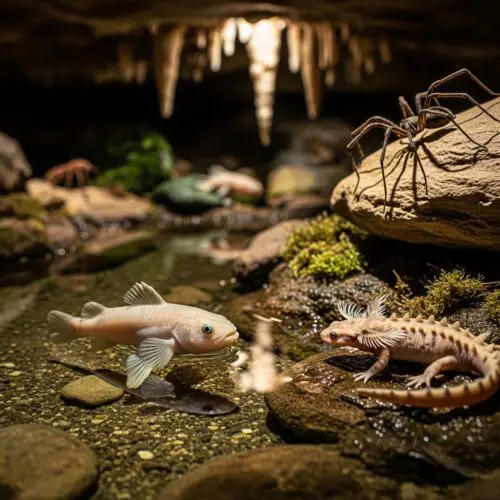
Carlsbad Caverns National Park is home to some incredible species that have adapted to life in the dark, moist environment of the caves. These adaptations help them thrive where most other creatures can’t survive.
Adaptations to cave life
- Blindness: Many cave-dwelling species, like the Pecos pupfish, have evolved to be blind. In the dark, eyesight isn’t necessary. Instead, they rely on other senses to navigate.
- Loss of pigmentation: Animals like cave salamanders have lost their color over generations. This adaptation helps them blend into their surroundings, providing better camouflage.
- Unique feeding habits: Some species have developed specialized diets. For example, certain bats in the park primarily feed on insects, which are abundant in the cave ecosystem.
- Thermal regulation: Cave species often have unique ways to manage their body temperature. This is crucial in maintaining energy levels in a stable, often cooler environment.
Importance of biodiversity
Biodiversity in Carlsbad Caverns is vital for several reasons:
- Ecosystem balance: Each species plays a role in maintaining the cave’s ecosystem. Predators help control insect populations, while prey species provide food sources.
- Scientific research: Unique adaptations offer insights into evolution and survival strategies. Researchers study these species to understand how life can thrive in extreme conditions.
- Tourism and education: The diverse life forms attract thousands of visitors each year. Learning about these unique adaptations enhances the visitor experience and raises awareness about conservation.
Understanding these adaptations not only highlights the uniqueness of Carlsbad Caverns but also emphasizes the importance of preserving this incredible environment for future generations.
28. The park encourages responsible visitation

Carlsbad Caverns National Park is a breathtaking natural wonder. To keep it that way, responsible visitation is key. Your actions can impact this delicate environment.
Visitor impact
Every visitor influences the park’s health. Simple actions can make a huge difference. When you explore the caverns, remember:
- Stay on marked paths to protect fragile ecosystems.
- Avoid touching rock formations. Oils from your skin can harm them.
- Keep noise levels down to respect wildlife.
- Dispose of trash properly. Litter can disrupt the natural beauty and harm animals.
Conservation tips
Protecting Carlsbad Caverns is everyone’s job. Here are some practical tips for your visit:
- Plan ahead: Check for any park alerts or updates before your trip. Seasonal changes can affect accessibility.
- Use eco-friendly products: When hiking, choose biodegradable soaps and leave no trace behind.
- Wildlife observation: Enjoy watching animals from a distance. This keeps both you and the wildlife safe.
- Be mindful of water: Conserve water during your stay. Even small actions add up to significant savings in this arid environment.
Every little effort counts. By practicing responsible visitation, you help preserve the park for future generations to enjoy. So, next time you’re in the caverns, remember you’re part of something bigger!
29. The park features multiple entrance points

Carlsbad Caverns National Park offers several ways to enter and explore its stunning underground world. Knowing your options can enhance your visit and make your experience even more enjoyable.
Overview of entrances
1. Natural Entrance:
- This is the iconic entry point. It’s a dramatic descent that gives visitors a taste of the caverns’ majesty right away.
- The hike is about 1.25 miles and can be a bit steep, so wear good shoes and take your time.
2. Elevator Entrance:
- Located at the visitor center, this entrance is perfect for those who prefer a more accessible option.
- The elevator takes you down 750 feet directly into the cavern. It’s a quick and easy way to bypass the steep hike.
3. Guided Tours:
- These tours often have specific entry points based on the route.
- Popular tours include the King’s Palace and the Left Hand Tunnel, both offering unique experiences inside the park.
Accessibility considerations
- Natural Entrance:
- Not wheelchair accessible due to the steep descent.
- Suitable for visitors who are physically able to navigate the stairs and trails.
- Elevator Entrance:
- Fully accessible for those with mobility challenges.
- Offers a smooth ride down to the cavern floor.
- Visitor Center:
- Equipped with restrooms and facilities for all visitors.
- A great stop before you start your adventure.
Remember, if you’re visiting with kids or those needing assistance, the elevator is your best bet. Plan ahead to ensure everyone in your group has a fantastic experience at Carlsbad Caverns!
30. The park’s visitor center has essential amenities
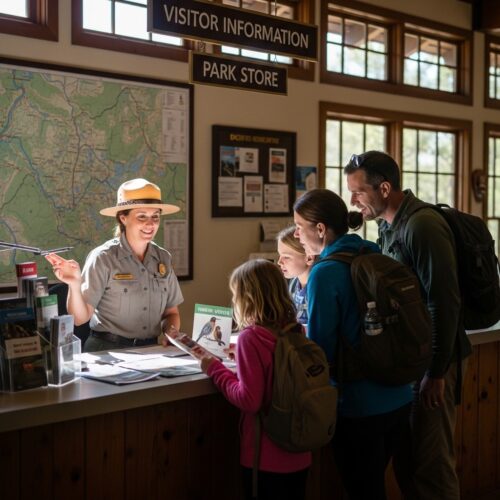
The visitor center at Carlsbad Caverns National Park is your first stop for a comfortable and informative experience. It offers various amenities that cater to all visitors, making your trip enjoyable and hassle-free.
Available amenities
- Restrooms: Clean and accessible facilities for everyone.
- Information Desk: Friendly staff ready to answer questions and provide maps.
- Exhibits: Engaging displays about the park’s geology and wildlife.
- Gift Shop: Souvenirs, books, and park-related merchandise.
- Cafeteria: Snacks and meals to refuel before your adventure.
- Seating Area: A place to relax and plan your visit.
Visitor center functions
The visitor center plays a vital role in enhancing your overall experience:
- Orientation: Offers maps and guides to help you navigate the park.
- Safety Briefings: Provides essential safety tips for exploring the caverns.
- Program Sign-Ups: Allows you to reserve spots for guided tours and special events.
- Accessibility Information: Staff can guide you on accessible routes and amenities.
Before heading into the caverns, stop by the visitor center to gather resources and ensure you’re fully prepared for your adventure!
31. The park features unique rock formations

Carlsbad Caverns National Park is a geological wonder. The rock formations here tell a story of millions of years and unique conditions. Let’s dive into some of the fascinating types of formations you can see!
Types of rock formations
1. Stalactites: These hang from the ceiling like icicles. They form when mineral-rich water drips from the cave roof and leaves behind deposits. Over time, they grow longer and more intricate.
2. Stalagmites: These rise from the ground. They are created from the same dripping water that forms stalactites. As the water drops to the cave floor, it deposits minerals, building these structures upward.
3. Columns: When stalactites and stalagmites meet, they form columns. These massive structures can be quite impressive and are often a highlight for visitors.
4. Helictites: These are the quirky ones! Helictites grow in odd, twisting shapes. They form when water seeps through the rock and deposits minerals, but the growth direction can defy gravity!
5. Flowstones: These have a smooth, wavy appearance. They form when water flows over the cave walls or floor, leaving behind a thin layer of mineral deposits. They create beautiful, shimmering sheets.
Visual significance
The rock formations in Carlsbad Caverns not only showcase nature’s artistry but also contribute to the park’s ecosystem. Each formation plays a role in the cave’s environment, affecting airflow and moisture levels.
Visitors often remark how these formations create a magical atmosphere. Walking through the caverns feels like stepping into another world. The interplay of light and shadow on the formations enhances their beauty.
When exploring, take a moment to appreciate the details. Look closely at the textures and colors. Each formation is unique, just like the stories they tell about the Earth’s history.
32. The park offers night sky viewing opportunities
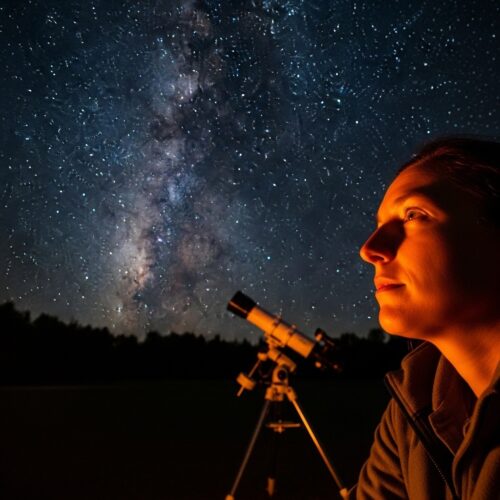
Carlsbad Caverns National Park isn’t just about the stunning underground world. The night sky here is a breathtaking spectacle waiting to be explored. With minimal light pollution, the park is a prime spot for stargazing.
Best practices for night viewing
To make the most of your night sky experience, keep these tips in mind:
- Check the schedule: Ranger-led night sky programs are held during warmer months. These are a great way to learn about constellations and celestial events.
- Bring the right gear: A good pair of binoculars can enhance your viewing. Don’t forget a blanket or chair for comfortable stargazing.
- Arrive early: Get settled before the sun sets. This gives you time to adjust to the darkness and spot the first stars.
- Respect the environment: Use red light flashlights to avoid disturbing wildlife and fellow viewers.
Significance of dark skies
The dark skies above Carlsbad Caverns are not just visually stunning; they hold scientific and cultural significance.
- Astronomical wonders: The park is an excellent location for observing planets, meteor showers, and even the Milky Way.
- Cultural connections: Many cultures have rich histories tied to the stars. Learning about these connections can deepen your appreciation for the night sky.
- Environmental awareness: Stargazing fosters a connection to nature and highlights the importance of protecting dark skies from light pollution.
If you’re visiting Carlsbad Caverns, don’t miss out on the chance to gaze up at the stars. It’s an experience that adds another layer of magic to your adventure.
33. The park is a destination for nature lovers
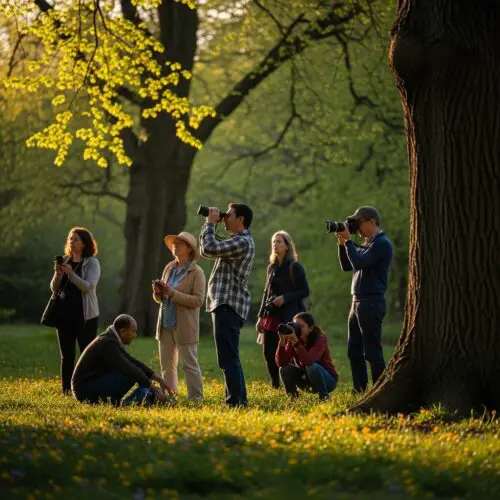
Carlsbad Caverns National Park is a dream come true for nature enthusiasts. Its stunning landscapes and unique ecosystems make it a must-visit spot.
It’s a must-visit
Here’s why you should put Carlsbad Caverns on your bucket list:
- Breathtaking geology: The park features over 119 caves, with the Big Room being the largest accessible cave chamber in North America. It’s an unforgettable sight, stretching nearly 4,000 feet long!
- Diverse wildlife: The park is home to 67 mammal species, including 17 bat species. The Brazilian free-tailed bats are a highlight, with their nightly exodus drawing crowds from late May to October.
- Unique ecosystems: The park is part of the Chihuahuan Desert, offering a glimpse into both desert and underground life. Over 750 plant species thrive here, along with a rich diversity of reptiles and birds.
- Visitor experiences: From self-guided tours to ranger-led adventures, there’s something for everyone. Families can explore accessible trails, while thrill-seekers can opt for more challenging tours like the Left Hand Tunnel.
Future conservation importance
Visiting Carlsbad Caverns isn’t just about exploring — it’s also about supporting conservation efforts. Here’s how:
- Protecting the ecosystem: Your visit helps fund programs that protect the delicate cave formations and wildlife habitats.
- Educational programs: The park offers numerous educational opportunities to learn about cave ecosystems and geology. This knowledge fosters a deeper appreciation for nature.
- Sustainable tourism: By visiting responsibly, you contribute to the preservation of this natural wonder for future generations. Consider following Leave No Trace principles to minimize your impact.
Carlsbad Caverns National Park is a treasure trove of natural beauty and biodiversity. Whether you’re marveling at the intricate stalactites or watching the bats take flight, every moment spent in the park is a chance to connect with nature.
Frequently Asked Questions
These quick answers cover the most common questions about this topic, including key details, practical tips, and common concerns.
What are some cool facts about Carlsbad Caverns?
Carlsbad Caverns is home to North America’s largest cave chamber, the Big Room, which measures 4,000 feet long. The park has over 119 caves with diverse formations like stalactites, stalagmites, and rare helictites. It’s a UNESCO World Heritage Site recognized globally for its geological significance and biodiversity, including 67 mammal species and 357 bird species.
Can I wear Crocs at Carlsbad Caverns?
Yes, you can wear Crocs or similar casual footwear when exploring the park’s surface trails and the accessible parts of the caves. However, for walking inside the caves, sturdy, non-slip shoes with good grip are recommended to ensure safety on uneven or slick surfaces.
Is Carlsbad Caverns the largest cave in the USA?
The Big Room in Carlsbad Caverns is the largest accessible cave chamber in North America, but it is not the largest cave overall. Lechuguilla Cave, also within the park, is deeper and more extensive but is closed to the public to protect its delicate environment.
Will Carlsbad Caverns close if the government shuts down?
Yes, during a government shutdown, national parks, including Carlsbad Caverns, typically close or reduce services. It’s best to check the park’s official website or contact the visitor center for current status before planning your visit.
What should I bring when visiting Carlsbad Caverns?
Bring layers of clothing, as the caves stay around 56°F (13°C) year-round. Wear comfortable, sturdy shoes suitable for walking on uneven surfaces. Don’t forget water, a camera, and a flashlight if you plan to explore less accessible areas. Sunscreen and hats are advisable for surface activities.
Are there any guided tours available?
Yes, the park offers various guided tours, including the popular King’s Palace Tour and the Lower Cave Tour. Ranger-led programs provide in-depth insights into geology, biology, and history, and some tours require advance reservations.
What is the best time to visit Carlsbad Caverns?
Spring (March-May) and fall (September-November) are ideal for avoiding crowds and enjoying mild weather. Summer (June-August) offers the best chance to see the bat flights at sunset, but expect larger crowds. Winter (December-February) is quieter, and the caves remain cool and comfortable.
How can I see the bat flight?
Visit the Bat Flight Amphitheater just after sunset from late May through October. The bats swirl out of the cave in a mesmerizing corkscrew pattern. Arrive early to secure a good spot, and bring a light jacket and camera for the experience. Morning returns are also observable in some seasons.