
Hackberry trees are more than just ordinary trees; they are fascinating, resilient, and play a vital role in our ecosystems. Join me as we explore 35 interesting facts about hackberry trees, their history, uses, wildlife value, and the surprising benefits they offer. Read Interesting article: Hydrangea Tree Pros and Cons – 10 Facts You Need to Know
Overview of Hackberry Trees
What is a Hackberry Tree?
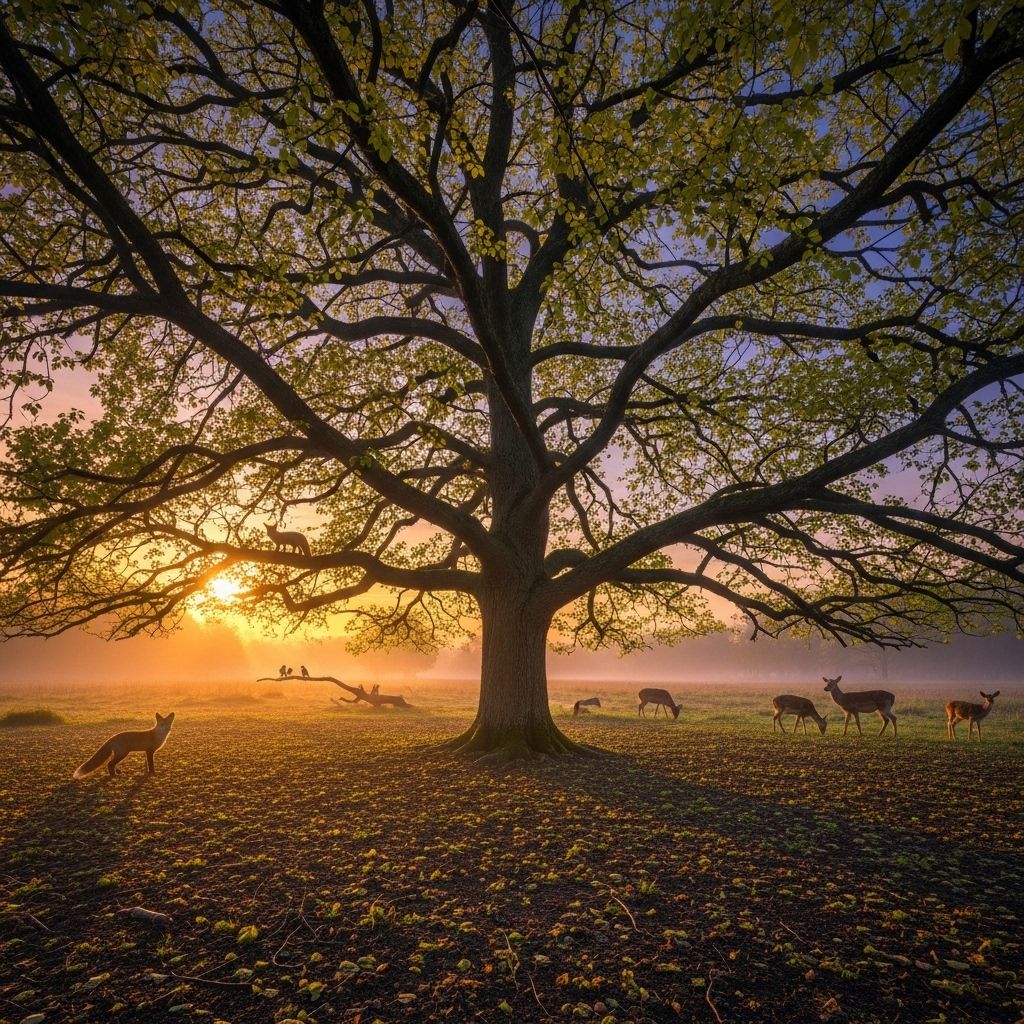
When I first encountered a hackberry tree, I was captivated by its unique appearance. Hackberry trees belong to the Ulmaceae family and are scientifically known as Celtis occidentalis. They thrive in various environments, particularly in the United States, where they are often found along riverbanks and in woodlands. These deciduous trees can reach heights of 30 to 60 feet, with a broad, rounded crown that provides ample shade. What I find intriguing is their ability to adapt to different soil types, from clay to sandy soils, making them quite versatile.
Scientific Classification and Varieties
In my exploration of hackberry trees, I learned that they have multiple varieties, including the common hackberry, sugar hackberry, and western hackberry. Each variety has its own unique characteristics and adaptations. For instance, the sugar hackberry, known for its sweet fruits, is a favorite among local wildlife. Understanding these varieties has deepened my appreciation for this tree and its ecological significance. If you’re interested in learning about other tree varieties, you might find the article on Hazelnut Tree Pros and Cons – 10 Facts You Need to Know helpful.
Physical Characteristics of Hackberry Trees
Physically, hackberry trees are quite distinctive. Their bark is usually gray-brown and has a rough, warty texture that can be quite eye-catching. I remember running my hands over the bark, feeling its unique surface, and wondering how such a tough exterior could support life. The leaves are another notable feature; they are ovate with a serrated edge and can grow up to 4 inches long. I find their bright green color refreshing in the summer, and in the fall, they turn a lovely yellow, adding to the autumn landscape.
Historical Significance of Hackberry Trees
Native Range and Habitat
Hackberry trees have a rich history that dates back thousands of years. They are native to North America, primarily flourishing in the central and eastern regions of the United States. I discovered that they thrive in a variety of habitats, from upland forests to lowland areas. Their adaptability is a testament to their resilience, allowing them to survive in both drought-prone and flood-prone areas. This ability to endure different conditions makes them a staple in many ecosystems.
Traditional Uses by Indigenous Peoples
Throughout my research, I found that indigenous peoples have long recognized the value of hackberry trees. They would use the berries as a food source, particularly in the fall when the fruits ripen. The berries, while small, are packed with nutrients and have a sweet flavor. I can imagine communities gathering to harvest these fruits, using them in various dishes or drying them for winter months. Additionally, the wood from hackberry trees was utilized for crafting tools and making structures, showcasing their multifunctional role in traditional lifestyles.
Historical Importance in Landscaping and Urban Planning
Hackberry trees have also left their mark on landscaping and urban planning. I remember walking through parks and noticing how these trees provided shade and beauty in urban environments. Their hardiness makes them a popular choice for city planners. They are often planted along streets and in parks, where they create a welcoming atmosphere for residents and visitors alike. Their resilience to pollution and ability to thrive in compacted soil make them ideal urban trees, and it’s great to see them being appreciated in modern landscaping.
Uses of Hackberry Trees
Wood Products and Their Applications
When I think about the versatility of hackberry trees, I can’t help but admire their wood. The wood from hackberry trees is light to medium in weight and has a fine, even texture. I’ve seen furniture and cabinetry made from hackberry, and I was surprised to learn that it can be used for various woodworking projects, from flooring to cabinetry. Its warm color and ability to take stains well make it an appealing choice for those looking to create something beautiful and durable. In fact, artisans often appreciate hackberry wood for its ease of working and resistance to warping, which I find fascinating. It’s amazing how much these trees contribute to our daily lives beyond just their natural beauty.
Hackberry as a Source of Food
One of the most delightful discoveries for me was the culinary potential of hackberry fruits. The berries, while not commonly found in grocery stores, are edible and surprisingly nutritious. I remember tasting them for the first time and being taken aback by their sweet, almost caramel-like flavor. They can be eaten raw, or you can use them in jams and jellies, which is a practice I’ve started trying out at home. I’ve also noticed that many people enjoy foraging for them in the fall, turning them into treats that reflect the season. Learning about their use as a food source made me appreciate these trees even more, connecting me to a long tradition of utilizing natural resources for sustenance.
Medicinal Uses in Traditional Practices
In my journey to understand hackberry trees better, I came across their medicinal uses in various traditional practices. Indigenous peoples have historically used the bark and leaves for their health benefits. I learned that an infusion of hackberry bark can be used to help with coughs and other respiratory issues. While I have yet to try making any medicinal teas myself, I find it incredible how nature provides remedies right at our doorstep. These historical practices remind me of the wealth of knowledge that has been passed down through generations, emphasizing the importance of these trees in promoting health and wellness.
Hackberry in Craftsmanship and Art
Artisans have found a treasure trove of inspiration in hackberry trees. I discovered that the wood is not only functional but also aesthetically pleasing, making it a popular choice for carving and sculpting. I’ve seen stunning pieces of art created from hackberry wood, from intricate carvings to rustic home décor items. The unique grain patterns and colors of hackberry add character to handmade creations, and I have to admit that seeing these works made me want to try my hand at woodworking. It’s a beautiful reminder of how natural materials can be transformed into something extraordinary through human creativity.
Wildlife Value of Hackberry Trees
Habitat for Birds and Insects
One of the most rewarding aspects of planting hackberry trees is their incredible support for local wildlife. I’ve often spotted various birds flitting around these trees, and it’s heartwarming to see them thrive in their branches. Hackberry trees provide excellent nesting sites for birds like the American Robin and the Cedar Waxwing, and seeing them in action has brought so much joy to my garden. Additionally, the trees support countless insects, including butterflies and bees, which are vital for pollination. I’ve spent hours observing the bustling life around these trees, and it has made me realize how interconnected we all are in the ecosystem.
Fruit Production and Wildlife Nutrition
The fruit that hackberry trees produce is not only delicious for humans but serves as a vital food source for wildlife. When the berries ripen in late summer and fall, I’ve noticed a flurry of activity as various birds and small mammals feast on them. It’s like nature’s buffet, and I can’t help but feel happy knowing that my backyard is contributing to the local food web. The berries are rich in fats and proteins, making them an excellent nutritional source for birds preparing for migration. Watching this dynamic unfold has deepened my respect for hackberry trees and their role in supporting wildlife.
Contribution to Biodiversity
Hackberry trees play a vital role in promoting biodiversity in the ecosystems they inhabit. When I learned about their ability to thrive in a variety of conditions, I realized just how important they are for maintaining healthy ecosystems. They provide shelter and food for numerous species, from insects to mammals. I believe that planting more hackberry trees could help restore habitats that have been lost due to urbanization and deforestation. It’s inspiring to think that each tree planted can contribute to a healthier planet, supporting not only wildlife but also helping us humans reconnect with nature.
Surprising Benefits of Hackberry Trees
Environmental Benefits: Soil and Air Quality
One of the unexpected rewards of having hackberry trees around is their positive impact on the environment. I’ve read that these trees can improve soil quality by preventing erosion and promoting nutrient cycling. Their root systems are robust and help stabilize the ground, which is particularly beneficial in areas prone to washouts or heavy rains. I often find it fascinating how something as simple as a tree can play such a crucial role in maintaining soil integrity. Moreover, I’ve discovered that hackberry trees can help purify the air by absorbing pollutants and producing oxygen. This dual benefit makes them even more valuable, especially in urban areas where air quality can be a concern.
Shade and Cooling Effects in Urban Areas
When I think about the summer heat, I can’t help but appreciate the shade that hackberry trees provide. I remember walking through my neighborhood on a hot day, and the cool shade of these trees made all the difference. They not only create a comfortable outdoor space for people but also help reduce the urban heat island effect. Hackberry trees can lower the temperature in their immediate vicinity, which is particularly important in cities where heat can be stifling. I’ve noticed that neighborhoods with ample tree cover, including hackberries, tend to feel cooler and more inviting, making outdoor activities much more enjoyable during the warmer months.
Benefits for Erosion Control
Erosion control is another surprising benefit that I found intriguing. Hackberry trees are particularly effective in stabilizing slopes and riverbanks. Their extensive root systems bind the soil together, reducing runoff and preventing soil loss during heavy rains. I’ve seen areas where hackberry trees have been planted along riverbanks, and it’s incredible how they not only enhance the beauty of the landscape but also protect it. Whenever I hike near water bodies, I feel a sense of reassurance knowing that these trees are working hard to keep the earth in place, contributing to a healthier ecosystem.
Carbon Sequestration Potential
In our fight against climate change, hackberry trees have a role to play through carbon sequestration. I learned that trees, in general, absorb carbon dioxide from the atmosphere, and hackberry trees are no exception. As they grow, they store carbon in their biomass, which helps mitigate greenhouse gases. I’ve always believed that every little bit helps in the larger context of environmental conservation, and seeing how hackberry trees contribute to this effort makes me want to plant even more in my own yard. Knowing that these trees are doing their part to combat climate change feels empowering, and it motivates me to spread the word about their benefits. Additionally, if you’re interested in more tree-related insights, check out the article on Hibiscus Tree Pros and Cons – 9 Facts You Need to Know.
Growing and Caring for Hackberry Trees
Ideal Growing Conditions
For anyone considering planting a hackberry tree, I can share that they are quite forgiving when it comes to growing conditions. Personally, I’ve found that they thrive in full sun but can also tolerate partial shade. They prefer well-drained soil but are adaptable enough to handle a variety of soil types, from sandy to clay. When I planted my first hackberry, I made sure to choose a spot that wasn’t overly wet, as these trees don’t like “wet feet.” I recommend watering them regularly during their establishment phase, but once they’re settled, they can withstand drought quite well!
Common Pests and Diseases
As with any plant, hackberry trees can face challenges with pests and diseases. I’ve noticed that while they are generally hardy, they can be susceptible to issues like aphids and scale insects. I’ve learned that keeping an eye on them during the growing season can help catch any problems early. I remember a time when I spotted aphids on one of my trees, and with a simple blast of water, I was able to dislodge them without resorting to chemicals. Additionally, I stay vigilant about fungal issues, especially in humid conditions, but overall, I’ve found that proper care goes a long way in keeping these trees healthy.
Pruning and Maintenance Tips
Pruning is an important part of caring for hackberry trees, and I’ve discovered that it can really enhance their structure and health. I usually wait until late winter or early spring before the new growth starts. When I prune, I focus on removing any dead or crossing branches to promote better airflow and light penetration. This not only keeps the tree looking tidy but also helps prevent disease. I’ve also learned that keeping the area around the base free of debris can reduce the risk of pests. Regular maintenance, while minimal, has helped my hackberry trees flourish and thrive over the years.
Common Misconceptions about Hackberry Trees
Are Hackberry Trees Invasive?
As I delved deeper into the world of hackberry trees, I often came across the concern that they might be invasive. I understand where this misconception comes from, especially when people see how quickly they can grow and spread. However, from my experience, hackberry trees are generally not classified as invasive species. They tend to thrive in their native range without outcompeting other local flora. In fact, they can play a crucial role in maintaining the balance of their ecosystems. I feel it’s important to recognize that while they do spread, they often do so in a way that supports the local wildlife and plant communities. They’re more of a beneficial presence than a threat to other species.
Understanding Their Lifespan and Growth Rate
Another common misconception I encountered is regarding the lifespan and growth rate of hackberry trees. Many people assume that these trees have a short life expectancy due to their fast growth. I found that hackberry trees can actually live for several decades, with some specimens reaching over a hundred years! Their rapid growth in the early years may lead some to think they won’t last long, but I believe this is a testament to their resilience and adaptability. In my garden, I’ve noticed that as they mature, they develop a stronger trunk and a more expansive canopy, which I find quite impressive. This longevity makes them a valuable addition to any landscape, providing beauty and shade for generations.
Fun Facts about Hackberry Trees
Unique Traits of Hackberry Trees
In my exploration, I stumbled upon some truly unique traits about hackberry trees that make them stand out. For one, their leaves have a distinctive asymmetrical base, which I find quite charming. I often admire how each leaf seems to tell its own story. Additionally, hackberry trees can produce small, gnarled growths known as “galls,” which are caused by insects laying eggs on the leaves. These galls may look peculiar, but they don’t harm the tree and can actually provide food for various wildlife, adding another layer to their ecological role. I believe these quirks make them all the more fascinating!
Interesting Cultural References
Throughout history, hackberry trees have made their way into various cultural references. I learned that they often symbolize resilience and adaptability, reflecting their ability to thrive in challenging environments. In some Native American cultures, hackberry trees were revered for their nourishment and medicinal properties. I find this connection to nature’s resources quite inspiring, as it highlights how deeply intertwined we are with the world around us. Their presence in stories and traditions reminds us of the importance of preserving our natural heritage.
Fast Facts Summary
- Hackberry trees can reach heights of 30 to 60 feet.
- They produce small, sweet fruits that are edible for both humans and wildlife.
- Hackberry wood is prized for its ease of use in woodworking.
- These trees support a variety of wildlife, from birds to beneficial insects.
- Hackberries can improve soil quality and air quality.
- They have a lifespan of several decades, with some living over a century.
Final Thoughts
Reflecting on my journey with hackberry trees, I can’t help but feel a sense of awe for their many contributions to our lives and the environment. From their unique physical characteristics to their role in supporting wildlife, these trees enrich our landscapes in ways we often overlook. I’ve come to appreciate not only their beauty but also their resilience and adaptability. Whether you’re considering planting one in your own yard or simply enjoying their presence in nature, I encourage you to take a moment to appreciate the hackberry tree for what it truly is: a remarkable piece of our ecosystem. They remind us of the interconnectedness of life and the importance of nurturing our natural world.
Frequently Asked Questions
“`html
What is a hackberry tree?
A hackberry tree is a deciduous tree belonging to the Ulmaceae family, scientifically known as Celtis occidentalis. They thrive in various environments, particularly in the United States, and can reach heights of 30 to 60 feet.
What are the common varieties of hackberry trees?
Common varieties of hackberry trees include the common hackberry, sugar hackberry, and western hackberry, each with unique characteristics and adaptations.
What are the physical characteristics of hackberry trees?
Hackberry trees have gray-brown bark with a rough, warty texture. Their leaves are ovate with a serrated edge, can grow up to 4 inches long, and turn a lovely yellow in the fall.
How have indigenous peoples traditionally used hackberry trees?
Indigenous peoples have used hackberry trees for their berries as a food source and for the wood to craft tools and structures, showcasing the tree’s multifunctional role in traditional lifestyles.
What are the environmental benefits of hackberry trees?
Hackberry trees improve soil quality, prevent erosion, purify the air, provide shade, and contribute to cooling effects in urban areas, making them valuable for environmental health.
What wildlife benefits do hackberry trees provide?
Hackberry trees support local wildlife by providing nesting sites for birds and serving as a food source for various birds and small mammals that feed on their berries.
Are hackberry trees considered invasive?
No, hackberry trees are generally not classified as invasive species. They thrive in their native range without outcompeting local flora and play a crucial role in maintaining ecosystem balance.
What culinary uses do hackberry fruits have?
The edible berries of hackberry trees have a sweet flavor and can be eaten raw or used in jams and jellies, making them a delightful food source in the fall.
How should hackberry trees be cared for?
Hackberry trees thrive in full sun to partial shade and prefer well-drained soil. Regular watering during establishment, vigilant pest monitoring, and proper pruning can help maintain their health.
What is the lifespan of hackberry trees?
Hackberry trees can live for several decades, with some specimens reaching over a hundred years, despite their fast growth in early years.
“`