
Crater Lake National Park is home to some of the most stunning natural features in the United States. This article highlights 13 fascinating facts about this unique national park that every visitor should know in 2026, ensuring a memorable experience.
1. Crater Lake Is the Deepest Lake in the United States
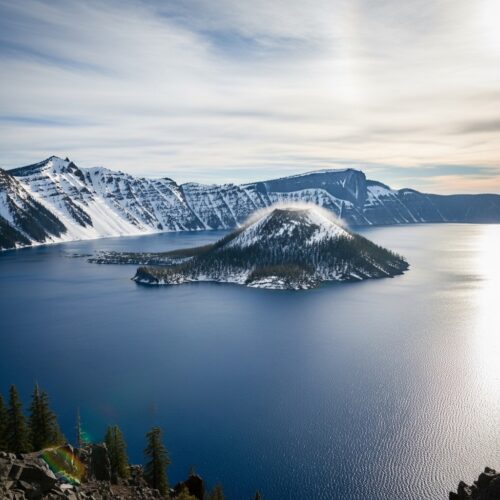
Crater Lake’s depth is nothing short of astonishing. At 1,949 feet (594 meters), it holds the title of deepest lake in the United States. This incredible depth is crucial to understanding its unique characteristics and ecological importance.
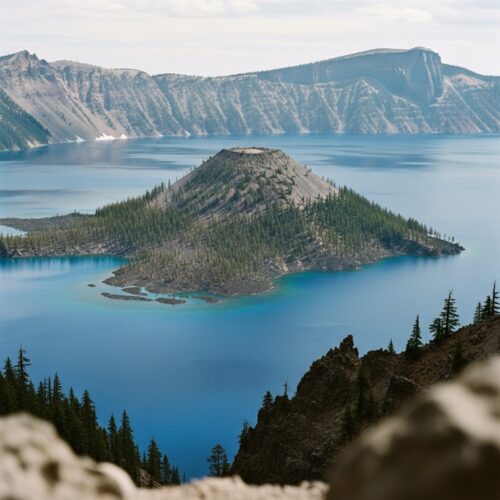
Understanding the Depth and Its Implications
The depth of Crater Lake plays a vital role in its clarity and color. The lake’s waters are so pure that they absorb sunlight, creating the striking blue hue visitors admire. This depth also means that Crater Lake is a significant site for geological studies, providing insights into volcanic activity and water purity.
Comparison with Other Lakes
Here’s how Crater Lake stacks up against some of the world’s other famous lakes:
| Lake | Maximum Depth (Feet) | Maximum Depth (Meters) |
|---|---|---|
| Crater Lake | 1,949 | 594 |
| Lake Baikal | 5,387 | 1,642 |
| Lake Tanganyika | 4,823 | 1,470 |
| Caspian Sea | 1,050 | 320 |
| Lake Superior | 1,333 | 406 |
While Crater Lake may not be the deepest lake globally, its depth is significant for its geological context and the ecosystem it supports.
Table of Contents
Impact on Local Ecosystem
The unique depth of Crater Lake creates a special environment for wildlife. Its cold, pristine waters support various species, including fish like the native cutthroat trout. The stable temperatures and clear waters also allow for an abundance of aquatic life.
The lake’s depth helps insulate it, preventing freezing in winter. This phenomenon supports a diverse range of flora and fauna around the lake, making it a hotspot for biodiversity.
Crater Lake’s depth is more than just a number; it tells a story of geological history and ecological richness. It’s a treasure for both scientists and nature enthusiasts alike.
2. Crater Lake Was Formed by a Volcanic Eruption
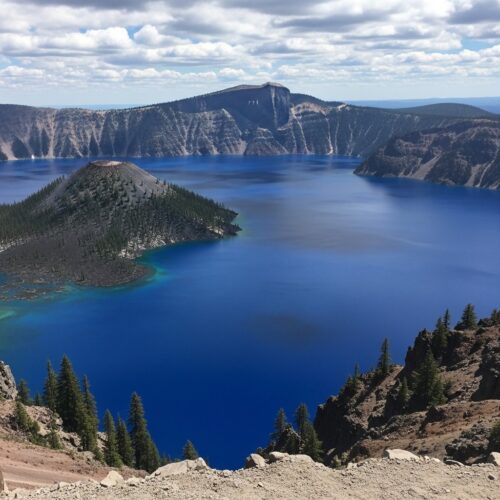
Crater Lake’s stunning beauty is all thanks to an explosive volcanic event. About 7,700 years ago, Mount Mazama erupted, leading to a series of dramatic geological changes.
The Eruption Timeline
- Around 7,700 years ago: Mount Mazama erupts with a powerful explosion.
- Immediate aftermath: The eruption causes the mountain to collapse inward, forming a caldera.
- Water filling: Over time, rain and snow melt fill the caldera, creating Crater Lake.
This timeline showcases a significant event in geological history. The collapse left a deep depression, which eventually became the lake we admire today.
Effects of the Eruption on the Landscape
The eruption transformed the landscape dramatically. Here’s how:
- Caldera Formation: The violent eruption led to the creation of a large bowl-shaped depression. This caldera is essential for the lake’s unique shape.
- Volcanic Rock: The area is rich in various volcanic rocks like basalt and andesite. These materials offer insights into the region’s fiery past.
- Ecosystem Changes: The eruption reset the local ecosystem. It paved the way for new plant and animal species to thrive around the pristine waters.
These effects not only shaped the park but also influenced its biodiversity.
Geological Significance of Calderas
Crater Lake is one of the best examples of a caldera lake in the world. Here’s why that matters:
- Unique Formation: Calderas are formed from the collapse of a volcano. This makes Crater Lake a rare geological feature.
- Depth and Clarity: At 1,943 feet deep, Crater Lake is the deepest lake in the U.S. Its depth contributes to its remarkable blue color and clarity.
- Scientific Interest: The lake serves as a natural laboratory for studying volcanic activity and ecosystem dynamics.
Understanding Crater Lake’s geological significance helps us appreciate its beauty and complexity. It’s a living testament to nature’s power and resilience.
3. Wizard Island Is a Volcanic Cinder Cone Within the Lake
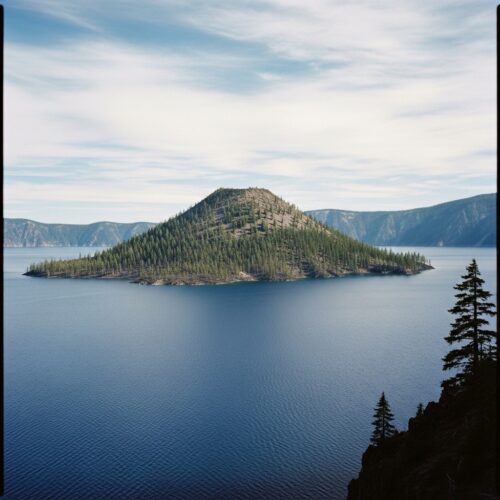
Wizard Island is a striking feature of Crater Lake. This volcanic cinder cone rises dramatically from the water. It’s not just eye candy; it offers unique geological insights and recreational options.
Accessing Wizard Island by Boat
Getting to Wizard Island is half the adventure. Boat tours operate during the summer months. They whisk you across the lake’s deep blue waters. Enjoy stunning views while learning about the island’s volcanic history.
- Tour Duration: Typically, tours last about 1-2 hours.
- Stops: Most tours include a stop at the island for exploration.
Hiking Opportunities on the Island
Once on Wizard Island, the fun really begins. Several hiking trails await.
- Summit Trail: This trail leads to the top and offers panoramic views of Crater Lake and beyond.
- Length: The hike is about 1.5 miles one way, with a moderate climb.
- Time: Plan for about 2-3 hours round trip.
Visitors rave about the feeling of standing atop the island. The views are simply breathtaking. Many hikers describe it as a highlight of their trip.
Unique Flora and Fauna on Wizard Island
Wizard Island isn’t just a volcano; it’s a vibrant ecosystem. You’ll find unique plants and animals here.
- Flora: Look for species like the mountain hemlock and wildflowers blooming in summer.
- Fauna: Keep an eye out for birds like the peregrine falcon and various songbirds.
Visitors often share stories of spotting wildlife while hiking. The island’s isolation makes it a prime spot for birdwatching and nature photography.
Wizard Island adds a special touch to Crater Lake National Park. Its beauty and recreational offerings make it a must-visit for any nature lover.
4. The Lake’s Remarkable Blue Color Is Due to Its Purity
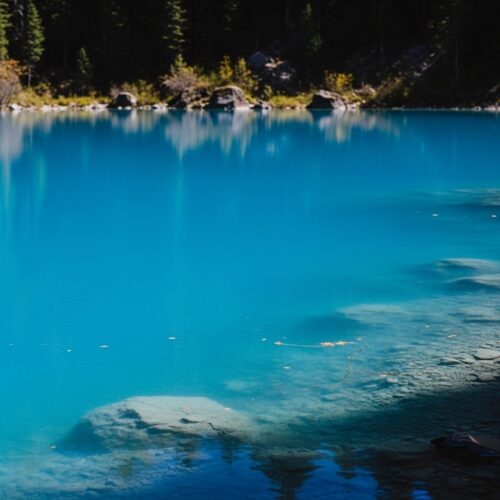
Crater Lake is famous for its stunning blue hue. But what makes this color so vivid? Let’s dive into the science behind it!
Chemical Composition of the Lake Water
Crater Lake’s water is incredibly pure. It’s mainly filled with rainwater and snowmelt. This lack of impurities is key to its color. Here’s what you need to know:
- High Purity: The lake’s water contains very few particles or pollutants. This means there’s less interference with light.
- Mineral Content: The water has a specific mineral composition that affects color. It absorbs most colors of the spectrum, reflecting only blue.
Conditions That Enhance Its Color
Several factors contribute to the lake’s mesmerizing blue. These conditions create a perfect environment for that vibrant display:
- Depth: Crater Lake is the deepest lake in the U.S., reaching about 1,943 feet. The immense depth allows light to penetrate deeply before being absorbed.
- Clarity: The clarity of the water enhances its color. Clear water allows light to scatter, emphasizing the blue tones.
- Sunlight: Bright sunny days make the blue even more striking. The sun’s rays highlight the lake’s vividness.
Best Viewing Times for the Lake’s Color
To catch Crater Lake at its bluest, timing is everything. Here are the best times to visit:
- Midday: Visit when the sun is highest in the sky. This is when the light is most direct, making the blue pop.
- Summer Months: Late spring to early fall is ideal. During this season, the weather is usually clear, and the water is calm.
Understanding these elements adds to the wonder of Crater Lake. The next time you visit, you’ll appreciate that stunning blue even more!
5. Crater Lake National Park Is Oregon’s Only National Park
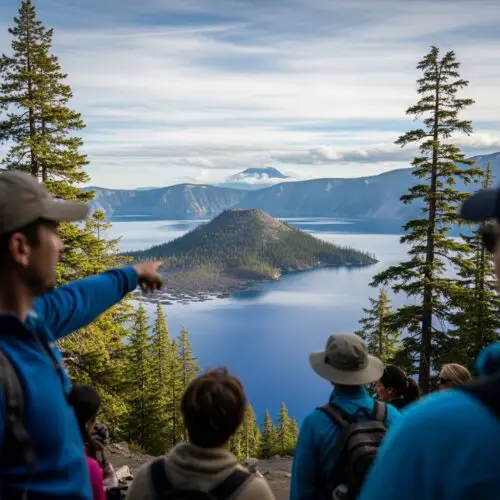
Crater Lake holds a special title as Oregon’s only national park. This unique status is key to its conservation and preservation efforts. Let’s dive into what this means for the park and its visitors.
How national park status aids conservation
Being a national park comes with a responsibility to protect the environment. Crater Lake’s designation helps preserve its stunning landscapes and unique ecosystems. Here’s how:
- Strict Regulations: National parks enforce rules to minimize human impact. This protects wildlife and natural resources.
- Funding for Conservation: As a national park, Crater Lake receives federal funding, which supports ongoing conservation efforts.
- Research Opportunities: Scientists study its unique geological features. This helps us understand climate change and ecosystems.
Visitor statistics and trends
Visitor numbers to Crater Lake have steadily increased over the years. Here’s a snapshot:
- 2010: Approximately 450,000 visitors
- 2020: Around 600,000 visitors
- 2022: Over 750,000 visitors
This growth reflects the park’s rising popularity. More people are discovering its beauty and recreational opportunities.
Comparative analysis with other Oregon parks
Crater Lake stands out when compared to other parks in Oregon. Here’s a quick look at how it compares:
- Diverse Ecosystem: While other parks focus on forests or coastlines, Crater Lake features a unique volcanic landscape.
- Depth and Clarity: It is the deepest lake in the U.S. at 1,943 feet, renowned for its clarity and vivid blue color.
- Year-Round Activities: Unlike many parks that close in winter, Crater Lake offers winter sports like snowshoeing and cross-country skiing.
These characteristics make Crater Lake a must-visit destination in Oregon. Its unique national park status enhances both its protection and visitor experience.
6. The Park Experiences Significant Snowfall Each Year

Crater Lake National Park is famous for its impressive snowfall. Each winter, the park transforms into a snowy wonderland, offering unique experiences and challenges for visitors.
Average Snowfall Statistics
The average annual snowfall at Crater Lake is around 533 inches, or about 44 feet. Some years, this number can soar even higher, with records reaching up to 870 inches or 73 feet. This heavy snowfall plays a crucial role in shaping the park’s landscape and accessibility.
Seasonal Activities Impacted by Snow
Snow impacts what you can do at the park. Here are some activities affected by the winter weather:
- Snowshoeing: Explore the quiet trails blanketed in fresh snow. It’s a peaceful way to take in the stunning scenery.
- Cross-Country Skiing: Glide along groomed trails, surrounded by towering trees and breathtaking views.
- Photography: Capture the contrast of the deep blue lake against the white snow. It’s a photographer’s dream!
These activities typically peak from December to March, allowing adventurers to experience Crater Lake like never before.
Winter Safety Tips for Visitors
Winter visits require some extra planning. Here are essential tips for a safe and enjoyable experience:
- Dress in Layers: Temperatures can drop quickly. Layering keeps you warm and comfortable.
- Check Road Conditions: The park’s roads often close due to snow. Always check for updates before heading out.
- Stay Hydrated: It’s easy to forget to drink water in cold weather. Keep a water bottle handy.
By being prepared, you can fully enjoy the winter magic of Crater Lake National Park!
7. Crater Lake National Park Offers Year-Round Recreational Activities
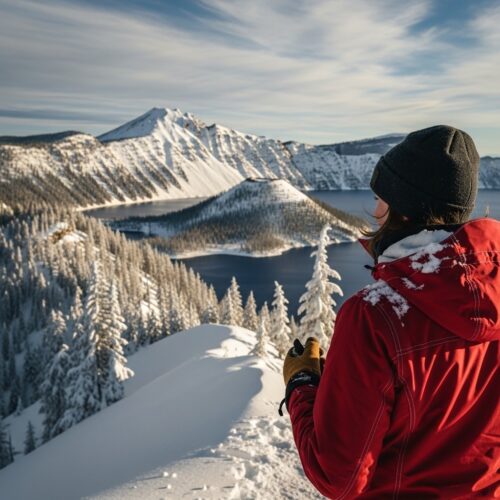
Crater Lake National Park is a playground for adventure seekers all year long. Each season brings unique experiences, so there’s always something fun to do!
Summer activities: hiking, boating, and fishing
Summer is prime time at Crater Lake. The trails open up, and the sun shines bright. Here are some top activities:
- Hiking: With over 90 miles of trails, hikers can explore stunning vistas. Trails like the Cleetwood Cove Trail lead you right to the water’s edge.
- Boating: Rent a kayak or take a guided boat tour to Wizard Island. It’s a fantastic way to see the lake from a different perspective.
- Fishing: The lake is home to native fish like the Kokanee salmon. Grab your gear and enjoy some peaceful fishing.
Winter activities: snowshoeing and skiing
When winter blankets the park in snow, a whole new world opens up. Here’s how to make the most of it:
- Snowshoeing: Enjoy serene trails with fewer crowds. Rent snowshoes and trek through the stunning winter landscape.
- Skiing: Cross-country skiing is popular on the park’s groomed trails. Glide through forests and enjoy the quiet beauty of the snow-covered park.
Guided tours and ranger programs
Don’t miss out on the chance to learn more about this incredible place. The park offers guided experiences throughout the year.
- Ranger-led programs: Join a ranger for a hike or a talk. They share fascinating insights into the park’s geology and wildlife.
- Boat tours: In summer, hop on a boat for a guided tour of the lake. It’s a great way to get close to Wizard Island and hear about the park’s history.
Activity Calendar
| Season | Activities |
|---|---|
| Spring | Hiking, wildlife watching |
| Summer | Hiking, boating, fishing, ranger programs |
| Fall | Scenic drives, photography, hiking |
| Winter | Snowshoeing, skiing, ranger-led programs |
With so much to do, Crater Lake National Park truly offers something for everyone, no matter the season!
8. The Park Is Home to Diverse Wildlife Species
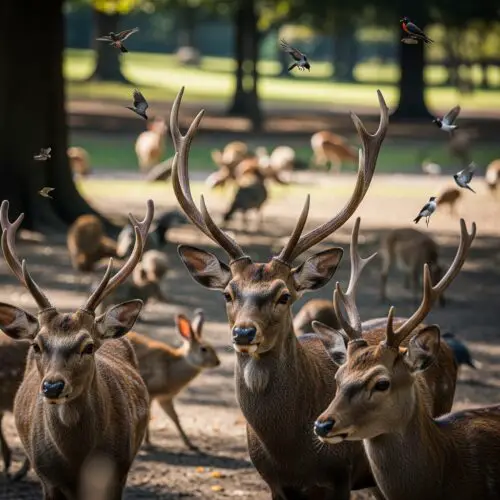
Crater Lake National Park is a vibrant ecosystem. It hosts a variety of wildlife species, each playing a vital role in the park’s health. Let’s explore some of the key species and their importance.
Key species in Crater Lake
- Mule Deer: Commonly seen grazing along the park’s meadows. They help maintain plant diversity by feeding on various vegetation.
- Peregrine Falcon: This majestic bird of prey nests on the cliffs surrounding the lake. It controls the population of smaller birds, ensuring a balanced ecosystem.
- Western Gray Squirrel: These playful critters are crucial for seed dispersal, helping forests thrive.
- Black Bears: While they roam the park, they contribute to the natural cycle by helping with waste breakdown and seed scattering.
Importance of biodiversity in the park
Biodiversity is essential for a healthy environment. It supports ecosystem resilience and stability. In Crater Lake, diverse species interact in complex ways. For example, the predator-prey relationship between the peregrine falcon and smaller birds helps regulate populations. This balance prevents any single species from dominating.
Conservation efforts for local wildlife
Crater Lake National Park prioritizes wildlife conservation. Here are some key efforts:
- Habitat Protection: They preserve critical habitats to support various species.
- Monitoring Programs: Staff regularly track wildlife populations to identify trends and threats.
- Education Initiatives: Ranger-led programs educate visitors about the park’s biodiversity and the importance of conservation.
By protecting its wildlife, Crater Lake ensures that future generations can enjoy its natural beauty.
9. Crater Lake National Park Has Historical Significance
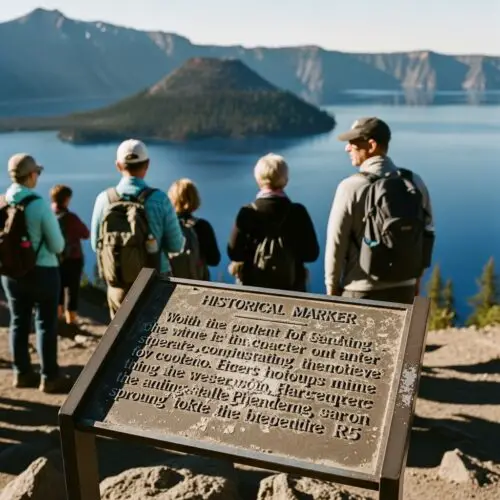
The area around Crater Lake is rich in cultural history. Native American tribes have long held this land sacred. Their stories and traditions are deeply intertwined with the lake’s stunning beauty.
Native American legends about Crater Lake
Crater Lake isn’t just a natural wonder; it’s a place of legend. The Klamath Tribes, in particular, have fascinating stories about the lake’s origin. One legend tells of a great battle between the sky spirits and the below-ground spirits. After the battle, the spirit of the lake emerged, creating Crater Lake as a reminder of the conflict.
- The Lost Land: Another tale describes how the lake swallowed a great mountain, creating the caldera we see today. It serves as a symbol of transformation and respect for nature.
- Ceremonial Importance: The lake is also a sacred site for rituals and gatherings. It’s a place where stories are passed down through generations.
Historical events leading to its designation as a national park
Crater Lake became a national park in 1902. This was a significant moment in history. It marked the beginning of the preservation of not just the lake but the surrounding ecosystem too.
- Early Recognition: Before its designation, Crater Lake was recognized for its beauty and unique geological features. Explorers and geologists were drawn to its deep blue waters.
- Advocacy for Protection: Early conservationists advocated for the area’s protection. Their efforts resulted in the park’s eventual establishment, ensuring that its natural wonders would be preserved for future generations.
Influence on local culture and tourism
Crater Lake has shaped local culture and tourism significantly. It attracts visitors from all over the world, eager to experience its beauty.
- Cultural Celebrations: Local communities often celebrate cultural festivals that honor the lake’s significance. These events highlight the connection between nature and community.
- Economic Impact: Tourism related to Crater Lake supports local economies. Visitors engage in activities like hiking, boat tours, and camping, all of which bring revenue to nearby towns.
Understanding the historical significance of Crater Lake adds depth to your visit. It’s more than just a stunning view; it’s a place steeped in stories and traditions that connect us to the earth and to each other.
10. The Park Hosts a Range of Educational Programs
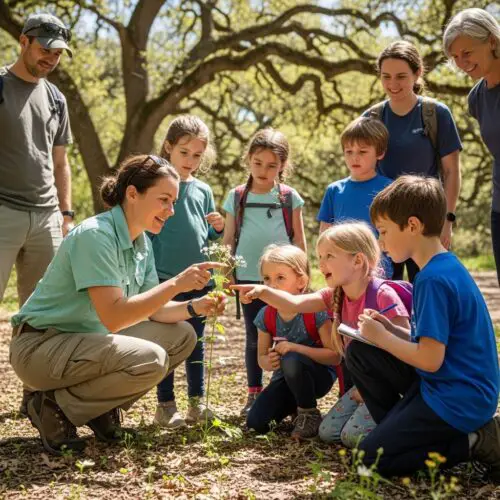
Crater Lake National Park offers exciting educational programs that enhance your visit. These ranger-led activities help you dive deeper into the park’s unique geology and rich history.
Overview of Ranger-Led Talks and Activities
Ranger-led programs are engaging and informative. They cover various topics, such as:
- Geology of Crater Lake: Learn about how Mount Mazama collapsed to form the lake.
- Wildlife Insights: Discover the diverse animals that call the park home.
- Cultural History: Understand the significance of Crater Lake to Native American tribes.
These talks are a great way to connect with the park’s history and environment.
Workshops and Educational Resources
In addition to talks, the park hosts workshops. These hands-on sessions can include:
- Photography Workshops: Capture the stunning views of Crater Lake.
- Art in Nature: Create art inspired by the park’s beauty.
- Nature Walks: Explore the trails while learning about local flora and fauna.
These programs are perfect for all ages. They make learning fun and memorable!
Participate in Programs
Getting involved is easy. Here’s how you can join in:
- Check the Schedule: Programs are often listed on the park’s website or at visitor centers.
- Sign Up Early: Some activities have limited space, so it’s best to reserve your spot.
- Connect with Rangers: Don’t hesitate to ask questions during the programs. Rangers love sharing their knowledge!
Past participants rave about their experiences. One visitor said, “The ranger-led walks opened my eyes to the beauty I would have missed otherwise!” Another shared how the photography workshop helped them capture stunning shots of the lake.
These educational programs enrich your adventure at Crater Lake. They not only teach you about the area but also create lasting memories.
11. Crater Lake National Park Is a Critical Conservation Area
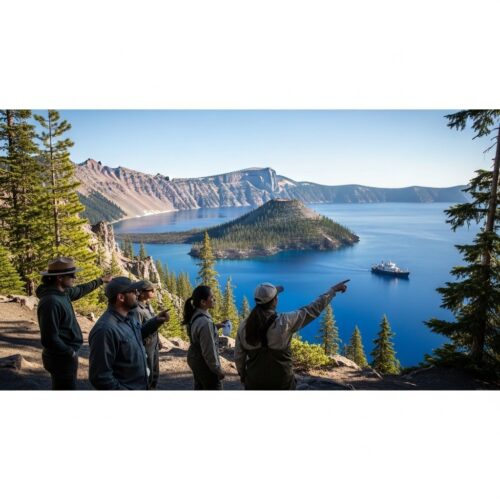
Crater Lake National Park isn’t just stunning; it’s also a vital conservation area. Protecting its unique ecosystem is essential for wildlife and plant species. Let’s dive into how conservation efforts are making a difference.
Current conservation initiatives
The park implements several initiatives to preserve its natural beauty. These include:
- Invasive species management: Efforts are in place to control non-native plants and animals that threaten local biodiversity.
- Habitat restoration: Projects aim to restore native habitats affected by previous human activity or natural events.
- Water quality monitoring: Continuous testing ensures that Crater Lake’s water remains clean and clear, protecting aquatic life.
Impact of climate change on the park
Climate change poses challenges for Crater Lake. Rising temperatures and changing precipitation patterns can affect:
- Snowpack levels: Less snow means less water for the lake. This could impact the ecosystem and recreational activities.
- Wildlife habitats: Shifts in climate can alter the habitats of many species, threatening their survival.
How visitors can support conservation
Visitors play a crucial role in conservation efforts. Here’s how you can help:
- Stay on trails: Protect fragile ecosystems by sticking to designated paths.
- Participate in volunteer programs: Join park-led initiatives to help with clean-up or restoration projects.
- Spread awareness: Share your experiences and knowledge about the park’s importance with others.
By engaging in these activities, visitors contribute to preserving Crater Lake for future generations.
12. The Park Contains Unique Geological Features
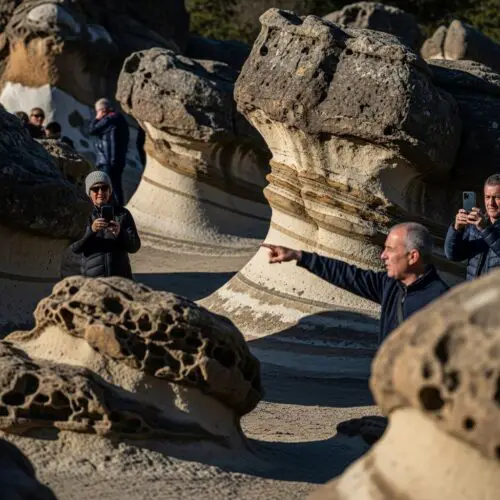
Crater Lake National Park is a treasure trove of geological wonders. Beyond the stunning lake, the park boasts fascinating cliffs and rock formations that tell a story of Earth’s powerful forces.
Phantom Ship and Other Rock Formations
One of the park’s most iconic features is Phantom Ship. This small island rises dramatically from the lake’s surface. Its jagged cliffs resemble a ship at sea, creating a mystical appearance.
Other notable formations include:
- Wizard Island: A volcanic cinder cone that offers hiking trails and stunning views.
- The Watchman: A peak that provides panoramic vistas of the lake and surrounding landscapes.
- Llao Rock: A massive cliff that showcases the park’s volcanic history with its layered appearance.
Geological Tours Available
The park offers guided geological tours. These tours delve into the fascinating history of Crater Lake and its formations. Knowledgeable rangers share insights about the caldera’s formation and the various geological processes at play.
Visitors can learn about:
- The eruption of Mount Mazama, which formed Crater Lake.
- The unique geology of the surrounding Cascade Mountains.
- The ongoing geological changes that continue to shape the park.
Impact of Geology on Park Activities
The park’s geological features directly influence recreational activities. The unique landscape supports a variety of adventures:
- Hiking: Trails lead to breathtaking views of cliffs and formations.
- Photography: Stunning rock formations create perfect photo ops.
- Wildlife Watching: Unique habitats formed by geological features attract diverse species.
Crater Lake National Park is not just about the lake; it’s a showcase of Earth’s history and beauty. The interplay of geology and recreation makes every visit a memorable experience.
13. Visitor Accessibility and Amenities Are Well-Developed
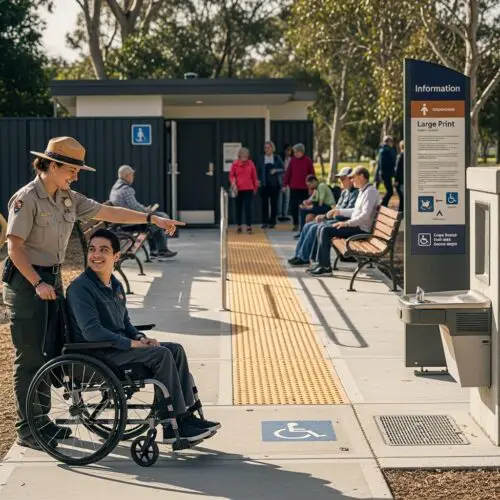
Crater Lake National Park is designed to be welcoming for all visitors. The park offers several amenities and accessibility features to enhance your experience.
Overview of Visitor Centers and Facilities
- Visitor Centers: The Steel Visitor Center is the hub for information. It has exhibits about the park’s geology and history. You can also find maps and brochures here.
- Restrooms: Accessible restrooms are located near the visitor center and along popular trails.
- Parking: Designated accessible parking spots are available close to key attractions.
Accessibility Options for Differently-Abled Individuals
- Trails: Some trails are paved and suitable for wheelchairs. The Rim Drive has viewpoints with accessible paths.
- Programs: Ranger-led programs often accommodate different abilities. Check in advance for specific needs.
- Transportation: The park offers shuttle services during peak months, which are equipped for accessibility.
Planning Your Visit: Tips and Resources
Here’s a quick checklist to help you plan your visit to Crater Lake National Park:
- Visitor Center Hours: Always check the hours before you go.
- Accessibility Features: Confirm available amenities by calling the park.
- Seasonal Considerations: Winter visits may have limited access due to snow.
- Parking: Arrive early for the best parking spots.
- Weather Preparedness: Dress in layers; conditions can change rapidly.
By keeping these tips in mind, you can ensure a smooth and enjoyable visit to Crater Lake National Park.
Frequently Asked Questions
These quick answers cover the most common questions about this topic, including key details, practical tips, and common concerns.
What movie was filmed at Crater Lake?
The 1997 film Dante’s Peak features scenes shot at Crater Lake, showcasing its stunning scenery. While the movie is a fictional volcanic disaster, it brought attention to the park’s dramatic landscapes.
Why is Crater Lake going to be closed for 3 years?
Crater Lake is currently undergoing extensive renovation and infrastructure improvements, including road repairs, visitor center upgrades, and safety enhancements. These projects aim to better protect visitors and preserve the park’s natural beauty, which requires temporary closures.
What has been found at the bottom of Crater Lake?
Scientists have discovered volcanic rocks and sediments at the lake’s bottom. These findings help researchers understand the caldera’s formation and the volcanic activity of Mount Mazama. No significant artifacts or unusual objects have been reported at the lake’s depths.
Are there grizzly bears near Crater Lake?
No, grizzly bears are not native to the Crater Lake area. The park primarily hosts species like mule deer, mountain lions, and black bears. Grizzlies are more common in other parts of the Pacific Northwest.
Can you swim in Crater Lake?
Yes, visitors can swim in Crater Lake. However, the water is extremely cold, even in summer, with temperatures often below 60°F (15°C). Many prefer to enjoy the lake from the shore or on boat tours rather than swimming.
When is the best time to visit Crater Lake?
The best time to visit is from late June to early September when the weather is warm and the roads are fully accessible. Summer offers the most recreational opportunities, but late spring and early fall can also be beautiful with fewer crowds.
What wildlife can be found in Crater Lake National Park?
The park is home to diverse species, including mule deer, peregrine falcons, Western gray squirrels, and black bears. Birdwatchers often spot eagles and various songbirds. The ecosystem is rich and supports many native plants and animals.
How was Crater Lake formed?
Crater Lake formed about 7,700 years ago after Mount Mazama erupted and collapsed, creating a caldera. Over time, rain and snowmelt filled the depression, forming the deep, clear lake we see today. Its formation is a prime example of volcanic activity and caldera creation.