
When camping, bringing food that doesn’t require refrigeration is essential for convenience and safety. This guide presents 47 tasty camping food ideas that can be packed without the need for a cooler or ice, making your outdoor adventure easier and more enjoyable.
1. Essential Breakfast Foods for Camping
Starting your day off right while camping is easy, even without refrigeration. Here are some breakfast ideas that are nutritious, delicious, and super simple to prepare.
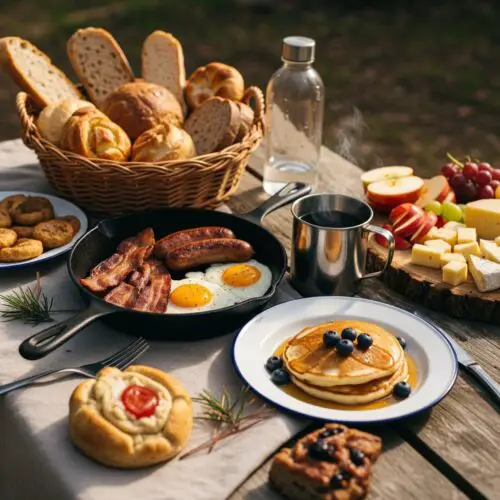
Coffee and Tea Options
Nothing beats a warm cup of coffee or tea to kickstart your morning. Here are a few options:
- Instant Coffee: Just add hot water. Easy peasy!
- Tea Bags: Bring your favorite flavors. Just steep in hot water.
- Powdered Creamer: A great way to add creaminess without refrigeration.
Breakfast Cereals and Oatmeal
Cereals and oatmeal are excellent choices for a quick breakfast. They pack a punch in the nutrition department and need no fridge!
- Granola: High in fiber, great with milk or yogurt. Choose a non-refrigerated milk like shelf-stable almond or soy milk.
- Instant Oatmeal: Just add hot water. You can even mix in nuts or dried fruit for extra flavor and nutrition.
- Muesli: A mix of oats, dried fruits, and nuts. Perfect for a hearty meal.
Granola and Energy Bars
These bars are a camper’s best friend! They’re portable, filling, and perfect for breakfast on the go.
Table of Contents
- Homemade Granola Bars: Make them ahead of time with oats, honey, and nuts. Easy to pack and tasty!
- Store-Bought Energy Bars: Look for options that are low in sugar and high in protein.
- Nut Butters: Pair with whole-grain crackers or fruit for a quick meal.
Unique Recipe: Overnight Oats Without Refrigeration
You can prep overnight oats right in your camping gear! Here’s a quick recipe:
- Ingredients: 1/2 cup rolled oats, 1 cup water or almond milk, 1 tbsp honey or maple syrup, and toppings like nuts or dried fruits.
- Instructions:
1. In a jar, combine oats, liquid, and sweetener.
2. Stir in your favorite toppings.
3. Seal the jar and let it sit overnight at room temperature.
4. Enjoy it in the morning!
These breakfast ideas will keep you fueled for your outdoor adventures. And remember, using proper Camping Food Storage Containers can help keep your food organized and fresh. Check Price on Amazon.
2. Quick and Easy Lunch Ideas
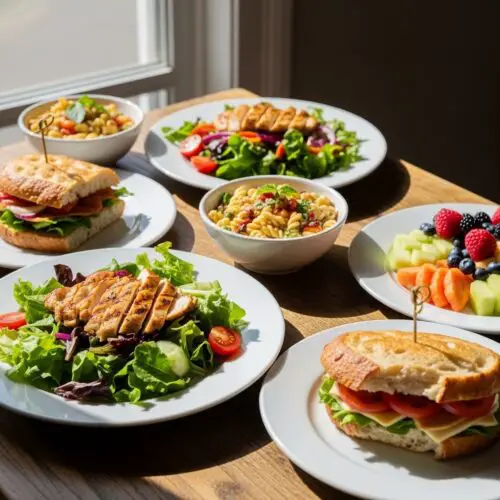
When you’re out camping, quick and easy lunches are a must. They should be filling, tasty, and require no refrigeration. Here are some great ideas to keep you satisfied on your adventures.
Sandwiches Without Perishables
You can whip up delicious sandwiches without needing any perishable ingredients. Here are some ideas:
- Peanut Butter and Jelly: Classic and easy. Just pack your favorite nut butter and jelly or jam in squeeze packs.
- Hummus and Veggies: Use shelf-stable hummus and pack some crunchy veggies like carrots or bell peppers.
- Nut Butter and Banana: Spread nut butter on whole-grain bread and add banana slices for a tasty twist.
Wraps and Pita Bread Fillings
Wraps and pita bread are perfect for packing in easy-to-eat meals. Here are a few ideas:
- Tuna Salad Wrap: Use canned tuna mixed with mayo (keep it in a pouch) and add lettuce or spinach.
- Chickpea Salad: Mash canned chickpeas with spices, olive oil, and lemon, then wrap it up in a tortilla.
- Nut and Seed Butter Pita: Fill pita pockets with your favorite nut or seed butter and some dried fruit or honey.
Canned Proteins and Legumes
Canned proteins are a lifesaver when camping. They’re easy to pack and don’t need refrigeration. Here are some options:
- Canned Chicken or Salmon: Great for making quick salads or adding to wraps.
- Black Beans or Kidney Beans: Mix with spices and eat as is, or add to a wrap for a protein boost.
- Lentils: Canned lentils are ready to eat and can be added to salads or wraps for extra nutrition.
Simple No-Refrigeration Wrap Recipe
Here’s a quick recipe for a no-refrigeration wrap using shelf-stable ingredients:
- Ingredients: 1 tortilla, 1 pouch of hummus, 1 can of chickpeas (drained), and a handful of spinach.
- Instructions:
1. Spread hummus on the tortilla.
2. Add the drained chickpeas and spinach.
3. Roll it up tightly.
4. Enjoy on your hike!
These lunch ideas are not only easy to prepare but also keep you energized. Remember to use proper Camping Food Storage Containers to keep your food organized and fresh. Check Price on Amazon.
3. Delicious Dinner Options Without Refrigeration
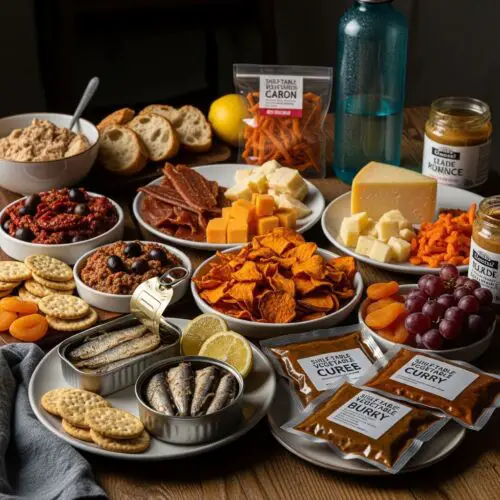
When camping, dinner can be both easy and satisfying, even without refrigeration. Here are some tasty ideas that keep well on the road and require minimal prep.
Canned and Dehydrated Meals
Canned and dehydrated meals are lifesavers on camping trips. They’re easy to pack and require no refrigeration. Here are some popular options:
- Canned Chili: Just heat it over the fire. Top with cheese for extra flavor.
- Dehydrated Meals: Brands offer everything from lasagna to beef stew. Just add hot water, and you’re good to go!
- Canned Stews: Hearty and filling. Look for brands with quality ingredients.
Pasta and Rice Dishes
Pasta and rice are camping staples. They’re lightweight and cook quickly. You can create satisfying meals with just a few ingredients.
- Pasta with Canned Sauce: Boil water, add pasta, and cook until tender. Drain and mix in a can of your favorite pasta sauce. For a twist, toss in canned veggies or beans for extra nutrition.
- Rice and Beans: Cook instant rice and mix it with canned beans. Add spices or hot sauce for a kick.
Quick Cooking Method for Pasta:
1. Boil water in a pot.
2. Add pasta and cook according to package instructions (usually around 8-10 minutes).
3. Drain, then stir in canned sauce.
4. Heat for an additional 2-3 minutes to warm everything through.
5. Serve hot and enjoy!
Packet Meals and Instant Soups
Packet meals and instant soups are a breeze to prepare. They’re perfect for a quick dinner after a long day of hiking.
- Instant Noodles: Just add boiling water. Mix in some canned vegetables for a healthy boost.
- Soup Packets: Many come with all the seasoning you need. Just add water and heat.
Pro Tip: Consider packing some Camping Food Storage Containers to keep everything organized and fresh. Check Price on Amazon.
With these easy dinner ideas, you’ll be well-fed and happy while enjoying the great outdoors!
4. Nutritious Snacks for On-the-Go
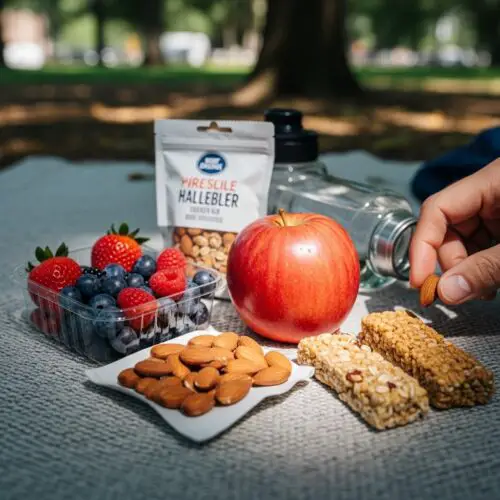
Camping is all about convenience, and having tasty snacks on hand makes it even better. Here are some nutritious, no-refrigeration snacks that are easy to pack and perfect for on-the-go munching.
Nuts and Trail Mix
Nuts are nutrient-dense, packed with protein, and easy to carry. You can customize your trail mix for a personal touch. Here’s a simple DIY recipe:
- Base: Choose your favorite nuts like almonds, walnuts, or cashews.
- Add-ins: Toss in some seeds (like pumpkin or sunflower), dried cranberries, or chocolate chips for a sweet touch.
- Extras: Consider including whole-grain cereal or granola for crunch.
This snack is versatile. You can cater to various dietary needs, such as nut-free by swapping nuts for seeds.
Dried Fruits and Granola Bars
Dried fruits like apricots, apples, or mangoes offer a sweet and chewy snack. They’re lightweight and full of vitamins.
- Granola Bars: Look for whole-grain options with minimal added sugars. They provide energy and are easy to pack.
- Mix and Match: Pair dried fruits with granola bars for a balanced snack that satisfies your sweet tooth and hunger.
Crackers and Cheese Alternatives
Crackers are a classic camping snack. They’re easy to carry and pair well with many options.
- Cheese Alternatives: Try shelf-stable cheese spread or vegan cheese. They add flavor and protein without needing refrigeration.
- Flavor Variety: Experiment with different flavored crackers to keep things interesting. Look for whole-grain or seed-based options for added nutrition.
Quick Snack Checklist
- Nuts: Almonds, walnuts, cashews.
- Dried Fruits: Apples, apricots, bananas.
- Granola Bars: Whole grain, low sugar.
- Crackers: Whole-grain, flavored.
- Cheese Alternatives: Shelf-stable spreads, vegan options.
With these snacks, you’re covered for energy throughout your camping adventure! Enjoy the great outdoors, knowing you have delicious, nutritious options ready to go.
5. Tips for Keeping Non-Refrigerated Food Fresh
When you’re camping, keeping your food fresh without refrigeration can be a bit tricky. But with the right strategies, you can enjoy tasty meals and snacks. Here are some tips to help you maintain food quality while you’re out in nature.
Proper Packaging Techniques
Packaging plays a huge role in preserving your food. Here are some key techniques:
- Use Airtight Containers: Seal your food in airtight containers. This keeps moisture and pests out.
- Vacuum Seal Snacks: If you can, vacuum seal snacks and meals. This helps reduce air exposure.
- Wrap Wisely: Use foil or wax paper for items like cheese or bread. It protects them without trapping moisture.
Storage Locations at Campsite
Where you store your food matters. Consider these tips:
- Keep It Elevated: Store food in a bear-proof container or hang it from a tree, away from your tent.
- Choose a Cool Spot: If possible, keep food in a shaded area. Avoid direct sunlight to slow down spoilage.
- Separate Food from Cooking Areas: Don’t store food near where you cook. This prevents contamination and keeps it safe.
Monitoring Food Quality
Check your food regularly. Here’s what to do:
- Inspect Before Use: Always look for signs of spoilage like unusual smells or colors.
- Use a Checklist: Create a checklist for food types. Track when items were packed and their expected freshness.
- Know Your Foods: Some foods last longer than others. For example, dried beans can last for years, while nut butter may spoil after a few months.
Food Freshness Checklist
| Food Type | Freshness Tip | Storage Duration |
|---|---|---|
| Dried Fruits | Keep sealed in airtight bags | 6-12 months |
| Nut Butters | Store in cool, dark places | 3-6 months |
| Whole Grains | Keep dry and airtight | 6-12 months |
| Canned Foods | Check dents or bulges before use | 2-5 years |
| Shelf-Stable Cheese | Keep in a cool, shaded area | 3-6 months |
With these tips, you can enjoy a worry-free camping trip with delicious meals that don’t need refrigeration!
6. Comparing Non-Refrigerated vs. Refrigerated Camping Foods
When it comes to camping food, choosing between non-refrigerated and refrigerated options can be a game-changer. Let’s break down the pros and cons of each to help you make the best choice for your next adventure.
Space and Weight Considerations
Non-refrigerated foods are lighter and take up less space. This is a biggie when you’re packing. With limited room in your cooler or backpack, every ounce counts. Here’s how they stack up:
- Non-Refrigerated Foods:
- Lightweight and compact.
- Easy to stack and organize.
- No need for bulky coolers.
- Refrigerated Foods:
- Heavier due to ice packs or coolers.
- Require more space.
- Difficult to manage without proper storage.
Cost Differences
Cost is always a factor. Non-refrigerated foods often save you money in the long run. Here’s a quick comparison:
- Non-Refrigerated Foods:
- Generally cheaper.
- Longer shelf life leads to less waste.
- Less need for expensive coolers or ice.
- Refrigerated Foods:
- Perishable and can lead to spoilage.
- Higher costs for ice and cooler maintenance.
- Potential for food waste if not consumed quickly.
Food Safety Aspects
Food safety is crucial when camping. Non-refrigerated foods eliminate the risk of spoilage. Here’s what you need to know:
- Non-Refrigerated Foods:
- Safe for longer periods.
- No risk of foodborne illnesses due to spoilage.
- Examples: canned goods, dried fruits, and nut butters.
- Refrigerated Foods:
- Require strict temperature control.
- Risky if not consumed before spoilage.
- Examples: dairy products, fresh meats, and certain fruits.
Quick Comparison Takeaway
| Category | Non-Refrigerated Foods | Refrigerated Foods |
|---|---|---|
| Space & Weight | Light and compact | Bulky and heavy |
| Cost | Generally cheaper | Can be pricey, especially when considering ice |
| Food Safety | Safer due to longer shelf life | Risk of spoilage and illness |
By understanding these differences, you can make informed choices about your camping meals. Non-refrigerated options offer convenience, cost-effectiveness, and peace of mind. So, load up on those non-perishables and focus on enjoying your time outdoors!
7. Alternative Ingredients for Common Camping Foods
When you’re camping, it’s essential to have tasty meals without relying on refrigeration. Here are some great substitutes for common camping foods that usually need to stay cool.
Shelf-Stable Dairy Alternatives
Dairy products can spoil quickly. Luckily, there are plenty of shelf-stable options. Here are some to consider:
- Powdered Milk: Perfect for cereal or coffee.
- Shelf-Stable Cheese: Try brands like Laughing Cow or Babybel. Great for snacking or adding to meals.
- Coconut Milk or Almond Milk: These are great for cooking or drinking. Just make sure they’re in shelf-stable packaging.
Meat Alternatives for Protein
You don’t have to miss out on protein just because you’re camping. Here are some alternatives:
- Jerky: Beef, turkey, or vegan jerky can provide a protein punch without refrigeration.
- Canned Tuna or Salmon: Easy to pack and doesn’t require any cooling. Great for salads or sandwiches.
- Plant-Based Proteins: Look for shelf-stable options like tofu in aseptic packaging, or try beans and lentils for hearty meals.
Fruits and Vegetables with Extended Shelf Life
Fresh produce can be tricky while camping, but some fruits and veggies last longer than others. Here’s what to bring along:
- Apples and Oranges: These fruits don’t need refrigeration and last well.
- Carrots and Bell Peppers: Crunchy and nutritious, they hold up nicely without cooling.
- Dried Fruits: Raisins, apricots, and apples provide sweetness and energy without needing refrigeration.
Quick Comparison Takeaway
| Item Type | Refrigerated Options | Non-Refrigerated Alternatives |
|---|---|---|
| Dairy | Milk, yogurt, cheese | Powdered milk, shelf-stable cheese |
| Protein | Fresh meat, deli meats | Jerky, canned fish, plant-based proteins |
| Fruits & Vegetables | Fresh fruits and veggies | Apples, oranges, dried fruits |
Choosing these alternatives helps you enjoy tasty meals while keeping your pack light and manageable. Plan ahead and mix and match these options for a delightful camping feast!
8. Practical Meal Planning for Camping Trips
Planning meals for camping without refrigeration can be a breeze! With a little forethought, you can pack delicious and nutritious options that keep you energized during your trip.
Creating a Balanced Meal Plan
When planning your meals, consider a mix of protein, carbs, and fats. This balance will keep your energy levels steady. Here’s a simple framework to help you create your meal plan:
- Breakfast: Think oatmeal packets, granola bars, and dried fruits. They’re easy and filling.
- Lunch: Try whole grain wraps with nut butter or canned beans. Pair with fresh fruits like apples or oranges.
- Dinner: Go for instant rice or pasta with canned veggies and jerky. Add spices for flavor!
- Snacks: Nuts, trail mix, and popcorn keep hunger at bay.
Grocery Shopping Tips
Shopping smart can save you time and stress. Here are some tips to make your grocery run easier:
- Stick to the perimeter: Most non-perishables are found on the outer aisles.
- Check for shelf-stable items: Look for canned goods, dried snacks, and vacuum-sealed meals.
- Avoid perishables: Steer clear of anything that needs to be chilled. Focus on items that are labeled as shelf-stable.
Packing and Organizing Food
How you pack your food can make a big difference. Follow these tips to keep everything fresh and accessible:
- Use airtight containers: They help prevent moisture and pests.
- Label your meals: Write down the meal type and any prep instructions. This way, you’ll save time when hungry!
- Create a checklist: Jot down all the items you plan to take. This helps ensure you don’t forget anything.
Example Meal Planning Template
Here’s a quick template to get you started:
| Meal Type | Food Ideas | Prep Time |
|---|---|---|
| Breakfast | Oatmeal, dried fruits | 5 minutes |
| Lunch | Wraps, canned beans | 10 minutes |
| Dinner | Instant rice, canned veggies | 15 minutes |
| Snacks | Nuts, trail mix | No prep |
Using this template, you can customize your meal plan based on your preferences and dietary needs. Happy camping!
Frequently Asked Questions
These quick answers cover the most common questions about this topic, including key details, practical tips, and common concerns.
What are the best non-refrigerated snacks for camping?
The best non-refrigerated snacks are nutrient-dense, portable, and have a long shelf life. Nuts and trail mixes are excellent for energy and easy to carry. Dried fruits like apricots, raisins, and apples provide natural sugars and vitamins. Granola bars and crackers are convenient, and shelf-stable cheese spreads or vegan cheese are good for added flavor and protein. These snacks require no refrigeration and stay fresh for extended periods.
How can I ensure food safety while camping without refrigeration?
To keep food safe, store perishables in airtight containers and keep them in a cool, shaded spot away from direct sunlight. Use bear-proof containers or hang food out of animals’ reach. Regularly check your food for signs of spoilage, such as unusual odors or mold. Consume perishable items within their recommended shelf life and prioritize non-perishable foods like canned goods and dried products.
What fruits and vegetables are best for camping without refrigeration?
Fruits like apples, oranges, and bananas last longer without refrigeration. Carrots, bell peppers, and cucumbers are hardy vegetables that stay fresh for days. Dried fruits such as apricots, cranberries, and raisins are excellent options for long-lasting snacks. These items are durable, require no cooling, and provide essential nutrients during your trip.
Can I use canned foods for camping meals?
Yes, canned foods are ideal for camping because they are shelf-stable and require no refrigeration. Canned vegetables, beans, meats, and soups are easy to prepare—just open, heat if needed, and serve. Choose cans with pop-top lids to avoid needing a can opener. Always check for damage or bulges before use to ensure safety.
What are some easy camping recipes that don’t require cooking?
Simple recipes include wraps with shelf-stable hummus, canned chickpeas, and fresh greens. No-cook oatmeal made with instant oats and shelf-stable milk is quick and nutritious. Canned tuna or salmon mixed with spices and eaten with crackers or bread makes a satisfying meal. Instant noodles or dehydrated meals only require hot water, making them perfect for quick dinners.
How long can non-refrigerated foods last while camping?
Shelf-stable foods like canned goods, dried fruits, nuts, and granola bars can last from several months to years when stored properly. Fresh fruits and vegetables like apples and carrots typically last about a week, depending on conditions. Dried and processed foods are the most durable, while perishable items should be eaten within a few days of opening.
What are common mistakes in camping food preparation?
Common mistakes include packing perishable foods without proper insulation or storage, which leads to spoilage. Not sealing foods tightly can attract pests or cause moisture damage. Overpacking fresh produce that spoils quickly, or forgetting to bring enough non-perishable options, can leave you hungry. Failing to check expiration dates or signs of spoilage also risks food safety.
What are some tips for packing non-perishable foods?
Use airtight containers or vacuum-sealed bags to keep foods fresh and dry. Label everything clearly for quick access. Pack heavier items at the bottom of your bag and lighter, fragile items on top. Keep foods in a cool, shaded area at your campsite, and store them away from your sleeping area to prevent pests. Regularly inspect your supplies to discard any spoiled items.