
Attracting dragonflies to your yard without a pond is not only possible but also beneficial for controlling pesky mosquitoes. Here are four easy and effective methods to create a dragonfly-friendly environment in your garden.
Create a Small Water Feature
Water is essential for dragonflies. It provides a breeding ground and a place for them to hunt. Luckily, you don’t need a big pond to attract these beautiful insects. Here are some easy ways to create small water features that will draw dragonflies to your garden.
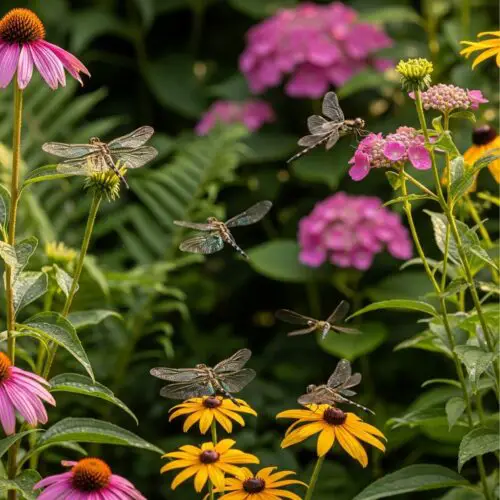
Utilizing Bird Baths Effectively
Bird baths are a fantastic option. They do double duty by attracting birds and dragonflies. Here’s how to set one up:
- Choose a shallow design: Aim for a bath that’s no deeper than 2 inches. This makes it easier for dragonflies to land.
- Add rocks: Place some flat stones in the bath. This gives dragonflies a place to perch and helps them access the water easily.
- Keep it clean: Change the water frequently to prevent algae growth and keep it fresh. Dragonflies prefer clear water.
Creating Container Water Gardens
Container gardens are another great way to attract dragonflies without a pond. Here’s a simple step-by-step guide:
1. Select a container: Use a large pot or a tub. It should hold at least 5 gallons of water.
Table of Contents
2. Add aquatic plants: Use native plants like water lilies or floating hearts. They provide shade and breeding spots for dragonflies.
3. Fill with water: Use non-chlorinated water. If you can, collect rainwater for the best results.
4. Position in sunlight: Place your container in a sunny spot. Dragonflies love warmth and sunlight.
5. Add perches: Include some tall grasses or decorative sticks around the container for dragonflies to rest on.
Maintaining Water Quality and Attractiveness
Keeping your water feature appealing is key to attracting dragonflies. Here are some tips:
- Regularly check water levels: Refill as needed, especially during hot days.
- Remove debris: Clear out leaves and other debris to keep the water clean.
- Monitor plant health: Trim dead leaves and promote healthy growth to ensure your plants thrive.
- Introduce a small filter: If you want to keep the water crystal clear, consider a small solar-powered fountain. The movement of water attracts dragonflies and keeps it fresh.
Creating these small water features not only brings dragonflies to your garden but also supports a thriving ecosystem. For an extra touch, consider adding a Dragonfly House for Gardens to create a welcoming space for these beneficial insects. Check Price on Amazon.
Incorporate Pollinator Plants
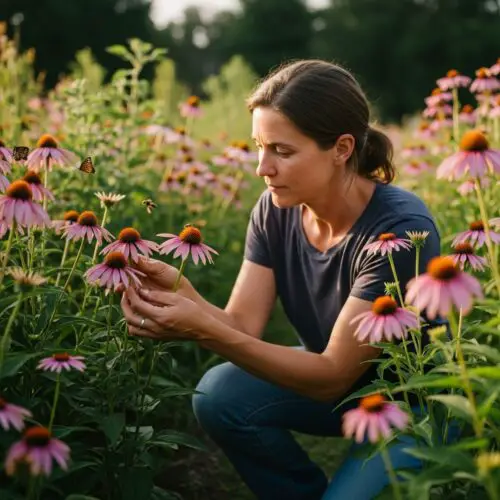
Attracting dragonflies is all about creating a vibrant ecosystem. One of the best ways to do this is by incorporating native pollinator plants into your garden. These plants not only provide food for dragonflies but also attract the insects they love to hunt.
Selecting Native Plants for Your Region
Choosing the right plants is key. Native plants are adapted to your local climate and soil, making them easier to grow and maintain. Here are some examples based on different regions:
- Midwest: Black-eyed Susan, Purple Coneflower, and Joe Pye Weed.
- Southeast: Swamp Milkweed, Butterfly Weed, and Blue Flag Iris.
- Northeast: Common Milkweed, Wild Bergamot, and New England Aster.
- West Coast: California Buckwheat, Western Goldenrod, and Red Flowering Currant.
These plants not only bloom beautifully but also attract smaller insects, providing a buffet for hungry dragonflies.
Creating Diverse Plant Layers
To create an inviting habitat, think about layering your plants. Mix tall plants with shorter ones to provide perching spots and shelter. Dragonflies love to rest on sturdy stems and flowers.
- Tall Plants: These provide visibility and hunting grounds.
- Medium Plants: Great for shelter and nesting.
- Low-Growing Plants: Perfect for ground cover and protection from predators.
This diversity will make your garden a dragonfly paradise.
Flowers That Attract Dragonflies
Some flowers are particularly irresistible to dragonflies. Here’s a quick list of favorites:
- Milkweed: Attracts not only dragonflies but also butterflies.
- Asters: Provide nectar late in the season.
- Borage: A beautiful blue flower that dragonflies can’t resist.
Planting a mix of these will ensure a steady supply of food for dragonflies throughout the growing season. Plus, they add color and beauty to your space.
Remember, the key to attracting dragonflies lies in creating a space that supports both them and their prey. Happy gardening!
Provide Shelter and Perching Spots

Creating a cozy environment for dragonflies is crucial. They need places to perch and hide from predators. Let’s explore how to provide those spots in your garden.
Using Natural Materials for Perches
Dragonflies love to land on sturdy surfaces. You can use natural materials to create perfect perches. Here are some ideas:
- Branches: Cut small branches from trees and place them upright in your garden. This gives dragonflies a great spot to rest.
- Sticks: Gather sticks from your yard and arrange them in clusters. They’ll attract dragonflies looking for a safe place to perch.
- Bamboo: If you have bamboo, cut some into lengths and stick them in the ground. They’re lightweight and attractive to dragonflies.
These materials blend seamlessly into your garden while providing essential resting spots.
Creating Windbreaks with Vegetation
Dragonflies are agile fliers but can struggle in strong winds. Planting shrubs or tall grasses can help. Here’s how:
- Shrubs: Plant native shrubs around the edges of your garden. They act as windbreaks and provide shelter.
- Tall Grasses: Incorporate native tall grasses. They not only block the wind but also mimic natural habitats.
This setup creates a safe haven for dragonflies, allowing them to thrive even when the weather gets rough.
Integrating Rocks and Logs into Your Landscape
Rocks and logs can make your garden more inviting. They provide additional perching spots and enhance your garden’s natural look.
- Rocks: Place flat stones in sunny areas. Dragonflies love to warm up on them.
- Logs: Use fallen logs as resting places. You can lay them horizontally for easy access.
Consider building a small rock garden or log pile to attract even more dragonflies. These features create a dynamic landscape and support local ecosystems.
For an added touch, consider a Dragonfly House for Gardens. It can provide extra shelter and make your garden a dragonfly haven. Check Price on Amazon.
By implementing these ideas, you’ll create a dragonfly-friendly space. Happy gardening!
Maintain a Balanced Ecosystem
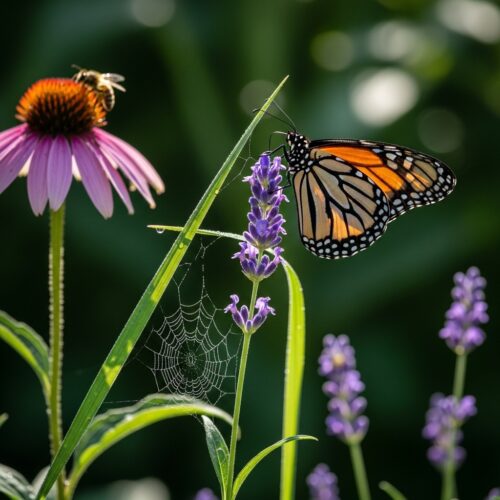
A balanced ecosystem is key to attracting dragonflies and managing pests naturally. By creating an environment that supports various plants and wildlife, you can invite these beautiful insects to your garden.
Avoiding Harmful Chemicals
Steering clear of harsh pesticides is crucial. These chemicals can harm not only pests but also beneficial insects like dragonflies. Here’s how to keep your garden chemical-free:
- Use natural pest control: Introduce beneficial insects such as ladybugs or lacewings. They help keep pest populations in check.
- Opt for organic fertilizers: These are gentler on the ecosystem and promote healthy plant growth.
- Create homemade sprays: Mix soap and water or use neem oil to deter pests without harming dragonflies.
Promoting Biodiversity in Your Garden
Diversity in your garden supports a healthy ecosystem. Different plants attract various insects, which in turn, draw in dragonflies. Here are some tips to promote biodiversity:
- Choose native plants: These are well-suited to your local environment and attract local wildlife. Consider Black-eyed Susans and Joe Pye weed for flowers.
- Plant a variety of flowers: Include nectar-rich blooms to attract pollinators, which dragonflies prey on.
- Create layered plantings: Use a mix of heights and structures. This provides shelter and perching spots for dragonflies.
Seasonal Maintenance Tips for Ecosystem Health
Keeping your garden dragonfly-friendly year-round requires some seasonal maintenance. Here’s a handy checklist:
- Spring: Remove debris and dead plants to allow new growth. Plant early bloomers for pollen and nectar.
- Summer: Monitor water sources and ensure they’re clean. Trim plants to maintain a healthy balance.
- Fall: Leave some plant stalks standing for overwintering insects. This provides shelter for dragonfly larvae.
- Winter: Protect your garden by avoiding heavy mulching. Allow natural snow cover to insulate the soil.
By following these practices, you create a thriving garden that attracts dragonflies while controlling pests naturally. Happy gardening!
Be Patient and Observe
Attracting dragonflies is a journey. It takes time and a little observation. As you implement your strategies, be patient. Watch your garden evolve over the seasons.
Tracking Dragonfly Sightings
Start by keeping a simple log of dragonfly sightings. Note the time of year, weather conditions, and any changes in your garden. This helps you understand when dragonflies are most active.
- Best Times: Early morning and late afternoon are prime times for spotting them.
- Weather Watch: Clear, warm days tend to attract more dragonflies.
Adjusting Your Garden Based on Observations
As you track sightings, make adjustments. If you notice fewer dragonflies, consider these actions:
- Add More Plants: If certain plants attract more pollinators, plant more of them.
- Provide Shelter: Create shaded areas with tall plants or structures. Dragonflies appreciate places to rest.
For example, one gardener added native flowering plants and noticed a spike in dragonfly activity within weeks. They also observed that dragonflies loved hovering near a small decorative fountain.
Tips for Long-Term Success
Maintaining a dragonfly-friendly garden is about consistency. Here are key tips:
- Diversity: Include a variety of native plants. This supports insects and attracts dragonflies.
- Water Sources: Even without a pond, small water features like bird baths can be a big draw.
- Seasonal Care: Regularly check your garden year-round. Make sure it’s clean and healthy for all wildlife.
By being patient and observant, you can create a welcoming environment for dragonflies. Your efforts will pay off as you see these beautiful insects fluttering around your garden!
Frequently Asked Questions
These quick answers cover the most common questions about this topic, including key details, practical tips, and common concerns.
How to attract dragonflies without water?
You can attract dragonflies without a pond by creating small water features like bird baths or container gardens filled with aquatic plants. Ensure these features are shallow, clean, and placed in sunny spots. Providing perches, shelter, and native pollinator plants also encourages dragonflies to visit and settle in your yard.
What draws a lot of dragonflies?
Dragonflies are attracted to habitats with abundant native plants, suitable shelter, and access to small water sources for breeding. They also seek areas with high insect prey, especially pollinator-rich plants. Warm, sunny environments and places with perches like sticks or rocks increase their presence.
What can I put in my yard to attract dragonflies?
Plant native pollinator plants that bloom throughout the season, such as milkweed, asters, and goldenrod. Add small water features like bird baths or container gardens with aquatic plants. Incorporate shelter options like perches, rocks, and native shrubs to provide resting spots and protection.
How to increase the population of dragonflies?
Create a welcoming habitat with native plants, shelter, and small water sources. Avoid pesticides and chemical treatments that harm insects. Maintain water features, plant diverse flowers, and provide perches. Over time, these efforts will support breeding and attract more dragonflies.
When is the best time to attract dragonflies?
The best time is during late spring through summer when dragonflies are actively emerging and breeding. Providing habitat and resources early in the season helps establish a thriving population. Keep your garden maintained year-round to support ongoing activity.
What are the benefits of having dragonflies in my garden?
Dragonflies help control mosquito populations by preying on larvae and adults. They also pollinate plants and contribute to a balanced ecosystem. Their presence indicates a healthy environment and adds beauty and movement to your garden.
Can I attract dragonflies without any water source?
Yes, by using small, shallow water features like bird baths or container gardens with aquatic plants, you can attract dragonflies without a pond. Providing shelter, native plants, and perches further encourages their presence.
What are common mistakes to avoid when trying to attract dragonflies?
Avoid using pesticides or chemicals that harm insects. Don’t neglect water quality or shelter options. Planting non-native or unsuitable plants can reduce attraction. Also, failing to maintain water features or provide consistent habitat can limit dragonfly visits.