
Removing a tree stump without a grinder is entirely possible with various effective methods. From manual digging to natural decomposition, there are several ways to tackle this task efficiently, saving time and money while ensuring your yard remains safe and tidy.
Table of Contents
Understand the Importance of Stump Removal
Removing tree stumps is more than just about aesthetics. It’s crucial for safety and preventing unwanted growth in your yard. Let’s dig into why you should consider taking that stump out.
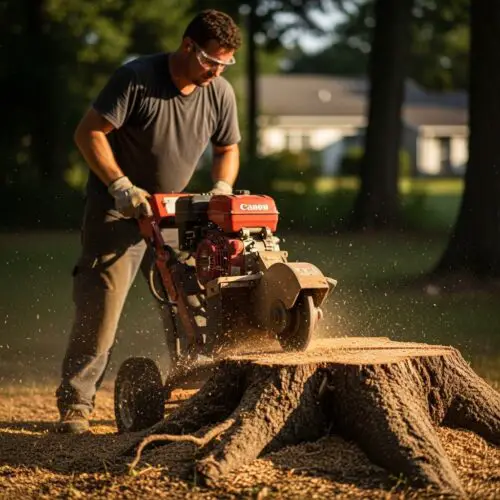
Reasons to Remove Stumps
1. Prevent New Growth: Stumps can sprout new shoots, leading to more trees or bushes. This can clutter your yard and require more maintenance down the road.
2. Avoid Hazards: A tree stump can be a trip hazard. If you have kids or pets, it’s best to eliminate potential dangers.
3. Maintain Aesthetics: Stumps can make your yard look unkempt. Removing them enhances your landscaping and overall appeal.
4. Pest Prevention: Stumps can attract pests like termites or beetles. These critters can spread to your home or other trees, causing bigger problems.
Potential Hazards of Leaving Stumps
Leaving a stump behind might seem harmless, but it can lead to several issues:
- Insect Infestations: Stumps provide a perfect home for pests. This can invite unwanted guests into your garden and even your home.
- Root Rot: A decaying stump can lead to root rot in nearby plants, affecting their growth and health.
- Fungal Growth: Fungi thrive on decaying wood. This can spread to other parts of your garden, harming your plants.
Example Scenario: Imagine having a lovely garden party. Guests are enjoying the lovely weather when someone trips over a hidden stump. Not only is this embarrassing, but it could also lead to injuries. Removing stumps ahead of time keeps your space safe for everyone.
When you’re ready to tackle that stump, consider using a Tree Stump Removal Kit to make the job easier. Check Price on Amazon and get started on your project today!
Manual Removal: Step-by-Step Guide

Removing a tree stump by hand can be challenging but totally doable. With the right tools and techniques, you can conquer that stubborn stump. Let’s dive into the process!
Tools Required for Manual Removal
Before you start, gather these essential tools to make your job easier:
- Shovel: For digging around the stump.
- Pickaxe or Mattock: Great for breaking up tough soil and roots.
- Hand Saw or Chainsaw: To cut through larger roots.
- Pruning Shears: Useful for smaller roots and branches.
- Gloves: Protect your hands while you work.
- Safety Goggles: Keep your eyes safe from flying debris.
- Ratchet Straps or Rope: Helpful for leveraging the stump out of the ground.
Step-by-Step Manual Removal Process
Follow these steps to remove your stump efficiently:
1. Soak the Area: A day or two before you start, water the soil around the stump. This softens the dirt and makes digging easier.
2. Clear the Area: Remove any rocks, debris, or roots near the stump. A clear workspace helps you see what you’re dealing with.
3. Dig Around the Stump: Use your shovel to dig a trench around the stump. Aim for about 12-18 inches deep. This exposes the roots and gives you room to work.
4. Cut the Roots: Use your hand saw or chainsaw to cut through any visible roots. Be cautious and wear your safety gear!
5. Leverage the Stump: If the stump feels loose, use ratchet straps or rope to pull it. Tie the strap around the stump and attach it to a sturdy anchor point.
6. Rock and Pull: Gently rock the stump back and forth. This can help loosen the roots further. Pull it up gradually while cutting any remaining roots.
7. Remove the Stump: Once the stump is free, lift it out of the hole. It may take some muscle, but it’s rewarding to see it finally gone!
Efficiency Tips
- Take Breaks: This is hard work! Stay hydrated and take breaks as needed.
- Use a Tree Stump Removal Kit: If you want to make the process even smoother, consider using a Tree Stump Removal Kit. It has all the necessary tools for the task. Check Price on Amazon.
By following these steps, you’ll have that stump out in no time. Enjoy your newfound space in the yard!
Chemical Removal Options: Using Stump Killers
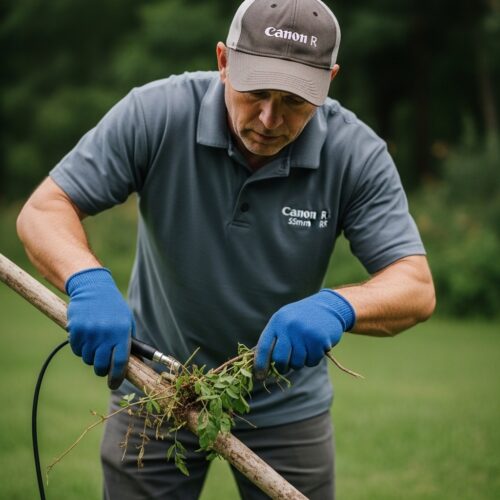
Chemical removers can speed up the decomposition process of tree stumps. They work by breaking down the wood fibers, making it easier to remove the stump over time. Let’s dive into the types of chemicals you can use and how to apply them safely.
Types of Chemical Stump Removers
1. Herbicides: These chemicals, like Triclopyr, are designed to kill the stump and prevent regrowth. They’re effective but need careful application.
2. Sodium Metabisulfite: This is a more natural option. It accelerates decomposition without harsh effects on other plants.
3. Potassium Nitrate: This chemical promotes decay by drawing moisture out of the stump, speeding up the natural breakdown process.
Application Process and Safety Precautions
Using chemical removers requires some steps to ensure safety and effectiveness:
1. Prepare the Stump: Drill several holes into the stump. This helps the chemical penetrate deeper.
2. Apply the Chemical: Follow the manufacturer’s instructions. Pour the chemical into the holes you’ve drilled.
3. Cover the Stump: To prevent moisture loss, cover the stump with a plastic tarp. This keeps the chemicals working effectively.
4. Wait: Give the chemicals time to work. This can take several weeks to months, depending on the chemical used and stump size.
Safety Tips:
- Always wear gloves and eye protection when handling chemicals.
- Avoid skin contact and inhaling fumes.
- Dispose of any leftover chemicals according to local regulations.
Effectiveness and Environmental Impact
When comparing chemical options, consider both effectiveness and environmental impact.
- Herbicides are fast but can harm nearby plants if misapplied.
- Sodium Metabisulfite is safer for the environment but may take longer to show results.
- Potassium Nitrate is effective and widely used, but it can affect the soil’s nutrient balance.
In real-life applications, homeowners have found that using sodium metabisulfite resulted in a more environmentally friendly approach, while herbicides worked quickly for stubborn stumps.
By choosing the right chemical and applying it correctly, you can effectively remove that pesky tree stump without a grinder! If you’re looking for tools to assist with the process, consider using a Tree Stump Removal Kit for a smoother experience. Check Price on Amazon.
Burning Stumps: A Controlled Approach

Burning a tree stump can be an effective way to remove it without a grinder. However, it’s essential to follow safety precautions and check local regulations before you light that match!
Safety Considerations When Burning
Before you begin, make sure you’re aware of the safety measures. Here’s what to keep in mind:
- Local Regulations: Check if burning stumps is allowed in your area. Some places have strict rules or require permits.
- Clear the Area: Ensure there are no flammable materials nearby. This includes buildings, dry grass, and other debris.
- Monitor Conditions: Pick a day with no strong winds to prevent the fire from spreading.
- Have Water Ready: Keep a hose or bucket of water nearby to extinguish the fire if needed.
- Wear Protective Gear: Use gloves, goggles, and long sleeves to protect yourself from sparks.
Step-by-Step Burning Technique
Ready to burn? Follow these steps for a safe and effective stump removal process:
1. Prepare the Stump: Cut the stump as low as possible. A height of at least three feet is ideal for better airflow.
2. Drill Holes: Create several holes in the top of the stump, about 2-3 inches deep. This helps the fire burn more effectively.
3. Soak with Fuel: Pour a flammable liquid (like kerosene) into the holes. Let it soak for a bit.
4. Light It Up: Carefully ignite the stump. Stand back and let the flames do their work.
5. Monitor the Fire: Keep a close eye on the fire. Make sure it doesn’t get out of control.
6. Extinguish When Done: Once the stump has burned down to embers, use water to fully extinguish any remaining flames.
Tip: You can enhance the burning process by cutting a grid pattern on top of the stump. This increases airflow and helps it burn faster.
Additional Considerations
Always remember that burning can be unpredictable. If you’re in a wooded area or near other homes, think twice before using this method. It’s crucial to prioritize safety and legality. If you’re unsure, consider consulting local fire authorities for guidance.
Natural Decomposition: A Patient Approach
Natural decomposition is one of the most eco-friendly ways to remove a tree stump. This method takes time, but it’s low-cost and requires minimal effort. Let’s dive into how you can speed up the process and what to expect.
Enhancing Natural Decomposition
You can boost the decomposition process using a few simple techniques. Here are some tips to help the wood break down faster:
- Drill Holes: Create several holes in the stump. This allows moisture and microorganisms to penetrate more deeply.
- Add Nutrients: Use compost or manure around the stump. This adds nutrients that help speed up the decay.
- Use Mycorrhizal Fungi: These beneficial fungi can enhance decomposition. They break down wood more efficiently. You can find mycorrhizal products at garden centers. Just sprinkle them around the stump.
- Keep it Moist: Ensure the stump stays damp. Water it regularly, especially during dry spells.
Expected Timeline for Decomposition
How long will it take for the stump to disappear? It varies based on several factors:
- Stump Size: Larger stumps take longer to decompose. Small stumps can break down in a couple of years, while big ones may take up to a decade.
- Tree Species: Softwoods like pine decompose faster than hardwoods like oak.
- Climate Conditions: Warm, moist climates speed up the process. Cold, dry weather slows it down.
Here’s a quick reference for expected decomposition times:
| Stump Size | Tree Type | Decomposition Time |
|---|---|---|
| Small (< 12 in) | Softwood | 1-3 years |
| Medium (12-24 in) | Softwood | 3-5 years |
| Large (> 24 in) | Hardwood | 5-10 years |
Using these techniques can help you manage your stump removal naturally. With a little patience, you’ll have that unwanted stump gone before you know it!
Frequently Asked Questions
These quick answers cover the most common questions about this topic, including key details, practical tips, and common concerns.
How can I get rid of a stump in 2-3 days naturally?
Natural decomposition typically takes years, but you can speed it up by drilling holes into the stump, adding compost or manure, and keeping it moist. Covering the stump with a plastic tarp traps moisture and accelerates decay. While this method is eco-friendly, expect it to still take several months to a few years for complete removal.
What is the best way to remove a stump without a stump grinder?
Manual removal is often the most effective alternative. Dig around the stump, cut through roots with a saw, and leverage it out using ropes or straps. For larger stumps, combining digging with chemical treatments or controlled burning can also be effective, depending on your safety comfort and local regulations.
Why shouldn’t you leave a tree stump in the ground?
Leaving a stump can lead to unwanted sprouting, pest infestations, fungal growth, and root rot. It can also pose safety hazards, such as tripping. Removing the stump helps maintain yard aesthetics, prevents future problems, and reduces the risk of pests spreading to nearby plants or structures.
What kills tree stumps the quickest?
Chemical stump killers containing herbicides like triclopyr or potassium nitrate work fast, often within a few weeks if applied correctly. Burning can also quickly eliminate a stump, but it requires careful safety measures and legal compliance. Mechanical removal is immediate but labor-intensive.
How do I safely burn a tree stump?
Start by drilling holes into the stump and soaking it with a flammable liquid like kerosene. Light the fire carefully, monitor it constantly, and keep a water source nearby. Ensure compliance with local regulations and avoid burning on windy days or near flammable materials. Always prioritize safety and legal considerations.
What tools do I need for manual stump removal?
You’ll need a shovel, pickaxe or mattock, saw or chainsaw, pruning shears, gloves, safety goggles, and possibly ratchet straps or ropes. These tools help you dig, cut roots, and leverage the stump out of the ground effectively.
When is the best time to remove a stump?
The ideal time is during the tree’s dormant season, typically late fall or winter, when the ground is softer and the roots are less active. However, you can remove stumps anytime if you’re prepared for the challenges. Consider weather conditions and your schedule for safer, more efficient removal.
When should I consider professional help?
If the stump is large, deeply rooted, or in a hard-to-access area, hiring professionals is advisable. They have specialized equipment and expertise to remove stumps safely and efficiently, especially for large or stubborn stumps that are difficult to handle manually or chemically.