
Planning a successful road trip in 2026 requires the right essentials to ensure comfort, safety, and enjoyment. This expert packing list includes 56 must-have items that you’ll actually use, making your journey smoother and more enjoyable.
1. Essential Car Supplies for Road Readiness
Before you hit the road, make sure your vehicle is fully stocked with the right supplies. These essentials will help keep you safe and ready for anything on your journey.
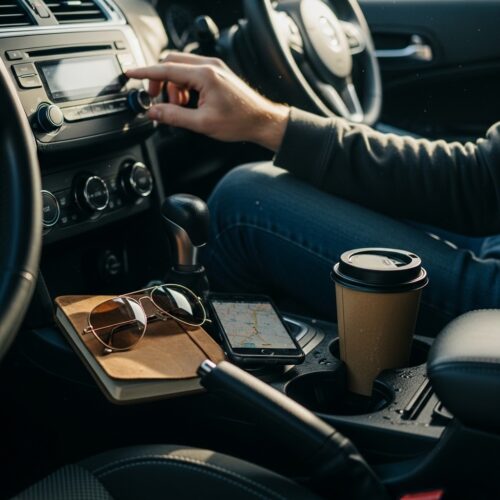
Basic tools for roadside repairs
Don’t get caught off guard. Having basic tools can save you from a roadside headache. Here’s what to include:
- Wrench Set: A compact set will help you tackle minor repairs.
- Screwdriver Set: Look for a multi-tool with various heads.
- Tire Pressure Gauge: Keep your tires healthy by checking pressure regularly.
- Duct Tape: The ultimate fix-it tool for quick repairs.
Emergency kits to keep in your vehicle
An emergency kit is crucial for unexpected situations. Here are the must-haves:
- First Aid Kit: Include band-aids, antiseptic wipes, and pain relievers.
- Flashlight: A must-have for low-light situations. Choose one with extra batteries.
- Portable Jump Starter: This handy gadget can save you from a dead battery. It’s compact and easy to use. Check Price on Amazon.
- Emergency Blanket: Lightweight and can keep you warm in a pinch.
Items to ensure tire safety
Tires are your car’s connection to the road. Keeping them safe is essential. Don’t forget these items:
Table of Contents
- Spare Tire: Always check that it’s inflated before you leave.
- Tire Changing Kit: Include a jack and lug wrench.
- Tire Sealant: This can temporarily fix small punctures until you can get a proper repair.
Quick Vehicle Maintenance Checklist
Before you embark on your adventure, run through this checklist:
- Check oil levels.
- Inspect brakes.
- Test headlights and taillights.
- Make sure windshield wipers are functional.
Being prepared with these essentials will help you tackle any bumps in the road. Stay safe and enjoy the journey!
2. Safety and Emergency Items You Can’t Ignore
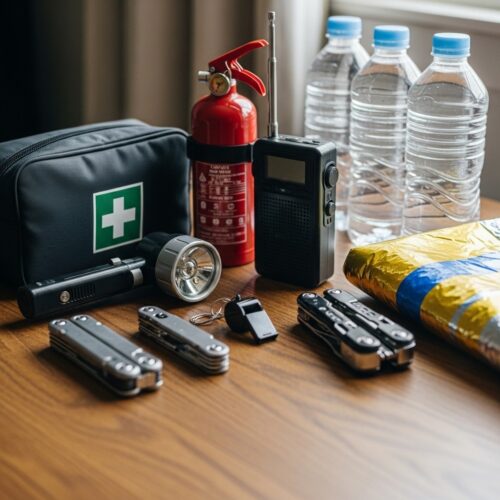
When you’re hitting the open road, safety should always be top of mind. Unexpected situations can pop up, so being prepared is key. Here are the essentials you can’t overlook.
Importance of Roadside Assistance
Having a reliable roadside assistance plan can save your trip. Whether it’s a flat tire or a dead battery, knowing help is just a call away brings peace of mind. Many insurance companies offer this service, or you can opt for a dedicated provider like AAA. Don’t forget to update your membership before you leave!
Must-have First Aid Supplies
A first aid kit is a must for any road trip. You never know when someone might need a bandage or pain relief. Here are some essential items to include:
| Item | Recommended Quantity |
|---|---|
| Adhesive bandages | 10 |
| Sterile gauze pads | 4 |
| Antiseptic wipes | 10 |
| Pain relievers (like ibuprofen) | 10 |
| Burn cream | 1 tube |
| Tweezers | 1 |
| Scissors | 1 |
| Elastic bandage | 1 |
Don’t rely on what you find at a gas station; pack a well-stocked kit.
Prepare for Extreme Weather
Weather can change in an instant. Be ready for anything! Here are some items to consider:
- Blankets: Keep a couple in your car for warmth.
- Rain Gear: Pack ponchos or waterproof jackets.
- Extra Water: Hydration is key, especially in the heat.
- Portable Jump Starter: A dead battery is no fun. This handy gadget can jump-start your car without needing another vehicle. Check Price on Amazon.
Emergency Kit Checklist
Here’s a quick checklist of what to include in your emergency kit:
- Roadside emergency kit (with flares, reflective triangles)
- Jumper cables
- Flashlight (with extra batteries)
- Multi-tool
- Extra water and snacks
- Maps (in case your GPS fails)
Packing these safety and emergency items will make your road trip smoother and give you confidence on your journey. Remember, it’s better to have them and not need them than the other way around!
3. Tech Gadgets for Modern Road Trips
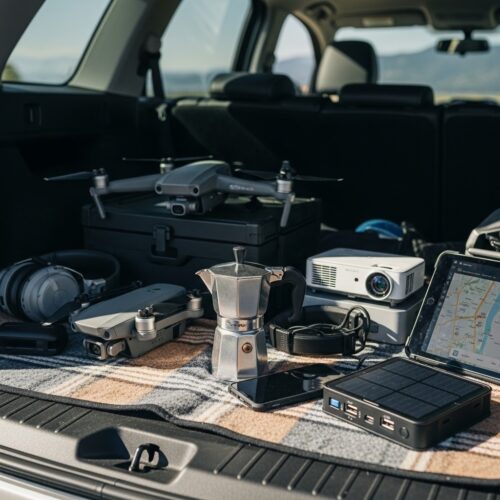
Tech gadgets can really enhance your road trip experience. They help you stay connected, entertained, and safe on the road. Here’s a rundown of must-have tech essentials for your journey.
GPS Devices vs. Smartphone Apps
When it comes to navigation, you have options. GPS devices are reliable, especially in remote areas. They don’t rely on cell service, which is a big plus. However, smartphone apps like Google Maps or Waze are super handy for real-time traffic updates and alternate routes.
| Feature | GPS Devices | Smartphone Apps |
|---|---|---|
| Offline Maps | Yes | Limited (downloadable) |
| Traffic Updates | Varies by device | Yes |
| Voice Commands | Yes | Yes |
| Price | $100 – $500 | Free/Subscription |
Best Phone Mounts for Navigation
A good phone mount keeps your device secure and easily visible. Here are some top choices:
- iOttie Easy One Touch: Super easy to use and mounts on your dashboard or windshield.
- Scosche MagicMount: Magnetic and versatile; it sticks to most surfaces.
- Kenu Airframe: A compact option that works well in rental cars.
Portable Chargers for Devices
Staying charged is crucial on long drives. Portable chargers ensure your devices are powered up for navigation and entertainment. Look for ones with high capacity and multiple ports.
- Anker PowerCore 20100: Lightweight and can charge a smartphone several times.
- RAVPower 26800: Great for families; it can charge multiple devices at once.
Don’t forget a portable jump starter too. It’s a lifesaver if your car battery dies unexpectedly. This handy gadget can jump-start your car without needing another vehicle. Check Price on Amazon.
With the right tech gadgets, your road trip will be smooth sailing!
4. Comfort Items for Long Drives
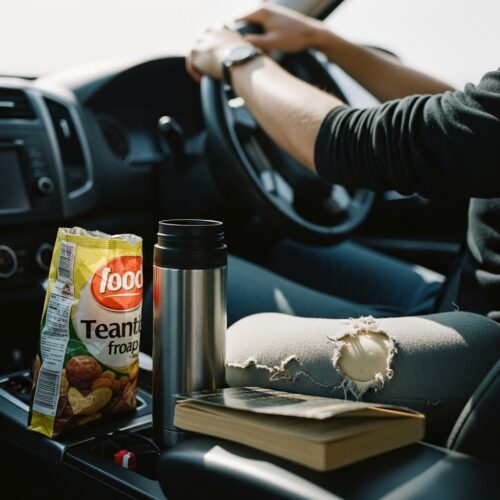
Long drives can get uncomfortable fast. Packing the right comfort items makes all the difference. Here’s what you need to stay cozy on the road.
Travel Pillows and Blankets
- Neck Pillow: A must-have for napping. Look for one with memory foam for extra support. The Trtl Pillow is a favorite for its ergonomic design.
- Travel Blanket: Lightweight and warm. The Cocoon CoolMax Blanket is compact and perfect for chilly car rides.
Comfortable Clothing Choices
- Layer Up: Wear breathable fabrics. Think cotton or moisture-wicking materials. They keep you comfy and cool.
- Slip-On Shoes: Easy to take off during breaks. Consider Allbirds Wool Loungers or Crocs Classic Clogs for style and comfort.
- Compression Socks: Ideal for long hours in the car. They improve circulation and reduce swelling.
What to Pack for Sleep Aids
- Sleep Mask: Block out light for a peaceful snooze. A soft, adjustable mask is best.
- Earplugs or Noise-Canceling Headphones: Drown out road noise and enjoy your favorite tunes or podcasts.
- Portable White Noise Machine: Helps create a soothing environment, especially if traveling with kids.
Packing Light While Ensuring Comfort
To pack efficiently, choose multi-purpose items. A travel blanket can double as a pillow. Layer your clothing, so you can adjust to changing temperatures.
When planning your road trip, think about the climate. If it’s hot, pack breathable fabrics. For cooler trips, include cozy layers. This way, you stay comfortable, no matter where the road takes you!
5. Snack and Food Essentials for the Road
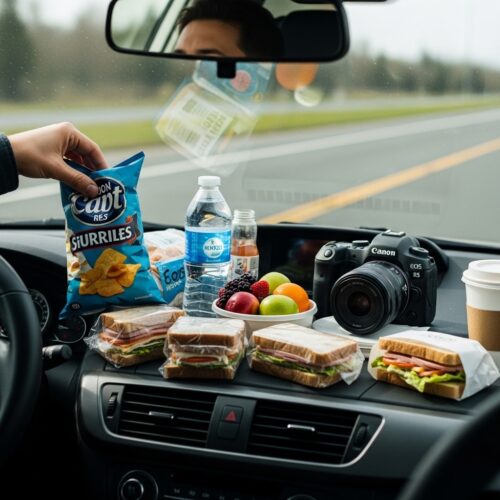
Snacks are the fuel that keeps road trips fun and energy levels high. Having the right food on hand can make all the difference. Let’s dive into the best snacks and food options for your journey in 2026!
Best non-perishable snacks
Non-perishable snacks are a must for any road trip. They don’t need refrigeration and are easy to pack. Here are some favorites:
- Granola Bars: Look for brands with whole ingredients, like Nature Valley or KIND. They provide energy and curb cravings.
- Trail Mix: A mix of nuts, dried fruits, and maybe some dark chocolate makes a great snack. You can even make your own for a personal touch.
- Beef Jerky: High in protein and satisfying, brands like Jack Link’s or Krave offer tasty options that won’t spoil.
- Popcorn: Light and easy to munch on. Try various flavors or make your own at home!
- Rice Cakes: These are low-calorie, versatile, and can be topped with nut butter for extra energy.
Healthy options to keep energy up
Healthy snacks help maintain energy without the sugar crash. Here are some great picks:
- Fresh Fruit: Apples, bananas, and oranges travel well. They’re refreshing and nutritious.
- Nut Butter Packets: Individual packets of almond or peanut butter are perfect for dipping fruits or spreading on rice cakes.
- Veggie Chips: A crunchy alternative to regular chips. They provide nutrients and fiber.
- Roasted Chickpeas: Crunchy and full of protein, they’re a great snack for savory cravings.
- Energy Bites: Make your own with oats, nut butter, and honey for a quick, healthy energy boost.
Pack snacks efficiently
Packing snacks the right way can help you stay organized and avoid messes.
- Use Clear Containers: This way, you can see what you have without digging. Stackable containers save space too.
- Snack Bags: Use resealable bags to portion out snacks. It keeps things fresh and easy to grab.
- Cooler for Perishables: If you include any perishables, a small cooler can help keep them fresh. Consider eco-friendly options like reusable ice packs.
- Separate Sections: Designate a snack area in your car. This will keep things tidy and make it easier to find what you need.
Making your own road trip snacks
Making your own snacks is fun and allows you to control ingredients. Here’s a simple recipe for energy bites:
Ingredients:
- 1 cup oats
- 1/2 cup nut butter (peanut or almond)
- 1/3 cup honey
- 1/2 cup mix-ins (chocolate chips, dried fruit, or seeds)
Instructions:
1. Mix all ingredients in a bowl until combined.
2. Roll into small balls (about 1 inch).
3. Refrigerate for about 30 minutes to firm up.
4. Pack in snack bags for the road!
These energy bites are easy to make and provide a nutritious boost during your trip. Enjoy snacking and safe travels!
6. Entertainment Options for Every Traveler

Long drives can feel endless, but the right entertainment makes all the difference. Here are some essentials to keep everyone engaged and having fun on the road.
Podcasts and audiobooks
Podcasts and audiobooks are perfect for passing the time. They entertain and educate, making long stretches fly by.
- Audiobook Apps: Try Audible or Libby for a great selection. You can even borrow audiobooks for free with a library card!
- Podcasts: Pick a mix of comedy, storytelling, or true crime. Download a few episodes ahead of time to avoid losing service.
Games for road trips
Games bring everyone together, spark laughter, and create unforgettable memories. Here are a few favorites:
- Travel Bingo: A fun way to spot items along the road. Create your own cards or buy a set.
- Would You Rather?: This classic game leads to hilarious discussions.
- 3000 Questions Game: Perfect for deep conversations and giggles.
Create a road trip playlist
A killer playlist can set the mood for the entire trip. Here’s how to make it unforgettable:
- Choose a Variety: Include everyone’s favorites—pop, rock, country, or throwbacks.
- Mix in Road Trip Classics: Think “Life is a Highway” and “Shut Up and Drive.”
- Keep it Fresh: Add new songs to keep the vibe lively.
Family-friendly options
When traveling with kids, consider these engaging options:
- Interactive Storytelling Apps: Apps like Story Cubes let kids create their own tales.
- Drawing Boards: A compact dry-erase board keeps kids entertained without the mess.
Packing these entertainment essentials ensures everyone will stay engaged and happy on your 2026 road trip. Happy travels!
7. Packing Tips That Make a Difference
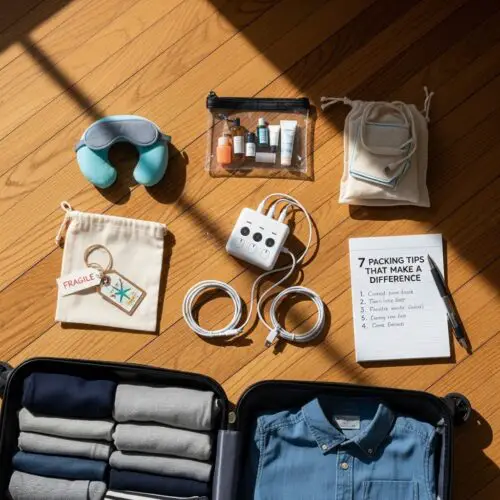
Packing efficiently can make your road trip smoother and more enjoyable. Here are some practical strategies to maximize space and keep everything organized.
The 3-3-3 Packing Rule
This simple rule helps you pack smartly. Here’s how it works:
- 3 Tops: Bring three shirts. Choose versatile options that can mix and match.
- 3 Bottoms: Pack three pairs of pants or shorts. Think comfort and style.
- 3 Pairs of Shoes: Limit to three pairs—one for driving, one for activities, and one for evenings.
This method keeps your wardrobe manageable while ensuring you have what you need.
Using Packing Cubes Effectively
Packing cubes are a game changer. They help keep your belongings organized and easy to access. Here’s how to use them:
- Sort by Category: Use different cubes for clothes, tech, and toiletries. This way, you know exactly where everything is.
- Roll, Don’t Fold: Roll your clothes to save space and reduce wrinkles.
- Label Your Cubes: Add labels for quick identification. No more digging through bags!
What to Keep Within Reach
Having essentials at your fingertips can enhance your road trip experience. Here’s what to keep close:
- Snacks: Pack a small cooler with your favorite treats. Granola bars and fruits are great options.
- Tech Gadgets: Keep chargers and power banks in an easy-to-reach spot. You don’t want to dig for those when your phone is dying.
- Travel Documents: Store maps, tickets, and IDs in a designated pouch. It saves time and hassle.
Quick Checklist for Vehicle Maintenance Before a Trip
Before you hit the road, ensure your car is ready. Here’s a quick checklist:
- Check the Oil Level
- Inspect Tire Pressure and Tread
- Test All Lights and Signals
- Ensure Windshield Wipers Are Functional
- Fill Up on Fuel
Taking these steps can prevent unexpected breakdowns and keep your journey smooth.
Scenario-Based Insight on Effective Packing Strategies
Imagine you’re heading out for a week-long road trip. You can use the 3-3-3 rule and packing cubes to keep your luggage light and organized. For instance, if you’re visiting both cities and nature spots, pack clothes suited for both environments in separate cubes. This way, you can easily swap out outfits without rummaging through everything.
Packing smart not only saves space but also reduces stress. You’ll be ready to hit the road with all your essentials neatly organized!
8. The Ultimate Checklist for Departure Day
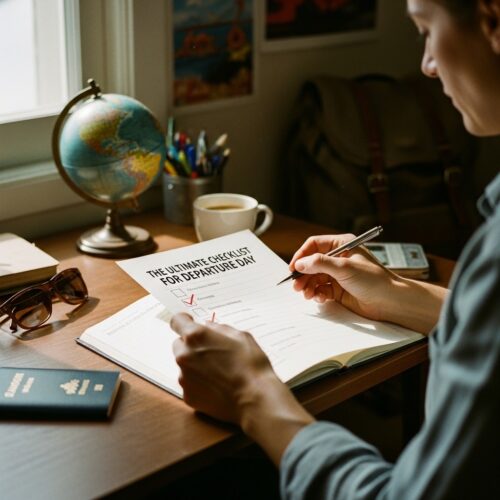
Packing for a road trip is an art. You want to be prepared without overpacking. Here’s a handy checklist to ensure you have everything you need before you hit the road.
Final Vehicle Checks
- Tire Pressure: Check all tires, including the spare. Proper pressure improves fuel efficiency and handling.
- Oil Level: Ensure your oil is topped up. It keeps your engine running smoothly.
- Coolant Level: Check the coolant to prevent overheating. It’s crucial for long drives.
- Windshield Wipers: Make sure they’re in good condition. You don’t want to be caught in a storm without them.
- Battery Health: Check for corrosion and ensure your battery is charged. A dead battery can ruin your trip.
Personal Items to Double-Check
- ID and Documents: Keep your driver’s license, registration, and insurance handy.
- Medications: Don’t forget your prescriptions. Bring extra in case of delays.
- Chargers: Pack chargers for your phone and any devices. A portable charger can be a lifesaver.
- Comfort Items: Bring pillows and blankets for those long stretches on the road.
- Sunglasses: Protect your eyes from glare while driving. They’re a must-have for sunny days.
Food and Snack Preparations
- Cooler Ready: Pack a cooler with drinks and perishable snacks. Try to include healthy options.
- Non-Perishables: Bring snacks like nuts, granola bars, and dried fruits. They’re perfect for quick energy boosts.
- Utensils and Napkins: Don’t forget plates, cups, and utensils if you plan to eat on the go.
- Trash Bags: Keep your car tidy. Bring a bag for wrappers and leftover snacks.
- Water Supply: Bring enough water for all passengers. Staying hydrated is key!
This checklist covers the essentials for a smooth departure. To help you out, we’ve created a downloadable PDF version of this checklist. Just click the link below to get your handy guide!
9. Eco-Friendly Road Trip Essentials
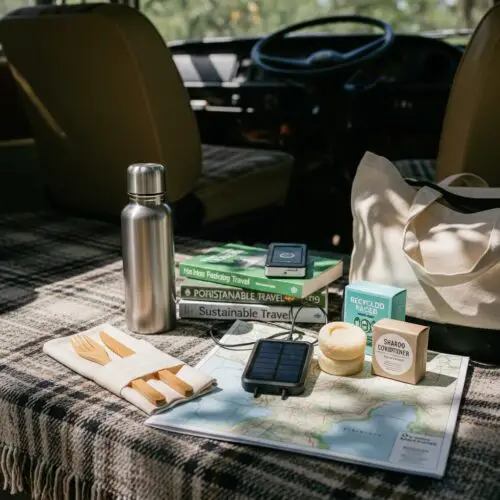
Planning a road trip doesn’t have to come at the expense of the planet. With a few eco-friendly products, you can travel sustainably while still enjoying all the perks of the journey.
Reusable Containers for Snacks
Ditch the single-use plastic and opt for reusable containers. These are perfect for packing snacks. Look for BPA-free options that are durable and easy to clean. They help reduce waste and keep your snacks fresh.
- Examples:
- Stasher Bags: Silicone, reusable, and great for sandwiches or fruits.
- Glasslock Containers: Airtight, stackable, and microwave-safe.
Solar-Powered Chargers
Keep your devices charged without relying on traditional electricity. Solar-powered chargers are a fantastic eco-friendly option. They harness the sun’s energy, making them perfect for those long drives.
- Examples:
- Anker Solar Charger: Compact and efficient, ideal for charging mobile devices.
- BigBlue Solar Charger: Multiple ports and a high conversion rate.
Biodegradable Products for Travel
Choose biodegradable items over conventional plastic goods. They break down more easily in the environment, reducing pollution. Look for alternatives in everyday items.
- Examples:
- Bamboo Toothbrushes: An eco-friendly alternative to plastic brushes.
- Compostable Plates and Cutlery: Perfect for picnics or meals on the go.
Quick Checklist for Eco-Friendly Packing
- Reusable containers for snacks
- Solar-powered chargers
- Biodegradable products
- Cloth napkins instead of paper
- Eco-friendly toiletries (like shampoo bars)
By incorporating these eco-friendly essentials, you’ll minimize your environmental impact while enjoying your road trip. Plus, it feels good knowing you’re doing your part for the planet!
10. Preparing Your Vehicle for Long Trips
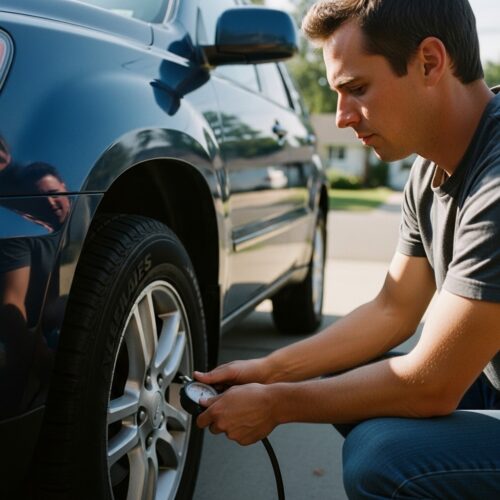
Before you hit the open road, it’s crucial to ensure your vehicle is ready for the adventure ahead. A little prep can save you from headaches later on. Let’s get into the essentials!
Fluid checks and refills
Start with checking all the fluids. This includes:
- Engine oil: Check the level and change if it’s dark or dirty.
- Coolant: Ensure it’s at the proper level to prevent overheating.
- Brake fluid: Low levels can affect stopping power.
- Transmission fluid: Vital for smooth gear shifts.
- Windshield washer fluid: Keep your view clear.
Aim to do this a week before your trip. That gives you time to address any issues.
Tire inspection tips
Tires are your only contact with the road, so they need to be in top shape. Here’s what to do:
- Check the tread: Use the penny test. Insert a penny into the tread. If you see Lincoln’s head, it’s time for new tires.
- Inspect for damage: Look for cuts, bulges, or any foreign objects stuck in the tires.
- Check the air pressure: Inflate to the recommended PSI. Don’t forget the spare tire!
Do this at least a few days before you leave to give yourself time to make necessary changes.
Battery health checks
A strong battery is essential for starting your journey. Check these:
- Clean the terminals: Remove any corrosion.
- Test the charge: If the battery is over three years old, consider getting it tested.
- Look for leaks: Any signs of leakage mean it’s time for a replacement.
Perform this check a week in advance. Batteries can be tricky, and you don’t want surprises on the road.
Quick Vehicle Maintenance Checklist
| Task | Frequency | Notes |
|---|---|---|
| Change engine oil | Every 5,000 miles | Use manufacturer’s recommended oil |
| Check coolant level | Before every trip | Top off if necessary |
| Tire rotation | Every 6,000 miles | Promotes even wear |
| Battery check | Every 6 months | Test and clean terminals |
By taking the time to prepare your vehicle, you’re setting yourself up for a smooth and enjoyable road trip experience. Safe travels!
11. Common Packing Mistakes to Avoid
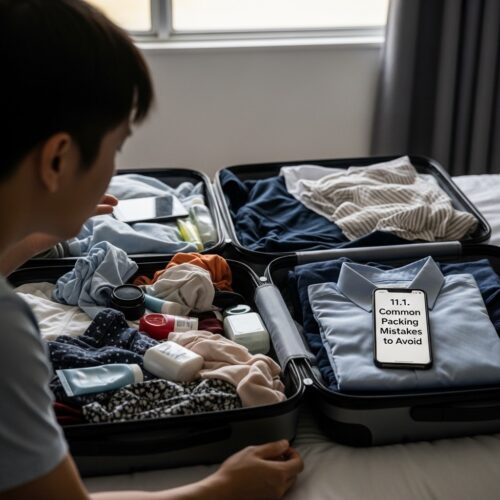
Packing for a road trip can be tricky. It’s easy to forget something important or overpack and weigh yourself down. Let’s dive into some common mistakes to steer clear of.
Overpacking vs. Underpacking
Finding the right balance is key. Overpacking can lead to a cramped car and unnecessary stress. On the flip side, underpacking might leave you scrambling for essentials.
Tips to consider:
- Start with a list: Jot down essentials like snacks, water, and your favorite travel pillow.
- Use packing cubes: These help organize your gear and save space.
- Check the weather: Knowing the forecast can help you pack appropriately—no need for winter jackets in sunny weather!
Forgetting Essential Documents
It’s easy to overlook important papers. But forgetting them can ruin your trip.
Must-haves include:
- Driver’s license: You’ll need this for identification.
- Insurance papers: Keep a copy in case of emergencies.
- Reservation confirmations: Whether it’s a campsite or hotel, having these handy is a lifesaver.
Neglecting Personal Comfort Items
Comfort matters on long drives. Neglecting personal items can make the journey less enjoyable.
Don’t forget to pack:
- Travel pillow: A good pillow can make a huge difference.
- Blanket: Perfect for chilly nights or cozy naps.
- Sunglasses: Protect your eyes from glare and keep you comfortable.
Real-world scenario: Imagine driving through the desert. You forgot sunscreen, and now you’re stuck in the sun for hours. Ouch! Don’t let that happen—pack smart.
By steering clear of these common mistakes, you’ll enhance your road trip experience. Happy travels!
12. Regional Packing Tips Based on Climate
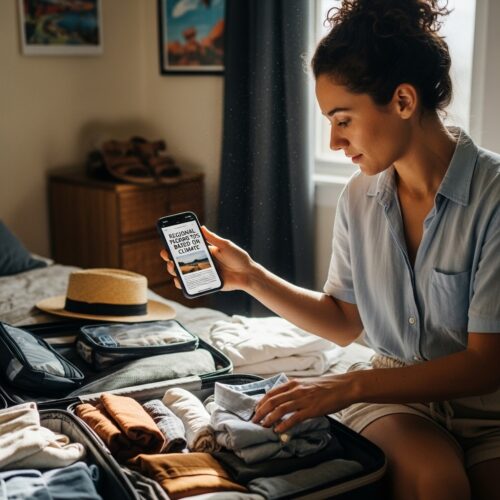
Packing for a road trip means considering the weather. Different climates call for different essentials. Here’s how to adapt your packing list based on where you’re headed.
Packing for Warm Climates
When the sun is shining, you’ll want to pack smart. Here are the must-haves for a warm-weather road trip:
- Sunscreen: Protects against harmful UV rays. Look for SPF 30 or higher.
- Lightweight Clothing: Breathable fabrics like cotton or linen keep you cool.
- Reusable Water Bottle: Stay hydrated without creating waste.
- Insect Repellent: Essential for outdoor activities, especially in wooded areas.
- Beach Gear: Don’t forget towels, flip-flops, and a good book for beach stops.
Example: If you’re driving through the Southwest, pack a hat and sunglasses. The sun can be intense, and you’ll thank yourself later.
Preparing for Cold Weather Trips
Heading somewhere chilly? You need gear that keeps you warm and cozy. Here’s what to bring:
- Warm Clothing: Layer up with thermal tops, sweaters, and a waterproof jacket.
- Blanket: A heated blanket is a great addition for extra warmth.
- Winter Boots: Waterproof and insulated boots are a must for snowy conditions.
- Emergency Kit: Include hand warmers, a flashlight, and extra snacks in case of delays.
- Snow Gear: If you plan on hitting the slopes, don’t forget your ski gear!
Scenario: Imagine taking a road trip to the mountains in winter. Packing extra blankets and warm gear ensures a comfortable journey, even if you encounter unexpected snow.
What to Include for Rainy Conditions
Rain can be a bummer, but with the right gear, it doesn’t have to ruin your trip. Here’s what to consider:
- Waterproof Jacket: A good raincoat keeps you dry and comfortable.
- Umbrella: Compact and easy to store, an umbrella can save the day.
- Quick-Dry Towels: Perfect for unexpected downpours or wet activities.
- Non-slip Shoes: Avoid slipping on wet surfaces with good footwear.
- Car Supplies: Keep extra windshield washer fluid and a rain cover for your car.
Checklist: Before you hit the road, ensure you have these items handy. It’s better to be prepared than soaked!
By tailoring your packing list to the climate, you’ll be ready for anything that comes your way on your road trip. Happy travels!
13. Tips for Traveling with Pets
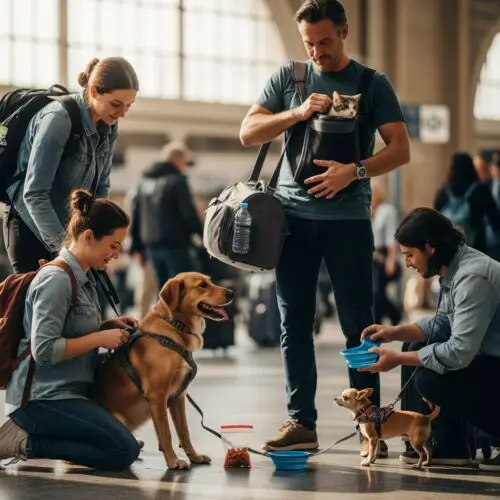
Taking your furry friend on a road trip can be a blast! But it also requires some thoughtful planning. Here are the essentials you need to keep your pet safe and comfy on the road.
Pet-friendly travel gear
- Pet seatbelt or harness: Keep your pet secured. It’s safer and helps prevent distractions while driving.
- Travel crate or carrier: A secure space for your pet can help them feel safe and reduce anxiety during the trip.
- First aid kit for pets: Include items like bandages, antiseptic wipes, and any prescription medications your pet may need.
Food and water considerations
- Portable water bowl: Hydration is key. Look for collapsible bowls that are easy to pack.
- Pet food in airtight containers: Keep your pet’s food fresh and mess-free. Pre-portion meals for easy access.
- Treats for rewards: Bring along some treats to reward good behavior and keep your pet happy.
Keeping pets entertained
- Toys and chew items: Bring their favorite toys to keep them occupied during long stretches.
- Interactive puzzles: These can help stimulate your pet’s mind and keep boredom at bay.
- Frequent breaks: Plan stops every couple of hours for bathroom breaks and playtime. It’ll make the journey more enjoyable for both of you.
Example scenario
Imagine you’re three hours into your trip, and your dog starts to whine. You pull over, and they happily jump out to stretch and play. You offer them fresh water from your portable bowl and a few treats. This simple routine keeps your pet comfortable and happy on the road, ensuring a smoother journey for everyone.
Packing for a pet requires a bit of extra thought, but it’s worth it for those unforgettable adventures together!
14. Effective Communication During Road Trips
Communication is key when you’re on the road with friends or family. Keeping everyone on the same page can make the journey smoother and way more fun.
Using Group Chats for Planning
Set up a group chat before your trip. This way, everyone can share ideas and preferences. It’s a great way to discuss:
- Destinations
- Snack choices
- Music playlists
- Potential stops along the way
Having a shared space for communication helps everyone feel included. Plus, it allows for easy updates if plans change.
Setting Expectations for Stops and Breaks
Before you hit the road, agree on how often you’ll stop. Discuss the types of breaks you’ll take:
- Bathroom breaks
- Meal stops
- Sightseeing pauses
For instance, if you plan to drive for three hours before a stop, communicate that. It helps prevent frustration and keeps everyone in sync.
Resolve Conflicts on the Road
Disagreements can pop up, especially on long trips. Use these strategies to manage conflicts:
1. Take a Breath: When tensions rise, pausing helps. A few deep breaths can clear the air.
2. Listen Actively: Make sure everyone feels heard. Ask for input and acknowledge concerns.
3. Compromise: If one route has more scenery but takes longer, weigh the pros and cons together. Find a middle ground.
For example, if one person wants to take a detour for a famous diner while another prefers sticking to the schedule, discuss it. You might decide to stop for lunch at the diner but adjust your next destination to keep on track.
Effective communication makes road trips enjoyable. Everyone feels valued and engaged, which leads to unforgettable memories.
15. Using Technology to Enhance Your Journey

Technology can make your road trip smoother and more fun. From navigation to entertainment, the right tools can enhance your experience on the road.
Best Apps for Road Trip Planning
Planning is key to a successful road trip. Here are some must-have apps that can help:
- Google Maps: Not just for directions, it also shows traffic conditions and local attractions.
- Waze: Offers real-time updates on traffic, accidents, and police activity.
- Roadtrippers: Helps you plan your route with interesting stops along the way.
- AllTrails: Great for finding hiking trails if you want to stretch your legs.
Using Social Media to Share Experiences
Social media can help you document your journey. Share your adventures with friends and family in real-time. Here are a few platforms to consider:
- Instagram: Perfect for posting stunning travel photos and stories.
- Facebook: Great for sharing updates and connecting with friends.
- TikTok: Capture short video clips of your journey and create fun travel reels.
Document Your Trip with Technology
Keep memories alive with tech tools. Here’s how you can document your road trip effectively:
- GoPro or action camera: Capture high-quality video and photos during adventures.
- Travel journaling apps: Tools like Journey or Day One let you jot down thoughts and experiences on the go.
- Cloud storage: Use Google Drive or Dropbox to back up your photos and videos.
Incorporating these tech gadgets and apps can elevate your road trip experience. They keep you organized, entertained, and connected, ensuring you make the most of your journey in 2026.
16. The Benefits of Road Tripping
Road trips are more than just a way to get from point A to point B. They offer unique advantages that can make your journey unforgettable. Let’s dive into why hitting the open road is such a great choice for your next vacation.
Flexibility in travel plans
One of the best parts about road tripping is flexibility. You can change your route on a whim. Want to take a detour to see that quirky roadside attraction? Go for it! Feeling tired? Pull over and take a break. This freedom lets you explore at your own pace.
- No strict schedules
- Spontaneous stops for food or sights
- Adjust your travel time based on your mood
Creating unforgettable memories
Road trips are all about experiences. Each stop can lead to new stories. Whether it’s a breathtaking view or a hilarious travel mishap, these moments become cherished memories.
- Scenic vistas for picture-perfect moments
- Unique local foods to try
- Unexpected adventures that bring laughter
Bonding time with travel companions
Traveling by car means spending quality time with your companions. Long drives can lead to great conversations and laughter. You can play fun games or share playlists, making the journey just as enjoyable as the destination.
- Strengthen friendships and family ties
- Share stories and create inside jokes
- Enjoy shared experiences that deepen connections
Incorporating these benefits into your planning can enhance your road trip experience in 2026. So, pack those essentials, hit the road, and embrace the journey ahead!
17. How to Maintain Your Vehicle on the Road
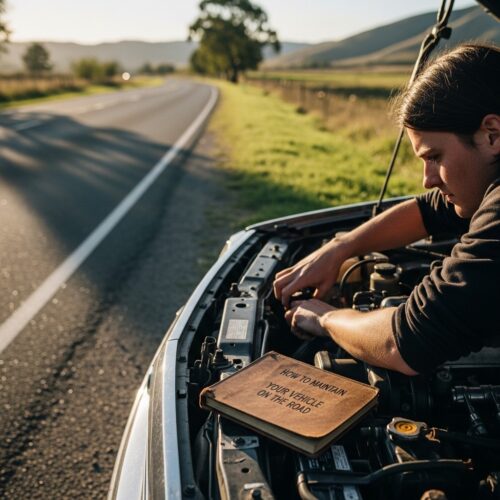
Taking care of your vehicle during a road trip is crucial. Regular checks help prevent problems and ensure a smooth journey. Here’s what you need to know.
Checking Oil Levels
Keeping an eye on your oil levels is essential. Low oil can lead to serious engine problems. Here’s a quick checklist for checking oil:
- Park on a level surface.
- Wait for the engine to cool.
- Pull out the dipstick, wipe it clean, and reinsert it.
- Remove it again to check the oil level.
If the oil is low, top it up with the recommended type for your vehicle.
Tire Pressure Adjustments
Tires can lose pressure during long drives. Under-inflated tires can affect fuel efficiency and safety. Here’s how to check and adjust tire pressure:
- Use a tire pressure gauge to measure the current pressure.
- Refer to your vehicle’s manual for the correct pressure.
- Inflate or deflate as needed at a gas station.
Make it a habit to check your tire pressure every few stops.
Monitoring Fuel Efficiency
Keeping track of your fuel efficiency can save you money and time. Here’s how to monitor it:
- Reset your trip odometer when you fill up.
- Note how many miles you drive before the next fill-up.
- Divide miles driven by gallons used to find your MPG.
If your fuel efficiency drops significantly, it might be time to check for issues like low tire pressure or dirty air filters.
Quick Inspection Checklist
Use this checklist for quick inspections during stops:
- Check oil level and top up if needed.
- Inspect tires for wear and check pressure.
- Look for leaks under the vehicle.
- Ensure all lights are functioning.
- Confirm the coolant level is adequate.
By following these tips, you’ll keep your vehicle in great shape. Safe travels!
18. Packing for Different Lengths of Trips

Packing for a road trip can vary a lot based on how long you’ll be on the road. Let’s break it down for weekend getaways, week-long journeys, and spontaneous trips.
What to Pack for Weekend Getaways
For short trips, you want to keep it simple. Here are the essentials:
- Clothes: Pack versatile outfits. Think comfy jeans and a couple of t-shirts. Don’t forget a light jacket!
- Toiletries: Grab travel-sized items to save space. A mini shampoo and toothpaste will do.
- Snacks: Bring a few easy snacks like granola bars and fruit. Nobody likes a hangry driver!
- Entertainment: Download a playlist or a couple of podcasts before you hit the road.
- Emergency Kit: Pack a small first-aid kit and a flashlight. Just in case!
Packing for Week-Long Journeys
Longer trips need a bit more planning. Here’s what to consider:
- Clothes: Bring enough clothes for the week, plus a few extras. Layering is key, especially if you’re crossing different climates.
- Laundry Supplies: If you plan to do laundry, pack a small bag for dirty clothes. This makes the return trip easier!
- Car Supplies: Don’t forget extra water and a spare tire. Being prepared is half the fun!
- Tech Gadgets: Bring chargers for your devices and a portable power bank. No one wants to be offline on a road trip!
- Snacks and Meals: Plan for more substantial snacks and possibly a cooler for perishables. Think sandwiches and drinks.
Considerations for Spontaneous Trips
Spontaneous trips can be exciting! Here’s how to pack for them:
- Flexible Packing: Choose items that can mix and match easily. Stick to a color scheme for versatility.
- Essentials Ready: Always keep a “go-bag” with basics like toiletries and snacks. This saves time when spontaneity strikes!
- Quick Checklists: Create a quick checklist for essentials you might forget in the rush. Include things like chargers and a camera.
- Emergency Items: Always have a basic first-aid kit and some water handy. Safety first!
Visual Packing Guide
| Trip Length | Essentials to Pack |
|---|---|
| Weekend Getaway | Clothes, toiletries, snacks, entertainment, emergency kit |
| Week-Long Journey | More clothes, laundry supplies, tech gadgets, meals |
| Spontaneous Trip | Flexible clothing, go-bag, quick checklist, emergency items |
Tailoring your packing list to the trip length makes a huge difference. Happy packing and safe travels!
19. Understanding Road Trip Etiquette
Road trip etiquette is key to keeping the vibe positive and fun. Knowing how to treat your travel companions can make all the difference. Here are some essential rules to follow.
Sharing Driving Responsibilities
It’s important to share the driving load. If you’re traveling with friends or family, take turns behind the wheel. Not only does this keep everyone alert, but it also makes the journey more enjoyable. Agree on a schedule before you hit the road.
- Tip: Use a timer or set driving shifts. This way, everyone knows when it’s their turn.
Respecting Personal Space
Close quarters can lead to tension. Make sure to respect each other’s personal space, especially on long trips. It’s okay to take a break from conversations. Sometimes, a little quiet time can be refreshing.
- Anecdote: One trip, my friend constantly played the same playlist. It was fun at first, but after a few hours, I needed a break. A quick pause for music-free time saved the day!
Being Considerate with Music Choices
Music sets the tone for the trip. Keep everyone’s tastes in mind. It’s a good idea to create a shared playlist before you leave. This way, everyone gets a say.
- Decision Rule: Rotate the DJ every hour. This ensures everyone gets to enjoy their favorite jams.
Common Etiquette Mistakes to Avoid
- Ignoring comfort needs: Pay attention to what everyone needs. If someone’s too hot or cold, adjust the air conditioning.
- Overpacking: Don’t crowd the car with unnecessary items. Everyone should have enough room to be comfortable.
By keeping these etiquette rules in mind, your road trip can be smooth and enjoyable for everyone!
20. Preparing for Different Types of Road Trips
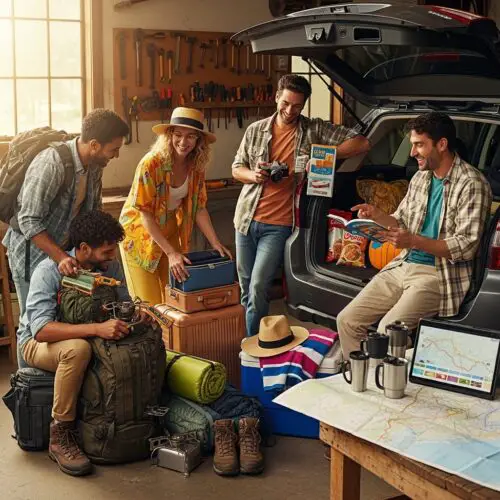
Different road trips call for different preparations. Whether you’re hitting the road solo, packing up the family, or embarking on an adventure, each type has its own set of essentials. Let’s break it down!
Packing for Family Road Trips
When you’re traveling with the whole family, it’s all about comfort and entertainment. Here’s what you need:
- Snacks and Drinks: Always pack a variety. Granola bars, fruit, and water bottles keep everyone happy.
- Entertainment: Bring along books, games, or tablets with pre-downloaded movies. Consider a portable charger to keep devices powered.
- Comfort Items: Travel pillows, blankets, and even a favorite stuffed animal can make long drives more bearable.
- Safety Gear: Don’t forget a first-aid kit, extra masks, and hand sanitizer. Kids can be messy, so have wipes handy too.
Solo Road Trip Essentials
Going solo? It’s your chance to travel light and enjoy the freedom. Here’s your checklist:
- Navigation Tools: A reliable GPS app or a physical map is crucial. You don’t want to get lost in the middle of nowhere!
- Personal Comfort: Pack your favorite snacks and a good playlist. Comfort items like a travel blanket can make a big difference.
- Emergency Kit: Include a flashlight, basic tools, and a roadside assistance kit. It’s better to be safe than sorry.
- Journal: Document your journey! A small notebook can be great for jotting down experiences and thoughts along the way.
Adventure Trip Packing Strategies
Adventure trips often mean packing for the unexpected. Here’s how to prepare:
- Outdoor Gear: If you’re hiking or camping, don’t forget your gear. This includes tents, sleeping bags, and portable cooking equipment.
- Hydration Packs: Staying hydrated is key during adventures. A good hydration pack can save space and keep you refreshed.
- Multi-tools: A quality multi-tool can come in handy for a variety of tasks, from fixing gear to preparing food.
- Weather Preparedness: Pack layers. Weather can change quickly, so be ready for sun, rain, or cold.
Quick Checklist for Vehicle Maintenance
Before you hit the road, ensure your vehicle is road-trip ready. Here’s a simple checklist:
- Fluid Levels: Check oil, coolant, and windshield washer fluid.
- Tires: Inspect tires for wear and ensure they are properly inflated.
- Brakes: Make sure brakes are functioning well.
- Lights: Test all headlights and taillights to ensure visibility.
By tailoring your packing and preparation to the type of road trip you’re taking, you’ll set yourself up for a smoother ride.
21. The Importance of Setting a Budget

Budgeting for your road trip is a game-changer. A solid budget keeps your finances in check and helps you enjoy your adventure without stress. Let’s break down how to set one up.
Budgeting for Fuel and Lodging
Fuel and lodging can eat up a big chunk of your budget. Here’s how to plan:
- Estimate Fuel Costs: Use apps or websites to check gas prices along your route. Multiply your vehicle’s mileage by the price of gas.
- Lodging Choices: Decide if you’ll camp, stay in hotels, or use vacation rentals. Compare prices ahead of time for the best deals.
Allocating Funds for Food and Entertainment
Food and entertainment are essential for a fun trip. Here’s how to budget for them:
- Daily Food Budget: Set a daily limit for meals. Consider packing snacks to save money.
- Entertainment Expenses: Research free or low-cost attractions. Budget for any paid activities you really want to experience.
Save Money While Traveling
Traveling doesn’t have to break the bank. Here are some tips to keep costs down:
- Use Discounts: Look for coupons and discounts for attractions and restaurants.
- Travel Off-Peak: If possible, avoid busy travel times. Prices for lodging and attractions can drop significantly.
Budgeting Template
| Expense Category | Estimated Cost | Actual Cost |
|---|---|---|
| Fuel | ||
| Lodging | ||
| Food | ||
| Entertainment | ||
| Miscellaneous | ||
| Total |
Creating a budget helps you avoid common pitfalls. With a little planning, you can make your road trip enjoyable and economical.
22. Storing Food and Drinks Safely

Keeping your food and drinks safe during a road trip is super important. Nobody wants a soggy sandwich or spoiled snacks. Here are some best practices to ensure everything stays fresh and tasty.
Using coolers effectively
A good cooler is your best friend on the road. It keeps your food cold and safe. Look for coolers that have good insulation and are easy to pack. Here’s a quick comparison of different types:
| Cooler Type | Insulation Quality | Best For |
|---|---|---|
| Hard-shell Cooler | Excellent | Long trips, bulk items |
| Soft-sided Cooler | Good | Snacks, drinks |
| Electric Cooler | Superb | Perishables, extended trips |
Keeping perishables safe
When packing perishables, follow these tips:
- Pre-chill your cooler: Before you load it up, put ice packs or ice in the cooler to lower the temperature.
- Layer wisely: Place ice packs on the bottom, then add perishables. This keeps them colder longer.
- Avoid opening frequently: Every time you open the cooler, cold air escapes. Plan your meals to minimize access.
Choosing the right containers
Your choice of containers matters too. Here’s what to consider:
- Leak-proof containers: These keep liquids contained and prevent messes.
- Bento boxes: Great for portion control and keeping items separate.
- Vacuum-sealed bags: Perfect for marinated meats or snacks. They save space and keep food fresh.
Using these strategies will help keep your food and drinks safe and enjoyable during your road trip.
23. The Role of Rest Stops

Taking breaks during long drives is essential for both safety and comfort. Regular stops help you recharge, stretch your legs, and refresh your mind. Plus, they can make your road trip a lot more enjoyable!
Health benefits of taking breaks
Rest stops offer more than just a bathroom break. They help reduce fatigue and improve focus. Here’s why taking breaks is beneficial:
- Reduces fatigue: Staying in a car for hours can wear you out. A quick break helps keep your energy levels up.
- Improves circulation: Stretching your legs increases blood flow. This can help prevent discomfort and stiffness.
- Enhances mental clarity: A short pause allows your brain to reset. You’ll feel more alert when you get back on the road.
Finding the best rest stops
Not all rest stops are created equal. Some are just a parking lot with a restroom, while others offer great amenities. Look for these features:
- Clean facilities: A well-maintained restroom is a must.
- Picnic areas: Some stops have tables where you can enjoy a meal.
- Scenic views: Choose stops that offer beautiful landscapes. They make great photo ops!
Plan for breaks
Planning your stops can enhance your trip. Here’s a simple way to do it:
1. Map out your route: Identify major highways and towns along the way.
2. Research rest stops: Check online for top-rated stops along your route. Popular choices often have better facilities.
3. Set a schedule: Aim to stop every 2-3 hours. This keeps everyone refreshed and ready to go.
Here’s a list of some top-rated rest stops across popular routes:
| Route | Rest Stop Name | Notable Features |
|---|---|---|
| I-95 | South of the Border | Restaurants, shopping |
| I-40 | Cadillac Ranch | Unique roadside art |
| US Route 66 | Route 66 Museum | Historical exhibits |
| I-70 | Eisenhower Rest Area | Scenic views, picnic area |
By taking breaks and choosing the right stops, you can make your road trip safer and more enjoyable.
24. How to Stay Hydrated on the Road
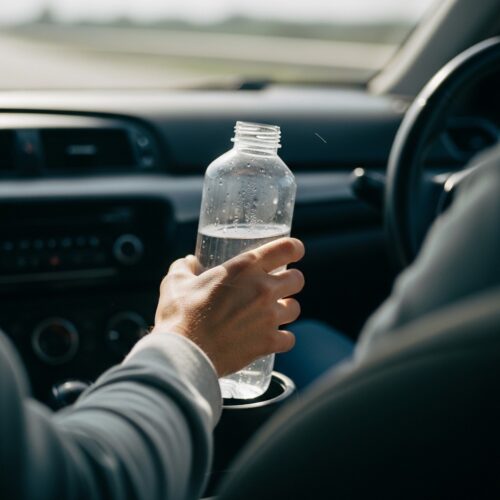
Staying hydrated is crucial during road trips. Dehydration can lead to fatigue and discomfort. Keep your energy up and your mood bright by following some simple hydration tips.
Best drinks for long drives
When choosing drinks for your trip, consider options that hydrate and energize. Here are some great choices:
- Water: The classic choice. Always keep a reusable water bottle handy.
- Electrolyte drinks: Options like coconut water or electrolyte powders can replenish lost minerals.
- Herbal teas: These can be refreshing and soothing. Go for caffeine-free varieties.
- Homemade smoothies: Blend fruits and veggies for a nutrient-packed drink.
Manage bathroom breaks
Planning your hydration means planning bathroom breaks too. Here’s a simple strategy:
- Short trips (up to 5 hours): Drink about 1 liter of water. Schedule a break every 2 hours.
- Medium trips (5-10 hours): Increase to 1.5-2 liters. Plan for breaks every 1.5-2 hours.
- Long trips (over 10 hours): Aim for 2-3 liters. Take breaks every hour to stretch and hydrate.
Using water bottles effectively
To stay organized with your hydration, use these tips:
- Invest in a quality water bottle: Look for ones that keep drinks cold or hot. Brands like Hydro Flask or Nalgene are popular.
- Mark your bottle: Use time markers to track your hydration goals. This keeps you accountable.
- Keep it accessible: Store your water bottle in the front seat or cup holder. This makes it easy to grab without distracting the driver.
By following these hydration strategies, you’ll stay refreshed and ready for the open road!
25. Effective Use of In-Car Navigation
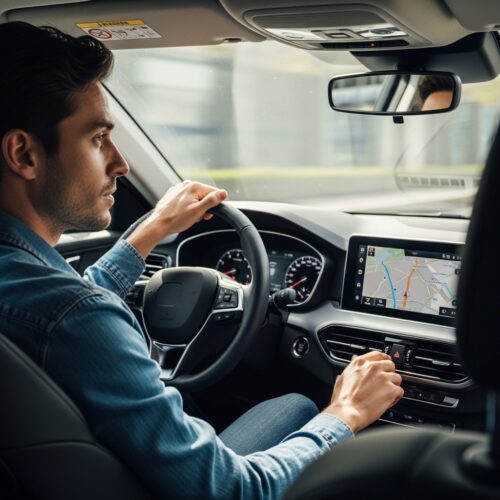
In-car navigation systems can make your road trip smoother and less stressful. Here are some practical tips to get the most out of your navigation system.
Updating Maps Before the Trip
- Check for Updates: Before you hit the road, make sure your maps are up to date. This helps avoid missing new roads or detours.
- Download Offline Maps: If you’re headed to areas with poor signal, download maps ahead of time. This way, you’re never left without directions.
- Use Multiple Sources: Consider using both your car’s navigation system and a smartphone app. They can offer different routes and traffic updates.
Understanding Navigation Settings
- Set Preferences: Adjust your navigation settings to avoid tolls or highways if you prefer scenic routes.
- Save Frequent Destinations: Save your home and favorite spots for quick access. It saves time when you’re ready to go.
- Review Traffic Updates: Many systems provide real-time traffic info. Use this feature to reroute and save time.
Use Voice Commands Effectively
- Hands-Free Convenience: Most in-car systems allow for voice commands. This keeps your hands on the wheel and your eyes on the road.
- Practice Common Commands: Familiarize yourself with what commands your system understands. It can save you frustration while driving.
- Avoid Distractions: Don’t fiddle with your device while driving. Use voice commands to change routes or find stops.
In-Car Navigation vs. Smartphone Navigation
| Feature | In-Car Navigation | Smartphone Navigation |
|---|---|---|
| Updates | Often requires dealer updates | Regularly updated via apps |
| Screen Size | Typically larger | Varies by device |
| Voice Commands | Usually more limited | More flexible commands |
| Traffic Info | May not be real-time | Real-time updates available |
| Battery Drain | No impact on phone battery | Can drain phone battery quickly |
Using both in-car and smartphone navigation can cover all your bases. Choose which works best for your trip and keep your journey enjoyable!
26. Preparing for Unplanned Stops
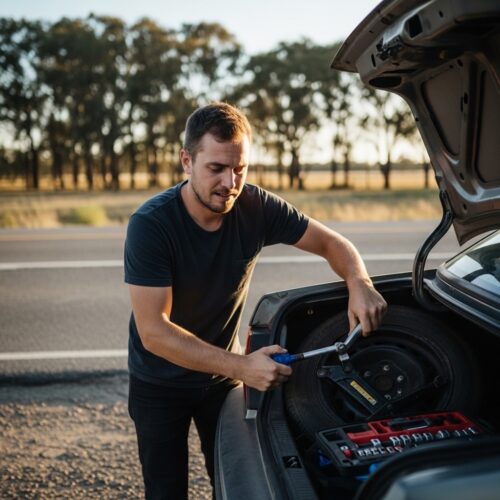
Unplanned stops can happen anytime. Whether it’s a flat tire, a sudden bathroom break, or a scenic overlook that catches your eye, being prepared is key. Here’s how to handle those unexpected moments like a pro.
What to Bring for Roadside Emergencies
Having the right supplies can make all the difference. Here’s a handy list of essentials:
- First Aid Kit: Always pack a basic first aid kit. Cuts, scrapes, or headaches can happen.
- Spare Tire and Jack: A flat tire is a classic road trip woe. Make sure your spare is inflated!
- Roadside Flares or Triangle: Help others see you if you need to pull over.
- Flashlight with Extra Batteries: You never know when you’ll need some light.
- Multi-tool or Swiss Army Knife: Great for small repairs or emergencies.
Handle Breakdowns Smoothly
Breakdowns happen, but staying calm is crucial. Here’s a quick plan:
1. Pull Over Safely: Find a safe spot away from traffic.
2. Assess the Situation: Check if it’s something simple, like a flat tire.
3. Call for Help: If you can’t fix it, don’t hesitate to call roadside assistance.
4. Stay Visible: Use flares or your hazard lights to alert other drivers.
Planning for Detours
Sometimes you’ll want to take the scenic route. Here’s how to plan for those detours:
- Download Offline Maps: Cell service can drop. Having maps saved can save the day.
- Pack Snacks and Drinks: Extra munchies keep everyone happy during longer drives.
- Plan for Breaks: Schedule stops every couple of hours. Stretching your legs helps!
- Check Weather Conditions: Unexpected weather can change your route. Stay informed!
Being ready for unplanned stops can turn potential stress into fun. Keep your essentials handy, and enjoy the journey!
27. Navigating Traffic and Road Conditions
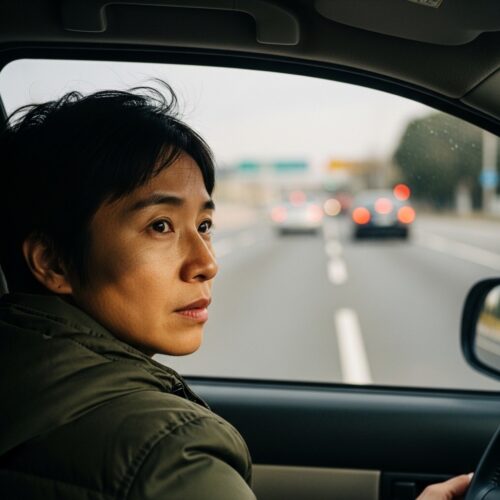
Traffic can be a real buzzkill on road trips. But with the right strategies, you can make navigating through it easier. Here’s how to handle traffic and road conditions like a pro.
Using Traffic Apps
Traffic apps are your best friends. They give real-time updates on road conditions and accidents. Here are some popular options:
- Waze: Offers live traffic updates and alternate route suggestions.
- Google Maps: Great for navigation and checking traffic before you leave.
- Apple Maps: Provides traffic conditions and estimated arrival times.
These apps can help you avoid congested areas and save you time. Make sure to download them before your trip!
Understanding Road Signs
Road signs are crucial for safe driving. They tell you what to expect on the road. Familiarize yourself with common signs, like:
- Speed Limit Signs: Keep an eye on these to avoid tickets.
- Construction Signs: They indicate upcoming road work, so plan accordingly.
- Detour Signs: Follow these to avoid blocked roads.
Knowing these signs can help you navigate smoothly and reduce stress.
Planning Routes to Avoid Congestion
Planning your route is key. Here’s how to do it:
- Check Traffic Reports: Look for peak hours in your travel area.
- Use Alternate Routes: Don’t be afraid to take the scenic route if it means avoiding traffic.
- Consider Timing: Plan to drive during off-peak hours whenever possible.
For example, if you know rush hour hits at 5 PM, aim to be on the road by 3 PM. This can save you hours in traffic.
Vehicle Maintenance Checklist
Before you hit the road, ensure your vehicle is in top shape. Here’s a quick checklist:
- Check Tire Pressure: Properly inflated tires improve gas mileage and safety.
- Oil Level: Make sure your oil is at the correct level.
- Brakes: Listen for any unusual sounds and test your brakes.
Regular maintenance can prevent breakdowns, especially in heavy traffic. A well-maintained vehicle is one of the best road trip essentials.
By using these tips, you’ll navigate traffic and road conditions like a seasoned traveler. Happy road tripping!
28. Dealing with Travel Fatigue

Long drives can wear you out. Fatigue sneaks up on you, especially on long trips. Here are some tips to keep your energy levels high and your spirits higher.
Recognizing Signs of Fatigue
Know when you’re getting tired. Common signs include:
- Yawning frequently
- Difficulty concentrating
- Irritability
- Frequent blinking
If you notice these signs, it’s time for a break. Ignoring fatigue can lead to dangerous situations on the road.
Best Activities During Breaks
Taking breaks is crucial. Here are some activities to refresh your mind and body:
- Stretch your legs: Walk around for a few minutes.
- Hydrate: Drink water to stay alert.
- Snack smart: Choose healthy snacks like nuts or fruit for an energy boost.
- Change the scenery: Step out of the car to breathe fresh air.
Share Driving Responsibilities
If you’re traveling with others, take turns driving. Sharing the wheel can significantly reduce fatigue. Here’s how to do it effectively:
- Set a rotation schedule: Decide in advance how often each person will drive.
- Communicate: Let each other know when you need a break.
- Be mindful of each other’s energy levels: If someone looks tired, it’s their turn to take a break.
Fatigue Management Checklist for Drivers
Use this checklist to manage fatigue on your trip:
- [ ] Recognize fatigue signs
- [ ] Plan regular breaks every 2-3 hours
- [ ] Stay hydrated and eat healthily
- [ ] Share driving duties
- [ ] Keep the car well-ventilated
With these strategies, you can combat travel fatigue and make your road trip enjoyable.
29. Understanding Your Route
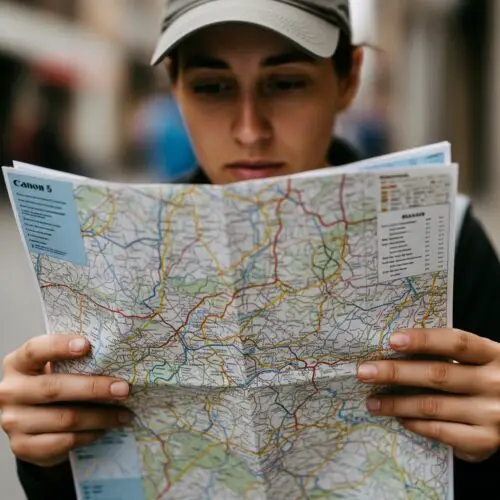
Knowing your route is essential before you hit the road. It sets the tone for your entire trip. A well-planned route can save time, enhance safety, and make your journey more enjoyable.
Using maps vs. GPS
Maps and GPS are your best friends on the road. While GPS provides real-time updates, maps give you a broader view of your journey.
- GPS Pros: Live traffic updates, estimated arrival times, and quick rerouting.
- Map Pros: Overviews of scenic routes, alternative roads, and key landmarks.
Both tools complement each other. Use GPS for navigation and maps for planning your overall journey.
Key landmarks to note
Identify key landmarks along your route. These can be great stopping points. They also help in navigation. Here are a few to consider:
- National parks
- Famous roadside attractions
- Historic towns
Mark these on your map or GPS. It adds adventure and breaks up the drive.
Planning for scenic routes
Scenic routes can transform a regular drive into an unforgettable experience. They often offer beautiful views and unique stops.
Consider the following when planning:
- Research: Look up scenic byways or routes known for their beauty.
- Time: Allow extra time for exploration and photos.
- Safety: Check road conditions, especially in rural areas.
For example, if you’re traveling from Los Angeles to San Francisco, consider taking the Pacific Coast Highway. It’s longer but offers stunning ocean views and charming towns like Carmel and Big Sur.
Sample route: California’s Coast
Here’s a quick sample route for a popular road trip:
1. Start: Los Angeles
2. Stop 1: Santa Barbara (beach time!)
3. Stop 2: San Luis Obispo (check out the famous Madonna Inn)
4. Stop 3: Big Sur (breathtaking views)
5. End: San Francisco
Planning your route wisely ensures a smoother, more enjoyable road trip experience. Happy travels!
30. The Importance of Travel Insurance

Travel insurance is a must-have for any road trip. It protects you from unexpected issues that could derail your adventure. Let’s break down why it’s essential to consider.
What travel insurance covers
Travel insurance typically covers:
- Trip cancellations: If you have to cancel your trip due to unforeseen circumstances.
- Medical emergencies: Coverage for accidents and health emergencies while traveling.
- Theft or loss of belongings: Reimbursement for lost or stolen items.
- Vehicle breakdowns: Some policies include roadside assistance.
Each policy varies, so it’s crucial to read the fine print. Look for coverage that matches your trip specifics.
Choose the right policy
Not all travel insurance is created equal. Here’s how to choose:
1. Assess your needs: Are you traveling with family? Do you have expensive gear?
2. Compare policies: Look for key features like coverage limits and deductibles.
3. Check reviews: See what other travelers say about their claims process.
For example, some policies provide robust medical coverage while others focus on trip cancellations. Pick one that fits your travel style.
Considering roadside assistance plans
Roadside assistance can be a lifesaver. Many travel insurance plans offer this, but you might also consider:
- Membership services: Organizations like AAA provide added benefits.
- Insurance add-ons: Some policies allow you to add roadside coverage for an extra fee.
Before hitting the road, ensure your insurance includes this feature. It can save you time and hassle if your vehicle encounters trouble.
Checklist for road trip insurance
- Understand your policy: Know what’s covered and what’s not.
- Get necessary documents: Have your insurance info accessible.
- Consider local regulations: Different states may have varying requirements.
Travel insurance isn’t just an extra expense. It’s a way to ensure peace of mind while you focus on enjoying the journey.
31. Strategies for Traveling with Kids

Traveling with kids can be a fun adventure, but it takes some planning. Keeping them entertained and engaged makes the journey smoother. Here are some strategies to ensure everyone has a great time on the road.
Planning Kid-Friendly Stops
Make your trip enjoyable by planning stops that cater to your kids’ interests. Here are some ideas:
- Parks and Playgrounds: Stretch their legs and let them burn off energy.
- Interactive Museums: Find spots with hands-on exhibits.
- Nature Trails: Explore the outdoors and enjoy a family hike.
These stops can break up the drive and give kids something to look forward to!
Packing Toys and Games
Keep boredom at bay by packing a variety of toys and games. Here’s a quick list:
- Travel-sized Board Games: Compact options like Uno or Connect 4.
- Coloring Books and Crayons: Perfect for creative kids.
- Audiobooks: Choose family-friendly stories to listen to together.
Rotating toys every couple of hours keeps things exciting. Kids will love the surprise!
Involving Kids in Trip Planning
Get your kids involved in planning the trip. This gives them a sense of ownership and excitement. Here’s how:
- Let Them Choose Stops: Ask for their input on places to visit.
- Create a Travel Playlist Together: Make a playlist of their favorite songs for the drive.
- Set Goals: Have them set fun goals like spotting certain animals or counting state license plates.
This engagement makes the trip feel more like a team effort. Plus, kids are more likely to enjoy the journey when they feel involved!
Family-Tested Activities for Road Trips
Here’s a list of activities that families have found enjoyable on long drives:
- I Spy: A classic game that keeps everyone attentive.
- 20 Questions: Fun for all ages and encourages creativity.
- Storytelling: Take turns creating a story, adding a line each.
- Scavenger Hunt: Create a list of things to spot during the drive, like a red car or a cow.
These activities not only entertain but also foster family bonding. They make the miles fly by!
32. The Role of Snacks in Road Trip Enjoyment

Snacks are a crucial part of any road trip. They keep your energy up and your spirits high. Plus, they can make the whole journey more enjoyable!
The Psychology of Snacking During Travel
Snacking is not just about fueling your body. It can also lift your mood. When you munch on something tasty, it releases feel-good hormones. This makes long stretches of driving feel less tedious.
How Snacks Affect Mood
Think about your favorite snacks. Crunchy chips, sweet granola bars, or even savory nuts can make you feel more relaxed. They provide comfort during those long hours on the road. Plus, sharing snacks with your travel buddies sparks joy and connection!
Choosing the Right Snacks for Energy
Not all snacks are created equal. You want energy-boosting options. Here are some great choices:
- Nuts: Packed with protein and healthy fats.
- Fruits: Fresh or dried, they offer natural sugars and hydration.
- Granola Bars: Look for ones with whole ingredients for a quick boost.
- Popcorn: A light, crunchy option that’s easy to snack on.
Homemade Energy-Boosting Trail Mix Recipe
Why not make your own trail mix? It’s a fun, customizable option! Here’s a simple recipe:
- 1 cup mixed nuts (almonds, walnuts, cashews)
- 1 cup dried fruit (raisins, cranberries, apricots)
- 1 cup dark chocolate chips or M&Ms
- 1 cup seeds (pumpkin or sunflower seeds)
Mix all ingredients in a bowl. Store in an airtight container. Perfect for snacking on the go!
Remember, snacking wisely can make your road trip not just bearable, but truly enjoyable!
33. How to Capture Road Trip Memories

Capturing your road trip memories is just as important as packing the right essentials. You want to remember those stunning sunsets and hilarious moments. Here are some fun ways to document your adventures.
Using Photography Effectively
Photography is a great way to freeze your favorite moments in time. Here are some tips to make the most out of your travel photos:
- Use Natural Light: Early mornings and late afternoons are perfect for soft lighting.
- Frame Your Shots: Use trees, buildings, or other natural elements to frame your subject.
- Candid Moments: Capture your friends and family in their natural, unposed moments.
- Diverse Angles: Experiment with different angles—get low, go high, or shoot from the side.
Journaling Your Experiences
Writing about your trip can help you remember details you might forget. Here’s how to get started:
- Daily Entries: Write a little every day. Note what you did, where you went, and how you felt.
- Highlight Favorites: Mention your favorite meals, places, or funny incidents.
- Include Sketches: If you like to draw, sketch a scene or an interesting landmark.
Creating a Travel Video
A travel video can bring your adventures to life. Here’s how to create one:
- Collect Clips: Film short clips throughout your trip. Don’t stress about making everything perfect.
- Use a Simple Editing App: There are plenty of user-friendly apps. Try one like iMovie or InShot to stitch your clips together.
- Add Music: Choose a fun soundtrack that matches the vibe of your trip.
Photography Tips Checklist
Here’s a handy checklist to improve your photography on the road:
- [ ] Bring a camera or a smartphone with a good camera.
- [ ] Pack extra batteries and memory cards.
- [ ] Consider a travel tripod for stability.
- [ ] Research popular photography spots along your route.
By using these methods, you’ll capture the essence of your road trip and create lasting memories that you can look back on for years to come.
34. The Benefits of Traveling Off the Beaten Path

Choosing less-traveled routes can make your road trip even more memorable. You’ll find unique experiences and avoid the hustle and bustle of popular tourist spots.
Discovering Hidden Gems
When you venture off the beaten path, you often stumble upon hidden gems. These could be quaint towns, stunning landscapes, or local eateries that aren’t in the guidebooks. For instance, instead of a busy national park, why not explore a lesser-known state park? You might find beautiful trails and fewer crowds.
Avoiding Crowds and Congestion
Fewer tourists mean more peace and quiet. You can enjoy the scenery and take your time without feeling rushed. Plus, you’ll have a better chance of capturing that perfect photo without a crowd in the background. This makes for a more relaxing experience overall.
The Impact on Local Communities
Traveling off the beaten path supports local economies. When you visit small towns, you’re more likely to spend money at local shops and restaurants. This helps keep these businesses thriving. Your choices can make a big difference in these communities.
Packing Tips for Off-the-Beaten-Path Adventures
Make sure you’re prepared for anything when you hit those less-traveled roads. Here’s a quick packing checklist:
- Navigation tools: GPS or offline maps to help find your way.
- Emergency supplies: First aid kit, flashlight, and extra water.
- Comfort items: Travel pillow and blankets for unexpected stops.
- Snacks: Stock up on local treats to try along the way.
By choosing off-the-beaten-path routes and packing wisely, you’ll enhance your road trip experience. It’s all about the journey, not just the destination!
35. Understanding Road Trip Costs
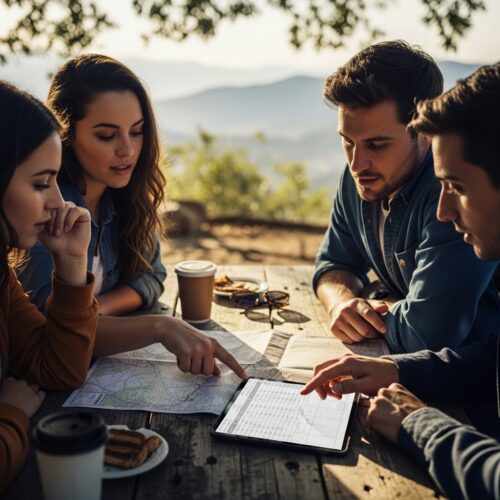
Planning a road trip? It’s not just about packing your bags. You need to consider the costs involved too. Let’s break down the expenses you might face on your adventure.
Fuel Costs and Calculations
Fuel is often the biggest expense on a road trip. To estimate your fuel costs:
- Know your vehicle’s MPG: Check how many miles per gallon your car gets.
- Plan your route: Use apps to find the distance of your trip.
- Calculate total fuel cost:
\[
\text{Total Cost} = \left( \frac{\text{Total Miles}}{\text{MPG}} \right) \times \text{Price per Gallon}
\]
For example, if your trip is 600 miles, your car gets 25 MPG, and gas costs $3 per gallon:
- Total Cost = (600 / 25) × 3 = $72
Estimating Accommodation Expenses
Where you stay can impact your budget. Options vary widely:
- Hotels: Range from $80 to $200 per night.
- Camping: Typically costs $20 to $50 per night.
- Airbnb: Can range from $50 to $150 per night.
Decide based on your comfort level and the experience you want. For a week-long trip, spending $150 a night at a hotel can add up to $1,050.
Food and Activity Budgeting
Don’t forget about food and fun:
- Food: Budget around $10 to $20 per meal per person. For three meals a day, that’s $30 to $60 daily.
- Activities: Entrance fees for parks, museums, or tours can range from $5 to $50.
A sample budget for a week with two people could look like this:
- Food: $420 ($60/day x 7 days)
- Activities: $200 (averaging $30/day)
Be sure to plan for unexpected costs, too, like those roadside snack stops or unplanned detours.
Sample Cost Breakdown for a Road Trip
| Category | Estimated Cost |
|---|---|
| Fuel | $72 |
| Accommodation | $1,050 |
| Food | $420 |
| Activities | $200 |
| Total | $1,742 |
Planning ahead can help you avoid surprises and keep your road trip fun and stress-free!
36. How to Choose the Right Vehicle
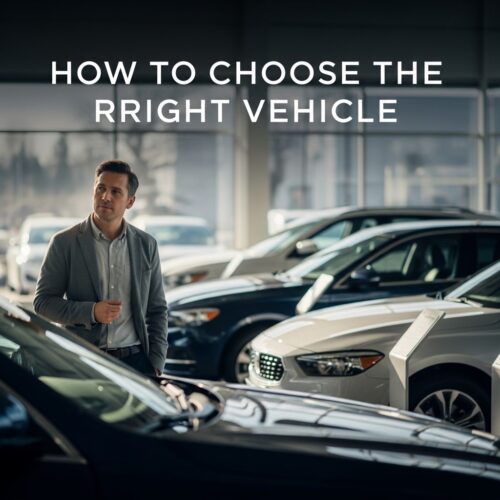
Selecting the right vehicle for your road trip is crucial. The car you choose can make or break your adventure. Here’s what to consider.
Considerations for Family vs. Solo Trips
If you’re traveling solo, a compact car may be just fine. It’s easier to park and more fuel-efficient. But for family trips, you’ll want something roomier, like an SUV or minivan. Here’s a quick checklist to think about:
- Space for passengers and luggage: Ensure everyone has room to breathe and their bags fit comfortably.
- Entertainment options: Look for cars with built-in screens or Bluetooth connectivity for music and movies.
- Safety features: For families, safety is key. Check for features like lane assist and multiple airbags.
Fuel Efficiency vs. Comfort
Fuel efficiency is always a hot topic. You want to save on gas, but comfort matters too. Here’s a comparison to help you decide:
| Vehicle Type | Fuel Efficiency | Comfort Level |
|---|---|---|
| Compact Car | High | Moderate |
| SUV | Moderate | High |
| Minivan | Moderate | Very High |
| Hybrid/Electric | Very High | Varies (check models) |
Choosing a hybrid or electric vehicle can save on fuel costs, but ensure it has enough range for your trip. No one wants to be searching for a charging station in the middle of nowhere!
Choosing Between Rental and Personal Vehicles
Renting can offer flexibility, especially if your car isn’t road trip-ready. Think about these factors:
- Reliability: Rental cars are typically new. They come with fewer worries about breakdowns.
- Cost: Factor in rental fees versus maintenance costs for your own vehicle.
- Insurance: Ensure you have proper coverage, whether you rent or use your personal car.
For long trips, a rental might save wear and tear on your personal vehicle. Plus, you can select a model that fits your needs perfectly.
Remember, the right vehicle sets the tone for your entire trip. Make sure it aligns with your travel style and needs!
37. Preparing for Road Trip Challenges
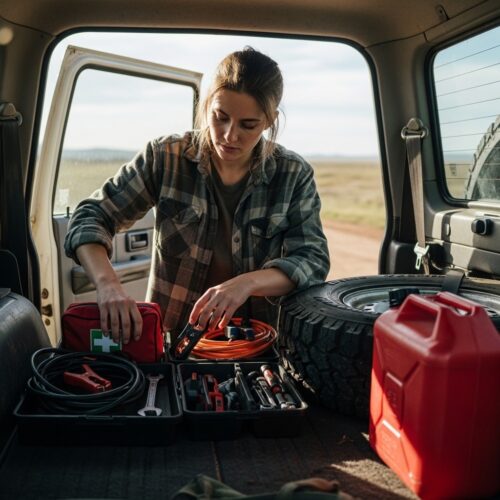
Road trips can be a blast, but they come with their fair share of challenges. By planning ahead, you can tackle these bumps in the road with ease. Here’s how to get ready for common road trip hiccups.
Handling unexpected detours
Detours are a part of any road trip. Whether it’s a road closure or a spontaneous stop at a scenic viewpoint, being flexible is key. Here are some essentials to keep in your trunk for those unexpected turns:
- Maps and Navigation Apps: Don’t rely solely on your phone. Download offline maps just in case your signal drops.
- Emergency Snacks: Keep a stash of granola bars or trail mix to munch on while you figure out your next move.
- Comfort Items: A travel blanket or pillow can make unplanned stops more comfortable.
Managing group dynamics
Traveling with friends or family can lead to disagreements. Keep the peace with these tips:
- Group Chat Planning: Use a group chat to share ideas and settle on stops. This way, everyone feels involved.
- Compromise on Activities: Have a list of activities everyone can enjoy. Balance thrill-seeking stops with relaxing ones.
- Scheduled Breaks: Plan regular stops for stretching and bathroom breaks. This helps everyone stay refreshed and happy.
Planning for mechanical issues
Car troubles can put a damper on your trip. Here’s how to be prepared:
- Vehicle Maintenance Checklist: Before hitting the road, check oil levels, tire pressure, and fluid levels. It’s a simple way to prevent issues.
- Emergency Kit: Pack a basic toolkit, jumper cables, and a spare tire. These can save the day.
- Roadside Assistance: Consider a roadside assistance plan. It can provide peace of mind if you encounter problems.
By anticipating these challenges, you set yourself up for a smoother trip. Keep these essentials in mind, and you’ll be ready for whatever the road throws your way!
38. The Impact of Weather on Road Trips
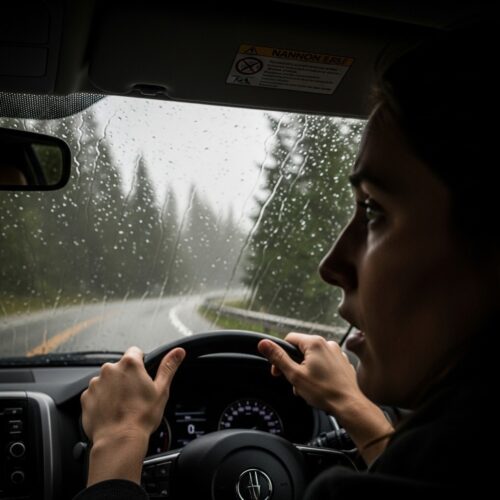
Weather can make or break your road trip. It affects your plans, your comfort, and even your safety. Being prepared for different weather conditions is key to enjoying the journey.
Planning for Rain and Storms
Rain can turn a fun drive into a slippery nightmare. Here are some essentials to keep you safe:
- Windshield Wipers: Make sure they’re in good shape. Replace them if they’re streaky.
- Rain Gear: Pack waterproof jackets and shoes. Don’t forget umbrellas!
- Emergency Supplies: Keep a flashlight and extra batteries handy. They’re lifesavers during blackouts.
Consider downloading weather apps for real-time updates. They can help you avoid bad storms and adjust your route.
Adapting to Heat and Sun Exposure
Hot weather can be just as challenging. Stay cool and comfortable with these tips:
- Cooler with Ice Packs: Keep drinks cold and refreshing.
- Sunscreen: Protect your skin during those long hours in the sun.
- Hats and Sunglasses: These aren’t just stylish; they shield you from harmful UV rays.
Plan breaks in shaded areas. Rest stops with trees can help you recharge and stay hydrated.
Understanding Winter Driving Conditions
Winter trips can be magical, but they come with their own challenges. Here’s what to bring:
- Winter Tires: If you’re driving through snow, these are a must!
- Ice Scraper and Snow Brush: Clear your windows for better visibility.
- Blankets and Extra Warm Clothes: Pack them in case of unexpected delays or breakdowns.
Prepare a winter emergency kit, including items like non-perishable snacks, a first aid kit, and a portable phone charger. These can be crucial if you get stranded.
Weather Preparation Checklist
- Check the forecast before you leave.
- Pack essential gear based on predicted weather.
- Keep your car maintained for the season.
Knowing how to adapt to various weather conditions will ensure your road trip is not just fun, but safe too!
39. The Value of Travel Companions

Traveling with friends or family can make your road trip more fun and memorable. Plus, it helps share the load—both financially and emotionally. Here’s how traveling with others can enhance your experience.
Sharing Costs and Expenses
When you road trip with companions, you can split costs. This includes:
- Gas: Fuel prices can add up. Sharing the cost makes it easier on your wallet.
- Accommodations: If you plan to stay overnight, sharing a room or campsite can save serious cash.
- Food: Cooking together or sharing snacks can be a fun way to bond while saving money.
The Social Benefits of Traveling Together
Traveling with others gives you the chance to create lasting memories. Here are some social perks:
- Shared Experiences: Enjoying scenic views or trying new foods together strengthens friendships.
- Support System: If something goes wrong, it’s nice to have someone to lean on. Whether it’s a flat tire or a bad meal, you’ll have company to navigate the bumps.
- Entertainment: Road trips can get long. Having others around means you can play games, sing, or share stories to pass the time.
Managing Group Preferences
Every traveler has their own tastes. Here’s how to handle them:
- Plan Together: Discuss what everyone wants to see or do. This ensures everyone feels included in the trip.
- Compromise: Be ready to adjust plans. Maybe not everyone wants to hike, but some might enjoy a scenic drive instead.
- Use a Packing Checklist: Create a shared packing list. This ensures essential items don’t get forgotten. For example, snacks, cameras, or first-aid kits should be on everyone’s checklist.
Scenario for Effective Packing
Imagine you’re heading out with a group of friends. You’ve all agreed to bring different things. One person brings the snacks, another packs the first-aid kit, and someone else handles the tech gadgets. This way, you minimize duplicates and make sure you’ve got everything covered!
Traveling with companions can elevate your road trip experience. It’s not just about the destination; it’s about the journey and the people you share it with.
40. The Role of Road Trip Snacks in Enjoyment
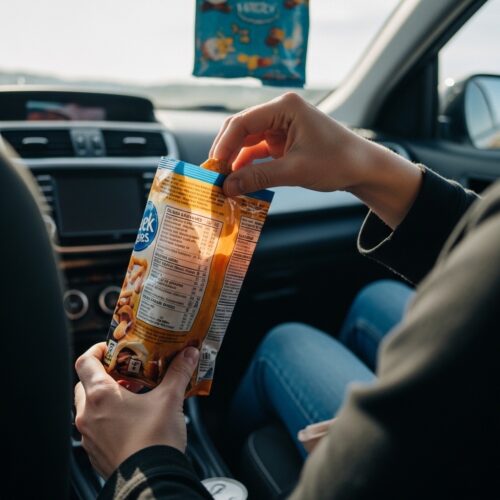
Snacks are the unsung heroes of any road trip. They keep spirits high, energy levels up, and boredom at bay. Let’s dive into why snacks are crucial for your journey.
The Psychology of Snacking
Snacking can boost your mood. When you munch on something tasty, your brain releases feel-good chemicals. This makes the drive more enjoyable. Plus, sharing snacks can create fun moments with friends or family.
Best Snacks for Energy
Choosing the right snacks is key. Opt for items that provide sustained energy. Here’s a quick list of some great options:
- Nuts: Packed with protein and healthy fats.
- Granola Bars: Easy to grab and full of fiber.
- Dried Fruit: Sweet and chewy, a perfect pick-me-up.
- Veggie Chips: A crunchy alternative to traditional chips.
These snacks will keep you fueled without the dreaded sugar crash.
Pack Snacks Efficiently
Packing your snacks right can make a difference. Here are some tips:
- Use airtight containers: Keep snacks fresh and mess-free.
- Pre-portion servings: Pack grab-and-go bags for easy access.
- Mix and match: Combine sweet and savory for variety.
Homemade Road Trip Snack Recipe
Here’s a quick snack recipe to try before your trip:
Energy Bites
Ingredients:
- 1 cup oats
- 1/2 cup nut butter (like almond or peanut)
- 1/4 cup honey
- 1/4 cup chocolate chips or dried fruit
Instructions:
1. Mix all ingredients in a bowl.
2. Roll into small balls.
3. Refrigerate for 30 minutes.
4. Pack in a container for the road!
These bites are nutritious and delicious, perfect for keeping energy levels up during the drive. Enjoy your road trip with these tasty essentials!
41. How to Stay Entertained on Long Drives
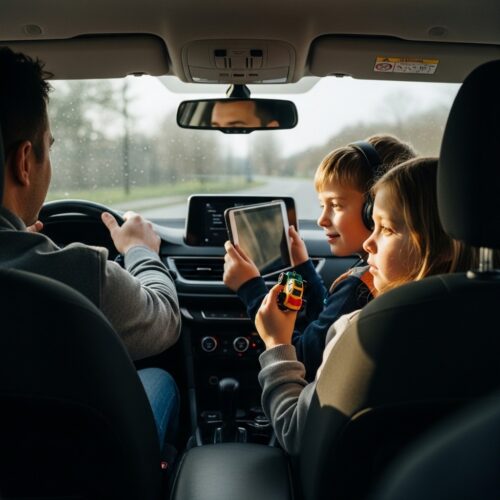
Long drives can feel endless, but they don’t have to be boring! Keeping everyone entertained is key to a fun road trip. Here are some excellent ways to pass the time.
Games for Different Age Groups
Games are a fantastic way to bond and have fun. Here’s a curated list of family-friendly road trip games that everyone can enjoy:
- I Spy: A classic for all ages. One person picks an object, and others guess what it is based on color or location.
- 20 Questions: One player thinks of something, and others ask yes/no questions to figure it out.
- The License Plate Game: See who can spot license plates from the most states. It’s competitive and educational!
- Road Trip Bingo: Create bingo cards with common roadside sights. First to complete a row wins!
- Story Building: Take turns adding a sentence to create a funny or wild story.
Using Audiobooks for Entertainment
Audiobooks are a game changer for long drives. They keep everyone engaged and can be fun for all ages. Here’s how to make the most of them:
1. Choose a Variety: Pick stories that cater to different age groups. Kids may enjoy fantasy, while adults might prefer thrillers.
2. Download Ahead: Make sure to download audiobooks before your trip, especially for areas with no service.
3. Use Library Apps: Services like Libby or Hoopla allow you to borrow audiobooks for free.
Create a Road Trip Playlist
A good playlist can set the mood for your journey. Here’s how to create the perfect road trip soundtrack:
- Mix Genres: Include something for everyone. Think pop, classic rock, and even some kid-friendly tunes.
- Include Sing-Alongs: Everyone loves a good sing-along. Add those catchy songs that make you want to belt it out!
- Time Your Tracks: Consider the length of your drive. Create playlists that match travel segments to keep things fresh.
These strategies will help keep spirits high and make your road trip a blast!
42. Planning for Different Types of Stops
Planning your stops is key to a smooth road trip. It keeps everyone happy and ensures you’re ready for anything. Here’s how to break it down.
When to Stop for Fuel
Fuel stops are essential. Aim to fill up every 200-300 miles. This keeps you from running low and gives you a chance to stretch your legs. Here are some tips:
- Choose Major Stations: They usually have better prices and amenities.
- Plan Ahead: Use apps to find stations along your route.
- Combine Stops: Fuel up and grab snacks at the same time.
Planning Food Breaks
Food breaks can be a highlight of your trip. They give everyone a chance to recharge. Here’s how to plan:
- Pack Snacks: Bring along healthy options like nuts and fruits. This helps avoid impulse buys.
- Local Eats: Research local diners or food trucks. It’s a fun way to experience the area.
- Timing is Key: Stop every 3-4 hours for meals. This keeps everyone energized and happy.
Rest Stop Strategies
Rest stops are crucial for comfort and safety. They break up the drive and give everyone a chance to unwind. Here’s how to optimize them:
- Plan Regular Stops: Aim for every 2 hours. It helps prevent fatigue.
- Look for Parks: Find rest areas with green space. Stretching out in nature feels great.
- Use Rest Stops for Quick Tasks: Check maps, use the restroom, or take a quick walk to stay alert.
Quick Checklist for Stops
- Fuel: Plan to stop every 200-300 miles.
- Food: Aim for a meal every 3-4 hours.
- Rest: Take breaks every 2 hours for safety.
By planning your stops this way, you’ll keep the trip fun and stress-free!
43. The Benefits of Planning Ahead

Planning your road trip itinerary in advance can make all the difference. It helps you avoid stress and enjoy your journey to the fullest.
Avoiding Stress During Travel
When you plan ahead, you alleviate a lot of last-minute pressure. You know where you’re going and what to expect. This means fewer surprises!
- Set your route: Use apps like Google Maps or Waze to find the best routes and avoid traffic.
- Book accommodations: Secure your stays in advance, especially during peak seasons.
- Create a timeline: Estimate travel times and plan breaks. This keeps everyone on the same page.
Maximizing Your Time on the Road
A well-planned itinerary helps you make the most of your time. You can fit in more fun stops along the way.
- Research attractions: Identify must-see spots. This could be quirky roadside attractions or scenic viewpoints.
- Schedule activities: Allocate time for each activity. This prevents rushing and allows for spontaneous fun.
- Balance driving and exploring: Aim for a mix of travel and downtime. Everyone needs a breather!
Ensuring Key Stops Are Included
Planning ensures you don’t miss out on important locations.
- Make a checklist: List out essential stops based on your interests—food, sights, or activities.
- Consider detours: Be open to slight detours for hidden gems. Sometimes the best memories come from unplanned adventures!
- Review local events: Check if there are any festivals or events happening during your travel dates.
Sample Itinerary for a Road Trip
Here’s a quick example of a simple road trip itinerary:
| Day | Destination | Activities |
|---|---|---|
| 1 | City A to City B | Visit Museum, Lunch at Local Diner, Check-in |
| 2 | City B to City C | Scenic Drive, Hike at National Park, Dinner |
| 3 | City C to City D | Explore Downtown, Visit Art Gallery, Depart |
Planning your itinerary can turn a good road trip into a great one. It keeps the fun flowing while ensuring everyone stays safe and entertained!
44. Understanding Your Travel Insurance Options

Travel insurance can be a lifesaver on a road trip. It covers unexpected events that could derail your plans. Let’s break down what you need to know to pick the right policy for your adventure.
What to look for in a policy
When choosing travel insurance for your road trip, keep these key factors in mind:
- Coverage Type: Look for policies that cover trip cancellations, medical emergencies, and vehicle-related incidents.
- Limitations: Check for exclusions, especially regarding pre-existing conditions or specific activities like camping or hiking.
- Deductibles: Understand how much you’ll pay out of pocket before the insurance kicks in.
Compare options
Not all travel insurance providers are created equal. Here’s a quick comparison of popular options:
| Provider | Coverage Type | Average Cost | Customer Rating |
|---|---|---|---|
| Company A | Trip cancellation, medical, theft | $50-$100 | 4.5/5 |
| Company B | Medical only | $30-$70 | 4.0/5 |
| Company C | Comprehensive | $80-$150 | 4.8/5 |
Understanding coverage limits
Every policy has its coverage limits. Here’s how to understand them:
- Maximum Benefit: This is the highest amount the insurer will pay for a claim. Ensure it covers potential expenses.
- Per Incident Limit: Some policies have limits per incident. Know how much you could get back for each type of claim.
- Emergency Assistance: Check if the policy includes 24/7 assistance. This can be crucial in an emergency, especially if you’re in a remote area.
Example Scenario
Imagine you’re on a road trip and your car breaks down in a remote area. You need a tow and medical help for a minor injury. If you have a policy that covers roadside assistance, you’ll get help without worrying about the cost. Always read the fine print to ensure you’re adequately covered.
By keeping these elements in mind, you can find the right travel insurance for your road trip. Enjoy the ride, knowing you’re protected!
45. Preparing for the Unexpected
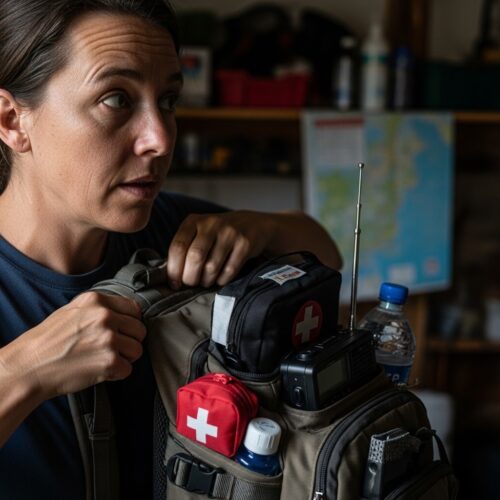
Unexpected events can happen during any road trip. Being prepared makes all the difference. Here’s how to handle common surprises while on the road.
Handling Breakdowns
Breakdowns can happen to anyone. Make sure you’re ready:
- Emergency Kit: Include flares, a flashlight, and basic tools.
- Spare Tire: Know how to change it. Practice before your trip.
- Roadside Assistance: Consider a plan that covers towing and minor repairs.
- Mobile Charger: Keep your phone charged for emergencies.
Checklist for Breakdowns:
- [ ] Emergency Kit
- [ ] Spare Tire
- [ ] Roadside Assistance
- [ ] Mobile Charger
Dealing with Weather Changes
Weather can be unpredictable. Here’s how to adapt:
- Check the Forecast: Always look at the weather before hitting the road.
- Pack Layers: Bring clothes for both hot and cold weather.
- Plan Alternative Routes: Have options if your route becomes unsafe.
- Emergency Blankets: These are compact and can keep you warm.
Checklist for Weather Changes:
- [ ] Weather Forecast
- [ ] Layered Clothing
- [ ] Alternative Routes
- [ ] Emergency Blankets
Managing Time Delays
Delays can derail your schedule. Stay cool with these tips:
- Flexible Itinerary: Build in extra time for stops and delays.
- Entertainment Options: Load up on podcasts or audiobooks for long waits.
- Snacks on Hand: Keep a stash of snacks to avoid hunger-related stress.
- Stay Informed: Use apps to track traffic and road conditions.
Checklist for Time Delays:
- [ ] Flexible Itinerary
- [ ] Entertainment Options
- [ ] Snacks
- [ ] Traffic Apps
By preparing for these unexpected events, you can enjoy a smoother road trip experience. Happy travels!
46. The Value of Good Travel Companions

Choosing the right travel companions can make or break your road trip. Their attitudes, interests, and skills can greatly affect your experience on the road.
The Importance of Compatibility
Compatibility is key when selecting travel buddies. You want companions who share similar travel styles and goals. Whether you’re looking for adventure, relaxation, or a mix, everyone should be on the same page.
- Shared Interests: Choose friends who enjoy similar activities—hiking, sightseeing, or food stops.
- Flexible Attitude: Look for those who can roll with the punches. Road trips often come with unexpected detours.
- Communication Styles: Ensure everyone can openly discuss preferences and concerns without tension.
Sharing Responsibilities
Dividing tasks can enhance the trip experience. When everyone pitches in, it reduces stress and fosters teamwork.
- Driving Shifts: Rotate driving duties to avoid fatigue.
- Planning Meals: Assign one person for snacks and another for meals. It keeps things organized.
- Entertainment Planning: Let someone curate a playlist or select games for the journey.
The Social Benefits of Traveling Together
Traveling with others enriches the experience. You create memories and share laughs along the way.
- Shared Experiences: Enjoy inside jokes and stories that only your travel group will understand.
- Support System: Companions can provide emotional support during tough moments, like car trouble or long delays.
- New Perspectives: Friends may suggest attractions or activities you might overlook, making the trip more enjoyable.
Example of Successful Travel Partnerships
Consider the story of two friends, Jamie and Alex. They planned a week-long road trip. Jamie loved nature hikes, while Alex preferred city sightseeing. They set a flexible itinerary that included both. This compromise led to a memorable trip filled with diverse experiences—hiking in the morning and exploring cities by night. They each took turns planning the daily activities, ensuring both their interests were represented.
Involving everyone in the planning and execution can lead to a well-rounded road trip filled with cherished moments.
47. The Benefits of Scenic Routes

Choosing scenic routes over the fastest paths can transform your road trip experience. They offer breathtaking views, hidden gems, and a chance to make memories that you’ll cherish forever.
Discovering Hidden Gems
Scenic routes lead to unexpected treasures. Think charming small towns, local diners, and stunning landscapes. These spots often showcase the culture and beauty of the region.
- Local Attractions: You might stumble upon quirky roadside attractions or local festivals.
- Unique Dining: Try mom-and-pop diners that serve up authentic dishes. You can’t find that experience on a highway!
Avoiding Traffic Congestion
The fastest route might save time, but it often comes with traffic woes. Scenic routes can help you avoid the rush.
- Less Stress: Enjoy a more relaxed drive without the honking and hurried pace of highways.
- Flexible Timing: With less traffic, you can take your time and enjoy the journey.
Enjoying the Journey
A road trip is about the adventure, not just the destination. Scenic routes encourage you to embrace the journey.
- Beautiful Views: Capture stunning photos of landscapes, mountains, or coastlines.
- Moments to Connect: Use the time to bond with your travel companions. Share stories, play games, or just enjoy the silence together.
Popular Scenic Routes in the US
Here’s a quick list of some must-try scenic routes for your 2026 road trip:
- Pacific Coast Highway, California: Stunning coastal views and charming beach towns.
- Blue Ridge Parkway, Virginia and North Carolina: Gorgeous mountain vistas and hiking trails.
- Route 66, Illinois to California: Iconic stops and quirky roadside attractions.
- The Great Ocean Road, Australia: Dramatic cliffs and beautiful beaches (if you’re feeling adventurous).
- Cabot Trail, Nova Scotia: Breathtaking coastal scenery and vibrant fall colors.
Incorporating these scenic routes into your travel plans makes for an unforgettable journey. So, pack your bags and hit the road!
48. Preparing for Roadside Attractions

Planning to visit roadside attractions can add a fun twist to your road trip. Here’s how to make the most of those quirky stops along the way.
Using Apps to Find Attractions
Smartphone apps can be your best friend on the road. They help you discover hidden gems and popular sites nearby. Here are a few to consider:
- Roadtrippers: Great for planning your route and finding attractions.
- Atlas Obscura: Shows off-the-beaten-path spots.
- Google Maps: Search for “attractions” along your route for instant results.
Planning for Time Spent at Attractions
Not every stop is created equal. Some attractions deserve a longer visit. Here’s how to allocate your time:
1. Research: Check how long people usually spend at each spot.
2. Prioritize: Make a list of must-sees and be flexible with time.
3. Allow for Delays: Road trips can be unpredictable. Build in extra time to explore.
Making the Most of Your Visits
When you arrive, maximize your experience with these tips:
- Take Photos: Capture memories, especially at iconic spots.
- Engage with Locals: They often have the best recommendations.
- Try Local Snacks: Find a quirky food truck or diner to taste the local flavor.
Checklist for Roadside Attraction Visits:
- Download relevant apps before leaving.
- Create a list of attractions with expected visit times.
- Keep a flexible schedule to explore unexpected finds.
- Pack a camera or smartphone for capturing moments.
With these strategies, your roadside adventures will be just as exciting as your final destination!
49. The Role of Music in Road Trips

Music makes road trips more enjoyable. It sets the vibe and keeps spirits high. Whether you’re cruising down the highway or stuck in traffic, a great playlist can make all the difference.
Creating the ultimate road trip playlist
When packing for your trip, don’t forget to curate your playlist. Here are some tips:
- Mix Genres: Include different music styles. Pop, rock, country, and indie can keep things fresh.
- Add Classics: Iconic songs are always a hit. Think Fleetwood Mac, The Beach Boys, or Queen.
- Include New Hits: Stay current with the latest chart-toppers to keep everyone engaged.
- Personal Favorites: Add songs that resonate with your group. Inside jokes and shared memories will make the trip even more special.
Using music to set the mood
The right tunes can enhance the driving experience. Use music to evoke emotions and memories. Play upbeat tracks during sunny stretches and mellow tunes during scenic views. Here’s how:
- Upbeat Vibes: For lively moments, songs like “Shut Up and Dance” by WALK THE MOON or “Happy” by Pharrell Williams keep the energy up.
- Chill Tracks: During quiet times, try “Budapest” by George Ezra or “Take It Easy” by the Eagles for a relaxed atmosphere.
- Sing-Along Anthems: Choose songs that everyone knows. Think “Sweet Caroline” by Neil Diamond or “Don’t Stop Believin'” by Journey to encourage group sing-alongs.
The impact of group preferences
In a shared car space, consider everyone’s taste. This can help prevent disagreements and ensure fun. Here’s what to do:
- Group Vote: Let everyone pick a few songs. This way, everyone feels included.
- Create Themes: Have theme days. One day could be 80s hits, another for road trip classics.
- Respect Preferences: If someone isn’t into a song, be willing to skip it. Keeping harmony makes for a better ride!
Top Songs for Road Trips
Here’s a quick list of great songs perfect for your playlist:
- “On the Road Again” by Willie Nelson
- “Fast Car” by Tracy Chapman
- “Ride” by Twenty One Pilots
- “Shut Up and Drive” by Rihanna
- “Life is a Highway” by Tom Cochrane
These tunes can transform your road trip into an unforgettable adventure. So, get your playlist ready and hit the road!
50. How to Maintain Group Harmony

Keeping the peace on a road trip can make all the difference. A little effort goes a long way in ensuring everyone enjoys the journey. Here are some strategies to maintain group harmony.
Communicating Effectively
Good communication is vital. Be open about preferences and needs. Before hitting the road, discuss:
- Music choices: Make a playlist together.
- Stop preferences: Agree on rest stops or meal breaks.
- Seating arrangements: Ensure everyone is comfortable.
Setting Group Expectations
Establish clear expectations early on. This can prevent misunderstandings later. Consider these points:
- Daily schedules: Set a rough itinerary but allow flexibility.
- Budget guidelines: Discuss how much everyone is willing to spend.
- Roles and responsibilities: Assign tasks like navigation or snack duty.
Finding Compromises
Sometimes, you won’t all agree. Finding a middle ground is key. Here’s how:
- Rotate choices: If one person picks the first dinner spot, the next should choose the next one.
- Split activities: If someone wants to hike while others prefer a café, plan for both.
- Take breaks: Schedule downtime where everyone can recharge and reflect.
By following these tips, you can create a fun and harmonious road trip environment. Happy travels!
51. The Benefits of Flexibility in Travel Plans
Being flexible during a road trip can lead to unexpected adventures and a more enjoyable experience. It allows you to adapt to changes and seize new opportunities.
Making spontaneous decisions
Flexibility means you can change plans on a whim. Maybe you spot a quirky roadside diner or a scenic overlook. Being open to these detours can enhance your trip.
- Example: On one trip, my friends and I stumbled upon a local festival. We ditched our original lunch plans and spent the afternoon enjoying food, music, and the community vibe. It became the highlight of our trip!
Adapting to new opportunities
Road trips are full of surprises. Weather changes, traffic delays, or even a new attraction can pop up. Flexibility helps you adjust without stress.
- Scenario: Imagine driving along a coastal highway when a sudden rainstorm hits. Instead of panicking, you can pivot and explore a nearby museum or café. This adaptability can turn potential frustration into a fun adventure.
The impact on overall enjoyment
Embracing flexibility can lower stress and increase happiness. It encourages a more laid-back approach to travel. When you’re not rigid with plans, you’re more likely to enjoy the journey.
- Checklist for Flexibility:
- Keep a loose itinerary.
- Be open to new experiences.
- Pack essentials like snacks and entertainment to stay comfortable while adapting.
- Have a backup plan for accommodations or activities.
By allowing room for spontaneity, you can create priceless memories on the road. Flexibility isn’t just about changing plans; it’s about enhancing the whole travel experience.
52. Using Social Media During Your Trip

Social media can add a fun layer to your road trip. It helps you capture moments and connect with fellow travelers. Plus, it’s a great way to share your adventures.
Choosing the Right Platforms
Not all social media platforms are created equal for road trips. Here are some popular options:
- Instagram: Perfect for sharing stunning photos of your journey. Use hashtags to reach a wider audience.
- Facebook: Great for joining travel groups and sharing your experiences with friends.
- TikTok: If you love creating short videos, TikTok is a fun way to document your trip.
- Twitter: Ideal for quick updates and connecting with other travelers in real-time.
Creating Engaging Content
Engagement is key. Here’s how to make your posts stand out:
- Use High-Quality Photos: Good visuals catch attention. Make sure your photos are bright and clear.
- Share Stories: People love narratives. Share the fun or challenges you face during your trip.
- Post Regularly: Keep your audience engaged. Regular updates keep the excitement alive.
Connecting with Fellow Travelers
Social media can help you meet like-minded adventurers. Here’s how to foster connections:
- Join Travel Groups: Find Facebook groups related to road trips. Share tips and ask for advice.
- Use Hashtags: Check out trending hashtags like #RoadTrip2026 or #TravelCommunity to find others on similar journeys.
- Participate in Challenges: Join social media challenges related to travel. It’s a fun way to connect and engage with others.
Packing Tips for Social Media Success
To make the most of your social media experience, pack a few extra items:
- Portable Charger: Your phone will need power for all that posting.
- Tripod or Selfie Stick: These help you capture group shots or scenic views without needing help.
- Good Lighting: A small ring light can make a big difference in your photos, especially in low-light conditions.
Using social media wisely can enhance your road trip. It keeps memories alive and builds connections on the go. So, don’t forget to pack your social media essentials!
53. The Importance of Travel Reviews

Travel reviews can make or break your trip planning. They offer real-life insights from fellow travelers, helping you make informed decisions on what to pack and where to go.
Using Reviews to Choose Accommodations
Reviews are crucial when deciding where to stay. They provide a glimpse into the quality and comfort of a place. Travelers often share their experiences about cleanliness, service, and amenities.
- Look for patterns in reviews. If multiple users mention a dirty room or poor service, it’s a red flag.
- High ratings for a specific hotel can mean it’s worth considering.
Finding Attractions Through Reviews
Attractions are another area where reviews shine. They guide you toward must-see spots and warn you about tourist traps.
- Check out travel blogs and sites like TripAdvisor for detailed reviews.
- Look for reviews that include photos; they give you a better idea of what to expect.
Understanding the Value of Firsthand Experiences
Firsthand experiences provide context that guides your choices. A review might highlight a hidden gem or a unique local experience you wouldn’t find in a travel guide.
- Pay attention to reviews about local dining spots. They can lead you to delicious, off-the-beaten-path eateries.
- Reviews can also inform you about the best times to visit certain attractions, helping you avoid crowds.
Real-Life Example of Reviews Impacting Travel Decisions
Imagine you’re planning a road trip to the Grand Canyon. You read reviews about a specific lookout point. One traveler mentions it’s breathtaking at sunset but often crowded during the day. This insight helps you plan your visit for a more serene experience.
By using travel reviews wisely, you can enhance your road trip experience. They serve as a valuable tool for packing essentials and planning your itinerary.
54. Planning for Cultural Experiences

Incorporating cultural experiences into your road trip can make your journey truly memorable. It’s not just about the destination, but also about the journey and the people you meet along the way.
Researching Local Customs
Understanding local customs can enhance your experience. Each region has its own traditions. This knowledge helps you interact respectfully with locals. For example, in some areas, it’s customary to greet people with a handshake, while in others, a nod or wave is more appropriate.
Finding Cultural Attractions
Make a list of must-see cultural attractions. Museums, art galleries, and historical sites can offer incredible insights into the local culture. Check out local festivals or events happening during your trip. They can be a lot of fun and a great way to immerse yourself in the community.
- Museums: Look for local art or history museums.
- Cultural Festivals: Check for any events, like food festivals or arts fairs.
- Historical Sites: Visit landmarks that tell the story of the area.
Planning for Food Experiences
Food is a big part of culture. Try local dishes and visit family-owned restaurants. Use apps to find the best-rated eateries, especially those that offer regional specialties. Here are some ideas:
- Food Trucks: Often serve unique local dishes.
- Farmers Markets: Great for fresh produce and local goodies.
- Cooking Classes: Learn how to cook a traditional dish from the area.
By planning for these cultural experiences, you’ll create deeper connections with the places you visit. Plus, you can pack some wonderful stories to share when you get back home!
55. The Role of Local Cuisine in Travel

Trying local cuisine can seriously enhance your road trip experience. It connects you to the culture and makes your journey memorable. Here’s why it’s important to dive into regional dishes.
Finding Local Dining Options
Finding great food on the road is easier than ever. Use apps like Yelp or TripAdvisor to discover local gems. Look for places with good reviews and a bustling atmosphere. Here are some tips:
- Ask Locals: Chat with residents for their favorite spots.
- Check Social Media: Look for trending places on Instagram or Facebook.
- Explore Food Trucks: They often serve unique local dishes at affordable prices.
Understanding Regional Specialties
Every region has its own culinary specialties. These dishes tell a story about the area’s culture and traditions. Here are some must-try items to consider:
- Northeast: Clam chowder and lobster rolls.
- Southeast: Gumbo and fried green tomatoes.
- Midwest: Deep-dish pizza and cheese curds.
- Southwest: Tacos al pastor and green chili stew.
- West Coast: Fresh seafood and acai bowls.
The Impact of Food on Travel Experiences
Food has a way of bringing people together. It creates memories that last long after the trip is over. When you try local dishes, you’re not just tasting food; you’re experiencing the culture.
- Connect with People: Sharing a meal can lead to friendly conversations.
- Create Stories: Each meal can turn into a cherished memory.
- Enhance Your Itinerary: Plan your route around food experiences for added fun.
Incorporating local cuisine into your road trip can transform a simple journey into a rich adventure. You’ll leave not just with souvenirs but with stories and flavors that linger in your mind.
56. Reflecting on Your Road Trip Experience
Reflecting on your road trip is just as important as the journey itself. It helps you cherish memories and learn from your experiences. Let’s dive into some ways to capture those moments.
Journaling after your trip
Writing down your thoughts can be therapeutic. Grab a notebook or use an app. Write about your favorite moments, the people you met, and what you learned.
- Set aside time: Dedicate a few quiet moments after your trip to gather your thoughts.
- Be honest: Share both the highs and lows. They all contribute to your growth.
Sharing stories with friends
Nothing beats sharing your adventure with friends. It brings your experiences to life. Gather a group and recount your favorite tales.
- Host a gathering: Cook a meal and invite friends over to share stories.
- Use social media: Post pictures and stories to inspire others and keep the memories alive.
Building a travel scrapbook
Creating a scrapbook is a fun way to preserve memories. It combines photos, ticket stubs, and little mementos. Here’s how to get started:
1. Collect materials: Gather photos, maps, and any small items from your trip.
2. Choose a theme: Whether it’s a specific location or a feeling, a theme will guide your layout.
3. Arrange creatively: Don’t be afraid to mix and match. Use stickers, captions, and drawings to make it personal.
Reflecting on your road trip enhances the experience. It helps you remember why you packed those essentials in the first place. Plus, it can guide you in planning your next adventure!
Frequently Asked Questions
These quick answers cover the most common questions about this topic, including key details, practical tips, and common concerns.
What is the 3-3-3 rule for road trips?
The 3-3-3 rule is a packing guideline suggesting you bring three tops, three bottoms, and three pairs of shoes for a trip. This helps keep your wardrobe manageable while ensuring versatility. It’s especially useful for short to medium trips to avoid overpacking.
What is the 5 4 3 2 1 packing rule?
The 5-4-3-2-1 rule is a packing strategy that recommends bringing five shirts, four pairs of pants, three underwear, two pairs of shoes, and one jacket. It emphasizes packing light but enough options to stay comfortable and prepared for different weather conditions.
What is the 3 5 7 rule for packing?
The 3-5-7 rule advises packing three shirts, five pairs of underwear, and seven days’ worth of essentials. It’s designed for longer trips, encouraging you to pack enough clothing to last a week while minimizing excess. Washing clothes during the trip can extend your wardrobe.
How do I organize my car for a long trip?
Use packing cubes and designate accessible compartments for essentials like snacks, tech gadgets, and travel documents. Keep items you need during the drive within easy reach, such as water bottles and entertainment. Also, store safety and emergency supplies in the trunk or lower compartments.
Why is having a roadside emergency kit important?
A roadside emergency kit prepares you for unexpected situations like flat tires, breakdowns, or accidents. It includes tools, first aid supplies, and safety gear, helping you stay safe and avoid panic. Being prepared can save you time and reduce stress during emergencies.
When should I check my car before a trip?
Perform a vehicle inspection at least a week before departure. Check tire pressure, oil levels, brakes, lights, and fluid levels. This allows time for repairs or maintenance if needed, ensuring your car is road-ready and reducing the risk of breakdowns.
What are the best snacks for road trips?
Healthy, non-perishable snacks like nuts, dried fruit, granola bars, and popcorn are ideal. They provide sustained energy and are easy to pack. Avoid messy or perishable foods to keep your car clean and fresh during the journey.
How can I keep kids entertained during long drives?
Bring a variety of activities like audiobooks, travel games, coloring books, and interactive storytelling apps. Rotate activities to keep their interest. Planning frequent breaks and involving them in playlist creation also helps make long drives fun and engaging.