
10-10-10 fertilizers provide a balanced NPK ratio ideal for versatile plant nutrition. This guide reviews the top 6 products for 2026, explaining their features, application methods, and suitability for various garden needs to help you make an informed choice.
What is 10-10-10 fertilizer and why is it popular in 2026?

A 10-10-10 fertilizer features an equal ratio of nitrogen, phosphorus, and potassium. This balanced formulation supports comprehensive plant nutrition, making it a versatile choice for a wide range of gardening applications in 2026.
Understanding the NPK Ratio
- Definition: The NPK ratio indicates the proportion of nitrogen (N), phosphorus (P), and potassium (K) in the fertilizer.
- Significance: A 10-10-10 ratio provides equal parts of each nutrient, ensuring balanced growth.
-
Role in plants:
- Nitrogen: Promotes lush, green foliage and overall vegetative growth.
- Phosphorus: Supports root development and flowering.
- Potassium: Improves disease resistance, drought tolerance, and fruit quality.
Why 10-10-10 Is a Versatile Choice for Gardening in 2026
- Balanced nutrition: Its equal NPK ratio caters to most plant types, from vegetables to ornamental flowers.
- Application flexibility: Suitable for both new and established plants, helping to prevent deficiencies.
- Ease of use: Simplifies fertilization schedules without needing multiple products.
Boost your garden’s health with 10-10-10 Fertilizers — Get yours on Amazon today!
Synthetic vs. Organic 10-10-10 Fertilizers
| Aspect | Synthetic 10-10-10 | Organic 10-10-10 |
|---|---|---|
| Source | Chemically manufactured | Derived from natural ingredients |
| Nutrient release | Fast-release, immediate effects | Slow-release, steady nutrition |
| Environmental impact | Higher risk of runoff, potential pollution | Generally safer, promotes soil health |
| Certification | Less regulated | Often USDA organic certified |
In 2026, gardeners increasingly prefer organic 10-10-10 fertilizers for sustainability and soil health benefits. However, synthetic options remain popular for quick results and precise nutrient control.
Example Scenario
A vegetable garden owner preparing for peak harvest season might choose a synthetic 10-10-10 fertilizer for rapid growth. Conversely, a hobbyist focusing on long-term soil health may opt for an organic formulation, prioritizing environmental safety and soil vitality.
Decision Rule for 2026
Choose synthetic 10-10-10 when:
- Rapid plant growth is needed.
- Precise nutrient timing is critical.
- Soil conditions favor quick nutrient availability.
Opt for organic 10-10-10 when:
- Sustainability is a priority.
- Building long-term soil fertility.
- You want to avoid chemical runoff.
This strategic approach ensures optimal results tailored to your garden’s specific needs in 2026.
Top Best 10-10-10 fertilizers for 2026 with detailed reviews
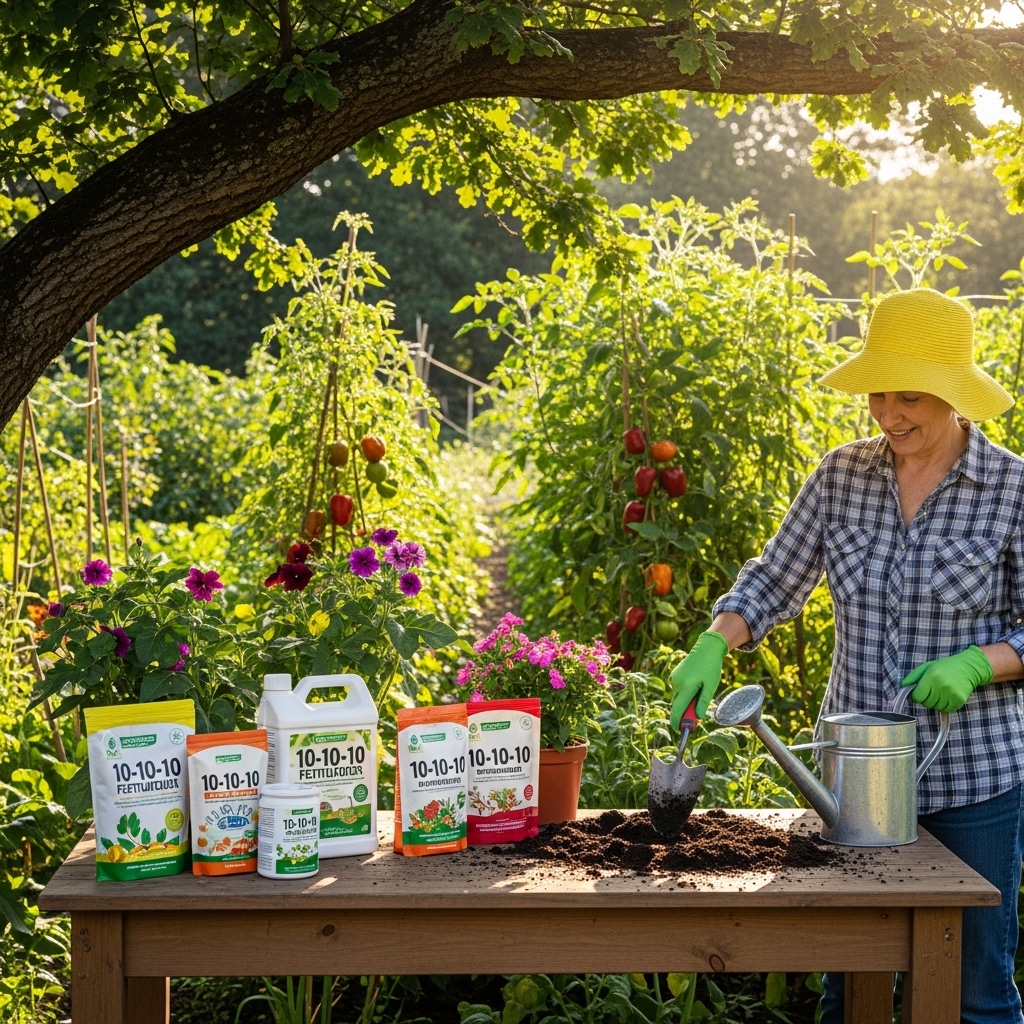
Choosing the right 10-10-10 fertilizer in 2026 requires understanding formulation types, brand reputation, and application methods. Here are six top products, each suited for different gardening needs, with key features, benefits, and suitability analysis.
1. Southern Ag All Purpose Granular 10-10-10
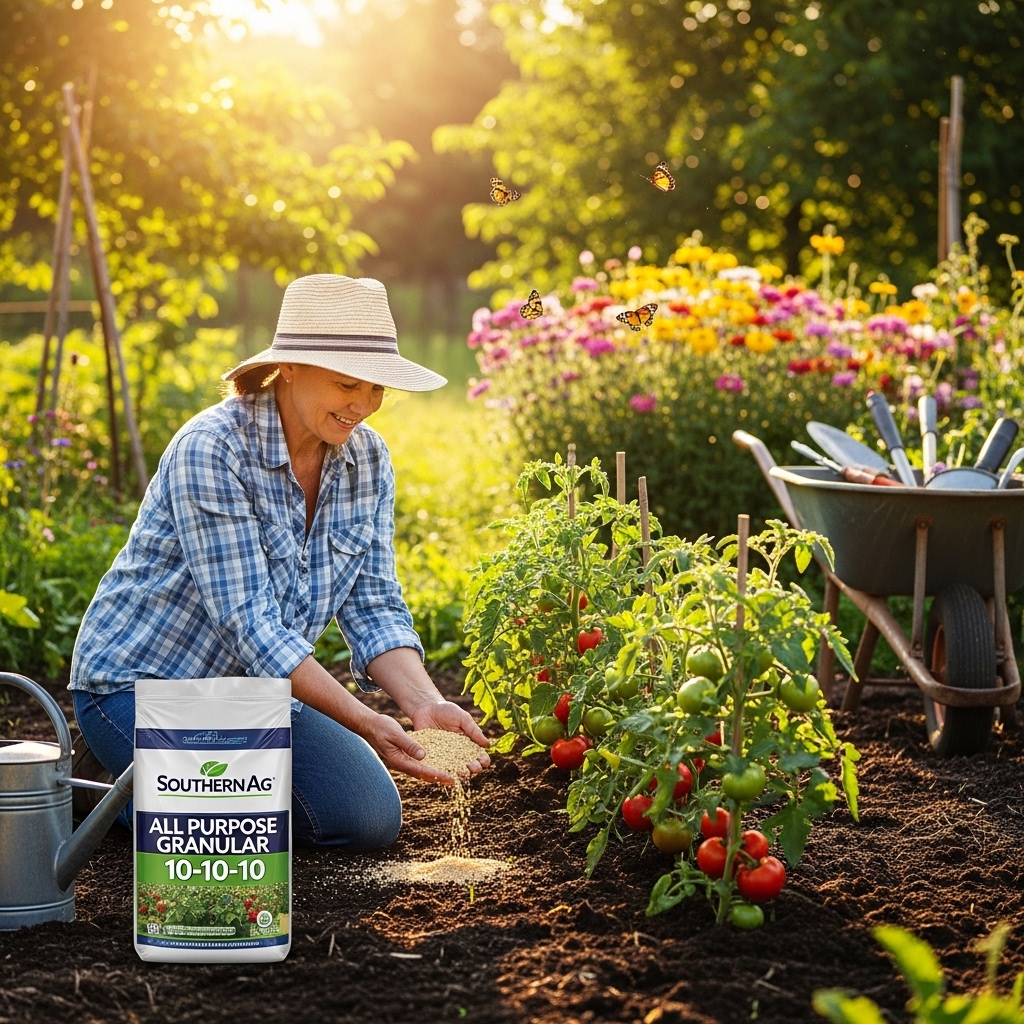
Southern Ag’s granular formula is renowned for its versatility and reliable release. It provides balanced NPK nutrients, supporting a wide range of plants from lawns to vegetable gardens.
- Formulation: Granular, slow-release with uniform nutrient distribution.
- Application: Broadcast and incorporate into soil for long-lasting feeding, approximately every 6-8 weeks.
- Cost: Moderate, offering good value for large garden areas.
- Suitability: Ideal for lawns, flower beds, and vegetable plots.0
- Unique Features: Fine granules ensure even coverage; suitable for both new and established plants.
Boost your garden’s growth with Southern Ag All Purpose Granular 10-10-10 — Shop on Amazon!
2. GreenView Multi-Purpose 10-10-10 Granular Fertilizer
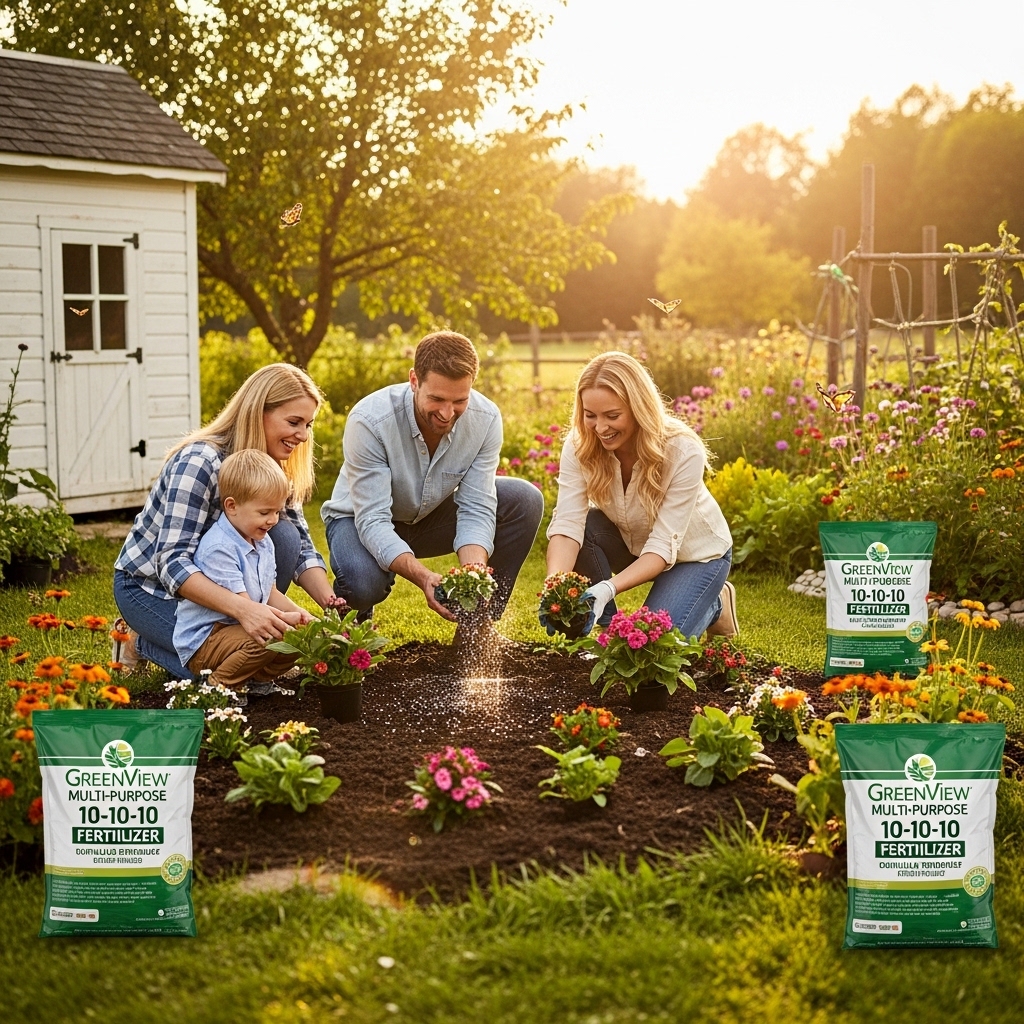
GreenView’s 10-10-10 fertilizer emphasizes environmental safety alongside performance. It’s formulated for ease of use and consistent results.
- Formulation: Granular, slow-release with added micronutrients.
- Application: Suitable for broadcast spreading or using a spreader for larger areas.
- Cost: Slightly higher, reflecting organic-enhanced formulations.
- Suitability: Perfect for vegetable gardens, flower beds, and turf.
- Unique Features: Enriched with micronutrients like zinc and manganese, vital for plant health.
GreenView Multi-Purpose 10-10-10 Granular Fertilizer
3. Espoma 10-10-10 Garden Food (Organic options)
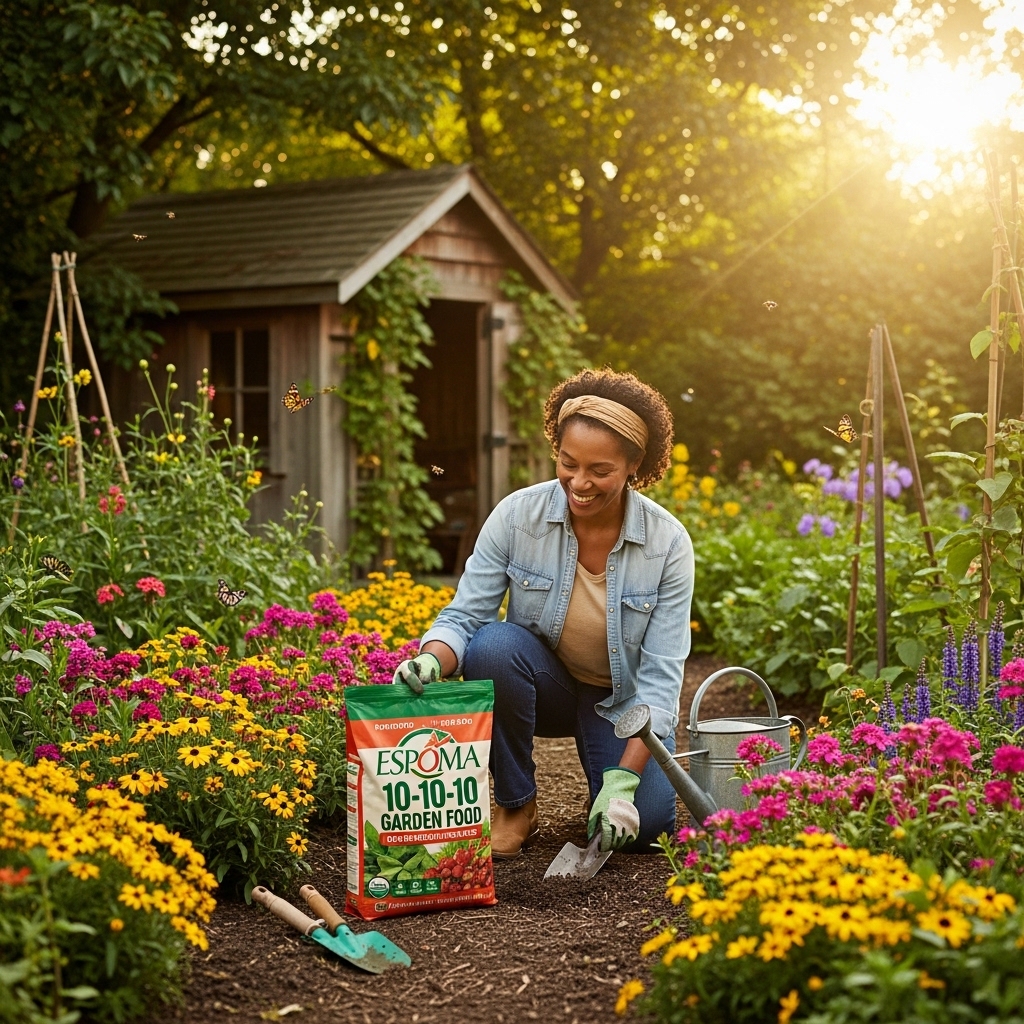
Espoma’s organic 10-10-10 garden food blends natural ingredients and beneficial microbes for sustainable gardening.
- Formulation: Organic, with natural sources of nitrogen, phosphorus, and potassium.
- Application: Top-dress or mix into soil; works well for organic gardens.
- Cost: Premium, but offers eco-friendly benefits.
- Suitability: Best for organic vegetable gardening, flower beds, and container plants.
- Unique Features: Certified organic, includes beneficial microbes to enhance soil vitality.
Espoma 10-10-10 Garden Food
Comparative Table: Key Specs & Recommendations
| Product | Formulation | Application Method | Cost | Best For | Unique Feature |
|---|---|---|---|---|---|
| Southern Ag All Purpose Granular | Slow-release, granular | Broadcast, incorporate | Moderate | Lawns, vegetable gardens | Even nutrient distribution |
| GreenView Multi-Purpose Granular | Slow-release, granular | Spread with spreader | Slightly high | Flower beds, turf, vegetables | Enriched with micronutrients |
| Espoma Organic Garden Food | Organic, microbial | Top-dress, blend into soil | Premium | Organic vegetable gardens | Certified organic with microbes |
Scenario-Based Recommendations
- Lawn care: Southern Ag offers steady, long-term feeding with minimal risk of over-fertilization.
- Vegetable gardens: GreenView’s micronutrient enrichment supports high yields and plant resilience.
- Organic gardening: Espoma’s certification ensures compliance with organic standards and soil health.
Decision Checklist for 2026
- Garden size: Larger gardens benefit from granular slow-release products like Southern Ag.
- Plant type: Vegetables needing micronutrients perform well with GreenView or Espoma.
- Application frequency: Slow-release formulations reduce labor, ideal for busy gardeners.
- Environmental considerations: Organic options like Espoma minimize runoff and support sustainable practices.
This comparison helps gardeners match fertilizers to their specific needs, ensuring optimal growth and soil health in 2026.
How to choose the right 10-10-10 fertilizer for your garden
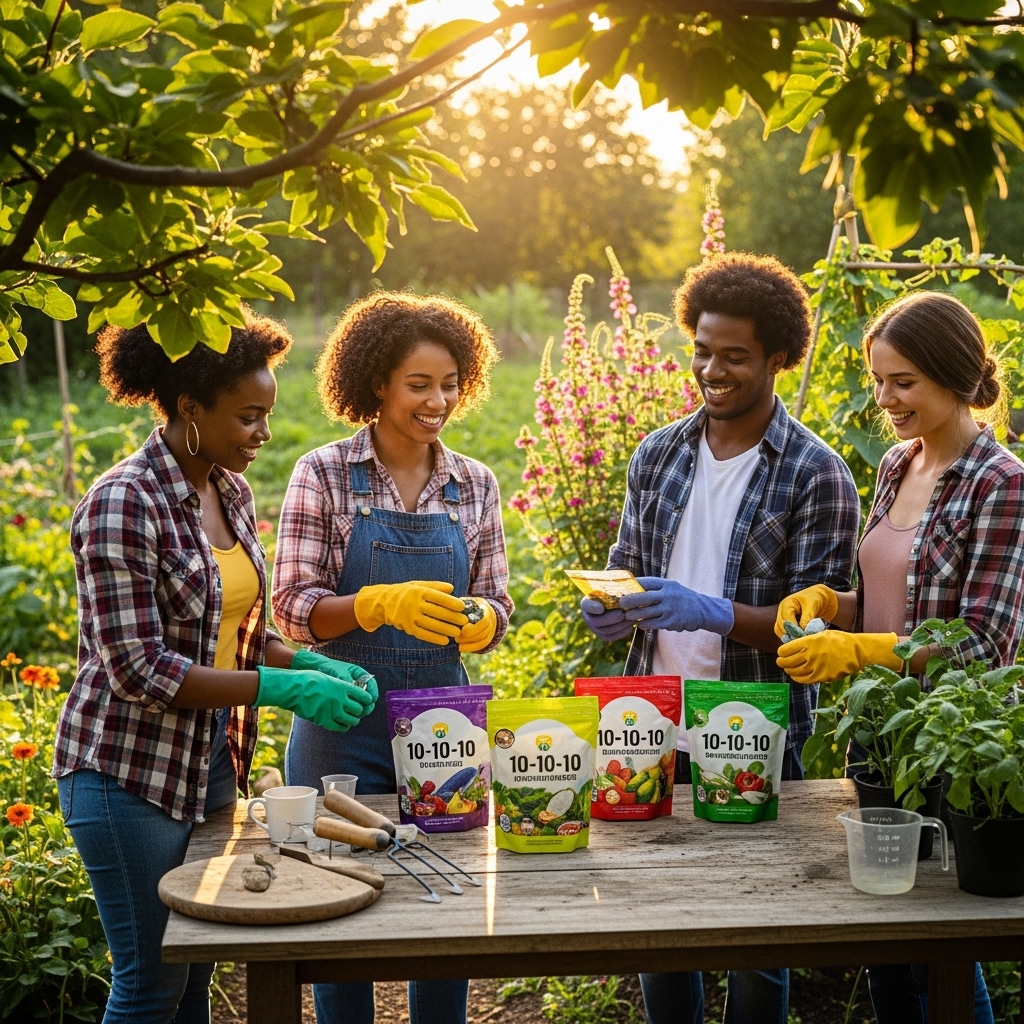
Selecting the optimal 10-10-10 fertilizer depends on your garden’s unique conditions. Consider soil health, plant needs, garden size, application method, and environmental impact to make an informed choice. Use this decision framework to align product features with your specific garden requirements.
Assessing soil health and nutrient deficiencies
Start with a soil test to identify deficiencies and pH imbalances. Balanced nutrients like 10-10-10 work best in loamy soils that retain nutrients well. Sandy soils drain quickly and may require more frequent applications, while clay soils hold nutrients longer but risk runoff. Conducting a soil test reveals nutrient gaps, ensuring you select a fertilizer that complements your soil’s current state. For example, if your soil lacks potassium, choose a formulation with a slight potassium variation or supplement accordingly.
Matching fertilizer formulation to plant types
Different plants have distinct nutritional needs. Vegetables often require higher nitrogen during leafy growth, while flowering plants benefit from balanced nutrients for blooms. For instance, tomatoes thrive with a steady supply of nitrogen and phosphorus, which 10-10-10 provides. Conversely, root vegetables like carrots prefer a balanced formulation to promote healthy roots. Use a decision matrix:
| Plant Type | Preferred Fertilizer Focus | Recommended Application Frequency |
|---|---|---|
| Vegetables | Nitrogen for foliage, balanced overall | Every 4-6 weeks during active growth |
| Ornamentals | Balanced nutrients for blooms and foliage | Every 6-8 weeks, adjust based on growth stage |
| Lawns | Uniform nutrient supply | Every 6-8 weeks, especially in growing season |
Application methods: granular, liquid, slow-release, organic
Choose an application method suited to your garden size and maintenance style.
- Granular fertilizers provide slow-release nutrients, ideal for large gardens. Spread evenly and incorporate into soil for extended feeding.
- Liquid fertilizers act quickly, perfect for small or intensive gardens. Apply bi-weekly for rapid nutrient uptake.
- Slow-release formulations reduce labor and minimize over-fertilization, supporting steady growth over several weeks.
- Organic options adhere to eco-friendly standards and minimize runoff risks. They often require more frequent application but enhance long-term soil health.
Decision matrix for product selection
Use the following framework to match your garden conditions with suitable 10-10-10 fertilizers:
| Soil Type | Garden Size | Plant Type | Preferred Application | Environmental Priority |
|---|---|---|---|---|
| Sandy | Small to Medium | Vegetables & Herbs | Liquid or organic | Organic, slow-release options preferred |
| Loamy | Large or Medium | All plant types | Granular or slow-release | Balance of efficiency and sustainability |
| Clay | Small to Medium | Ornamentals, Lawns | Slow-release, organic | Minimize runoff, enhance soil structure |
Example Scenario
A homeowner with a medium-sized vegetable garden on loamy soil prefers organic fertilization. They choose a slow-release organic 10-10-10 fertilizer to ensure steady nutrition without frequent application. This approach supports healthy plant growth while maintaining soil vitality for future seasons.
Application techniques and timing for maximum results in 2026
Effective application of 10-10-10 fertilizers depends on timing, method, and frequency. Properly scheduling and executing fertilization maximizes nutrient uptake and promotes healthy plant growth throughout the season.
When to apply 10-10-10 fertilizer during the growing season
- Spring: Apply early to support initial growth and root development. For newly planted seedlings, a light dose at planting jumpstarts establishment.
- Summer: Reapply during peak growth phases. For vigorous plants, a mid-season boost maintains vitality.
- Fall: Light applications prepare plants for dormancy and improve soil health for the next cycle.
Timing should align with plant developmental stages and local climate conditions. For example, in cooler climates, delay fertilization until soil warms in spring. In warmer regions, early spring applications can be more aggressive.
Best practices for application methods
- Broadcasting: Distribute granular fertilizer evenly around the base of plants. Incorporate into the soil for better nutrient contact and reduced runoff.
- Water-In (Irrigation): Dissolve soluble 10-10-10 fertilizers in water. Apply through irrigation systems or as a foliar spray for quick nutrient delivery.
- Foliar Feeding: Spray diluted fertilizer directly onto leaves. Ideal for quick correction of deficiencies but should complement, not replace, soil applications.
Frequency and seasonal strategies
| Season | Application Frequency | Method | Notes |
|---|---|---|---|
| Spring | Once or twice | Granular or liquid | Early application supports vigorous growth |
| Summer | Every 4-6 weeks | Water-in or granular | Maintains nutrient availability during active growth |
| Fall | Once, light dose | Granular | Prepares plants for dormancy and enhances soil health |
Example scenario for different climates
A gardener in a temperate zone with a vegetable garden might:
- Apply a granular 10-10-10 fertilizer at planting in early spring.
- Reapply every 6 weeks during peak summer.
- Use a light fall application to prepare soil for winter.
In contrast, a gardener in a hot, arid climate may:
- Use liquid fertilizer bi-weekly during the hottest months.
- Focus on watering-in applications to prevent nutrient runoff and minimize soil erosion.
Decision checklist for application timing and methods
- Is the plant in its active growth stage? If yes, proceed with fertilization.
- Is the soil moist? Apply fertilizer when soil moisture is optimal to reduce root stress.
- Do you prefer slow-release or fast-acting fertilizers? Choose granular for slow release, liquid for quick response.
- Are you applying to a small, intensive garden or a large landscape? Use foliar or water-in methods for small gardens; broadcasting for large areas.
Visual planning tool
Consider creating a seasonal application calendar tailored to your climate and plant types. An interactive template can help schedule fertilization, ensuring timely and appropriate feeding. For example, in a Mediterranean climate, plan for early spring and late summer applications with adjustments based on weather patterns.
This structured approach ensures consistent nutrient availability, optimizes plant health, and minimizes environmental impact through precise timing and suitable application methods.
Addressing common issues and misconceptions with 10-10-10 fertilizers
Using 10-10-10 fertilizers correctly is essential for optimal plant health and soil balance. Many gardeners encounter problems due to misapplication, overuse, or neglecting soil conditions. Implementing troubleshooting strategies and long-term soil management practices prevents nutrient imbalances and supports sustainable gardening.
Common mistakes and how to avoid them
- Over-application: Applying too much fertilizer can lead to nutrient burn, root damage, and environmental runoff. Always follow manufacturer guidelines and base your application rates on soil test results.
- Misapplication methods: Broadcasting granules on dry soil without watering can cause fertilizer salts to concentrate around roots, risking plant damage. Water thoroughly after applying granular fertilizers to activate nutrients.
- Ignoring soil conditions: Failing to assess soil pH and existing nutrient levels leads to imbalances. Conduct regular soil tests to tailor fertilizer application to your garden’s specific needs.
- Applying at incorrect times: Fertilizers applied during dormancy or extreme weather can be ineffective or harmful. Use early spring or post-harvest periods when plants actively grow.
Troubleshooting tips and safety precautions
- Identify deficiencies or excesses: Yellowing leaves or stunted growth may signal nutrient deficiencies. Over-fertilization often causes leaf burn or unusually lush but weak growth. Use a simple diagnostic flowchart to interpret symptoms.
- Adjust application rates: Reduce or skip fertilization if signs of over-fertilization appear. Reassess soil conditions before resuming.
- Use proper equipment: Always wear gloves and avoid inhaling dust when handling granular fertilizers. Store fertilizers safely out of reach of children and pets.
- Water management: Incorporate deep watering to prevent fertilizer salt buildup and support nutrient uptake. Avoid excessive watering immediately after fertilization.
Long-term soil management strategies
- Regular soil testing: Schedule tests at least once per season. Use results to develop a customized fertilization plan, especially when managing organic versus synthetic fertilizers.
- Build soil health: Incorporate organic matter like compost to improve nutrient retention and microbial activity. This reduces dependency on chemical fertilizers over time.
- Implement crop rotation and cover cropping: These practices replenish soil nutrients naturally and prevent imbalances.
- Monitor soil pH: Maintain a balanced pH (around 6.0–7.0) to maximize nutrient availability. Adjust with lime or sulfur as needed.
Example: Correcting a nutrient imbalance
Suppose your garden shows signs of nitrogen deficiency—yellowing older leaves and slow growth. Check your fertilizer application history. If overused, flush the soil with water and reduce future applications. Supplement with organic compost rich in nitrogen. Test soil pH and adjust if necessary. Over multiple seasons, this approach restores balance and improves long-term soil vitality.
Final recommendations and future trends for 10-10-10 fertilizers in 2026
As gardeners plan for 2026, embracing sustainable, innovative, and smart fertilization strategies will be key. Future-focused approaches will balance productivity with environmental responsibility, ensuring long-term garden health.
Embrace eco-friendly and smart fertilizer options
- Biodegradable formulations: Look for 10-10-10 fertilizers in plant-based, biodegradable packaging to reduce plastic waste. Several brands are pioneering such sustainable options.
- Smart application tools: Utilize digital soil testing kits and app-based guidance to determine precise application rates. These tools enable tailored fertilization, minimizing excess runoff and nutrient imbalance.
- Incorporate beneficial microbes: Select products that include mycorrhizal fungi or other microbes. These enhance soil structure, increase nutrient uptake, and promote resilience.
Integrate soil health and fertilization strategies
- Long-term soil management: Combine 10-10-10 fertilizers with crop rotation, cover cropping, and composting. These practices naturally replenish nutrients and improve soil biodiversity.
- Soil testing and customization: Regular testing helps identify micronutrient deficiencies and pH imbalances. Use this data to select fertilizers that address specific soil needs, avoiding over-fertilization.
- Scenario-based planning: For example, a vegetable garden with loamy soil may require different application timing than a sandy flower bed. Adjust fertilization based on plant type, soil condition, and growth stage.
Strategic long-term planning
- Prioritize sustainability: Choose formulations that incorporate natural ingredients and reduce environmental impact. Brands offering biodegradable packaging and microbe-enhanced fertilizers will lead the market.
- Balance productivity and ecology: Use decision frameworks that consider garden size, plant needs, and environmental impact. This approach helps optimize yields while safeguarding ecosystems.
- Stay informed on innovations: Emerging trends include slow-release fertilizers, organic blends, and integrated soil management systems. These innovations support resilient, sustainable gardens.
Example decision rule:
- For a small organic vegetable plot with acidic soil, select a 10-10-10 fertilizer with micronutrients and microbial inoculants, applied in split doses aligned with plant growth stages. Pair with soil amendments based on test results.
- For large, low-maintenance lawns, opt for slow-release, biodegradable formulations with integrated soil health solutions, reducing frequency and environmental impact.
By adopting these strategies, gardeners can future-proof their practices, ensuring vibrant, healthy gardens that align with sustainable principles in 2026 and beyond.
Frequently Asked Questions
These quick answers cover the most common questions about this topic, including key details, practical tips, and common concerns.
What is 10-10-10 fertilizer best for?
A 10-10-10 fertilizer provides a balanced mix of nitrogen, phosphorus, and potassium, making it suitable for a wide range of plants. It supports overall growth, root development, flowering, and fruiting. It is especially useful for establishing new gardens, lawns, and general-purpose fertilization.
What type of fertilizer should I use for pothos?
For pothos and other indoor plants, a diluted liquid 10-10-10 fertilizer applied every 4-6 weeks works well. This provides steady nutrients without overfeeding. Organic liquid options are preferred for their gentle, eco-friendly nature.
Which fertilizer is called the king of fertilizer?
The term “king of fertilizer” often refers to synthetic fertilizers with a balanced NPK ratio like 10-10-10. These fertilizers are popular for their quick results and ease of use, especially in large-scale or commercial gardening.
What fertilizer should I use for centipede sod?
Centipede sod benefits from a slow-release 10-10-10 fertilizer applied in early spring and late summer. This promotes healthy root growth and maintains turf vigor without risking over-fertilization. Always water thoroughly after application.
What are the experiences with Expert Gardener Fertilizers, specifically 10-10-10?
Expert Gardener’s 10-10-10 fertilizers are known for their affordability and reliable performance. Users report healthy plant growth, especially when applied according to instructions. They are suitable for lawns, vegetable gardens, and flower beds.
How do I choose the best 10-10-10 fertilizer for 2026?
Consider your garden size, plant types, soil condition, and environmental goals. Organic options support soil health, while synthetic fertilizers deliver quick results. Match formulation type (granular, liquid, slow-release) to your maintenance routine.
Why should I consider organic 10-10-10 fertilizers?
Organic fertilizers improve soil vitality and microbial activity. They release nutrients slowly, reducing runoff and environmental impact. Organic options are ideal for sustainable gardening and long-term soil health.
When is the best time to fertilize with 10-10-10 in 2026?
Apply early in the growing season—spring for most plants. Reapply every 6-8 weeks during active growth. Avoid fertilizing during dormancy or extreme weather to prevent nutrient runoff or plant stress. Adjust timing based on plant needs and climate.