
Cleaning a concrete patio doesn’t have to involve a pressure washer. In fact, there are several effective and budget-friendly methods to restore the look of your outdoor space. Here are seven easy ways to clean your concrete patio without the need for expensive equipment.
Sweep Away Loose Debris
Cleaning starts with the basics. Before diving into deeper cleaning, you need to tackle loose dirt and debris on your concrete patio. This step keeps your patio looking fresh and prevents stains from settling in.
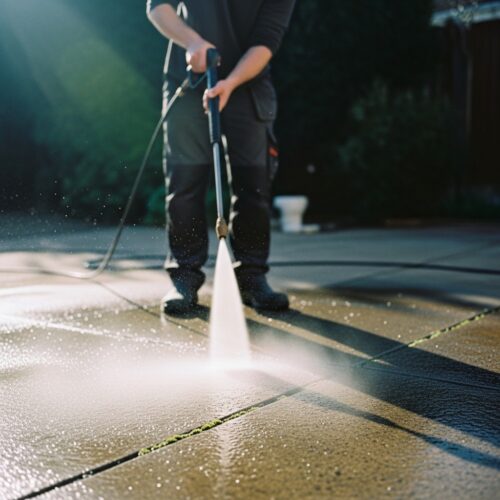
Use a Broom or Leaf Blower Effectively
Sweeping is your first line of defense. A good broom can work wonders. Make sure to sweep in a consistent direction to gather all the dirt. If you have a leaf blower, it’s a great alternative. It saves time and gets the job done without much effort.
Quick Tips for Sweeping:
- Use a broom with stiff bristles for tough debris.
- Sweep regularly, especially after windy days or storms.
- For stubborn bits, a dustpan can help collect the debris easily.
Frequency of Debris Removal
How often should you clean? A quick sweep once a week is ideal. If your patio sees a lot of foot traffic or is near trees, consider sweeping more often. Regular maintenance will keep dirt from becoming a bigger issue.
Table of Contents
Debris Removal Checklist:
- Sweep weekly or bi-weekly.
- Remove leaves and twigs promptly.
- Check for any spills and clean them up right away.
By maintaining a debris-free patio, you set the stage for more thorough cleaning methods later on. Plus, it just looks nicer! If you want to take your cleaning to the next level, a steam mop like the Bissell PowerFresh Steam Mop can help tackle tougher stains after your initial sweep.
Clean with Vinegar Solution
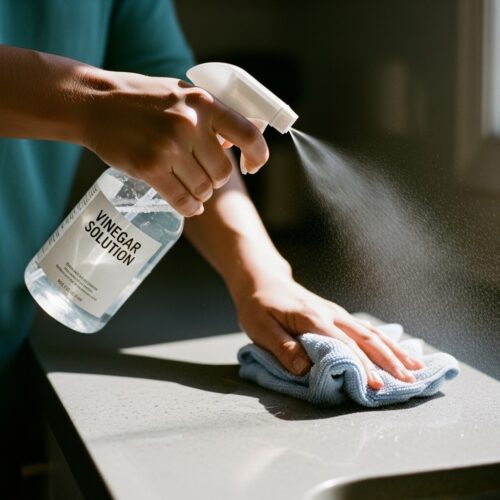
Vinegar is a fantastic, natural cleaner for concrete patios. It’s safe, effective, and super easy to use!
Mixing Vinegar with Water
To create a vinegar cleaning solution, mix one part vinegar with one part water. This 50/50 ratio works wonders on dirt and stains. For tougher stains, you can increase the vinegar concentration to 70%.
- Ingredients:
- 1 cup white vinegar
- 1 cup water
- For stubborn stains: Use 1.5 cups vinegar and 0.5 cups water.
Application Techniques for Stubborn Stains
When it comes to applying the vinegar solution, a few techniques can make a big difference:
1. Spray Bottle: Use a spray bottle for even coverage. Mist the solution over the stained area.
2. Scrub Brush: For tough spots, grab a stiff-bristle brush. Apply the solution, let it sit for about 10 minutes, then scrub.
3. Rinse Well: After scrubbing, rinse the area with water to remove any residue.
Tip: If you’re dealing with oil or grease stains, sprinkle some baking soda over the area after applying vinegar. The reaction will help lift those stubborn marks!
Before-and-After Example
Imagine a concrete patio with dark, greasy stains from a grill. After sweeping and applying the vinegar solution, followed by scrubbing, those stains can fade significantly. You’ll see a clean, bright surface that looks brand new!
Using vinegar is not just effective; it’s also environmentally friendly. So, grab that bottle of vinegar and get to work on your patio!
Utilize Baking Soda for Stains
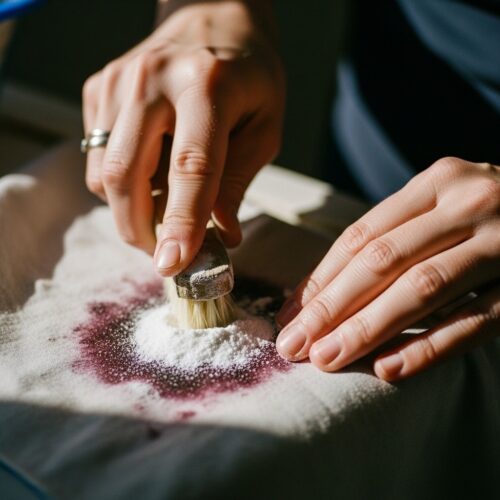
Baking soda is a superstar when it comes to cleaning your concrete patio. It’s a mild abrasive and deodorizer, making it perfect for tackling tough stains without harsh chemicals.
Creating a Baking Soda Paste
To make a baking soda paste, mix about 1 cup of baking soda with a few tablespoons of water. Aim for a thick consistency, like toothpaste. This paste works wonders on stubborn stains.
1. Mix: Combine 1 cup of baking soda with enough water to form a paste.
2. Apply: Spread the paste over the stained areas.
3. Let it Sit: Allow it to sit for about 15-20 minutes. This gives it time to break down dirt and grime.
4. Scrub: Use a scrub brush for extra power. The mild abrasiveness of the baking soda helps lift the stains.
Scrubbing Techniques for Effective Cleaning
When it comes to scrubbing, technique matters. Here’s how to get the best results:
- Use a Stiff Brush: A stiff-bristled brush works best. It’s effective for scrubbing without damaging the concrete.
- Circular Motion: Scrub in a circular motion. This helps lift stains more efficiently.
- Rinse Well: After scrubbing, rinse the area thoroughly with water. This removes any baking soda residue.
Common Baking Soda Applications
Baking soda is versatile and can handle various stains. Here’s what it can tackle:
- Oil Stains: Apply the paste and scrub well. The baking soda absorbs the oil.
- Rust Marks: Use a bit of vinegar with the baking soda for extra rust-fighting power.
- Mold and Mildew: The paste can help eliminate these pesky growths.
Before-and-After Example
Imagine a concrete patio with stubborn grease stains from a barbecue. After applying the baking soda paste and scrubbing, those dark spots can fade away, leaving a clean, bright surface. It’s like a mini-makeover for your patio!
For those who want a little extra help, consider using tools like the Bissell PowerFresh Steam Mop for deeper cleaning.
Apply Bleach for Tough Stains
Bleach can work wonders on tough mold and mildew stains. But it’s crucial to use it safely and wisely. Here’s how to do it right.
Dilution Ratios and Safe Application
When using bleach, dilution is key. A common ratio is 1 part bleach to 10 parts water. This mixture is effective yet less harsh. Here’s how to apply it:
1. Mix the solution in a spray bottle.
2. Spray it evenly over the stained area.
3. Let it sit for about 10 minutes.
4. Scrub with a deck brush or stiff broom.
This method can lift those stubborn stains without too much elbow grease. Just be sure to rinse the area thoroughly afterward with a hose to wash away any residue.
Precautions to Take When Using Bleach
Bleach is powerful but can be hazardous. Here are some important precautions:
- Protect Yourself: Always wear gloves and goggles. Bleach can irritate your skin and eyes.
- Ventilation is Key: Make sure the area is well-ventilated. Bleach fumes can be strong.
- Keep Pets and Kids Away: Ensure that children and pets are not nearby while you work.
- Avoid Mixing Chemicals: Never mix bleach with ammonia. This creates toxic fumes that are dangerous to breathe.
Example Scenario
Imagine you have a concrete patio that’s seen better days. After a rainy season, mold has taken over one side. You mix bleach with water as described and spray it on. After 10 minutes, you scrub and rinse. The difference is night and day! The mold is gone, and your patio looks fresh again. Just remember: safety first, and you’ll be on your way to a sparkling clean patio.
Muriatic Acid for Heavy-Duty Cleaning
Muriatic acid is a powerful cleaning agent for heavily stained concrete. It’s effective but requires careful handling. Let’s dive into how to use it safely and effectively.
Preparation and Safety Gear
Before you start, gather the right safety gear. Muriatic acid can be harsh. Here’s what you’ll need:
- Gloves: Heavy-duty rubber gloves to protect your hands.
- Goggles: Safety goggles to shield your eyes from splashes.
- Mask: A mask to avoid inhaling harmful fumes.
- Ventilation: Ensure the area is well-ventilated. Open windows or doors if possible.
Remember, safety first! Always work in a safe environment.
How to Apply Muriatic Acid Safely
Using muriatic acid can be straightforward when done right. Follow these steps for effective cleaning:
1. Dilute the Acid: Mix one part muriatic acid with ten parts water. Always add acid to water, not the other way around.
2. Test a Small Area: Before applying it to the entire patio, test a small, hidden section. This helps you see how the concrete reacts.
3. Apply the Solution: Use a plastic sprayer or a brush to apply the diluted solution. Work in sections for even coverage.
4. Scrub Heavily Stained Areas: For tough stains, use a stiff-bristle brush to scrub the area while the solution sits for about 10 minutes.
5. Rinse Thoroughly: After scrubbing, rinse the area with plenty of water. Make sure all acid residues are washed away.
6. Dispose of Leftover Solution Properly: Follow local guidelines for disposing of any leftover solution.
Example Scenario
Imagine your patio has stubborn rust stains. You mix up your muriatic acid solution and apply it to the rust spots. After scrubbing and rinsing, the stains vanish, revealing your patio’s original color. Just remember to wear your safety gear and take precautions!
Using muriatic acid can restore your concrete patio’s shine. Just be mindful of safety and follow the steps carefully!
Trisodium Phosphate (TSP) Cleaning Method
Trisodium phosphate, or TSP, is a fantastic cleaner for concrete patios. It’s tough on grease and grime but gentle on the environment. Let’s dive into how to use TSP effectively!
Creating a TSP Cleaning Solution
Making a TSP cleaning solution is simple. Here’s how:
1. Gather Your Supplies: You’ll need TSP, warm water, a bucket, and a scrubbing brush.
2. Mix the Solution: Combine about 1 cup of TSP with 1 gallon of warm water in your bucket. Stir until it’s fully dissolved.
3. Prep Your Patio: Sweep away loose dirt and debris. This helps the TSP work its magic.
Effective Scrubbing Techniques with TSP
Once your solution is ready, it’s time to scrub! Here are some tips:
- Apply Generously: Pour the TSP solution over the stained areas.
- Scrub with Purpose: Use a nylon or stiff-bristle brush. Scrub in circular motions to lift stains effectively.
- Rinse Well: After scrubbing, rinse the area thoroughly with a hose. Make sure all the cleaning solution is washed away.
Comparison with Other Cleaning Agents
TSP stands out among other cleaners. Here’s a quick comparison:
| Cleaning Agent | Effectiveness | Best Use Cases |
|---|---|---|
| TSP | Excellent for grease and tough stains | Heavy-duty cleaning of patios |
| Vinegar | Good for light stains and odors | Everyday cleaning |
| Baking Soda | Mild abrasive, great for oil stains | General stain removal |
| Bleach | Effective for mold and mildew | Disinfecting surfaces |
| Muriatic Acid | Strong, but requires caution | Heavy rust stains |
Use TSP when you have tough stains that need extra power. It’s an effective choice for keeping your concrete patio looking fresh and clean!
Regular Maintenance Tips for Long-lasting Cleanliness
Keeping your concrete patio clean is all about consistent care. Regular maintenance helps prevent dirt and stains from building up. Here are some practical tips to keep your patio looking great.
Seasonal Cleaning Recommendations
Different seasons bring different challenges. Here’s a simple checklist to help you stay on top of your patio maintenance throughout the year:
- Spring:
- Sweep away debris and leaves.
- Inspect for any cracks and repair them.
- Use vinegar or baking soda to tackle light stains.
- Summer:
- Clean any spills immediately to prevent stains.
- Use a scrub brush with TSP for heavier grime.
- Rinse well to avoid residue.
- Fall:
- Sweep leaves and debris regularly.
- Consider a deeper clean with bleach for mold prevention.
- Dry the patio completely to avoid moisture buildup.
- Winter:
- Clear snow and ice promptly to prevent freeze-thaw damage.
- Check for any signs of wear or damage from the cold.
- If necessary, use muriatic acid for heavy rust stains.
Long-term Care and Prevention Strategies
Maintaining your concrete patio isn’t just about cleaning. Here are some strategies for long-term care:
- Routine Sweeping:
- Sweep at least once a week to remove dirt and prevent buildup.
- Stain Treatment:
- Treat stains as soon as they happen with the appropriate cleaner (like vinegar for light stains or TSP for tough ones).
- Furniture Placement:
- Avoid placing heavy furniture on the patio for long periods. This prevents unwanted marks and indentations.
- Weatherproofing:
- Consider sealing your concrete once a year. A good sealant protects against stains and moisture.
By following these tips, you’ll keep your concrete patio in excellent shape. Regular upkeep makes cleaning easier and extends the life of your patio.
Frequently Asked Questions
These quick answers cover the most common questions about this topic, including key details, practical tips, and common concerns.
What is the best thing to clean a concrete patio with?
The best cleaning agents depend on the type of stain or dirt. For general cleaning, a vinegar solution or baking soda paste works well and is environmentally friendly. For tougher stains like mold or mildew, diluted bleach is effective but should be used cautiously. For heavy grime or grease, trisodium phosphate (TSP) or muriatic acid can be used with proper safety precautions.
How to bring old concrete back to life?
To restore old concrete, start with a thorough cleaning using vinegar, baking soda, or TSP to remove surface stains and dirt. For heavily stained or weathered concrete, consider using muriatic acid carefully to brighten the surface. Sealing the concrete afterward helps protect it from future stains and weather damage, giving it a fresh, renewed appearance.
Does Dawn dish soap clean a concrete patio?
Dawn dish soap can be used for light cleaning tasks on a concrete patio. It works well to remove dirt and mild stains when mixed with water. However, for tougher stains like mold, grease, or rust, stronger agents like bleach, TSP, or vinegar are more effective.
What stains concrete permanently outdoors?
Certain stains, such as rust or deep oil marks, can become permanent if not treated promptly. Mold and mildew stains can also set in if ignored. To prevent permanent staining, clean spills immediately and use appropriate cleaning agents suited for the specific stain type.
Can I use vinegar on colored concrete?
Vinegar is safe for most concrete surfaces, including colored concrete, when used in moderation. However, because vinegar is acidic, prolonged or concentrated use might dull or discolor the color. Always test a small area first and rinse thoroughly afterward.
When should I clean my concrete patio?
Regular maintenance should be done weekly through sweeping to remove debris. Deep cleaning with natural solutions like vinegar or baking soda can be scheduled monthly or seasonally, especially after heavy use, storms, or if stains appear. Spring and fall are good times for thorough cleanings.
What are the risks of using muriatic acid?
Muriatic acid is highly corrosive and can cause burns or respiratory issues if mishandled. It can also damage surrounding vegetation if not used carefully. Always wear protective gear, dilute properly, and rinse thoroughly after use. Use in well-ventilated areas and keep children and pets away.
Are there eco-friendly concrete cleaners?
Yes, solutions like vinegar, baking soda, and TSP are environmentally friendly options. They are effective for routine cleaning and less harmful to the environment compared to harsh chemicals like bleach or muriatic acid. Regular use of these cleaners helps maintain your patio while minimizing ecological impact.