
A muddy yard can quickly become a nuisance, making outdoor activities impossible and allowing pests to thrive. Fortunately, there are effective strategies to dry up your muddy yard. This guide will explore eight actionable methods to restore your outdoor space.
Understand the Causes of a Muddy Yard
A muddy yard usually doesn’t happen by chance. It results from several common issues. Knowing these causes can help you tackle the problem effectively.
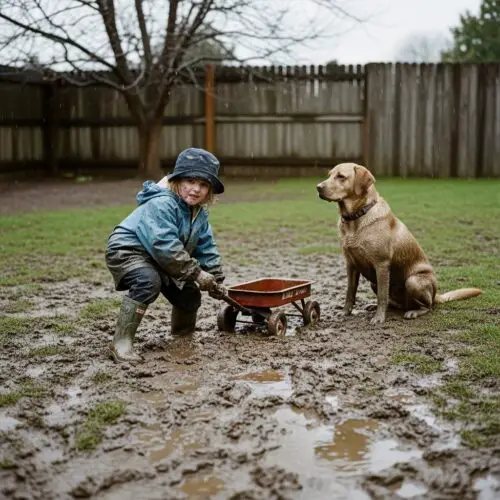
Common causes of muddy yards
1. Poor Drainage: This is the most significant culprit. If water can’t escape properly, it will pool in your yard. This often occurs due to clogged drains or improper landscaping.
2. Compacted Soil: When soil gets packed down, it loses its ability to absorb water. This can happen from foot traffic or heavy equipment. The result? Water sits on the surface instead of soaking in.
3. Excessive Watering: Overwatering your lawn can lead to soggy conditions. This is particularly true if your yard already struggles with drainage.
4. Heavy Clay Soil: Clay retains water more than sandy or loamy soils. If your yard has a lot of clay, it can become muddy quickly.
5. Natural Causes: Sometimes, it’s just Mother Nature. Heavy rains or flooding can overwhelm your yard’s capacity to drain.
Table of Contents
Impact of poor drainage
Poor drainage creates a cascade of issues. It leads to:
- Mold Growth: The persistent moisture invites mold and mildew.
- Pests: Standing water attracts mosquitoes and other unwanted critters.
- Lawn Damage: Grass can suffocate, leading to bare patches.
Role of soil composition
Soil plays a crucial role in drainage. Here’s how:
- Clay vs. Sandy Soil: Clay retains water while sandy soil allows it to drain quickly.
- Amendments: Adding organic matter can improve soil structure, enhancing drainage.
Quick Comparison of Soil Types:
| Soil Type | Water Retention | Drainage Speed |
|---|---|---|
| Clay | High | Slow |
| Loamy | Moderate | Moderate |
| Sandy | Low | Fast |
Understanding these causes helps you choose the right solution. For example, if compacted soil is your issue, aeration might be the best first step. On the other hand, a French drain could be ideal for poor drainage.
Don’t forget, using absorbent materials like kitty litter or straw can provide quick relief in muddy spots. And for landscaping that supports drainage, consider options like Decomposed Granite for landscaping drainage solutions to enhance your yard’s ability to manage water. Check Price on Amazon.
Install a French Drain for Effective Water Management
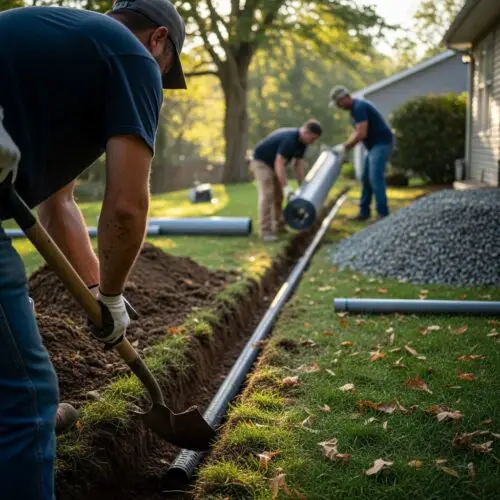
A French drain is a fantastic solution for drying up a muddy yard. It helps redirect water away from problem areas, keeping your lawn drier and healthier. Let’s dive into how to install one step-by-step!
Materials Needed for Installation
Before you start, gather your materials. Here’s what you’ll need:
- Perforated drain pipe: This is the heart of your French drain.
- Gravel: Coarse gravel for backfilling.
- Landscape fabric: Helps keep soil out of the gravel.
- Shovel: For digging the trench.
- Level: To ensure proper slope.
- Measuring tape: For accurate trench dimensions.
Steps to Install a French Drain
1. Choose the Location: Find the lowest point in your yard where water tends to pool. This is where your drain should lead.
2. Dig the Trench:
- Dig a trench about 6 inches wide and 18-24 inches deep.
- Make sure it slopes away from your house at a rate of about 1% (1 inch drop for every 10 feet).
3. Add Gravel:
- Pour a layer of gravel (about 2 inches) at the bottom of the trench.
- This helps with drainage right from the start.
4. Place the Pipe:
- Lay the perforated pipe on top of the gravel.
- Ensure the holes in the pipe are facing downwards to allow water to enter.
5. Cover with Fabric:
- Place landscape fabric over the pipe. This prevents soil from clogging the drain.
6. Backfill with Gravel:
- Add more gravel until it’s about 3 inches above the pipe.
- Then, cover the remaining trench with soil.
7. Finish Up:
- Make sure everything is compacted well.
- You can even add sod or grass seed on top for a tidy finish.
Benefits of Using a French Drain
- Effective Water Redirection: It channels water away from your lawn, preventing puddles and mud.
- Long-lasting Solution: Once installed, it requires little maintenance.
- Improves Yard Health: A drier yard means healthier grass and plants.
- Increase Property Value: Proper drainage can enhance your home’s curb appeal.
Installing a French drain can be a game changer for a muddy yard. With some effort, you can enjoy a much drier and more functional outdoor space!
Correct Your Yard’s Drainage System
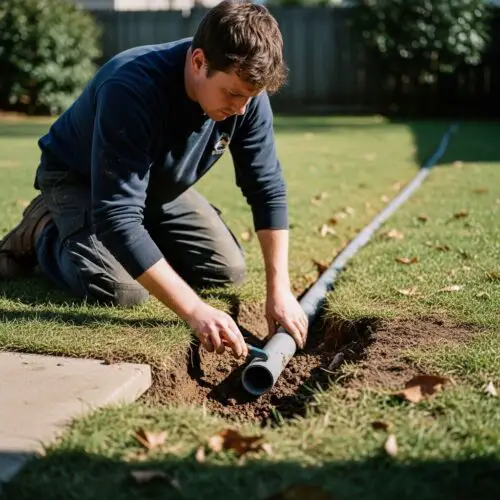
Improving your yard’s drainage can make a huge difference. Let’s dive into how to evaluate and enhance your current setup.
Evaluating Your Current Drainage
Start by assessing how water moves in your yard. Look for areas where water pools after rain. Check if your downspouts direct water away from your foundation. Here’s a quick checklist to evaluate your drainage system:
- Downspout Position: Are they at least six feet from your foundation?
- Blocked Drains: Are any drains clogged or obstructed?
- Soil Saturation: Is your soil consistently muddy?
- Surface Grading: Does your yard slope away from your home?
Proper Grading Techniques
Grading is about shaping your yard to promote proper water flow. A well-graded yard will encourage runoff instead of pooling. Follow these steps for effective grading:
1. Identify Low Spots: Mark areas where water collects.
2. Create a Slope: Aim for a slight slope of at least 2% away from your home.
3. Use Soil: Fill low spots with soil to level them out.
4. Test It: After grading, check how water flows during the next rain.
If you’re looking for a durable and effective solution for landscaping drainage, consider using decomposed granite. It helps with drainage while adding a clean look to your yard. Check Price on Amazon.
Maintaining Effective Runoff
Once you’ve improved grading, it’s crucial to maintain it. Regular checks can prevent future issues. Here are a few tips:
- Clear Debris: Keep drains and downspouts free of leaves and dirt.
- Inspect After Rain: Look for any new pooling areas.
- Reassess Soil: Aerate your soil every few years to improve drainage.
By taking these steps, you can ensure your yard stays dry and usable, making it a much more enjoyable space.
Use Absorbent Materials Like Kitty Litter and Straw
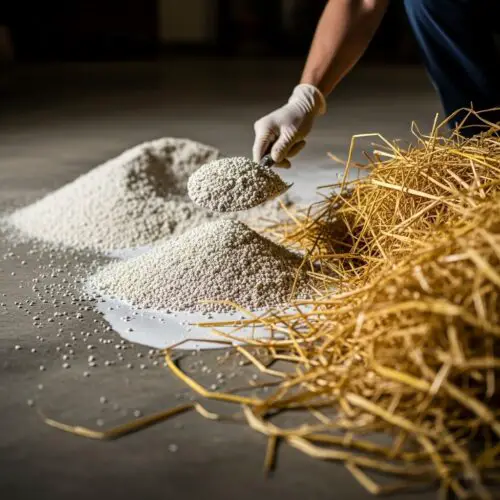
Absorbent materials can be a quick solution for drying up muddy areas in your yard. They soak up excess water, making the ground more manageable. Let’s dive into two popular options: kitty litter and straw.
How Kitty Litter Absorbs Water
Kitty litter is designed to clump and absorb moisture. It’s a handy choice for small muddy patches. Here’s how to use it effectively:
1. Spread the Litter: Evenly distribute the kitty litter over the muddy area.
2. Let It Sit: Allow it to absorb water for at least a day. This gives it time to work its magic.
3. Clean Up: Once the litter has clumped the mud, scoop it up with a shovel.
Pros:
- Very effective for small areas.
- Quick results.
Cons:
- Can be expensive for larger areas.
- Cleanup can be messy.
Benefits of Using Straw
Straw is another great option. It’s cheap and easy to find. Here’s how it works:
1. Lay Down Straw: Spread a thick layer of straw over the muddy spots.
2. Allow Time to Dry: Let it sit for a few days.
3. Remove When Dry: Once the straw has soaked up enough moisture, rake it away.
Pros:
- Cost-effective.
- Natural and biodegradable.
Cons:
- Can take longer to dry up areas compared to kitty litter.
- Might attract pests if left too long.
Application Methods for Best Results
Here’s a side-by-side comparison of effectiveness and costs for both materials:
| Material | Effectiveness | Cost | Cleanup Effort |
|---|---|---|---|
| Kitty Litter | Quick | Moderate | High |
| Straw | Slower | Low | Low |
When choosing between the two, consider the size of the muddy area and your budget. Kitty litter is great for quick fixes on small patches, while straw is ideal for larger spaces where cost is a concern.
By using these absorbent materials properly, you can tackle that muddy yard and enjoy a drier, more usable space!
Aerate Your Lawn to Improve Drainage
Aerating your lawn is a game changer when it comes to tackling a muddy yard. It helps relieve soil compaction, allowing water to soak in better. Let’s dive into why aeration is essential and how to do it right.
Why Aeration is Essential
Soil compaction happens when the ground is pressed down, making it hard for air and water to reach the roots. This leads to puddles and muddy patches. Aeration creates tiny holes in the soil. These holes allow air, water, and nutrients to penetrate more effectively.
Statistics show that aeration can improve water absorption by up to 30%. That’s a significant boost! Healthier soil means a healthier lawn, making it less prone to muddy conditions.
Methods for Aerating Your Lawn
There are several effective ways to aerate your lawn:
- Core Aeration: This method uses a machine that removes small plugs of soil. It’s the most effective method for compacted soils.
- Spike Aeration: This involves using a tool that punctures the soil with spikes. It’s less effective than core aeration but can still help.
- DIY Options: If you’re on a budget, you can use a garden fork to poke holes in the soil. It’s labor-intensive but can work in smaller areas.
Core Aeration Steps:
1. Choose the Right Time: Early spring or fall is best.
2. Water the Lawn: Moist soil is easier to aerate.
3. Use the Aerator: Go over your lawn in multiple directions.
4. Leave the Plugs: Let them decompose to enrich the soil.
Best Times to Aerate Your Lawn
Timing is crucial for effective aeration. Here’s a quick checklist for the best times:
- Spring: Ideal for cool-season grasses. Aerate when the grass starts to green up.
- Fall: Perfect for warm-season grasses. Aerate before the first frost.
- After Heavy Rain: If the ground is soggy, aeration can help alleviate water pooling.
By aerating your lawn during these optimal times, you’ll maximize its drainage potential and help prevent muddy patches from forming again.
Implement Landscaping Solutions for Water Management
Landscaping can be a game-changer for managing water in your yard. With the right strategies, you can reduce muddy patches and create an inviting outdoor space. Let’s dive into effective landscaping solutions like rain gardens and smart plant choices.
Creating a Rain Garden
A rain garden is more than just a pretty patch of plants. It’s designed to collect and absorb rainwater runoff, helping to keep your yard dry. Here’s how to create one:
1. Choose the Right Spot: Look for areas that naturally collect water.
2. Shape Your Garden: Create a shallow basin to allow water to pool without flooding.
3. Add Soil: Use soil that drains well, like sandy loam.
4. Incorporate Plants: Select water-loving plants that thrive in wet conditions.
Choosing the Right Plants
Plant selection is crucial for effective water management. Here are some great options:
- Ferns: They thrive in moist soil and add a lush look.
- Sedges: These grass-like plants love wet feet and require little maintenance.
- Cattails: Perfect for the wettest areas, they soak up excess water.
These plants not only help absorb water but also beautify your yard.
Landscaping Techniques for Better Drainage
Improving drainage through landscaping can make a big difference. Here are some techniques to consider:
- French Drains: Install these to redirect excess water away from soggy areas.
- Grading: Ensure your yard slopes away from your home to prevent water pooling.
- Groundcovers: Use clover or creeping thyme. They’re low maintenance and help absorb moisture, preventing mud.
By implementing these landscaping strategies, you can effectively manage water in your yard and reduce muddy conditions.
Explore Long-Term Solutions for Muddy Yards
When it comes to drying up a muddy yard, long-term solutions can make a world of difference. Two effective strategies are building raised beds and installing permeable surfaces. Let’s dive into the benefits and options available.
Benefits of Raised Garden Beds
Raised garden beds are a fantastic way to elevate your plants above soggy soil. Here’s why they work:
- Improved Drainage: Elevating soil allows excess water to drain away.
- Better Soil Quality: You can fill these beds with a custom soil mix, enhancing aeration and drainage.
- Easier Maintenance: They’re often easier to weed and manage, making gardening more enjoyable.
For example, if you’ve got a section of your yard that’s always waterlogged, a raised bed can transform it into a thriving garden. Just make sure to choose the right materials and soil mix for optimal results.
Types of Permeable Surfaces
Permeable surfaces allow water to flow through, reducing muddy conditions. Here are some popular options:
- Gravel: Great for driveways or paths, gravel allows water to drain away quickly.
- Permeable Pavers: These are designed to let water seep through, preventing puddles.
- Grass Pavers: These are reinforced grids that support grass while allowing water drainage.
Choosing the right permeable surface depends on your yard’s specific needs. Consider areas with high foot traffic or spots that always seem to pool water.
Cost vs. Benefit Analysis
Understanding the costs and benefits of these solutions can help you make informed decisions. Here’s a quick rundown:
| Solution | Initial Cost | Long-Term Benefits |
|---|---|---|
| Raised Garden Beds | Moderate | Better drainage, improved soil, easier upkeep |
| Gravel/Permeable Pavers | Variable | Reduces pooling, enhances yard usability |
While raised beds may require some upfront investment, the long-term benefits often outweigh the costs. You’ll enjoy a drier yard and possibly even a flourishing garden.
When considering your options, think about your yard’s specific drainage issues. A combination of raised beds and permeable surfaces can be particularly effective.
Maintenance Tips to Prevent Future Muddy Conditions
Keeping your yard dry is all about regular maintenance. With a few simple steps, you can avoid muddy conditions in the future. Let’s dig into some effective practices!
Routine Maintenance Practices
1. Aerate Your Lawn: Aeration improves drainage by allowing water to penetrate the soil better. Aim to aerate at least once a year, preferably in the spring or fall.
2. Install a French Drain: This system redirects water flow, preventing pooling. If you have persistent muddy spots, consider installing a French drain as a long-term solution.
3. Use Absorbent Materials: Materials like kitty litter or straw can soak up excess water. Spread them in muddy areas to help dry things out quickly.
Seasonal Care Tips
- Spring: Check your drainage systems after winter. Clear any debris from gutters and downspouts to ensure proper flow.
- Summer: Monitor moisture levels. If your yard is still muddy, adjust your watering schedule.
- Fall: Prepare for rain. Rake leaves and clean out drains to avoid blockages.
- Winter: Keep an eye on snow accumulation. If it melts and pools, consider using gravel to improve drainage in low spots.
Monitoring Drainage Systems
Regular checks can save you from major problems.
- Inspect Gutters: Clean them at least twice a year. Clogged gutters can lead to water pooling around your yard.
- Watch for Puddles: If you notice persistent puddling, you might need to adjust your landscaping. Sloping your yard away from structures can help.
- Check Soil Moisture: Use a moisture meter to monitor your soil’s water level. This helps you adjust your watering schedule accordingly.
Quick Checklist for Homeowners
- [ ] Aerate your lawn annually.
- [ ] Install or maintain French drains.
- [ ] Use absorbent materials in problem areas.
- [ ] Inspect and clean gutters regularly.
- [ ] Monitor soil moisture levels.
- [ ] Adjust landscaping for better drainage.
By following these maintenance tips, you can keep your yard dry and enjoyable all year round.
Frequently Asked Questions
These quick answers cover the most common questions about this topic, including key details, practical tips, and common concerns.
How can I dry up a muddy yard quickly?
To dry a muddy yard fast, use absorbent materials like kitty litter or straw on wet spots to soak up excess water. Additionally, improving drainage with methods like installing a French drain or grading your yard to direct water away can provide long-term relief. Combining quick fixes with drainage improvements offers the best results.
What dries out mud quickly?
Materials that absorb water rapidly, such as kitty litter, straw, or sand, are effective for drying out mud quickly. Applying these in muddy areas helps soak up moisture and reduces surface wetness. For larger areas, aerating the soil or adding gravel can also facilitate faster drying over time.
What is the cheapest way to fix a muddy yard?
The most affordable options include spreading straw or using gravel in problem areas. Raking and grading your yard to improve slope and drainage costs little and can significantly reduce mud. DIY solutions like using a garden fork for aeration or adding organic matter are also budget-friendly.
How to dry up a wet yard fast without drainage?
Without installing drainage systems, improve drying by aerating the soil with a garden fork or a manual aerator. Spreading straw or gravel over muddy patches helps absorb moisture. Additionally, regrading the yard to slope away from structures encourages natural runoff, speeding up drying.
When should I aerate my lawn?
Aerate your lawn during the early spring or fall when the grass is actively growing. These seasons allow the soil to recover quickly and improve drainage. Aeration is especially beneficial if your yard has compacted soil or persistent puddles.
Can I use sand to fix a muddy yard?
Yes, adding coarse sand can improve drainage in muddy areas, especially if combined with organic matter or gravel. Sand helps loosen compacted soil and increases permeability. However, pure sand may not be ideal alone; mixing it with other materials yields better results.
What materials are best for absorbing water in my yard?
Absorbent materials like kitty litter, straw, sand, or shredded leaves are effective for soaking up excess water. For quick fixes, kitty litter provides rapid absorption, while straw and leaves are natural, biodegradable options suitable for larger areas.
How can I prevent my yard from getting muddy again?
Prevent future mud issues by grading your yard to promote proper slope and installing drainage solutions like French drains or permeable pavers. Regular maintenance such as aerating soil, clearing gutters, and adding organic amendments also helps improve water flow and soil health.