
Potash fertilizers are essential for optimal crop growth, and the market for 2026 is shaping up with high supply and stable prices. This guide identifies the top 8 options, explains their benefits, and provides insights on selecting the best potash fertilizer for your needs in 2026.
Understanding the Role and Types of Potash Fertilizers in 2026
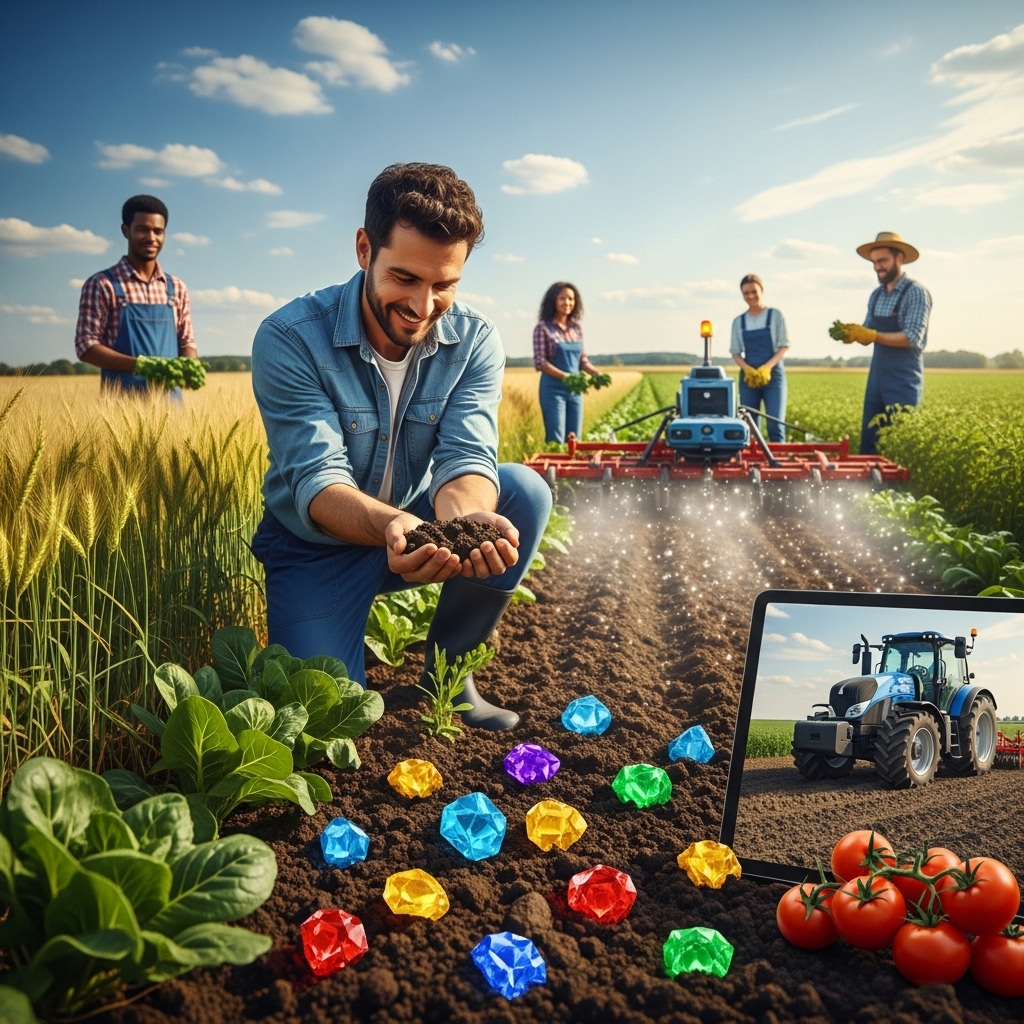
Potash fertilizers supply plants with essential potassium, a key nutrient that promotes healthy growth, improves yield, and enhances disease resistance. As the market evolves in 2026, understanding the different types helps growers select the most effective option based on crop needs and soil conditions.
What is Potash Fertilizer and Why It Matters
Potash fertilizer is a form of potassium-rich supplement used in agriculture. Potassium (K) is vital for regulating water uptake, activating enzymes, and synthesizing proteins. Its presence in soil directly correlates with crop health, productivity, and resilience. Without adequate potassium, plants become susceptible to diseases, have poor root development, and produce lower yields.
Boost your garden’s health with premium Potash Fertilizer — Shop on Amazon now!
Types of Potash Fertilizers in 2026
The main categories of potash fertilizers include Muriate of Potash (MOP), Sulfate of Potash (SOP), organic options, and liquid formulations. Each type caters to specific crop requirements, soil conditions, and environmental considerations.
| Type | Formulation | Key Characteristics | Ideal Use Cases | Environmental Notes |
|---|---|---|---|---|
| Muriate of Potash (MOP) | Potassium chloride | Most common, cost-effective, high potassium content (~60%) | Crops like corn, wheat, soy; soils with low chloride sensitivity | Potential soil salinity issues, less suitable for chloride-sensitive plants |
| Sulfate of Potash (SOP) | Potassium sulfate | Contains potassium (~50%) plus sulfur; low chloride | Fruits, vegetables, ornamental plants, crops sensitive to chloride | More environmentally friendly, supports sulfur needs |
| Organic Potash | Derived from natural sources (wood ash, bone meal) | Eco-friendly, slow-release | Organic farming, soil nutrient balancing | Promotes soil health, reduces chemical runoff |
| Liquid Potash | Potassium solutions | Fast-acting, easy to apply | Precision feeding, foliar applications | Suitable for rapid correction of deficiencies |
Practical Examples and Selection Guidelines
- Cereal Crops: MOP is typically recommended due to its affordability and high potassium levels. It supports large biomass production.
- Fruit and Vegetable Crops: SOP provides a balanced supply of potassium and sulfur, beneficial for fruit quality and flavor.
- Organic Farming: Organic potash options, such as wood ash, are preferred to maintain certification standards and promote soil vitality.
- Specialized Applications: Liquid formulations are ideal for quick correction of potassium deficiencies or foliar feeding in high-value crops.
Decision-Making Tip
Use soil testing to determine existing potassium levels. For soils with high chloride sensitivity, SOP is preferable. In chloride-tolerant soils, MOP offers cost-effective benefits. Organic options suit sustainable practices, especially when soil health enhancement is a priority.
By understanding these types and their specific applications, farmers and gardeners can optimize their fertilizer strategy in 2026 to match crop demands, soil conditions, and market trends.
Market Outlook for Potash Fertilizer in 2026
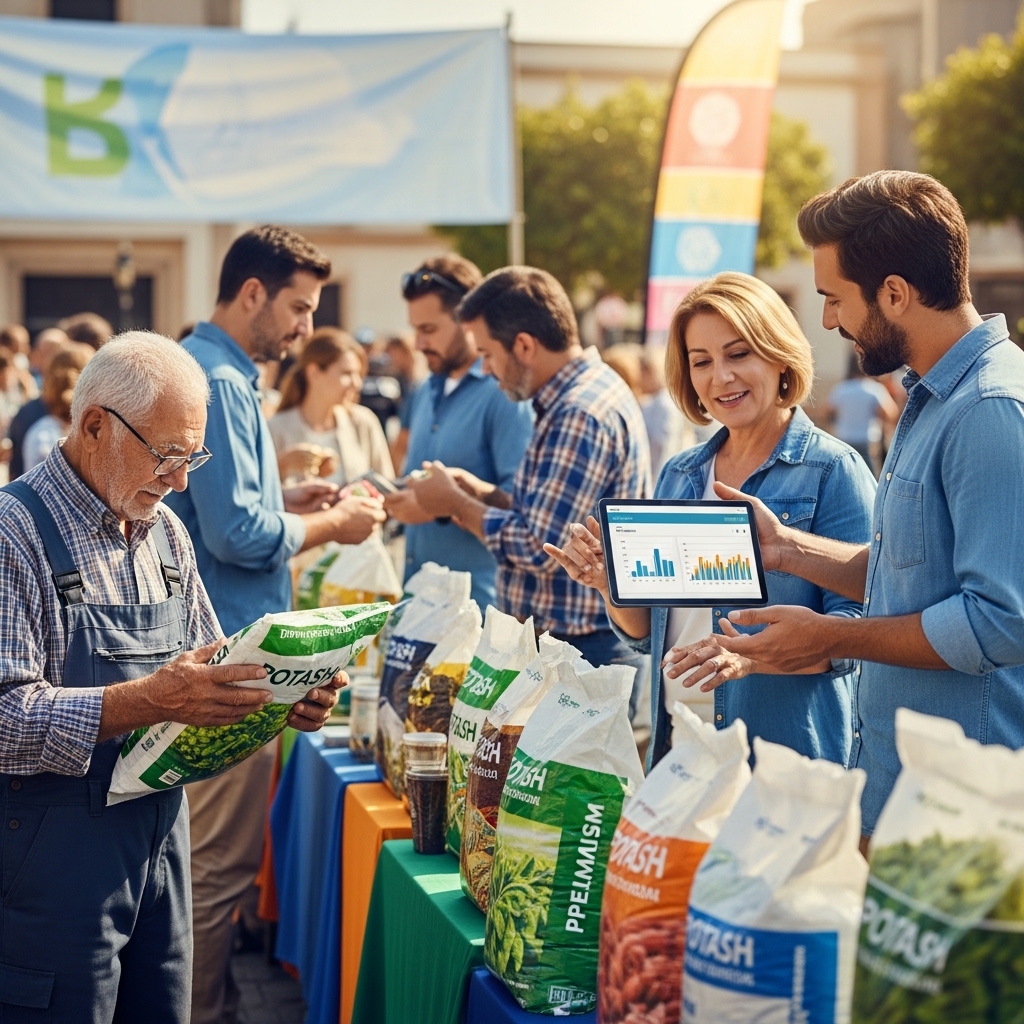
The global potash fertilizer market is expected to remain stable in 2026, supported by strong supply chains and steady demand. However, geopolitical factors and regional supply dynamics could influence prices and availability.
What Are the Key Supply and Demand Trends?
- Global Production Capacity: In 2024, global Muriate of Potash (MOP) production reached a record 76.6 million metric tons, driven by increased output in Canada, Russia, Belarus, and Laos. Canada remains the largest producer, with an estimated 22 million metric tons annually, stabilizing the market.
- Demand Drivers: Demand continues to grow in major agricultural regions like Latin America, East Asia, and India. Despite regional variations, fertilizer consumption reached a record 206 million metric tons in 2024, with moderate growth forecasted through 2029.
- Supply Stability: The well-balanced global supply chain, with expanded Canadian capacity and steady regional production, reduces the risk of shortages. This stability supports affordable prices for farmers and fertilizer suppliers.
How Do Geopolitical Factors Impact Supply and Prices?
- Canadian Stability: As the top exporter, Canadian production acts as a buffer against geopolitical tensions elsewhere. Political stability and capacity expansion have minimized supply risks.
- Russian and Belarusian Supply Risks: Ongoing geopolitical tensions, sanctions, and export restrictions in Russia and Belarus could disrupt supply chains. Such disruptions may lead to price volatility and regional shortages.
- Regional Supply Variations: Southeast Asian and African producers are increasing capacity but remain susceptible to local political and economic factors, which could influence regional availability.
What Is the Scenario Analysis for Market Stability and Disruptions?
| Scenario | Likelihood | Impact on Supply | Price Effect | Practical Advice |
|---|---|---|---|---|
| Stable geopolitical environment | High | Continues steady supply from major producers | Prices remain in late-2025 levels | Plan long-term procurement based on current prices. Focus on diversified sourcing. |
| Geopolitical escalation or sanctions | Moderate | Potential supply disruptions from Russia/Belarus | Prices could spike due to shortages | Consider locking in prices early. Explore alternative sources like Canadian or African suppliers. |
| Regional supply disruptions (e.g., Africa, Southeast Asia) | Low to Moderate | Local shortages may occur | Slight price increases in affected regions | Use regional market data to adjust fertilizer procurement strategies. Maintain buffer inventories. |
Practical Decision-Making Framework
- Evaluate regional supply risks: Farmers should prioritize suppliers with diversified supply chains, especially if relying on regions vulnerable to geopolitical tensions.
- Monitor international trade policies: Stay informed on sanctions and export restrictions that could impact global supply.
- Use scenario planning: Prepare for potential disruptions by establishing flexible purchasing timelines and alternative sourcing options.
Example Application
A farm in Brazil should maintain a flexible procurement plan that considers potential supply disruptions from Belarus or Russia. By diversifying sources to include Canadian imports and preparing for possible price hikes, the farm can ensure consistent access to potash fertilizers in 2026.
Top Potash Fertilizers for 2026 with Practical Evaluation
Selecting the right potash fertilizer is essential for maximizing crop yields, ensuring soil health, and maintaining market stability. The following list evaluates the top options for 2026, considering features, supply security, cost, and sustainability.
1. Best Overall: Muriate of Potash (MOP) – KCl
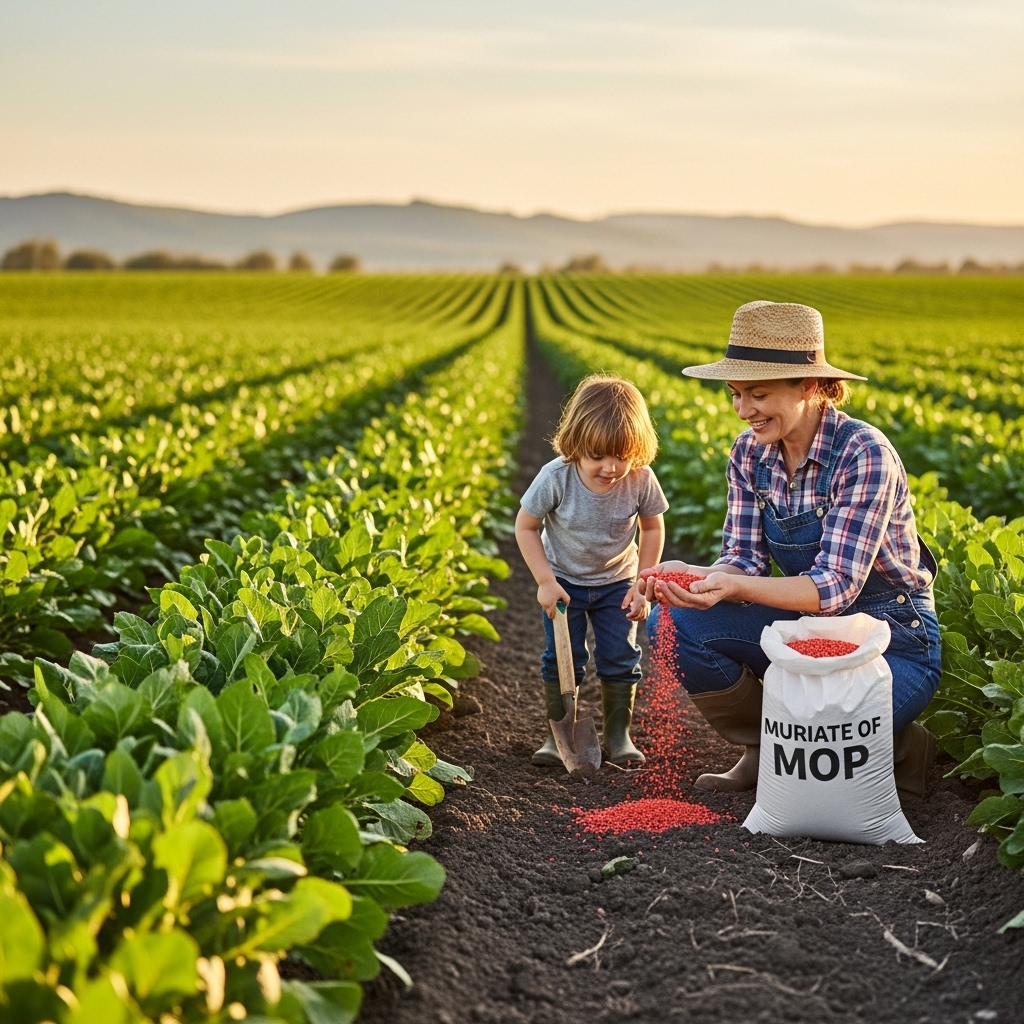
- Key Features: High nutrient content (60-62% K2O), widely available, cost-effective.
- Crop Suitability: Ideal for cereals, vegetables, and root crops.
- Supply Stability: Major global producer—Canada, Russia, Belarus—ensures consistent supply.
- Price Considerations: Generally affordable; prices expected to remain stable in 2026 due to balanced demand and supply.
- Expert Insight: MOP remains the industry standard, offering reliable performance across diverse agricultural contexts.
Boost your plants’ growth with Muriate of Potash (MOP) – KCl — Get it on Amazon now!
2. Best Organic Option: Sulfate of Potash (SOP) – K2SO4
- Key Features: Contains sulfur, essential for plant metabolism; lower chloride content reduces soil salinity risk.
- Crop Suitability: Preferred for specialty crops, vineyards, and organic farming.
- Supply Stability: Smaller global production, mainly from Canada and Israel, with increasing capacity.
- Price Considerations: Typically more expensive than MOP; however, rising organic demand supports stable pricing.
- Expert Insight: Ideal for soils sensitive to chloride buildup and organic cultivation.
K2SO4 available on Amazon!
3. Best Budget-Friendly Choice: Liquid Potash Fertilizers
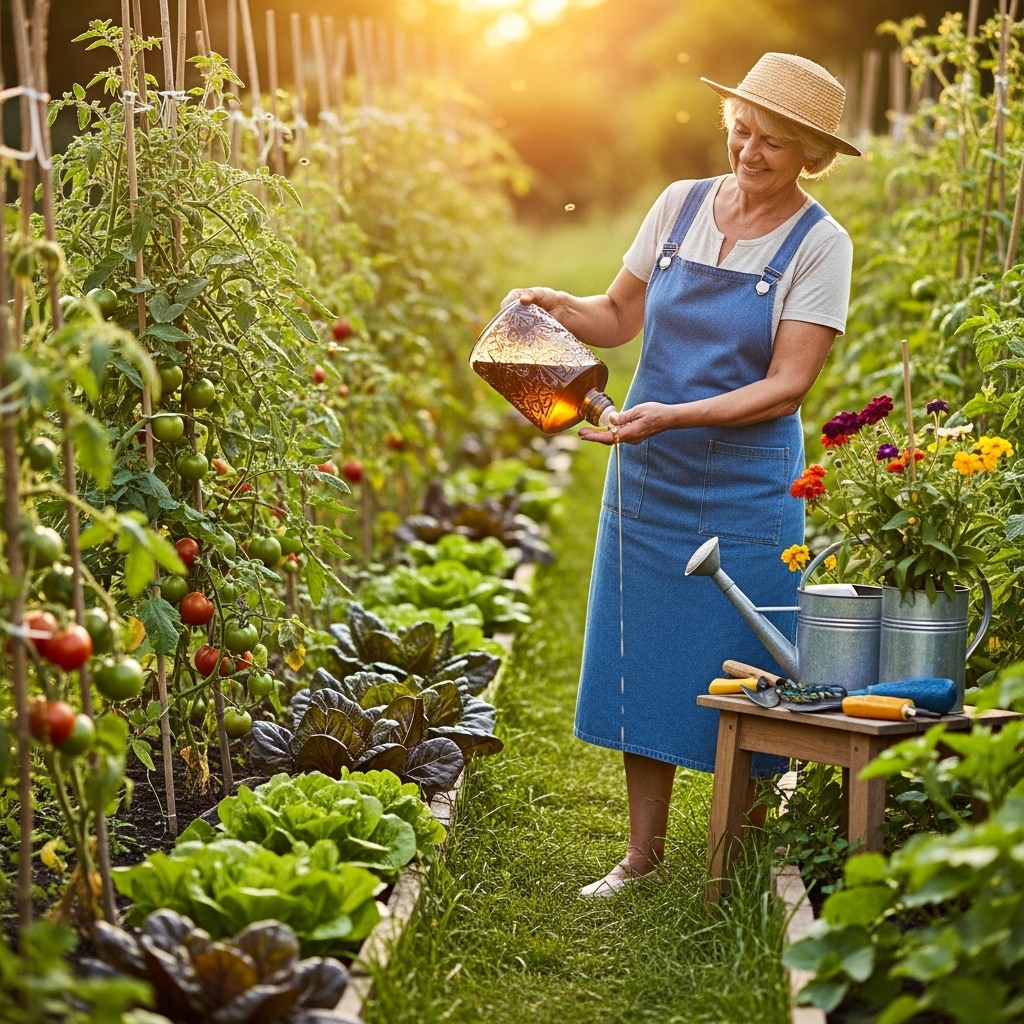
- Key Features: Fast-acting, easy to apply, adaptable for foliar feeding.
- Crop Suitability: Suitable for quick correction of deficiencies in various crops.
- Supply Stability: Sourced from multiple suppliers; supply chain flexibility reduces risk.
- Price Considerations: Slightly higher per unit cost but offers efficiency benefits.
- Expert Insight: Effective for targeted applications and quick response, especially in variable soil conditions.
Liquid Potash Fertilizers
Comparative Table of Key Features
| Fertilizer Type | Nutrient Content | Supply Source | Environmental Impact | Price Range (per ton) | Suitability |
|---|---|---|---|---|---|
| MOP (KCl) | 60-62% K2O | Canada, Russia | Moderate (chloride runoff potential) | $400–$500 | General use, high yield crops |
| SOP (K2SO4) | 50-52% K2O, sulfur | Canada, Israel | Lower chloride risk, environmentally friendly | $600–$700 | Specialty and organic crops |
| Liquid Potash | Variable, concentrated | Multiple global suppliers | Low (if used properly) | $700–$900 | Quick correction, foliar feeding |
Real-World Scenario: Regional Adoption
In the Midwest U.S., farmers favor MOP for its affordability and proven performance. However, organic growers in California prefer SOP to avoid chloride buildup and meet organic standards. A decision framework involves assessing crop sensitivity, soil chloride levels, and market prices, guiding the optimal choice.
Practical Decision Rule
- Use MOP for high-volume cereal production where cost efficiency is critical.
- Opt for SOP in organic systems or chloride-sensitive soils.
- Choose liquid fertilizers for rapid correction or foliar applications in diverse conditions.
This structured approach ensures farmers and suppliers can select the most appropriate potash fertilizer aligned with crop needs, market trends, and sustainability goals in 2026.
How to Choose the Right Potash Fertilizer for 2026
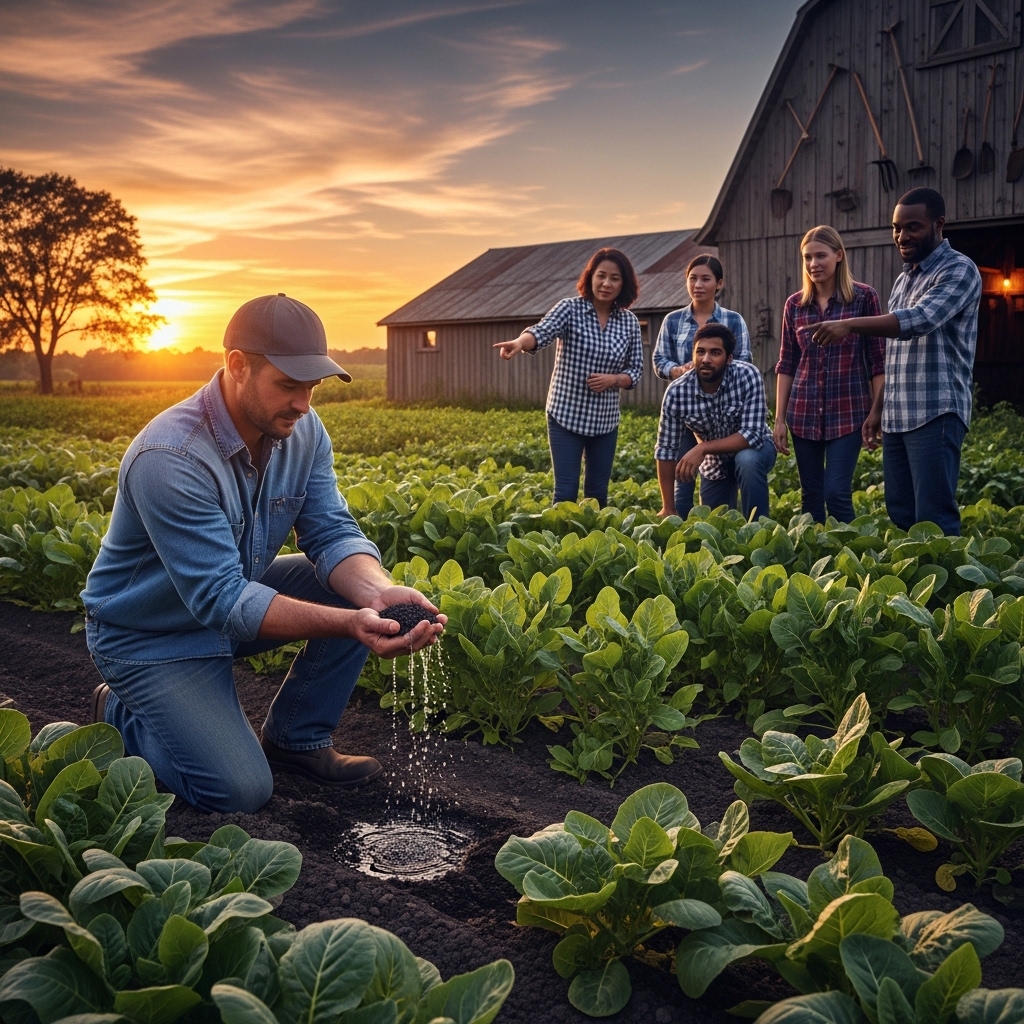
Selecting the optimal potash fertilizer in 2026 requires a strategic assessment of crop needs, soil conditions, regional supply dynamics, and market trends. A clear decision framework will help farmers maximize crop yield, manage costs, and adapt to fluctuating supply and prices.
Assess Your Crop Type and Soil Conditions
- Identify crop-specific potassium requirements. Cereals like wheat and corn usually need high potash levels, favoring Muriate of Potash (MOP). Root crops and vegetables may benefit from Sulfate of Potash (SOP) to avoid chloride buildup.
- Conduct soil testing. Analyze potassium levels, pH, and chloride content. Low potassium soils require more targeted applications. High chloride levels suggest avoiding chloride-based fertilizers.
- Evaluate soil health. Organic soils or those with sensitive crops might need organic or chloride-free options, such as SOP or organic potassium sources.
Match Fertilizer Type to Regional Supply and Market Outlook
- Consider regional supply stability. Canadian potash remains a major global supplier, providing consistent availability. In regions with supply constraints, prioritize fertilizers with stable supply chains.
- Factor in market prices and demand. With global demand expected to stay strong and supply high, prices for MOP and SOP will likely remain stable. For 2026, MOP tends to be more cost-effective, especially for large-scale cereal farming, while SOP may command a premium in organic or chloride-sensitive systems.
- Adjust for geopolitical influences. Ongoing geopolitical factors can impact supply and prices. In areas with potential disruptions, consider diversified sourcing or organic alternatives.
Optimize Timing and Application Methods in 2026
- Plan application timing around crop cycle and weather. Fall applications for winter crops or early spring for summer crops are typical. Weather conditions may influence whether to use granular or liquid fertilizers.
- Integrate potash into balanced fertilization plans. Combine with nitrogen and phosphorus inputs based on soil test recommendations. This ensures optimal nutrient synergy and minimizes environmental impacts.
-
Use decision rules for application. For example:
- If soil potassium is below optimal levels, and crop is a cereal, apply MOP in early spring.
- If soil chloride is high or crop is chloride-sensitive, opt for SOP or organic sources.
- For rapid correction or foliar feeding, apply liquid formulations during critical growth stages.
Practical Tips and Decision Tree Example
-
Scenario: A wheat farm in the Midwest with moderate soil potassium and high chloride.
- Soil test indicates low potassium but high chloride.
- Recommended: Use SOP or organic potassium sources to avoid chloride buildup.
-
Scenario: An organic vegetable farm in California with chloride sensitivity.
- Soil test shows adequate potassium levels.
- Recommended: Use SOP or organic potassium fertilizers, timing applications before planting for best uptake.
- Decision Tree Summary:
| Soil Test Result | Crop Type | Supply Consideration | Recommended Fertilizer | Application Timing |
|---|---|---|---|---|
| Low K, high Cl | Cereals | Stable Canadian supply | MOP (if chloride tolerant) or SOP | Early spring, pre-plant |
| Adequate K, low Cl | Vegetables | Regional supply constraints | Organic options or SOP | Before planting or early growth |
| High Cl, sensitive crop | Organic crops | Market demand for eco-friendly options | SOP or organic potassium | Before planting, during growth |
This framework empowers farmers to make informed, market-aware decisions, aligning fertilization with crop needs, soil health, and global supply conditions in 2026.
Sustainable Practices and Environmental Considerations in 2026
As farmers and gardeners seek eco-friendly options for potash fertilization in 2026, understanding the environmental impact of different fertilizer types becomes crucial. Sustainable practices focus on reducing ecological footprint while maintaining crop productivity.
Organic and Eco-Friendly Potash Options
Organic potash fertilizers derive from natural sources such as wood ash and bone meal. These options promote soil health, enhance microbial activity, and reduce chemical runoff. For example, wood ash provides potassium naturally and contains trace minerals beneficial for soil vitality. Organic fertilizers are typically slower-release, which minimizes leaching and environmental contamination.
Synthetic options like potassium nitrate (KNO₃) can also be used sustainably when applied correctly. They offer predictable nutrient release and can be integrated into precision agriculture systems to optimize efficiency, reducing excess runoff.
Environmental Impact of Different Fertilizer Types
| Fertilizer Type | Environmental Impact | Key Considerations |
|---|---|---|
| Muriate of Potash (MOP) | Higher leaching risk, potential soil salinity | Widely available, cost-effective, but can contaminate water sources if overused |
| Sulfate of Potash (SOP) | Lower environmental risk, less leaching | More environmentally friendly, suitable for sensitive crops |
| Organic Potash | Minimal ecological impact, promotes soil health | Limited availability, slower nutrient release |
| Synthetic Potash | Variable impact depending on application | Can cause soil accumulation or runoff if misapplied |
Choosing environmentally responsible options involves evaluating local regulations, soil conditions, and crop needs.
Sustainable Application Practices in 2026
Effective, sustainable application hinges on timing, method, and soil management. Key practices include:
- Soil Testing: Regular testing identifies nutrient deficiencies and prevents over-application.
- Precision Application: Use GPS-guided equipment to target specific zones, reducing waste.
- Timing: Apply potash during early growth stages or pre-season to maximize uptake and minimize runoff.
- Cover Crops: Plant legumes or other cover crops to naturally replenish soil potassium and improve soil structure.
- Innovations: New slow-release formulations and biodegradable coatings are emerging, reducing environmental impact further.
Examples of Sustainable Potash Use
A mid-sized vegetable farm transitioned to using organic potash derived from wood ash, combined with precision application technology. This reduced fertilizer costs by 15% and improved soil organic matter by 10% over two years. Such practices exemplify how sustainable choices can align with economic and ecological goals in 2026.
Practical Application Tips and Timing for 2026
Effective potash application in 2026 hinges on understanding optimal timing, choosing appropriate methods, and integrating practices into crop rotation. Regional weather patterns and soil conditions influence these decisions. Use this guidance to maximize fertilizer efficiency and crop health.
When to Apply Potash in 2026
Timing is critical for potash uptake and soil health. Typically, apply during key growth stages:
- Spring and Early Summer: Ideal for most crops, as plants actively absorb nutrients during vegetative growth.
- Fall: Promotes root development and prepares soil for winter, especially in temperate zones.
- Pre-Season: For perennial crops and orchards, apply before bud break to support flowering and fruiting.
Regional and Weather Considerations:
In regions with heavy rainfall, delay application until soil drainage improves to prevent leaching. Conversely, in dry areas, split applications—half in spring, half in late summer—reduce runoff and improve absorption.
Scenario Example:
A Midwest corn farm in 2026 experiences a wet early spring. Applying granular potash after soil drainage improves nutrient retention. A Southern orchards’ team applies SOP foliar sprays in early spring, aligning with warm, dry conditions to enhance absorption.
Application Methods: Granular, Liquid, Foliar
Select application methods based on crop size, urgency, and regional conditions:
-
Granular Application:
Ideal for large fields and pre-planting. Spread evenly and incorporate into soil to reduce runoff. Suitable for muriate of potash (MOP) and sulfate of potash (SOP). -
Liquid Fertilizers:
Offer rapid nutrient delivery, especially in stress conditions. Mix with water and apply via sprayers. Perfect for foliar feeding on high-value crops or during critical growth periods. -
Foliar Application:
Provides quick nutrient uptake. Use during early growth stages or stress periods (e.g., drought). It’s effective for crops like vegetables or ornamentals needing immediate potassium boosts.
Best Practice Tip:
Combine granular soil application with foliar or liquid sprays during peak demand phases. For example, a wheat farmer might apply granular MOP pre-planting, then foliar SOP during heading.
Integrating Potash into Crop Rotation and Soil Management
Incorporate potash thoughtfully within crop rotation practices:
-
Crop Selection:
Legumes and cover crops naturally replenish soil potassium, reducing fertilizer needs in subsequent cycles. -
Soil Testing:
Conduct soil tests before application. Adjust potash rates based on existing potassium levels to avoid over-fertilization and environmental impact. -
Rotation Planning:
Alternate high-potassium crops with those that have lower potassium requirements. This balances soil nutrients and maintains fertility.
Decision Rule Example:
If soil tests show potassium levels below 120 ppm, prioritize a fall application of SOP before planting a potassium-demanding crop. If levels are above this threshold, reduce or skip potash fertilization.
Regional Insight:
In sandy soils prone to leaching, split applications and organic amendments like compost can improve retention. In contrast, clay-rich soils may require less frequent but higher-dose applications.
Innovative Practice:
In 2026, precision agriculture tools enable variable-rate potash application, tailoring doses to specific field zones. This optimizes use, minimizes waste, and enhances sustainability.
Final Decision Framework and Recommendations for 2026
Choosing the optimal potash fertilizer in 2026 requires understanding key factors such as soil conditions, crop needs, market dynamics, and supply stability. This framework provides practical guidance to help farmers and agronomists make informed decisions aligned with current market trends and regional specifics.
How to Decide Which Potash Fertilizer to Use
- Assess Soil Potassium Levels: Conduct soil testing to determine potassium (K) content. Levels below 120 ppm typically indicate a need for supplementation.
- Identify Crop Potassium Demand: High-yielding or potassium-demanding crops like potatoes or legumes may require more aggressive fertilization strategies.
- Evaluate Soil Type and Leaching Risk: Sandy soils are prone to leaching; split applications or organic amendments improve retention. Clay soils generally need fewer, higher-dose applications.
- Review Market Outlook and Supply Stability: In 2026, global supply remains ample, but geopolitical factors (e.g., sanctions, trade policies) can influence prices and availability. Canadian potash continues to stabilize global markets.
- Consider Environmental and Sustainability Goals: Organic options or precision application techniques reduce environmental impact and optimize use efficiency.
Integrating Market Outlook and Soil Data
- Match Market Trends with Soil Conditions: With global potash demand stabilizing and prices remaining relatively steady, choosing cost-effective options like Muriate of Potash (MOP) makes sense unless specific crop or soil needs justify alternatives like Sulfate of Potash (SOP).
- Scenario: Potential Supply Disruptions: In regions with geopolitical risks, diversify sources or opt for organic or liquid fertilizers to mitigate supply uncertainty.
- Scenario: Favorable Market Conditions: When prices are stable, consider higher-quality, branded fertilizers with proven efficacy to maximize crop response.
Practical Tips and Decision Checklist
| Step | Action | Focus Area | Notes |
|---|---|---|---|
| 1 | Conduct soil testing | Soil health | Test for K, pH, and organic matter |
| 2 | Determine crop demand | Crop type | Match fertilizer type to crop needs |
| 3 | Evaluate regional supply | Market stability | Check local availability and supplier reliability |
| 4 | Select fertilizer type | MOP, SOP, Liquid, Organic | Use MOP for general needs; SOP for chloride-sensitive crops; liquid for precision; organic for sustainability |
| 5 | Plan application timing | Growth stage | Split applications for leaching-prone soils or high-demand crops |
| 6 | Incorporate environmental goals | Sustainability | Use precision agriculture tools and organic options when possible |
Personalized Planning Tips
- For Potassium-Heavy Crops in Sandy Soils: Use split applications of MOP combined with organic matter to improve retention.
- For Regions with Geopolitical Risks: Prioritize Canadian or organic potash sources, or use liquid fertilizers for flexibility.
- For High-Value Crops and Precise Management: Invest in variable-rate application technology, tailoring doses to field zones for maximum efficiency.
Example Decision Scenario
A farmer in the Midwest with sandy soil and high potato demand tests soil at 100 ppm K. The market shows stable prices for MOP, but geopolitical factors threaten supply continuity. The recommended approach:
- Use split applications of MOP, supplemented with organic amendments.
- Consider liquid formulations to enable variable-rate application.
- Monitor market and geopolitical updates regularly.
This decision framework combines soil data, crop needs, and market insights to optimize potash fertilizer choices in 2026, ensuring both agronomic success and economic resilience.
FAQs on Potash Fertilizer in 2026
Understanding the market dynamics, best types, and application strategies for potash fertilizer in 2026 helps farmers make informed decisions. Here are key questions and expert-backed answers to guide your choices.
What is the market outlook for potash fertilizer in 2026?
The global potash fertilizer market remains stable and optimistic. Supplies are high, driven by record production in regions like Canada, Russia, and Belarus. Affordability is favorable compared to nitrogen and phosphorus, supporting steady demand. Market analysts predict prices will stay largely in line with late-2025 levels, with only modest upside risks. The overall trend indicates a resilient market with balanced supply and demand, making potash a reliable component for crop nutrition strategies in 2026.
Which types of potash fertilizer are best for different crops and soils?
- Muriate of Potash (MOP): The most common, suitable for a wide range of crops and soil types. It offers high potassium content but can be slightly saline, so soil testing is advised.
- Sulfate of Potash (SOP): Preferred for crops sensitive to chloride, such as vineyards, berries, and certain vegetables. It provides potassium and sulfur, beneficial for soils deficient in sulfur.
- Organic and Liquid Options: Organic formulations and liquid fertilizers offer flexibility for precision application, especially in variable-rate systems. They are ideal for sensitive crops or environmentally conscious farming.
Selection depends on soil tests, crop requirements, and market prices. For example, in regions with chloride-sensitive crops, SOP is the optimal choice despite typically higher costs.
How do geopolitical factors influence potash supply and prices?
Geopolitical tensions, especially involving major producers like Russia and Belarus, can disrupt supply chains. However, Canadian production has steadily stabilized the global market. If geopolitical tensions escalate, supply risks increase, potentially raising prices temporarily. Conversely, expanded capacity in Canada and other regions can mitigate these risks.
Scenario example: A farmer in South America planning spring planting should monitor geopolitical updates. If tensions threaten supply, switching to organic or liquid formulations that require less bulk could reduce dependency on uncertain imports. Alternatively, stockpiling or contracting early might safeguard against future shortages.
When is the optimal time to apply potash fertilizer in 2026?
Timing depends on regional climate, crop type, and soil conditions:
- Spring application: Common for most crops, especially if soil tests show low potassium levels after winter.
- Fall application: Suitable in regions with mild winters, allowing nutrients to integrate into the soil before planting.
- Split applications: Combining fall and spring applications can optimize nutrient availability and reduce leaching risks.
Decision rule: Use soil testing data to determine potassium levels. If levels are below 100 ppm K, plan for spring application. For soils with moderate levels, split applications can improve efficiency. Consider weather forecasts and geopolitical supply stability when scheduling.
What is a practical decision framework for choosing potash in 2026?
Evaluate your crop needs, soil health, and market conditions:
- Soil test results: Confirm potassium deficiency.
- Crop sensitivity: Choose SOP for chloride-sensitive crops; MOP for others.
- Supply stability: If supply risks are high, prefer formulations with flexible application options like liquids or organic amendments.
- Market prices: Compare costs of MOP, SOP, and alternatives; favor cost-effective options with proven efficiency.
- Environmental considerations: Opt for eco-friendly options when possible, especially in regions with strict regulations.
Example: A wheat farmer with clay soil and ample supply stability might choose high-quality MOP in spring. A vineyard owner in a chloride-sensitive region might select SOP, applying it in early spring to optimize uptake and reduce environmental impact.
This decision framework, combined with ongoing market monitoring, helps optimize potash fertilizer use in 2026, balancing agronomic benefits and economic resilience.
Frequently Asked Questions
These quick answers cover the most common questions about this topic, including key details, practical tips, and common concerns.
Which potash fertilizer is best for 2026?
The best choice depends on your crop, soil, and environmental needs. Muriate of Potash (MOP) remains the most widely used and cost-effective option for general crops like cereals and grains. Sulfate of Potash (SOP) is preferable for chloride-sensitive crops and organic farming. Liquid formulations offer rapid response and flexibility. Assess your soil test results and crop requirements to select the most suitable fertilizer.
What is the outlook for potash fertilizer in 2026?
The market is expected to stay stable with high global supply, mainly from Canada, Russia, and Belarus. Prices are likely to remain consistent with late-2025 levels, supported by steady demand and expanded production capacity. However, geopolitical factors could influence regional supply and prices, so monitoring international developments remains important.
Which fertilizer is called the king of fertilizer?
Potassium fertilizer is often called the “king of fertilizers” because potassium is vital for plant health, yield, and disease resistance. Among potassium fertilizers, Muriate of Potash (KCl) is considered the most essential and widely used, providing a high concentration of potassium and supporting diverse crops.
Which fertilizer has the highest potassium content?
Muriate of Potash (KCl) typically has the highest potassium content, around 60-62% K₂O. Sulfate of Potash (SOP) contains about 50% K₂O but also provides sulfur, which benefits crops needing additional sulfur. Liquid fertilizers vary but can be formulated for high potassium delivery as well.
Why should I consider organic or eco-friendly potash options in 2026?
Organic options like wood ash and bone meal promote soil health and reduce chemical runoff. They are suitable for organic farming and sustainable practices. Eco-friendly fertilizers generally have lower environmental impact, support microbial activity, and help maintain long-term soil fertility.
When is the best time to apply potash fertilizers in 2026?
Timing depends on crop type and regional climate. Usually, apply in early spring or fall, aligning with planting or pre-season preparation. Split applications—half in fall, half in spring—can improve nutrient retention and reduce leaching, especially in sandy soils. Always base timing on soil test results and weather conditions.
How do geopolitical factors influence the potash market?
Geopolitical tensions, especially involving Russia and Belarus, can disrupt supply chains and cause price volatility. Canadian production remains stable and helps buffer the market. If tensions escalate, prices may spike, and regional shortages could occur. Diversifying sources and monitoring international policies can mitigate risks.
What are alternative potassium sources besides traditional fertilizers?
Other sources include organic amendments like compost, kelp extracts, and natural mineral deposits. Some crops can utilize potassium from organic matter or soil microbes. Precision agriculture and slow-release formulations also help optimize potassium use and reduce environmental impact.