
In 2026, exploring the best West Coast national parks is a must for nature lovers. This guide highlights 27 expert-ranked parks, ensuring you know where to go and what to expect as you plan your adventure.
Overview of West Coast National Parks
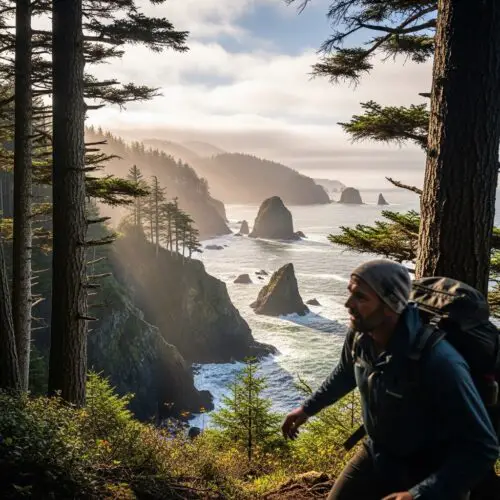
The West Coast is home to some of the most stunning national parks in the United States. From towering redwoods to rugged coastlines, these parks showcase nature’s beauty and diversity. They attract millions of visitors each year, each eager to explore unique ecosystems and breathtaking landscapes.
What Makes West Coast Parks Unique?
West Coast national parks offer diverse experiences. Each park has its own vibe and attractions, making them a treasure trove for adventurers. Here are a few highlights:
- Yosemite National Park: Famous for its granite cliffs and waterfalls.
- Olympic National Park: Home to lush rainforests, mountains, and coastline.
- Redwood National Park: Features some of the tallest trees on Earth.
Each park represents a unique ecosystem, from deserts to forests to coastal regions. This diversity allows visitors to experience a wide range of outdoor activities, including hiking, camping, and wildlife viewing.
Visitor Statistics and Popularity
West Coast national parks attract millions of visitors annually. For instance, Yosemite alone welcomes over 4 million visitors each year. Here are some quick stats:
Table of Contents
- Yosemite: 4 million visitors
- Sequoia: 1 million visitors
- Death Valley: 1.5 million visitors
These parks are not just popular for their scenery; they also offer numerous activities. Visitors can hike scenic trails, camp under the stars, or simply enjoy the breathtaking views.
Lesser-Known Parks Worth Exploring
While big names like Yosemite and Sequoia grab the spotlight, don’t overlook the hidden gems. Parks like Lassen Volcanic National Park and Channel Islands National Park offer unique experiences.
- Lassen Volcanic: Known for its geothermal features and volcanic landscapes.
- Channel Islands: Offers incredible marine life and opportunities for kayaking and snorkeling.
Exploring these lesser-known parks can lead to unforgettable adventures and a deeper appreciation for the natural world. So, whether you’re a seasoned explorer or a first-time visitor, the West Coast has something special waiting for you!
Top 27 Best West Coast National Parks in 2026
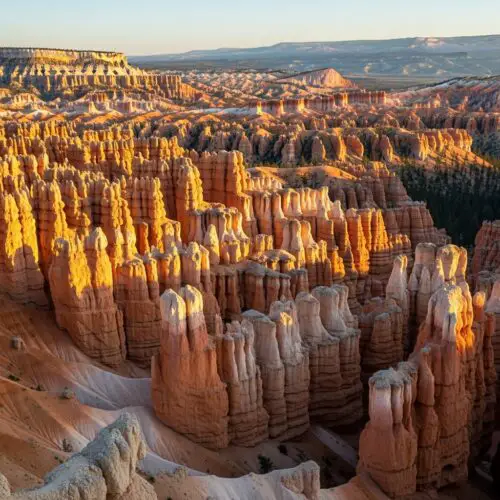
Ready to explore the stunning landscapes of the West Coast? Here’s a curated list of the top 27 national parks for 2026. Each park offers unique experiences, breathtaking views, and activities for every outdoor enthusiast.
#1 Yellowstone National Park
- Highlights: Home to geysers, hot springs, and diverse wildlife.
- Activities: Hiking, wildlife watching, and photography.
- Visitor Tip: Arrive early to catch sunrise over the Grand Prismatic Spring.
#2 Yosemite National Park
- Highlights: Iconic granite cliffs like El Capitan and Half Dome.
- Activities: Rock climbing, hiking, and stargazing.
- Visitor Tip: Book accommodations well in advance, especially in summer.
#3 Death Valley National Park
- Highlights: The hottest place on Earth with stunning sand dunes.
- Activities: Stargazing, hiking, and photography.
- Visitor Tip: Visit during the cooler months (October to April) for the best experience.
#4 Olympic National Park
- Highlights: Diverse ecosystems from mountains to coastline.
- Activities: Hiking, kayaking, and exploring rainforests.
- Visitor Tip: Check for road closures due to weather, especially in winter.
#5 Redwood National Park
- Highlights: Home to the tallest trees on the planet.
- Activities: Hiking, biking, and camping.
- Visitor Tip: Don’t miss the scenic drive through the park; it’s a must-see!
#6 Sequoia National Park
- Highlights: Massive sequoia trees and stunning mountain views.
- Activities: Hiking, rock climbing, and horseback riding.
- Visitor Tip: Visit the General Sherman Tree, the largest tree by volume.
#7 Glacier National Park
- Highlights: Over 700 miles of hiking trails and stunning glacial landscapes.
- Activities: Hiking, scenic drives, and wildlife viewing.
- Visitor Tip: Take the Going-to-the-Sun Road for breathtaking views.
#8 Lassen Volcanic National Park
- Highlights: Unique geothermal features and volcanic landscapes.
- Activities: Hiking, camping, and hot springs soaking.
- Visitor Tip: Visit in late spring or summer to fully access trails.
#9 Channel Islands National Park
- Highlights: Remote islands with rich marine life.
- Activities: Kayaking, snorkeling, and hiking.
- Visitor Tip: Plan ahead for boat rides to the islands—weather can be unpredictable.
#10 Joshua Tree National Park
- Highlights: Unique Joshua trees and stunning rock formations.
- Activities: Rock climbing, stargazing, and hiking.
- Visitor Tip: Visit in spring or fall for mild temperatures.
#11 Crater Lake National Park
- Highlights: Deepest lake in the U.S. with stunning blue waters.
- Activities: Hiking, boat tours, and photography.
- Visitor Tip: Check for snow conditions if visiting in early spring.
#12 Mount Rainier National Park
- Highlights: Iconic mountain and stunning wildflower meadows.
- Activities: Hiking, climbing, and wildlife viewing.
- Visitor Tip: Visit during summer for the best wildflower displays.
#13 Point Reyes National Seashore
- Highlights: Rugged coastline and diverse wildlife.
- Activities: Hiking, birdwatching, and beachcombing.
- Visitor Tip: Bring layers; weather can change quickly.
#14 Pinnacles National Park
- Highlights: Unique rock formations and talus caves.
- Activities: Hiking, rock climbing, and wildlife spotting.
- Visitor Tip: Explore the High Peaks trail for stunning views.
#15 Red Rock Canyon National Conservation Area
- Highlights: Stunning red rock formations and canyons.
- Activities: Hiking, climbing, and scenic drives.
- Visitor Tip: Visit during sunrise or sunset for the best lighting.
#16 San Juan Islands National Historical Park
- Highlights: Beautiful archipelago with rich history.
- Activities: Kayaking, whale watching, and hiking.
- Visitor Tip: Bring a camera; the sunsets are spectacular!
#17 Lassen National Forest
- Highlights: Diverse ecosystems and volcanic landscapes.
- Activities: Hiking, camping, and fishing.
- Visitor Tip: Explore the volcanic features at Bumpass Hell.
#18 Anza-Borrego Desert State Park
- Highlights: California’s largest state park with unique desert wildlife.
- Activities: Hiking, birdwatching, and wildflower viewing.
- Visitor Tip: Visit in spring for blooming wildflowers.
#19 Death Valley National Park
- Highlights: The hottest, driest place in North America.
- Activities: Stargazing, hiking, and photography.
- Visitor Tip: Stay hydrated and avoid hiking during peak heat in summer.
#20 North Cascades National Park
- Highlights: Over 300 glaciers and rugged mountain peaks.
- Activities: Hiking, climbing, and camping.
- Visitor Tip: Visit in summer for the best access to trails.
#21 Mount St. Helens National Volcanic Monument
- Highlights: Active volcano and dramatic landscapes.
- Activities: Hiking, visitor center exploration, and photography.
- Visitor Tip: Check for road closures due to weather or volcanic activity.
#22 Point Lobos State Natural Reserve
- Highlights: Spectacular coastal scenery and wildlife.
- Activities: Hiking, photography, and tide pooling.
- Visitor Tip: Arrive early to secure parking; it fills up fast.
#23 Yosemite National Park
- Highlights: Stunning landscapes and iconic rock formations.
- Activities: Hiking, rock climbing, and nature walks.
- Visitor Tip: Visit in the off-season for fewer crowds.
#24 Olympic Coast National Marine Sanctuary
- Highlights: Rugged coastline and diverse marine life.
- Activities: Kayaking, beachcombing, and tide pooling.
- Visitor Tip: Explore during low tide for the best tide pools.
#25 Joshua Tree National Park
- Highlights: Unique desert landscape and rock formations.
- Activities: Hiking, climbing, and stargazing.
- Visitor Tip: Bring a map; cell service can be spotty.
#26 Channel Islands National Park
- Highlights: Remote islands with stunning biodiversity.
- Activities: Snorkeling, kayaking, and hiking.
- Visitor Tip: Book boat tickets in advance; they can sell out.
#27 Kings Canyon National Park
- Highlights: Deep canyons and towering trees.
- Activities: Hiking, camping, and stargazing.
- Visitor Tip: Don’t miss the scenic drive down to the canyon floor.
With this list, you’re set for an unforgettable adventure on the West Coast. Each park has its own charm and countless activities waiting for you!
Best Times to Visit Each Park
Planning your visit to the best West Coast national parks? Let’s break down the optimal seasons for each park. Weather, activities, and crowd levels can make a big difference in your experience!
Spring Recommendations
- Yosemite National Park: Spring brings blooming wildflowers and rushing waterfalls. Visit from late March to May for milder weather and fewer crowds.
- Redwood National Park: The weather is cool and comfortable. Spring is perfect for exploring the towering trees without the summer rush.
- Death Valley National Park: Visit in March or April for pleasant temperatures. This is also when the wildflowers bloom, creating stunning vistas.
Summer Highlights
- Yellowstone National Park: Summer is peak season. Expect larger crowds, but all trails and roads are open. This is the best time for wildlife viewing and ranger-led programs.
- Olympic National Park: Enjoy sunny weather and vibrant greenery. Summer offers the best access to hiking trails and beach activities.
- Glacier National Park: Visit from late June to early September. All major roads and trails are accessible, but arrive early to avoid the crowds.
Fall Insights
- Yosemite National Park: Fall is breathtaking with colorful foliage. Visit in late September to October for fewer visitors and cooler temperatures.
- Sequoia National Park: The fall offers stunning views as the leaves change. It’s also a quieter time to explore the giant trees.
- Lassen Volcanic National Park: Early fall is ideal. The weather is still warm, and the crowds have thinned out, making for a peaceful visit.
Visitor Information Chart
| Park | Best Time to Visit | Weather | Crowds | Activities |
|---|---|---|---|---|
| Yosemite | Late March – May | Mild | Low to Moderate | Hiking, Waterfalls |
| Redwood | March – May | Cool | Low | Hiking, Scenic Drives |
| Death Valley | March – April | Pleasant | Low | Wildflower Viewing |
| Yellowstone | June – September | Warm | High | Wildlife Viewing, Hiking |
| Olympic | June – September | Warm | Moderate | Hiking, Beach Activities |
| Glacier | Late June – September | Warm | High | Hiking, Scenic Drives |
| Sequoia | September – October | Cool | Low | Hiking, Sightseeing |
| Lassen Volcanic | September | Warm | Low | Hiking, Volcanic Features |
These seasonal insights will help you plan the perfect trip to each park. Make sure to check park websites for any specific events or conditions before you go!
Essential Visitor Tips for National Parks
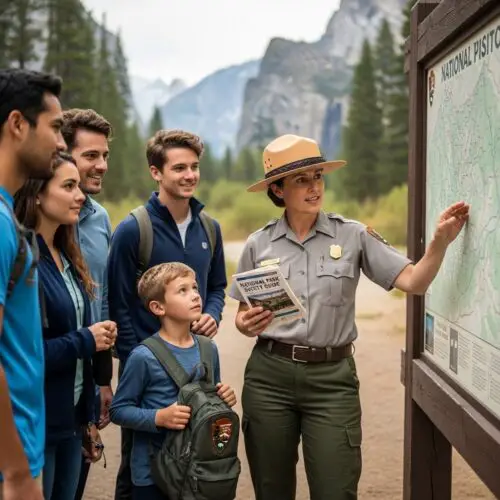
Planning a trip to West Coast national parks? You’ll want to be well-prepared. Here are some essential tips to make your visit smooth and enjoyable.
Packing Checklist
Bringing the right gear can make all the difference. Here’s a handy checklist to consider:
- Comfortable Hiking Shoes: Essential for exploring rugged trails.
- Water Bottle: Stay hydrated, especially in warmer months.
- Weather-Appropriate Clothing: Layers are key; temperatures can change quickly.
- First Aid Kit: Always good to have on hand for minor injuries.
- Sunscreen and Bug Spray: Protect yourself from sunburn and pesky insects.
- Camera or Smartphone: Capture those stunning views!
- Map or GPS: Don’t rely solely on your phone; signal can be spotty.
- Snacks: Trail mix or energy bars for those long hikes.
Safety Considerations
Safety should be your top priority. Here are some important guidelines:
- Stay on Trails: This protects both you and the park’s ecosystem.
- Wildlife Encounters: Keep a safe distance from animals. Feeding them is a no-go.
- Weather Awareness: Check forecasts before you head out. Storms can pop up fast.
- Emergency Contacts: Know how to reach park rangers in case of an emergency.
- Hydration: Drink plenty of water, especially during hikes. Dehydration can sneak up on you.
Avoiding Crowds
Want to enjoy the parks without the hustle and bustle? Here’s how:
- Visit During Off-Peak Times: Early mornings or weekdays are usually quieter.
- Explore Lesser-Known Trails: Popular spots can get crowded. Look for hidden gems.
- Plan for Shoulder Seasons: Spring and fall often have fewer visitors but still beautiful scenery.
- Check for Events: Some parks have busy weekends due to special events. Avoid those if you can.
With these tips in hand, you’re ready to explore the breathtaking West Coast national parks. Enjoy your adventure!
Activities and Attractions in Each Park

The West Coast is a treasure trove of national parks, each bursting with activities and stunning attractions. Whether you’re hiking through majestic landscapes or capturing wildlife on camera, there’s something for everyone. Let’s dive into what you can do at some of the best parks.
Hiking Trails
Hiking is the best way to experience the beauty of West Coast national parks. Here are some trails to get you started:
- Yosemite National Park: Check out the Mist Trail. It takes you up close to Vernal Fall and Nevada Fall. The views are breathtaking!
- Yellowstone National Park: Try the Fairy Falls Trail. This easy hike leads to one of the park’s tallest waterfalls.
- Olympic National Park: The Hoh Rain Forest Trail offers a lush, green escape. You’ll feel like you’re in another world.
Wildlife Viewing Opportunities
Wildlife is abundant in these parks. Here are some must-see encounters:
- Yosemite: Look out for black bears and mule deer. Early morning is the best time for sightings.
- Yellowstone: Bison roam freely. Keep your eyes peeled for wolves and elk, especially in the Lamar Valley.
- Redwood National Park: Watch for sea lions along the coast and various birds in the trees.
Best Photography Locations
Want to capture the magic on camera? Here are the top spots:
- Yosemite: Tunnel View is iconic. It’s the perfect spot for a sunrise photo.
- Yellowstone: Grand Prismatic Spring offers vibrant colors. Don’t forget to capture it from above at the overlook.
- Glacier National Park: The view from Going-to-the-Sun Road is a photographer’s dream. Bring your camera!
Unforgettable Experiences
Visitors often share stories about their adventures. For example, one traveler described witnessing a mother bear with her cubs in Yosemite. It was a heartwarming sight that made the hike unforgettable.
When planning your visit, consider these activities to make the most of your time in the beautiful West Coast national parks!
Camping and Accommodation Options
When visiting West Coast national parks, finding the right place to stay is key. Whether you prefer camping under the stars or a cozy lodge, there are options for everyone. Let’s dive into the best choices for camping and accommodation near popular parks like Yosemite and Glacier.
Best Campgrounds
Here’s a quick look at some top campgrounds in Yosemite and Glacier National Parks:
| Campground Name | Park | Cost per Night | Amenities | Reservations Required |
|---|---|---|---|---|
| North Pines Campground | Yosemite | $36 | Restrooms, picnic tables, fire pits | Yes |
| Tuolumne Meadows Campground | Yosemite | $36 | Restrooms, hiking access | Yes |
| Apgar Campground | Glacier | $20 | Showers, laundry nearby | Yes |
| St. Mary Campground | Glacier | $20 | Fire pits, visitor center nearby | Yes |
Note: Costs can vary seasonally, so check in advance!
Lodging Near the Parks
If camping isn’t your style, there are plenty of lodging options nearby. Here are a few to consider:
- Yosemite Valley Lodge: A stunning lodge right in Yosemite. Great views, but book early—rooms fill up fast!
- Lake McDonald Lodge: Located in Glacier, this historic lodge offers beautiful lake views and easy access to park activities.
Reservation Recommendations
Reservations are crucial, especially during peak seasons. Here are some tips:
- Book Early: Popular campgrounds and lodges can fill up months in advance. Aim to book at least six months ahead.
- Check Cancellation Policies: Life happens! Make sure you understand the cancellation terms when you book.
- Use Online Resources: Websites like the National Park Service can help you find the best spots and make reservations.
By planning ahead and choosing the right accommodations, your visit to these breathtaking national parks will be smooth and enjoyable!
Conservation Efforts and Challenges
National parks are treasures that need our help to thrive. Each park faces unique challenges, but many are also making strides in conservation. Let’s dive into what’s happening in places like Yellowstone and Sequoia.
Current Initiatives
1. Wildlife Protection: Both Yellowstone and Sequoia are working hard to protect endangered species. Efforts include tracking animals like the California condor and reintroducing wolves to restore balance in the ecosystem.
2. Restoration Projects: Parks are restoring habitats damaged by human activity. This includes replanting native vegetation and removing invasive species.
3. Climate Action: Parks are also adapting to climate changes. They’re implementing strategies to manage water resources and protect wildlife corridors.
Challenges Faced by Parks
1. Climate Change: Rising temperatures and unpredictable weather patterns are impacting wildlife and plant life. For example, Sequoia’s giant trees are stressed due to drought and wildfires.
2. Visitor Impact: Millions visit these parks each year. Increased foot traffic can lead to trail erosion and littering, putting additional strain on natural resources.
3. Funding Shortages: Many parks struggle with limited budgets. This affects their ability to maintain trails, facilities, and conservation programs.
How Visitors Can Help
You don’t have to be a park ranger to make a difference! Here’s how you can pitch in during your visit:
- Follow Leave No Trace Principles: Respect wildlife and stay on designated trails to minimize your impact.
- Participate in Volunteer Days: Many parks offer volunteer programs. Check if you can join a cleanup or a habitat restoration day.
- Educate Yourself and Others: Share what you learn about conservation efforts with friends and family. The more people know, the more we can work together!
By understanding these efforts and challenges, you can play a role in preserving the beauty of our national parks. Your visit matters, so let’s make it count!
Conclusion: Choosing the Right Park for Your Adventure
Deciding which West Coast national park to visit can be exciting yet overwhelming. With so many stunning options, it’s essential to reflect on what you enjoy most to find the perfect fit.
Reflecting on Your Interests
Think about what you want from your park experience. Do you crave breathtaking vistas, thrilling hikes, or quiet moments in nature? Here are some ideas to help you narrow it down:
- Scenic Beauty: If jaw-dropping views are your thing, consider Yosemite or Glacier National Park.
- Wildlife Watching: For animal lovers, Olympic National Park or Yellowstone offers incredible opportunities.
- Unique Landscapes: Check out Death Valley for otherworldly sights or Redwood National Park for towering trees.
- Adventure Activities: If you’re into hiking or camping, Sequoia and Lassen Volcanic National Parks have plenty of trails and camping spots.
Final Thoughts
When planning your trip, consider these factors:
- Time of Year: Visit during the off-peak seasons for fewer crowds. Spring and fall often offer pleasant weather and fewer visitors.
- Accessibility: Some parks are more accessible than others. Research facilities and trails to find what suits your needs.
- Safety Tips: Each park has unique challenges. Familiarize yourself with wildlife precautions, weather conditions, and trail difficulties.
Creating a personalized checklist can help streamline your decision-making. Write down your must-haves for your park adventure, and match them with the parks on your list. This way, you’ll ensure your trip is as enjoyable and memorable as possible!
Frequently Asked Questions
These quick answers cover the most common questions about this topic, including key details, practical tips, and common concerns.
What is considered the prettiest national park in the USA?
Beauty is subjective, but many consider Yosemite National Park the prettiest due to its iconic granite cliffs, waterfalls, and lush valleys. The park’s breathtaking scenery includes El Capitan, Half Dome, and Yosemite Falls, making it a favorite among photographers and nature lovers. However, parks like Yellowstone and the Redwood National Park are also renowned for their stunning landscapes.
Can you carry a gun in Death Valley?
Yes, you can carry a firearm in Death Valley National Park, but you must follow all federal, state, and local laws. Firearms must be stored safely and used responsibly. It’s important to check current regulations before your visit, as restrictions can vary, especially in designated safety zones or near camping areas.
What is the only state with no national park?
Delaware is the only U.S. state without a designated national park. However, it does have national historic sites and other protected areas. Most West Coast states, like California and Oregon, boast numerous national parks, making them prime destinations for outdoor enthusiasts.
What is the least rated national park?
Some of the least visited or least rated parks tend to be lesser-known or remote, such as North Cascades National Park or Lassen Volcanic National Park. These parks often have fewer amenities and visitor facilities, which can impact ratings. Despite this, they offer pristine wilderness and fewer crowds, appealing to adventurous travelers.
How can I prepare for a visit to a national park?
Start by researching each park’s weather, trail conditions, and safety tips. Pack appropriate gear, including sturdy footwear, water, and layered clothing. Make reservations for campsites or lodges in advance. Also, familiarize yourself with park rules, wildlife safety, and Leave No Trace principles to protect the environment.
What should I pack for a trip to the national parks?
Essential items include comfortable hiking shoes, water bottles, weather-appropriate clothing, sunscreen, insect repellent, a map or GPS device, a camera, snacks, and a first aid kit. Packing lightweight and versatile gear helps you stay prepared for changing conditions and ensures a comfortable visit.
Are there any national parks that allow pets?
Yes, some parks permit pets, but with restrictions. For example, in Yosemite and Sequoia, pets are allowed on designated trails, campgrounds, and picnic areas but not on most backcountry trails or in park buildings. Always check specific park regulations before bringing your pet.
What are the best activities to do in each national park?
Activities vary by park but generally include hiking, wildlife viewing, photography, camping, and ranger-led programs. For instance, Yellowstone offers geyser watching and bison spotting, while Redwood National Park is perfect for scenic drives and exploring ancient forests. Check each park’s official website for activity options.
What are the top 5 national parks on the West Coast?
The top five often include Yosemite, Yellowstone, Olympic, Redwood, and Sequoia. These parks are celebrated for their iconic landscapes, diverse ecosystems, and wide range of outdoor activities. They attract millions of visitors annually and are must-visit destinations in 2026.
What should readers know about detailed accessibility options for each park?
Accessibility varies widely. Many parks have accessible trails, visitor centers, and facilities for people with mobility challenges. For example, Yosemite’s accessible viewpoints and Glacier’s paved trails make exploration easier. Always check the official park website for specific accessibility features and plan accordingly to ensure a comfortable visit.