
If you want to enjoy your outdoor space without the nuisance of bees, there are effective strategies you can implement. This guide outlines 8 easy ways to keep bees away from your patio or deck, ensuring a pleasant and bee-free environment.
Understand Why Bees Are Attracted to Patios
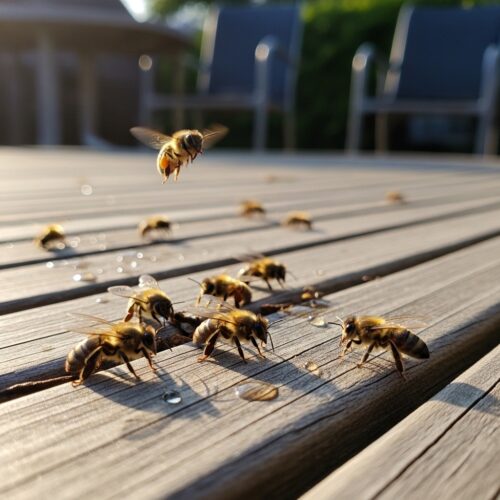
Bees love patios for a few simple reasons. The combination of flowers, warmth, and scent makes these outdoor spaces super appealing to them. Let’s dive into what’s drawing bees to your patio.
The Role of Flowers in Attracting Bees
Flowers are like a buffet for bees. They provide nectar and pollen, which are essential for their survival. Here are some key points about bee-attracting flowers:
- Nectar Sources: Flowers like lavender, sunflowers, and coneflowers are particularly popular with bees. They’re rich in nectar.
- Pollen Providers: Many flowers also offer pollen, which bees use to feed their young. If you have these plants around, expect bees to visit.
How Warmth and Scent Influence Bee Behavior
Bees are not only attracted to flowers but also to warmth and scent. Here’s how these factors come into play:
- Warmth: Patios get plenty of sunlight, making them warm and inviting for bees. This warmth helps them thrive and encourages them to explore.
- Scent: The fragrance of certain flowers, like rosemary and mint, acts like a beacon. Bees can smell these scents from quite a distance, drawing them closer to your patio.
Tips for Managing Bee Attraction
To keep bees at bay, consider these strategies:
Table of Contents
- Identify Attracting Plants: Know which flowers attract bees and think about replacing them with less appealing options, like marigolds or geraniums.
- Create Barriers: Installing screens can help shield your patio from bee traffic while still letting you enjoy the outdoors.
- Natural Repellents: Using essential oils, such as peppermint or eucalyptus, can deter bees. You might try a DIY spray using these oils to keep them away.
Remember, bees are essential for our ecosystem, but you can enjoy your patio without them buzzing around. If you’re looking for a more direct approach, consider using a bee repellent spray. Check Price on Amazon to find one that suits your needs!
1. Mind Your Flower Selections

Choosing the right flowers is key to keeping bees away from your patio. Some plants attract bees like crazy, while others won’t even catch their attention. Let’s dive into which flowers to avoid and what to plant instead.
Identify Bee-Attracting Flowers
Certain flowers are like magnets for bees. Here are some common offenders:
- Lavender: Sweet-smelling and lovely, but bees can’t resist it.
- Coneflowers: A favorite among many gardeners, but also a favorite for bees.
- Sunflowers: Bright and cheerful, yet they attract a swarm of buzzing friends.
- Mint: The scent is delightful for us, but a beacon for bees.
If you have any of these plants near your patio, it might be time to reconsider their placement or even remove them entirely.
Suggested Non-Bee-Attracting Plants
Now, what can you plant instead? Here are some excellent alternatives that are less appealing to bees:
- Marigolds: These vibrant flowers are great at keeping bees away.
- Geraniums: With their hardy petals, they don’t attract bees like other blooms.
- Petunias: Colorful and pretty, petunias are bee-resistant.
- Snapdragons: These charming flowers are not on bees’ radar.
When you’re choosing plants, consider applying the “3-3-3 rule”: for every three bee-attracting plants you have, replace them with three bee-unfriendly options. This keeps your outdoor space beautiful without the buzzing interruptions.
By being mindful of your flower selections, you can create a patio that’s inviting for you, but not for bees.
2. Utilize Natural Repellents

Keeping bees away doesn’t have to involve harsh chemicals. Natural repellents are effective and friendly to the environment. Let’s dive into some easy DIY methods to keep those buzzing visitors at bay.
Peppermint and Its Repelling Properties
Peppermint is a powerful ally when it comes to repelling bees. Its strong scent is off-putting to these little insects. Here’s how to use it:
1. Mix the Spray: Combine 10 drops of peppermint essential oil with 1 cup of water in a spray bottle.
2. Spray the Area: Spray this mixture around your patio or deck. Focus on corners and entry points where bees tend to gather.
Repeat this every few days, especially after rain. The scent fades, so keep it fresh!
Creating a Garlic Spray for Bees
Garlic isn’t just for cooking; it can also deter bees! Here’s a simple recipe:
1. Prepare the Garlic: Crush 2-3 garlic cloves and mix them with 1 cup of water.
2. Let It Steep: Allow the mixture to sit overnight. This lets the garlic infuse into the water.
3. Strain and Spray: Strain the garlic pieces and pour the liquid into a spray bottle. Use it around your patio.
The strong smell of garlic often keeps bees away, making it a great natural solution.
Using Vinegar as a Bee Deterrent
Vinegar is another excellent option. Bees dislike its sour scent. Here’s how to use it effectively:
1. Mix the Solution: Combine 1 tablespoon of apple cider vinegar with 1 cup of water in a spray bottle.
2. Spray the Perimeter: Spray this mixture around the edges of your patio. Bees tend to avoid areas with vinegar.
For best results, reapply weekly or after heavy rains.
Quick Reference List of Natural Repellents
- Peppermint Oil: Strong scent; mix 10 drops with 1 cup of water.
- Garlic Spray: Crush garlic cloves; steep and spray around patio.
- Vinegar Solution: Mix 1 tablespoon apple cider vinegar with 1 cup water.
These natural repellents are simple, effective, and you probably have most of the ingredients at home! If you prefer a ready-made option, consider Beekeeping Essentials: Bee Repellent Spray. Happy patio chilling!
3. Maintain a Clean Patio Environment
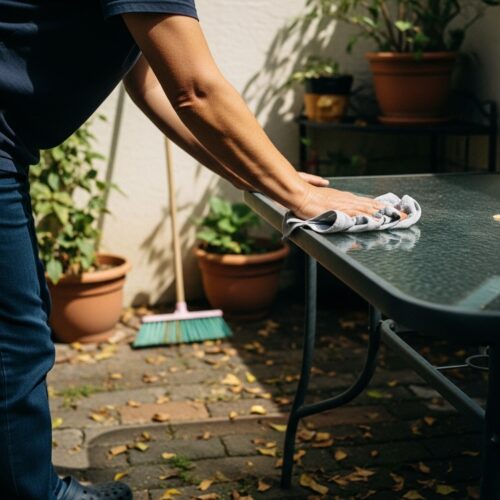
Keeping your patio clean is key to keeping those pesky bees away. A tidy space not only looks great but also minimizes attractants that can draw in bees. Let’s dive into how you can clean and declutter your patio effectively.
Regular Cleaning Routines
Start by creating a regular cleaning schedule. A clean patio is less inviting to bees. Here are some steps to consider:
- Sweep Up: Regularly sweep away crumbs and debris. Bees are attracted to food sources, so keeping surfaces clean is a must.
- Wipe Down Surfaces: Use a mild soap solution to wipe tables and chairs. Sticky residues from sugary drinks can be a bee magnet.
- Check for Standing Water: Inspect your patio for any areas where water collects. Empty bird baths or planters with standing water, as these attract bees looking for hydration.
Removing Food Sources and Debris
Food residues and clutter can create a bee-friendly environment. Here are some tips to keep your patio bee-free:
- Declutter Regularly: Remove empty flowerpots and other debris that can attract bees. Clutter can provide hiding spots for them.
- Choose Bee-Resistant Plants: If you have potted plants, consider swapping out bee-attracting flowers for options like succulents or herbs that bees find less appealing.
- Inspect Your Furniture: Rearranging outdoor furniture can help create a bee-free zone. If you notice bees congregating in one area, try moving potted plants away from seating areas.
Checklist for Regular Maintenance
Setting up a maintenance checklist can streamline your efforts. Here’s a quick reference:
- [ ] Sweep patio surfaces weekly.
- [ ] Wipe down tables and chairs after meals.
- [ ] Remove standing water or debris every few days.
- [ ] Inspect and declutter every month.
- [ ] Replace bee-attracting plants with alternatives.
This proactive approach helps ensure that your patio remains a no-fly zone for bees. A clean environment not only enhances your outdoor experience but also keeps those buzzing visitors at bay.
4. Explore Commercial Bee Repellents
Commercial bee repellents can be a quick fix when bees invade your patio. These products are designed to keep bees at bay without harming them. Let’s dive into what’s available and how to use them effectively.
Types of Commercial Bee Repellents
There are several types of commercial bee repellents. Here are some popular options:
- Citronella Candles: These candles emit a scent that bees dislike. They’re great for outdoor gatherings.
- Ultrasonic Devices: These gadgets emit high-frequency sounds that are unpleasant for bees but inaudible to humans.
- Essential Oil Sprays: Products with lavender, peppermint, or eucalyptus oil can deter bees. They’re natural and pleasant for people!
- Bee Traps: These attract bees to a container where they can’t escape. They can be effective if placed strategically.
How to Apply Commercial Solutions Effectively
Using commercial repellents requires some strategy. Here’s how to maximize their effectiveness:
- Location Matters: Place repellents near areas where bees are most active. This could be around flowers or food sources.
- Follow Instructions: Always read and follow the manufacturer’s guidelines. Some products may need reapplication after rain or heavy use.
- Combine Methods: For best results, use multiple types of repellents together. This layered approach can create a more effective barrier.
Pros and Cons of Popular Commercial Bee Repellents
Here’s a quick comparison of some popular options to help you choose the right one for your space:
| Repellent Type | Pros | Cons |
|---|---|---|
| Citronella Candles | Pleasant scent, easy to use | May need frequent replacement |
| Ultrasonic Devices | No chemicals, safe for humans | Effectiveness can vary |
| Essential Oil Sprays | Natural ingredients, customizable | Some people may have sensitivities |
| Bee Traps | Reduces bee population in targeted areas | May require maintenance and monitoring |
When choosing a repellent, consider your outdoor space and preferences. Some people prefer natural options, while others may not mind using chemical repellents.
Each option has its strengths and weaknesses, so think about what fits your needs best.
5. Create Physical Barriers
One of the best ways to keep bees away from your patio is by creating physical barriers. These barriers can be simple yet effective, helping you enjoy your outdoor space without buzzing interruptions.
Using Netting to Protect Your Space
Netting is a quick and cost-effective solution. You can drape it over your patio furniture or cover flower pots. This will shield your space from bees while still letting air flow through.
Here’s how to set it up:
1. Choose the right netting: Look for lightweight, breathable options. Make sure it’s fine enough to keep bees out but still allows sunlight in.
2. Measure your area: Determine how much netting you need. Measure the height and width of your furniture or patio.
3. Secure it properly: Use clips, weights, or ties to hold the netting in place. This prevents bees from sneaking in.
Screens as an Effective Deterrent
Installing screens around your patio or deck is another excellent option. Screens act as a barrier, keeping bees at bay while allowing you to enjoy the fresh air.
Here’s a quick guide to installing screens:
1. Select your screens: Choose sturdy, weather-resistant screens. They should be fine enough to block bees but still easy to see through.
2. Measure your patio area: Get the dimensions of your patio or deck. This helps ensure you buy the right amount of screening material.
3. Install with care: Attach screens to existing railings or structures. Use screws or brackets for a secure fit. Make sure there are no gaps where bees can wiggle through.
DIY Barrier Solutions
Want to get creative? Here are a couple of DIY ideas for barriers that can help keep bees away:
- Hanging Mesh Bags: Fill mesh bags with bee-repelling herbs like mint or rosemary. Hang them around your patio. The scent will deter bees while adding a nice touch to your decor.
- Outdoor Curtains: Install lightweight outdoor curtains that can be drawn close when you’re not using the space. This adds privacy and keeps bees out.
Creating physical barriers is an effective way to manage bee presence on your patio. With a little effort, you can enjoy your outdoor time without the buzz!
6. Recognize and Remove Bee Nests
Keeping your patio bee-free starts with knowing where they might be hiding. Identifying and dealing with bee nests safely is key to enjoying your outdoor space.
Identifying Common Bee Nests
Bees can make their homes in various spots. Here are some common places to look for nests:
- Holes in the ground: Many bees, like ground-nesting bees, prefer to dig small holes in your yard.
- Eaves and overhangs: Check under eaves, porches, and decks. Bees love nesting in these sheltered areas.
- Tree cavities: Look in trees for hollowed-out spaces. These can be prime spots for bee colonies.
- Garden decor: Decorative items like birdhouses or garden ornaments can attract bees if they have small openings.
When and How to Remove Beehives Safely
If you find a nest, deciding whether to remove it or call a pro is crucial. Here’s a quick decision framework:
1. Assess the size: If it’s small, you might handle it yourself. Large nests usually require a professional.
2. Check the activity: A buzzing hub indicates a large colony. If it’s calm, it may be safe to remove.
3. Consider your comfort level: If you’re unsure or allergic, it’s best to contact an expert.
Safe Removal Steps
If you decide to remove a small nest, follow these steps:
- Gear up: Wear protective clothing, including gloves and a veil.
- Choose the right time: Early morning or late evening is best when bees are less active.
- Use smoke: Light a small amount of incense or a smoker to calm the bees.
- Remove carefully: Use a gentle motion to relocate the nest. Ensure you’re not harming the bees.
Remember, it’s always safer to contact a local pest control expert if you’re in doubt. They can help with safe removal and prevent future nests.
By knowing where to look and how to act, you can enjoy your patio without worrying about unexpected buzzing guests!
7. Implement the 3 3 3 Rule for Bees
One effective way to manage bee populations around your patio is by using the 3 3 3 rule. This simple strategy focuses on three types of plants, three types of repellents, and three areas to monitor. Let’s break it down!
Understanding the 3 3 3 Rule
- Three Types of Plants:
1. Bee-Repellent Herbs: Rosemary, thyme, and mint are great choices. They release scents that bees dislike.
2. Non-Attractive Flowers: Opt for flowers like marigolds or geraniums. These won’t draw bees in like sweet-smelling blooms.
3. Succulents: These low-maintenance plants are not appealing to bees and can add greenery without the buzz.
- Three Types of Repellents:
1. Essential Oils: Use lavender or peppermint oil in a spray. Bees tend to steer clear of these scents.
2. Citronella Candles: Light these around your patio. The citrus scent helps keep bees at bay.
3. Commercial Repellents: Look for bee-safe sprays. They deter bees without harming them.
- Three Areas to Monitor:
1. Food Sources: Keep an eye on where food and drinks are served. Bees love sugary spills!
2. Flower Pots: Regularly check potted plants. If they attract bees, consider replacing them with the recommended plants.
3. Trash and Compost: Ensure bins are tightly sealed. Food waste is a bee magnet.
Applying the Rule in Your Outdoor Space
To put the 3 3 3 rule into action, start by evaluating your patio.
1. Plant Selection: Replace any bee-attracting plants with the suggested options.
2. Repellent Usage: Set up citronella candles during gatherings. Create a pleasant ambiance while keeping bees away.
3. Regular Monitoring: Before outdoor meals, check the surrounding areas for potential bee attractants.
Here’s a quick checklist to help you implement the 3 3 3 rule:
- [ ] Replace bee-attracting plants with bee-repellent options.
- [ ] Use essential oils or citronella candles regularly.
- [ ] Monitor food sources and trash bins to minimize bee attraction.
By following this simple yet effective strategy, you can enjoy your patio without the buzzing interruptions.
Frequently Asked Questions
These quick answers cover the most common questions about this topic, including key details, practical tips, and common concerns.
What keeps bees away from patios?
Bees are attracted to flowers, scents, and warmth. To keep them away, remove or replace bee-attracting plants, use natural repellents like peppermint or vinegar sprays, and maintain a clean environment. Physical barriers such as netting or screens can also prevent bees from entering your patio space.
What is the 3-3-3 rule for bees?
The 3-3-3 rule involves planting three bee-repellent plants (like rosemary, thyme, mint), avoiding three types of bee-attracting flowers (such as lavender or sunflowers), and monitoring three areas like food sources, flower pots, and trash bins. This strategy helps manage bee presence while maintaining a pleasant outdoor environment.
What do bees absolutely hate?
Bees dislike strong scents such as peppermint, eucalyptus, garlic, and vinegar. They also avoid certain plants like marigolds and geraniums. Using these natural repellents or planting these flowers can deter bees from your patio.
What can I put on my deck to deter bees?
Use natural repellents like peppermint or eucalyptus oils sprayed around your deck. Citronella candles emit scents bees dislike. Installing screens or hanging mesh barriers can also physically block bees from accessing your outdoor space.
How can I safely remove a beehive?
Identify the hive location carefully. If it’s small and manageable, wear protective gear and use smoke to calm the bees before gently removing the hive. For large or difficult nests, contact a professional beekeeper or pest control expert to ensure safe removal without harming the bees or risking stings.
Are there any plants that attract bees but are safe to have near patios?
Yes. Many plants attract pollinators but are less aggressive, such as lavender, coneflowers, or sunflowers. If you want to attract pollinators without encouraging bee intrusion near your seating areas, plant these away from your patio or use them in a designated pollinator garden.
What are the best natural repellents for bees?
Effective natural repellents include peppermint oil, garlic spray, and vinegar solutions. These can be easily prepared at home and sprayed around your patio. They are safe for the environment and humans while discouraging bees from lingering.
When is bee season, and when should I apply repellents?
Bee season typically peaks from spring through late summer. It’s best to apply repellents early in the season and reapply after rain or heavy use. Regularly monitor your outdoor space during these months to keep bees at bay.