
Mount Rainier National Park offers an array of activities for every type of visitor in 2026. From breathtaking hikes to family-friendly adventures, this guide outlines the best things to do at this iconic national park, ensuring you don’t miss any must-see attractions.
1. Explore the Iconic Skyline Trail
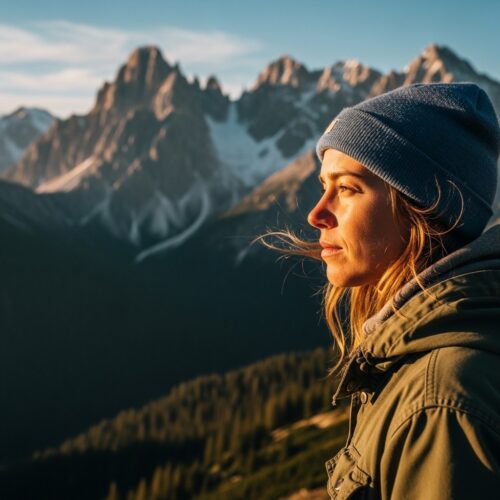
Trail Overview and Difficulty
The Skyline Trail is about 5.4 miles round trip. It features a challenging elevation gain of 1,700 feet. Expect steep sections, but the views are totally worth it! Here’s what you need to know:
- Elevation Gain: 1,700 feet
- Distance: 5.4 miles round trip
- Trail Type: Loop
- Difficulty Level: Moderate to Strenuous
The trail is mostly well-maintained and paved in some areas, making it accessible for many hikers. It’s a great choice for those looking to experience the park’s natural beauty up close.
Best Times to Visit for Wildflowers
If you want to catch the wildflowers in full bloom, plan your visit between mid-July and early August. During this time, the trail is adorned with colorful bursts of flowers like lupines, Indian paintbrush, and avalanche lilies. The combination of wildflowers and stunning mountain views creates a picture-perfect hike.
Table of Contents
Recommended Gear for Hikers
When tackling the Skyline Trail, be prepared with the right gear. Here’s a quick checklist:
- Sturdy Hiking Boots: Comfortable footwear is essential for the varied terrain.
- Water Bottle: Stay hydrated, especially on warmer days.
- Sun Protection: Sunglasses and sunscreen will protect you from UV rays.
- Snacks: Energy bars or trail mix are great for a boost along the way.
- Camera: Capture the stunning views and wildflower beauty!
I remember hiking this trail on a sunny August morning. The wildflowers were in full bloom, painting the landscape with vibrant colors. As I reached a viewpoint, the sight of Mount Rainier towering above was breathtaking. I sat down with fellow hikers to enjoy a snack while taking in the view. It’s moments like these that make the Skyline Trail unforgettable!
2. Discover the Beauty of Pinnacle Peak
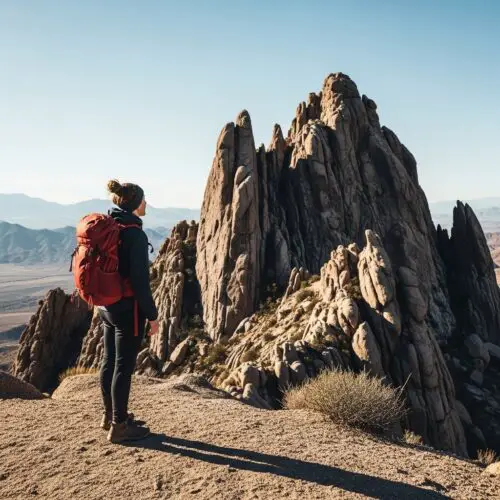
Hiking Pinnacle Peak is a must-do at Mount Rainier National Park. This trail is not just about the hike; it’s about the spectacular views that await you at the top. Let’s dive into what makes this hike special!
Trail Features and Wildlife Encounters
The Pinnacle Peak trail spans about 3.5 miles one way, with an elevation gain of around 1,100 feet. This means it’s a moderately challenging hike, perfect for those looking to get their heart pumping. As you ascend, you’ll be surrounded by lush forests and colorful wildflowers in the summer.
Keep your eyes peeled for wildlife! You might spot deer, chipmunks, or even a soaring eagle if you’re lucky. The trail is alive with the sounds of nature, making it an immersive experience.
Accessibility for Different Skill Levels
Pinnacle Peak is accessible for various skill levels, but it’s essential to come prepared. Here are a few tips:
- Beginners: Start early in the morning to avoid crowds. Bring plenty of water and snacks.
- Intermediate Hikers: Consider bringing trekking poles for stability. The incline can be steep in places.
- Advanced Hikers: Challenge yourself by timing your ascent and descent. Aim for a round trip in about 4-6 hours depending on your pace.
What to Expect at the Summit
At the summit, the panoramic views are nothing short of breathtaking. You’ll have a 360-degree view of Mount Rainier and the surrounding valleys. The sight of the rugged peaks and expansive forests is something you won’t forget.
Best times to hike? Early summer is ideal. The wildflowers are in bloom, and the weather is typically mild. Avoid weekends if you can; weekdays tend to be quieter.
To sum it up, Pinnacle Peak offers an unforgettable hiking experience. With stunning views, diverse wildlife, and accessible trails, it’s a highlight you shouldn’t miss in 2026!
3. Experience the Allure of Paradise

Paradise is a gem within Mount Rainier National Park. It’s known for its stunning meadows, vibrant wildflowers, and family-friendly trails. This area offers something for everyone, making it a perfect family outing.
Wildflower Blooming Seasons
One of the highlights of Paradise is its wildflower displays. The best time to see wildflowers is from late June to early August. During this time, the meadows burst into color. Here are some popular spots for wildflower viewing:
- Skyline Trail: This trail offers breathtaking views and an array of flowers.
- Alta Vista Trail: A shorter hike that packs a punch with its vibrant blooms.
- Mowich Lake Region: Check out Spray Park for beautiful wildflower patches, but keep an eye out for black bears!
Family Activities in Paradise
Paradise is packed with family-friendly activities that everyone will enjoy. Here are some must-do experiences:
- Grove of the Patriarchs: A 1.5-mile stroll with giant trees and boardwalks. Perfect for kids and easy for strollers.
- Short Nature Trails: Explore various trails that cater to all ages. You can find trails with minimal elevation gain, making them accessible for everyone.
- Picnic Areas: Enjoy a family picnic with scenic views. Pack your lunch and take a break in the lush meadows.
Tips for a Perfect Family Day Out
Planning a family day at Paradise? Here’s a handy checklist to maximize your visit:
- Check Weather Conditions: Weather can change quickly, so dress in layers.
- Arrive Early: Parking fills up fast, especially on weekends.
- Bring Snacks and Water: Stay fueled for your adventures.
- Use the Park Map: Familiarize yourself with trails and activities to make the most of your time.
- Keep an Eye on Kids: With wildlife around, it’s important to keep children close and educate them about park safety.
By following these tips, your family can enjoy all the beauty and adventure Paradise has to offer in 2026!
4. Admire Reflection Lakes
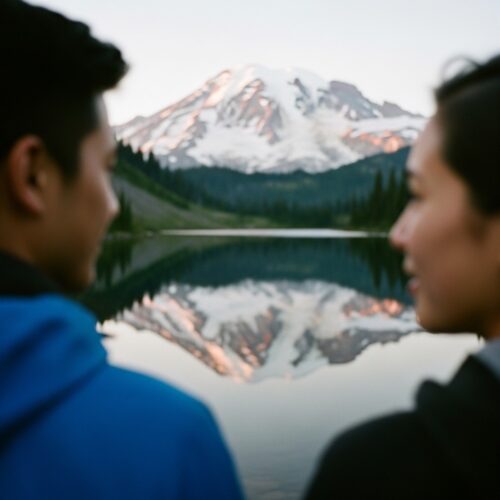
Reflection Lakes is a must-see at Mount Rainier National Park. These stunning lakes offer breathtaking views, especially when the mountain reflects on their calm surfaces. It’s a perfect spot for capturing those Instagram-worthy photos!
Best Times for Photography
The best time to photograph Reflection Lakes is during the early morning or late afternoon. The light is softer then, creating beautiful reflections on the water. Here are some tips:
- Golden Hour: Arrive just before sunrise or sunset for the best lighting.
- Clear Days: Visit on a clear day for stunning visibility of Mount Rainier.
- Wildflowers: In late summer, wildflowers around the lakes add vibrant colors to your shots.
Nearby Activities and Trails
After soaking in the views, explore nearby trails for even more adventure. Here are a few options:
- Skyline Trail: A scenic trail that offers panoramic views of the surrounding landscape. It’s about 5.5 miles round trip, with moderate elevation gains.
- Alta Vista Trail: A shorter 1.8-mile loop that connects with the Skyline Trail. It’s perfect for family outings or a quick nature walk.
- Wildlife Watching: Keep an eye out for deer, marmots, and various birds that call this area home.
Safety Tips for Visitors
Safety is important when enjoying the park’s beauty. Here are some quick tips:
- Stay on Trails: To protect the delicate ecosystem and ensure your safety, stay on marked trails.
- Watch for Wildlife: Keep a safe distance from wildlife. Feeding animals is prohibited and can be dangerous.
- Hydrate and Snack: Bring plenty of water and snacks to keep your energy up while exploring.
By keeping these tips in mind, you can fully enjoy the stunning vistas and unique experiences Reflection Lakes has to offer in 2026!
5. Hike to Mt. Fremont Fire Lookout
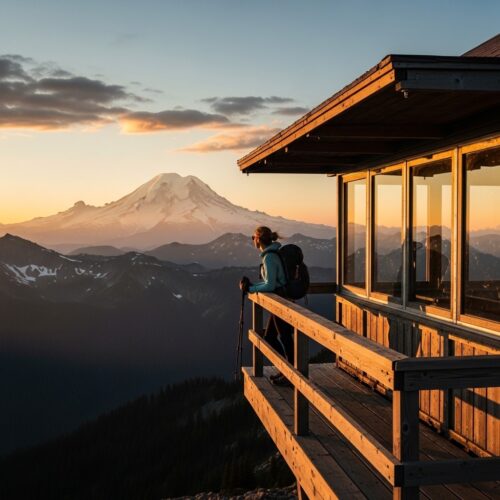
The hike to Mt. Fremont Fire Lookout is one of the most rewarding adventures in Mount Rainier National Park. This trail offers stunning views and a glimpse into the park’s rich history.
Trail Overview and History
The Mt. Fremont Fire Lookout trail spans nearly 6 miles round trip. It begins at the Sunrise parking lot. This trail isn’t just about the hike; it’s also about the lookout’s history. Built in 1933, the fire lookout was crucial for spotting wildfires. Today, it stands as a beloved landmark offering breathtaking views of the surrounding wilderness.
What to Expect Along the Hike
As you hike up, prepare for a mix of challenging terrain and gorgeous scenery. The elevation gain is about 1,200 feet, so you’ll definitely feel the burn! Here’s what you can expect along the way:
- Sweeping Views: Enjoy panoramic vistas of Mount Rainier and the vast alpine scenery.
- Wildlife Sightings: Keep an eye out for mountain goats and various bird species.
- Wildflowers: In summer, vibrant wildflowers blanket the hillsides, creating a picturesque landscape.
Ideal Hiking Season
The best time to hike to Mt. Fremont is from late July to early September. During this window, the weather is typically sunny, and the wildflowers are in full bloom. However, always check the trail conditions before you go. If you’re planning for 2026, expect to see even more upgrades and possibly new visitor amenities along the route.
This hike combines adventure with a touch of history, making it a must-do for anyone visiting Mount Rainier National Park.
6. Enjoy Stargazing at Paradise and Stevens Canyon
Stargazing at Mount Rainier National Park is pure magic, especially in the Paradise and Stevens Canyon areas. The clear, dark skies make for stunning views of stars, planets, and even the Milky Way. Here’s how you can make the most of your stargazing adventure in 2026.
Best Viewing Conditions
For the best stargazing experience, aim for a night with minimal light pollution. New moon phases are ideal, as the sky is darkest then. Visiting during late summer or early fall can also enhance your experience, thanks to clearer skies and mild temperatures. Check local weather forecasts to avoid cloudy nights.
Equipment Recommendations
You don’t need fancy gear to enjoy the night sky, but a few items can enhance your experience:
- Binoculars: Handy for spotting details in the moon and planets.
- Star Charts: These can help you identify constellations and celestial events.
- Camera: For capturing those breathtaking night shots.
- Blanket or Chair: Comfort is key! Lay back and soak it all in.
Local Stargazing Events
In 2026, several stargazing events are planned at Mount Rainier. Here’s a quick schedule:
| Date | Event | Location |
|---|---|---|
| July 15 | Star Party | Paradise |
| August 12 | Perseid Meteor Shower Viewing | Stevens Canyon |
| September 9 | Full Moon Hike and Stargazing | Paradise |
These events are family-friendly and often include knowledgeable rangers to guide you through the night sky. Make sure to arrive early to secure a good spot!
With these tips, you’re all set for a night under the stars at Mount Rainier. Enjoy the beauty of the cosmos!
7. Experience Family-Friendly Trails and Junior Ranger Programs
Mount Rainier National Park is the perfect spot for families looking to explore the great outdoors together. With fun trails and engaging programs, there’s something for everyone, especially kids eager to learn!
Overview of Junior Ranger Program
The Junior Ranger Program is a fantastic way for kids to connect with nature. Children complete a booklet filled with fun activities about the park’s plants, animals, and history. Once they finish, they earn a special Mount Rainier Junior Ranger badge. It’s educational and super fun! Many families rave about this program. One mom shared how her kids loved learning and felt proud wearing their badges. It’s a perfect blend of adventure and education.
Suggested Trails for Families
When it comes to hiking, Mount Rainier offers several family-friendly trails. Here are a few that are sure to please:
- Grove of the Patriarchs: This 1.5-mile trail is easy and features boardwalks and massive trees. Perfect for little legs!
- Trail of the Shadows: A short, scenic loop that takes you through a beautiful forest and along a lovely pond. It’s about a mile long and great for all ages.
- Comet Falls: For a bit more adventure, hike to Comet Falls. The trail is about 2 miles round trip and offers stunning views. Kids love the spray from the falls!
These trails provide not just exercise but also opportunities to spot wildlife and enjoy breathtaking views.
Educational Resources Available
Mount Rainier is rich with educational resources for families. In addition to the Junior Ranger Program, visitors can find:
- Guided Ranger Programs: Join a ranger for a family-friendly hike or talk. These programs can enhance your experience and provide deeper insights into the park’s ecology.
- Visitor Centers: Stop by the Paradise Visitor Center or the Sunrise Visitor Center. They offer exhibits and information that can enrich your visit.
- Nature Scavenger Hunts: Grab a scavenger hunt checklist from the visitor center. It’s a fun way for kids to stay engaged while exploring.
These resources make every visit memorable and informative, helping families create lasting memories in nature.
8. Plan Your Visit: Seasonal Activities and Visitor Tips
Planning a visit to Mount Rainier National Park in 2026? You’re in for a treat! Here’s a seasonal breakdown of activities and tips to make the most of your trip.
Seasonal Highlights
- Spring (April – June):
- Wildflower blooms start in late May. Paradise is a must-see for vibrant colors.
- Snow melt opens up trails by mid-June. Check trail conditions before heading out.
- Summer (July – August):
- Peak hiking season! Trails like Skyline and Wonderland are popular.
- Join ranger-led programs for fun, informative experiences.
- Don’t miss the annual Mount Rainier Bluegrass Festival in July!
- Fall (September – October):
- Stunning foliage appears in September. This is a great time for photography.
- Wildlife is more active, making it a good season for spotting animals.
- Consider a visit during the annual Mount Rainier Harvest Festival in October.
- Winter (November – March):
- Snowshoeing and cross-country skiing are popular.
- Winter storms can change plans quickly. Always check weather updates.
- Visit during the holiday season for winter festivities at the park.
Tips for Avoiding Crowds
- Visit Early or Late: Aim for early morning or late afternoon. This way, you’ll escape the peak crowds and enjoy quieter trails.
- Explore Lesser-Known Areas: While Paradise is famous, don’t overlook Sunrise or Carbon River for breathtaking views.
- Weekdays vs. Weekends: If you can, plan your visit on a weekday. Parks tend to be busier on weekends, especially in summer.
Essential Packing List
To ensure a smooth visit, here’s a quick packing checklist:
- Clothing: Layered clothing is crucial. Temperatures can change quickly!
- Hiking Gear: Good hiking boots, trekking poles, and a hydration pack.
- Snacks: Bring energy bars or trail mix for those long hikes.
- Maps: Download offline maps or have a physical copy for navigation.
- Camera: Capture the stunning views and wildlife encounters.
With these tips and seasonal highlights, you’re all set for an incredible experience at Mount Rainier National Park in 2026!
9. Safety and Accessibility in Mount Rainier National Park
When visiting Mount Rainier National Park, safety and accessibility are top priorities. Knowing the guidelines and available facilities can enhance your experience and keep you safe.
General Safety Guidelines
Safety is crucial while exploring the park. Here are some essential tips to keep in mind:
- Stay on Marked Trails: It’s easy to get lost off the beaten path. Stick to designated trails to avoid accidents.
- Wildlife Awareness: Keep a safe distance from animals. Feeding them is a big no-no!
- Hydration: Drink plenty of water. Dehydration can sneak up on you, especially during hikes.
- Weather Preparedness: Weather can change rapidly. Be ready for rain, snow, or sun—even on the same day!
- Emergency Checklist: Pack a basic first aid kit. Include items like band-aids, antiseptic wipes, and pain relievers.
Accessible Trails and Facilities
Mount Rainier National Park aims to be welcoming for everyone. Here are some accessible options:
- Trails: The Trail of the Shadows is a short, flat loop that’s perfect for wheelchairs and strollers. It’s a great way to enjoy the scenery without a strenuous hike.
- Visitor Centers: Facilities like the Henry M. Jackson Visitor Center at Paradise offer accessible restrooms and exhibits.
- Parking: Designated parking spaces are available near trailheads and visitor centers for those with mobility challenges.
Emergency Contacts and Procedures
Knowing who to contact in an emergency is vital. Here’s what to remember:
- Park Rangers: They are your go-to for help. If you find yourself in trouble, locate the nearest ranger station.
- Cell Phone Coverage: Be aware that coverage can be spotty. Consider carrying a whistle or signal mirror for emergencies.
- Visitor Safety Line: Keep the number for park emergencies handy. It’s always better to be prepared!
With these safety measures and accessibility options in mind, your adventure at Mount Rainier will be both enjoyable and secure!
Frequently Asked Questions
These quick answers cover the most common questions about this topic, including key details, practical tips, and common concerns.
What not to miss in Mount Rainier National Park?
Some must-see highlights include the Skyline Trail for wildflower views and mountain panoramas, Paradise for its vibrant meadows and family activities, Reflection Lakes for stunning reflections of Mount Rainier, and the historic Mt. Fremont Fire Lookout. These sites showcase the park’s natural beauty and history.
How many days do I need at Mount Rainier National Park?
To explore the main attractions comfortably, plan for at least 3 to 4 days. This allows time for hikes, sightseeing, wildlife viewing, and relaxing at various areas like Paradise, Sunrise, and Reflection Lakes. Longer stays offer more in-depth experiences.
Will Mount Rainier have timed entry in 2026?
Official details for 2026 are not yet available, but many national parks are adopting timed entry systems to manage crowds. It’s recommended to check the National Park Service website closer to your visit for updates on reservations or timed entry requirements.
Are there grizzly bears in Rainier?
No, grizzly bears are not native to Mount Rainier National Park. The park is home to black bears, mountain goats, deer, and marmots. Always maintain a safe distance from wildlife and follow park guidelines.
What are the best family-friendly activities at Mount Rainier?
Family-friendly options include the Grove of the Patriarchs trail, short nature walks, Junior Ranger programs, and visiting visitor centers. These activities are engaging for children and provide educational experiences in a safe environment.
How can I stay safe while hiking in Mount Rainier?
Always stay on marked trails, carry plenty of water, and check weather conditions before heading out. Be prepared for sudden changes in weather, and carry a basic first aid kit. Keep wildlife at a safe distance and inform someone of your plans.
What wildlife can I expect to see at Mount Rainier?
You might see black bears, mountain goats, deer, marmots, eagles, and various bird species. Keep an eye out for wildlife along trails and in meadows, but always observe from a safe distance and do not feed animals.
How do I plan a visit to Mount Rainier?
Start by choosing the best time based on your interests—wildflower season in summer or snow activities in winter. Book accommodations early, check trail conditions, and consider guided programs. Pack layered clothing, necessary gear, and park passes or reservations if required.