
Yes, aloe is classified as a succulent plant due to its unique ability to store water in its thick, fleshy leaves. This guide delves into the botanical classification of aloe, its care requirements, and its medicinal benefits [1].
Understanding Aloe’s Classification
Aloe is classified as a succulent plant due to its unique water-storage capabilities. This classification is anchored in both botanical taxonomies and specific physiological characteristics.
Table of Contents
The Botanical Family of Aloe
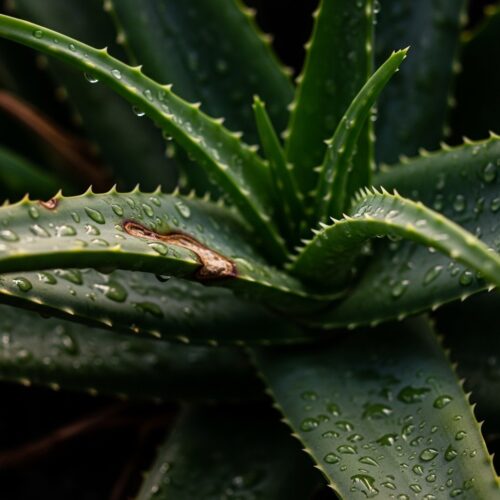
Aloe belongs to the Asphodelaceae family, which is significant in defining its classification. This family encompasses various plants, but Aloe is particularly noted for its water-retaining leaves and drought-resistant traits. Understanding its family classification helps in recognizing its ecological adaptations.
Key Characteristics of Succulents
Succulents, including Aloe, share defining traits:
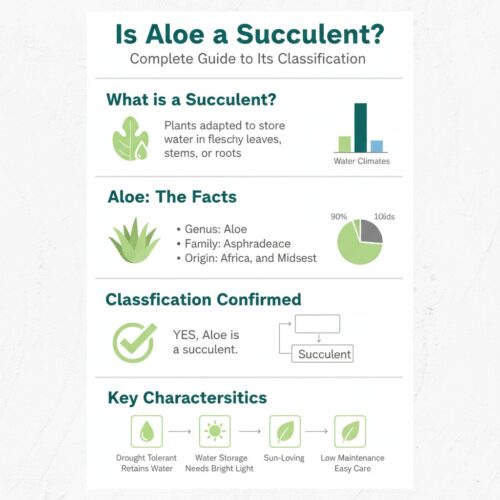
- Water Storage: Succulents have specialized tissues for storing water, allowing them to endure drought conditions.
- Fleshy Leaves: Aloe’s thick, fleshy leaves are filled with a gelatinous substance that is about 99% water.
- Photosynthesis: Many succulents utilize Crassulacean Acid Metabolism (CAM), a process that minimizes water loss by opening stomata at night.
These characteristics are crucial for survival in arid environments, making Aloe a quintessential example of a succulent plant.
How Aloe Fits the Succulent Definition
Aloe’s classification as a succulent is clear when examining its adaptations:
- Appearance: The rosette formation of its leaves enhances water retention.
- Environment: Native to arid regions of Africa and the Arabian Peninsula, Aloe thrives where water scarcity is a norm.
- Care Requirements: Aloe requires minimal watering and well-draining soil, common care guidelines for succulents.
For instance, understanding that Aloe’s leaves can store significant amounts of water informs care practices, such as allowing soil to dry completely between waterings. Overwatering can lead to root rot, a common issue among succulent caretakers.
In summary, Aloe’s classification as a succulent is supported by its family placement in Asphodelaceae and its unique adaptations that align with the characteristics of succulents.
What Defines a Succulent Plant?
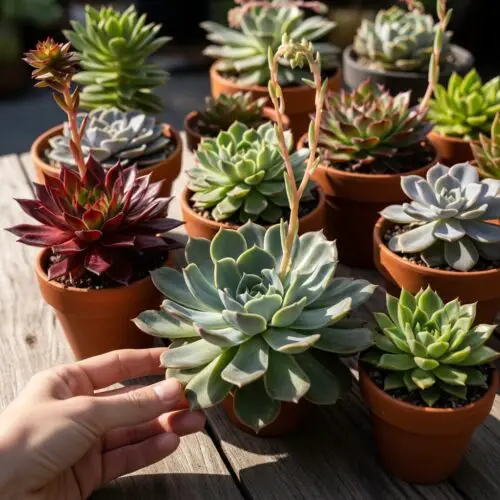
Succulents are distinguished by their remarkable adaptations to arid environments. Aloe, as a quintessential succulent, embodies these characteristics through its water storage capabilities, specialized leaf structure, and drought resistance.
Water Storage Mechanisms in Succulents
Aloe plants have evolved to thrive in dry conditions, primarily due to their ability to store water. This is achieved through:
- Thick, fleshy leaves: Aloe leaves are engorged with a gelatinous pulp, which is approximately 99% water. This adaptation allows the plant to survive long periods without rainfall [4].
- Water storage tissues: The specialized tissues in the leaves enable aloe to retain moisture, ensuring continued metabolic functions during droughts. This trait is a defining characteristic of all succulents.
Adaptations for Arid Environments
To further enhance their survival, aloe plants exhibit several critical adaptations:
- Crassulacean Acid Metabolism (CAM) photosynthesis: This unique process allows aloe to open its stomata at night, minimizing water loss during the hotter daytime hours [6].
- Low surface-to-volume ratio: Aloe’s leaf structure reduces the area exposed to evaporation, further conserving water.
- Waxy cuticle: A thick, protective outer layer prevents moisture loss, enhancing its drought resistance.
| Characteristic | Aloe Vera | Other Succulents |
|---|---|---|
| Water Storage | High (99% water in leaves) | Varies by species |
| Leaf Structure | Thick, fleshy, rosette shape | Varies (can be thin or fleshy) |
| Photosynthesis Type | CAM | CAM or C3 depending on species |
| Drought Resistance | High | Varies by species |
These features not only define aloe as a succulent but also guide its care requirements. Understanding these traits is essential for successful cultivation and maintenance of aloe plants in various environments.
Caring for Aloe Plants: Essential Tips
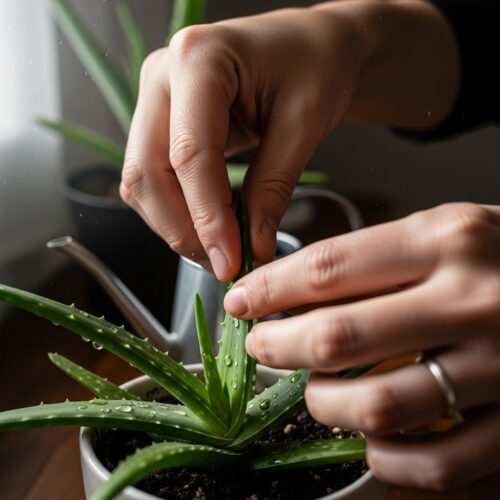
Aloe plants thrive with minimal care, making them ideal for both novice and experienced gardeners. Understanding their specific needs is crucial for maintaining their health and vitality.
Watering Guidelines for Aloe
Aloe plants require infrequent watering. The general rule is to allow the soil to dry out completely between waterings. Overwatering is the primary cause of aloe plant death.
- Check Soil Moisture: Insert a finger about an inch into the soil. If it feels dry, it’s time to water.
- Watering Frequency: During the growing season (spring and summer), water every 2-4 weeks. In fall and winter, reduce watering to once every 4-6 weeks.
- Watering Technique: Water deeply until it drains from the bottom of the pot, ensuring the roots get sufficient moisture without sitting in water.
Ideal Lighting Conditions
Aloe plants thrive in bright, indirect sunlight. Here are some lighting tips:
- Indoor Placement: Position near a window that receives filtered light. Avoid direct sunlight, which can scorch the leaves.
- Outdoor Conditions: If grown outdoors, provide light shade during the hottest parts of the day, especially in summer.
- Adjusting Light: If the leaves start to turn brown or develop a reddish hue, it may indicate too much direct sunlight.
Selecting the Right Soil
Aloes prefer well-draining soil to prevent root rot. Here’s how to choose the right medium:
- Soil Type: Use a cactus or succulent mix, or create your own by combining potting soil with sand and perlite.
- Container Choice: Opt for pots with drainage holes. Terracotta pots are excellent as they wick moisture away from the roots.
- Soil Moisture Management: Ensure the soil remains dry for extended periods, as aloe plants are adapted to arid environments.
Quick Care Checklist for Aloe
- Watering: Allow soil to dry completely before watering.
- Sunlight: Provide bright, indirect light for optimal growth.
- Soil: Use well-draining soil; consider a cactus mix.
- Pot: Use a container with drainage holes.
By adhering to these guidelines, you can cultivate a thriving aloe plant that exemplifies the characteristics of succulents, particularly its remarkable ability to store water and thrive in low-maintenance conditions.
Differences Between Aloe and Cacti
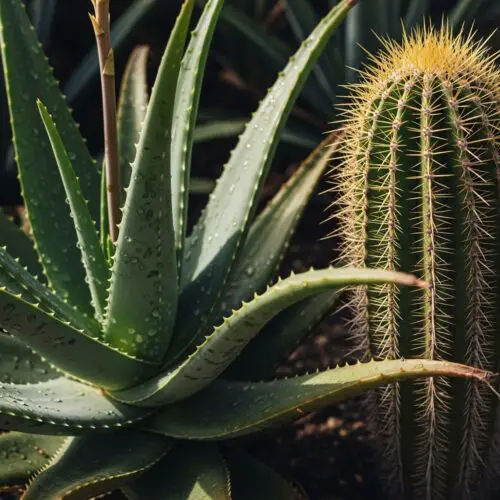
Aloe and cacti are both classified as succulents, yet they belong to different botanical families with distinct characteristics. Understanding these differences is crucial for effective care and appreciation of each plant’s unique features.
Classification Differences
Aloe falls under the Asphodelaceae family, while cacti belong to the Cactaceae family. This genetic distinction is foundational in understanding their traits. Only cacti develop areoles, which are small, cushion-like structures from which spines and flowers emerge. Aloe does not possess this feature; instead, it has thick, fleshy leaves that grow in rosettes. This key difference underscores how genetic lineage shapes plant morphology.
Morphological Traits
| Trait | Aloe | Cacti |
|---|---|---|
| Leaves | Thick, fleshy leaves | Spines or modified leaves |
| Stems | Typically stemless or short | Often have prominent stems |
| Flowers | Tubular, showy flowers | Generally smaller, less colorful |
| Growth Habit | Rosette formation | Often branched or tree-like |
Aloe leaves are designed for water storage, filled with a gelatinous substance that aids in drought resilience. In contrast, cacti have spines that reduce water loss and deter herbivores, showcasing different evolutionary adaptations to arid environments.
Ecological Adaptations
Both aloe and cacti thrive in arid climates, but their adaptations differ. Aloe utilizes Crassulacean Acid Metabolism (CAM) photosynthesis, opening its stomata at night to minimize water loss during the day. Cacti follow a similar strategy but have evolved additional features like waxy coatings on their surfaces to further reduce evaporation.
Aloe species typically require less water than many cacti, as their fleshy leaves can store more moisture. However, both require well-draining soil to prevent root rot, which can be a common issue if overwatered.
In summary, while both aloe and cacti are succulents adapted to dry conditions, their differences in classification, morphology, and ecological adaptations highlight the diversity within succulent plants.
Medicinal Uses of Aloe Vera
Aloe vera is not only a succulent; it is also renowned for its impressive medicinal properties. From ancient times to modern-day applications, this plant has played a significant role in health and wellness.
Historical Uses of Aloe
Historically, aloe vera has been utilized across various cultures for its healing properties. Ancient Egyptians referred to it as the “plant of immortality” and used it to treat wounds and skin ailments. This long-standing relationship with healing substantiates its status as a medicinal powerhouse.
Current Medicinal Applications
Today, aloe vera is commonly recognized for several key medicinal applications:
- Wound Healing: Aloe vera gel accelerates the healing of minor cuts and burns. Its anti-inflammatory properties reduce swelling and promote skin repair, making it a go-to for first aid [12].
- Digestive Health: Aloe vera juice is often consumed to soothe digestive issues. It may help alleviate symptoms of gastrointestinal disorders, including irritable bowel syndrome.
- Skin Hydration: The gel hydrates the skin, providing relief for dry or irritated areas. It is frequently included in cosmetic products for its moisturizing effects.
- Blood Sugar Regulation: Some studies suggest that aloe vera can lower blood sugar levels in individuals with type 2 diabetes, offering potential benefits for managing this condition [14].
Safety Considerations
While aloe vera is generally safe for topical use, certain precautions should be noted:
- Internal Use: Consuming large amounts of aloe vera latex can lead to adverse effects, including abdominal cramps and diarrhea.
- Allergic Reactions: Some individuals may experience skin reactions. It’s advisable to perform a patch test before widespread application.
- Consult Healthcare Providers: Anyone considering aloe vera for medicinal purposes should consult a healthcare professional, especially if they are pregnant or have underlying health conditions.
In summary, the medicinal applications of aloe vera underscore its significance beyond mere classification as a succulent. Its historical and contemporary uses illustrate its versatility and effectiveness in promoting health and well-being.
Common Care Issues with Aloe Plants
Aloe plants are generally resilient, but they can encounter specific care issues that affect their health and vitality. Understanding these problems is crucial for any succulent enthusiast.
Common Symptoms and Their Causes
1. Browning Leaves: This is often a sign of overexposure to direct sunlight or overwatering. Aloe leaves can turn brown or develop a scorched appearance when they receive too much light. Conversely, if they are overwatered, browning can result from root rot, which compromises the plant’s ability to absorb nutrients and water.
2. Wilting or Drooping: This indicates underwatering. Aloe plants need a consistent moisture level but can go long periods without water due to their succulent nature. If the leaves appear soft and pliable, it may be time to reassess your watering schedule.
3. Yellowing Leaves: This is frequently associated with overwatering, leading to root rot. If the leaves are yellow and mushy, check the soil for moisture and adjust your watering habits accordingly.
4. Pest Infestations: Aloe plants can be susceptible to pests such as mealybugs and aphids. Look for white, cottony masses or a sticky residue on the leaves, which are indicators of an infestation.
Preventative Measures
- Lighting: Ensure your aloe receives bright, indirect sunlight. If indoors, place it near a south-facing window but shield it from direct sun during peak hours.
- Watering Routine: Follow the rule of letting the top 1-2 inches of soil dry out before watering. This prevents root rot while allowing the plant to hydrate adequately.
- Soil Selection: Use well-draining soil specifically designed for succulents. A standard potting mix can retain too much moisture, leading to root issues.
- Regular Inspections: Frequently check for pests. Early detection is key to preventing infestations from becoming severe.
Treatment Options
- For Browning Leaves: Reduce direct sunlight exposure and adjust your watering schedule. If root rot is suspected, repot the aloe in fresh, dry soil after trimming away any affected roots.
- For Pests: Treat infestations with insecticidal soap or neem oil. Spray the affected areas thoroughly, and repeat every few days until the pests are eliminated.
- For Yellowing Leaves: If caused by overwatering, allow the plant to dry out completely. Repotting may be necessary if the roots are mushy.
Flowchart for Diagnosing Care Issues
START
│
├── Are Leaves Browning?
│ │
│ ├── Too Much Direct Sunlight?
│ │ → Move to Bright Indirect Light
│ │
│ └── Overwatering?
│ → Check Soil → Let it Dry Completely
│
├── Is the Plant Wilting or Drooping?
│ │
│ └── Underwatering?
│ → Water Deeply Until Drainage Occurs
│
├── Are Leaves Turning Yellow?
│ │
│ └── Overwatering?
│ → Reduce Watering Frequency
│
└── Any Signs of Pests?
│
└── Mealybugs / Aphids?
→ Treat with Neem Oil or Insecticidal Soap
By recognizing these common symptoms and implementing preventative measures, you will ensure your aloe thrives as a distinguished succulent in your collection.
Frequently Asked Questions
These quick answers cover the most common questions about this topic, including key details, practical tips, and common concerns.
Can I plant aloe in succulent soil?
Yes, aloe plants thrive in well-draining succulent or cactus soil. This type of soil prevents excess moisture around the roots, reducing the risk of root rot. You can also create your own mix by combining standard potting soil with sand and perlite for optimal drainage [1][2].
Is aloe a succulent or a cactus?
Aloe is a succulent, not a cactus. It belongs to the Asphodelaceae family and lacks areoles, which are characteristic of cacti. Aloe’s thick, fleshy leaves are designed for water storage, similar to other succulents, but it does not have spines or structures typical of cacti [3][9].
Can aloe vera cure high blood pressure?
Some studies suggest aloe vera may help lower blood pressure due to its antioxidant and anti-inflammatory properties. However, more research is needed, and it should not replace prescribed medication. Always consult a healthcare provider before using aloe vera for medical purposes [13][14].
What cannot be mixed with aloe vera?
Avoid mixing aloe vera with harsh chemicals or products containing alcohol, as they can irritate the skin or reduce aloe’s soothing effects. Also, do not combine aloe with certain medications or supplements without medical advice, especially if taken internally, to prevent adverse reactions [10].
How often should I water my aloe plant?
Water your aloe deeply only when the top 1-2 inches of soil are dry. During the growing season, this typically means every 2-4 weeks. In winter, reduce watering further. Proper watering prevents overwatering and root rot, common issues with aloe [7].
When is the best time to repot aloe?
Repot aloe when it outgrows its current container or shows signs of root crowding, usually every 2-3 years. Spring is the best time, as the plant is actively growing and can recover quickly from repotting [7].
What are common problems with aloe plants?
Common issues include browning leaves from overexposure to sunlight or overwatering, yellowing leaves from root rot, and pest infestations like mealybugs. Regular inspection and proper watering, lighting, and soil help prevent these problems [11].
Are all aloe species safe for pets?
Not all aloe species are safe for pets. Aloe vera, in particular, can be toxic to cats and dogs if ingested, causing vomiting or diarrhea. Always identify your specific aloe species and keep it out of reach of pets [8][11].
References
1. Aloe vera – North Carolina Extension Gardener Plant Toolbox
2. Aloe – North Carolina Extension Gardener Plant Toolbox
4. Aloe vera: A review of toxicity and adverse clinical effects – PMC
5. Composition and Applications of Aloe vera Leaf Gel – PMC
6. Preconditioning to Water Deficit Helps Aloe vera to Overcome …
7. Aloe Vera: Houseplant How-To – SDSU Extension
9. Aloe Vera – Plants – Gardening Solutions – University of Florida
10. Aloe Vera: Usefulness and Safety | NCCIH
11. The Genus Aloe
12. Pharmacological Update Properties of Aloe Vera and its Major …
13. The Effect of Aloe Vera Clinical Trials on Prevention and …
14. Hypoglycemic and hypolipidemic effect of Aloe vera L. in non …