
Choosing the best climbing roses depends on your garden’s climate, space, and aesthetic preferences. Some varieties excel on trellises, while others bloom repeatedly or tolerate specific conditions.
This selection guide highlights diverse climbing rose varieties suited for different garden needs, helping you find the ideal option for your location, design, and maintenance preferences.
Best Climbing Roses Option 1
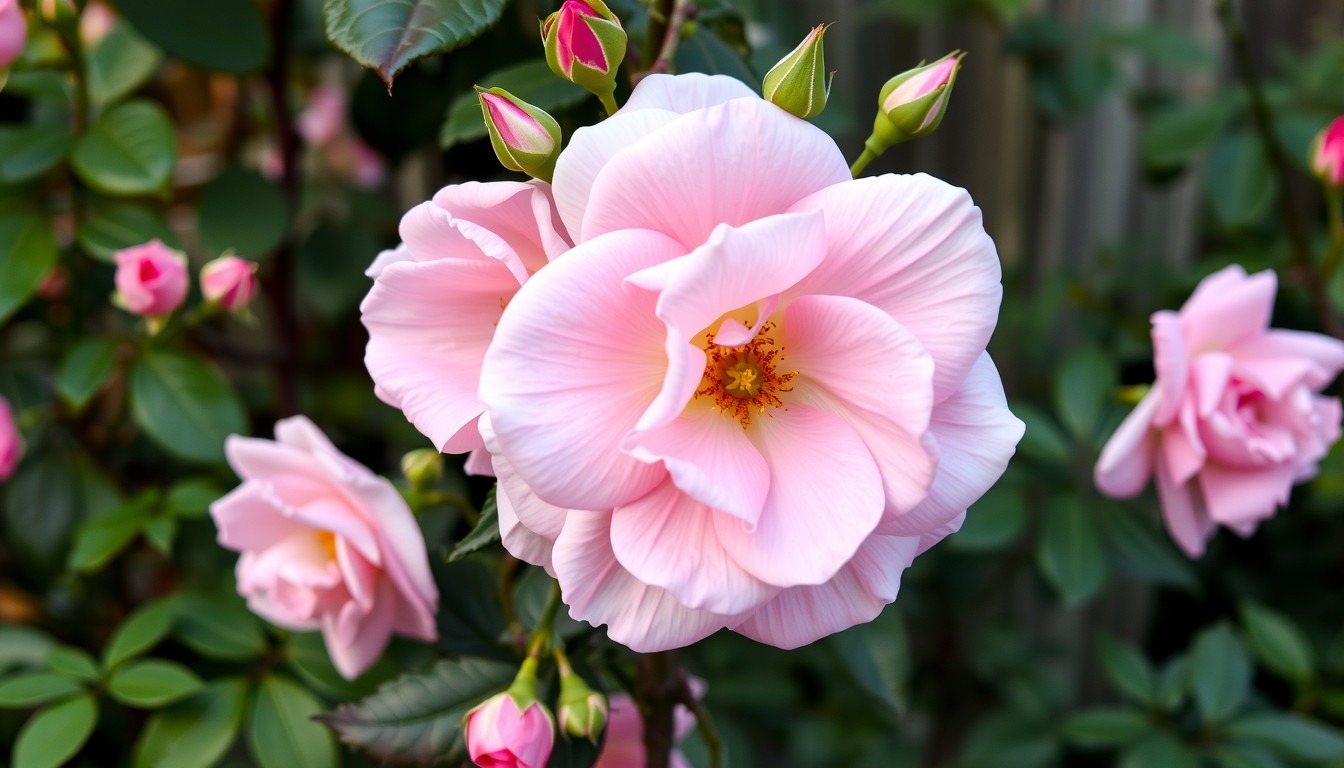
The ‘New Dawn’ climbing rose stands out for its versatile growth habit and long-lasting blooms, making it a favorite among gardeners seeking a reliable, attractive climbing rose. It is particularly suitable for espaliered displays or growing over arbors where a soft, romantic aesthetic is desired.
1. Key points: practical fit | key details | limitations
| Attribute | Description |
|---|---|
| Growth habit | Vigorous, spreading, ideal for walls and fences |
| Bloom pattern | Pale pink, semi-double, repeats throughout the season |
| Environmental needs | Thrives in full sun; tolerates a variety of soil types |
| Size at maturity | 8-12 feet tall, with a spread of 6-8 feet |
| Limitations | Some vulnerability to black spot in humid climates; may require pruning for shape and health |
‘New Dawn’ is a dependable choice for gardeners wanting an elegant, fragrant vine that blooms repeatedly. However, in high-humidity environments, it may need extra care to prevent disease, and its vigorous growth requires regular pruning to maintain shape.
Best Climbing Roses Option 2
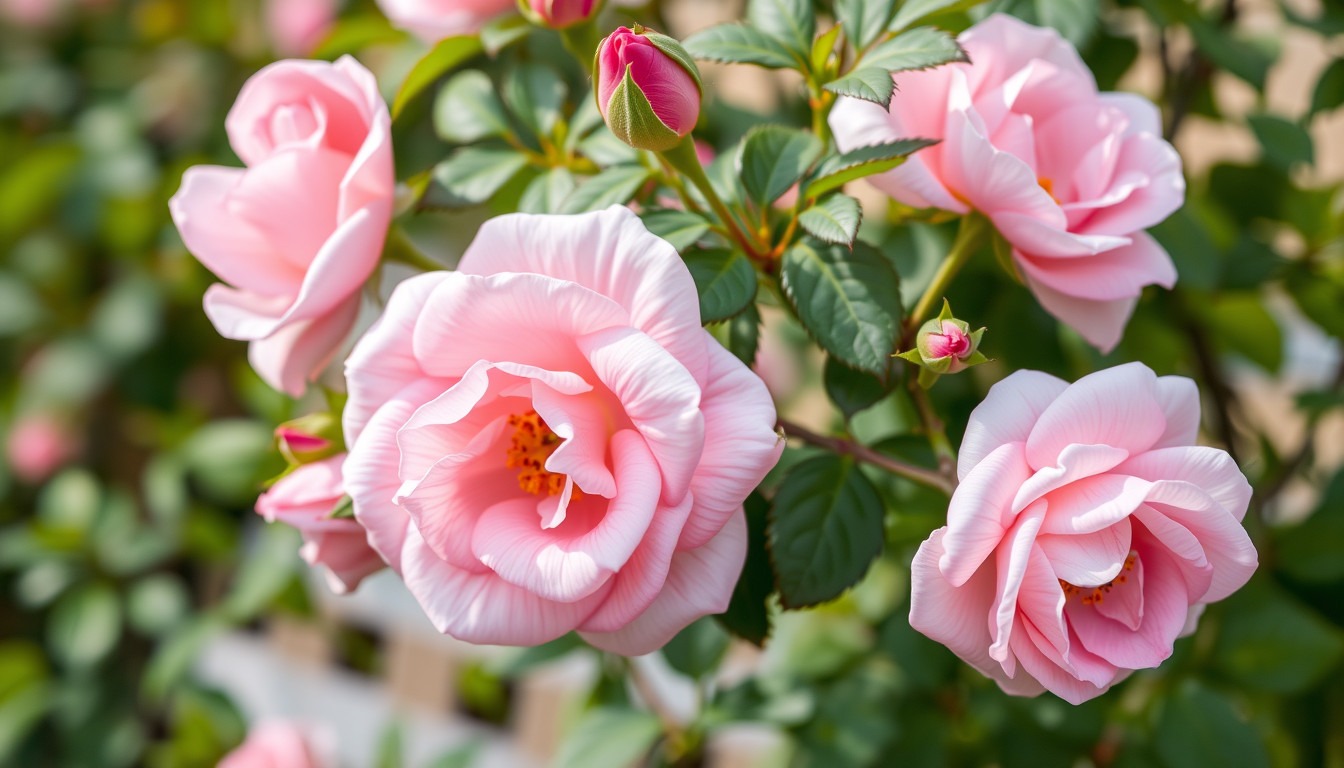
The climbing rose known as ‘New Dawn’ stands out for its vigorous growth and delicate blooms. It suits gardens that can support a tall, sprawling vine and is favored for its fragrance and repeat flowering. This variety is appropriate for gardeners looking to add a romantic touch to fences or trellises, especially in sunny locations.
Table of Contents
1. Key points: practical fit
‘New Dawn’ reaches a mature height of 8 to 12 feet with a spread of 6 to 8 feet, making it suitable for medium to large garden spaces. Its sprawling habit helps soften structures like walls and fences while providing abundant floral display over multiple seasons. Its size and growth speed require ample space and consistent pruning to maintain shape and health.
2. Key details
This rose prefers full sun and tolerates various soil types, though it performs best in well-drained, fertile soil. Its semi-double, pale pink blossoms bloom repeatedly, filling the garden with color and fragrance. The plant’s resilience to different environmental conditions makes it a versatile choice for many settings.
3. Limitations
‘New Dawn’ can be susceptible to black spot in humid climates, which demands vigilant disease management. Its vigorous growth also necessitates regular pruning to prevent overreach and maintain aesthetics. Gardeners must also be prepared for the repeated blooms, which may require deadheading to promote further flowering.
Best Climbing Roses Option 3
The third notable choice for best climbing roses is ’New Dawn’. This variety is valued for its abundant, fragrant blooms and vigorous growth, making it suitable for many garden contexts.
Disclosure: As an Amazon Associate I earn from qualifying purchases.
If you're considering adding climbing roses to your landscape, finding a well-established plant can be a helpful next step. Shop suitable garden climbing rose plant on Amazon (affiliate link).
1. Practical Fit
’New Dawn’ is ideal for gardeners seeking a reliable, repeat-blooming climbing rose that adds continuous color and scent. It’s well-suited for covering arbors, fences, or large structures, providing a lush, romantic display.
2. Key Details
This rose prefers full sun and grows best in well-drained, fertile soil, tolerating a range of soil types. Its semi-double, pale pink blossoms bloom repeatedly throughout the growing season, enhancing the garden’s visual appeal and fragrance. The plant’s resilience to various environments makes it a versatile option for different settings, withstanding some environmental stressors better than more delicate varieties.
3. Limitations
’New Dawn’ can be vulnerable to black spot disease in humid climates, so regular removal of infected foliage is necessary. Its vigorous growth requires consistent pruning to keep it manageable and prevent overreach. Additionally, gardeners should note that deadheading may be needed to sustain ongoing blooming, especially in colder regions with shorter growing seasons.
Best Climbing Roses Option 4
This variety stands out for its vigorous growth habit, characterized by long, arching canes that create a lush, flowing display. Its sprawling, climbing form makes it suitable for covering fences, walls, or pergolas, adding a romantic and classic aesthetic to gardens.
1. Key points: practical fit | key details | limitations
With a growth habit described as vigorous and sprawling, this climbing rose confidently covers large structures and provides abundant bloom coverage throughout the season. It typically propagates via cuttings or grafting, reflecting its hardy, resilient nature. The semi-double, pale pink blossoms bloom repeatedly, offering seasonal color and fragrance. Its resilience to various environmental conditions makes it an adaptable choice for many gardeners.
However, this variety can be susceptible to black spot disease in humid climates, requiring regular removal of infected foliage. Its vigorous growth demands consistent pruning to manage size and shape, and deadheading may be necessary to promote continuous blooming—especially in regions with shorter growing seasons. Gardeners should weigh its rapid growth and maintenance needs against their available time and space when considering it for their landscape.
Best Climbing Roses Option 5
This variety offers a robust, adaptable choice for gardens with moderate to high sun exposure. Ideal for creating vertical displays on fences, arbors, or walls, it can thrive in various soil conditions, provided it receives ample sunlight.
1. Key points: practical fit | key details | limitations
This climbing rose is well-suited for gardens that can accommodate its vigorous growth and require seasonal, abundant flowering. It produces large, fragrant blooms repeatedly through the growing season, enhancing the visual appeal of garden structures. Its resilience to different environmental conditions makes it a versatile option for many locations.
Gardeners should be aware that this rose can become quite vigorous, necessitating regular pruning to manage size and shape. In humid climates, it may be prone to black spot disease, demanding attentive care to remove infected foliage promptly. Although it blooms repeatedly, deadheading can encourage more extensive flowering, especially in regions with shorter growing seasons.
This variety’s rapid growth and vibrant displays are benefits for those seeking immediate impact, but it also requires a commitment to maintenance tasks such as pruning, monitoring for pests, and disease management. Its performance drops slightly in shaded or poorly draining soils, making site selection crucial.
Best Climbing Roses Option 6
Rosa ‘New Dawn’ stands out as a classical climbing rose known for its soft, blush pink blooms and vigorous growth. It is ideal for gardeners seeking a reliable, repeat-blooming variety that adds romantic charm to fences or arbors.
1. Key points: practical fit | key details | limitations
‘New Dawn’ adapts well to a variety of garden spaces, especially where a soft, sprawling display enhances a romantic or cottage garden aesthetic. Its light, fragrant flowers appear multiple times throughout the growing season, providing consistent color and scent. The vine can reach heights of up to 15 feet, making it suitable for covering vertical structures or creating natural privacy screens. The plant is fairly disease resistant and tolerant of different soil types, although well-draining soil promotes the best flowering.
However, this variety’s main limitation relates to its growth habit. It needs regular pruning to maintain shape and prevent it from becoming too unruly. Its tendency to produce a lot of foliage may require consistent maintenance for optimal flowering. Additionally, in very humid climates, it might be prone to black spot, so monitoring and disease control are advisable to keep the foliage healthy.
Best Climbing Roses Option 7
This variety is notable for its vigorous growth and rich, fragrant blooms, making it a popular choice for covering arbors, walls, or fences. It typically reaches a mature height of around 12 feet, which suits medium to large garden structures with ample vertical space.
For best visual impact and support, a suitable trellis can complement your climbing roses nicely. Shop suitable climbing rose trellis on Amazon (affiliate link).
1. Practical Fit
This climbing rose works well in gardens with enough space for its substantial height. Its lush foliage and abundant flowers create a dense cover, ideal for privacy screens or decorative backdrops. Its moderate to fast growth rate allows it to establish quickly, providing instant visual impact.
2. Key Details
The plant produces large, repeat-blooming flowers with a pleasant scent, blooming from late spring into fall. Its sturdy canes support heavy blossoms without bending and can be trained along trellises or down walls. Regular pruning encourages flowering and keeps the plant tidy. Its disease resistance, particularly against common rose ailments, benefits gardeners seeking lower-maintenance plantings. It adapts well to various soil types, provided drainage is good, and benefits from full sun exposure for optimal flowering.
3. Limitations
The primary limitation of this rose is its size; inadequate space can cause it to become unruly or overgrown. It requires consistent pruning, especially in humid climates prone to black spot or mildew, to maintain health and appearance. Gardeners with limited space or those unfamiliar with rose maintenance may find it less suitable. Additionally, its tall growth may need staking or training, which could be a challenge in smaller or more restricted gardens.
Best Climbing Roses Option 8
This climbing rose features a steady, recurring bloom pattern that enhances its visual appeal while demanding regular maintenance. Its flowers appear in clusters or long sprays, providing a lush and continuous display during the growing season.
1. Key points: practical fit | key details | limitations
This variety suits gardens where a long-lasting, visually striking climb is desired with minimal fuss. Its ability to produce abundant blooms throughout the season makes it especially appealing for those seeking vibrant vertical coverage. The flowers’ prolific, repeat-blooming pattern maximizes color and texture, although this pattern requires consistent pruning to sustain performance and prevent overgrowth.
One notable characteristic is its adaptability to different soil types, provided drainage is good. Full sun exposure improves flowering intensity and resilience against common rose issues such as black spot or mildew. Because of its vigorous growth, some gardeners may need to stake or train the canes regularly to maintain shape and prevent tangling. Its size can be a limitation in smaller spaces; overgrown, unruly growth might necessitate frequent pruning or restraining, which can be challenging for gardeners new to rose care.
Best Climbing Roses Option 9
The ninth option in the list of best climbing roses features the ‘New Dawn’ variety, known for its vigorous growth habit and fragrant, pale pink blooms. This variety steadily climbs fences, walls, or trellises, making it a versatile choice for gardeners seeking both aesthetic appeal and fast coverage.
1. Key points: practical fit | key details | limitations
‘New Dawn’ exhibits a scrambling, arching growth habit that encourages extensive, layered floral displays. Its growth influence means it propagates easily through cuttings and tends to thrive without exceptional care, which appeals to both novice and experienced gardeners. The blooms consistently repeat throughout the season, providing long-lasting color and fragrance. Its ability to adapt to various soil types—so long as drainage is sufficient—makes it suitable for diverse garden conditions. Setting the plant in a full sun location enhances flowering intensity and performance, reducing susceptibility to common rose ailments like black spot or mildew.
However, its vigorous, spreading nature can be a double-edged sword. Without regular pruning, the plant may become overgrown and unruly, especially in smaller spaces. Gardeners new to rose maintenance might find managing the sprawling canes and training the growth along supports somewhat challenging, requiring consistent attention to prevent tangling. Additionally, its expansive growth might necessitate staking or guiding to maintain a tidy appearance, which requires ongoing effort and knowledge of proper training techniques.
Best Climbing Roses Option 10
The tenth choice on the list of best climbing roses is the sprawling and vibrant ‘New Dawn.’ This variety offers a reliable, abundant bloom and vigorous growth, making it suitable for large structures or expansive garden walls.
Regular pruning tools are useful for keeping your roses vigorous and well-shaped. Shop suitable garden pruning shears on Amazon (affiliate link).
1. Practical fit
‘New Dawn’ adapts best to gardens with full sun, which promotes optimal flowering and overall health. Its rapid, climbing nature suits large fences, trellises, or pergolas. Gardeners seeking a show-stopping, continuous bloom will find it a practical option, especially when trained along supports or structures.
2. Key details
This rose is known for its long-lasting, pink, fragrant flowers that bloom from spring through fall. Its hearty, climbing habit can reach up to 20 feet, offering excellent coverage and visual impact. Regular pruning encourages more frequent flowering and maintains a tidy appearance. It tolerates a variety of soil types but performs best with well-drained, fertile soil and consistent watering.
3. Limitations
‘New Dawn’ is quite vigorous, which can present challenges in smaller or more confined spaces. Its sprawling growth requires ongoing training and staking to prevent entangling and ensure a neat display. Without regular maintenance, the plant may become overgrown, making it less suitable for novice gardeners or those with limited time for upkeep.
Best Climbing Roses Option 11
‘New Dawn’ is a cherished climbing rose known for its delicate pink blooms and vigorous growth. It adds a romantic touch to fences, arbors, and walls, making it an excellent choice for gardeners seeking a fragrant, colorful cover.
1. Practical Fit
This variety suits larger gardens or spaces where overgrowth won’t be a concern. Its fast-growing habit allows quick coverage, making it ideal for creating privacy or a visual focal point. However, its substantial size may not be suitable for small, confined areas where space is limited.
2. Key Details
‘New Dawn’ can reach heights of up to 20 feet and requires regular pruning to maintain its shape and promote flowering. It prefers well-drained, fertile soil and benefits from consistent watering during the growing season. Its climbing nature makes it adaptable to various supports, including trellises and pergolas, while its continuous bloom from spring through fall offers ongoing visual appeal.
3. Limitations
Due to its vigorous, sprawling growth, ‘New Dawn’ needs frequent training and staking to prevent tangling. Without regular maintenance, it can become unruly, which might challenge less experienced gardeners or those with limited time for upkeep. Its tendency to overgrow makes it less suitable for tight spaces or inexperienced gardeners unfamiliar with pruning requirements.
Best Climbing Roses Option 12
This climbing rose features a moderate mature height, typically reaching around 8 to 10 feet. Its size makes it suitable for smaller garden spaces or areas where a more contained, yet still dramatic, vertical display is desired.
1. Key points: practical fit | key details | limitations
This variety offers a versatile height that can fit well against fences, walls, or trellises without overwhelming a compact garden. It produces abundant blooms, often repeatedly from late spring through fall, and its flexible stems allow for creative training to shape its growth.
However, its moderate size means it may not provide as much coverage or dramatic effect as taller options. Gardeners must also pay attention to support and training, as without regular pruning and staking, the branches can become tangled or unruly. Its height advantage is limited if a truly towering, privacy-screen is desired; for such needs, taller varieties might be more appropriate.
Frequently Asked Questions
1. What is the most important thing to know about best climbing roses?
Their growth habits require regular pruning and maintenance to keep them healthy, manageable, and ensure continuous flowering.
2. What should I check first?
Assess your garden’s climate and space to select a variety that tolerates local weather conditions and fits your available area.
3. What commonly causes problems?
Black spot disease in humid climates and overgrown, unmanaged canes are common issues that can hinder growth and flowering.
4. What is the safest next step?
Implement a regular pruning and disease management routine, especially removing infected foliage promptly to prevent spread.
5. How long should I expect this to take?
Expect initial establishing and pruning routines to take several hours over the first season, with ongoing maintenance ongoing through the year.
6. When should I use a different approach?
Switch to specialized pruning or disease control methods if your roses show persistent signs of disease or fail to bloom despite standard care.
7. When should I ask a qualified expert?
If diseases or structural issues become severe, or if you’re unsure about pruning techniques, consulting a professional can prevent long-term damage.
Sources and Further Reading
- 17 Best Climbing Roses for Your Garden – The Spruce
- 31 Beautiful Climbing Roses for Trellises and Arbors – Epic Gardening
- Best Climbing Roses For Every Garden: 12 Stunning Varieties For …
- The 12 Best Climbing Roses for Your Garden Trellis, Arbor, or Pergola
- 7 Best Climbing Roses | 12 Feet of Repeat-Blooming Color