
The best time to plant rose bushes is during early spring or fall, depending on your climate zone, to ensure healthy roots and optimal blooming conditions.
This article reviews various timing options based on climate zones, seasonal considerations, and rose types. It helps you determine the most suitable planting window to support healthy growth and vibrant blooms, considering factors like local weather patterns and specific rose varieties.
Plant rose bushes in early spring for best blooms in temperate climates
Early spring planting offers optimal conditions for roses to establish strong roots and develop vibrant blooms throughout the growing season. This timing is especially effective in regions with cold winters, giving roses a full growing period before the heat of summer arrives.
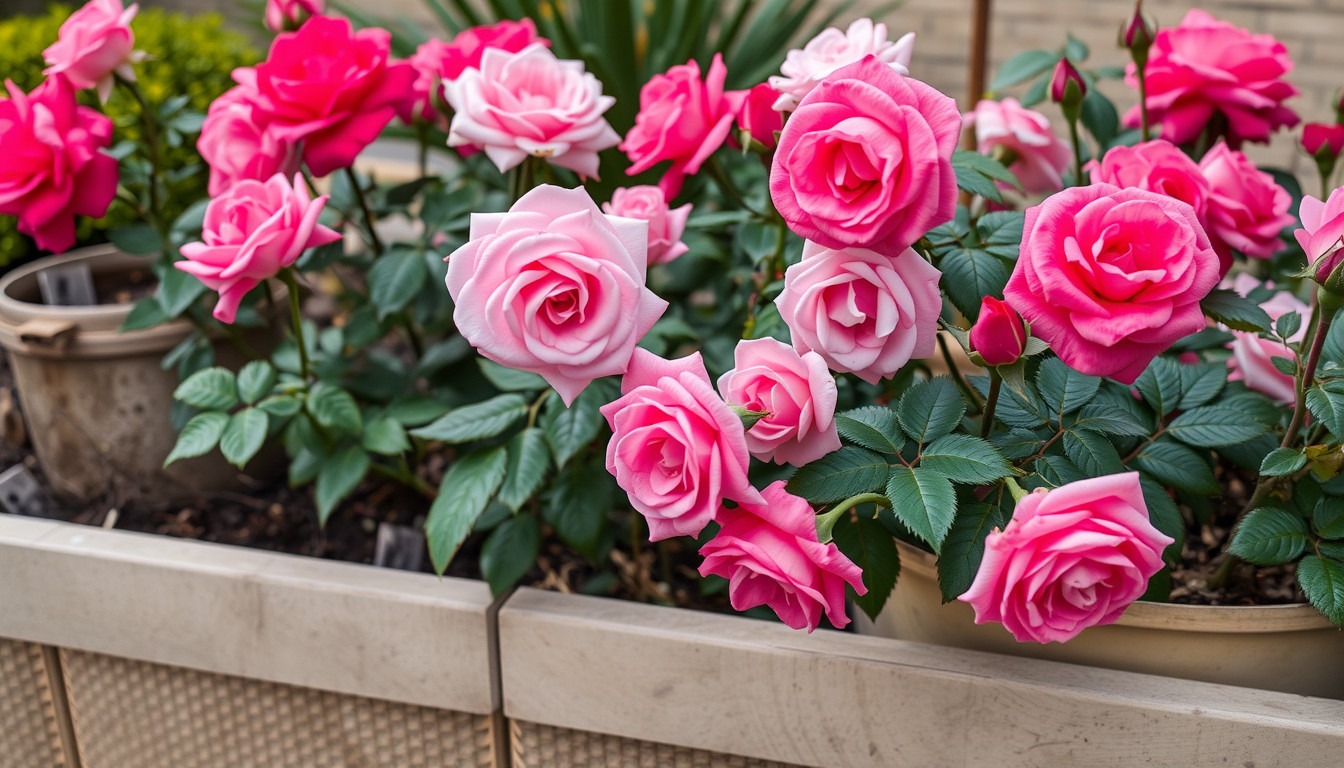
1. Timing considerations for different rose types
For most rose varieties, planting should occur once the soil has warmed sufficiently but before the temperatures rise sharply. In temperate zones such as USDA hardiness zones 4 through 8, this usually means planting in early to mid-spring. Planting too early, especially before the last expected frost, risks damaged buds or delayed growth, while waiting too long can shorten the establishment period. Selecting a window when nighttime temperatures stay above freezing but soil temperatures are rising helps ensure the roots can begin to grow quickly. Fall planting is an alternative in some zones, but early spring remains the preferred window where early warmth accelerates root development. Overall, understanding the timing based on your specific zone is key to ensuring healthy, long-lasting blooms for the entire season.
Plant rose bushes in autumn to promote root establishment in mild and warm climates
Autumn planting offers a strategic advantage for rose bushes, especially in zones 8-11. By planting in this season, the roots have ample time to establish before the coldest months set in, leading to healthier growth and more vibrant blooms in the following season.
Table of Contents
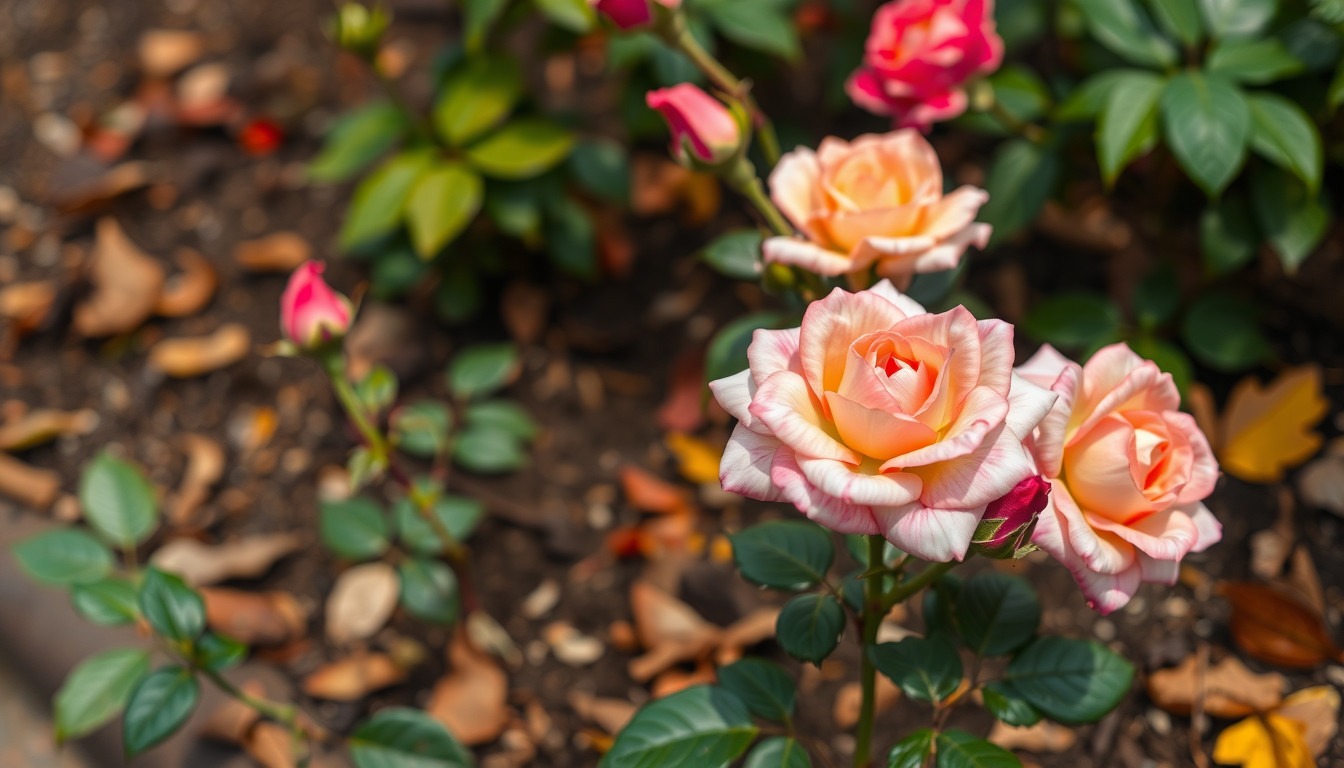
1. Ideal temperature ranges
In regions where autumn temperatures remain relatively warm, between approximately 50°F (10°C) and 70°F (21°C), the soil stays hospitable for root development. These conditions encourage new roots to grow and spread without the stress of extreme cold. Cooler temperatures, particularly below 50°F (10°C), can slow down root activity, reducing the benefits of planting in autumn.
2. Limitations in colder zones
In zones that experience early frosts or prolonged cold spells, planting late in fall risks frost damage to new roots. It is wise to complete planting at least six weeks before the first expected frost. In colder climates, planting in early spring might be preferable, as young plants can then mature during the growing season without the threat of winter kill.
This timing strategy suits gardeners aiming for strong root systems before dormancy. It relies on the assumption that winter temperatures will not drop below freezing for extended periods, which could otherwise compromise the plants’ initial establishment.
Spring planting for roses in USDA zones 3 to 7 to avoid frost damage
Planting rose bushes in early spring within USDA zones 3 through 7 offers a window to establish roots before the heat of summer. Timing is critical to avoid frost-related harm while ensuring the plants have enough warmth to thrive during the growing season.
1. Timing specifics for each zone
In zones 3 and 4, the last frost typically occurs between late April and early May. Planting should be completed after this date to minimize the risk of frost damage to new roots. Zones 5 through 7 usually experience last frosts from late April to mid-May, making late April or early May the ideal period for planting. For all zones, waiting until the danger of the final frost has passed allows rose varieties like hybrid teas, floribundas, and shrub roses to develop robust root systems during the warmer months. Planting too early increases the risk of frostkilling young plants, especially in colder zones, while planting too late might shorten the period for root establishment before the heat sets in.
Upcountry planting in late winter for tropical and subtropical climates
In tropical and subtropical regions, late winter offers an optimal window for planting rose bushes. This timing leverages the warm temperatures that promote quick root establishment, especially when soil conditions are ready for planting.
1. Climate considerations
Planting during late winter is most effective in zones 10 and 11, where frost risk is minimal. Avoid planting if heavy rains or cold snaps are forecasted, as excessive moisture or unexpected frosts can damage tender new roots. Temperatures during late winter typically stay warm enough in these zones to support healthy growth, but soil readiness remains crucial. Well-drained, fertile soil enhances success, so testing and amending soil beforehand may be necessary. In regions with unpredictable weather, planting slightly earlier or later might suit better, but aiming for late winter generally provides a balance of warmth and stable conditions.
This period generally works well for ground preparation, such as ensuring soil is loose, aerated, and free of weeds or debris, which can impede root growth. Because the soil in these climates rarely freezes, roots establish rapidly, giving the plant a head start before the hotter summer months. However, soil quality varies across locations—poor or compacted soil may still hinder growth, so improvements before planting are recommended. Limitations include potential unexpected cold spells and the need for vigilant weather monitoring to avoid frost damage, despite the overall trend toward warmer late winter temperatures in these zones.
Timing for potted roses: plant any time during the growing season
Potted rose planting offers the flexibility to add roses to a garden outside traditional planting windows. As long as the air temperature remains within the suitable range, you can work with the current season to establish healthy rose bushes.
1. Seasonal flexibility
This method suits gardeners who prefer to avoid specific planting seasons or who want to take advantage of mid-season opportunities. The key is to plant when soil conditions are workable. Mild temperatures, typically between 50°F to 75°F (10°C to 24°C), reduce stress on the plant and encourage root growth.
It’s important to avoid planting during extreme heat or cold. High temperatures above 85°F (29°C) can delay root establishment and increase water stress, while freezing temperatures damage young roots and prevent proper settling. Soil should be loose, moist, and free of debris. Moist, well-drained soil supports root expansion and minimizes the risk of rot.
Although potted roses can be planted almost any time during the growing season, this approach has limitations. Sudden cold snaps or an unexpected early frost can jeopardize newly planted roses, making some periods riskier than others. Monitoring local weather conditions ensures planting occurs during a stable, favorable window, maximizing growth potential while minimizing the risk of weather-related setbacks.
Plant bare-root roses in early spring for rapid growth
Planting bare-root roses early in spring helps establish strong roots before the peak growing season begins. This timing ensures the plants can develop a sturdy foundation and maximize their flowering potential throughout the season.
1. Preparation and planting tips
Plant bare-root roses as soon as the soil becomes workable, typically when temperatures are consistently above freezing and the soil is moist enough to handle. Avoid planting during periods of late frosts, which can damage tender new roots. Prepare the planting site by loosening the soil, removing debris, and incorporating organic matter to improve drainage and fertility. When planting, dig a wide hole, spread out the roots, and position the crown at or just above soil level. Fill the hole gradually, watering as you go to eliminate air pockets and settle the soil around the roots.
Monitoring the weather is crucial. If a cold snap or late frost is forecasted, take precautions such as mulching or covering the plants temporarily. Ensuring proper site conditions and timing reduces transplant shock and promotes faster, healthier growth for bare-root roses in the spring season.
Consider climate-specific timing: wait until soil warms for best results
Adjusting your planting schedule based on local climate conditions ensures roses develop healthily and bloom beautifully. Pay close attention to your area’s temperature ranges and frost dates to identify the optimal window for planting.
1. Regional temperature ranges
Roses can be successfully planted across a broad spectrum of climate zones, typically from zone 3 through zone 11. In colder zones (3-6), planting is safest after the last expected frost date in late spring, when soil temperatures rise above 50°F (10°C). For warmer zones (7-11), planting can often occur earlier in the season once the soil warms sufficiently, often in late winter or early spring. Soil warming triggers root growth and helps prevent cold damage.
2. Use local frost calendars to determine safe planting periods
Tracking local frost calendars provides critical timing information. Avoid planting until the danger of frost has passed and the soil has warmed adequately. For example, in northern regions, late May or early June might be ideal, whereas southern regions may allow planting as early as February or March. Marking these dates and verifying with local gardening resources minimizes the risk of frost damage to new plants.
Plant container roses in early summer for continuous blooms
Early summer planting allows potted roses to establish well during warm weather, promoting ongoing flowering through the growing season. This period offers ideal conditions for container roses, provided certain precautions are taken to ensure healthy growth and prevent stress.
1. Optimal conditions for potted roses
Choose a location with plenty of sunlight, ideally receiving at least six hours of direct light daily. Ensure the soil remains evenly moist but not waterlogged, as container soil can dry out quickly in summer heat. It’s beneficial to water early in the day to prevent heat stress and maintain consistent moisture levels.
During planting, slightly shade the potted roses if heat waves occur, especially if daytime temperatures surpass 85°F (29°C). Heat stress can weaken the plants and hinder root development. Protecting young roses from excessive sun during peak heat improves their chances of successful establishment and overall health.
Keep in mind that soil and ambient temperatures influence root growth. Soil should be warm enough, generally above 55°F (13°C), to facilitate root activity. In parts of warmer USDA zones 7-11, soil tends to warm earlier in the season, making early summer an excellent window for planting.
However, a key limitation lies in the regional climate. In cooler zones, planting too late might shorten the growing season, while in very hot areas, midday temperatures can stress plants if not properly protected. Monitoring local weather forecasts and frost calendars is crucial to avoid planting too early or late, ensuring optimal growth and flowering potential.
Avoid late-season planting in zones with harsh winter frosts
In colder regions, planting roses too late in the season risks exposing newly established bushes to damaging frosts. Understanding the timing and growth habits of specific rose varieties is essential to prevent winter cold from damaging tender new growth.
1. Signs of approaching winter
Watch for decreasing daylight, cooler soil temperatures, and a consistent drop in nighttime temperatures. These signals indicate that the growing season is ending, and planting should be completed well before the first expected frost date.
2. Planting with winter protection strategies
In some cases, planting in late fall is unavoidable, especially for hardy varieties like shrub or landscape roses that tolerate cooler conditions. If planting late, adding a thick mulch around the base and covering the bush with burlap or frost blankets can insulate roots. These measures help young plants withstand possible cold snaps, but they are not fail-proof. This approach suits gardeners in regions with short growing seasons or unpredictable late autumn frosts.
However, a critical limitation exists: even with protection, extremely cold temperatures can still damage or kill unestablished plants. For zones with harsh frosts, it’s safer to plan planting during early spring instead, when soil warms sufficiently and longer growing periods afford better establishment chances.
Timing rose planting for specific rose varieties: hybrid teas and climbers
Choosing the right planting time depends on the rose variety, soil condition, and local climate. Proper timing maximizes growth potential and bloom quality, especially for hybrid teas and climbers, which have different requirements and resilience levels.
1. Differences between hybrid teas, climbers, and shrub roses
Hybrid teas thrive when planted in early spring, allowing them ample time to establish before summer. They prefer well-prepared soil that’s rich and has good drainage. Climbers, on the other hand, show more flexibility; they can be planted either in early spring or fall, depending on regional climate. Climbing roses often tolerate a broader range of soil conditions but still benefit from soil that is loamy and well-amended.
| Rose Type | Ideal Planting Season | Soil Condition | Additional Tips |
|---|---|---|---|
| Hybrid Teas | Spring | Well-drained, fertile, high-quality | Ensure soil warms up to at least 50°F before planting |
| Climbers | Spring or Fall | Loamy, well-prepared, can tolerate slightly poorer soil | Fall planting needs extra mulch or protection in colder zones |
| Shrub Roses | Early Spring or Fall | Moderate, adaptable soil | Avoid planting during extreme heat or cold |
While planting climbers in fall can work in milder climates, cold snaps pose a risk in shorter growing seasons. Proper soil preparation and timing help prevent transplant shock and promote healthy blooming. In colder zones, fall planting benefits from mulching and covering, but early spring remains a safer window for most rose types.
Adjust timing for organic and sustainable gardening practices
Organic planting schedules prioritize natural cues like soil readiness and air temperature over fixed calendar dates. This ensures that roses are planted when conditions are optimal for healthy growth and minimized environmental impact.
1. Timing considerations for organic methods
When practicing organic gardening, it is crucial to use soil temperature and weather patterns as primary indicators for planting. Roses generally thrive when soil temperatures reach at least 50°F, as this promotes root development and reduces transplant shock. Monitoring air temperature is also important; planting too early in cold conditions can stunt growth or cause frost damage, especially in colder zones.
In warm climates, planting is often best in early spring once the soil warms sufficiently and the risk of late frosts has passed. Conversely, in regions with shorter growing seasons or cooler springs, late spring or early summer may be more suitable. In fall, extra precautions such as mulching or cover can extend the planting window, especially for hardy varieties like shrub roses or climbers, but early spring remains the safest option in most cases.
Practitioners should pay close attention to local weather trends rather than relying solely on traditional planting dates. By aligning planting with natural soil and air temperature cues, gardeners support healthier roots, reduce the need for amendments or interventions, and foster robust, sustainable growth.
Frequently Asked Questions
1. What is the best region for fall rose planting?
Regions with mild autumn temperatures, such as USDA zones 8-11, where soil stays above 50°F and freezing is unlikely, are ideal for fall planting.
2. How do I know when soil is warm enough to plant?
Test soil temperature with a soil thermometer; it should be consistently above 50°F for most rose varieties, and air temperatures should also stay above freezing.
3. Can I plant roses in summer or winter?
Summer planting is typically too hot and risks stress, while winter is usually too cold for healthy root establishment, except in mild climates or with container roses.
4. How does climate zone affect planting timing?
Climates with cold winters require spring planting after the last frost, while warm climates allow for fall or late winter planting, adjusting for local temperature patterns.
5. What rose types are best suited for spring planting?
Most rose types, including hybrid teas, floribundas, and shrub roses, establish well in spring when soil and air temperatures are rising but before summer heat peaks.
6. How can soil conditions delay planting schedules?
Poor or compacted soil, or high moisture levels, can delay planting, requiring soil amendments, drainage work, or waiting for optimal conditions to ensure healthy growth.
7. What weather patterns should I avoid when planting roses?
Avoid planting during heavy rains, unexpected frosts, or heatwaves, which can damage tender roots or hinder establishment and growth.
Sources and Further Reading
- When to Plant Roses for the Best Blooms, According to Experts
- Best Time to Plant Roses for Zones 3 to 11 and Planting Tips
- When To Plant Roses: The Best Time For Your Climate And Rose Type
- The Best Time to Plant Roses, According to Experts
- The Best Time To Plant Roses For Maximum Growth And Stunning Blooms