
When deciding between the Big Green Egg and Akorn grills, it’s essential to understand their key differences and strengths. This article provides a comprehensive comparison to help you make an informed decision based on your grilling needs.
Overview of Big Green Egg and Akorn Grills
When it comes to kamado grills, two names often come up: the Big Green Egg and the Akorn. Each has its own unique features and target audience. Let’s dive into what makes these grills stand out.
What is the Big Green Egg?
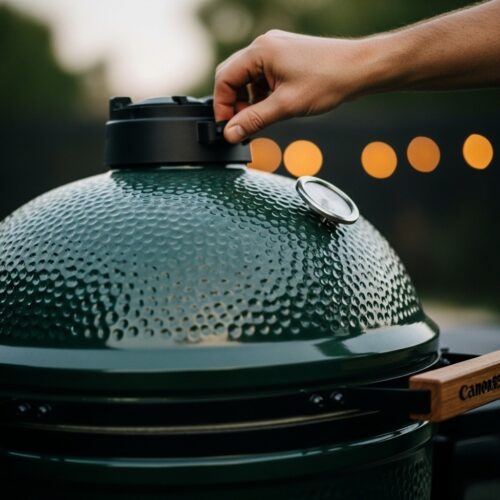
The Big Green Egg is a classic in the grilling world. Introduced in 1974, it’s known for its premium ceramic construction. This grill utilizes NASA-inspired ceramics that help retain heat and moisture. It’s often referred to as the gold standard of kamado grills.
Key Features:
- Durability: Built to last, thanks to its thick ceramic walls.
- Temperature Control: Excellent heat retention for precise cooking.
- Brand Loyalty: Many users swear by it for consistent grilling results.
What is the Akorn?
On the other hand, the Akorn offers a more budget-friendly option. Made from steel, it’s designed to give you a great grilling experience without breaking the bank. While it’s not as celebrated as the Big Green Egg, it has carved out a loyal following.
Table of Contents
Key Features:
- Affordability: More accessible price point compared to the Big Green Egg.
- Construction: Steel walls make it lighter and easier to move.
- Versatility: Great for both smoking and grilling, making it a solid choice for beginners.
Quick Comparison
| Feature | Big Green Egg | Akorn |
|---|---|---|
| Construction | Ceramic | Steel |
| Price | Higher | More affordable |
| Heat Retention | Excellent | Good |
| Brand Reputation | Highly regarded | Growing popularity |
| Accessories | Wide variety available Check Price on Amazon | Fewer options |
Both the Big Green Egg and Akorn have their strengths. Your choice will depend on your budget, cooking style, and how much you value durability and brand prestige.
Key Differences in Construction and Materials
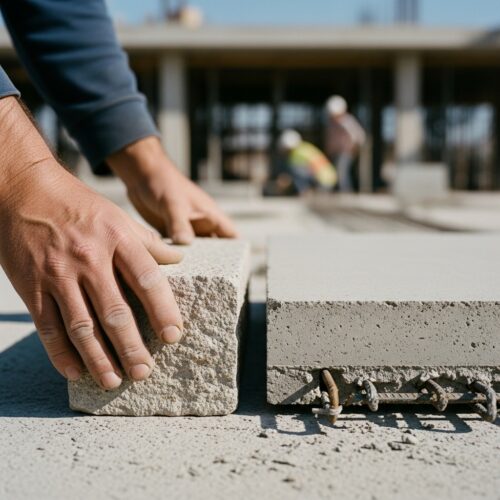
When choosing between the Big Green Egg and the Akorn, understanding their construction materials is crucial. The Big Green Egg uses ceramic, while the Akorn is made from steel. Each material has its pros and cons, impacting durability, heat retention, and overall user experience.
Ceramic vs. Steel: Strengths and Weaknesses
Big Green Egg (Ceramic)
- Durability: Very durable. Ceramic can withstand high temperatures without warping.
- Heat Retention: Excellent. Keeps heat for hours, ideal for low and slow cooking.
- Weight: Heavy. This makes it less portable but adds stability.
Akorn (Steel)
- Durability: Good but less durable than ceramic. Steel can rust if not maintained properly.
- Heat Retention: Good. It retains heat well but not as effectively as ceramic.
- Weight: Lighter. Easier to move around and transport.
Weight and Portability Considerations
When it comes to portability, the Akorn has the upper hand. It’s lighter and easier to handle, making it a good choice for tailgating or camping. On the other hand, the Big Green Egg’s weight provides stability, especially in windy conditions.
Quick Comparison of Construction
| Feature | Big Green Egg | Akorn |
|---|---|---|
| Material | Ceramic | Steel |
| Durability | Very High | Moderate |
| Heat Retention | Excellent | Good |
| Weight | Heavy | Light |
| Portability | Less portable | More portable |
Consider your cooking style and where you’ll use the grill most. If you want something to stay put and cook long and slow, the Big Green Egg might be your best bet. If you prefer something versatile and easy to move, the Akorn could be the way to go.
Performance Comparison: Cooking Versatility and Temperature Control

When it comes to grilling, both the Big Green Egg and Akorn have their strengths. They each bring unique features that cater to different cooking styles and preferences. Let’s dive into how they perform in various cooking scenarios.
Temperature Control Capabilities
Temperature control is crucial for successful grilling. Here’s how both grills stack up:
- Big Green Egg: Known for its exceptional temperature control. It can maintain low temperatures around 180°F for smoking and reach up to 800°F for searing. This makes it perfect for everything from ribs to pizza.
- Akorn: While it offers good temperature control, it doesn’t quite match the Green Egg’s precision. You can still smoke at low temps and reach high heats, but it may take a bit more monitoring to keep things steady.
Quick Comparison:
| Grill | Low Temp (°F) | High Temp (°F) | Temperature Control |
|---|---|---|---|
| Big Green Egg | 180 | 800 | Excellent |
| Akorn | 200 | 600 | Good |
Cooking Techniques: Grilling, Smoking, and Baking
Both grills shine in different cooking techniques. Here’s a breakdown:
- Grilling: Both grills excel at grilling burgers and veggies. The Big Green Egg’s heat retention means you get a great sear every time. The Akorn, being more portable, is easier for quick setups at tailgates or picnics.
- Smoking: The Big Green Egg is a champ here. Its ceramic construction keeps heat steady, making it ideal for long smokes. You can easily smoke brisket or even fish. The Akorn can do it too, holding temperatures well, but it may need more attention to maintain consistency.
- Baking: Want to impress your friends with homemade pizza? The Big Green Egg takes the crown. With its excellent heat retention, it mimics a wood-fired oven. The Akorn can bake, but the results might not be as stellar.
Cooking Scenarios:
- Big Green Egg: Perfect for a low-and-slow brisket smoke followed by a high-temp pizza night.
- Akorn: Great for grilling burgers during a weekend BBQ, then smoking some ribs for dinner.
By considering your cooking style and what you want to achieve, you can make an informed choice. If you’re looking for versatility and premium performance, the Big Green Egg is hard to beat. But if you’re budget-conscious and need a reliable, portable option, the Akorn won’t disappoint.
Also, don’t forget to check out some fantastic Big Green Egg Accessories to enhance your grilling experience!
Pricing and Value Comparison

When choosing between the Big Green Egg and the Akorn, price plays a big role. Let’s break down the initial costs and the long-term value of each option.
Initial Cost vs. Long-term Investment
- Big Green Egg: Prices can range from $400 to $1,500, depending on the size and model. It’s a premium grill known for its durability and excellent heat retention.
- Akorn: This budget-friendly option typically ranges from $250 to $400. While it’s less expensive upfront, it still delivers solid performance for casual grilling.
While the Akorn is cheaper, the Big Green Egg offers a long-term investment. Its ceramic construction can last for years, while the Akorn may need more upkeep over time.
Accessories and Additional Costs
Accessories can really add to the overall price. Here’s a quick breakdown:
| Item | Big Green Egg | Akorn |
|---|---|---|
| Cooking Grates | $50-$100 (sold separately) | Included |
| Heat Deflector | $50-$90 | $25-$50 |
| Nest/Stand | $100-$300 | $50-$100 |
| Total Estimated Cost | $600-$2,000 | $300-$600 |
With the Big Green Egg, many essential accessories come at an extra cost. The Akorn, on the other hand, includes more standard features without additional charges.
Decision Rule
Consider how often you grill and what you cook. If you’re a serious griller or plan to use your grill frequently, the Big Green Egg may be worth the splurge. If you grill occasionally and want a reliable option without breaking the bank, the Akorn is a solid pick.
To sum it up, think about your grilling habits, budget, and how much you value durability and accessories. This will help you make the best choice for your backyard BBQ needs!
User Experiences and Common Issues
Both the Big Green Egg and Akorn have a loyal following, but users report different experiences with each. Here’s what real grillers have to say about these two popular kamado grills.
User Testimonials
Big Green Egg Users:
- Many users rave about the cooking versatility. One user mentioned, “I can smoke ribs and bake pizza all on the same grill!”
- Durability is a common highlight. A Big Green Egg owner shared, “I’ve had mine for years, and it still looks and performs like new.”
- However, some users note the high price. “It’s an investment, but worth it for serious grilling,” said one satisfied customer.
Akorn Users:
- Users appreciate the affordability. “I got mine for half the price of a Big Green Egg, and it cooks great!” said an Akorn fan.
- Many love its portability. One user stated, “It’s light enough to take on camping trips, which is a huge plus.”
- On the downside, some users report durability issues. “I had to replace the grates after a couple of years,” mentioned a user.
Common Problems and Solutions
Both grills come with their own quirks. Here are some common issues and how to tackle them:
| Problem | Big Green Egg Solution | Akorn Solution |
|---|---|---|
| High Cost | Look for used models or sales | Stick to budget-friendly accessories |
| Heavy Weight | Use a grill cart for easier mobility | Consider a smaller model for travel |
| Temperature Control | Invest in a quality thermometer for precision | Regularly check seals for airflow |
| Maintenance Needs | Clean often to prevent buildup | Replace parts as needed for longevity |
Maintenance Tips
Maintaining your grill can extend its life and improve performance. Here are a few tips for each:
- Big Green Egg:
- Clean the grill grates after each use.
- Check the ceramic for cracks regularly.
- Use a cover to protect it from the elements.
- Akorn:
- Inspect the metal body for rust and treat it accordingly.
- Replace the grates every few years for optimal cooking.
- Store it indoors during winter to prevent damage.
By understanding user experiences and being aware of common issues, you can make a more informed decision about which grill suits your needs best.
Conclusion: Which Grill is Right for You?
Choosing between the Big Green Egg and the Akorn can feel overwhelming. But understanding your grilling needs can make the decision easier. Let’s break it down.
Key Features to Consider
- Big Green Egg:
- Premium kamado grill
- Excellent heat retention
- Versatile cooking options (grilling, smoking, baking)
- Higher price point
- Akorn:
- Budget-friendly kamado grill
- Made from steel for durability
- Lightweight and portable
- Great for beginners
Pricing Comparison
| Grill | Price Range |
|---|---|
| Big Green Egg | $900 – $2,000 |
| Akorn | $300 – $500 |
Who Should Buy Which Grill?
- Choose Big Green Egg if you:
- Want a long-lasting investment
- Are serious about BBQ and cooking
- Value high performance and versatility
- Choose Akorn if you:
- Are new to grilling and want to start simple
- Have a tighter budget
- Prefer a lightweight, easy-to-move grill
Decision Framework
Think about how often you grill and what you cook. If you’re in it for the long haul, the Big Green Egg is likely worth the splurge. If you’re just starting out, try the Akorn for a solid experience without breaking the bank. Remember, both grills have their strengths, so pick the one that fits your grilling style best!
Frequently Asked Questions
These quick answers cover the most common questions about this topic, including key details, practical tips, and common concerns.
Are Akorn grills good?
Yes, Akorn grills are considered good for their price. They offer solid performance for grilling and smoking, especially for beginners or casual cooks. Their steel construction makes them lighter and more portable than ceramic models, making them suitable for outdoor activities like camping or tailgating.
What is the best kamado grill on the market?
The Big Green Egg is widely regarded as the best kamado grill due to its premium ceramic construction, excellent heat retention, and versatile cooking capabilities. It is favored by professional chefs and serious grilling enthusiasts for its durability and consistent results.
What grill is comparable to the Big Green Egg?
The Kamado Joe Classic and Primo XL are comparable options. They also feature ceramic construction, excellent heat control, and similar versatility. These brands offer high-quality alternatives for those seeking premium kamado-style grills.
Which is better, kamado or Big Green Egg?
The Big Green Egg is considered the premium option within kamado grills, known for its durability and brand reputation. Kamado grills, in general, refer to the style of grill, but the Big Green Egg often leads due to its high-quality ceramic and long-standing reputation. Your choice depends on budget and desired features.
Are Akorn grills good for beginners?
Yes, Akorn grills are great for beginners. They are affordable, easy to use, and versatile enough for various cooking methods. Their steel build makes them lighter and easier to handle, which is ideal for those new to grilling or outdoor cooking.
How do I maintain my Big Green Egg or Akorn?
Regular cleaning of the cooking grates and removing ash buildup are essential. For the Big Green Egg, inspect the ceramic for cracks and keep it covered when not in use. For the Akorn, check for rust and replace worn parts as needed. Proper maintenance extends the life of your grill.
What accessories do I need for Big Green Egg?
Popular accessories include additional cooking grates, heat deflectors, pizza stones, and ash tools. These enhance versatility and ease of use. Investing in a good cover and a grill cart can also improve longevity and portability.
How long do Big Green Egg and Akorn grills last?
With proper care, a Big Green Egg can last 10-20 years or more due to its durable ceramic construction. The Akorn typically lasts 5-10 years, but lifespan depends on maintenance and usage. Regular upkeep can significantly extend their usability.
Which grill is better for smoking?
The Big Green Egg excels at smoking because of its superior heat retention and stable temperature control. Its ceramic walls maintain low, steady temps ideal for long, slow smoking sessions. The Akorn can smoke well too but may require more attention to keep consistent temperatures.
Can you use wood chips in Akorn?
Yes, you can use wood chips in the Akorn to add smoky flavor. Soak the chips in water for about 30 minutes before adding them to the charcoal or a smoker box. Ensure proper airflow and monitor temperature to prevent flare-ups or overheating.