
The Black Hills National Forest is a stunning destination in South Dakota, offering visitors a blend of natural beauty, recreational activities, and rich cultural significance. This comprehensive 2026 visitor guide provides essential information to help you plan your trip effectively.
Essential Visitor Information for Black Hills National Forest
Planning a visit to the Black Hills National Forest? Here’s what you need to know to make the most of your trip in 2026.
Entrance Fees and Permits
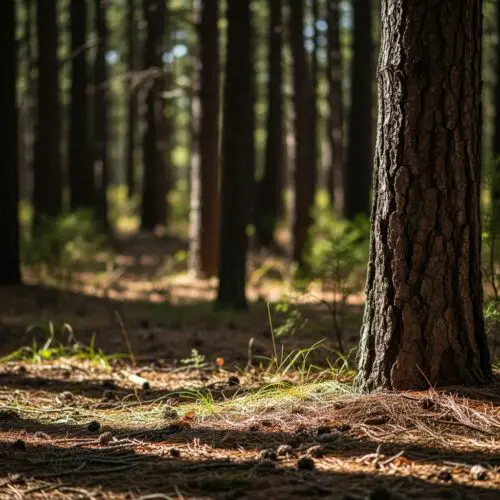
Good news! There are no entrance fees to access the Black Hills National Forest. This is pretty common for national forests. However, some specific areas may charge fees, so keep an eye out for signs. If you plan on camping or using certain facilities, check if permits are required.
Best Times to Visit
The best time to explore the Black Hills National Forest is during the fall. The weather is cool, and the crowds are smaller. The foliage transforms into stunning shades of red, orange, and gold, especially in Spearfish Canyon. Spring is also a lovely time to visit, as wildflowers start blooming, and wildlife becomes more active.
| Season | Highlights | Pros | Cons |
|---|---|---|---|
| Spring | Wildflowers, baby animals | Mild weather, fewer crowds | Rainy days possible |
| Summer | Warm weather, full foliage | Great for all activities | More crowds |
| Fall | Stunning foliage | Cool temps, fewer visitors | Shorter days |
| Winter | Snow sports, quiet landscapes | Beautiful scenery | Cold temps, limited access |
What to Pack for Your Visit
Packing smart can make your visit enjoyable. Here’s a handy checklist:
Table of Contents
- Clothing: Layered clothing for changing temps, sturdy hiking boots, and a waterproof jacket.
- Gear: Daypack, water bottle, and a first-aid kit.
- Essentials: Sunscreen, insect repellent, and snacks.
- Fun add-ons: A camera for those breathtaking views and binoculars for wildlife spotting.
Pro Tip: Depending on the season, always check the weather ahead of time. In winter, pack for snow activities. In summer, keep hydrated and have sun protection ready.
Feel free to use this as a guide to tailor your own packing list based on your activities and the season!
Exploring Recreational Activities in the Forest
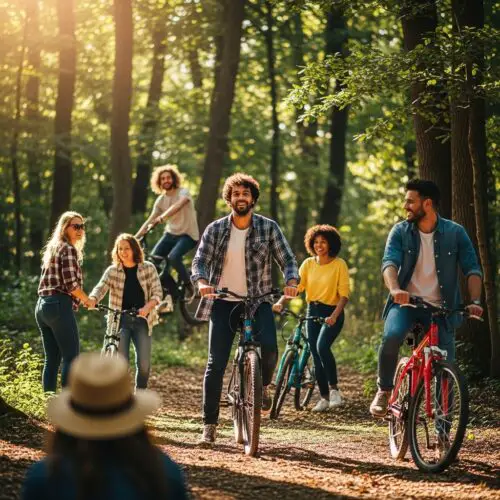
Black Hills National Forest is a playground for outdoor enthusiasts. Whether you love hiking, camping, or watching wildlife, there’s something here for everyone. Let’s dive into the fun!
Hiking Trails: Finding the Right Trail for You
With over 1,300 miles of trails, hiking in the Black Hills offers a variety of experiences. Here’s a quick guide to help you choose:
| Trail Name | Difficulty Level | Scenery Highlights |
|---|---|---|
| Harney Peak Trail | Moderate | Stunning panoramic views |
| Cathedral Spires Trail | Hard | Unique rock formations and vistas |
| Grace Coolidge Walk | Easy | Beautiful lakes and forest scenery |
Pro Tip: Always check trail conditions before heading out. Some trails may be more challenging during certain seasons.
Camping in Black Hills: Best Spots and Tips
Camping is a must-do in the Black Hills. Here are some top spots to consider:
- Custer Gulch Campground: Offers stunning views and is near popular hiking trails.
- Pactola Lake Campground: Great for fishing and swimming.
- Iron Creek Campground: Ideal for a quiet, wooded experience.
Tips for a Great Camping Experience:
- Reserve your spot early, especially in summer.
- Follow Leave No Trace principles to protect nature.
- Bring a camp stove; campfires might be restricted.
Wildlife Viewing: What to Expect and How to Prepare
The Black Hills is home to diverse wildlife. You might see deer, bison, and even mountain goats! Here’s how to make the most of your wildlife watching:
- Best Times: Early morning or late evening are prime times for spotting animals.
- What to Bring: Binoculars for a closer look, and a camera to capture the moment.
- Stay Safe: Keep a safe distance from all wildlife. Never feed them.
Personal Experience: One visitor shared that they spotted a herd of bison from the road and captured amazing photos. It’s moments like these that make the trip unforgettable!
Must-See Local Attractions Near Black Hills National Forest
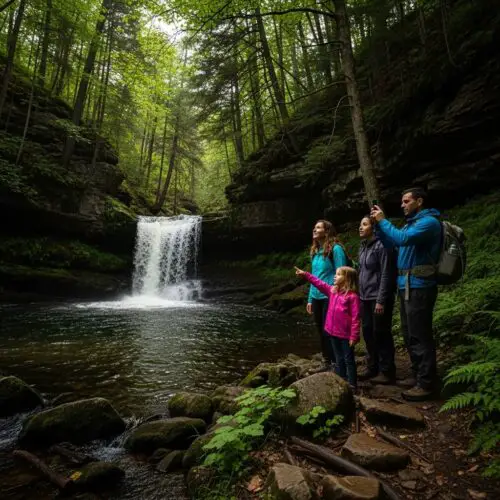
The Black Hills National Forest is surrounded by incredible attractions that enrich your visit. Here, you’ll find iconic landmarks and stunning natural beauty just a stone’s throw away.
Mount Rushmore: More Than Just a Monument
Mount Rushmore is a must-see when you’re in the Black Hills. This massive sculpture depicts four U.S. presidents: George Washington, Thomas Jefferson, Theodore Roosevelt, and Abraham Lincoln. It symbolizes American ideals and history.
- Cultural Significance: The site honors the nation’s history and celebrates democracy.
- Visitor Experience: Many visitors share how the views from the observation deck take their breath away. It’s not just about the monument; it’s about the entire experience of being there.
- Tips: Visit early in the morning or later in the evening to avoid crowds and enjoy the sunset glow on the faces.
Custer State Park: A Natural Playground
Just a short drive from the forest, Custer State Park offers a vast expanse of rugged beauty. Here’s why you should check it out:
- Wildlife Viewing: You might spot bison, elk, and even mountain goats. Early mornings are prime for wildlife sightings.
- Recreational Activities: Enjoy hiking, fishing, and scenic drives. The Needles Highway is a breathtaking route with unique rock formations.
- Visitor Insight: Many visitors rave about the “Buffalo Roundup,” held every September. It’s an exciting event that illustrates local culture and community spirit.
Other Notable Sites in the Area
The Black Hills region has more to offer beyond Rushmore and Custer. Here are a few other attractions worth exploring:
- Crazy Horse Memorial: This ongoing sculpture honors Native American culture. It’s much larger than Rushmore and offers an educational center.
- Wind Cave National Park: Known for its unique limestone caves and diverse wildlife, it’s a haven for nature lovers.
- Badlands National Park: A bit further out, but the stunning landscapes and hiking options make it worth the trip.
When planning your visit, consider how much time you want to spend at each site. Prioritize based on your interests—history, wildlife, or stunning vistas. Each of these attractions adds to the rich experience of visiting the Black Hills National Forest.
Understanding the Cultural Significance of Black Hills
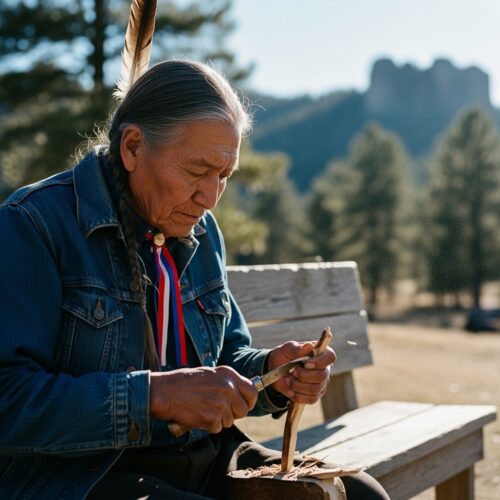
The Black Hills hold deep historical and spiritual meaning for local tribes. This connection shapes the visitor experience in profound ways. Here’s what you need to know.
The History of the Black Hills
The Black Hills are sacred to several Native American tribes, particularly the Lakota Sioux. These mountains are not just a backdrop; they are a living part of their history and culture. The land has been home to the Lakota for thousands of years. They regard these hills as a gift, rich with stories and traditions.
Local tribes view the Black Hills as a spiritual center. They hold ceremonies and rituals here, continuing practices handed down through generations. Understanding this context is essential for respectful visiting.
Cultural Sites and Experiences
When visiting, consider exploring these key cultural sites:
- Bear Butte: A significant site for prayer and vision quests.
- Crazy Horse Memorial: An ongoing tribute to Native American heritage.
- Wounded Knee: A site of historical tragedy with deep meaning to many tribes.
Engaging with these sites allows visitors to connect more deeply with the history of the area. Local tribal members often share stories and insights about their connection to the land. Joining guided tours led by tribal representatives can enrich your experience.
How to Respect Local Traditions While Visiting
Respecting local traditions is vital for a positive experience. Here are some guidelines:
- Ask for Permission: Before taking photos, especially at sacred sites.
- Participate Mindfully: If invited to a ceremony, be respectful and follow the lead of local participants.
- Support Local Artisans: Purchase handmade crafts from indigenous artists to help sustain their culture.
By following these practices, you contribute to a respectful and enriching atmosphere in the Black Hills. Engaging with the land and its stories helps preserve its significance for future visitors.
Visitor Safety and Environmental Conservation Tips
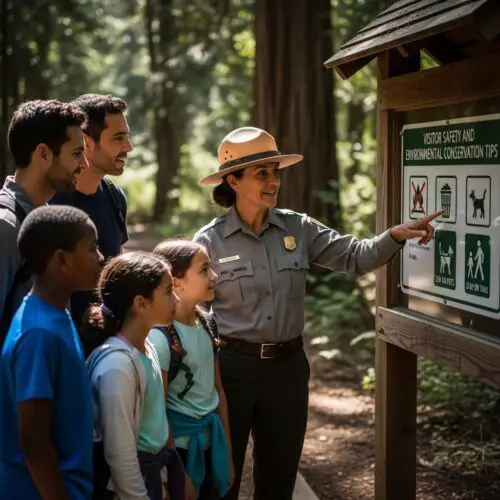
Exploring Black Hills National Forest is an incredible experience, but safety should always come first. Here are some essential tips for staying safe and protecting the environment.
Safety Tips for Wildlife Encounters
Wildlife is abundant in Black Hills. Knowing how to interact safely is crucial. Here’s what to do if you encounter animals:
- Keep Your Distance: Maintain at least 100 yards from bears and 25 yards from other wildlife.
- Stay Calm: If you spot a bear, do not run. Back away slowly and make noise to alert it of your presence.
- Don’t Feed Animals: Feeding wildlife disrupts their natural behavior and can be dangerous for both you and them.
Quick Scenario: You’re hiking and spot a deer. Enjoy the view but stay at least 25 yards away. If it seems agitated, quietly back away and give it space.
Best Practices for Environmental Conservation
Protecting the natural beauty of Black Hills is a shared responsibility. Follow these practices to minimize your impact:
- Stay on Trails: Stick to marked paths to protect delicate vegetation.
- Leave No Trace: Pack out all trash, including food scraps. What you bring in, you should take out.
- Respect Wildlife: Observe from a distance; do not disturb their habitats.
Checklist for Conservation:
- Carry a trash bag for waste.
- Use biodegradable soap if washing dishes.
- Avoid using plastic bags—opt for reusable ones instead.
Common Mistakes to Avoid
To ensure a safe and enjoyable trip, steer clear of these common pitfalls:
- Ignoring Weather Conditions: Always check the weather forecast before heading out. Sudden storms can occur.
- Overpacking: Bring only what you need. Heavy packs can tire you out quickly.
- Underestimating Trail Difficulty: Choose trails that match your fitness level. If you’re unsure, consult a park ranger.
By following these tips, you can enjoy the stunning landscapes and rich wildlife of Black Hills National Forest while ensuring both your safety and the preservation of this beautiful area.
Frequently Asked Questions
These quick answers cover the most common questions about this topic, including key details, practical tips, and common concerns.
How do I get to Black Hills National Forest?
You can reach Black Hills National Forest by car via major highways such as I-90 and US-16. The nearest airports are Rapid City Regional Airport and Sioux Falls Regional Airport, both about a 1.5 to 2-hour drive away. Once there, follow local roads and signs to access various entry points and trailheads within the forest.
How to plan a camping trip in Black Hills National Forest?
Start by choosing a campground that suits your needs, such as Custer Gulch or Pactola Lake. Reserve your spot early, especially for summer visits. Pack essentials like layered clothing, a first-aid kit, and camping gear. Check weather conditions and fire restrictions before your trip to ensure a safe and enjoyable experience.
Why visit Black Hills National Forest in 2026?
Black Hills offers stunning scenery, diverse wildlife, and numerous recreational activities suitable for all ages. In 2026, visitors can experience special events, festivals, and cultural celebrations that highlight Native American heritage and local traditions, making it a unique year to explore the area.
When is the best time to visit Black Hills for outdoor activities?
The ideal times are spring and fall. Spring offers wildflowers, active wildlife, and milder weather. Fall provides vibrant foliage and cooler temperatures, perfect for hiking and sightseeing. Summer is popular for full foliage and events, but it can be crowded. Winter is great for snow sports but requires cold-weather preparation.
What are common mistakes to avoid when visiting Black Hills?
Avoid venturing onto unmarked or closed trails. Don’t underestimate trail difficulty or weather conditions. Always carry sufficient water, sun protection, and navigation tools. Respect wildlife by keeping a safe distance and not feeding animals. Follow Leave No Trace principles to protect the environment.
What wildlife can I expect to see in Black Hills National Forest?
You might see deer, bison, mountain goats, elk, and various bird species. Early mornings and evenings are best for wildlife sightings. Always observe animals from a distance and never attempt to feed or approach them to ensure safety for both visitors and wildlife.
Are there any special events or festivals in Black Hills in 2026?
Yes, 2026 will feature events like the annual Buffalo Roundup at Custer State Park, Native American cultural festivals, and local art fairs. Check local tourism boards for the latest schedules and details, as these events enhance your visit with cultural insights and entertainment.
How can I access interactive maps or downloadable resources for planning my trip?
Visit the official Black Hills National Forest or South Dakota tourism websites for downloadable maps, trail guides, and event calendars. Many apps and online resources also offer interactive maps to help you plan routes and locate facilities, making your trip more organized and enjoyable.