
Black walnut trees generally reach full size and nut production between 40 and 60 years of age, with growth influenced by site quality, water availability, and proper care.
In this article, you will learn about the typical growth rate of black walnut trees, factors affecting their development, and how long it takes for them to reach their full size.
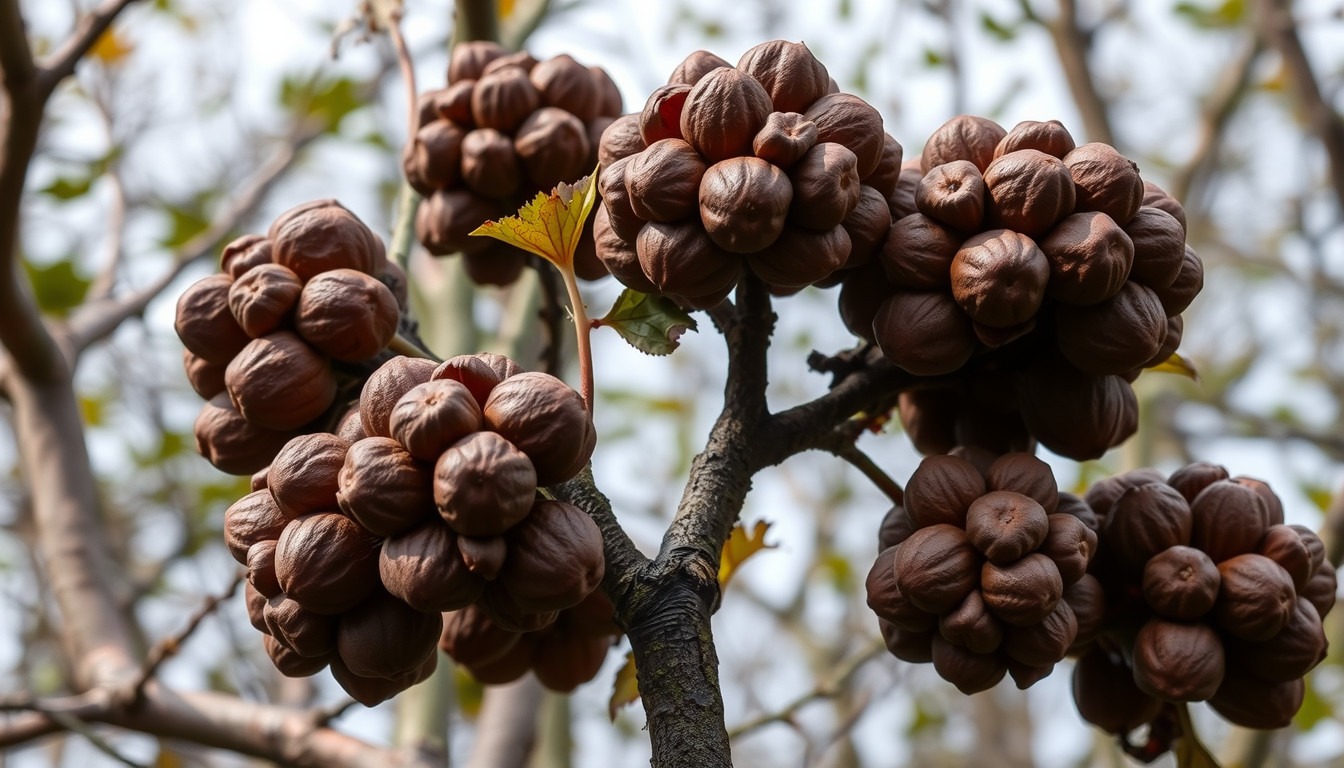
Introduction to Black Walnut Growth Rate and Development Timeline
Understanding how long black walnut trees take to reach full size helps guide decisions in forestry, gardening, and nut harvesting. Growth varies widely based on environmental conditions.
1. Why Growth Rate Matters for Forestry and Gardening
- It influences timber harvest planning and land investment decisions.
- Optimizing growth conditions can accelerate maturation and nut production.
- Knowing growth stages helps set realistic expectations for yield and size milestones.
2. Overview of Black Walnut Growth Stages
Black walnut trees grow slowly but produce high-value timber and nuts at maturity. They generally pass through distinct phases: seedling, sapling, and mature tree, each with specific characteristics and timelines.
From planting, it typically takes about 40 to 60 years for a black walnut to reach full size and begin significant nut production. Early growth is rapid in height but slow in girth, especially on high-quality sites.
Table of Contents
Environmental conditions play a crucial role. Rich, well-drained soils with ample moisture promote faster growth, whereas poor or nutrient-deficient sites may delay maturity. Proper care, such as watering during dry periods and choosing optimal planting locations, can support quicker development.
Research indicates young trees on suitable sites can grow 3 to 4 feet annually in height during their first decade. However, achieving a diameter at breast height (DBH) of 20 inches—a common maturity marker—can take several decades, reflecting the slow but steady growth cycle.
Understanding these growth milestones helps landowners and foresters plan effectively. Supporting growth through site improvement, soil management, and proper spacing can shorten the timeline toward harvest readiness and nut production.
Average Growth Rate of Black Walnut and Key Milestones
Understanding the growth timeline of black walnut trees is essential for planning cultivation or timber harvesting. Typically, these trees grow slowly but steadily, reaching maturity in 40 to 60 years under ideal conditions.
1. Typical Height and Diameter Growth per Year
In optimal environments, young black walnut trees can grow 3 to 4 feet in height annually during their first decade. Diameter growth is slower initially but accelerates with age, with some trees adding about 0.5 to 1 inch in DBH yearly once established.
2. Growth Expectations on Good Sites vs. Poor Sites
Growth rate heavily depends on site quality. On good sites with rich, moist, well-drained soil, trees can reach full size faster. Conversely, on poor or nutrient-deficient sites, growth slows considerably, delaying maturity and nut production.
3. Time to Reach 20 Inches DBH and Full Size
Reaching 20 inches DBH typically takes 45 to 60 years in favorable conditions. On average, trees attain full height of 40-60 feet and sizes suitable for timber within this time frame, provided they receive proper care and environmental conditions.
| Site Type | Average Height Growth (per year) | Estimated Years to 20″ DBH | Notes |
|---|---|---|---|
| Rich, moist cove | 3-4 ft | 45-50 years | Optimal growth, faster maturation |
| Poor, drought-prone soil | 1-2 ft | 60+ years | Slower, delayed maturity |
| Average site | 2-3 ft | 50-55 years | Moderate growth rate |
Supporting growth involves choosing well-drained, fertile soils, adequate watering in dry periods, and proper spacing to reduce competition. Early-stage care significantly influences how quickly a young tree approaches maturity and nut production, typically beginning around 10 to 15 years of age on favorable sites.
Factors Affecting Black Walnut Growth Rate
Environmental and cultural conditions significantly influence how quickly black walnuts grow and reach full size. Optimizing these factors can accelerate growth and improve overall health.
1. Soil and Site Quality
Black walnuts thrive in well-drained, fertile soils with high organic matter content. Soil that drains poorly or is overly compacted can slow growth and delay maturation. Rich, moist cove sites promote faster height gain—up to 3-4 feet annually—while poor, drought-prone soils may extend the time needed to reach a substantial diameter, sometimes over 60 years.
2. Water Availability and Climate
Adequate water is essential, especially during the early growth stages. Sites with consistent moisture levels support quicker development. Extreme climates—either too cold or too hot—can stunt growth, making it take longer for trees to reach bearing age and full size. Moderate, temperate climates with seasonal rainfall yield the best results.
3. Shade, Nutrients, and Pest Control
Sunlight exposure enhances photosynthesis, directly affecting growth speed. Additionally, supplying balanced nutrients through fertilization supports rapid growth, while effective pest and disease management prevent setbacks. Reducing competition via proper spacing ensures each tree gets sufficient resources, fostering healthier, faster-growing trees.
| Site Condition | Average Growth Rate | Estimated Years to Full Size | Notes |
|---|---|---|---|
| Rich, moist, well-drained soil | 3-4 ft/year | 45-50 years | Optimal for rapid growth |
| Poor, drought-prone soil | 1-2 ft/year | 60+ years | Slower development, delayed maturity |
| Average site conditions | 2-3 ft/year | 50-55 years | Moderate growth rate |
To support faster growth, prioritize planting on fertile, well-drained soils, ensure consistent watering during dry spells, and maintain good sunlight exposure. Proper site management from early stages is crucial for reducing the time to full maturity and nut production.
Estimated Years to Nut Production and Timber Harvest
Planning for harvests requires understanding when black walnuts typically reach maturity for nuts and timber. The timelines vary based on growth conditions and care practices.
| Milestone | Estimated Age | Notes |
|---|---|---|
| Start of Nut Production | 10-15 years | Most trees produce nuts under ideal conditions, though consistent, reliable yields are typically after 20+ years. |
| Full Nut Production | 20-40 years | Depending on care, some trees may yield nuts earlier if grown on rich, well-drained soil with optimal moisture. |
| Timber Harvest | 40-60 years | Most commercial timber harvests occur within this range, contingent on growth rates and management goals. |
1. When Black Walnuts Typically Start Producing Nuts
Under ideal conditions, black walnuts usually begin to produce nuts at around 10 to 15 years of age. Actual nut yield becomes reliable after 20 years, especially on fertile, moist, and well-drained soils.
2. Timeline for Timber Maturity
Timber harvesting is generally feasible between 40 and 60 years, depending on factors like site quality and growth rate. Faster-growing trees on optimal sites reach harvestable size sooner.
3. Impacts of Growth Rate on Harvest Planning
Accelerated growth from good site conditions and intensive care can shorten these timelines. Regular maintenance, including watering, soil fertility management, and sunlight exposure, is essential for quicker maturation.
Fertile, well-drained soils promote annual growth rates of 3-4 feet, allowing trees to reach nut production in a shorter period. Conversely, poor soil may delay development significantly beyond 60 years.
In summary, carefully selecting and managing your planting site can reduce the time until your black walnut trees provide both nuts and timber, aligning with your long-term harvest goals.
Supporting Faster Growth: Best Practices for Long-Term Development
Optimizing site conditions and care practices can significantly enhance the growth rate of black walnut trees, helping them reach maturity faster and improve yields of nuts and timber.
1. Optimal Soil Preparation and Fertilization
Select a planting site with well-drained, fertile soil. Incorporate organic matter such as compost or aged manure to improve soil structure and nutrient content. Regularly test soil pH, aiming for a range of 6.0 to 7.5, which supports healthy root development. Applying a balanced fertilizer in early growth stages provides essential nutrients like nitrogen, phosphorus, and potassium, encouraging rapid vertical growth.
2. Watering and Irrigation Strategies
Consistent moisture is critical during the first decade of growth. During dry spells, provide supplemental watering to maintain soil moisture at optimal levels. Drip irrigation or soaker hoses ensure steady, deep watering that promotes healthy root systems. Avoid overwatering, which can cause root rot, and ensure that water reaches the root zone without causing erosion or standing water.
3. Pruning and Pest Management
Prune young trees to remove dead or damaged branches and to shape the canopy for optimal sunlight exposure. Proper pruning boosts vascular health and encourages vigorous growth. Regularly inspect for pests such as walnut husk flies and aphids, and take immediate action with integrated pest management methods. Healthy, pest-free trees grow faster and produce higher yields of nuts and timber.
| Parameter | Optimal Condition | Impact on Growth Rate |
|---|---|---|
| Soil Drainage | Well-drained | Prevents root rot and supports vigorous growth |
| Soil Fertility | High fertility, organic matter-rich | Encourages faster height and girth expansion |
| Water Availability | Consistent moisture, especially in dry periods | Supports continuous growth without stress |
| Sunlight Exposure | Full sun | Maximizes photosynthesis and growth rates |
| Pest Control | Regular monitoring and early intervention | Maintains healthy canopy for optimal growth |
- Prioritize site selection with good drainage and fertility levels
- Implement consistent watering schedules during dry seasons
- Perform regular pruning and pest inspections to promote health
Long-Term Care and Management to Maximize Growth
Ongoing care is essential for ensuring a black walnut tree reaches its full size efficiently. Consistent monitoring and strategic adjustments help sustain healthy growth over decades.
1. Monitoring Tree Health and Growth
Regular inspections are vital to identify early signs of disease, pest infestation, or structural issues. Schedule annual inspections and perform soil testing to confirm nutrient levels and soil pH, which influence growth rates. Tracking growth progress helps determine if adjustments are necessary to maintain optimal development.
2. Adjusting Care as Tree Matures
As your black walnut tree grows, its needs evolve. In early years, focus on ensuring adequate watering and fertilization. Once established, incorporate deep root watering during dry periods and apply organic mulch to conserve moisture. Thinning unnecessary branches can improve airflow and light penetration, supporting healthier growth and nut production in mature trees.
3. Planning for Harvest and Nut Collection
Long-term management involves planning for timber or nut harvesting. Typically, nut production begins around 10-15 years, but full growth and optimal nut yield occur after 20-25 years. Maintaining tree vigor with proper pruning and pest control maximizes nut quality and harvest potential. For timber, allow the tree to mature to an appropriate size, often over 45-60 years, depending on your goals.
| Care Aspect | Recommended Action | Impact on Growth |
|---|---|---|
| Soil Drainage | Ensure well-drained soil | Supports vigorous root development and prevents disease |
| Fertility | Use organic compost and balanced fertilizers | Enhances height and girth growth |
| Water | Maintain consistent moisture, especially during dry spells | Promotes steady growth without stress |
| Sunlight | Provide full sun exposure | Maximizes photosynthesis and growth rates |
| Pest Control | Conduct regular inspections and treat infestations | Maintains healthy canopy and nut yield |
- Prioritize site selection with good drainage and soil fertility.
- Implement consistent watering and fertilization schedules.
- Practice regular pruning and pest management for sustained health.
- Adjust care routines based on the tree’s age and development stage.
Frequently Asked Questions
1. How long does it take a black walnut tree to reach nut-bearing size?
Black walnut trees typically begin producing nuts around 10 to 15 years of age on favorable sites. However, significant nut production and full maturity usually occur between 40 and 60 years. Optimal site conditions and proper care can accelerate this timeline.
2. What soil conditions are best for fast growth of black walnut trees?
Black walnuts grow best in rich, well-drained, moist soils with high organic matter. Fertile, loamy soils that avoid compaction and waterlogging promote rapid height and diameter growth. Improving soil quality with organic amendments can further enhance growth speed.
3. Can black walnut trees grow in shaded areas or do they need full sun?
Black walnut trees require full sun for optimal growth, as sunlight drives photosynthesis necessary for development. While they can tolerate some shade during early growth, full sun exposure ensures faster growth rates and healthier trees.
4. How much water do young black walnut trees need?
Young black walnut trees need consistent moisture, especially during dry periods, to support vigorous growth. Deep watering once or twice a week during drought conditions can help. Over-watering should be avoided to prevent root rot.
5. What are typical growth rates for black walnut trees during the first 10 years?
During their first decade, black walnut trees can grow approximately 3 to 4 feet annually under optimal conditions. Diameter growth is slower initially but accelerates as the tree matures, helping it reach larger sizes over time.
6. How do pests or diseases affect the growth rate of black walnut trees?
Pests and diseases can stunt growth, weaken the tree’s structure, and delay maturity. Regular pest management and disease control are essential to maintain healthy growth rates. Early detection and treatment help minimize setbacks.
7. When should I prune black walnut trees for optimal growth?
Pruning should be done in early spring before new growth begins. Focus on removing dead, diseased, or crowded branches to improve airflow and sunlight penetration, which supports healthy, vigorous growth.
8. Is fertilizing necessary for faster growth?
Yes, fertilizing with balanced, nitrogen-rich fertilizers can promote faster growth, especially on less fertile soils. Regular soil testing can help determine nutrient deficiencies and guide appropriate fertilization schedules.
Sources and further reading
- Juglans ntdra L – Southern Research Station – USDA
- Typical Black Walnut Growth Rates? – Illinois Extension
- How many years until a black walnut tree starts producing nuts?
- Black Walnut | Johnson’s Nursery | KB
- How to Grow Black Walnut Trees – Mother Earth News
- Black Walnut Productivity : r/homestead – Reddit