
Black walnut tree problems mainly stem from juglone toxicity, which inhibits nearby plant growth and causes issues like root suppression and garden damage.
This article explores causes of black walnut problems, how to detect symptoms or toxicity signs, and effective management strategies to promote healthy plant growth in affected areas.
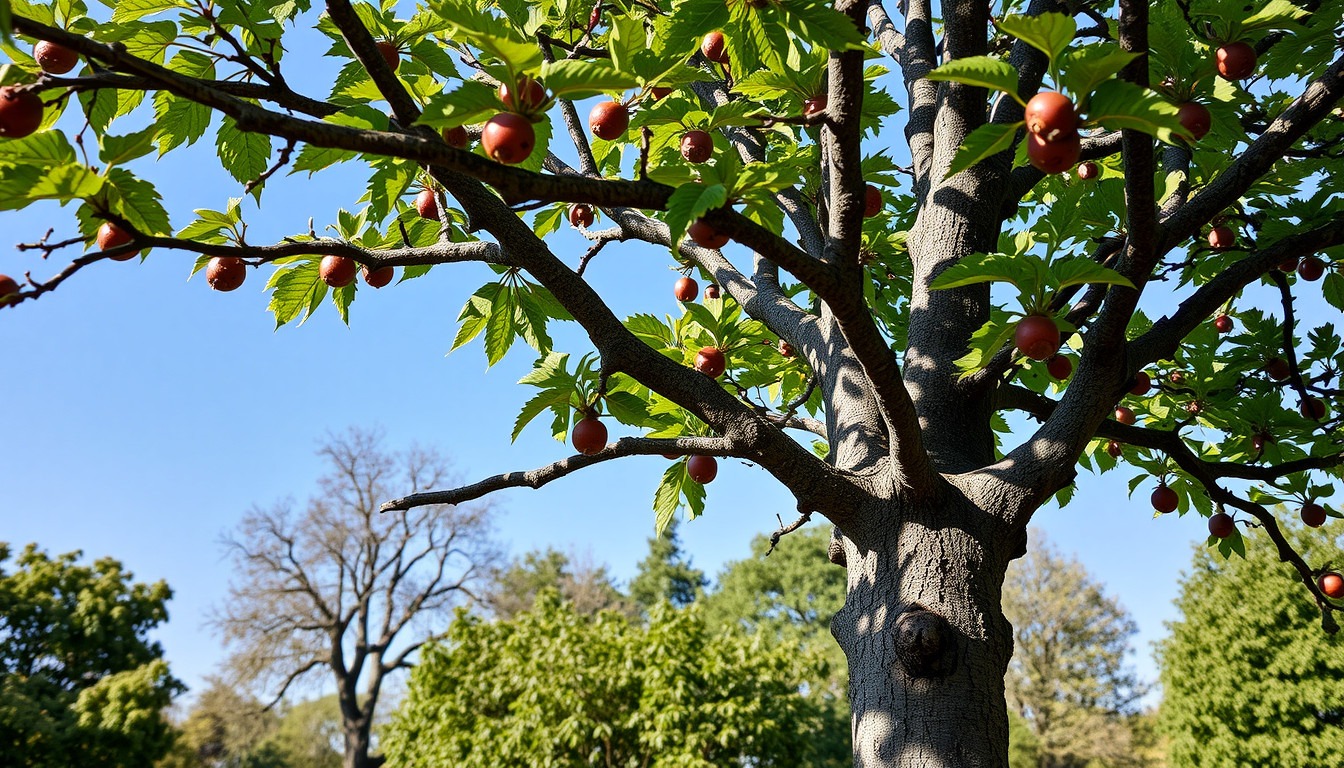
Understanding Black Walnut Toxicity and Its Soil Impact
This part of the article needs a final editorial check. The research and related guidance are included in the sources below.
Recognizing Signs and Symptoms of Black Walnut-Related Problems
Early identification of black walnut-related issues involves observing specific visual cues and environmental signs that indicate juglone toxicity or other plant stresses.
1. Physical Symptoms in Susceptible Plants
- Wilting, especially during hot or dry conditions
- Yellowing or chlorosis of leaves
- Browning or necrosis at leaf margins
- Twisted, distorted, or curled leaves
- Dieback of branches and overall plant decline
These symptoms often appear rapidly after transplanting near black walnut trees or when new plants are introduced into the area.
Table of Contents
2. Environmental Signals and Affected Locations
- Symptoms most prominently within the dripline—an area directly beneath the canopy extending outward
- Presence of black walnut trees nearby, especially overhanging the garden beds
- Soil that smells organic or appears overly rich, which may indicate high juglone levels
- Localized plant death or poor growth in garden plots adjacent to mature walnut trees
It’s important to note that early stages of toxicity may mimic pest or disease damage, making careful observation essential.
3. Differentiating Between Toxicity, Pests, and Diseases
- Visual cues: Wilting, yellowing, and browning in toxin-related issues usually lack signs of pests like insects or fungal structures
- Progression: Symptoms from juglone toxicity often develop quickly after planting near walnuts, whereas pests/diseases tend to advance gradually
- Location: Damage concentrated within the dripline suggests toxicity; pests/diseases may affect broader or different plant parts
Confirming black walnut problems requires further investigation, including soil testing to detect juglone levels.
4. Soil Testing and Environmental Monitoring
To verify toxicity, conduct soil tests for juglone concentration, especially in affected areas. Observing plant responses and soil characteristics helps determine if chemical interference is at play. Additionally, implementing physical barriers or selecting tolerant plants can help mitigate damage while managing soil toxicity over time.
Diagnosing Soil Toxicity from Black Walnut
Testing your soil for juglone confirms whether black walnut tree roots or fallen plant materials are causing toxicity issues in your garden.
1. Soil Testing Options and Methods
Laboratory analysis offers accurate detection of juglone levels through specialized tests. Alternatively, field test kits are available for quick, onsite screening, though they may be less precise. Collect soil samples from the affected area within the dripline where plant symptoms are visible. Ensure samples are taken from multiple spots to account for variability. For better accuracy, sample at a depth of 4 to 6 inches, where juglone tends to accumulate.
2. Interpreting Test Results for Juglone Levels
High juglone concentrations—typically above 50 parts per billion (ppb)—correlate with increased toxicity risk for sensitive plants. If your soil tests show elevated juglone, suspect black walnut roots or decayed nut hulls as the source. Remember, residual juglone can persist in soil for months or even years, especially in poorly drained areas. Repeated testing over time can help assess whether toxicity levels are decreasing or remaining persistent.
3. Professional Testing Services and DIY Approaches
Professional labs provide comprehensive analysis, including juglone quantification, and can interpret results accurately. Local agricultural extension offices or specialized environmental testing labs are good options. DIY testing kits are often based on colorimetric reactions and can offer quick insights, but results should be confirmed with lab analysis for better decision-making. Combining soil analysis with environmental observation ensures a complete understanding of plant health issues related to black walnut toxicity.
| Method | Accuracy | Cost | Ease of Use |
|---|---|---|---|
| Laboratory Analysis | High | Moderate to High | Requires sample shipment and professional interpretation |
| DIY Test Kits | Moderate | Low to Moderate | User-friendly but less precise; ideal for screening |
- Collect representative soil samples for reliable results.
- Repeat testing over different seasons to monitor changes in juglone levels.
- Use soil test results to guide plant selection, opting for species tolerant to juglone if toxicity persists.
- Implement physical barriers, such as root shields, to protect sensitive plants from juglone leaching.
- Amend soil with organic matter to enhance microbial activity, which can help break down juglone over time.
Management Strategies for Black Walnut Problems
Reducing juglone impact and selecting compatible plants are key to managing black walnut-related soil toxicity effectively. The following strategies help mitigate problems caused by juglone in your landscape.
| Method | Description | Effectiveness |
|---|---|---|
| Organic Matter Amendments | Incorporate compost, peat moss, or aged manure into soil to enhance microbial activity that aids in breaking down juglone. | Moderate to high, improves overall soil health |
| Activated Charcoal | Add activated charcoal to soil to absorb and bind juglone, reducing its toxicity. | High, especially effective in confined planting areas |
| Physical Barriers | Install root barriers, such as plastic or metal shields, to prevent juglone-laden roots from encroaching on sensitive plants. | Effective for protecting specific plants within root zones |
| Plant Selection | Opt for juglone-tolerant species like dogwood, juniper, or daffodils, avoiding susceptible plants in areas near black walnuts. | Highly effective, ensures plant survival and growth |
1. Soil remediation techniques
Applying organic amendments or activated charcoal can significantly reduce juglone toxicity. Consistently enriching soil with organic matter fosters microbial activity that naturally degrades juglone over time. For smaller planting areas, mixing activated charcoal into the soil provides a quick-binding solution to sequester juglone, allowing sensitive plants to thrive.
2. Selecting juglone-tolerant plants
- Choose species like dogwood, juniper, clematis, and daffodils, which are known to tolerate juglone.
- Avoid planting sensitive species directly beneath or near black walnut canopies and root zones.
- Implement a plant list and zone map to ensure suitable species are used, reducing dead or wilting plants.
3. Using physical barriers and site modifications
Installing root barriers or increasing the distance between the black walnut and sensitive plants can prevent root contact with juglone. Regular monitoring and trimming roots extending towards garden beds help minimize toxic exposure, especially in proximity zones where plant health is at risk.
Long-Term Care and Preventative Measures
Effective management involves regular inspections, strategic planting, and soil care to prevent black walnut-related problems from persisting or worsening over time.
1. Pruning, Monitoring, and Soil Maintenance
Consistent pruning helps manage root growth and reduce stress on the tree. Regularly inspect your landscape for signs of stress, wilt, or plant damage, especially in areas near the black walnut. Soil testing should be conducted periodically to monitor juglone levels, which can linger long after the tree’s removal.
Maintaining healthy soil is crucial. Incorporate organic matter and avoid over-fertilizing, as unhealthy soil can exacerbate plant sensitivity. Use soil tests to determine nutrient status and juglone presence. This ongoing vigilance helps identify issues early and adapt your care practices accordingly.
2. Strategic Planting and Landscape Planning
Choose plants that are known to tolerate juglone, such as dogwood, juniper, clematis, and daffodils. Avoid planting sensitive species directly beneath or near black walnut horizons. Mapping out areas with a plant zone map ensures proper placement and minimizes risk to garden plants.
For example, establishing non-sensitive ground covers or mulch beds around the tree can reduce root contact. This tactic creates a physical barrier that limits juglone diffusion and protects nearby plants from toxicity.
3. Monitoring Residual or Lingering Toxicity After Tree Removal
Post-removal, residual juglone can persist in the soil for several years. It’s important to test the soil to confirm that juglone levels have decreased sufficiently before planting sensitive species. Applying organic amendments, like compost, can help detoxify the soil over time.
:max_bytes(150000):strip_icc():format(webp)/Nradrevisedspruce-b9e43711f5374a65becbe8b2ab6633a8.jpg)
Common Pests, Diseases, and Tree Problems That Mimic Toxicity
Distinguishing black walnut toxicity from other plant issues is essential for accurate diagnosis and effective treatment. Several pests, diseases, and environmental stressors can cause symptoms similar to juglone poisoning but require different management approaches.
1. Walnut Diseases Such as Walnut Blight
Walnut blight is a bacterial disease that results in leaf spots, cankers, and branch dieback. It often causes localized leaf necrosis and may lead to structural damage. Unlike toxicity, blight symptoms tend to be confined and progress with specific patterns, often accompanied by oozing cankers or bacterial exudates. Proper identification involves inspecting for bacterial ooze and consistent pattern of infection, differing from the wilting or leaf yellowing typical of juglone effects.
2. Pest Infestations Affecting Overall Tree and Nearby Plants
Insect pests like aphids, borers, or leaf miners can cause leaf curling, discoloration, and dieback that may resemble toxic symptoms. For example, aphid-induced honeydew and sooty mold can create a general appearance of plant stress. Scouting for pests involves checking for visible insects or signs such as webbing, which helps differentiate pest problems from juglone toxicity.
3. Environmental Stress Factors Such as Drought and Soil Imbalance
Environmental stresses, including drought, root compaction, or nutrient deficiencies, cause wilting, leaf scorch, and branch dieback similar to some toxic effects. A key distinction is that these issues typically affect multiple plants in the area equally and are associated with weather patterns or soil health. Addressing environmental factors involves adjusting watering schedules, improving soil quality, and avoiding over-fertilization, which differs from managing toxicity with physical barriers or soil amendments.
Planning and Decision-Making for Black Walnut Removal or LandscapingDeciding to remove a black walnut tree or designing your landscape around it requires careful assessment of the tree’s impact, local regulations, and future planting plans.1. Assessing the Need for RemovalConsider removing the tree if its toxicity poses a severe threat to surrounding plants or safety. Signs include widespread plant wilting, dieback, or toxic soil indicators. If the tree’s roots heavily hinder garden growth, removal may be the best option.2. Legal and Safety ConsiderationsBefore removal, check local regulations regarding tree permits, protected species, and disposal protocols. Safety precautions include hiring certified arborists, especially for large or mature trees. Proper equipment and PPE are essential to prevent injury during removal.3. Designing Landscapes to Coexist with Walnut TreesImplement site planning to minimize juglone’s impact. Use physical barriers like root barriers or mulch to protect sensitive plants. Select juglone-tolerant species such as dogwoods or, in some cases, certain conifers, for planting near the tree.4. Decision Support Checklist
- Is the walnut tree causing significant plant loss within the dripline?
- Are local regulations or permits required for removal?
- Have I identified tolerant plants for future landscaping?
- Do I have professional support for safe tree removal?
- Is soil testing done to assess juglone presence?
Understanding Juglone Production and Soil PresenceJuglone is a naturally occurring allelopathic chemical produced by black walnut trees. It is present in all parts of the tree, including leaves, nut hulls, roots, and bark. When parts of the tree decompose or are damaged, juglone leaches into the surrounding soil, where it can remain active for months or even years. The highest concentrations are typically found within the dripline—the area directly beneath the canopy extending outward—making this zone particularly problematic for sensitive plants.How Proximity Affects Plant Health
- Plants growing within the dripline are most susceptible to juglone toxicity due to higher soil concentrations.
- Even beyond the dripline, sensitive species can suffer if juglone leaches or accumulates due to decayed roots or nut hulls.
- Roots of black walnut trees can extend 50 to 80 feet from the trunk, spreading juglone beyond the canopy area.
- Decaying nuts and fallen leaves contribute to soil juglone levels, especially near the base of the tree.
Visual Symptoms and Environmental Signs of Black Walnut ProblemsEarly signs of juglone toxicity in affected plants include wilting, yellowing, browning, and distorted leaves. These symptoms often occur suddenly, especially after transplanting or planting new specimens near black walnuts. Environmental cues such as the presence of a mature black walnut tree overhead and poor growth or dieback in soil within the dripline are also indicators. The area may smell overly organic or show signs of suppressed plant vitality, with some animals or insects avoiding these zones.Soil Testing for Juglone ConfirmationTo verify juglone toxicity, soil testing is essential. Laboratory analysis provides precise measurements of juglone concentration, while DIY test kits are available but less definitive. Soil samples should be collected from multiple locations within the affected zone, ideally at a depth of 4 to 6 inches, especially within the dripline. High levels of juglone (>50 ppb) indicate a significant toxicity risk, guiding your decision on plant selection and management.Choosing Non-Sensitive Plants and Using Barriers
- Opt for plants known to tolerate juglone, like dogwood, juniper, and daffodils.
- Avoid planting sensitive species such as tomatoes, azaleas, and rhododendrons near black walnuts.
- Install physical root barriers, such as plastic or metal shields, to prevent root contact with juglone-laden soil.
- Plant ground covers or mulch beds within the dripline to create a physical and chemical barrier.
Soil and Site Management PracticesOver time, juglone levels in soil can decrease naturally through microbial activity. To enhance this process, incorporate organic matter like compost, peat moss, or aged manure, which stimulates microbes that break down juglone. Additionally, adding activated charcoal can help bind and sequester juglone, reducing its toxicity. These practices, combined with strategic planting and physical barriers, help mitigate effects and promote plant health in affected areas.Frequently Asked Questions1. How far can juglone affect nearby plants?Juglone can influence plants within the dripline of a black walnut tree, typically extending 20 to 50 feet from the trunk. The toxin leaches into the soil through roots and decayed nut shells, affecting sensitive plants in its immediate vicinity.2. What are the best plants to grow near black walnuts?Opt for juglone-tolerant species such as certain native grasses, some lilies, alliums, or ornamental plants like peonies and hostas. Testing soil for juglone levels before planting helps ensure compatibility, and selecting resistant varieties minimizes damage.3. Can black walnut problems be reversed or mitigated?While existing plant damage may not be reversible, soil amendments like organic matter, activated charcoal, and physical root barriers can reduce juglone toxicity over time. Planting tolerant species and improving soil health help mitigate ongoing issues.4. What are the signs of black walnut tree disease or pests?Signs include wilting or yellowing leaves, dieback, irregular leaf curl, or the presence of insect activity and fungal growth. These symptoms are generally gradual and often extend beyond the area of the dripline, differentiating from juglone toxicity.5. How do I test my soil for juglone toxicity?Collect soil samples from the affected area at a depth of 4-6 inches within the dripline. Use a laboratory analysis or DIY test kits to measure juglone concentration. Elevated levels above 50 ppb suggest potential toxicity concerns.6. Is it safe to prune or cut a black walnut tree?Pruning or cutting a black walnut is generally safe when done properly. Use clean tools, prune during dormancy, and avoid damaging roots to prevent stress. Always consider consulting an arborist for large or hazardous trees.7. What alternatives exist if my garden is affected by black walnut toxicity?Plant juglone-tolerant species or create physical barriers such as root shields to prevent root encroachment. Improve soil drainage and organic matter content to help break down juglone and reduce its impact.
Sources and further reading
- Black Walnut Tree: Benefits, Problems, and Identification
- Black Walnut Toxicity – Wisconsin Horticulture
- Your black walnut tree is out to get you | CAES Field Report
- Black walnut problems : r/Permaculture
- Black Walnut Toxicity | Causes, Tolerant and Susceptible Plants| The Morton Arboretum
- Walnut Diseases | Fruit & Nut Research & Information Center
| Strategy | Advantages | Limitations |
|---|---|---|
| Tree Removal | Eliminates toxicity source; restores planting options | Costly; requires permits and professional labor |
| Landscape Re-design | Allows coexistence; preserves aesthetics and shade | Limited by soil toxicity; requires plant selection and barriers |