
Prune black walnut trees in late May to early June when sap flow is active, using proper techniques for thinning and branch removal to promote health and timber quality.
This article will cover the optimal timing for pruning, effective techniques for thinning and limb removal, and tips to maintain overall tree health and structure based on expert guidance.
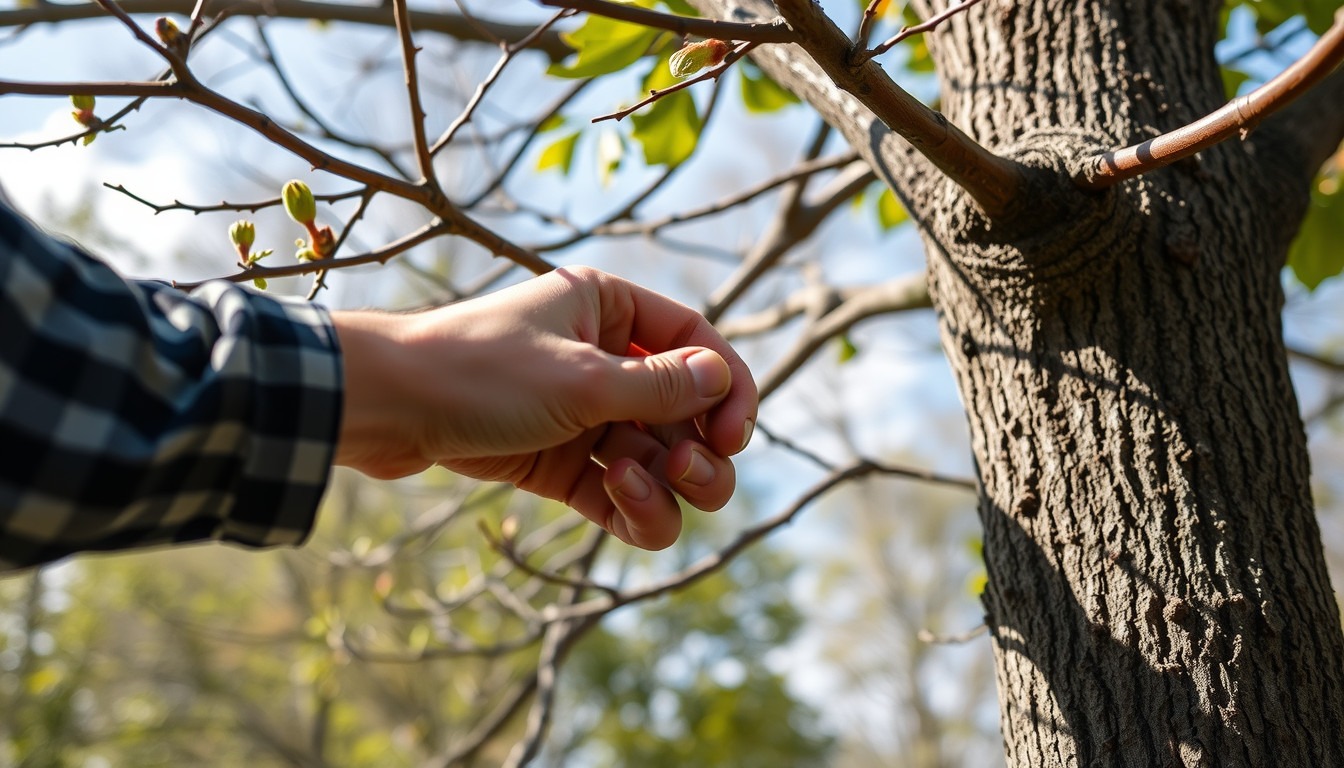
Understanding the Purpose of Black Walnut Tree Pruning
Pruning black walnut trees is essential for maintaining their health, safety, and timber quality. It involves strategic cuts that support proper growth and structural integrity.
- Health Benefits of Proper Pruning: Removing diseased or damaged limbs reduces the risk of infections and promotes vigorous growth.
- Safety Considerations: Pruning helps eliminate weak or low-hanging branches that could pose hazards, especially near paths or structures.
- Enhancing Timber and Wood Quality: Targeted pruning improves form and straightness, which are critical for high-quality timber production.
1. Key points for effective pruning include:
- Timing pruning in late spring or early summer when sap flow is active minimizes sap leakage and stress.
- Use clean, sharp tools to make precise cuts, reducing the risk of disease entry.
- Focus on removing low forks, multiple stems, or dead/diseased branches to promote strong, clear trunks.
- Balance the tree’s structure during pruning to prevent leaning or structural defects.
- Avoid over-pruning which can weaken the tree and reduce future growth potential.
2. Common pruning mistakes to avoid:
- Pruning during dormancy or early spring, which can cause excessive sap bleeding and stress.
- Leaving stubs or cutting into the branch collar, impairing natural healing.
- Removing healthy, functional limbs without proper assessment.
- Ignoring the overall shape and balance of the tree, leading to structural issues.
Understanding these purposes and guidelines helps ensure that each pruning session promotes the long-term health, safety, and timber value of your black walnut trees.
Timing Your Black Walnut Pruning for Optimal Results
Pruning black walnut trees at the right time enhances health, minimizes sap bleeding, and promotes sturdy growth. Knowing the ideal season and conditions is essential for effective pruning.
Table of Contents
1. Best Seasons for Pruning
The optimal period for pruning is late spring, typically from late May to early June, when the sap flow is active but not excessive. During this window, the tree’s energy is directed toward leaf and bud development, and wounds heal more quickly. Avoid pruning during fall or winter, as cold temperatures can cause injury, and the tree’s dormant phase limits healing capacity. Spring pruning before leaf emergence minimizes sap loss and wind damage risks. For mature trees, pruning during this active growing season supports structure development and timber quality.
2. Recognizing Sap Flow and Dormancy
- Identify leaf emergence and bud swelling: When buds swell and small leaves appear, sap flow is increasing. This indicates late spring, ideal for pruning.
- Observe sap exudation: If sap begins to oozes from fresh cuts, it’s a sign the tree is actively sapflowing. Postpone pruning if excessive sap leaks; wait until flow subsides.
- Timing based on climate: In regions with cold winters, wait until the threat of frost has passed and the sap is rising, but before full leafing out.
3. Post-Frost and Pest Avoidance
Pruning should be completed before heavy pest activity or after the risk of frost has passed. Post-frost pruning is safer because the tree has recovered from winter stress, and it helps prevent pathogen entry points. If pruning occurs too late into the season, wounds are exposed during the wet or humid period, increasing disease susceptibility.
| Timing Phase | Sap Flow Status | Advantages |
|---|---|---|
| Late May to Early June | Active but stable | Balanced wound healing and sap management |
| Late Fall/Winter | Dormant | Reduced sap bleeding, but slower healing |
| Post-Frost Spring | Resuming sap flow | Optimal for structure adjustments |
Always observe your local climate and tree condition to determine the best pruning window. Proper timing helps prevent wounds from becoming entry points for disease and encourages vigorous, healthy growth.
Step-by-Step Pruning Techniques for Black Walnut Trees
Pruning black walnut trees requires careful timing and precise techniques to promote healthy growth, improve structure, and maximize timber quality. Follow these detailed steps tailored for different tree stages to ensure effective pruning.
1. Pruning Young Trees and Developing Central Leader
Begin pruning one or two seasons after planting, focusing on developing a strong, straight central leader. Make clean, angled cuts just above a healthy bud, encouraging upward growth. Remove any competing stems or lower branches that may compromise the tree’s structure later. Using sharp pruning shears or saws, always cut at a 45-degree angle to facilitate wound healing. Prune during the dormant season, preferably late winter or early spring, when sap flow is minimal. This timing helps reduce sap leakage and infection risks. Ensure the cut surface is smooth to prevent pathogen entry.
2. Removing Low Forks and Multiple Stems
Identify low forks or multiple trunks that can hinder growth or cause structural weaknesses. Carefully remove these to favor a single, dominant trunk. Cut just above the point where the branch attaches, maintaining the natural angle of growth. Avoid topping or cutting large limbs in a single session—you should make a series of smaller cuts if needed. Pruning at this stage improves safety and enhances timber quality. Conduct this work in late winter or early spring, during dormancy, to avoid sap loss and facilitate healing.
3. Selective Thinning for Mature Trees
For mature black walnuts, focus on thinning crowded or crossing branches to improve airflow and light penetration. Remove diseased, damaged, or weak limbs, making clean cuts close to the trunk or main branch without damaging the collar tissue. Prioritize removing branches that cross or rub against each other, as these create entry points for disease. Limit removal to about 25-30% of the canopy at a time to prevent stress. Conduct thinning in late winter or early spring when the tree is dormant, aligning with best sap flow timing and minimizing disease risk.
| Timing Phase | Sap Flow Status | Advantages |
|---|---|---|
| Late May to Early June | Active but stable | Balanced wound healing, minimal sap loss |
| Late Fall/Winter | Dormant | Reduced sap bleeding, slower healing |
| Post-Frost Spring | Resuming sap flow | Optimal for structural adjustments |
Use proper tools such as sharp pruning shears for small limbs and pruning saws for larger cuts. Always wear gloves and eye protection for safety. Proper pruning supports vigorous growth, reduces disease entry points, and enhances timber value, making your black walnut trees healthier and more productive in the long run.
Choosing the Right Tools and Safety Measures
Proper tools and safety precautions are essential for safe, effective black walnut tree pruning. Using the right equipment minimizes damage and reduces injury risk.
1. Essential Tools for Pruning
| Tool | Best For | Size Limitation |
|---|---|---|
| Pruning Shears | Small limbs and twigs | Up to ¾ inch diameter |
| Loppers | Medium limbs | Up to 2 inches diameter |
| Pruning Saw | Large branches and trunks | Over 2 inches diameter |
2. Safety Equipment and Precautions
- Wear thick gloves to protect your hands from splinters and sap.
- Use eye protection, such as safety goggles, to shield against debris.
- Wearing a helmet is recommended when working with tall or unstable branches.
- Sanitize tools before use with alcohol or a bleach solution to prevent disease transmission.
- Maintain sharp blades to ensure clean cuts, which reduce stress on the tree and aid healing.
- Plan your cuts to avoid working on unstable branches. Use proper ladder safety practices when necessary.
3. Proper Handling and Maintenance of Tools
Ensure all pruning tools are sharp and clean. Sharpen blades regularly to facilitate smooth, precise cuts and prevent tearing of the wood. Clean tools thoroughly after each use to eliminate pathogens and extend their lifespan. Proper storage in a dry, protected area maintains blade sharpness and prevents rusting. Regular inspection for damage or wear is vital for safe, effective pruning.
Common Mistakes in Black Walnut Pruning and How to Avoid Them
Pruning is crucial for maintaining healthy, valuable black walnut trees, but errors can cause harm or reduce timber quality. Avoid these common pitfalls for optimal results.
1. Over-pruning and Topping
Removing too much foliage or topping the tree can stress the tree and lead to weak regrowth. Focus on targeted limb removal, only cutting diseased, damaged, or crossing branches. Aim to preserve the tree’s natural shape and avoid excessive cuts that impair health and timber quality.
2. Incorrect Cutting Angles
Make cuts at a 45-degree angle just outside the branch collar to promote proper healing. Cuts made too flat or flush with the trunk can leave stubs that hinder healing and invite disease. Proper angle cuts help the tree seal wounds efficiently and prevent decay.
3. Pruning at the Wrong Seasons
Pruning during extreme cold or late fall—when the tree’s ability to heal is reduced—can lead to disease and sap bleeding. The best time is late spring or early summer, when sap flow is high but the tree is actively growing, reducing stress and promoting healing.
4. Additional Tips to Avoid Mistakes
- Use sharp, clean tools to ensure precise cuts with minimal damage.
- Avoid removing more than 25-30% of the canopy at once to prevent excessive stress.
- Plan your cuts carefully, especially when thinning the canopy or removing large branches, to avoid tearing or damage.
- Recognize and address low forks and multiple stems early to guide healthy development.
- Always follow safety precautions, including proper ladder use and protective gear, to prevent accidents.
By understanding these common mistakes and implementing precautionary measures, you help ensure your black walnut trees grow strong and produce high-quality timber.
Long-Term Maintenance and Pruning Schedule for Black Walnut Trees
Effective long-term care involves regular pruning to maintain health, optimize timber quality, and ensure structural stability. Developing a scheduling routine based on the tree’s growth stage and observing its health can prevent common issues like disease and structural flaws.
1. Frequency of Pruning in Different Growth Stages
Young black walnut trees benefit from annual pruning during the first few years to establish a strong, single trunk. As the tree matures, pruning intervals typically extend to every 3-5 years, focusing on removing low forks, crossing branches, and deadwood. This approach prevents structural issues and promotes timber quality.
2. Monitoring Tree Health and Structural Integrity
Regular inspections are vital. Look for signs of disease, decay, or structural weakness such as low forks or multiple stems. Early detection allows targeted pruning to correct these issues before they worsen. Maintaining proper clearance from nearby structures in urban settings is also essential to avoid damage and safety risks.
3. Special Care in Urban Environments
Urban and sensitive environments require tailored pruning practices to accommodate space constraints and surrounding infrastructures. Pruning should focus on reducing canopy weight to prevent branch failure, and ensuring enough clearance for safety and utility lines. Using precise cuts minimizes damage and promotes quick healing in confined spaces.
- Prune in late winter or early spring to minimize sap bleed and encourage healthy growth.
- Keep tools sharp and sanitized to prevent disease transmission.
- Avoid removing more than 25-30% of the canopy at a time to reduce stress.
- Address low forks and multiple stems early to promote straight growth.
- In urban settings, focus on branch clearance and structural correction.
| Tree Age | Pruning Frequency | Key Focus |
|---|---|---|
| Young (1-3 years) | Annually | Establish single trunk, remove low forks, shape canopy |
| Mid-age (4-10 years) | Every 3-5 years | Remove defective branches, improve structure, thin canopy |
| Mature (>10 years) | Every 3-5 years | Maintain health, prevent hazards, enhance timber quality |
By adhering to a tailored pruning schedule, you promote long-term health and optimal timber value for your black walnut trees. Regular inspections and attentive care will help your trees grow strong and disease-free.
Final Tips for Safe and Effective Black Walnut Pruning
Prune black walnut trees during late spring to early June, using proper techniques to promote tree health and timber quality. Always prioritize safety and long-term growth benefits.
1. Key Takeaways
- Ideal pruning time is after leaf development, typically late spring, to reduce sap bleed risk.
- Use sharp, clean tools and follow correct pruning cuts to prevent disease and ensure proper healing.
- Focus on removing low forks and multiple stems early for straight growth and structural integrity.
- Protect yourself with protective gear, especially when pruning large or hard-to-reach branches.
- Frequent inspections help identify potential hazards like broken branches or disease early.
2. Encouraging Best Practices
Always tailor your pruning approach to the tree’s age and structure. For young trees, establish a single trunk and remove low forks promptly. For mature trees, maintain health and timber quality by periodic, strategic pruning.
Large or complex pruning jobs should be performed by trained professionals to avoid damage and ensure safety. Remember, improper pruning can lead to disease, structural weakness, or sap leakage, especially if done at the wrong time.
3. Resources for Further Help
- Consult local arborists or forestry extension services for region-specific advice.
- Review reliable guides like Purdue University’s woodland management publications.
- Utilize professional pruning services for large, multi-trunk, or mature trees.
Frequently Asked Questions
1. What is the best season to prune a black walnut tree?
The optimal season for pruning black walnut trees is late spring to early summer, specifically from late May to early June. During this period, sap flow is active but manageable, facilitating wound healing and reducing the risk of disease. Avoid pruning during fall or winter to prevent cold injury and slow healing.
2. How can I tell if a limb needs pruning?
A limb requires pruning if it is diseased, damaged, dead, or crossing with other branches. Low-hanging or weak branches that pose safety risks should be trimmed. Additionally, any branches that impede the tree’s structural integrity or hinder airflow should be removed for better growth and health.
3. What tools are safest for pruning mature black walnuts?
Use clean, sharp pruning shears for smaller branches and pruning saws for larger limbs. Ensuring sharp tools minimize injury to the tree and reduce the risk of introducing disease. It is also recommended to disinfect tools between cuts, especially when removing diseased tissue, to prevent spreading pathogens.
4. Will pruning improve nut production or timber value?
Yes, proper pruning can enhance timber quality by promoting straight, healthy growth and removing structural defects. While pruning can indirectly improve nut production by maintaining canopy health, it is primarily aimed at increasing timber value and overall tree vigor, rather than directly boosting nut yield.
5. How do I prune a multi-trunked black walnut to a single trunk?
Identify the dominant trunk and selectively remove or reduce competing stems using clean cuts just above their attachment point. This may involve removing one or more trunks gradually over several seasons to avoid stressing the tree. Focus on promoting a single, strong central leader for better structure and safety.