
Black walnut tree toxicity is caused by juglone, a chemical inhibiting sensitive plants within its root zone. Understanding plant susceptibility, soil factors, and management methods is key for garden safety.
This article explains how juglone affects nearby plants, which species are vulnerable, and how to mitigate its impact to protect your garden’s health and diversity.
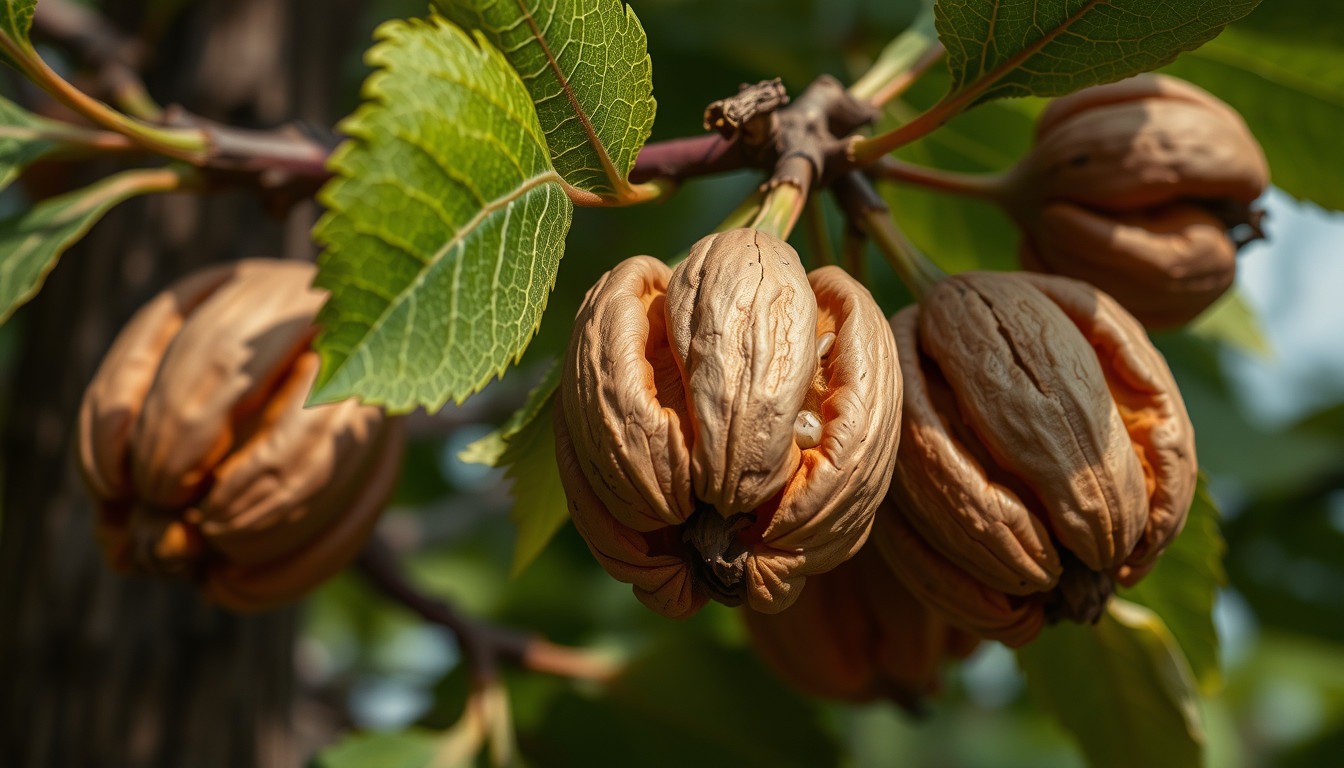
Understanding Black Walnut Toxicity and Juglone Production
Black walnut trees produce juglone, a natural chemical responsible for toxicity in surrounding plants. Recognizing how juglone is produced and distributed helps manage garden health effectively.
- The chemical nature of juglone: Juglone (5-hydroxy-1,4-naphthoquinone) is a phytotoxic compound that inhibits cell expansion and growth in sensitive plants through oxidative stress.
- Parts of the tree that produce and release juglone: All parts of a black walnut contain juglone, but it is most concentrated in the roots, nut hulls, and leaves. Roots continuously release juglone into the soil, creating a zone of potential toxicity around the tree.
- How juglone affects plant physiology: Sensitive plants experience wilting, yellowing, or death due to disrupted water uptake and blocked nutrient transport. Tolerant species usually thrive near black walnuts, and understanding this distinction is key to successful planting.
1. Environmental Distribution of Juglone
Juglone is present mainly in the fallen leaf litter, decaying nut hulls, and root exudates. Its persistence depends on soil conditions like pH, microbial activity, and moisture levels. Typically, juglone degrades over months, but in cool, acidic soils, it may linger longer, increasing toxicity risk.
2. Detecting and Managing Soil Juglone Levels
Soil testing for juglone isn’t common in home gardening; however, observing plant responses offers practical insight. Signs of toxicity, such as wilting or dieback, indicate high juglone concentrations. When planting near black walnuts:
Table of Contents
- Avoid planting known sensitive species within the dripline.
- Use physical barriers like root shields to limit root extension.
- Improve soil drainage and microbial activity to accelerate juglone breakdown.
3. Addressing Misconceptions and Safety Tips
Many assume all plants are equally affected or that mulch made from black walnut wood is unsafe. Scientific research shows that some plants are tolerant, and properly processed mulch generally poses minimal risk. Human and pet safety mainly involves avoiding ingestion of nut hulls or decayed leaves containing juglone, which can be toxic.
Understanding how juglone is produced, distributed, and affects plants enables informed decisions for healthy, diverse gardens.
Identifying Sensitive and Tolerant Plants
Understanding which plants are vulnerable to juglone helps gardeners prevent damage when planting near black walnuts.
1. Common Susceptible Plants
Many garden plants are sensitive to juglone. For example, tomatoes, azaleas, and rhododendrons often wilt, yellow, or die when grown within the influence zone of a black walnut. These plants show symptoms quickly when exposed to toxic levels of juglone, typically within the dripline of the tree.
2. Plants Generally Tolerant of Juglone
Most grasses and certain tree species can tolerate juglone. Oaks and pines, for instance, usually grow well near black walnuts because they have evolved to handle juglone compounds. Recognizing these tolerant species enables more flexible planting decisions especially in mixed landscape designs.
3. How to Test Plant Sensitivity in Your Garden
If unsure, gardeners can perform trial planting by placing a few vulnerable plants under or near the black walnut’s canopy. If plants thrive over multiple growing seasons, they are likely tolerant. Additionally, consulting extension service resources or local horticultural experts can provide current information about plant susceptibility.
| Plant Type | Susceptibility |
|---|---|
| Tomatoes | Highly susceptible, show wilting and yellowing |
| Azaleas | Sensitive, prone to dieback |
| Pine trees | Generally tolerant, grow well near black walnuts |
- Use physical barriers like root shields to prevent root intrusion of juglone
- Improve soil drainage and microbial activity to help degrade juglone
- Perform trial plantings if uncertain about plant tolerance
- Consult local extension services for specific plant recommendations
- Avoid planting sensitive species directly under or near mature black walnuts
By understanding plant susceptibility and utilizing testing and strategic planting, you can create a healthy landscape around black walnuts while minimizing toxicity risks.
Assessing Soil and Environmental Factors
Accurately evaluating the presence of juglone in your soil and understanding environmental influences are key to managing black walnut toxicity in your garden.
1. Soil testing methods for juglone
Soil tests can detect residual juglone levels, informing whether your soil might harm sensitive plants. Conducting professional tests is recommended for accurate measurement. Sampling should be done at various depths and locations around the planting site to account for uneven distribution. Laboratory analysis can specify juglone concentrations, helping decide appropriate planting strategies.
2. Environmental factors affecting toxin breakdown
The degradation of juglone depends heavily on soil conditions. Microbial activity plays a crucial role; active microbial communities help break down juglone, reducing its toxicity. Soil type significantly influences persistence: clay soils tend to retain juglone longer, sometimes for years after the tree’s removal. Soil pH and moisture levels also affect microbial activity and, consequently, the breakdown rate. Maintaining optimal drainage and pH can accelerate detoxification.
3. Time after tree removal and soil recovery
After removing a black walnut, residual juglone can persist for several years, particularly in clay soils. Typically, non-porous soils with low microbial activity hold onto toxins longer. To expedite recovery, amend soil with organic matter like compost, which boosts microbial health. Regular testing during this period can track reductions in juglone levels, guiding safe planting decisions.
| Factor | Impact on Juglone Breakdown | Practical Considerations |
|---|---|---|
| Soil Type | Clay retains juglone longer; sandy soils facilitate faster degradation | Choose well-draining soils; amend with organic matter for better microbial activity |
| Microbial Activity | Enhanced microbial activity accelerates juglone breakdown | Use compost and avoid overuse of chemicals that hinder microbes |
| Moisture & pH | Optimal moisture and slightly acidic to neutral pH promote microbial health | Maintain proper watering and pH balancing practices |
- Test soil regularly with professional labs for accurate readings.
- Amend soil to improve drainage and microbial activity.
- Allow several years after a black walnut’s removal before planting sensitive species without testing.
Understanding these factors helps you create a safer environment for your plants and ensures the longevity of your landscape in the presence of black walnuts.
Managing Your Garden Around Black Walnut Trees
Effective management involves strategic planting, proper soil preparation, and ongoing maintenance to prevent juglone toxicity from harming sensitive plants.
| Strategy | Details | Best Practices |
|---|---|---|
| Planting Considerations within Root Zone | Avoid planting sensitive species within the dripline or in high-risk zones where juglone concentration is highest. | Choose tolerant plants or dcreate a physical buffer zone beyond the dripline for sensitive species. |
| Physical Barriers and Root Pruning | Use root barriers to prevent roots from extending into garden beds; prune roots carefully to limit spread. | Install root barriers at least 18 inches deep and 3-4 feet away from trunk to protect plantings. |
| Soil Amendments and Organic Methods | Incorporate organic matter like compost and maintain microbial activity to help breakdown juglone. | Apply compost regularly, avoid chemical pesticides, and encourage beneficial microbes for natural mitigation. |
Additional Management Tips
- Test soil regularly with professional laboratories to assess juglone levels and soil pH.
- Delay planting sensitive plants until soil conditions are confirmed safe.
- Improve soil drainage and maintain a slightly acidic to neutral pH to facilitate microbial activity that breaks down juglone.
- Remove fallen nut hulls and leaf litter from under the black walnut to limit juglone source.
- Use mulches that support microbial health, such as compost or organic mulch, avoiding chemically treated mulches.
Understanding these strategies enables you to create a resilient garden environment that minimizes black walnut toxicity risks, ensuring healthy plant growth and landscape longevity.
Dispelling Myths and Scientific Insights on Walnut Toxicity
Many misconceptions surround black walnut toxicity, often leading gardeners to overestimate its threat. Scientific research clarifies where real risk lies and where myths persist.
1. The myth of walnut trees as killer trees
One common belief is that black walnut trees can outright destroy nearby plants through allelopathy. While laboratory studies show juglone inhibiting seed germination and seedling growth, these effects rarely translate into the garden under natural conditions. Most established, healthy plants generally tolerate proximity to these trees.
2. Research findings on allelopathy and soil impact
Scientific experiments reveal that juglone, the chemical responsible for toxicity, degrades rapidly in soil due to microbial activity. This breakdown process limits the duration and intensity of harmful effects in real-world environments. Studies have demonstrated minimal impact on mature, resilient garden plants when soil conditions are managed correctly. It’s important to note that while young seedlings are more vulnerable, mature plants often withstand juglone presence without issue.
3. What soil and mulch actually do regarding juglone
Mulching with organic material like compost or wood chips from non-walnut sources can support microbial activity, hastening juglone breakdown. Conversely, chemically treated or poorly draining soil can prolong juglone persistence, increasing risk to sensitive plants. Regular soil testing helps determine juglone levels, guiding safe planting strategies. Removing fallen nut hulls and leaf litter also reduces juglone sources and mitigates toxicity risks.
4. Summary table of plant susceptibility and soil considerations
| Plant Type | Susceptibility | Soil Tips |
|---|---|---|
| Young seedlings | High | Plant in non-walnut areas; improve drainage |
| Mature trees and shrubs | Low | Maintain healthy soil; mulching promotes microbial activity |
| Woody landscape plants | Variable | Test soil; avoid planting directly under dripline |
Understanding that most garden plants tolerate juglone when soil conditions are healthy dispels many myths about walnut toxicity. Proper landscape planning and soil management are key to thriving, walnut-adjacent gardens.
Safety Guidelines for People and Pets
Black walnut toxicity presents risks primarily through ingestion of nuts, hulls, or mulch, especially for children and animals. Awareness and preventive measures are essential to keep your garden safe.
1. Risks of ingesting walnuts, hulls, or mulch
Consuming parts of black walnuts, such as nuts or hulls, can lead to serious poisoning in pets and children. Ingesting hulls or mulch containing juglone may cause abdominal discomfort, vomiting, or more severe health issues. Even small amounts can have significant effects in sensitive cases.
2. Signs of juglone poisoning
Watch for symptoms like vomiting, diarrhea, lethargy, or abdominal pain if you suspect your pet or child has ingested walnut parts. Immediate medical or veterinary attention is crucial for effective treatment.
3. Preventive measures in the garden
- Keep walnuts, hulls, and mulch out of reach of children and pets.
- Do not use walnut-based mulch around vulnerable plants or in areas frequented by kids or animals.
- Supervise outdoor play areas during harvest time when nuts may fall unpredictably.
- Store nuts and hulls in secure containers away from curious pets or children.
- Educate household members about the dangers of ingesting walnut parts and mulch.
| Plant Type | Susceptibility | Soil Tips |
|---|---|---|
| Young seedlings | High | Plant in non-walnut areas; improve drainage |
| Mature trees and shrubs | Low | Maintain healthy soil; use mulch cautiously |
| Woody landscape plants | Variable | Test soil; avoid planting directly under dripline |
Recognizing that most garden plants tolerate juglone when soil conditions are optimized helps avoid unnecessary removal or replacement. Proper landscape planning, excluding high-susceptibility plants from under walnut driplines and managing soil health, significantly reduces risks associated with black walnut toxicity.
How Juglone Is Produced and Its Presence in Black Walnut Tree Parts
Juglone, or 5-hydroxy-1,4-naphthoquinone, is a naturally occurring compound synthesized within black walnut trees as a defense mechanism. It forms as a metabolic product in the leaves, roots, nut hulls, and bark. When the tree’s cells are damaged—by falling leaves, nut hull decay, root exudation, or physical injury—juglone is released into the soil, primarily through root exudates and decayed organic material. This organic chemical then becomes available in the environment, affecting nearby plants.
Range of Affected Plant Species and Examples of Sensitive and Tolerant Plants
Many garden plants are sensitive to juglone, which inhibits seed germination and seedling growth, and can even cause mature plant decline. Conversely, some plants have developed tolerance or resistance, allowing them to thrive near black walnuts.
1. Sensitive Plant Examples
- Tomatoes
- Azaleas
- Rhododendrons
- Potatoes
- Blueberries
2. Tolerant or Less Affected Plants
- Oaks
- Pines
- Maples
- Grasses (e.g., Kentucky bluegrass)
- Most conifers
Detecting Soil Juglone Levels and Influencing Environmental Conditions
Direct testing for juglone in soil is not common outside specialized laboratories, but practical assessment involves observing plant responses over time. Signs of high juglone include wilting, yellowing, or dieback of sensitive plants planted within the dripline. Environmental factors such as microbial activity, soil pH, and moisture influence juglone persistence and degradation. Soils rich in organic matter and with good drainage tend to facilitate microbial breakdown, reducing toxicity. Soils with low microbial activity—such as clay soils—may retain juglone longer, sometimes for years after the tree has been removed.
Strategies for Gardeners Near Black Walnut Trees
Immediate and Long-Term Soil and Plant Management
- Use physical root barriers to limit root extension into planting beds.
- Plant sensitive species outside the dripline or in raised beds with amended soil.
- Augment soil with compost and organic matter to promote microbial activity that breaks down juglone.
- Perform soil testing through professional laboratories if uncertain about toxicity levels.
- Remove fallen nut hulls, leaves, and root debris regularly to reduce juglone sources.
- Allow several years after removal of a walnut tree before planting sensitive species, especially in clay soils.
Addressing Myths and Scientific Insights on Walnut Toxicity
Many beliefs about black walnut toxicity being highly dangerous in all circumstances lack scientific proof. Laboratory studies show juglone effectively inhibits germination and seedling growth under controlled conditions, but in natural soil environments, microbial activity rapidly degrades juglone, significantly diminishing its impact. Proper soil management, such as maintaining microbial health and avoiding chemically treated mulches from walnut wood, minimizes risks. These findings clarify that mature, healthy plants often tolerate proximity to walnut trees, and the toxicity risk is largely confined to sensitive young seedlings, initial plantings, or unamended soils.
Safety Tips for Humans and Animals
- Avoid ingestion of walnut nuts, hulls, or mulch containing juglone, especially for children and pets.
- Store harvested walnuts and hulls securely away from pets and children.
- Wear gloves when handling walnut debris or pruning walnut trees to prevent skin contact with juglone.
- Be cautious with walnut mulch; ensure it is properly processed to reduce toxicity risks.
- Recognize that symptoms of juglone poisoning in pets include vomiting, diarrhea, lethargy, and abdominal pain; seek veterinary assistance immediately if suspected.
Frequently Asked Questions
1. How far does black walnut toxicity typically extend from the tree?
Black walnut toxicity usually affects plants within the dripline, which is the radius of the tree’s canopy. This zone generally extends from 50 to 80 feet, depending on the tree’s size. The highest concentrations of juglone are found in the roots and soil immediately surrounding the trunk, but the influence can reach further if conditions favor the chemical’s spread.
2. Which common garden plants are most sensitive to juglone?
Plants like tomatoes, azaleas, rhododendrons, and potatoes are highly sensitive to juglone and tend to show wilting, yellowing, or dieback when planted near black walnuts. It’s best to keep these species well outside the root zone of a walnut tree or avoid planting them altogether nearby.
3. Can I safely grow vegetables near a black walnut?
Growing vegetables near black walnuts is generally risky unless you select tolerant varieties and take protective measures, such as installing root barriers. For highly sensitive vegetables like tomatoes and potatoes, it’s advisable to plant at a safe distance outside the potential zone of juglone influence or choose alternative locations.
4. How do I test my soil for juglone?
Soil testing for juglone typically involves sending samples to a laboratory capable of analyzing chemical residues. While at-home tests aren’t widely available or reliable, observing plant health and growth near the tree can provide practical insight into juglone presence. If plants are struggling or showing symptoms near the tree, high soil juglone levels may be present.
5. Are all parts of a black walnut tree toxic?
Technically, all parts of a black walnut contain juglone, but the highest concentrations are found in the roots, nut hulls, and leaves. Fallen leaves and decaying nut shells release juglone into the soil, contributing to the toxicity zone. The bark and wood contain minimal juglone but still pose some risk if processed or used as mulch improperly.
6. What are the safest alternatives to black walnut for shade trees?
Suitable alternatives include trees like oak, maple, pine, and tulip poplar, which do not produce toxic compounds like juglone. These choices provide shade and aesthetic value without the risk of soil toxicity, making them ideal for planting in sensitive garden environments.
7. Can pets be affected by black walnut toxicity?
Yes. Pets, particularly dogs, can be affected if they ingest nut hulls, decayed leaves, or wood chips from black walnuts. Ingesting these materials can cause gastrointestinal issues or toxicity. Keep such materials out of reach and avoid composting black walnut debris in areas accessible to pets.
8. How long does juglone in soil persist after pruning or removal?
Juglone can persist in the soil for several months to years after the removal of a black walnut, especially in clay soils with poor drainage. The breakdown rate depends on soil conditions, microbial activity, and environmental factors. Improving soil conditions can help accelerate degradation over time.
Sources and further reading
- Black Walnut Toxicity – Wisconsin Horticulture
- Do Black Walnut Trees Have Allelopathic Effects on Other Plants? (Home Garden Series) | WSU Extension Publications | Washington State University
- Great native tree, Great for Humans to eat. NOT FOR DOGS! Black Walnuts
- Black Walnut Toxicity | Causes, Tolerant and Susceptible …
- Your black walnut tree is out to get you | CAES Field Report
- Walnut Toxicity Myth | The World’s Best Gardening Blog