
Choosing the right blue climbing roses depends on your climate, space, and desired flower shade, with options ranging from true blue varieties to lavender or soft violet hues.
This article will guide you through selecting the best type for your garden conditions and provide practical tips for planting and caring for your blue climbing roses to ensure vibrant blooms and healthy growth.
Key Conditions That Change Blue Climbing Roses
Colors of blue climbing roses are influenced by various environmental and horticultural conditions. Understanding these factors helps in selecting and maintaining roses that meet your aesthetic expectations and thrive in your specific garden environment.
1. The factors with the biggest effect
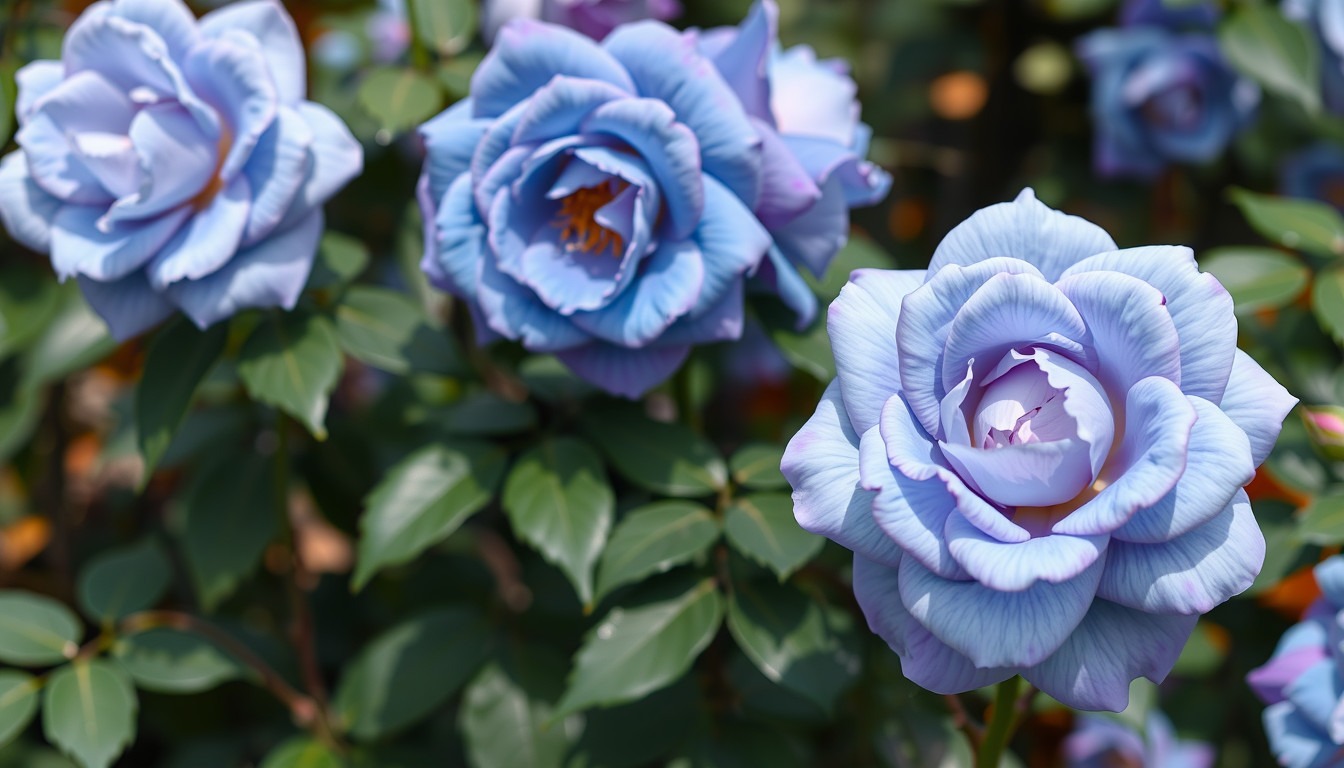
Temperature, soil composition, light exposure, and watering practices significantly influence the appearance of blue climbing roses. Slight variations in these conditions can alter the perceived color, sometimes making a true blue appear more lavender or violet. For instance, cooler temperatures often enhance the bluish hue, while warmer conditions may shift the color toward lavender or softer shades. Soil pH also plays a role; slightly acidic soils can intensify blue tones, whereas more alkaline soils might dull the color. Consistent sunlight fosters vibrant blooms, but excessive heat can cause fading or color shifts.
Disclosure: As an Amazon Associate I earn from qualifying purchases.
Table of Contents
Understanding your garden's soil can help determine how blue climbing roses will perform and whether adjustments are needed. Shop suitable garden soil testing kits on Amazon (affiliate link).
2. What evidence or details to check
Monitoring environmental conditions provides clues to potential changes in rose color. Check soil pH levels and adjust if necessary to promote ideal color expression. Observe the temperature patterns where roses are planted, especially during blooming periods, as cooler nights tend to enhance blue hues. Inspect sunlight exposure to ensure roses receive adequate, but not excessive, light. Pay attention to watering routines because overwatering or drought stress can impact plant health and bloom quality, indirectly affecting coloration. Researching specific cultivar tolerances and known color variations based on environmental factors can help in choosing the right variety for your setting.
3. When the usual advice does not apply
In some cases, conventional conditions may not produce the expected blue shade. For example, if a variety is known for a true blue hue but appears more violet or lavender, local climate or soil conditions could be at fault. Certain cultivars may also naturally exhibit a range of shades due to genetic variability, meaning that some plants might not meet typical color expectations regardless of care. When environmental adjustments do not yield the desired blue tone, consider selecting different cultivars known for more stable coloration or using plant-specific interventions like targeted soil amendments or shade modifications to better match the plant’s needs.
How to Evaluate Blue Climbing Roses Before Acting
Assessing the suitability of blue climbing roses involves examining their environmental conditions, plant health, and expected coloration. This practical approach helps ensure you select varieties that will thrive and meet your aesthetic goals.
1. What to check first
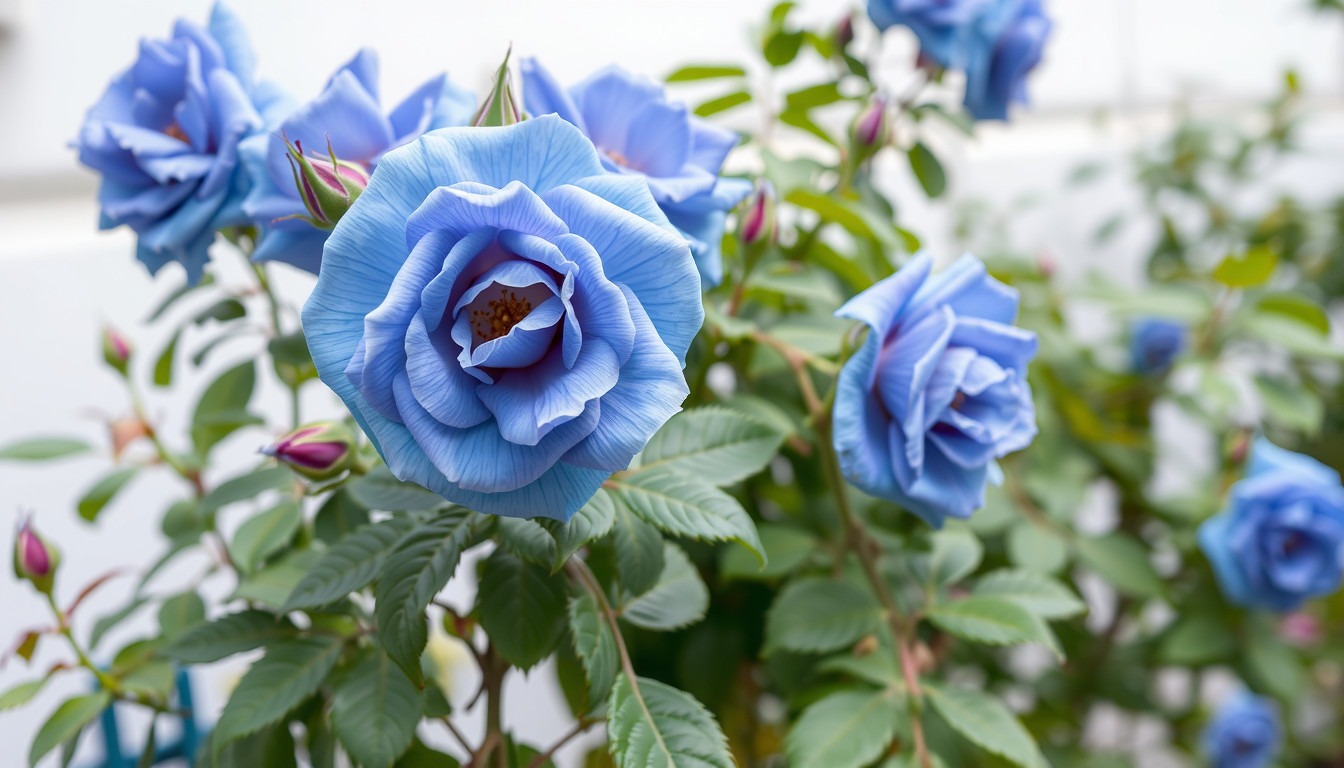
Start with the plant’s location and climate compatibility. Identify the hardiness zone of your area and compare it to the recommended zones for the specific blue climbing rose variety. For example, roses like those from Grace Rose Farm specify their ideal zones—some thrive in zones 4 through 9—ensuring they can endure winter conditions without additional protection.
Accurate assessment of your roses' condition provides a clearer plan for care or intervention. Shop suitable plant health monitoring tools on Amazon (affiliate link).
Next, evaluate the site’s sunlight exposure and soil conditions. Most climbing roses require at least six hours of direct sunlight daily and well-drained soil rich in organic matter. If your chosen spot receives less light or features heavy or poorly-drained soil, the plant may struggle regardless of the cultivar’s resilience or color potential.
2. How to interpret the result
If the environmental conditions align with the plant’s specifications, you can consider the plant’s health and coloration cues. Look for signs of vitality such as deep green leaves without spots, vigorous growth, and a sturdy structure. A healthy rose is more likely to develop and maintain its true blue hue, especially if the cultivar is known for stable coloration.
If the rose exhibits weak stems, discolored foliage, or signs of pests, these signals indicate the plant is under stress, which can impede color development and overall growth. Address environmental factors—like adjusting soil pH or adding shade or sunlight—to optimize conditions. It’s important to recognize that environmental factors such as soil acidity or shading can influence the hue of blue climbing roses; inaccuracies in these conditions can cause the expected blue tone to shift toward violet or lavender shades. In some cases, variations could also arise from genetic differences among cultivars, making it worthwhile to choose plants with known color stability. If environmental adjustments do not produce the desired blue tone, consider selecting different cultivars optimized for color consistency or applying targeted amendments to the soil for better results.
A Step-by-Step Approach to Blue Climbing Roses
Cultivating vibrant blue climbing roses involves a sequence of targeted actions that influence their bloom cycle and overall flowering pattern. Following this process can help gardeners maximize both color stability and flowering potential throughout the growing season.
1. Prepare the essentials
Start by selecting a cultivar known for its blue hue, such as ones bred for color stability. Ensure your planting site offers well-drained soil with balanced pH—slightly acidic to neutral—since soil chemistry can affect bloom coloration. Choose a location with adequate sunlight, ideally 6-8 hours daily, to encourage vigorous growth and the development of strong flowering patterns. Keep tools and supplies, like pruning shears, fertilizers, and watering cans, ready for timely maintenance.
Having the right tools can streamline your efforts and improve results. Shop suitable gardening basic toolkit on Amazon (affiliate link).
2. Take the first action
Plant your blue climbing roses during early spring after the danger of frost has passed. Space the plants according to their mature spread to allow airflow, which prevents disease and promotes healthy blooms. Water deeply after planting to establish roots and apply a slow-release balanced fertilizer at planting time, ensuring nutrients support the plant through its initial development. Regular watering during dry spells keeps the soil consistently moist but not waterlogged, key to uniform bloom cycles.
3. Check the early result
Observe the plant’s growth and flowering behavior once blooming begins. A steady bloom cycle indicates environmental conditions are favorable. Pay close attention to the color intensity of new flowers, as environmental factors like soil pH, shading, or temperature can influence hue. If the roses start to shift from their characteristic blue towards lavender or violet, note the possible causes such as excessive shade or soil alkalinity.
4. Adjust for changing conditions
If the bloom color deviates from the expected blue, adjust soil conditions by adding elemental sulfur to lower pH or amending with organic matter that favors acidity. Thinning the canopy or relocating the climber to sunnier exposure can enhance color stability and flower production. During the growing season, prune to remove dead or weak stems after flowering to encourage new growth and more blooming cycles. Continue fertilizing every few weeks with a formula suited for roses, adjusting nutrient levels if necessary to support ongoing bloom production.
Address environmental factors—like adjusting soil pH or adding shade or sunlight—to optimize conditions. It’s important to recognize that environmental factors such as soil acidity or shading can influence the hue of blue climbing roses; inaccuracies in these conditions can cause the expected blue tone to shift toward violet or lavender shades. In some cases, variations could also arise from genetic differences among cultivars, making it worthwhile to choose plants with known color stability. If environmental adjustments do not produce the desired blue tone, consider selecting different cultivars optimized for color consistency or applying targeted amendments to the soil for better results.
Choosing the Right Approach for Your Situation
Deciding how to incorporate blue climbing roses into your garden depends on factors like durability, growth conditions, and how involved you want the planting process to be. Comparing options helps determine which approach best fits specific garden environments and personal goals.
1. When the simpler approach fits
Opting for established cultivars and straightforward planting methods suits gardeners seeking reliable color and easier maintenance. These varieties are often more tolerant of varying conditions, offering decent longevity without complex propagation techniques. Choosing plants with proven color stability minimizes surprises in hue, especially if environmental factors like soil pH or sunlight are less controlled.
Simpler techniques may be adequate depending on your garden's conditions and your experience. Shop suitable low-maintenance garden guides on Amazon (affiliate link).
2. When a more involved approach is justified
For those aiming for unique or highly specific shades of blue, or seeking stronger plant durability, more detailed methods become necessary. Propagating from cuttings or starting from seeds allows customization but requires patience and technical skill. These methods can also influence plant longevity and shape, especially if environmental adjustments—such as soil amendments, shade management, or controlled watering—are used to enhance coloration or growth resilience. Selecting cultivars known for stable blue hues can optimize results, particularly when environmental variables threaten to shift the intended color toward lavender or violet shades.
3. Trade-offs to consider
Choosing between a simple or complex approach involves balancing effort, cost, and expected plant performance. Simpler methods tend to involve less time and lower initial investment, but may offer less control over expected color consistency and growth durability. More involved propagation or environmental manipulation allows for better customization and potentially longer-lasting and more vibrant blue roses. However, these require greater knowledge, labor, and possibly ongoing adjustments to soil and light conditions.
| Aspect | Simplicity Level | Plant Type | Color Stability | Propagation Method | Environmental Sensitivity |
|---|---|---|---|---|---|
| Approach | Simple | Established cultivars, reliable growth | Moderate to high | Transplants, nursery stock | Lower; less sensitive to soil pH or shade |
| Approach | Involved | Propagated from cuttings/seeds, customized | High, if environmental conditions are optimized | Seed starting, cutting propagation | Higher; environmental adjustments are crucial for color and durability |
Mistakes That Change the Result
Choosing and caring for blue climbing roses involves multiple decisions. Mistakes in these areas can lead to disappointing blooms or a less vibrant garden display. Recognizing common errors helps ensure healthier plants and better results.
1. Mistaking a symptom for a cause
One frequent error is attributing poor flower color or plant health to the wrong issue. For example, faded or dull blue hues in climbing roses might result from environmental stress rather than the plant’s natural color. Blue roses are sensitive to soil pH and light conditions, which significantly influence their color intensity. If a rose appears less vibrant, it might be due to insufficient sunlight or improper soil acidity, not necessarily a disease or poor care. Correcting this involves adjusting sunlight exposure or amending soil pH—testing soil regularly helps determine if these conditions are optimal. Using established cultivars known for stable blue hues reduces the risk of color fading caused by environmental variability.
2. Skipping a critical condition
Another common mistake is neglecting essential growth conditions that influence blue climbing roses’ development. These plants often require specific support structures, pruning, and soil conditions. Overlooking early signs of environmental stress, such as inadequate drainage or lack of pruning, can cause poor growth or blooming failure. For instance, a climber that isn’t properly pruned may produce excessive woody growth instead of lush flowering. Ensuring proper support and regular pruning promotes better air circulation and flower production. Additionally, selecting varieties with moderate to high environmental tolerance, rather than overly sensitive types, can prevent disappointment. It’s crucial to monitor soil moisture and nutrient levels, as nutrient deficiencies or excess watering can hinder the plant’s ability to produce vibrant blooms.
Making informed choices based on the specific variety and its compatibility with local conditions can lead to more successful cultivation. Whether selecting a lower-maintenance variety or one requiring more careful management, understanding these critical factors prevents costly mistakes and ensures that the blue climbing roses flourish with vivid, lasting color.
When to Adapt or Seek More Help
Growing healthy and vibrant blue climbing roses requires attentive care. If your plants show persistent issues despite following basic maintenance guidelines, it may be time to reassess your approach or consult a professional plant specialist.
1. Key points: next steps
If your blue climbing roses are not blooming as expected, look for signs like yellowing leaves, stunted growth, or an abundance of pests. These symptoms can indicate underlying problems such as nutrient deficiencies, improper watering, or disease. Adjust your care routine accordingly: inspect soil moisture levels, ensure proper support for the vines, and verify that the plant is getting adequate sunlight.
Sometimes a simple change in pruning technique, fertilization schedule, or watering habits can significantly improve plant health. For instance, overwatering can cause root rot, while underwatering leads to poor flowering and weak growth. Regularly examine your plants and modify your care strategies based on seasonal needs and plant responses.
2. Limitations: knowing when to seek expert advice
If your blue climbing roses continue to struggle despite adjustments, or if you notice unusual signs like extensive leaf loss, abnormal spots, or signs of severe pest infestation, it’s wise to seek help from a gardening professional. They can perform detailed diagnostics, such as soil testing or disease identification, to identify less obvious issues. Relying solely on general advice may overlook specific conditions affecting your plants, leading to prolonged decline or loss.
Additionally, some problems are environmental and beyond simple remedial actions. For example, if your garden’s climate does not align with the rose variety’s needs—such as low temperatures or high humidity—more targeted solutions or different varieties might be necessary. In these cases, consulting local extension services, gardening clubs, or specialized horticulturists can provide tailored guidance, ensuring your blue climbing roses have the best chance to thrive.
Frequently Asked Questions
1. What are the key factors in choosing the right blue climbing rose for my climate?
Match the rose’s hardiness zone to your local climate, ensure the site receives sufficient sunlight, and select a cultivar tolerant of your soil’s pH and moisture conditions.
2. How do I distinguish true blue roses from those dyed or artificially colored?
True blue roses naturally display bluish hues in their petals and grow on cultivars specifically bred for such colors, unlike dyed roses which often have unnatural or inconsistent coloration.
3. What type of soil and sunlight do blue climbing roses need for optimal growth?
They require well-drained, slightly acidic to neutral soil and at least six hours of direct sunlight daily for healthy growth and true coloration.
4. Should I buy grafted or own-root blue climbing roses based on my gardening goals?
Own-root roses typically establish faster and are more cold-hardy, while grafted plants often produce more vigorous, larger blooms but may be less winter tolerant, depending on the rootstock.
5. How often do blue climbing roses bloom, and can I encourage more flowers?
Many bloom once per season, but some rebloom; regular deadheading, proper fertilization, and adequate sunlight can promote additional flowering.
6. What are common pests and diseases affecting blue climbing roses, and how can I prevent them?
Pests like aphids and diseases such as black spot can affect blue roses; prevention includes maintaining good air circulation, proper watering, and applying appropriate treatments at early signs of issues.
7. What maintenance steps are necessary to keep my blue climbing roses healthy year-round?
Prune annually to remove dead or weak growth, fertilize in spring, mulch to conserve moisture, monitor for pests, and adjust watering practices based on weather conditions.