
The blue spider lily in Demon Slayer is a rare flower tied to powerful demons, especially Muzan Kibutsuji, and plays a key role in their abilities and lore.
This article will explore the flower’s origins, its significance within the story, and what characters’ interactions with it reveal about their motives and the narrative’s deeper themes.
Key Conditions That Change Blue Spider Lily Demon Slayer
The significance and interpretation of the blue spider lily in the context of Demon Slayer largely depend on specific material conditions, narrative context, and symbolic associations. Its background as a rare flower originating from Japanese folklore and its unique role in the series influence how characters interact with it and what it represents during pivotal moments. Understanding these factors helps clarify how its meaning shifts in different scenarios, especially when considering the actions of key characters or plot developments.
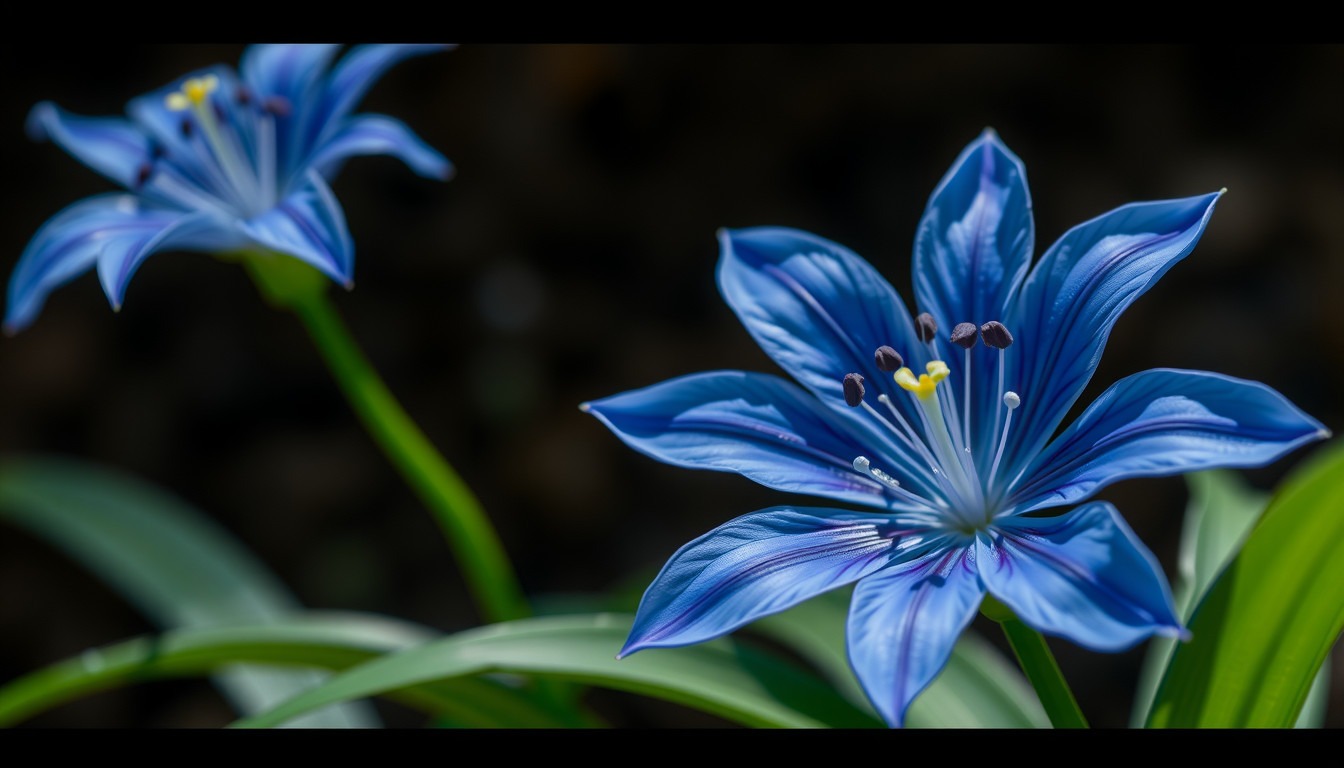
In understanding the significance of the Blue Spider Lily, it is helpful to explore its symbolic meaning, which the page The blue spider lily symbolizes spiritual purity, mystery, transition, and serenity. describes in detail.
1. The factors with the biggest effect
One of the most influential conditions is the plant’s origin, which ties directly to its symbolic meaning. The blue spider lily is associated with both the afterlife and the spiritual realm in Japanese tradition, often representing both mourning and reincarnation. Within Demon Slayer, this symbolism is reinforced through its connection to Nezuko’s transformation and the series’ themes of life, death, and rebirth. Its rarity and the context of its appearance also heavily affect its significance; when a character like Muzan seeks the flower, it underscores its value as a source of power or a potential tool for immortality.
Table of Contents
2. What evidence or details to check
- Origin story of the blue spider lily—its mythological roots as a flower that blooms quietly in remote areas, often in association with death and the afterlife.
- Instances in the series where the blue spider lily appears or is referenced, particularly in scenes involving Nezuko or Muzan. These moments reveal how its meaning shifts based on the narrative context.
- The motivations of characters seeking or protecting the flower, which reveal whether its significance is linked to their personal goals or broader conflicts.
- Historical or in-series lore regarding its rarity, any associated rituals, or cultural symbolism that might influence its perceived power or mystique.
3. When the usual advice does not apply
If the context involves a deviation from narrative norms—such as alternative universe scenarios, or newly introduced mythologies—then the significance of the blue spider lily might differ greatly. For instance, if future story arcs reveal new origins or powers of the flower, these could reshape its symbolism or practical use. Additionally, in cases where the plant is used in non-traditional ways, such as in experiments or magic outside its canonical lore, the usual assumptions about its importance and limits should be reassessed accordingly. This caution is vital when considering speculative theories or fan interpretations that extend beyond established facts.
How to Evaluate Blue Spider Lily Demon Slayer Before Acting
When encountering the Blue Spider Lily in the context of Demon Slayer, carefully assessing its significance and authenticity is crucial. This flower holds symbolic and narrative importance, often linked to key story elements such as transformation, hidden secrets, and spiritual symbolism. Before acting based on a perceived sighting or evidence, it’s essential to verify its attributes and meaning through concrete signals and contextual clues. This evaluation ensures that actions—whether related to seeking the flower, interpreting its presence, or using it in ritual—are grounded in accurate understanding and evidence.
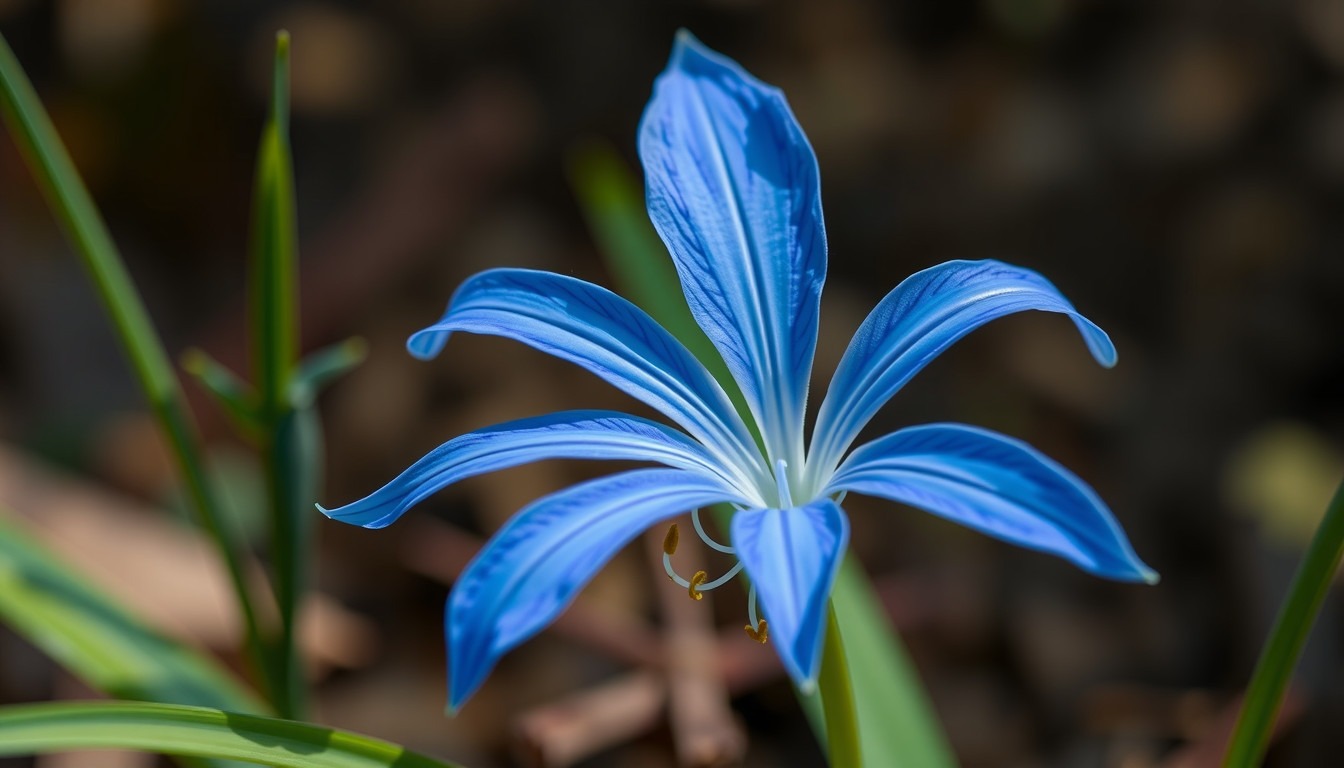
To assess the cultural or narrative significance of the Blue Spider Lily, see Flowers that represent new beginnings include daffodils, daisies, calla lilies, lotus flowers, roses, cherry blossoms, irises, peo, which outlines key symbolism in various flowers.
1. What to check first
Begin by examining the conditions under which the Blue Spider Lily appears. According to sources like wikiHow, this rare flower is typically associated with specific environments—such as remote, often mystical locations depicted in the series. Confirm whether the flower’s presence aligns with these conditions, including the type of terrain, season, and typical habitats like mystical forests or sacred grounds. Additionally, check if the flower’s appearance is linked to specific narrative moments, such as transformations or revelations, as noted in the lore of Demon Slayer.
Next, observe the physical evidence. Authentic Blue Spider Lilies are characterized by their distinctive blue petals and spider-like shape, which may be subtly symbolic. Cross-reference the visual cues with trusted images from the series or official sources. Be wary of imitations, including artificially cultivated flowers or visual misinterpretations that could lead to false assumptions. Reliable photographs or official illustrations are instrumental in confirming the flower’s authenticity.
2. How to interpret the result
The interpretation hinges on context and corroborating signals, not just appearance. If the flower matches the visual and environmental criteria, consider its narrative significance—such as as a symbol of secrecy, transformation, or spiritual awakening—as explored in various analyses of the series. The blue color is often linked to calmness, mystery, or spiritual insight, which may influence how it should be acted upon within your specific context. Conversely, if the conditions do not align—such as the flower appearing in an unlikely environment or differing visually—this may suggest a false lead, a symbolic gesture, or a different entity altogether.
In summary, evaluating the Blue Spider Lily involves a combination of conditions, practical visual checks, and an understanding of its symbolic role within the Demon Slayer universe. Making decisions based solely on anecdotal signs or superficial appearances can be misleading. Instead, verify your evidence carefully and interpret its significance within the broader narrative and cultural context to avoid misguided actions.
A Step-by-Step Approach to Blue Spider Lily Demon Slayer
Locating and understanding the significance of the Blue Spider Lily within the Demon Slayer universe requires a strategic approach. The flower, known for its mysterious properties and connection to powerful demons like Muzan, plays a crucial role in the series’ lore. Its properties include vivid blue petals with spider-like patterns, and it is believed to have unique properties that can influence demon biology or serve as a rare key to specific locations or powers. The following steps outline a logical process, based on in-series clues and research, to guide enthusiasts or characters seeking the Blue Spider Lily.
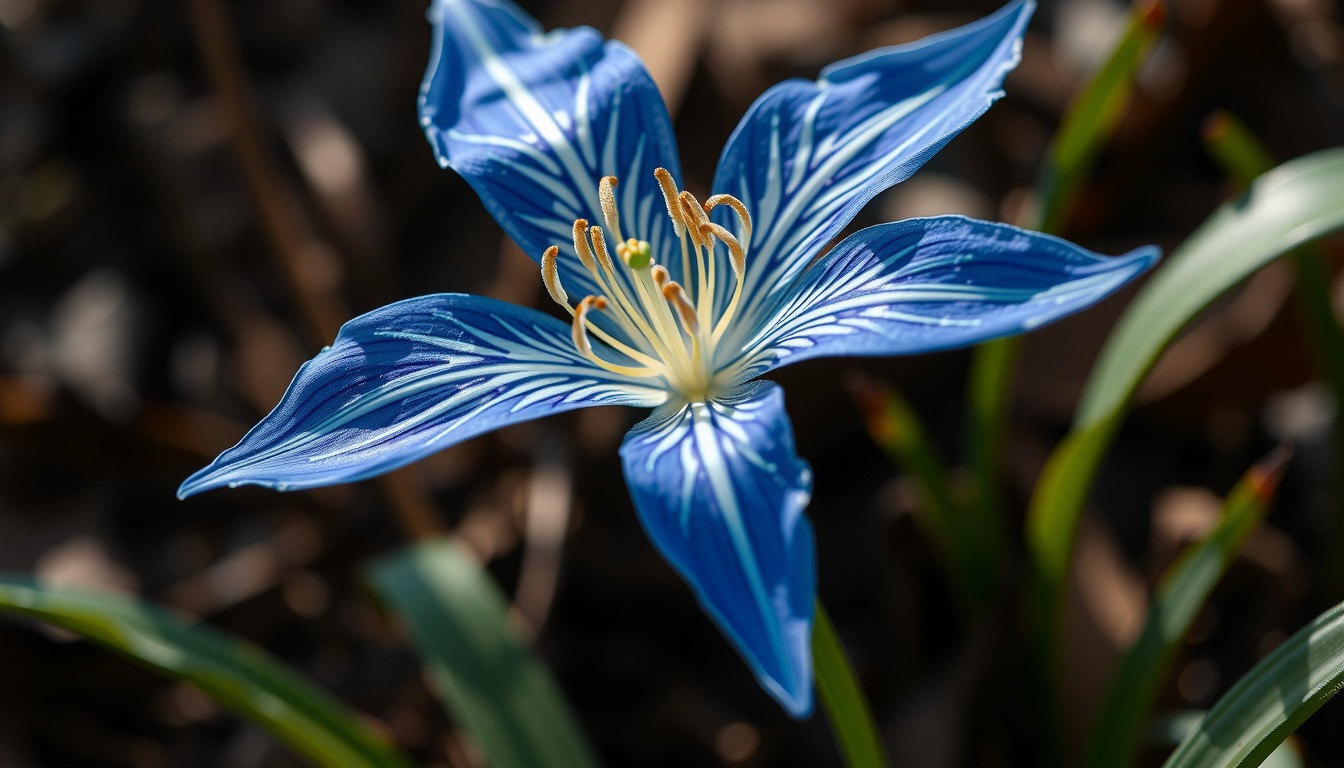
Understanding the flower’s properties and appearance, such as those detailed on The blue spider lily symbolizes spiritual purity, mystery, transition, and serenity., helps in identifying and assessing it properly.
1. Prepare the essentials
- Gather detailed knowledge about the Blue Spider Lily’s appearance, properties, and significance—study sources like series lore and scientific descriptions of the flower’s appearance and traits.
- Identify known locations from series clues, especially areas connected to Muzan and other demons, where the flower might grow or be kept.
- Assemble tools necessary for exploration or discovery, such as maps, legend keys, or even supernatural aids if applicable.
- Understand the environmental conditions required for the flower’s growth and survival, noting that it appears in dark, secluded, or magically protected locations.
2. Take the first action
- Start with historical or mythic records within the series that mention the Blue Spider Lily’s origin or where it has been historically found.
- Visit known or suspected locations, such as hidden gardens, caves, or areas associated with demon activity, paying close attention to clues such as unique plant life or anomalies in nature.
- Engage with characters who have specialized knowledge, such as medicinal experts or demon slayers familiar with the flower’s significance.
- Take samples or photographs of any promising flora encountered, ensuring to note environmental conditions—temperature, soil type, and nearby demonic aura levels.
3. Check the early result
- Assess whether the found flora matches the detailed properties of the Blue Spider Lily—look for the distinctive blue hue, spider-like petal patterns, and any aura or energy it emanates.
- Consult experts, whether in-series characters or external sources, to verify if the plant meets the criteria for the Blue Spider Lily.
- Determine if the plant shows signs of health and vitality consistent with its natural habitat, as these signals can affect its rarity and potency.
- Document its location and properties carefully, noting whether it is accessible or guarded, and plan further extraction or interaction accordingly.
4. Adjust for changing conditions
- If initial attempts reveal that the plant is out of reach or guarded by demons, consider modifying the approach—such as using stealth, diversion, or supernatural abilities.
- Reassess environmental conditions; if the climate or magical protections are too strong, adapt strategies to weaken or bypass these barriers.
- Update knowledge continually—series clues and lore can reveal new information about the flower’s location or properties.
- Be prepared for unforeseen complications, like demonic interference or natural hazards, and adjust plans to ensure safety and success.
This methodical process, combining research, direct exploration, verification, and adjustment, maximizes the chances of successfully locating and understanding the Blue Spider Lily in context with the Demon Slayer universe. Each decision point is crucial, balancing caution with initiative, especially considering the flower’s significance to powerful characters and its potentially dangerous environment.
Choosing the Right Approach for Your Situation
When seeking the elusive Blue Spider Lily within the “Demon Slayer” universe, the approach depends largely on the resources, time, and risk tolerance available. Muzan Kibutsuji’s interest in the Blue Spider Lily is driven by its unique properties, which could potentially grant him increased regenerative abilities or power, making it a highly sought-after object. Understanding your circumstances allows you to decide whether a straightforward method or a more elaborate search yields the best outcome.
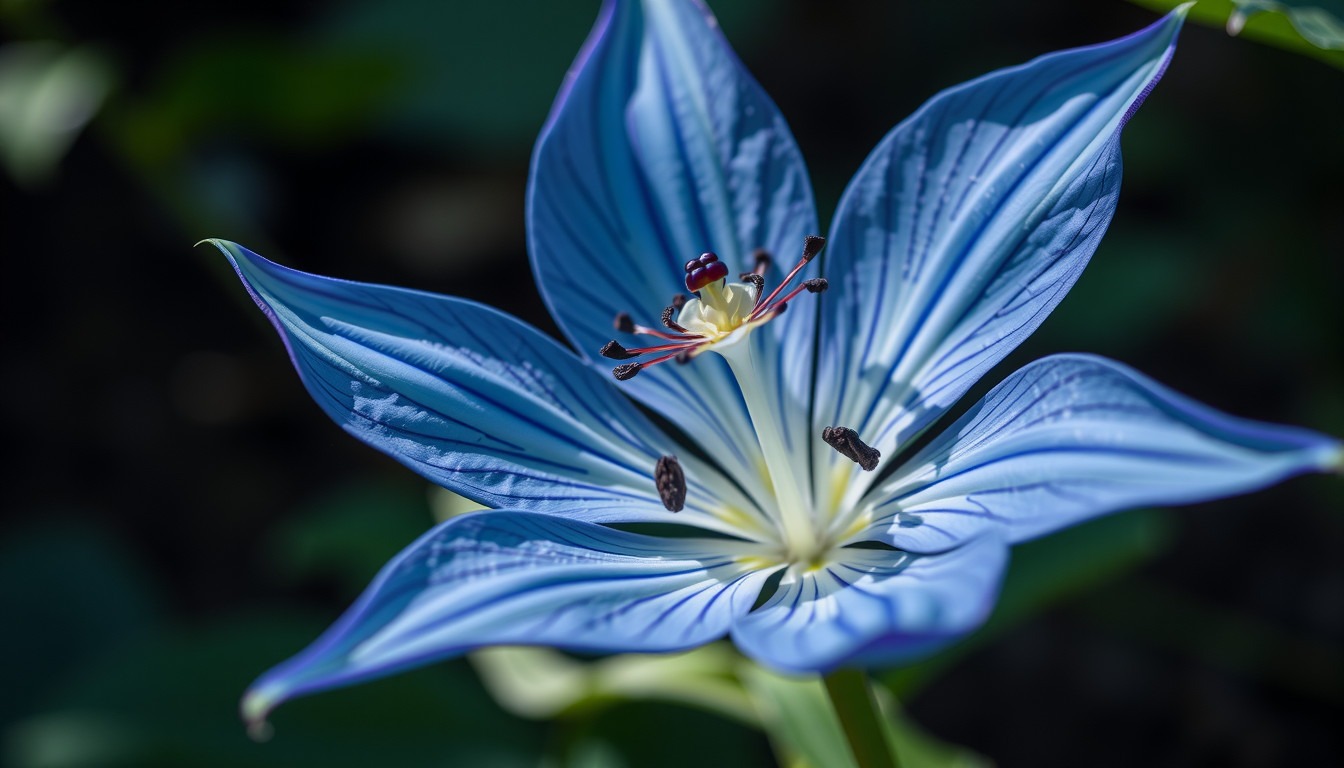
While not directly related, understanding stress signs in plants, similar to the concern over the Blue Spider Lily in series plots, is discussed at Brown spots on a Lemon Cypress often result from water stress, over- or under-watering, poor lighting, or environmental stress., to refine approach choices.
1. When the simpler approach fits
| Criteria | Description |
|---|---|
| Limited resources or time | Opt for local, easily accessible locations where the lilies are known to grow. These areas are often documented in lore and can be scoured without extensive planning, reducing the effort and risk involved. |
| Low stakes or urgency | If the primary goal is to acquire a sample for experimentation or study, a quick search in familiar environments caps the investment and allows rapid results. |
| Minimal risk tolerance | This approach limits exposure to dangerous demon territories or complex enchantments guarding the lilies, making it suitable for those unfamiliar with deep demon lore or arcane protections. |
In such cases, sticking to well-documented, accessible areas makes sense, especially when the motivation is exploratory rather than strategic.
2. When a more involved approach is justified
| Criteria | Description |
|---|---|
| High stakes or strategic advantage | If the Blue Spider Lily’s acquisition could significantly empower a demon or provide a competitive edge, investing in a detailed, strategic expedition becomes warranted. |
| Access to specialized knowledge | Requires consulting demon lore, ancient texts, or alchemists familiar with rare flora, which may involve dangerous zones or arcane puzzles. |
| High resource availability and risk acceptance | When resources—such as manpower, magical artifacts, or protective charms—are available, and the potential gains outweigh the dangers, a more elaborate search provides a higher chance of success. |
This approach often involves tracking down the lilies in wilderness or demon-infested zones, employing magic, and risking encounters with powerful demons or traps. Muzan Kibutsuji’s desire for the Blue Spider Lily underscores its strategic value, as he aims to harness its properties for his own immortality and dominance.
3. Trade-offs to consider
- Speed vs. Completeness: Quick, simple searches may miss the lilies if they are protected by complex enchantments or hidden in obscure locations.
- Risk vs. Reward: Risking dangerous demon territory could lead to failure or death, but the potential gain—such as unlocking new regenerative powers—may justify the danger.
- Resource Investment: Extensive searches demand more time, manpower, and magical resources, affecting overall goals and priorities.
- Knowledge and Preparation: A more involved approach requires careful planning, understanding demon lore, and possibly crafting protective charms, which could delay the acquisition but improve success chances.
Mistakes That Change the Result
In exploring the significance of the blue spider lily in Demon Slayer, particularly regarding Tanjiro’s family and the flower’s legendary role, it is crucial to distinguish between common misconceptions and factual details. Misinterpreting these elements can lead to misunderstanding key plot points or the symbolism behind the flower. Recognizing and correcting these mistakes ensures accurate comprehension of the story’s deeper layers, especially those involving Tanjiro’s lineage and the flower’s connection to Muzan’s interest.
1. Mistaking a symptom for a cause
One frequent error is assuming that the blue spider lily’s appearance is a direct indication of Muzan’s obsession, when in fact, its symbolic significance is tied to Tanjiro’s family history and the legendary lore surrounding the flower. The flower’s rarity and its association with otherworldly powers are often mistaken as the root cause of Muzan’s pursuit. However, understanding that Muzan’s interest stems from a deeper desire to harness the flower’s unique properties, which could empower demons or enhance abilities, clarifies the actual driving force behind his obsession.
2. Skipping a critical condition
Another common mistake involves overlooking Tanjiro’s family connection to the blue spider lily. Some fans mistakenly believe that the flower has no personal significance to him, which can lead to a superficial understanding of his motivation. The truth, supported by series lore, indicates that Tanjiro’s mother once held a secret related to the flower’s location or power, which played a pivotal role in his family’s history. Ignoring this detail can cause viewers to miss the importance of Tanjiro’s lineage and how it intertwines with the flower’s legend, affecting the overall narrative and his destiny.
Addressing these errors involves scrutinizing the series’ representations of the flower’s symbolism, as well as paying close attention to plot elements hinting at Tanjiro’s ancestral ties. Recognizing that the blue spider lily’s role extends beyond its surface appearance—serving as a key to the series’ deeper lore—enables a more accurate and enriched understanding of the story’s thematic complexity.
When to Adapt or Seek More Help
Understanding the significance of the blue spider lily within the blue spider lily demon slayer series requires careful attention. If new details emerge or your current knowledge seems inconsistent, it may be time to adjust your approach or consult additional resources.
1. Key Points to Consider Before Making Changes
The blue spider lily’s origin is deeply tied to the story’s lore, symbolizing themes of memory, sacrifice, and the mysterious powers associated with demon slayers. In the series, the flower’s background is rooted in an ancient legend that once held secrets about its unique properties and the role it plays in characters’ destinies. Recognizing this context is crucial because it influences how you interpret the flower’s symbolic meaning and its connection to the protagonist’s journey.
If your understanding of the blue spider lily’s relationship to the demon slayer narrative feels incomplete—such as missing links between the flower’s origin, its symbolic ties, and character motivations—then it’s wise to seek further clarification. This may involve revisiting key episodes, analyzing the background of the flower’s history, or exploring scholarly interpretations that contextualize its role within the series’ mythology.
2. Limitations of Current Knowledge
While public sources provide a solid overview, they often do not reveal every detail about the flower’s mythology or its deeper significance. For example, the series hints that the blue spider lily once held a secret recognition of its hidden power, which could be pivotal for understanding Tanjiro’s lineage or the series’ overarching plot. Missing these nuanced clues can lead to misinterpretation or oversimplification of the story’s themes.
Additionally, some sources may focus on surface-level symbolism without addressing the implications of the flower’s background or its connections to other elements like the demon slayer family history. Recognizing these gaps helps determine whether a more detailed exploration is necessary or if current understanding suffices for your objectives.
3. Next Steps for Further Understanding
If you find gaps in your knowledge, further research into official series lore, supplementary materials, or expert analyses can clarify complex relationships. Returning to the episodes where the blue spider lily appears or is discussed can reveal subtle hints about its true meaning and significance. Engaging with community discussions or fan interpretations may also shed light on different perspectives and deeper lore connections.
In cases where the symbolism or background of the blue spider lily appears inconsistent or confusing, consulting authoritative guides or articles—like those from reputable websites—can help align your understanding with established series lore. If new plot developments introduce additional details about the flower, staying updated ensures your insights remain current and accurate.
4. Deciding Whether to Continue, Change, or Seek Assistance
Deciding whether to expand your research or seek external help hinges on your goals. If your interest is casual, a general overview might suffice. However, for a comprehensive understanding—such as analyzing the flower’s deep symbolism or its role in character development—you should pursue more detailed sources or expertise.
When confusion persists despite these efforts, consulting dedicated fan forums, series guides, or even creators’ interviews can provide clarity. Engaging more actively can uncover nuanced truths about the blue spider lily demon slayer, enriching your interpretation of the series’ complex mythology and lore. Recognizing when to seek help ensures your understanding remains accurate and enhances your overall experience of the story.
Frequently Asked Questions
1. What does the Blue Spider Lily symbolize in Demon Slayer?
It symbolizes spiritual transformation, death, and rebirth, tying into themes of life, afterlife, and secret knowledge within the series.
2. Why is Muzan Kibutsuji so obsessed with the flower?
Muzan seeks the flower for its reputed power to grant immortality or enhance his abilities, making it a crucial element in his quest for eternal dominance.
3. Are the flowers real or mythological within the series?
They are mythological, rooted in Japanese folklore, and serve as symbolic elements that influence character motives and story developments.
4. Where is the Blue Spider Lily located in the story?
The flower appears in remote, sacred, or mystical locations that are linked to key revelations, transformations, or secret plots.
5. How does the flower influence the characters and plot?
It acts as a catalyst for transformation, a symbol of hidden truths, and a focal point for conflicts over its power, especially involving Muzan and Nezuko.
6. What secret does Tanjiro’s family hold about the flower?
Tanjiro’s family has a clandestine history connected to the flower’s symbolism and potentially its powers, which influences his destiny and connection to the series’ lore.
7. Can the flower be obtained or cultivated in the series universe?
In the series, it is portrayed as extremely rare or possibly inaccessible, often tied to mythic locations and conditions that are difficult or impossible to replicate.