
Butcher paper and parchment paper serve distinct purposes in cooking and baking. Understanding their differences is crucial for optimizing your culinary practices, whether it’s for wrapping meats or baking pastries.
Understanding Butcher Paper and Parchment Paper
Butcher paper and parchment paper are essential tools in the kitchen, but they serve different purposes. Let’s break down what each one is and when to use them.
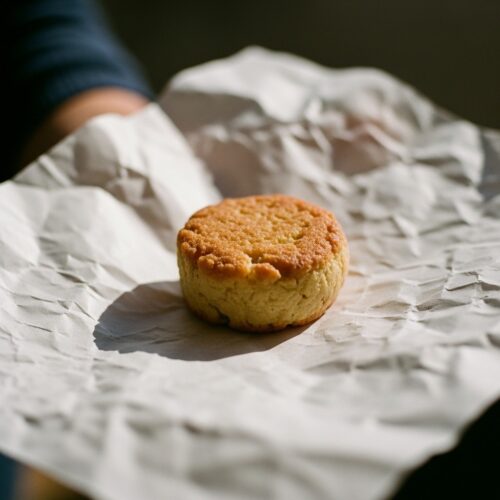
What is Butcher Paper?
Butcher paper is a sturdy, absorbent paper typically used for wrapping meats. It’s made from a blend of wood pulp and can hold up well against moisture. Here are some of its key characteristics:
- Durability: Strong enough to hold heavy cuts of meat.
- Moisture Resistance: Keeps meats fresh and prevents freezer burn.
- Versatility: Also useful for covering surfaces during food prep.
Butcher paper is perfect when you want to wrap meats for storage or transport. It helps preserve flavors and keeps your food safe.
What is Parchment Paper?
Parchment paper, on the other hand, is a non-stick, heat-resistant paper ideal for baking. It’s usually made from cellulose and coated with silicone for added non-stick properties. Here’s what makes it special:
Table of Contents
- Non-Stick Surface: Great for baking cookies, pastries, and more.
- Heat Resistance: Can withstand high temperatures in the oven.
- Even Cooking: Promotes uniform baking without the need for greasing.
Parchment paper is your go-to for lining baking sheets and wrapping delicate foods. It ensures nothing sticks, making your baking experience smooth and enjoyable.
| Feature | Butcher Paper | Parchment Paper |
|---|---|---|
| Material Composition | Wood pulp blend | Cellulose with silicone coating |
| Primary Use | Wrapping meats | Lining baking sheets |
| Heat Resistance | Moderate (not recommended for baking) | High (suitable for oven use) |
| Non-Stick Properties | No | Yes |
| Moisture Resistance | Yes (ideal for meat) | No (not designed for moisture) |
Key Differences
- Purpose: Use butcher paper for meat and parchment paper for baking.
- Performance: Parchment is non-stick and heat-resistant, while butcher paper is absorbent and durable.
- Best Practices: Avoid using butcher paper in the oven. Stick to parchment for your baked goods.
When in doubt, think about what you’re cooking. If it’s meat, reach for butcher paper. If you’re baking, parchment paper is the way to go.
Looking to up your grilling game? Consider using a Butcher Paper Roll for Grilling & Smoking for the best results!
Key Differences Between Butcher Paper and Parchment Paper
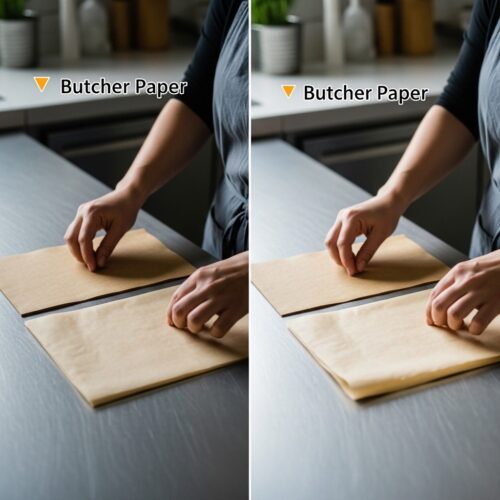
When it comes to cooking, choosing the right paper can make a big difference. Butcher paper and parchment paper serve unique purposes. Let’s break down their key differences in thickness, durability, heat resistance, and permeability.
Thickness and Durability
Butcher paper is thicker and more absorbent than parchment paper. This thickness gives it strength, making it ideal for wrapping meats. It protects flavor and moisture, ensuring your steak stays juicy.
Parchment paper, on the other hand, is thinner but still durable. It’s designed to withstand high heat without burning. This makes it perfect for baking cookies and pastries.
Quick Comparison of Thickness and Durability:
| Paper Type | Thickness | Durability | Best Use |
|---|---|---|---|
| Butcher Paper | Thick | Very Durable | Wrapping meats |
| Parchment Paper | Thin | Durable | Baking and roasting |
Heat Resistance and Permeability
Parchment paper shines when it comes to heat resistance. It can handle temperatures up to 420°F (about 216°C) without breaking a sweat. This property makes it a favorite for baking. It prevents sticking and burning, ensuring your treats come out perfect.
Butcher paper, while sturdy, isn’t as heat resistant. It can withstand lower temperatures and is best used for grilling or smoking meats. It allows smoke to infuse flavor while keeping the meat moist.
Heat Resistance Breakdown:
| Paper Type | Max Temperature | Permeability | Best Use |
|---|---|---|---|
| Butcher Paper | Up to 350°F | Moisture-Resistant | Smoking or wrapping meats |
| Parchment Paper | Up to 420°F | Non-Stick | Baking and roasting |
Practical Examples for Use
Here’s when to use each paper:
- Butcher Paper: Use it when smoking brisket or wrapping ribs. The breathability allows for a nice bark while keeping the meat moist.
- Parchment Paper: Perfect for lining baking sheets for cookies or creating en papillote dishes. It prevents sticking and ensures even baking.
Both papers have their unique qualities. Choosing the right one can elevate your cooking game. So next time you’re in the kitchen, think about what you’re whipping up.
If grilling is your thing, don’t forget to grab a Butcher Paper Roll for Grilling & Smoking to enhance your flavor!
When to Use Butcher Paper
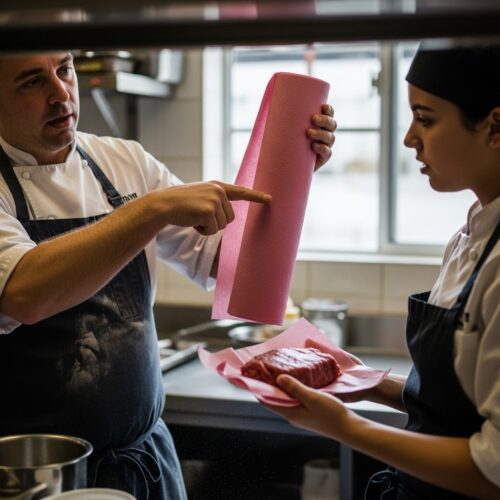
Butcher paper is a versatile tool in the kitchen, especially for meat lovers. It’s perfect for smoking, wrapping, and even serving. Let’s dive into when and how to use it effectively.
Smoking Meats
If you’re smoking brisket or ribs, butcher paper is your best friend. It’s designed to let smoke penetrate while keeping the meat juicy. The breathable nature of butcher paper forms a nice bark on the outside. Plus, it absorbs excess moisture, preventing sogginess.
Here’s how to use butcher paper for smoking:
- Wrap the meat tightly after a few hours of smoking.
- Monitor the internal temperature for best results.
- Use peach butcher paper for optimal flavor.
Wrapping Sandwiches and Other Foods
Butcher paper isn’t just for smoking. It’s also great for wrapping sandwiches, burgers, or even fish. It keeps everything fresh and flavorful, while adding a rustic touch to your presentation.
Tips for wrapping with butcher paper:
- Use it for takeout orders to keep the food warm.
- It’s ideal for picnics or BBQs, giving your food a homemade vibe.
- Consider using different colors for aesthetic appeal!
Practical Examples and Decision Framework
When deciding between butcher paper and parchment paper, think about your cooking method. Here’s a simple checklist:
- Use Butcher Paper for:
- Smoking meats
- Wrapping sandwiches
- Serving BBQ and deli meats
- Use Parchment Paper for:
- Baking cookies
- Roasting vegetables
- Cooking delicate fish
With these guidelines, you can confidently choose the right paper for your culinary needs. If grilling is your passion, don’t forget to grab a Butcher Paper Roll for Grilling & Smoking to enhance your flavor!
When to Use Parchment Paper
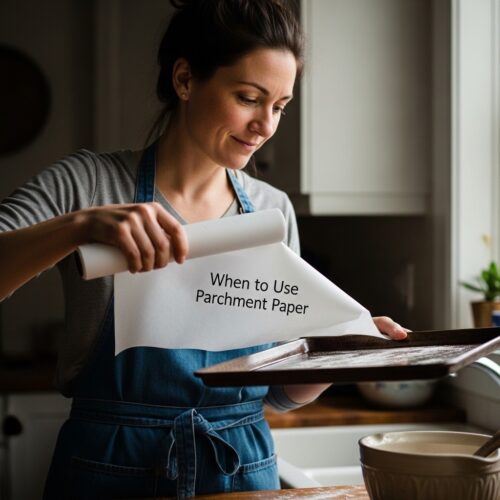
Parchment paper is a kitchen superstar, especially when it comes to baking. Its non-stick properties make it perfect for various tasks, ensuring your baked goodies come out just right every time.
Baking Cookies and Pastries
When you’re baking cookies, cakes, or pastries, parchment paper should be your go-to. Why? It prevents sticking and helps with even baking. Here’s a quick checklist for its use:
- Cookie Sheets: Line them with parchment for easy removal.
- Cake Pans: Use it to prevent cakes from sticking and ensure a smooth release.
- Baking Bread: It helps with shaping and can add a nice crust.
Cooking en Papillote
Want to impress your friends with a fancy dish? Try cooking en papillote! This method involves wrapping food in parchment paper and baking it. The sealed pouch traps moisture and flavors, creating a delicious meal. Here’s how to do it:
1. Preheat your oven to 400°F (200°C).
2. Cut a large piece of parchment paper into a heart shape.
3. Place your ingredients (like fish, veggies, and herbs) on one side of the heart.
4. Fold the other half over and crimp the edges to seal tightly.
5. Bake for about 15-20 minutes.
6. Open carefully and enjoy the aroma!
This method works well for fish, chicken, or even veggies. Plus, it makes for a beautiful presentation!
Practical Examples of Using Parchment Paper
Here are some practical examples to inspire your cooking:
- Cookies: Bake chocolate chip cookies on parchment for easy cleanup.
- Roasted Veggies: Toss your favorite vegetables in olive oil, season, and roast on parchment for a non-stick surface.
- Delicate Fish: Wrap salmon with herbs and lemon in parchment to keep it moist and flavorful.
Parchment paper is versatile and a must-have for any home baker or chef!
Common Mistakes and Risks of Using the Wrong Paper
Choosing the right paper for your cooking needs is essential. Using butcher paper when you should use parchment paper can lead to some serious culinary mishaps. Let’s explore the common mistakes and risks with each type of paper.
Risks of Using Butcher Paper in Baking
Butcher paper is great for smoking meats, but it’s not meant for baking. Here are some pitfalls to watch out for:
- Not Non-Stick: Butcher paper doesn’t have non-stick properties. Your cookies or pastries might stick and tear when you try to remove them.
- Heat Resistance: It can’t handle high temperatures like parchment paper. Using it in the oven could lead to burning or even smoke.
- Flavor Transfer: Butcher paper is porous and can absorb flavors. If it’s been used for meats, it might impart those flavors to your baked goods.
Do’s and Don’ts for Butcher Paper:
- Do: Use it for wrapping meats or for grilling.
- Don’t: Use it for baking or cooking delicate items.
Risks of Using Parchment Paper for Wrapping
Parchment paper shines in baking, but it has its limitations in other uses:
- Moisture Exposure: Parchment paper isn’t as breathable as butcher paper. Wrapping meats can lead to moisture build-up, making them soggy.
- Less Durable: It’s not as thick as butcher paper, so it might tear easily when wrapping heavy items or sharp edges.
- Heat Concerns: While it’s great for baking, it can still burn if exposed to direct flames or high temperatures for too long.
Do’s and Don’ts for Parchment Paper:
- Do: Use it for baking, roasting, and food prep.
- Don’t: Use it for wrapping meats or items that need to breathe.
Quick Checklist for Choosing the Right Paper
| Purpose | Use Butcher Paper | Use Parchment Paper |
|---|---|---|
| Baking | ❌ | ✅ |
| Wrapping Meat | ✅ | ❌ |
| Cooking Delicate Foods | ❌ | ✅ |
| Grilling | ✅ | ❌ |
| Preventing Sticking | ❌ | ✅ |
By following these guidelines, you can avoid the common pitfalls that come with using the wrong type of paper. Happy cooking!
Can You Substitute Butcher Paper for Parchment Paper?
Many home cooks wonder if they can swap butcher paper for parchment paper. While they have different properties, there are scenarios where one can step in for the other.
When You Can Substitute
1. Grilling: Butcher paper works well on the grill. It can handle the heat and keep your meats juicy. Just remember, it might not keep things non-stick like parchment does.
2. Wrapping: If you need to wrap food for storage, butcher paper excels. It’s durable and breathable, making it a great choice for meats. Parchment isn’t designed for this.
3. Baking: You can use butcher paper in a pinch for baking, but keep an eye on it. It doesn’t have the same non-stick properties as parchment. For cookies or delicate pastries, stick with parchment to avoid sticking and tearing.
When You Shouldn’t Substitute
1. Baking Delicate Items: If you’re baking pastries or cookies, always use parchment paper. It prevents sticking and ensures even baking.
2. En Papillote Cooking: For dishes cooked in a folded paper pouch, like fish or vegetables, parchment is the way to go. Its non-stick surface is key here.
3. High-Temperature Cooking: Parchment is heat-resistant, while butcher paper may burn at high temps. Stick with parchment for recipes requiring higher heat.
Quick Comparison
| Use Case | Butcher Paper | Parchment Paper |
|---|---|---|
| Grilling | ✅ | ❌ |
| Baking Cookies | ❌ | ✅ |
| Wrapping Meat | ✅ | ❌ |
| Cooking Delicate Foods | ❌ | ✅ |
Decision Framework
- Recipe Type: Look at what you’re making. For grilling or wrapping meat, butcher paper is your friend. For baking, grab the parchment.
- Heat Level: If it’s a high-heat recipe, always choose parchment.
- Non-Stick Needs: If sticking is a concern, parchment is the clear winner.
By keeping these tips in mind, you can confidently choose the right paper for your cooking needs!
Frequently Asked Questions
These quick answers cover the most common questions about this topic, including key details, practical tips, and common concerns.
Is it better to bake with butcher paper or parchment paper?
For baking, parchment paper is the better choice. It’s non-stick, heat-resistant up to around 420°F, and provides even baking without sticking or burning. Butcher paper is not designed for oven use and can burn or stick, making it unsuitable for baking tasks.
Why did people stop using parchment?
People haven’t necessarily stopped using parchment; rather, some have shifted to other options like silicone baking mats or aluminum foil for specific needs. Parchment remains popular for baking, but its higher cost and environmental concerns have led some to seek reusable or eco-friendly alternatives.
When should you not use parchment paper for baking?
Avoid using parchment paper when cooking foods that require high heat beyond 420°F, such as broiling or open-flame grilling. Also, don’t use it for wrapping meats or foods that need to breathe, as it’s not as permeable as butcher paper and can cause sogginess or moisture retention.
Can parchment paper work as butcher paper?
While parchment paper can be used to wrap certain foods temporarily, it’s not ideal as a substitute for butcher paper. Parchment isn’t as durable or breathable, making it less suitable for wrapping meats or for smoking. It’s best to use each paper for its intended purpose.
What are the best uses for butcher paper?
Butcher paper is best for wrapping meats during smoking or storage, serving as a wrap for sandwiches, or covering surfaces during food prep. Its durability and moisture resistance help preserve flavors and keep meat juicy.
Can you reuse parchment paper?
Yes, you can reuse parchment paper if it’s not torn or heavily soiled. However, it’s generally designed for single use, especially in baking. Reusing it for similar tasks can save money, but avoid reusing if it has absorbed strong flavors or grease.
How do you store butcher paper?
Store butcher paper in a cool, dry place away from direct sunlight. Keep it rolled or flat in a sealed container or plastic bag to prevent moisture and dust from contaminating it. Proper storage helps maintain its durability and usability.
What is the cost difference between butcher paper and parchment paper?
Typically, butcher paper is less expensive per roll or sheet than parchment paper. However, prices vary based on quality, thickness, and brand. Parchment paper’s higher cost is due to its silicone coating and heat-resistant properties, making it more suitable for baking but less economical for wrapping or storage.
Why did people stop using parchment paper?
(Repeated for emphasis) Some users have shifted away from parchment due to cost or environmental concerns, opting for reusable alternatives like silicone mats or aluminum foil. Nonetheless, parchment remains a staple for baking and specific cooking techniques.
What should readers know about detailed environmental impact analysis?
Both butcher paper and parchment paper are paper-based products with environmental footprints related to their production and disposal. Recyclability depends on coatings and contaminants; parchment coated with silicone is less recyclable. Choosing eco-friendly brands or reusable options can reduce environmental impact.