
Yes, possums can climb fences with remarkable agility. These nocturnal marsupials are adept climbers, making it essential for homeowners to understand their behavior and implement effective yard protection strategies. This guide will explore how possums climb fences and provide actionable tips to safeguard your yard.
Understanding Possum Climbing Abilities
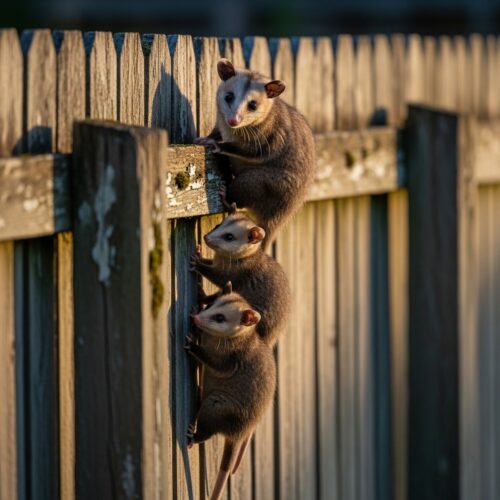
Possums are nature’s little acrobats. They have some impressive physical traits that help them climb various surfaces with ease. Let’s dive into how they do it!
Physical Adaptations of Possums
Possums are equipped with unique features that make climbing a breeze:
- Strong Claws: Their sharp claws grip rough textures. This helps them scale tree bark, wooden fences, and other surfaces.
- Prehensile Tail: Think of it as a fifth limb. They use it for balance and stability while climbing. It wraps around branches for extra support.
- Agile Paws: Their hind feet have an opposable “thumb.” This lets them grasp objects and navigate tricky spots.
These adaptations make possums expert climbers, capable of tackling both natural and man-made structures.
Types of Surfaces They Can Scale
Not all fences are created equal when it comes to deterring possums. Here’s a quick look at how different surfaces stack up:
Table of Contents
- Wooden Fences: Easy for possums. The rough texture gives them plenty of grip.
- Chain-Link Fences: Also climbable. The mesh design offers many points for their claws to latch onto.
- Smooth Surfaces: Like vinyl or metal, these can be challenging. However, if there are any textures or gaps, possums will still attempt to climb.
A smooth, tall fence (about 1.5 meters) is your best bet for keeping them out. But remember, if it has any texture, they may still find a way!
Common Climbing Behaviors
Possums are nocturnal and often venture out at night. Here’s what you might see:
- Exploring: They climb to find food or shelter. This could mean rummaging through your garbage or scouting your yard.
- Jumping: Possums can leap about one meter high. They often jump from trees or structures to access new areas.
- Hanging: Young possums sometimes hang by their tails, but adults primarily use their tails for balance.
To keep your yard safe, consider adding deterrents. Installing smooth barriers on fences can work wonders. For a little extra help, you might want to try a Possum Deterrent Spray to make your yard less inviting. Check Price on Amazon.
Understanding these climbing abilities can help you take the right steps to protect your yard!
Evaluating Fence Types and Their Climbability

Choosing the right fence can make a world of difference in protecting your yard from pesky possums. Not all fences are created equal when it comes to keeping these critters out.
Wood and Chain-Link Fences
Wooden fences are a popular choice. They’re sturdy and provide good privacy. However, their rough texture makes them easy for possums to climb. Chain-link fences, while durable, also offer plenty of grip points for these agile climbers.
Key Features:
- Wood Fences: Easy for possums to scale due to grip.
- Chain-Link Fences: Many climbing points available.
What to Do:
- Consider adding a smooth barrier at the top to make climbing difficult.
- Use a “floppy wire” extension to create instability.
Metal and Smooth-Surfaced Fences
Metal fences can be a better option. Smooth surfaces like vinyl or metal can deter climbing. The key is to ensure they are tall enough—around 1.5 meters is ideal.
Key Characteristics:
- Smooth Metal Fences: Harder for possums to grip and climb.
- Height Matters: At least 1.5 meters recommended.
Best Practices:
- Use a clean, uncluttered face on the fence.
- Add slippery materials like PVC pipes at the top.
Innovations in Fence Design
Modern fencing solutions can be quite innovative. For instance, “floppy wire” designs bend outward at the top, making it nearly impossible for possums to climb over.
Effective Strategies:
- Floppy Wire Extensions: Create instability.
- Vertical Slippery Barriers: Use metal sheeting or PVC to prevent climbing.
Comparison Table of Fence Types
| Fence Type | Climbability | Recommended Modifications |
|---|---|---|
| Wooden Fences | High | Smooth top barriers, floppy wire |
| Chain-Link Fences | High | Add slippery extensions |
| Metal Fences | Moderate | Ensure height, use slippery materials |
| Smooth Vinyl Fences | Low | Maintain height, clear of climbing aids |
By understanding these fence types and their climbing capabilities, you can better protect your yard from curious possums.
Effective Strategies for Yard Protection

Keeping possums out of your yard can be a challenge, but there are effective strategies to make your space less inviting. Here are some practical tips to safeguard your yard from these agile climbers.
Modifying Existing Fences
Your fence is your first line of defense. However, not all fences are equal when it comes to keeping possums out. Here are some modifications to consider:
- Add Smooth Barriers: Attach smooth materials like metal sheeting or PVC pipes to the top of your fence. This prevents possums from gaining a grip.
- Increase Height: Ensure your fence is at least 1.5 meters high. Taller fences are harder for possums to jump over.
- Floppy Wire Extensions: Install floppy wire extensions at the top of the fence to create instability. This makes it difficult for possums to climb over.
Removing Attractants in Your Yard
Possums are scavengers. If they find a food source, they’ll stick around. Here’s how to make your yard less appealing:
- Secure Trash Cans: Use bins with tight-fitting lids. Possums love rummaging through garbage.
- Pick Up Pet Food: Don’t leave pet food outside overnight. Bring it in to avoid attracting these critters.
- Clean Up Yard Debris: Remove any fallen fruit from trees or leftover pet food. Keep your yard tidy to eliminate hiding spots.
Utilizing Repellents and Traps
Sometimes, you need extra help. Using repellents and traps can be effective. Here’s what you can do:
- Use Repellents: Try using a commercial possum deterrent spray. It can make your yard less appealing. Check Price on Amazon.
- Set Up Traps: If possums are already in your yard, consider humane traps. Check local guidelines for safe capture and release.
By implementing these strategies, you can create a possum-proof yard that protects your space from unwanted visitors.
Understanding the Risks of Possums in Your Yard

Possums may seem harmless, but they can pose several risks to your home and health. Let’s take a closer look at what they can bring to your yard.
Health Risks and Disease Transmission
Possums can carry diseases that may affect pets and even humans. Some common health concerns include:
- Leptospirosis: This bacterial infection can spread through urine, potentially contaminating water sources.
- Tuberculosis: While rare, possums can carry this bacteria, which can affect both humans and animals.
- Parasites: Possums often host fleas, ticks, and worms, which might find their way to your pets.
To protect yourself, it’s crucial to keep your yard clean. Avoid leaving food or water sources outside.
Property Damage and Environmental Impact
Possums are scavengers. They rummage through garbage and can cause a mess. Here’s what you might face:
- Garbage Disruption: They can knock over bins and scatter trash around, leading to an unsightly yard.
- Vegetation Damage: Possums might munch on fruits and vegetables, impacting your garden.
- Nesting: If they find a cozy spot, they may set up camp, causing further property damage.
To minimize this, secure your trash cans and remove any attractants from your yard.
When to Seek Professional Help
If you’re facing persistent possum problems, it might be time to call in the pros. Here are some signs to look for:
- Frequent Visits: If you notice possums regularly, it may indicate a nesting problem.
- Damage: Signs of property damage, like chewed plants or overturned bins, can signal a more significant issue.
- Health Concerns: If you suspect a disease outbreak in your pets, consult a vet.
Taking action early can help protect your space and peace of mind.
Frequently Asked Questions
These quick answers cover the most common questions about this topic, including key details, practical tips, and common concerns.
Can possums climb all types of fences?
Possums are skilled climbers and can scale many fence types, especially those made of wood or chain-link. They use their claws, tail, and agility to climb surfaces with rough textures or gaps. Smooth fences like vinyl or metal are harder for them to climb, but if the surface has any texture or footholds, they may still attempt to scale it.
What materials are best for possum-proofing fences?
The most effective materials are smooth, slippery surfaces such as vinyl, metal, or coated panels. Tall fences (around 1.5 meters) made of these materials are less inviting for possums. Adding barriers like PVC pipes, floppy wire extensions, or metal sheeting at the top can further prevent climbing.
How can I tell if possums are in my yard?
Signs include nocturnal activity such as scurrying sounds at night, footprints, or droppings near fences or trees. You might also notice damaged plants, overturned trash cans, or hear scratching and rummaging noises. Visual sightings during evening hours confirm their presence.
Why do possums climb fences?
Possums climb fences mainly to find food, shelter, or to escape predators. They are naturally curious and use their climbing skills to access gardens, trash, or higher ground for safety. Climbing also allows them to explore new areas or seek nesting sites.
When are possums most active?
Possums are nocturnal and most active during the night and early morning hours. They tend to forage for food after sunset and before dawn. Implementing deterrents and yard protection measures before evening can help prevent encounters.
What are the risks of having possums in my yard?
Possums can carry diseases like leptospirosis and parasites such as fleas and ticks. They may also cause property damage by rummaging through trash or damaging plants. Additionally, they can pose a risk to pets if they carry diseases or parasites.
Are possums dangerous to pets?
Possums are generally not aggressive toward pets. However, they can transmit parasites or diseases if they come into contact. Pets might also be frightened or defensive if they encounter a possum, especially if the possum feels threatened.
How can I prevent possums from entering my home?
Secure all entry points such as gaps, vents, and chimneys. Keep trash cans tightly closed and remove any food sources from your yard. Trim tree branches away from the roof and fences to prevent possums from climbing onto or into your home. Using deterrents around entry points can also help keep them out.