
Chaste trees (Vitex agnus-castus) can be easily propagated using seeds or cuttings. This guide will provide you with comprehensive, step-by-step instructions to help you successfully propagate and grow your own chaste trees, ensuring you can enjoy their beauty and benefits for years to come.
Understanding the Chaste Tree
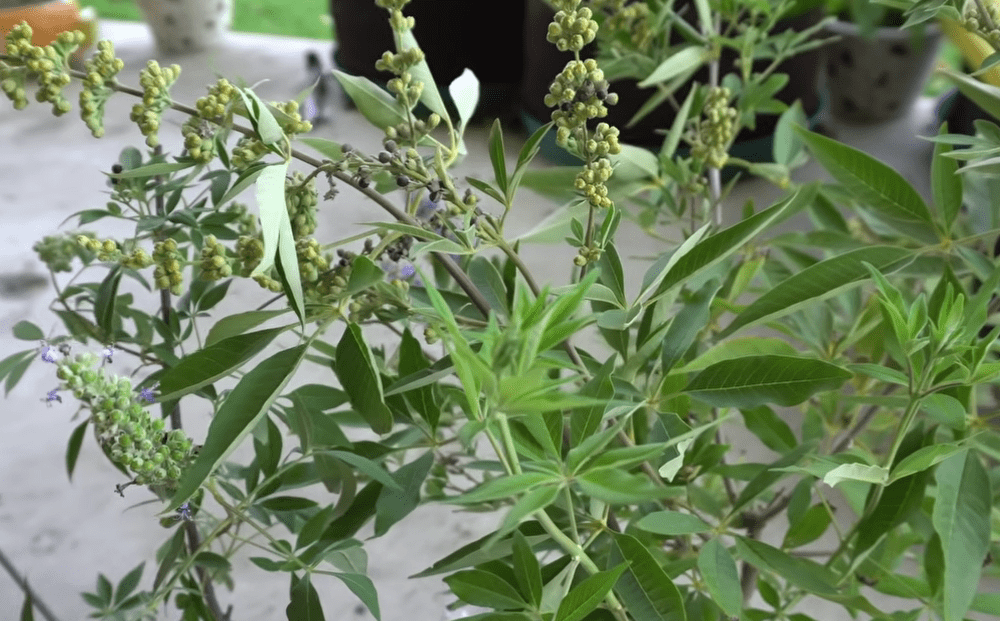
The chaste tree, scientifically known as Vitex agnus-castus, is a deciduous shrub celebrated for its aesthetic and medicinal qualities. This resilient plant thrives in Mediterranean climates and can reach heights of up to 20 feet. It produces clusters of violet, white, or pink flowers during summer, attracting various pollinators.
The Botanical Characteristics of Vitex agnus-castus
- Growth Habit: Chaste trees exhibit a bushy growth pattern. They can be shaped into a small tree or maintained as a large shrub.
- Leaves: The gray-green leaves are aromatic and can be used in herbal remedies.
- Flowers: The flowers bloom in summer, providing vibrant color to gardens and landscapes.
These characteristics make the chaste tree not only visually appealing but also a valuable addition to any garden.
Benefits of Growing Chaste Trees in Your Garden
Chaste trees offer numerous benefits, enhancing both your landscape and health:
Table of Contents
- Aesthetic Appeal: Their striking blooms add color and fragrance to any garden space.
- Drought Tolerance: Once established, chaste trees require minimal water, making them ideal for low-maintenance gardens.
- Medicinal Uses: They are known for balancing hormone levels and alleviating symptoms of PMS. This makes them particularly popular among those interested in herbal medicine.
Integrating chaste trees into your garden provides both visual and functional benefits, encouraging many gardeners to consider propagation.
Cultural Significance and Historical Uses
Historically, the chaste tree has been revered for its medicinal properties. Ancient cultures used it to promote women’s health and as a natural remedy for various ailments. This rich history adds cultural value to the plant, making its propagation a meaningful endeavor.
Understanding these aspects of the chaste tree not only enriches your gardening experience but also enhances your approach to propagation, ensuring you can cultivate this remarkable plant effectively.
Methods of Propagating Chaste Trees
Chaste trees can be propagated effectively through two primary methods: by seeds or by cuttings. Each method has distinct advantages and disadvantages that can influence your decision based on your gardening goals.
Pros and Cons of Seed Propagation
Advantages:
- Genetic Variation: Seed propagation allows for genetic diversity, which can result in more robust plants.
- Natural Process: It mirrors natural growth processes, making it a more organic approach.
- Cost-Effective: Seeds are typically less expensive than purchasing established plants.
Disadvantages:
- Time-Consuming: Seeds require patience, as germination can take several weeks to months.
- Variable Outcomes: The resulting plants may differ from the parent in terms of flower color and growth habits.
Pros and Cons of Cutting Propagation
Advantages:
- Clonal Consistency: Cuttings produce genetically identical plants, ensuring uniformity in flower and growth characteristics.
- Faster Results: Rooting cuttings can lead to quicker establishment compared to seed germination.
- Higher Success Rate: When conducted correctly, cuttings often have a greater success rate in propagation.
Disadvantages:
- Requires Technique: Success depends on proper technique, including timing and environmental conditions.
- Limited Genetic Diversity: All plants will share the same genetic makeup, potentially limiting resilience.
Choosing the Right Method for Your Needs
Consider the following factors when deciding between seeds and cuttings:
- Purpose of Propagation: If you want uniform plants for specific characteristics, go for cuttings. If you’re interested in experimenting with different traits, opt for seeds.
- Time Commitment: For quicker results, cuttings are preferable. If you have time and patience, seed propagation can be rewarding.
- Available Resources: Evaluate the cost and availability of seeds versus cuttings. This may influence your choice.
Checklist for Successful Propagation:
- For seeds:
- Soak seeds for 24 hours before planting.
- Use well-drained soil for optimal germination.
- For cuttings:
- Take softwood cuttings during late spring to early summer.
- Use rooting hormone to enhance success.
- Ensure cuttings are placed in a well-draining medium like perlite or a soil-sand mix.
Understanding these methods and their respective strengths will help you choose the best approach for propagating chaste trees in your garden.
How to Propagate Chaste Trees from Seeds
Propagating chaste trees from seeds is a straightforward process, but it requires attention to detail to ensure successful germination. Here’s a step-by-step guide to help you maximize your results.
Step 1: Harvesting Seeds from Mature Fruits
1. Timing: Collect mature fruits in late summer or early fall when they are fully ripe.
2. Extraction: Gently crush the fruits to release the seeds. Avoid damaging them.
3. Cleaning: Rinse the seeds in water to remove any fruit residue. This helps prevent mold during germination.
Step 2: Preparing Seeds for Planting
1. Soaking: Soak seeds in water for 24 hours. This softens the seed coat and promotes germination.
2. Scarification (Optional): Lightly nick or sand the seed coat to enhance water absorption, improving germination rates.
3. Drying: Allow the seeds to dry for a few hours before planting to prevent rot.
Step 3: Sowing Seeds and Providing Care
1. Soil Selection: Use well-draining seed-starting mix or a combination of potting soil and perlite.
2. Sowing Depth: Sow seeds at a depth of 1/4 inch. Cover lightly with soil.
3. Watering: Water gently to moisten the soil without washing away the seeds.
4. Temperature: Place trays in a location with temperatures between 68°F and 77°F (20°C to 25°C) for optimal germination.
5. Light Exposure: Provide bright, indirect light. Use grow lights if necessary, ensuring they are on for 12-16 hours a day.
Tips for Maximizing Germination Success
- Humidity: Cover the seed tray with a plastic dome or plastic wrap to maintain humidity until germination occurs.
- Monitoring: Check daily for moisture. Keep the soil evenly moist but not soggy.
- Transplanting: Once seedlings develop two true leaves, transplant them into larger pots with nutrient-rich soil.
Checklist for Successful Seed Propagation
- Harvest seeds at the right time.
- Soak seeds for 24 hours.
- Use well-draining soil.
- Maintain appropriate temperature and light.
- Monitor moisture levels closely.
By following these steps and tips, you can effectively propagate chaste trees from seeds, ensuring a successful harvest for your garden.
How to Propagate Chaste Trees from Cuttings
Propagating chaste trees (Vitex agnus-castus) from cuttings is a reliable method to expand your garden. This process involves selecting healthy cuttings, preparing them for rooting, and creating optimal conditions for growth.
Step 1: Selecting Healthy Cuttings
Choose vigorous, healthy stems for cuttings. Ideal cuttings are taken from new growth, typically in late spring to early summer. Look for stems that are:
- Approximately 4 to 6 inches long
- Softwood, meaning they are flexible and green
- Free from disease or damage
The best time for taking cuttings is just before the plant begins to flower. This timing enhances the chances of successful rooting.
Step 2: Preparing Cuttings and Using Rooting Hormone
After selecting your cuttings, prepare them for rooting. Follow these steps:
1. Trim the Cuttings: Remove the lower leaves, leaving only a few at the top. This reduces moisture loss.
2. Use Rooting Hormone: Dip the cut end of each cutting into a high-quality rooting hormone. This hormone stimulates root development.
Applying rooting hormone can significantly increase the likelihood of successful rooting. Look for products containing indole-3-butyric acid (IBA) or naphthaleneacetic acid (NAA) for best results.
Step 3: Creating Optimal Rooting Conditions
Successful rooting requires the right environmental conditions. Maintain the following:
- Temperature: Keep the temperature between 70°F and 85°F (21°C-29°C) for optimal growth.
- Humidity: High humidity (around 70-80%) is crucial. Use propagation covers or plastic domes to maintain moisture.
- Light: Provide indirect sunlight. Too much direct light can scorch the cuttings.
Checklist for Successful Cutting Propagation
- Select healthy, softwood cuttings.
- Trim leaves to reduce moisture loss.
- Apply rooting hormone to stimulate root growth.
- Maintain optimal temperature and humidity levels.
- Monitor conditions regularly to ensure consistent care.
By following these steps, you can successfully propagate chaste trees from cuttings, expanding your garden with these beautiful plants.
Ideal Growing Conditions for Young Chaste Trees
Young chaste trees need specific environmental conditions to thrive after propagation. Providing the right care ensures they establish strong roots and develop into healthy plants.
Soil Type and Drainage Needs
Chaste trees prefer well-draining soil. A sandy or loamy mix works best, but they can tolerate clay if drainage is improved. Key soil requirements include:
- Good drainage: Avoid waterlogged conditions to prevent root rot.
- pH level: Aim for a slightly acidic to neutral pH (6.0-7.0).
- Nutrient content: Incorporate organic matter to enhance soil fertility.
Light and Temperature Requirements
Chaste trees thrive in full sun, requiring at least six to eight hours of direct sunlight daily. They flourish best in temperatures between 70°F and 85°F (21°C to 29°C). Consider these factors:
- Sunlight: Ensure they are planted in a location that avoids excessive shade.
- Temperature fluctuations: Protect young plants from frost, especially in early spring.
Watering and Fertilization Tips
Proper watering and fertilization are crucial for young chaste trees. Focus on these practices:
- Watering: Keep the soil moist until the plants are established. After that, water deeply but infrequently to encourage deeper root growth.
- Fertilization: Use a balanced, slow-release fertilizer during the growing season. Avoid high-nitrogen fertilizers, as they can lead to excessive leafy growth at the expense of flowering.
By adhering to these environmental conditions and care guidelines, you can enhance the success rate of your chaste tree propagation efforts.
Common Challenges in Propagation and Solutions
Propagation of the chaste tree (Vitex agnus-castus) can be rewarding, yet it presents certain challenges. Understanding these potential issues and their solutions is crucial for successful cultivation.
Identifying Signs of Propagation Failure
Recognizing early indicators of propagation failure can save time and resources. Here are key signs to look for:
- Wilting Cuttings: Indicates inadequate humidity or water stress.
- Discoloration: Yellowing or browning leaves may signal overwatering or nutrient deficiency.
- Lack of Root Growth: If cuttings do not show root development within the expected timeframe, there may be issues with the propagation method or conditions.
Common Mistakes to Avoid
Avoiding specific pitfalls can significantly enhance your propagation success rates. Here are common mistakes:
- Overwatering: This is a primary cause of cutting failure. Use well-draining soil and ensure containers have drainage holes.
- Poor Timing: Propagating during the wrong season can affect rooting success. Aim for late spring to early summer for cuttings.
- Neglecting Humidity: Insufficient humidity can lead to transplant shock. Maintain humidity levels around 70-80% using a humidity dome or plastic covering.
Effective Solutions for Successful Propagation
Implementing targeted strategies can mitigate common challenges. Consider these solutions:
- Humidity Control: Use a propagation dome or cover to maintain moisture. Regularly mist the cuttings to enhance humidity.
- Rooting Hormone: Apply rooting hormone to cuttings to promote root development. Fresh, healthy stems yield better results.
- Monitor Environmental Conditions: Keep cuttings in a stable temperature range, avoiding drafts or sudden temperature changes.
Troubleshooting Checklist
Use this checklist to address potential issues during chaste tree propagation:
- Check Watering Practices:
- Are containers draining properly?
- Is the soil consistently moist but not waterlogged?
- Review Timing:
- Are cuttings taken during the optimal season (late spring to early summer)?
- Monitor Humidity and Temperature:
- Is humidity maintained at 70-80%?
- Are temperature fluctuations minimized?
By following these guidelines, you can effectively navigate common challenges in chaste tree propagation and increase your success rates.
Long-Term Care After Propagation
After propagating chaste trees, proper care is essential for their growth and health. This phase involves watering, feeding, pruning, and monitoring for pests and diseases to ensure that your young chaste trees thrive.
Watering and Feeding Young Plants
Establish a consistent watering routine for your chaste trees. They prefer well-draining soil that stays moist but not saturated.
- Watering Frequency: Water young plants every 1-2 weeks, allowing the top inch of soil to dry out between waterings.
- Feeding: Use a balanced, slow-release fertilizer every 4-6 weeks during the growing season. This will support new growth and flowering.
Pruning to Encourage Growth and Shape
Pruning is crucial for shaping your chaste tree and promoting healthy growth.
- When to Prune: Prune in late winter or early spring before new growth begins.
- How to Prune: Remove dead, damaged, or crossing branches. This enhances airflow and reduces disease risk.
Monitoring for Pests and Diseases
Regularly inspect your chaste trees for signs of pests or diseases.
- Common Pests: Watch for aphids, spider mites, and scale insects. These can be managed with insecticidal soap or neem oil.
- Disease Prevention: Ensure good airflow and avoid overhead watering. This reduces the chances of fungal infections.
Care Checklist for Young Chaste Trees
- Watering: Every 1-2 weeks
- Fertilizing: Every 4-6 weeks during the growing season
- Pruning: Annual pruning in late winter or early spring
- Pest Monitoring: Weekly inspections for pests and diseases
By adhering to these care strategies, you will foster healthy growth in your chaste trees, allowing them to flourish and produce their stunning blooms.
Frequently Asked Questions
These quick answers cover the most common questions about this topic, including key details, practical tips, and common concerns.
Can you grow a chaste tree from a cutting?
Yes, chaste trees can be propagated from softwood cuttings taken in late spring or early summer. The success rate is higher when cuttings are treated with rooting hormone and kept in a humid environment. Proper care during rooting, such as maintaining temperature and humidity, increases the chances of successful propagation.
How many times a year does a chaste tree bloom?
A chaste tree typically blooms once a year during summer. However, in warmer climates or with optimal care, it may produce a secondary, lighter flush of flowers in late summer or early fall. Regular pruning can also encourage more vigorous flowering.
Can you cut vitex to the ground?
Yes, you can cut vitex (chaste tree) back to the ground if needed, especially to rejuvenate the plant or control its size. This is often done in early spring before new growth begins. The plant usually responds well, producing fresh, vigorous shoots.
What are the pros and cons of growing a chaste tree?
Pros:
- Attractive, fragrant flowers in summer.
- Drought-tolerant once established.
- Medicinal benefits and cultural significance.
Cons:
- Can grow quite large if not pruned.
- May attract pests like aphids.
- Needs full sun and well-draining soil for best growth.
When is the best time to take cuttings for propagation?
The best time to take cuttings is late spring to early summer when the plant is actively growing. Softwood cuttings during this period root more easily and develop faster. Avoid taking cuttings during cold or dormant seasons, as success rates decline.
How long does it take for chaste tree cuttings to root?
Rooting usually takes between 4 to 8 weeks, depending on environmental conditions like temperature, humidity, and the use of rooting hormone. Keeping cuttings in a warm, humid environment accelerates root development.
What care is needed after propagating chaste trees?
After successful propagation, keep young plants in a protected, sunny spot with well-draining soil. Water regularly to keep the soil moist but not soggy. Fertilize lightly during the growing season and prune to shape and promote healthy growth.
What are the success rates of seed versus cutting propagation?
Cuttings generally have a higher success rate, often around 60-80%, because they produce clones of the parent plant. Seeds have more variable success, with germination rates of 30-50%, and the resulting plants may differ genetically. Choose cuttings for uniformity and quicker results; seeds for genetic diversity.