
Cochineal scale on cactus appears as white, fuzzy, cottony spots. It’s essential to identify these early for effective treatment, which may involve manual removal and targeted insecticidal solutions.
This article offers step-by-step guidance on diagnosing cochineal infestations, applying treatments, and implementing prevention strategies to safeguard cactus health and prevent recurrence.
Key Conditions That Change Cochineal Scale On Cactus
The severity and management of cochineal scale infestations depend heavily on specific environmental and plant-related conditions. These factors influence how quickly the pests spread, how difficult they are to control, and what approaches are most effective for treatment and prevention.
1. The factors with the biggest effect
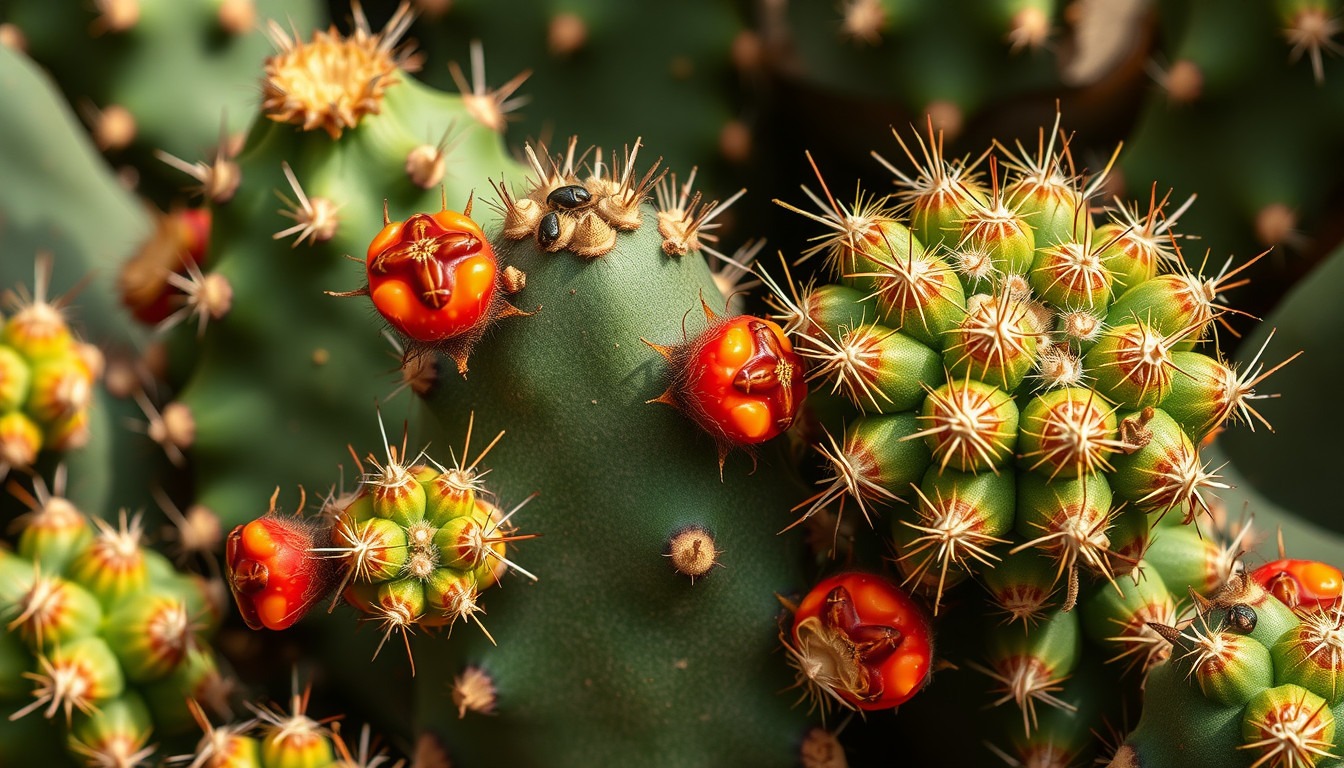
Temperature and humidity levels play a crucial role in cochineal scale development. Warm, dry environments tend to favor rapid infestation growth, while higher humidity can sometimes suppress their reproduction. Plant health also impacts susceptibility; stressed or weakened cacti are more vulnerable to persistent infestations. Additionally, the cactus species itself matters—some varieties are more resistant, while others are more prone to cochineal attachment and spread.
2. What evidence or details to check
When assessing a cochineal infestation, look for white, cottony masses on plant surfaces, particularly along edges or joints. The presence of new, rapidly developing signs indicates active reproduction. Check the plant’s overall vigor—discoloration, softening, or shriveled tissue often signal deeper stress caused by pests. Environmental conditions should also be examined, noting if the cactus is in a spot with excessive sunlight, poor drainage, or inconsistent watering, all of which can exacerbate infestations.
Table of Contents
3. When the usual advice does not apply
Standard treatments may fall short if environmental conditions are unfavorable or if the infestation has become severe. For instance, chemical controls might be less effective in high humidity or if plant stress isn’t addressed first. In such cases, improving overall cactus health by adjusting watering, light exposure, or soil conditions takes precedence. Highly infested plants may require more aggressive methods, like pruning heavily affected areas or, in extreme situations, temporarily relocating the cactus to a more controlled environment. Recognizing these limits is essential for choosing the most appropriate, sustainable management strategies.
How to Evaluate Cochineal Scale On Cactus Before Acting
Assessing the severity of a cochineal scale infestation on a cactus involves careful observation and evidence-gathering. Accurate identification ensures that treatment strategies are appropriate and effective.
1. What to check first
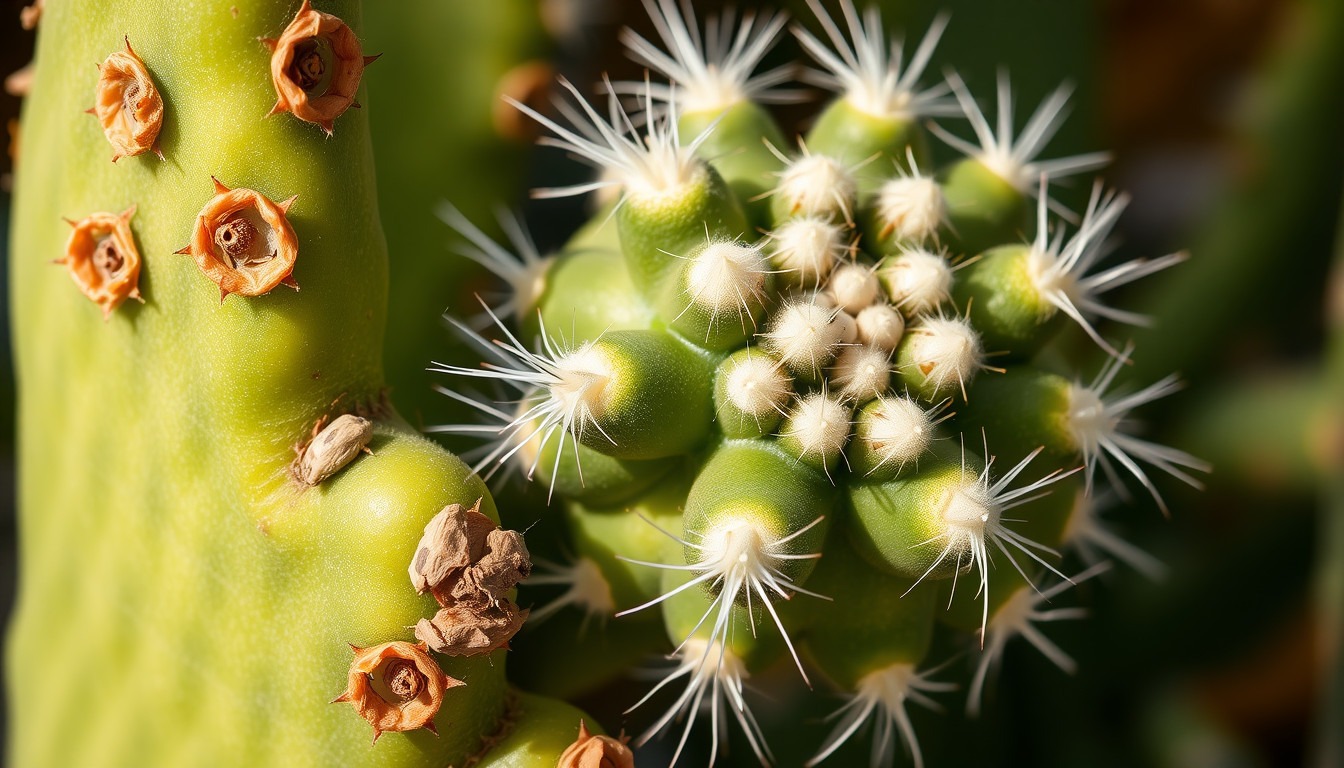
Begin by inspecting your cactus for visible signs of infestation. Look for white, cottony patches or fuzzy bumps on the plant’s surface, particularly near the areoles, joints, and undersides of the pads or stems. Slight discoloration or a sticky residue—honeydew—can also indicate scale activity. Check for signs of distress such as slowed growth, wilting, or discoloration, which may suggest secondary issues like sooty mold feeding on the honeydew.
2. How to interpret the result
If you see small, oval-shaped, whitish or grayish bodies firmly attached to the plant, it’s likely cochineal scale. A dense, cotton-like appearance indicates a more advanced infestation. Moderate infestations might show localized patches with some plant health remaining intact, while heavy infestation often results in widespread coverage, plant stress, and noticeable decline. The presence of honeydew or mold indicates the infestation is actively feeding and may have already compromised your cactus’s health.
Practical checks include gently brushing a few suspect bumps with a soft tool or your finger—if they resist removal and feel waxy or hard, the scale is firmly established. When evidence confirms a scale problem, evaluate whether the infestation is localized or widespread. This assessment guides whether to start with targeted spot treatments or consider more intensive control measures.
Environmental conditions also influence your assessment. High humidity and low light may exacerbate scale issues, while a healthy, well-maintained cactus offers some resilience. Recognizing these signals helps determine the urgency and scope of intervention needed to protect your plant effectively.
A Step-by-Step Approach to Cochineal Scale On Cactus
Successfully managing cochineal scale on cactus requires a systematic process. Start with proper preparation, then follow through with targeted actions, ongoing checks, and necessary adjustments to ensure the health of your plant.
1. Prepare the essentials
- Gather supplies such as a soft brush, alcohol-based sprays, insecticidal soap, or neem oil.
- Identify the extent of the infestation by visually inspecting the cactus, focusing on cottony or waxy patches.
- Decide if you need additional tools, like a magnifying glass or gloves, to handle delicate treatments safely.
2. Take the first action
- Start with manual removal by gently brushing off visible scales with a soft brush or cloth.
- If scales persist, apply an alcohol wipe or dip a cotton swab in isopropyl alcohol to target specific spots—this dissolves the waxy scale coverings effectively.
- Follow by spraying the plant with insecticidal soap or neem oil, ensuring coverage of crevices where scales may hide.
3. Check the early result
Within a week, examine the cactus for signs of improved health or remaining pests. Look for reduced cottony patches and fewer new growths of scale insects. Feel the surface—if it’s less sticky or waxy, the treatment is working.
4. Adjust for changing conditions
- If infestations remain, increase treatment frequency or switch to stronger insecticides, following label instructions.
- Consider environmental factors like humidity and light—reducing humidity and providing adequate sunlight can help the cactus resist pest infestations.
- Implement routine monitoring, checking the plant weekly for early signs of growth or new scales, which permits early intervention.
- Quarantine new plants before introducing them to your collection to prevent bringing in new pests.
- If infestation spreads or proves resistant, consult specialized pest control solutions or consider professional help.
This methodical process emphasizes early detection, targeted treatment, and ongoing vigilance, forming the foundation for effectively combating cochineal scale on cactus plants.
Choosing the Right Approach for Your Situation
Deciding on a treatment method for cochineal scale on cactus depends on the severity of the infestation, the plant’s value, and your gardening practices. Each approach offers different benefits and trade-offs, making it essential to match the method to your specific conditions.
1. When the simpler approach fits
Use straightforward, less invasive methods if the infestation is light and localized. Gentle rinsing with a hose can dislodge many scales, especially if the pests are on accessible surfaces.
Applying insecticidal soap, such as a diluted Safer soap solution, is a practical follow-up for minor outbreaks. This method is environmentally friendly, quick to apply, and suitable for routine preventative care. Regular monitoring and removing heavily infested pads can contain the problem before it worsens.
2. When a more involved approach is justified
Severe infestations or those in sensitive environments might require a comprehensive strategy. Scraping off infested pads, combined with targeted application of insecticidal soap on crevices and harder-to-reach areas, offers a thorough solution.
In persistent cases, treatments may include organic or chemical insecticides designed specifically for scale pests. These methods are more labor-intensive but can resolve resistant infestations effectively.
3. Trade-offs to consider
Choosing the appropriate approach involves weighing ease against effectiveness and environmental considerations. Basic methods suit minor problems and encourage early detection, while more involved treatments address extensive infestations but require greater effort and caution.
Mistakes That Change the Result
Incorrect identification or handling of cochineal scale on cactus can lead to ineffective treatments and further plant damage. Recognizing common errors ensures targeted action and healthier plants.
1. Mistaking a symptom for a cause
One frequent mistake is diagnosing all white, fuzzy growths on cactus as cochineal scale when they may be other issues like mold, mildew, or superficial dust. Misidentification can result in applying unnecessary or harmful treatments. Always examine closely: cochineal scale appears as tiny, cottony bumps, often firmly attached to plant surfaces. If unsure, confirm with a magnifying glass or take a sample for expert identification. Correct diagnosis helps select the appropriate method, such as mechanical removal or insecticidal soap, rather than harsher chemicals that might damage healthy tissue.
2. Skipping a critical condition
Neglecting other health issues can exacerbate infestations. For instance, a cactus suffering from poor drainage, overwatering, or wounds becomes more vulnerable to pests like cochineal scale. Ignoring these underlying problems allows pests to spread or return even after treatment. Proper troubleshooting involves inspecting the overall plant condition, improving environmental factors, and addressing other stressors before or alongside pest removal. Treating only the visible pests may provide temporary relief, but constant reinfestation often stems from unresolved plant health issues.
It’s also a mistake to rely solely on one treatment method. Using only insecticidal soap repeatedly without addressing surface cracks or severely infested pads might limit success. Combining manual removal, environmental improvements, and targeted treatments enhances control efforts. Recognizing these common pitfalls helps ensure sustained plant health and minimizes pest recurrence, making pest management more predictable and effective.
When to Adapt or Seek More Help
Monitoring the progress of treating cochineal scale on cactus is essential. If your efforts seem ineffective or the infestation worsens, adjusting your approach or consulting a professional becomes necessary.
1. Key points: next steps
If you notice that white fuzzy lumps persist despite manual removal and repeated treatments, or if the infestation spreads to multiple pads or plants, it may be time to escalate your control methods. Introducing stronger or more targeted insecticides, considering systemic options, or applying biological controls like predatory insects can improve results. Regular inspection and prompt action are critical to prevent the infestation from overpowering the plant’s defenses.
2. Limitations of DIY treatments
Home remedies like insecticidal soap and manual removal work well for early-stage infestations. However, these methods have limitations when dealing with heavily infested plants or those with hard-to-reach crevices. Repeated treatments without addressing underlying plant health issues, such as stress or poor drainage, may lead to temporary relief but not long-term eradication. Additionally, invasive or resistant populations of cochineal may require professional intervention with more potent or specialized pesticides.
Recognize signs that your current approach isn’t sufficient: persistent cottony masses after multiple applications, new infestations cropping up shortly after treatment, or decline in plant vitality despite pest control efforts. In such cases, consulting an experienced gardener or horticultural specialist allows for tailored solutions and alternative strategies, ensuring the health and survival of your cactus.
Timing also matters. Quickly switching tactics when initial methods fail prevents the problem from becoming unmanageable. Combining treatments, improving environmental conditions (like proper watering and airflow), and removing severely infested pads can slow or stop the spread. If despite these efforts, cochineal scale remains a problem, seeking expert guidance becomes the best course of action to protect your plant investment.
Frequently Asked Questions
1. How do I distinguish cochineal scale from other pests?
Cochineal scale appears as white, fuzzy, cottony spots on cactus surfaces, often near joints or areoles. Unlike other pests, it remains firmly attached, and its cottony texture is distinctive.
2. Can natural remedies fully eliminate cochineal infestation?
Natural remedies like neem oil and insecticidal soap can control the infestation but may require repeated applications and might not fully eliminate severe or established infestations.
3. What environmental conditions promote cochineal scale development?
Warm, dry conditions with low humidity and stressed or weakened plants favor rapid cochineal scale growth and reproduction on cacti.
4. How often should I treat my cactus for cochineal?
Treat every 7 to 14 days, monitoring the plant for new signs of pests, until the infestation subsides significantly; maintenance can then be reduced.
5. Are there safe chemical options for houseplant cactus?
Yes, insecticidal soaps and neem oil are generally safe when used according to label instructions; avoid harsh chemicals that can damage sensitive cactus tissues.
6. Will removing infested pads stop the spread?
Removing heavily infested pads can limit pest reproduction and prevent further spread, but it should be combined with targeted treatments for complete control.
7. How long does it take to see results after treatment?
Visible improvement typically appears within one to two weeks, but full eradication may take multiple treatment cycles depending on infestation severity.