
The Complete US National Parks List for 2026 features all 63 national parks, organized by state, along with a free printable map for easy travel planning. Whether you’re a seasoned park visitor or planning your first trip, this guide has everything you need.
Overview of the US National Parks System
The US National Parks System is a treasure trove of natural beauty and historical significance. It was created to preserve the country’s most stunning landscapes for future generations. The National Park Service (NPS) plays a vital role in this mission.
The Importance of National Parks
National parks offer a unique blend of nature, culture, and history. They serve as sanctuaries for wildlife and provide a space for outdoor recreation. Here are a few reasons why they matter:
- Conservation: Parks protect delicate ecosystems and endangered species.
- Education: They offer visitors a chance to learn about nature and history.
- Recreation: From hiking to camping, parks provide countless outdoor activities.
History of the National Park Service
The National Park Service was established in 1916. Its mission is to manage and protect national parks and monuments. This includes:
- Preserving natural and cultural resources.
- Enhancing visitor experiences.
- Promoting public awareness about conservation.
The NPS has grown to oversee 63 national parks and 424 park units. Each park tells a unique story of America’s landscape and heritage.
Table of Contents
Current Statistics on National Parks
As of 2026, the US boasts 63 national parks. Here are some quick stats:
- Most Visited: Great Smoky Mountains National Park, with nearly 13 million visitors in 2022.
- Largest: Wrangell-St. Elias National Park in Alaska, covering over 13 million acres.
- Diverse Ecosystems: Parks range from deserts to forests to wetlands.
By exploring these parks, visitors not only enjoy breathtaking views but also contribute to conservation efforts. Many parks also feature hidden gems, like lesser-known trails or unique wildlife.
Complete List of US National Parks for 2026
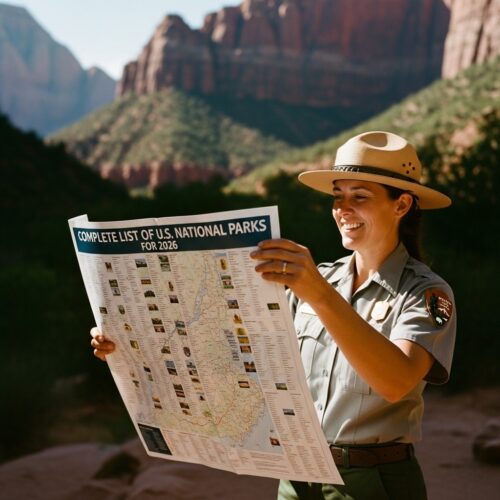
Ready to explore the breathtaking beauty of the US? Here’s your complete guide to all 63 national parks for 2026. We’ve organized them alphabetically and by state, so you can easily find your next adventure.
List of National Parks by State
California
- Channel Islands National Park
- Location: Channel Islands
- Size: 249,561 acres
- Death Valley National Park
- Location: Eastern California
- Size: 3,373,063 acres
- Joshua Tree National Park
- Location: Southern California
- Size: 790,636 acres
- Redwood National and State Parks
- Location: Northern California
- Size: 138,999 acres
- Sequoia and Kings Canyon National Parks
- Location: Sierra Nevada
- Size: 864,900 acres
- Yosemite National Park
- Location: Sierra Nevada
- Size: 761,268 acres
Colorado
- Black Canyon of the Gunnison National Park
- Location: Western Colorado
- Size: 30,750 acres
- Mesa Verde National Park
- Location: Southwestern Colorado
- Size: 52,485 acres
- Rocky Mountain National Park
- Location: Northern Colorado
- Size: 415,000 acres
Florida
- Biscayne National Park
- Location: Southeast Florida
- Size: 172,971 acres
- Everglades National Park
- Location: Southern Florida
- Size: 1,508,969 acres
Alaska
- Denali National Park and Preserve
- Location: Interior Alaska
- Size: 6,075,030 acres
- Gates of the Arctic National Park and Preserve
- Location: Northern Alaska
- Size: 8,472,506 acres
- Glacier Bay National Park and Preserve
- Location: Southeast Alaska
- Size: 3,223,000 acres
- Katmai National Park and Preserve
- Location: Southwest Alaska
- Size: 4,093,000 acres
- Kenai Fjords National Park
- Location: Southcentral Alaska
- Size: 669,984 acres
- Wrangell-St. Elias National Park and Preserve
- Location: Southeast Alaska
- Size: 13,175,799 acres
New York
- Gateway National Recreation Area
- Location: New York and New Jersey
- Size: 26,607 acres
Utah
- Arches National Park
- Location: Eastern Utah
- Size: 76,519 acres
- Bryce Canyon National Park
- Location: Southern Utah
- Size: 56,205 acres
- Canyonlands National Park
- Location: Southeastern Utah
- Size: 337,598 acres
- Capitol Reef National Park
- Location: South-central Utah
- Size: 241,904 acres
- Zion National Park
- Location: Southwestern Utah
- Size: 146,592 acres
Texas
- Big Bend National Park
- Location: West Texas
- Size: 801,163 acres
Wyoming
- Grand Teton National Park
- Location: Northwestern Wyoming
- Size: 310,000 acres
- Yellowstone National Park
- Location: Northwestern Wyoming
- Size: 3,472,000 acres
Alphabetical Listing of National Parks
- Acadia National Park
- Location: Maine
- Size: 47,000 acres
- Badlands National Park
- Location: South Dakota
- Size: 242,756 acres
- Cuyahoga Valley National Park
- Location: Ohio
- Size: 32,572 acres
- Great Basin National Park
- Location: Nevada
- Size: 77,180 acres
- Great Sand Dunes National Park and Preserve
- Location: Colorado
- Size: 44,246 acres
- Saguaro National Park
- Location: Arizona
- Size: 91,442 acres
Tips for Your National Park Adventure
- Visitor Information: Check each park’s website for the best times to visit.
- Hidden Gems: Look for lesser-known trails to escape the crowds.
- Accessibility: Many parks offer options for all abilities.
Don’t forget to grab your free printable map and checklist to keep track of your adventures!
Free Printable Map and Checklist
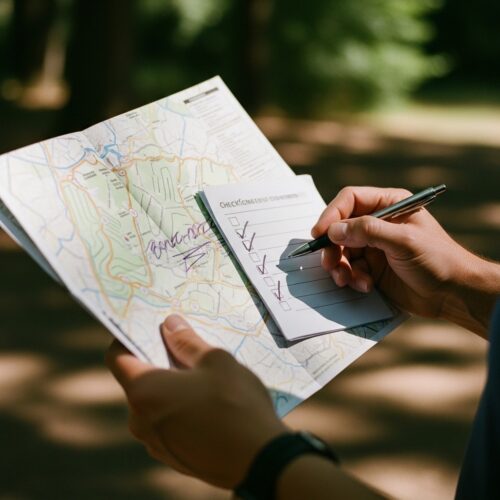
Planning your adventures in the national parks just got easier! With our free printable map and checklist, you’ll have all the tools you need to explore these stunning natural wonders.
How to Download the Printable Map
Getting your free printable map is simple! Just follow these steps:
1. Click the download link provided.
2. Choose your preferred format (PDF or image).
3. Save it to your device or print it out.
This map includes all 63 national parks for 2026, organized by state. Customize it for your travel routes by marking the parks you want to visit. You can even add notes about attractions you don’t want to miss!
Using the Checklist for Your Park Visits
Our checklist is perfect for tracking your park visits. Here’s how to make the most of it:
- Print the Checklist: Keep a physical copy handy.
- Mark Parks Visited: Check off each park as you explore.
- Add Personal Notes: Write down your thoughts or favorite experiences at each park.
Sample Checklist Items:
- [ ] Yellowstone National Park
- [ ] Yosemite National Park
- [ ] Grand Canyon National Park
Using this checklist can help you plan trips and remember your adventures. Plus, it’s great for making sure you don’t miss out on any parks during your travels!
Tips for Customizing Your Map
Here are some ideas to personalize your map further:
- Highlight Routes: Use different colors to mark your travel routes.
- Add Attractions: Note specific trails, scenic viewpoints, or picnic spots.
- Include Visitor Centers: Mark where to find resources for park information and guidance.
Having a customized map makes your trip more enjoyable. It helps you stay organized and ensures you see everything on your must-visit list!
Visitor Information for National Parks

Planning a trip to the national parks? You’re in for a treat! Each park offers unique experiences, stunning views, and diverse wildlife. Here’s what you need to know.
Best Times to Visit Each Park
Timing can make all the difference in your visit. Here’s a quick breakdown of when to go:
- Spring (March to May): Wildflowers bloom and temperatures are mild. Great for hiking!
- Summer (June to August): Peak season for most parks. Expect crowds but also vibrant wildlife.
- Fall (September to November): Foliage changes colors. Perfect for photography.
- Winter (December to February): Less crowded, but some parks may have limited access due to snow.
Top Attractions and Activities
Each national park has its own star attractions. Here are some must-see spots:
- Yellowstone: Old Faithful geyser and hot springs.
- Yosemite: El Capitan and stunning waterfalls.
- Grand Canyon: Rim trails and breathtaking views.
- Great Smoky Mountains: Diverse wildlife and historic sites.
Consider planning your visit around special events or ranger-led activities for a richer experience!
Wildlife to Spot in National Parks
Wildlife watching can be a highlight of your trip. Here are some animals you might see:
- Bison in Yellowstone: These massive creatures roam freely.
- Bald Eagles in Denali: Watch for these majestic birds soaring overhead.
- Elk in Rocky Mountain National Park: They’re often spotted grazing in open fields.
Remember to keep a safe distance and respect their natural habitat.
Essential Travel Tips
Make your visit smoother with these handy tips:
- Check Accessibility: Some parks offer accessibility options. Look into trails and facilities that accommodate all visitors.
- Pack Smart: Bring layers for changing weather. Don’t forget your binoculars for wildlife watching!
- Stay Informed: Follow the National Park Service for real-time updates on conditions and park alerts.
With this info, you’ll be ready to explore the incredible beauty of America’s national parks!
Comparison of National Parks by State
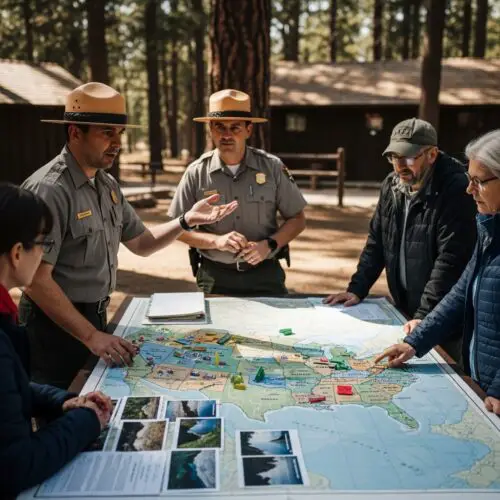
When it comes to exploring America’s stunning national parks, understanding how they stack up against each other can be super helpful. Let’s dive into the unique features of national parks across different states, focusing on size, popularity, and visitor statistics.
Which State Has the Most National Parks?
California takes the crown with a whopping nine national parks! Here’s a quick breakdown of the states with the most parks:
| State | Number of National Parks | Notable Parks |
|---|---|---|
| California | 9 | Yosemite, Sequoia, Joshua Tree |
| Alaska | 8 | Denali, Glacier Bay |
| Utah | 5 | Zion, Arches |
| Colorado | 4 | Rocky Mountain, Mesa Verde |
| Florida | 3 | Everglades, Biscayne |
Each of these parks offers unique landscapes and experiences. For instance, Yosemite is famous for its granite cliffs, while the Everglades showcases a different ecosystem entirely with its wetlands.
Visitor Statistics and Popularity
Visitor numbers tell a story about where people love to go. Here’s a quick glance at the most visited parks in 2022:
| Park Name | State | Visitors (in millions) | Unique Feature |
|---|---|---|---|
| Great Smoky Mountains | Tennessee/North Carolina | 14.1 | Biodiversity and scenic views |
| Grand Canyon | Arizona | 6.2 | Iconic canyon views |
| Yellowstone | Wyoming | 4.9 | Geysers and hot springs |
| Zion | Utah | 4.5 | Stunning red rock formations |
| Rocky Mountain | Colorado | 4.1 | Majestic mountain scenery |
Great Smoky Mountains National Park is the most popular, attracting over 14 million visitors in 2022. Its rich wildlife and diverse plant species make it a favorite for nature lovers.
Unique Features Across States
Each state’s parks have distinct characteristics. Here are some highlights:
- California: Offers diverse environments, from beaches to mountains.
- Alaska: Known for its remote locations and breathtaking wilderness.
- Utah: Famous for its unique rock formations and vibrant colors.
- Colorado: Offers high-altitude adventures and stunning mountain views.
- Florida: Features unique ecosystems like swamps and coastal areas.
When planning your trip, consider what kind of experience you want. Whether you’re after towering mountains or lush wetlands, there’s a national park for everyone!
Travel Tips and Common Issues When Visiting National Parks
Visiting national parks can be a magical experience, but it’s important to be prepared. Here are some handy tips and common pitfalls to help you make the most of your visit.
Planning Your Itinerary
1. Research Before You Go: Each park has its own unique offerings. Check out the park’s official website for maps, trail conditions, and seasonal highlights.
2. Be Flexible: Weather can change quickly. Have backup plans for activities. If a trail is closed, explore alternative options.
3. Timing is Everything: Popular parks can get crowded. Aim for early morning or late afternoon visits to avoid peak times.
What to Do If Parks Are Crowded
- Consider Off-Peak Seasons: Visiting during the shoulder seasons (spring and fall) can mean fewer crowds and better wildlife sightings.
- Explore Lesser-Known Parks: While parks like Yellowstone or Zion are popular, don’t overlook hidden gems like Congaree or Lassen Volcanic.
- Use Shuttle Services: Many busy parks offer shuttles to reduce congestion. This can save you time and frustration.
Essential Packing Tips
- Pack Smart: Bring layers, snacks, and plenty of water. Weather can vary greatly, so be prepared for anything.
- Leave No Trace: Respect the environment by following the Leave No Trace principles. Dispose of waste properly and stick to marked trails.
- Safety First: Carry a first-aid kit and know basic safety tips. Be aware of wildlife and keep a safe distance.
Visitor Stories
Hearing from fellow travelers can enhance your experience. For instance, one visitor shared how arriving at Rocky Mountain National Park during sunrise was the highlight of their trip. The golden hues on the mountains made for unforgettable memories.
When you embark on your adventure, remember these tips to ensure a smooth and enjoyable visit to the national parks!
Frequently Asked Questions
These quick answers cover the most common questions about this topic, including key details, practical tips, and common concerns.
How do I download the free national parks checklist?
You can easily download the free checklist by clicking the provided download link in the article. It’s available in PDF or image format, which you can save to your device or print out. The checklist helps you track visited parks and plan future trips efficiently.
How to plan a trip to national parks?
Start by selecting the parks you want to visit and checking their official websites for current conditions and visitor information. Use the printable map to plan your route, and consider the best times to visit each park. Pack appropriately, and look into accommodations and transportation options in advance.
Why are national parks important?
National parks preserve America’s natural landscapes, wildlife, and cultural heritage. They provide spaces for recreation, education, and conservation. Protecting these areas ensures future generations can enjoy their beauty and ecological significance.
When is the best time to visit national parks?
The ideal time varies by park. Spring and fall often offer mild weather and fewer crowds. Summer is popular but busy, especially at well-known parks. Winter can be quiet and scenic in some parks but may have limited access due to snow.
What are common mistakes when visiting national parks?
Many visitors underestimate the size and difficulty of trails, overpack, or ignore park regulations. Not checking weather conditions or crowd levels can lead to discomfort or safety issues. It’s also common to overlook lesser-known parks or attractions.
What to do if a park is crowded?
Visit during off-peak hours, such as early mornings or late afternoons. Choose less popular parks or trails to avoid the crowds. Using shuttle services and arriving early can also improve your experience.
How do national parks differ from national monuments?
National parks are designated for their natural beauty and ecological significance, often with larger protected areas. National monuments typically preserve specific landmarks or sites and may have more limited access or development. Both are managed by the National Park Service but serve different conservation purposes.
What are some alternatives to visiting national parks?
If parks are crowded or inaccessible, consider nearby outdoor activities like state parks, wildlife refuges, or local nature reserves. Camping, hiking, or exploring scenic drives in less-visited areas can also provide rewarding outdoor experiences.