
A cottage garden typically features informal design, abundant flowering plants, herbs, and fruits, emphasizing a charming, natural look with a mix of flowers, climbing plants, and hedging.
Readers will learn key principles of creating or enhancing a cottage garden, including plant choices, layout ideas, and materials that contribute to its distinctive, inviting style based on historical and modern interpretations.
Cottage Garden Option 1
Evaluate this distinct option against the reader’s need, practical fit, and important limitations.
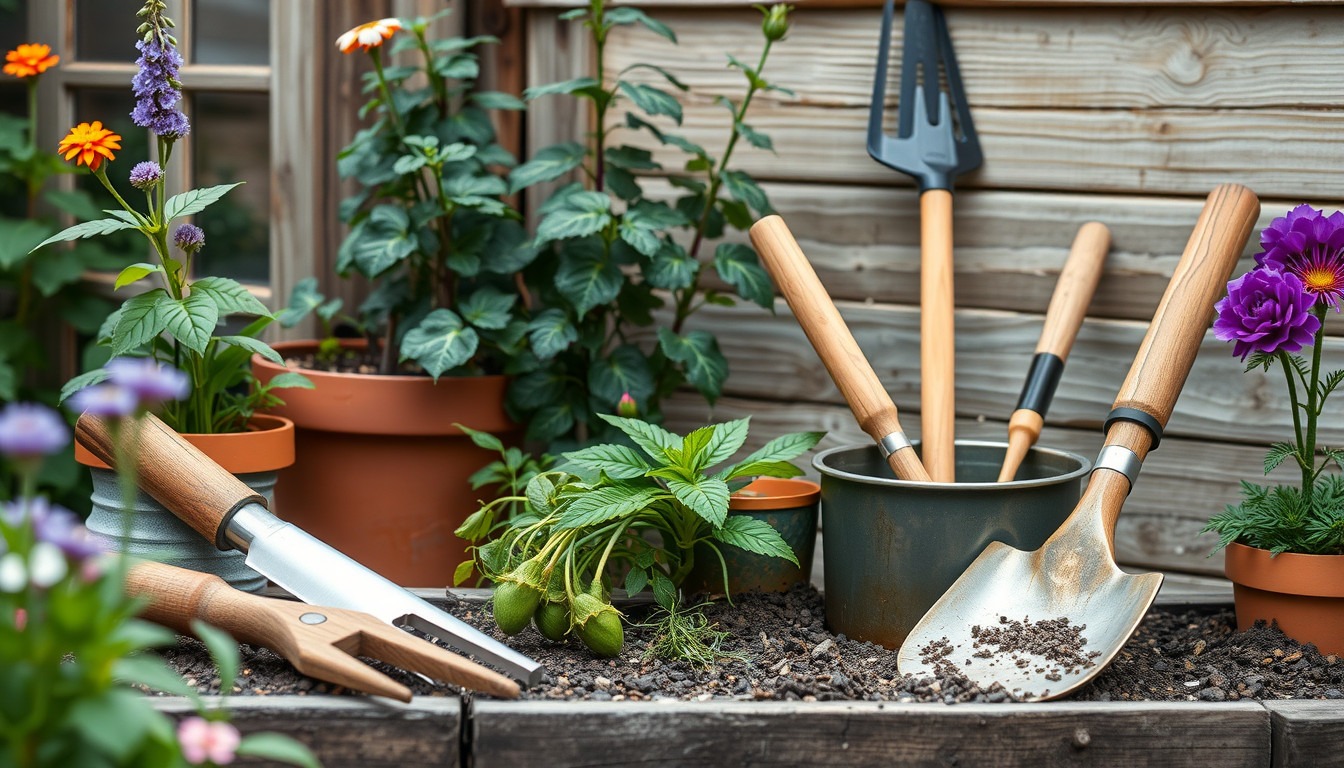
In creating a cottage garden, selecting the right soil mix is essential for healthy plant growth, and a soil mix suited for cottage gardens can help ensure that your plants thrive.
Disclosure: As an Amazon Associate I earn from qualifying purchases.
Table of Contents
If you’re looking to equip yourself with essential gardening tools, you might consider exploring a comprehensive garden tool set. Shop suitable garden tools and accessory set on Amazon (affiliate link).
Use the details in this article to compare the practical options before acting. A sound choice addresses the actual condition, fits the available time and resources, and leaves room to adjust when the result does not match expectations.
1. practical fit
Consider this point alongside the conditions already described rather than treating it as a stand-alone rule. Check what is happening now, make the smallest useful adjustment, and then reassess the result before adding another change.
2. key details
Consider this point alongside the conditions already described rather than treating it as a stand-alone rule. Check what is happening now, make the smallest useful adjustment, and then reassess the result before adding another change.
3. limitations
Consider this point alongside the conditions already described rather than treating it as a stand-alone rule. Check what is happening now, make the smallest useful adjustment, and then reassess the result before adding another change.
Cottage Garden Option 2
This option emphasizes a traditional cottage garden style characterized by a relaxed layout with organic, flowing lines and a mix of diverse plants. It typically features densely planted borders, informal grouping of flowers, and layered heights to create a lush, inviting appearance.
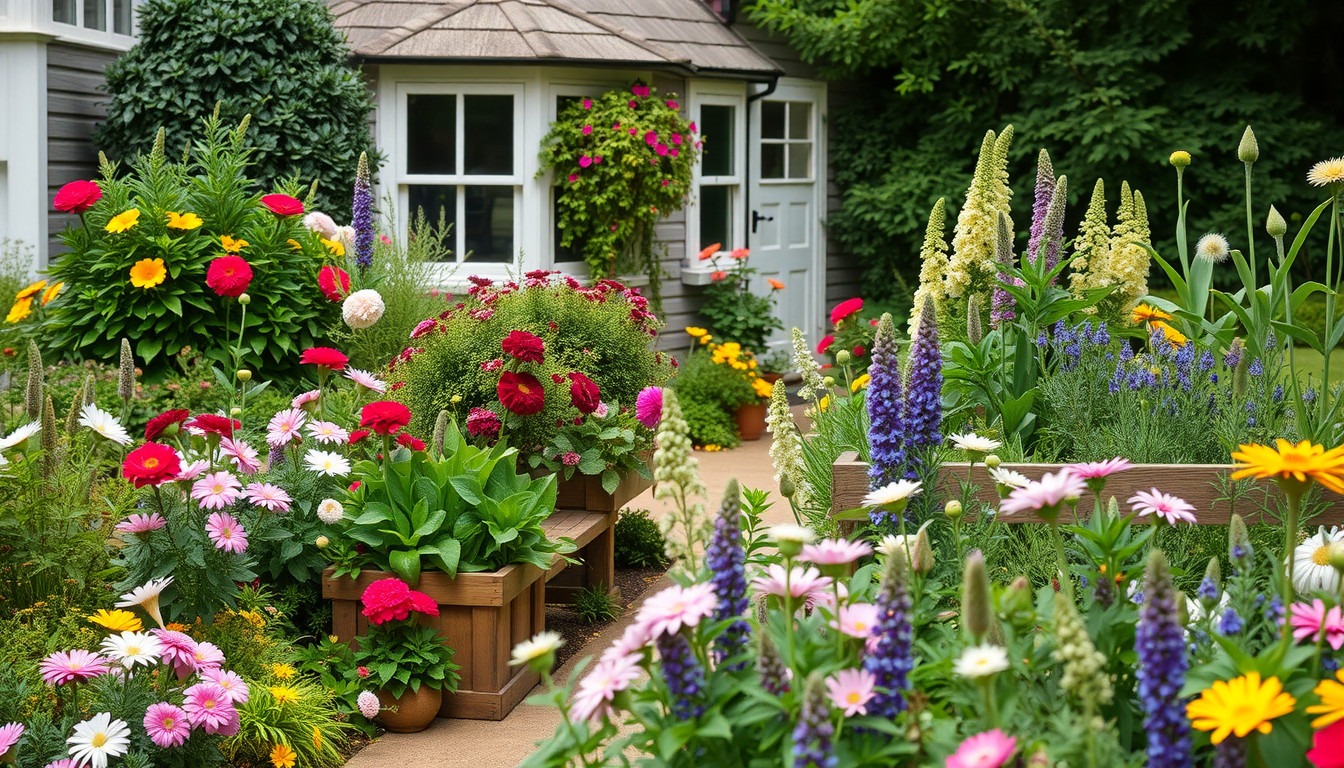
Understanding common aesthetic and layout styles is important when planning your cottage garden, and design styles in cottage gardens define the appearance and structure of this charming type of garden.
1. Design Style and Layout
This style belongs to the classic cottage garden aesthetic, which favors charming, slightly overgrown arrangements rather than rigid symmetry. Borders are often curved or irregular, allowing plants to spill over pathways and create a natural, somewhat whimsical look. It incorporates a combination of perennial flowers, herbs, and sometimes vegetables, creating a rich tapestry of colors and textures.
2. Practical Fit
This design suits gardeners looking for a cozy, informal space that feels lush and abundant. It is ideal for small to medium-sized yards, especially where a natural, unstructured appearance is desired. The layering of plants also helps maximize space and creates a habitat for pollinators and beneficial insects.
3. Key Details and Limitations
While this style offers visual charm and a sense of nature’s spontaneity, it requires regular maintenance to keep plants healthy and prevent overgrowth from becoming unruly. Dense planting can hinder access for pruning or weeding and may promote the spread of pests if not managed carefully. Additionally, choosing plants that grow at similar rates and thrive in the same conditions ensures longevity and ease of care.
Cottage Garden Option 3
This style emphasizes rustic charm, often incorporating materials that enhance its informal and cozy appeal. It suits gardeners seeking a natural, unstructured look and those who want to create a lush, layered environment without strict symmetry or formal lines.
Materials such as bricks, stone, or reclaimed wood are typical in constructing borders and pathways, and materials used in cottage garden features are key in creating rustic and charming cottage garden elements.
To create the best environment for your plants, sourcing the right soil mix can be a helpful step. Shop suitable garden soil mix on Amazon (affiliate link).
1. Materials
Common materials used in cottage gardens include reclaimed wood, natural stone, and brick. These materials help construct borders, pathways, and rustic features that blend seamlessly with the planting scheme. The preference for weathered, aged finishes enhances the authentic, vintage feel of the garden and supports a sense of history and comfort.
2. Practical Fit
This option works well for small to medium-sized yards, especially those aiming for a natural, slightly overgrown appearance. The layered planting style maximizes space by stacking plants of different heights and flowering times, attracting pollinators and beneficial insects alike. Its informal layout promotes a relaxed atmosphere, making it perfect for casual outdoor gatherings or quiet retreats.
3. Key Details
The chosen materials are durable and weather-resistant, suitable for outdoor settings that may experience seasonal changes. Incorporating native plants with similar growth habits simplifies maintenance and ensures sustainability. Regular pruning and strategic thinning prevent overgrowth, maintaining the garden’s charm without it becoming unruly. The use of natural materials also reduces the need for chemical treatments, fostering eco-friendliness.
4. Limitations
While visually appealing, this style demands consistent upkeep to preserve its character. Dense plantings can make access for pruning and weeding difficult, potentially leading to pest issues if not managed properly. Selecting plants suited to the local climate and soil conditions is crucial for longevity, but this can limit choices and require diligent planning to prevent early decline or disease. Additionally, natural materials may require periodic replacement or repair, adding to long-term maintenance considerations.
Cottage Garden Option 4
This design emphasizes a flowing, informal layout that maximizes the garden’s natural charm while ensuring functional flow and easy maintenance. It influences the overall look by creating a seemingly spontaneous, lush landscape with clear pathways and defined planting zones.
The overall look and functional flow of a cottage garden are influenced by its layout, and layout and arrangement ideas for cottage gardens can help you design a charming and accessible space.
1. Layout — Garden Arrangement and Layout Ideas
This option features curved pathways, irregularly shaped flower beds, and layered planting heights that mimic natural growth patterns. Beds are often densely packed with flowering plants, herbs, and small shrubs, cultivating a sense of abundance. Perennial plants are favored for their longevity, with seasonal blooms adding color throughout the year. The arrangement encourages a seamless transition from one area to another, making the garden feel larger and more inviting. Incorporating small seating areas and decorative features like trellises or arbors enhances the intimate, cottage feel.
2. Relationship — Influences on Overall Look and Functional Flow
The layout guides visitors through a meandering path, preventing any sense of rigidity or formality. This natural flow encourages exploration and makes the garden feel cozy rather than structured. Plant groupings are planned to create focal points and visual interest, influencing how a visitor’s eye moves across the space. Functional zones, like vegetable patches or herb gardens, are integrated naturally, supporting both practical use and aesthetic appeal. The design’s informality also means it adapts well to changing plant growth and seasonal variation, maintaining its character over time.
3. Practical Fit | Key Details | Limitations
This layout suits gardeners who enjoy hands-on care and are willing to undertake regular pruning, weeding, and tidying to preserve its charming appearance. Dense plantings require careful selection of varieties suited to local soil and climate to ensure durability and reduce disease risk. The flowing design can make access challenging for pruning and maintenance, especially in tightly packed beds. Natural materials such as stone or wood borders add to the rustic look but may need periodic repairs. Overall, this style offers a vibrant, inviting garden but demands consistent upkeep to keep it looking its best, which might be a limitation for those seeking a low-maintenance landscape.
Cottage Garden Option 5
This option emphasizes using a diverse mix of flowering plants to create a lively, textured landscape. It is ideal for gardeners who enjoy frequent nurturing and want a garden full of seasonal color and charming details. Carefully choosing plant varieties ensures a harmonious, lush look that epitomizes the cottage garden style.
Choosing the right plants is fundamental in creating an authentic cottage garden, and plants key to typical cottage gardens include a variety of flowering perennial and shrub options.
Adding some charming decorative features can elevate the visual appeal of your outdoor space. Shop suitable garden decorative features on Amazon (affiliate link).
1. Plants — Varieties of Plants Used in Cottage Gardens
Key elements include a wide variety of perennials, such as roses, foxgloves, delphiniums, and hollyhocks. Even annuals like poppies and snapdragons contribute to the vibrant, layered appearance. Climbing plants like clematis and vines often intertwine with flowering shrubs, adding vertical interest. Herbs and edible plants, including lavender, thyme, and strawberries, are also common, enhancing both aesthetics and functionality.
2. Relationship: Are Key Elements in Creating a Typical Cottage Garden
Plants are the core building blocks of this style, with their natural, often slightly wild arrangement. The emphasis is on mixing complementary colors and textures, rather than strict formal symmetry. This natural approach helps establish a cozy, inviting atmosphere that is both decorative and practical.
3. Practical Fit
This plant-centric layout suits gardeners who enjoy hands-on care and ongoing pruning, deadheading, and tidying. Because the plants tend to be densely packed, access for maintenance can become challenging, particularly in the heart of the garden. Regular attention helps keep the arrangement looking full and inviting, but it does require commitment and effort.
4. Key Details
Choosing plant varieties that thrive locally reduces disease risk and ensures longevity. Mixing perennial and annual species provides continuous color and interest throughout the seasons. Natural materials such as stone pathways or wooden borders reinforce the rustic charm, but these may need periodic repairs or adjustments as the garden matures.
5. Limitations
Dense plantings demand considerable upkeep, making this layout less suitable for those seeking minimal maintenance. The flowing, natural design can make pruning and access difficult, especially in tightly packed beds. Additionally, selecting hardy, well-adapted varieties is essential to prevent issues with disease or poor performance, which could compromise the overall aesthetic and effort required for upkeep.
Cottage Garden Option 6
This approach emphasizes a traditional, rustic aesthetic characterized by abundant planting, informal layouts, and eclectic charm. It often features a mix of perennial and annual plants, creating a lush, layered appearance that looks natural and untamed.
If you plan to include climbing plants, considering supports can improve their growth and appearance. Shop suitable climbing plant supports on Amazon (affiliate link).
1. Design Styles — Common Aesthetic and Layout Styles
This style reflects a cottage garden’s signature look: irregular, flowing borders, winding pathways, and a harmonious blend of flowers, herbs, and sometimes vegetables. The focus is on creating a cozy, inviting space that appears to have evolved over time rather than being meticulously planned. Rustic materials such as stone, weathered wood, and gravel are frequently used to reinforce the rural character. Clusters of flowering plants are arranged in an informal manner, often with taller varieties toward the back or center, allowing for a densely packed, vibrant display of color and texture.
2. Relationship: The Appearance and Structure of a Cottage Garden
This layout is layered and organic, with plants growing close together to foster a sense of abundance and intimacy. The structure is typically loose, with borders that appear to have grown naturally rather than being sharply defined. Pathways are often narrow and meander through the planting beds, encouraging exploration and discovery. The overall effect is one of relaxed charm, where each season offers new surprises with naturalistic plantings and occasional decorative accents such as vintage garden ornaments, old-fashioned lanterns, or handmade benches.
3. Key Points: Practical Fit, Limitations, and Key Details
This style suits gardeners who enjoy hands-on planting and maintaining a lively, ever-changing landscape. It works well in medium to large gardens with sufficient space to allow for diverse plantings and naturalistic layouts. However, dense planting can demand significant upkeep, as plants often need regular pruning, staking, or thinning to prevent overcrowding. Accessibility can also be challenging in tightly packed beds, especially for those with limited mobility. Additionally, selecting hardy, well-adapted varieties is crucial to lessen the risk of disease or poor performance, which can threaten the garden’s visual appeal and require extra work to manage. The informal aesthetic means mistakes are less noticeable, making it forgiving for gardeners experimenting with diverse species, but it also means that continuous care is necessary to maintain the charming, layered look over time.
Cottage Garden Option 7
This option emphasizes the use of natural materials to create a rustic, handcrafted aesthetic that blends seamlessly with the environment. It suits gardeners who enjoy working with traditional, eco-friendly elements and want a garden that feels both authentic and sustainable.
1. Materials
In cottage gardens, natural materials are key to capturing the charming, old-world feel. Typical materials include reclaimed wood for borders and seating, stone for pathways and edging, and terracotta or clay for pots and garden ornaments. These elements are often sourced from local suppliers, emphasizing sustainability and historical authenticity. The use of rough-hewn timber and uneven stones enhances the imperfection characteristic of cottage style, creating an inviting, lived-in ambiance.
2. Practical Fit
This approach works well for gardens designed for leisurely enjoyment rather than rigid formality. The rustic materials are durable yet flexible, accommodating a variety of plant shapes and densities. Paths made from uneven flagstones or gravel allow for easy navigation while contributing to the garden’s organic charm. Incorporating such materials often encourages a layered, textured landscape that promotes biodiversity and invites wildlife.
3. Key Details and Limitations
Using natural materials can be cost-effective if sourced locally or reclaimed, but it may involve more labor in installation compared to manufactured options. Maintenance of these features is generally straightforward, though natural materials may require periodic repairs or re-setting over time. Limitations include the potential for uneven surfaces to pose tripping hazards or difficulty for individuals with mobility challenges. Additionally, selecting durable, weather-resistant materials is essential; otherwise, the rustic look can deteriorate quickly, leading to higher upkeep and replacement costs. This style favors gardeners committed to ongoing, hands-on care that maintains the authentic, charming appearance of the cottage aesthetic.
Frequently Asked Questions
1. What plants are most suitable for beginner cottage gardeners?
Native perennials, hardy herbs like lavender and thyme, and simple annuals such as daisies and marigolds are ideal for beginners due to their ease of growth and low maintenance.
2. How do I choose the best materials for rustic features?
Select weathered wood, reclaimed bricks, or natural stone that complement the garden’s informal style and withstand outdoor conditions with minimal repair.
3. When is the ideal planting time for seasonal blooms?
Plant perennials in early spring or fall for best results, while spring is optimal for most annuals, ensuring they establish before extreme weather conditions.
4. How can I maintain a cottage garden with limited space?
Use vertical planting, compact plant varieties, and define small zones with curved borders to maximize space while preserving the informal aesthetic.
5. What are natural pest control methods for informal gardens?
Encourage beneficial insects, apply organic deterrents like garlic spray, and promote healthy plant growth to reduce pest issues without chemicals.
6. How do I adapt a cottage garden design to a different climate?
Select native or drought-tolerant plants suited to your climate and adjust planting schedules, materials, and watering practices accordingly.
7. What budget options help achieve an authentic cottage style?
Reuse and repurpose materials, choose inexpensive perennial plants, and implement DIY features to create an authentic look without high costs.