
Different types of roses include hybrid teas, floribundas, climbers, shrub roses, tea roses, miniature roses, and old garden varieties. Each varies in appearance, growth habit, and care needs.
This overview helps you understand key differences in growth, flowering, and maintenance, enabling informed decisions for planting, care, and decorative use in gardens or landscapes.
Main Categories of Roses
Understanding the fundamental groups of roses lays the groundwork for choosing the right type for your garden or landscape. These classifications are based on historical origins, growth habits, and visual traits, helping to match each category to specific climates and aesthetic goals.
1. Old Garden Roses
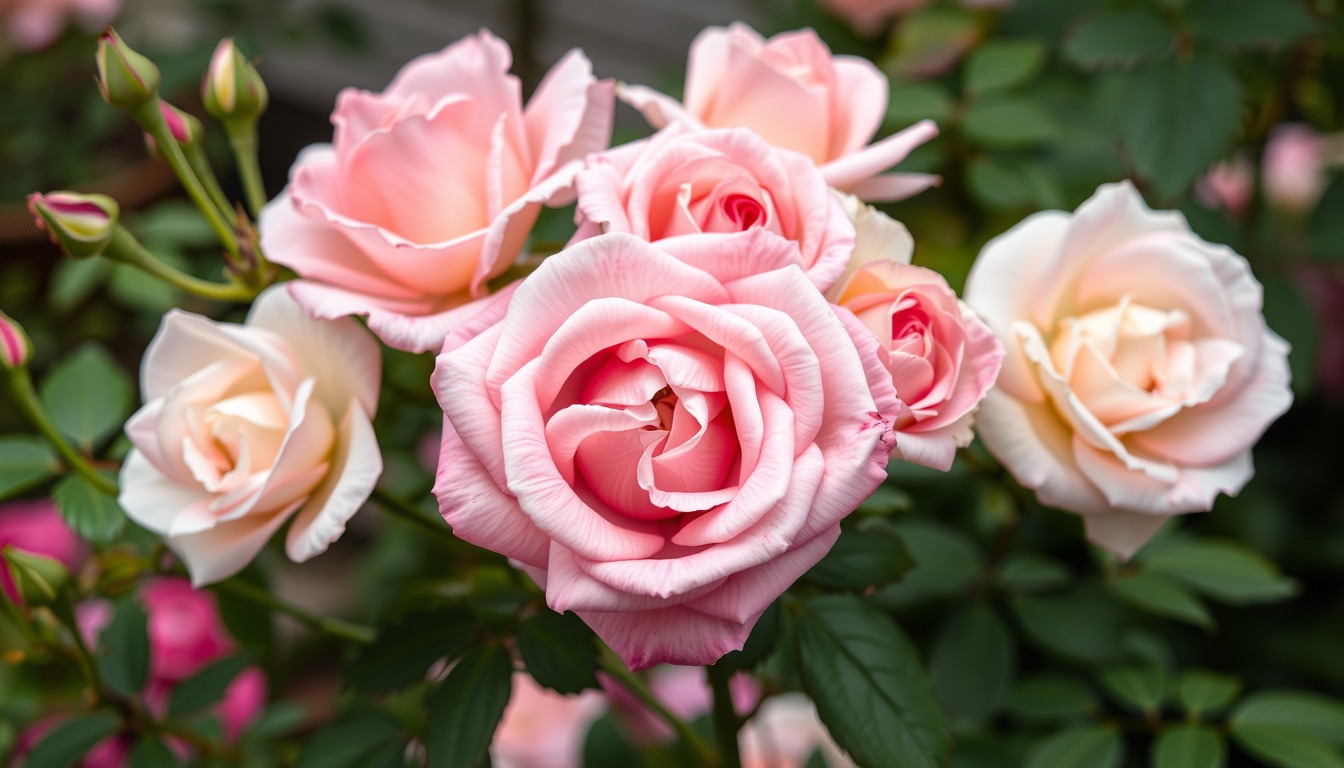
Old Garden Roses, also known as heritage or antique roses, have a history dating back hundreds of years. They include varieties such as Damask, Alba, and Gallica roses. Characterized by their fragrant blooms and often complex, multi-petaled flowers, they tend to have a softer, more nostalgic appeal. These roses grow in sprawling, bushy forms and are well-suited to cooler climates and traditional gardens. While they thrive in well-drained soil and partial sun, some can be sensitive to pests and disease, requiring extra care. Their long-lived blooms and historical charm make them ideal for gardeners interested in cultivating plants with resilience and poetic beauty, but they may not produce the highly uniform or large flowers seen in modern hybrids.
Disclosure: As an Amazon Associate I earn from qualifying purchases.
Table of Contents
If you're interested in cultivating old garden roses, having the right gardening tools can make maintenance easier. Shop suitable rose gardening tools on Amazon (affiliate link).
2. Modern Garden Roses
Modern Roses include hybrids developed primarily in the 20th century, designed for easier care, repeat flowering, and uniform appearance. Most common are Hybrid Teas, Floribundas, and Shrubs, which often exhibit larger, more vibrant blooms and more compact growth habits. These types generally bloom repeatedly throughout the growing season, offering continuous color and visual impact. They are adaptable to a range of soil types and climates but usually require regular pruning and fertilization to encourage prolific flowering. Modern roses are popular in contemporary gardens and landscaping due to their disease resistance and ease of maintenance, but they can sometimes lack the fragrance and historical charm of older varieties.
3. Wild Roses
Wild Roses, also known as native or species roses, are the ancestors of many cultivated varieties. Typically, they have simple, five-petaled flowers, often with a natural, unrefined appearance. These roses grow in a more spontaneous, bushy form and are highly resilient to local pests and diseases, making them suitable for low-maintenance gardens. They thrive in a variety of soils and climates, including harsher conditions where cultivated roses might struggle. Wild roses are often used for hedging, erosion control, or naturalistic landscaping. However, they rarely flower as profusely or in as wide a color range as cultivated roses, which may limit their decorative appeal for some gardeners.
Hybrid Tea Roses
These roses are a popular choice for floral arrangements and garden displays due to their distinctive appearance and reliable flowering habits. They are bred for their large blooms and long stems, making them ideal for cutting and display indoors or outdoors.
1. Appearance and Size
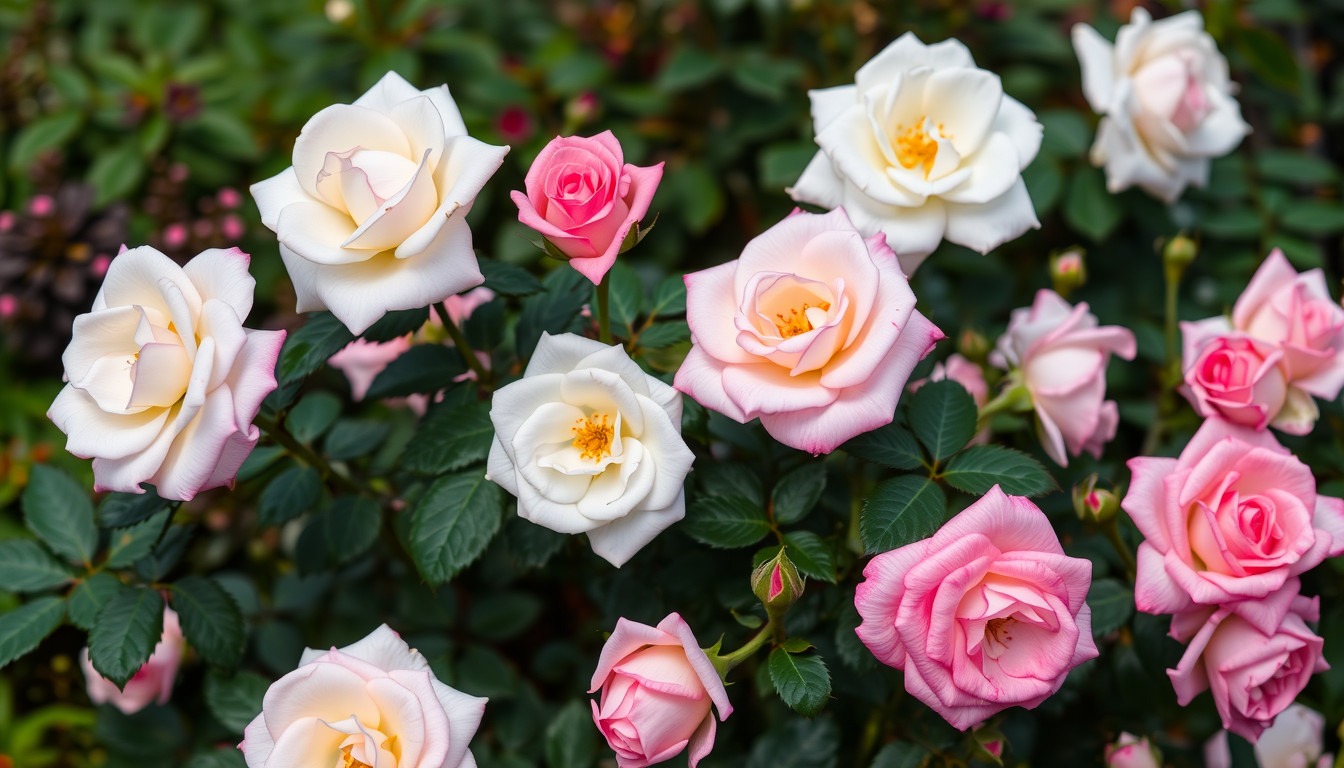
Hybrid tea roses produce large, single flowers perched atop tall, slender stems. Each blossom can reach several inches across, showcasing a classic, elegant shape with smooth, pointed petals. The flowers are often available in a broad palette of colors, from pure whites to deep reds, pinks, and bi-colors. The overall plant has an upright, bushy growth habit, with foliage that is typically dark green and glossy, providing a striking contrast to the blooms.
2. Care and Maintenance
Hybrid tea roses thrive in well-drained, fertile soil rich in organic matter. They require at least six hours of direct sunlight daily to produce abundant flowers. Regular watering is necessary, especially during dry spells, but overwatering should be avoided to prevent root rot. Pruning occurs in early spring, removing dead or weak stems and shaping the plant to encourage better air circulation. Fertilizing with a rose-specific feed every few weeks during the growing season helps maintain healthy growth and vibrant blooms.
To support your hybrid tea roses, consider using specialized fertilizers that meet their nutrient needs. Shop suitable rose fertilizer and plant food on Amazon (affiliate link).
| Variety | Physical Traits | Care Needs |
|---|---|---|
| ‘Peace’ | Large, creamy yellow blooms with pink edges | Full sun, regular watering, annual fertilizing |
| ‘Double Delight’ | Red and white blooms with rich fragrance | Well-drained soil, consistent pruning, annual feed |
| ‘Blue Moon’ | Light lavender-blue flowers, repeat bloomer | Full sun, moderate watering, periodic deadheading |
Hybrid tea roses suit gardeners who enjoy meticulous care and want striking, long-lasting flowers. They are well-suited for formal garden beds, elegant borders, or as focal points. However, their need for regular pruning and careful attention to watering and feeding can make them less ideal for low-maintenance gardens or beginner gardeners.
Floribunda Roses
Floribunda roses are prized for their abundant floral displays and compact growth habit, making them an excellent choice for landscape planting. They produce numerous clusters of small to medium blooms, creating vibrant, continuous color in gardens and borders.
1. Flowers and Clusters
These roses are characterized by their tightly packed flower clusters, typically containing several blooms grouped together on a single stem. The individual flowers tend to have a rounded or cup shape with a smooth, symmetrical appearance. Floribundas often showcase a wide range of colors, from classic reds and pinks to yellows and whites. Their floral clusters make a striking visual impact, especially when planted en masse or used as edging in flower beds.
2. Growth and Placement
Floribunda roses grow in a bushy, compact form that usually reaches a height of 2 to 4 feet, with a spread of similar dimensions. This growth habit makes them suitable for planting in smaller gardens, containers, or as border plants. They thrive in full sun and prefer well-drained soil, requiring regular watering and fertilizing for optimal flowering. Periodic deadheading encourages new blooms and helps maintain a tidy appearance. While they are generally low-maintenance compared to hybrid teas, floribundas still benefit from consistent pruning to keep their shape and stimulate flowering.
As a landscape choice, floribunda roses excel in locations where a colorful, continuous display is desired. They are less suitable for shaded spots or areas prone to excessive moisture, which can lead to fungal issues. Proper spacing ensures good air circulation, reducing disease risks and promoting healthy growth.
Grandiflora Roses
Originating from hybrid processes that combined traits of hybrid teas and floribundas, grandiflora roses stand out for their impressive size and abundant blooms. They serve as striking landscape plants, providing both visual impact and structural height in garden settings.
1. Size and Visual Traits
Grandiflora roses typically grow taller than many other rose varieties, often reaching heights of 4 to 8 feet. They produce large, showy flowers that can measure up to 4 inches across, with a range of colors including red, pink, white, and yellow. The blooms are usually carried in clusters, giving a lush, bouquet-like appearance. Their growth habit combines upright stature with branching patterns that support the development of multiple large flowers on a single plant, making them highly visible and prominent in any garden.
2. Growth and Care
Grandiflora roses thrive in full sun, requiring at least six hours of direct sunlight each day for optimal flowering. They prefer well-drained, fertile soil with good air circulation to reduce the risk of fungal diseases. Regular watering and fertilization support vigorous growth and abundant blooms. Pruning is necessary to maintain their shape, remove dead or diseased wood, and encourage new growth. Because of their height and large flowers, occasional staking might be helpful in windy locations.
These roses tend to perform best in moderate to warm climates but can adapt to cooler regions if grown with proper winter protection. They benefit from a balanced approach to pruning: cutting back in early spring to about one-third of their height promotes strong new growth. Proper spacing—around 3 to 4 feet apart—enhances airflow, helping prevent disease and supporting healthy development. While grandifloras make stunning focal points, their size and care needs make them less suitable for small or shaded gardens.
Climbing Roses
Climbing roses are known for their vine-like growth pattern, which makes them ideal for covering structures and vertical spaces in the garden. Their ability to gracefully extend upwards adds both height and visual interest to landscape designs.
1. Growth and Training
These roses naturally grow as long, flexible stems that can reach several yards in length, requiring sturdy support to manage their upward trajectory. They thrive when trained on trellises, arbors, walls, or fences, which helps organize their growth and enhances the floral display.
For a stunning vertical garden, choosing the right support can enhance your climbing roses' growth. Shop suitable trellises for climbing roses on Amazon (affiliate link).
Proper training involves guiding new shoots along the support, tying them gently without constriction, and regularly pruning to encourage flowering and shape. Pruning should be done in early spring, removing dead or weak stems and cutting back to a healthy bud, which stimulates vigorous growth and abundant blooms.
2. Suitable Varieties
There is a wide range of climbing rose varieties suited to different climates and aesthetic preferences. Some produce large, fragrant blooms perfect for creating romantic focal points, while others bloom repeatedly throughout the season for continuous color. Choose varieties compatible with local weather conditions to ensure longevity and healthy growth.
It’s worth noting that some climbing roses are more vigorous than others, which might require additional support or regular pruning to keep growth manageable. Selecting disease-resistant types can reduce maintenance needs and promote a healthier, more beautiful display.
3. Design Ideas and Limitations
Climbing roses can transform plain walls, pergolas, or archways into striking floral vistas. When incorporated into garden architecture, they add texture and structure, especially when paired with other climbing plants or shrubs. However, their height and vigorous growth can be a limitation for small gardens or shaded areas, where they may overshadow other plants or require frequent maintenance. Proper spacing—around 3 to 4 feet apart—and regular pruning help prevent overcrowding and maintain airflow, which is crucial for disease prevention and healthy development.
Miniature and Patio Roses
Miniature roses are prized for their compact size and adaptability. They work well in small gardens, containers, and indoor spaces where space is limited but beauty is still a priority.
1. Size and Appearance
Miniature roses typically grow to a height of 6 to 12 inches, maintaining a dense, bushy growth habit. Their flowers resemble larger rose varieties but are proportionally smaller, often less than 1 inch across, making them ideal for tight spaces where subtle elegance is desired. Their small blooms come in a wide range of colors, from classic reds and pinks to whites and yellows, offering a versatile palette for garden design.
2. Placement and Maintenance
Because of their size, miniature roses excel in containers, window boxes, or as border accents in gardens. They thrive in well-drained, fertile soil with plenty of sunlight—at least 4-6 hours daily. These roses generally require less maintenance than larger varieties but still benefit from regular watering, fertilizing, and pruning to prevent disease and encourage bushiness. They are suitable for indoor installations if placed in bright, indirect light, making them accessible for both gardening enthusiasts and home decorators.
Placing miniature roses in appropriate containers can help you create charming patio displays. Shop suitable small planters for roses on Amazon (affiliate link).
Consistency in watering and annual feeding with balanced fertilizers support healthy growth. They also respond well to light pruning, which helps maintain their shape and prevents overcrowding. While miniature roses are generally low-maintenance, they can be sensitive to excess moisture or poor airflow, which may lead to issues like powdery mildew or black spot. Proper spacing—typically 12 to 18 inches apart—ensures adequate airflow and keeps the plants healthy in confined spaces.
Choosing the Right Rose Type for Your Garden
Selecting the appropriate rose type depends on your garden space, climate, and aesthetic goals. A clear understanding of growth habits, environmental tolerances, and maintenance needs helps ensure a rewarding planting experience.
1. Decision Factors
| Entity | Attribute | Value / Consideration |
|---|---|---|
| Growth Habit | Size & Shape | Climbing, bush, groundcover, miniature |
| Climate Suitability | Tolerance | Cold-hardy, heat-tolerant, resistant to disease |
| Space Requirements | Growth spread | Compact for small gardens, expansive for large landscapes |
| Care Level | Maintenance | Low for shrub roses, higher for floribundas and hybrids |
| Aesthetic & Functional Goals | Visual appeal & scent | Fragrance, color, flower shape, and bloom frequency |
2. Matching Factors to Climate and Space
Choose a rose type compatible with your local climate. For colder regions, hardy roses like shrub or certain hybrid teas withstand the cold better. In hot climates, consider varieties labeled as heat-tolerant. Space limitations require smaller or bush-type roses, ensuring they do not overcrowd the garden. Larger climbing roses need well-supported structures and room to grow. The level of care you can provide also influences selection: low-maintenance roses suit busy gardeners, while others may need regular pruning, feeding, and disease control.
3. Additional Practical Considerations
Long-term health and aesthetic consistency depend on matched growth habits and environment. Proper spacing improves airflow, reducing disease risk. Recognize limitations, such as miniature roses’ sensitivity to excess moisture or poor air circulation, which might hinder their growth if not managed correctly. Understanding these factors helps produce a thriving, beautiful rose garden aligned with personal preferences and practical constraints.
Frequently Asked Questions
1. What are the main classifications of roses?
Roses are classified into Old Garden, Modern Garden, Wild, and Hybrid types, based on their origins, growth habits, and appearance.
2. How do I identify hybrid tea roses?
Hybrid tea roses have large, single blooms on tall, slender stems, and typically exhibit a wide color range with a classic rose shape.
3. What growth habits are suitable for small gardens?
Compact varieties like floribundas, miniature roses, and certain shrub roses work well due to their smaller size and bushy growth habits.
4. Which rose types are best for beginner gardeners?
Wild roses and certain shrub roses are more resilient and require less pruning, making them suitable for beginners.
5. Can climbing roses be grown on fences?
Yes, climbing roses are well-suited for growing on fences and trellises, provided they receive adequate support and sunlight.
6. What care is needed for miniature roses?
Miniature roses need regular watering, light pruning, and protection from extreme weather to maintain health and flowering.
7. How do climate conditions affect rose choice?
Cooler climates favor Old Garden roses, while warmer or more variable climates may require disease-resistant modern varieties or hardy wild roses.