
Are you ready to add a splash of color and exotic flair to your tropical garden? Bromeliads are the perfect choice, bringing unique shapes and vibrant hues that can transform any outdoor space into a lush paradise. For those looking to complement their bromeliads, consider exploring other plants like palms. Check out our article on Top 5 Stunning Palm Varieties for Tropical Gardens.
Understanding Bromeliads
What Are Bromeliads?
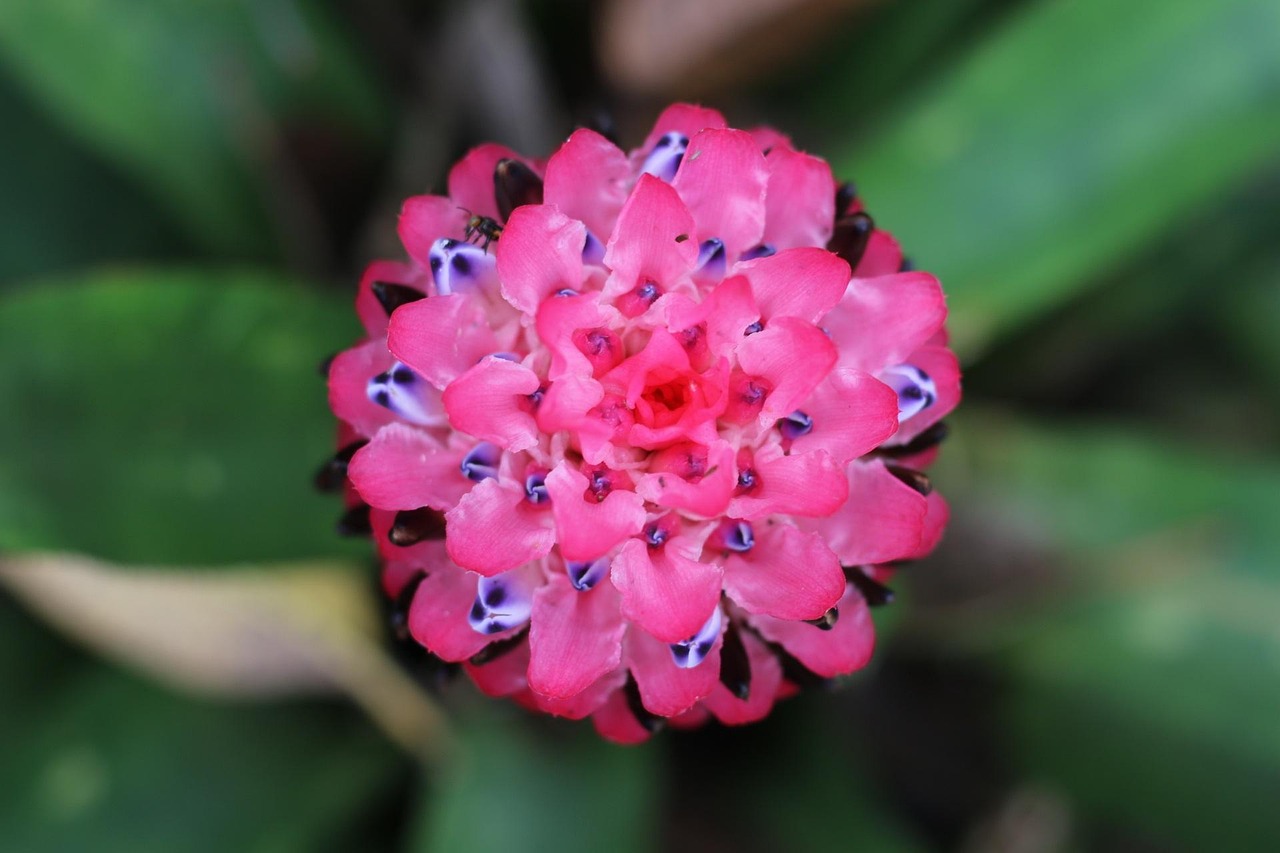
Bromeliads are fascinating plants that belong to the family Bromeliaceae. They come in various shapes, sizes, and colors, which makes them a favorite among gardeners. I remember the first time I saw a bromeliad—it was a stunning Aechmea with bright pink flowers, and I was captivated. These plants are native to tropical and subtropical regions, primarily found in Central and South America, but they can also thrive in other warm climates. What makes bromeliads unique is their rosette shape, formed by tightly arranged leaves that capture water. This adaptation allows them to store moisture and nutrients efficiently.
Natural Habitat and Growth Conditions
In their natural habitat, bromeliads can be found growing on trees, rocks, or even the ground. I’ve seen some varieties that seem to be living art pieces, clinging to tree trunks or nestled in crevices. This epiphytic nature means they often do well in environments where they can capture rainwater and organic debris. For those of us looking to grow bromeliads, understanding their natural growth conditions is key. They thrive in warm temperatures, typically between 60°F to 90°F, and prefer high humidity. I learned that they also appreciate bright, indirect light—too much direct sun can scorch their leaves, while too little can hinder their growth. When I began my own bromeliad collection, I made sure to mimic these conditions as closely as possible, and it has paid off beautifully.
Why Choose Bromeliads for Your Tropical Garden?
Bromeliads bring so many benefits to a tropical garden. First and foremost, their vibrant colors and unique forms add visual interest that can last throughout the year. I’ve noticed that they can easily become the focal point of any garden bed. Moreover, many bromeliads have stunning flowers that can bloom for months, creating an ever-changing display.
Another advantage is their low maintenance requirements. As someone who has a busy lifestyle, I appreciate plants that can thrive with minimal care. Bromeliads are drought-tolerant and can survive on very little water once established. I remember a particularly hot summer when I forgot to water mine for weeks; they still held their own! Additionally, bromeliads are resistant to many pests and diseases, which means less worry for us gardeners.
Finally, they offer ecological benefits too. Bromeliads can provide shelter and food for various wildlife, including birds and insects. I enjoy watching hummingbirds visit my bromeliads, drawn in by their bright colors and sweet nectar. This interaction adds life to my garden and makes it a vibrant ecosystem. For tips on managing pests in your tropical garden, be sure to read Top Pest Control Tips for Container Tropical Plants.
Popular Bromeliad Varieties
Aechmea
Aechmea is one of the most popular genera of bromeliads, known for its striking flower spikes. I have a gorgeous Aechmea ‘Blue Rain’ that never fails to impress guests with its vivid blue flowers. These plants can vary in color and size, making them versatile for different garden styles. They thrive in bright, indirect light and enjoy well-draining soil.
Guzmania
Guzmania bromeliads are another favorite of mine, recognized for their tubular flowers that can bloom in vibrant reds, yellows, and oranges. I love the way they add a pop of color to my garden. Guzmanias prefer slightly cooler temperatures and are best suited for bright, indirect light. They are also great in low light conditions, which is a bonus for shadier spots in the garden.
Neoregalia
Neoregalia is known for its stunning foliage, often displaying intricate patterns and colors. I have a Neoregalia ‘Fireball’ that stands out with its fiery red and green leaves. These varieties are typically more compact, making them perfect for smaller spaces or containers. They thrive in bright light and require slightly more humidity, which I’ve found is easy to provide with my watering routine.
Billbergia
Billbergia bromeliads are famous for their unique shapes and vibrant flowers. I remember being fascinated by the way the flowers emerge from the center of the plant, often in a cascading manner. They are relatively easy to care for and prefer to be watered from the top to keep their rosettes filled. Billbergia can tolerate a range of light conditions, making them adaptable to various garden settings.
Vriesea
Vriesea is another stunning genus with beautiful flowering spikes and colorful foliage. I love how their blooms can resemble a bird’s tail, adding a whimsical touch to my garden. Vriesea varieties are relatively low-maintenance and prefer bright, indirect light. They thrive in humid environments, so I often mist them to keep them happy.
Tillandsia
Tillandsia, or air plants, are unique bromeliads that don’t require soil to grow. I’ve enjoyed experimenting with these plants by displaying them in creative ways, like hanging them in glass terrariums or mounting them on driftwood. They absorb moisture and nutrients through their leaves, which is why I make sure to mist them regularly, especially during dry spells.
Choosing the Right Bromeliad for Your Space
Considerations for Sunlight and Shade
When I first started my bromeliad journey, I quickly learned that choosing the right spot for these beauties is crucial. Different varieties have different light preferences, which can significantly affect their growth and flowering. For instance, Aechmea loves bright, indirect light, while Guzmania can thrive in shadier spots. I remember placing my Guzmania in a spot that got too much direct sunlight, and it didn’t take long for me to notice the tips of the leaves turning brown. It was a valuable lesson! So, I recommend taking a moment to observe how much natural light your garden receives throughout the day before deciding where to plant or place your bromeliads.
Size and Growth Habit
Another important factor to consider is the size and growth habit of the bromeliads. Some varieties, like Neoregalia, tend to be compact and perfect for small spaces or containers, while Aechmea can grow quite large and needs more room to spread out. I’ve made the mistake of planting a large bromeliad too close to my other plants, only to find that it overshadowed them as it grew. I think it’s essential to give them enough space to flourish without cramping their style. Think about the layout of your garden and how each bromeliad fits into it. For me, creating a harmonious arrangement has made all the difference in the overall look of my garden.
Color and Flowering Characteristics
Bromeliads offer a stunning array of colors, and selecting based on their flowering characteristics can enhance the aesthetic of your garden. I find that grouping plants of similar colors creates a striking visual impact. For example, I have a collection of vibrant red Guzmanias paired with the cooler tones of my blue Aechmea. The contrast makes each plant stand out even more. Additionally, some bromeliads have long-lasting flowers, while others bloom briefly but are still worth the investment for their foliage alone. It’s all about your personal preference and the vibe you want to create in your space. I often take a moment to envision how each plant will look throughout the seasons before making my choices.
Tips for Planting and Caring for Bromeliads
Soil Requirements
One thing I’ve learned about bromeliads is that they are not picky about soil, but they do prefer a well-draining medium. I typically use a mix of potting soil, pine bark, and perlite to create a light and airy substrate. This combination allows excess water to escape, preventing root rot, which I experienced firsthand when I used regular garden soil. It held too much moisture, and my bromeliads suffered. If you’re planting directly in the ground, ensuring good drainage is also key. I often add gravel or sand to the soil to improve drainage for my garden beds, and it has made a world of difference.
Watering Guidelines
Watering bromeliads can be a bit different from other plants, and I’ve had to adjust my routine. They prefer to have their rosettes filled with water, so I make it a habit to water them from the top. It’s also essential to use distilled water or rainwater whenever possible, as bromeliads can be sensitive to chemicals found in tap water. During the hotter months, I’ve noticed that a weekly watering schedule keeps my plants happy, but I always check the moisture levels first. If the rosettes are still holding water, I wait a bit longer. It’s about finding that balance, and I’ve learned to trust my instincts.
Fertilization Tips
I’ve discovered that bromeliads don’t need heavy feeding, but they do benefit from a diluted, balanced fertilizer every few months. When I started, I used a standard houseplant fertilizer, but I found that a bromeliad-specific fertilizer works wonders. I usually apply it during the growing season, which is spring and summer. I remember feeling overwhelmed by the idea of fertilizing, but it’s really straightforward. Just be sure to dilute it to half strength and apply it to the soil or even directly into the water pools of the rosettes. This little extra boost can lead to healthier plants and more vibrant blooms!
Pest and Disease Management
Keeping my bromeliads healthy means being vigilant about pests and diseases. I’ve encountered a few pests, like mealybugs and aphids, but I’ve learned to spot them early. A gentle spray of insecticidal soap usually does the trick. Additionally, I’ve found that proper air circulation around my plants helps prevent diseases. I used to crowd my bromeliads, thinking they would look nice together, but I soon realized that spacing them out allows for better airflow, which reduces the risk of rot and mildew. A little preventive care goes a long way, and being proactive has saved me from potential headaches down the road. For more insights on how to manage pests effectively, check out Top Pest Control Tips for Container Tropical Plants.
Design Ideas for Your Tropical Garden
Incorporating Bromeliads in Garden Beds
Bromeliads can bring an exotic touch to garden beds, and I love mixing them with other tropical plants. Their unique shapes and colors create a visually stimulating landscape. I’ve experimented with layering different heights and textures, using taller varieties like Aechmea at the back and smaller ones like Neoregalia at the front. This creates depth and interest. I also like to intersperse flowering bromeliads with lush foliage plants to maintain year-round color. I often find myself rearranging plants until I’m satisfied with the look, but that’s part of the fun!
Using Bromeliads in Containers
Container gardening with bromeliads is another fantastic way to showcase their beauty. I often use decorative pots that complement the plant colors and my garden theme. Arranging bromeliads in clusters of varying sizes creates a stunning focal point on patios or balconies. When I use containers, I also ensure they have drainage holes to keep the plants healthy. I’ve even had success with mixed plantings, combining bromeliads with succulents or tropical ferns for a unique combination. It’s all about getting creative and expressing my personal style!
Creating Vertical Gardens with Bromeliads
One of my favorite trends in gardening is creating vertical gardens, and bromeliads fit perfectly into this style. I’ve mounted some of my air plants on pieces of driftwood and hung them on the wall, creating a living art piece that brightens up my space. I also love using wall planters that allow me to arrange different bromeliad varieties in a stunning display. Vertical gardens save space and make a striking statement in any setting. I often find myself admiring the way the light hits the plants and the shadows they cast. It’s a unique way to use these gorgeous plants!
Common Mistakes to Avoid with Bromeliads
Overwatering and Underwatering
One of the most common mistakes I see fellow gardeners make with bromeliads is mismanaging their watering routine. I’ve been there myself, clueless about how much water these plants really need. Overwatering can cause the roots to rot, while underwatering can lead to wilting and stress. I learned that it’s crucial to check the moisture levels regularly. I often use my finger to poke into the soil or the water reservoir to see if it feels dry. If it is, I know it’s time to water. It’s all about finding that sweet spot. I remember a time when I went on vacation, and I left my bromeliads without any water for a week—thankfully, they survived, but I realized the importance of establishing a consistent routine. I recommend setting a regular schedule but always being flexible and attentive to how your plants respond.
Neglecting Light Requirements
Light is another area where many new bromeliad owners falter. I used to think that more sunlight was always better, and I made the mistake of placing my sensitive Guzmania in direct sun. The poor thing ended up with scorched leaves! I quickly learned that understanding each variety’s light requirements is essential. For example, some bromeliads love bright, indirect light (like Aechmea), while others, like Guzmania, can actually thrive in shadier spots. I recommend observing how the light moves through your garden throughout the day and adjusting the placement of your bromeliads accordingly. If you notice leaves curling or discoloration, it may be a sign that they’re not getting the right light, and I found that moving them to a different location can work wonders.
Improper Fertilization Practices
When I first started caring for bromeliads, I was unsure about fertilization. I threw some regular houseplant fertilizer at them, thinking they needed the same treatment as my other plants. It turns out that bromeliads have specific needs. I learned that too much fertilizer can actually harm them. Over time, I discovered that using a diluted, bromeliad-specific fertilizer every few months worked best. I usually wait until the growing season to apply it, and I’ve seen a noticeable difference in the health of my plants. If you’re unsure, I recommend starting slowly and adjusting based on how your bromeliads respond. Keeping an eye on their growth can guide your fertilization schedule.
Frequently Asked Questions about Bromeliads
How often should I water my bromeliads?
The frequency of watering your bromeliads can depend on several factors, such as the type of bromeliad, the environment, and the season. I usually check the moisture weekly, aiming to keep the rosettes filled with water. During the hotter months, they may require more frequent watering, while in cooler months, I find they need a bit less. Always trust your instincts and adjust based on the moisture level you feel.
Can bromeliads survive winter outdoors?
This is a great question! In my experience, bromeliads are not frost-tolerant. If you live in a region where temperatures drop significantly, it’s best to bring them indoors or provide some protection. I’ve learned that even a light frost can damage these beautiful plants, so I make it a point to check the weather before the cold sets in. For those in warmer areas where it doesn’t freeze, they might be fine outdoors year-round, but a little caution never hurts!
What is the lifespan of a bromeliad?
Bromeliads typically have a lifespan of a few years, but it can vary depending on the species and care they receive. I’ve had some varieties bloom beautifully and then fade, while others keep thriving long after their first flowering. After they bloom, many bromeliads will produce offsets or “pups” that can be replanted. This way, even when a bromeliad reaches the end of its life, I often have new plants to take its place.
Are bromeliads safe for pets?
This is a concern for many pet owners, and I totally understand! The good news is that most bromeliads are considered non-toxic to pets, including cats and dogs. However, I always recommend keeping an eye on your pets to make sure they’re not overly curious about the plants. While they may be safe, I’ve noticed that some pets enjoy chewing on leaves, which can be harmful if they eat too much. It’s best to create a balance that allows your pets to roam freely while ensuring your plants stay safe.
Frequently Asked Questions
What are bromeliads?
Bromeliads are fascinating plants that belong to the family Bromeliaceae, known for their unique shapes and vibrant hues. They are primarily native to tropical and subtropical regions, especially in Central and South America, and are characterized by their rosette shape formed by tightly arranged leaves that capture water.
What are the ideal growing conditions for bromeliads?
Bromeliads thrive in warm temperatures between 60°F to 90°F, prefer high humidity, and appreciate bright, indirect light. Too much direct sunlight can scorch their leaves, while insufficient light can hinder growth.
How often should I water my bromeliads?
The frequency of watering bromeliads can depend on several factors, such as the type of bromeliad, the environment, and the season. It’s advisable to check the moisture weekly, aiming to keep the rosettes filled with water, adjusting the frequency as needed based on temperature and moisture levels.
Can bromeliads survive winter outdoors?
Bromeliads are not frost-tolerant. In regions where temperatures drop significantly, it’s best to bring them indoors or provide some protection, as even light frost can damage these plants.
What is the lifespan of a bromeliad?
Bromeliads typically have a lifespan of a few years, which can vary depending on the species and the care they receive. Many bromeliads will produce offsets or “pups” after blooming, allowing for new plants even after the original one fades.
Are bromeliads safe for pets?
Most bromeliads are considered non-toxic to pets, including cats and dogs. However, it is wise to monitor pets to ensure they are not overly curious about the plants, as some may enjoy chewing on leaves, which can be harmful if ingested in large amounts.
What types of bromeliads are popular for gardens?
Popular bromeliad varieties include Aechmea, Guzmania, Neoregalia, Billbergia, Vriesea, and Tillandsia. Each type has its unique characteristics, colors, and growth habits, making them suitable for different garden styles.
What are the soil requirements for bromeliads?
Bromeliads prefer a well-draining soil medium. A common mix includes potting soil, pine bark, and perlite to create a light and airy substrate. Good drainage is essential to prevent root rot.
How should I fertilize my bromeliads?
Bromeliads benefit from a diluted, balanced fertilizer every few months, especially during the growing season (spring and summer). It’s important to use a bromeliad-specific fertilizer and apply it at half strength to avoid harming the plants.
What common mistakes should I avoid with bromeliads?
Common mistakes include overwatering or underwatering, neglecting light requirements, and improper fertilization practices. It’s important to regularly check moisture levels, understand each variety’s light needs, and use the right fertilizer to keep bromeliads healthy.