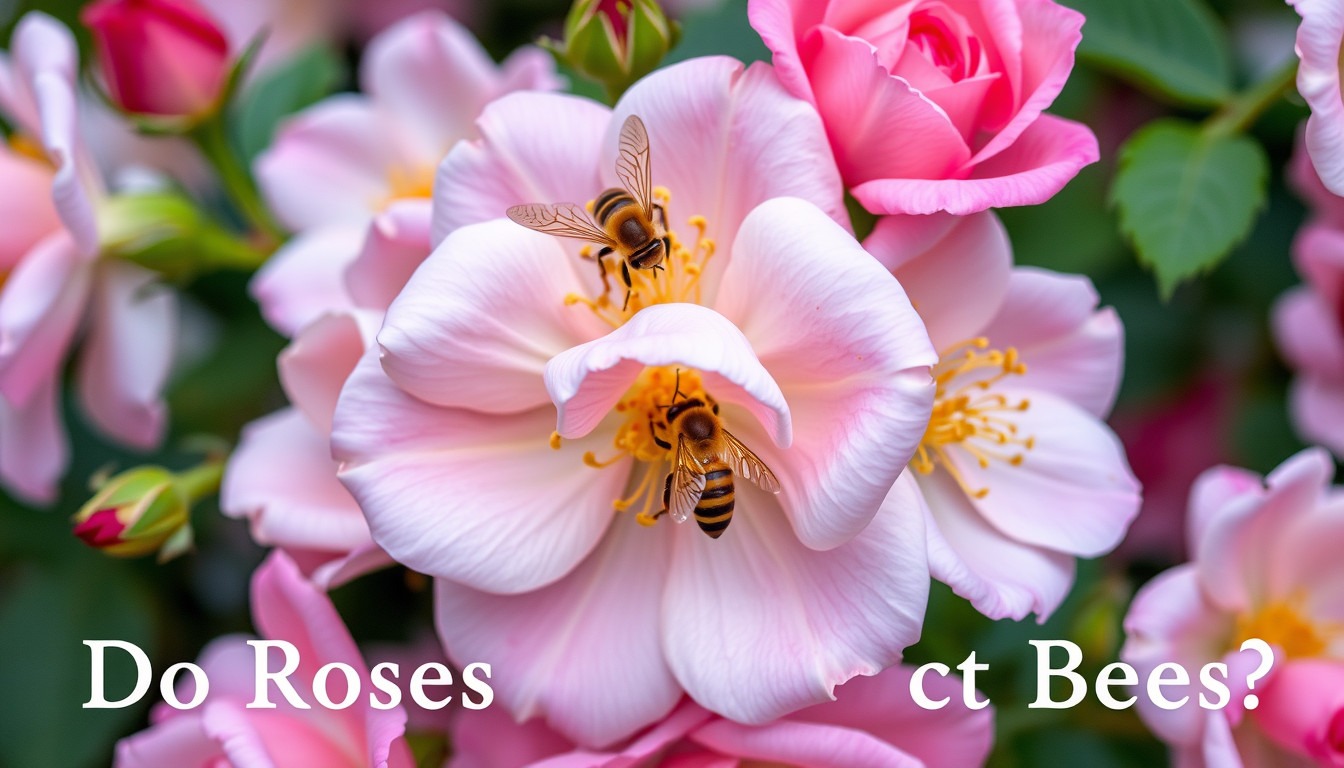
Most roses do attract bees, especially those with abundant, fragrant blooms and accessible nectar. However, attraction varies by rose type and local bee populations.
This article explores which roses appeal most to bees, factors influencing their attraction, and how gardeners can select and care for roses that support pollinator activity effectively.
Do Roses Attract Bees? The Basics of Flower Attraction
Whether roses attract bees depends on several factors, including their nectar production, pollen availability, fragrance, and flower structure. Typically, roses are not the most bee-friendly flowers compared to others like lavender, but many varieties do attract pollinators to some extent. Bees are primarily drawn to flowers that provide ample nectar and pollen, ingredients essential for their nutrition and hive sustenance. Understanding how roses appeal to bees involves examining these key attributes.
1. Nectar and Pollen Production in Roses
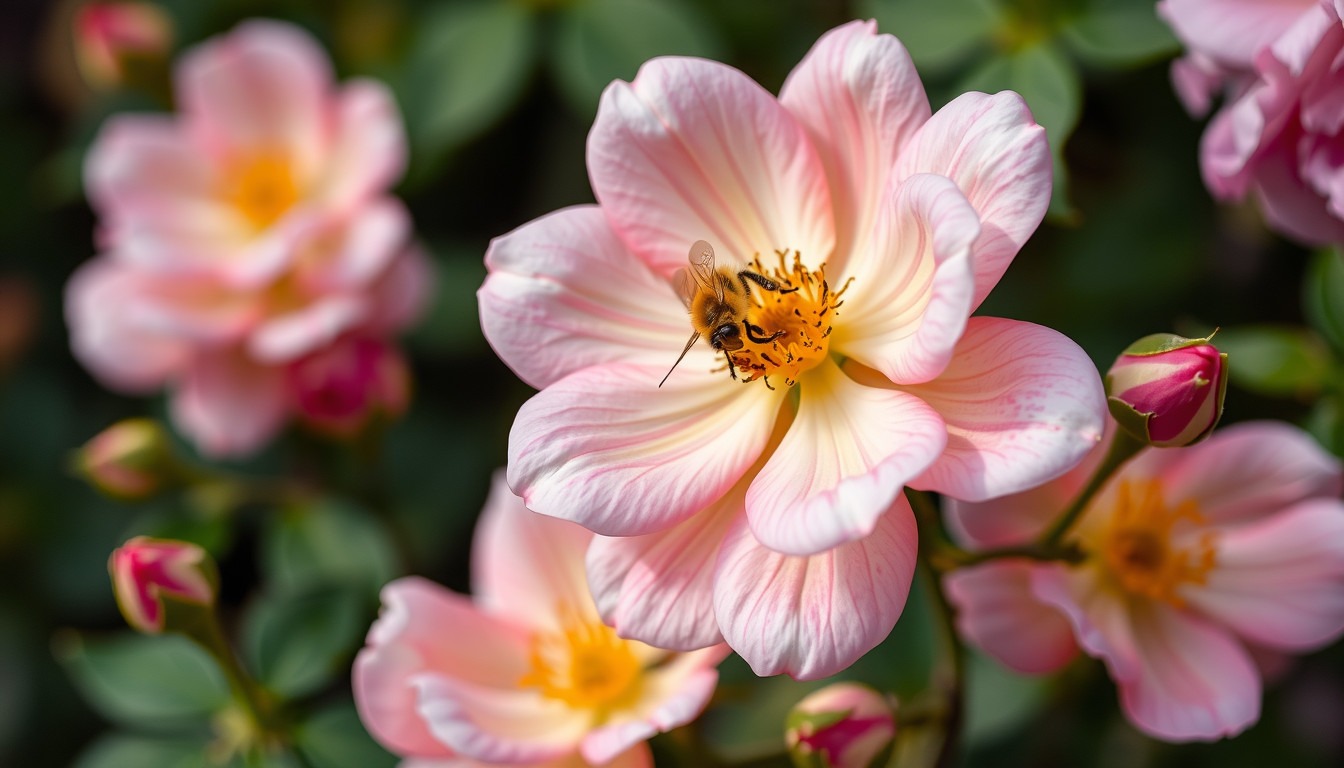
Most roses produce pollen, which makes them attractive to bees seeking protein sources for their colonies. However, nectar production varies widely among rose varieties. While wild roses and certain shrub roses tend to produce more nectar, many cultivated garden roses are bred more for appearance than for their nectar or pollen quantity. Bees are more likely to visit roses that offer sufficient nectar, especially during times when alternative flowers are scarce. The abundance and accessibility of pollen also influence bee preference, with open-petaled roses providing easier access for those with longer or more complex mouthparts.
2. How Fragrance Influences Bee Visits
Roses emit a range of fragrances, some more potent or appealing than others. Fragrance acts as a visual and olfactory cue that attracts bees, signaling the presence of food resources. Highly scented roses tend to draw more bee activity, as many pollinators rely heavily on olfactory signals when foraging. However, not all fragrant roses are equally attractive; the specific compounds and intensity play a role in their appeal. Breeding practices that prioritize scent can enhance a rose’s attractiveness to bees, but heavily hybridized or scentless varieties may see less bee traffic.
Table of Contents
3. The Role of Flower Accessibility
The structure of a rose’s flowers significantly impacts bee access and visit frequency. Flowers with open petals and a wide opening facilitate easier entry for bees, especially smaller species or those with shorter tongues. More compact or tightly petaled roses, such as many hybrid tea roses, are less accessible and may deter pollinators. Thus, roses with open, accessible flowers tend to attract more bees, particularly when combined with other attractive attributes like fragrance and pollen availability. Growers aiming to encourage bee visits often select open-petaled varieties or prune shrub roses to enhance accessibility.
Which Rose Types Are Most Attractive to Bees?
Different rose varieties vary significantly in their appeal to bees, primarily due to their pollen richness, fragrance, and petal structure. Bees are generally more attracted to roses that produce abundant pollen and have accessible flowers, making some types particularly effective in supporting local pollinator populations. When selecting roses to attract bees, consider these key characteristics along with the specific structural features of the flowers that facilitate bee access.
1. Wild Roses and Rugosa Roses
| Rose Types | Pollen Richness | Flower Fragrance | Petal Structure |
|---|---|---|---|
| Wild Roses | High | Strong, natural scent | Open, simple, wide openings |
| Rugosa Roses | High | Strongly fragrant | Dense, rugged petals with open centres |
Wild and Rugosa roses stand out as prime bee attractors because they produce plentiful pollen and feature petals that are easy for bees to land on and access. Their open structures facilitate efficient pollination, making them excellent choices for supporting bee activity in a garden.
2. Damask and Gallica Roses
| Rose Types | Pollen Richness | Flower Fragrance | Petal Structure |
|---|---|---|---|
| Damask Roses | Moderate to high | Highly fragrant | Relatively accessible petals with wider openings |
| Gallica Roses | Moderate | Distinct, strong scent | Compact, sometimes less accessible |
Damask roses are often favored for their fragrance and accessible petals, which can attract bees looking for nectar and pollen. Gallica roses, with their strong scent, can also draw bees despite having more dense petal arrangements that may limit entry for some insects.
3. Cultivated and Hybrid Roses
| Rose Types | Pollen Richness | Flower Fragrance | Petal Structure |
|---|---|---|---|
| Cultivated Hybrids | Variable, often lower | Often less fragrant | Hoyled, complex petal formations; some may lack accessibility |
Many modern cultivated hybrids prioritize appearance over ecological benefits. Some hybrids may lack nectar or have heavily layered, tight petals that deter bee visits. However, some hybrid varieties are bred specifically for pollen production or fragrance, making them still attractive to bees if selected carefully.
How Flower Characteristics Drive Bee Visitation
Bees rely on a combination of visual cues and scent cues to identify and select flowers for pollination. Their preferences are influenced by the flower’s petal structure, fragrance, color, and size, all of which signal the availability of nectar and pollen. Understanding these traits can help gardeners and landscapers choose plants, such as roses, that attract bees and support healthy pollinator populations. Flowers that facilitate easy access to nectar and pollen, emit strong or sweet fragrances, and stand out visually are more likely to be visited by bees. The interplay of these factors determines a flower’s attractiveness and efficiency as a forage source for pollinators.
1. Petal Opening and Accessibility
Wider-open flowers enhance bee visitation because they provide easier access to pollen and nectar. Flowers with a broad, open structure, like many roses, allow bees to land comfortably and efficiently forage without struggling to reach floral resources. If the petals are tightly closed or tubular, bees may find it more challenging to access the rewards, reducing the likelihood of visitation. Petal shape and openness thus directly influence a flower’s attractiveness based on ease of foraging.
2. Fragrance Strength and Type
Flowers that emit strong, sweet fragrances tend to attract more bees. Fragrance acts as a long-range signal, guiding bees toward promising sources of nectar. Roses, for example, produce a distinctive aroma that can attract bees from a distance, especially if the scent is rich and persists in the environment. Different type of scents—such as fruity, floral, or spicy—can appeal variably depending on bee species, but overall, a noticeable scent significantly increases visitation rates.
3. Flower Size and Brightness
Brightly colored and larger flowers are easier for bees to spot from a distance. Bees have good color vision, primarily tuned to blue, violet, and ultraviolet spectrums, but they can also see bright reds and oranges. Larger flowers, such as some roses, provide a clear visual target, reducing foraging time and increasing efficiency. Brightness and size are especially critical in dense floral displays, where conspicuous blooms stand out in a cluster or garden setting, drawing bee activity more effectively.
Optimizing Your Garden for Bee Visits: Practical Tips
Creating a bee-friendly garden that attracts pollinators such as bees requires thoughtful plant selection, strategic garden design, and careful maintenance practices. By understanding which roses and complementary plants are most appealing to bees, gardeners can enhance pollination and enjoy the vibrant activity that bees bring to flowering landscapes. Incorporating wild, fragrant roses and grouping plants in accessible, easily visible clusters encourages foraging and maximizes bee visitation throughout the growing season. Avoiding pesticides during bloom periods ensures that bees are not exposed to harmful chemicals, supporting their health and foraging efficiency. Implementing these practical steps can turn any garden into a thriving pollinator habitat, especially when combined with continuous flowering and diverse plant traits that cater to bee preferences.
1. Select a Variety of Bee-Friendly Roses
- Choose wild or naturally occurring rose cultivars, which tend to produce more nectar and pollen that attract bees.
- Opt for fragrant roses, as their scent can lure bees from greater distances, increasing visitation rates.
- Prefer roses with open, unobstructed flowers that allow easy access for bees to collect nectar and pollen.
2. Plant in Clusters to Increase Visibility
- Group roses and other bee-attractive plants together in tight clusters to make foraging easier and more efficient for bees.
- Planting in groups also amplifies visual cues, helping bees locate nectar sources from a distance.
- Combine various compatible plant species with overlapping bloom times to sustain bee activity throughout the season.
3. Maintain Flowering Throughout the Season
- Prune roses and deadhead spent blooms regularly to encourage the development of new flowers and prolong blooming periods.
- Choose rose cultivars and companion plants that bloom at different times, ensuring continuous food sources for bees from early spring through fall.
- Regularly fertilize with organic, bee-safe options to support robust flowering without deterring pollinators.
4. Combine Rose Traits for Maximized Attraction
- Mix traditional horticultural roses with wild or shrub roses, which tend to be more accessible and appealing to bees.
- Integrate plants with varying flower structures to accommodate different bee species, including smaller solitary bees and larger honeybees.
- Ensure that your garden design emphasizes open, accessible blooms free from pesticides, creating a safe, inviting environment for native pollinators.
Frequently Asked Questions
1. Do all roses attract bees equally?
No, bee attraction varies based on nectar and pollen availability, fragrance, and flower structure—wild and Rugosa roses tend to attract more bees than many cultivated hybrids.
2. Can hybrid roses provide enough nectar or pollen?
Some hybrid roses produce limited nectar and pollen, especially those bred primarily for appearance, but varieties selected for fragrance or pollen can still support bee activity.
3. What flower traits are most important for attracting bees?
Open flowers with accessible petals, strong fragrance, and abundant pollen are key traits that draw bees and facilitate effective foraging.
4. Are fragrant roses more bee-friendly?
Yes, highly fragrant roses are generally more attractive to bees because scent signals the presence of food resources, though specific scent compounds also influence attraction.
5. Which rose colors are most attractive to bees?
While bees see a range of colors, they are especially attracted to blue and purple hues; however, fragrance and flower structure often have a greater impact than color alone.
6. How can I improve bee visitation in my garden?
Select open, fragrant roses with plentiful pollen, and ensure flowers are accessible; pruning and plant placement also enhance bee activity.
7. Do environmental conditions impact bee attraction to roses?
Yes, factors such as temperature, weather, and the timing of bloom influence bee activity; warm, sunny days with plentiful flowering encourage pollinator visitation.
Sources and Further Reading